I’ve practically stopped reading web pages on my phone because I can’t get to the end of an article without it reloading several times. That irritates the crap out of me. Yesterday, my friend Mike sent me a blog post that explains why web pages do this: “The 49MB Web Page.”
Shubham Bose realized while reading a page at the New York Times that it involved “422 network requests and 49 megabytes of data.” Bose is a software engineer and decided to deconstruct how and why. I highly recommend reading his explanation of what happens when you load a webpage. He also explains the hidden machinery that tracks our personal data.
My friend Anne and I joke that we can talk in person about something we’re interested in, and the next time we get on our computers, the algorithm is sending us information about what we talked about privately. Bose does not explain that apparent bit of mind-reading by our AI overload, but if we’re being observed in 422 ways each time we read a page, it can probably predict what we will think about soon.
Bose is an engineer interested in the user interface (UI) and user experience (UX), and recommends programming techniques that could make me like reading on my phone again.
Is that the real solution? Make our experience better so we don’t notice all the activity behind our reading?
Personally, I’m slowly returning to magazine reading. It’s hard to give up the convenience of the internet, but the UI and UX of print magazines are more enjoyable.
Magazines cost a lot of money and people naturally prefer free. But that’s another philosophical issue over technology. The internet provides endless free content, but is it really free? There’s a reason why free comes with 422 network calls and 49MB of spying programs.
My friend Linda and I are reading If Anyone Builds It, Everyone Dies by Eliezer Yudkowsky and Nate Soares. The book is about how we should worry that AI will wipe us out. The authors present many scenarios in which AIs could drive us to extinction. Most of them sound like science fiction, but there are mundane hints we should ponder.
This morning, I read “The Laid-off Scientists and Lawyers Training AI to Steal Their Careers” by Josh Dzieza about several companies that hire laid-off experts to train AIs to make fewer mistakes. Online systems entice desperate humans to work in digital sweatshops to train AIs to put other humans out of work. The same kind of monitoring used to sell us shit is used to track their work. The system traps them in a cycle of working for less and less money because they know these people are desperate to put food on the table and pay rent.
Is artificial intelligence doing this to us, or is it our own greed? At some point, we need to decide. There are many stories like this YouTube video, which suggest that AI can’t take our jobs.
It might be dangerous to get too comfortable with that idea. Because I also watched another video that shows how fast AIs are learning.
We have to decide, although our greed might not let us. One article and one video claim the solution is to develop a symbiotic relationship. But what happens when the AI gets smarter than us? If they don’t need us, will they want us around?
Many claim the internet brings out the worst in people, and it makes us overall dumber. There’s that old saying, “Give a man a fish, and you feed him for a day; teach a man to fish, and you feed him for a lifetime.” Isn’t AI and the internet teaching us how not to fish?
Don’t bother reading this essay unless you’re considering the following:
Want to cancel your subscription to a cloud storage site
Manage terabytes of data
Hope to convert your old movies on discs to Jellyfin or Plex
Want to run Linux programs via Docker
For the past few years, I’ve been watching YouTubers promote NASes (Network Attached Storage). Last year, I just couldn’t help myself, I bought a UGreen DXP2800. I’m not sure I needed a NAS. Dropbox has been serving me well for over fifteen years.
[My DXP2800 is pictured above on top of a bookcase. It’s connected to a UPS and a mesh router. It’s a little noisy, but not bad.]
Actually, I loved Dropbox until I figured it was the reason my computers ran warm and noisy. I assume that was because it routinely checked tens of thousands of my files to keep them indexed, copied, and up-to-date on my three computers, two tablets, and an iPhone.
Lesson #1. If you desire simplicity, stay with the cloud. My old system was to use Dropbox and let it keep copies of my files locally on my Windows, Mac, and Linux machines. I figured that was three copies and an off-site backup. That was an easy-to-live-with, simple backup solution. However, I only had 2TB of files, which Dropbox charged me $137 a year to maintain.
Moving to the UGreen DXP2800 meant accessing all my files from the single NAS drive. It’s cooler and quieter on my computers. However, I had to purchase two large external drives for my Mac and Windows machines that I use to automatically back up the NAS drive daily.
Thus, my initial cost to leave Dropbox was the cost of the DXP2800 and two 16TB Seagate drives for a RAID array ($850), plus $269 (20TB external drive). I already had an old 8TB external drive for the other backup. And if I want an off-site backup, I need to physically take one of my drives to a friend’s house, or pay a backup company $100-200 a year.
And I have more to back up now. I was running Plex on my Mac using a 4TB SSD. Basically, I ripped a movie when needed. Since I got the UGreen DXP2800 and 12TB of space, I’ve been ripping all my movies and TV shows that I own on DVD and Blu-ray. I’ve ripped about half of them, and I figure I’ll use up 8-10TB of my RAID drive space.
I’ve been working for weeks ripping discs. I had no idea we had accumulated so many old movies and TV shows over the last thirty years. Susan and I had gotten tired of using a DVR/BD player, so we shelved all those discs on a neglected bookcase and subscribed to several streaming services.
When I bought the UGreen DXP2800, I thought we could cancel some of our subscriptions. We are viewing our collection via Jellyfin, but we haven’t canceled any streaming services.
I should finish the disc ripping in another couple of weeks. At least I hope. It’s a tedious process. My fantasy is having this wonderful digital library of movies and television shows we love, and we’ll rewatch them for the rest of our lives. I even fantasized about quitting all our streaming services. But I don’t think that will happen.
Looking at what TV shows Susan and I watched during 2025, none were from our library. Susan has started rewatching her old favorite movies. She especially loves to watch her favorite Christmas movies every year. And I have talked her into watching two old TV shows I bought on disc years ago, The Fugitive and Mr. Novak. Both shows premiered in 1963, and neither is on a streaming service.
Lesson #2. It would taken much less effort to just watch the shows on disc. And when I’ve converted them, I will have 10TB of data that I must protect. It’s a huge burden that hangs over my head.
Lesson #3. I tried to save money by using the free MakeMKV program. It works great, but creates large files and is somewhat slow. I eventually spent $40 for WinX DVD Ripper for Mac. It’s faster and creates smaller .mp4 files. However, it doesn’t rip BD discs. I found another Mac program that will, but it will cost another $49. I bought a $39 program for the PC to rip Blu-ray discs, but it was painfully slow. They claimed to have a 90-day money-back guarantee, yet the company ignored my request to return my money. It pisses me off that there are several appealing ripping programs I’d like to try, but they all want their money up front. Most offer a trial that will run a 2-minute test. That’s not enough. I’m happy with WinX DVD Ripper for Mac; I just wish it ripped Blu-rays.
Even then, files that are ripped from Blu-ray movies are huge and take much longer to rip. I’m not sure Blu-ray is worth it.
I tend feel movies and TV shows look better on streaming services. Most people won’t notice. My wife doesn’t see the difference between DVD and BD. For ripping, I prefer DVDs.
Lesson #4. I bought the UGreen NAS even though I wanted a Synology NAS. UGreen just had better hardware. I thought I wanted to get into Docker containers, and UGreen had the hardware for that at the price I wanted to pay. However, setting up Docker containers requires a significant amount of Linux savvy.
I kind of wish I had gotten Synology. It runs many programs natively, so you don’t have to mess with Docker. I hope UGreen will do more of that in the future. I spent days trying to get the YACReader server running. I never succeeded. That was frustrating because I really want it.
There are many services I’d like to run, but I just don’t have the Docker and Linux skills.
Final Thoughts
I’m not sure I would buy a NAS, knowing what I know now. However, if I could figure out how to run programs via Docker, I might go whole hog on NASes. In which case, I would regret getting the 2-drive DXP2800. At first, I thought I’d be good getting two 8TB drives to put into RAID. But I spent more for two 12TB drives, just in case. If I really get into having a home lab, I should have bought the 4-drive DXP4800 Plus.
There are many features I wish UGreen would offer for its software. If all the programs I wanted to run ran natively on the UGreen OS and were easy to use, I think I would love having a NAS.
Setting up file sharing was easy. I got it working on my Mac, Windows, Linux, Android, iPad, and iPhone. However, it’s hard to open files using the UGreen app on iOS and Android. I don’t know why UGreen just can’t make an all-purpose file viewer. Dropbox can open several file types on my iPhone. UGreen expects me to save the file to my iPhone and then view it with an iPhone app. However, I can’t get my iPhone apps to find where the UGreen app saved the file.
That’s why I want the YACReaderLibrary Server running on the DXP2800. I have YACReader running on every device. It can read .pdf, .cdr, .cdz, .jpg, .png, .tiff, and more. Too bad it doesn’t read Word and Excel files too. I think other Linux server apps can handle even more file types. I want my NAS to be a document server.
I’m moving forward with my NAS. If I fail, I’ll regret buying the NAS. Or, I might create a server full of useful apps that I can’t live without. That sounds fun, but it also sounds like it could become a lifelong burden.
We criticize young people for their addiction to screens, but Baby Boomers were the first generation to embrace screens, the television screen. (Although I suppose the first generation to embrace a screen, the silver screen, could be those who grew up in the late 19th century, who went to silent movies.)
Baby Boomers, in the early part of our lives, watched TV according to the broadcast schedule. Later on, we experienced the immense variety of TV shows on cable channels, still tied to a schedule. The next technological marvel was the DVR, which freed us from needing to be in our La-Z-Boys at specific times. Then came Netflix discs. And then Netflix streaming. We could now binge on whole seasons of TV shows. Between DVDs, Blu-rays, streaming, YouTube, and the internet, we can practically watch anything that’s ever been on.
Susan and I have gone through several phases of TV watching in our 48 years of marriage. When we first got married, we both watched what each of us wanted to see because we did everything together. Slowly, our tastes verge. I watched what I wanted by myself, and she watched what she wanted by herself. A few years ago, we agreed to reunite our viewing. From 8pm to 10pm, we’re back to watching TV together.
I would like to watch movies, but Susan prefers TV shows. We both love watching a TV show from pilot to finale. Generally, we watch hour-long shows. One episode from one series, then one episode from another. When we’re really addicted, such as when we were going through the 15 seasons of ER, we’d watch two episodes a night.
At the end of 2025, and the beginning of 2026, we’re finishing up The Pallisers and just beginning The Fugitive.)
Getting old is getting strange. I would have sworn I wrote about our television watching twice in 2025. But it appears my last update was eighteen months ago. And, some of the shows I reviewed in that post are ones I thought we watched in 2025. Time is just blasting by.
For some reason, people like reading what we’re watching. I meant to post a regular report, but I’ve failed. So here’s what I can remember for 2025.
My friend Mike carefully logs everything that he and his wife, Betsy, watch. I’ve tried to do that many times, but I forget to upkeep the log after a few days. I wish I had Mike’s discipline.
It probably doesn’t matter that I remember when we watched a TV show, but I have a hangup regarding memory and time. TV shouldn’t even be that important in our lives; it’s just a diversion, isn’t it? I feel television, movies, books, and music as a connection with other people. A way to find common ground.
Watching two episodes a night means I should remember 730 episodes total. We had company on some nights, and for a couple of weeks, watched movies, so that number will be less. Still, if my memory works well, I should come close to 700 episodes.
ER
(1994-2009, 15 seasons, 331 episodes, Hulu)
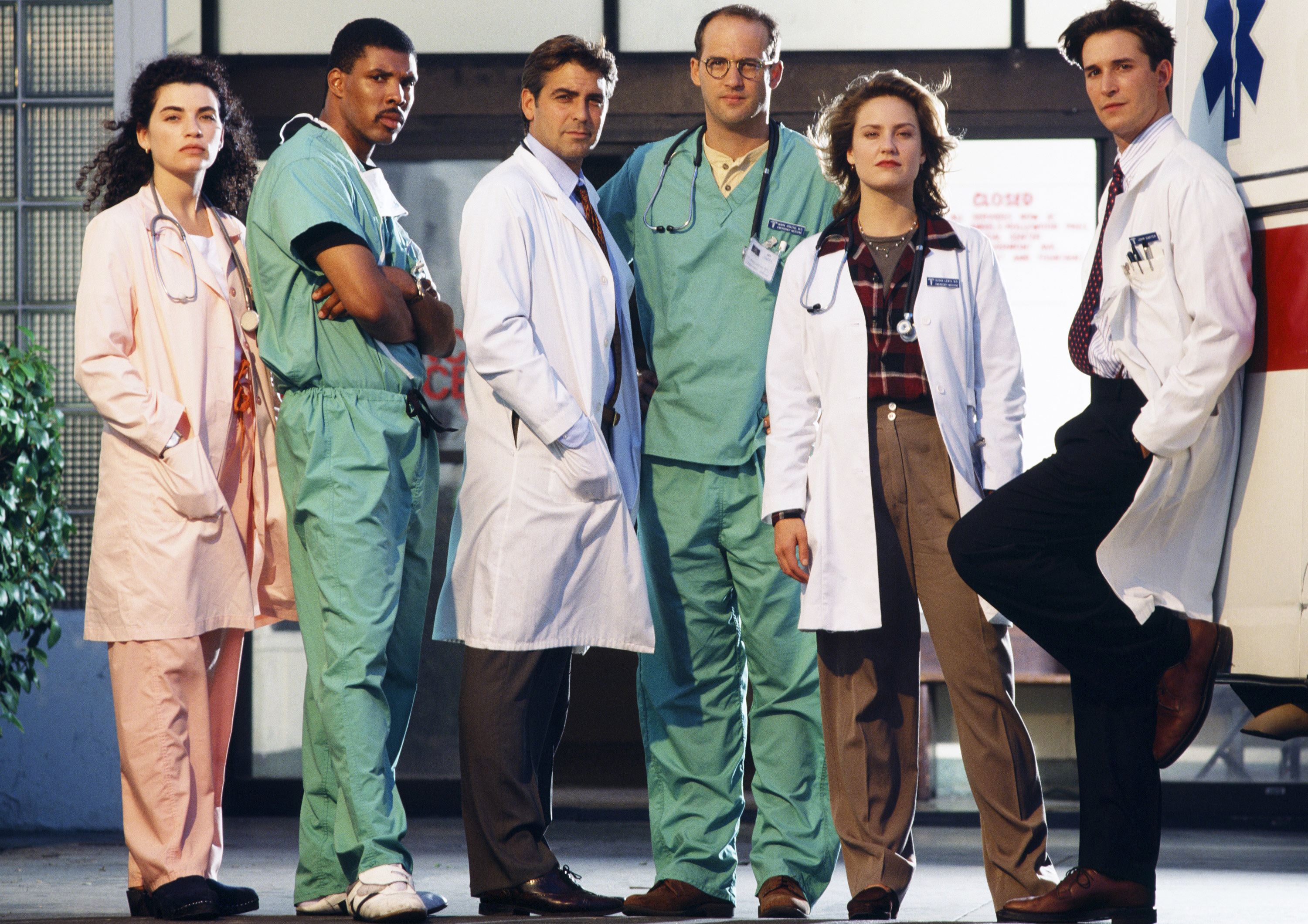
ER is still quite compelling, and sometimes we’d watch two episodes in the evening and sneak in an extra one in the afternoon. Susan and I faithfully followed the show when it first aired. It’s good enough, I can imagine watching it again someday.
The Forsyte Saga
(2002, 2 series, 10 episodes, PBS)
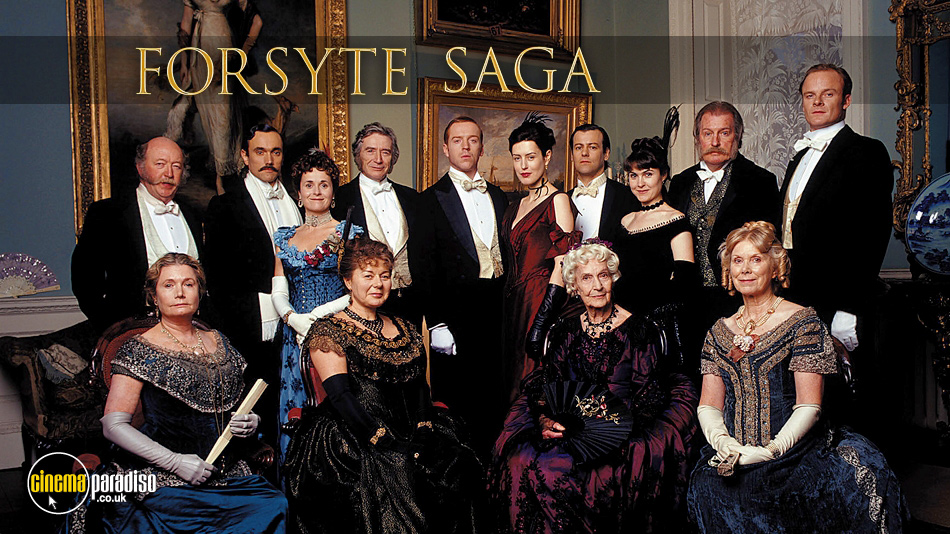
I had heard that a new version of The Forsyte Saga was being produced in England, but I wasn’t sure when it would be shown in America. We’re still waiting. I talked Susan into watching an old version. I had seen it years ago. It’s still good.
The Pitt
(2025, 1st season, 15 episodes, HBO)
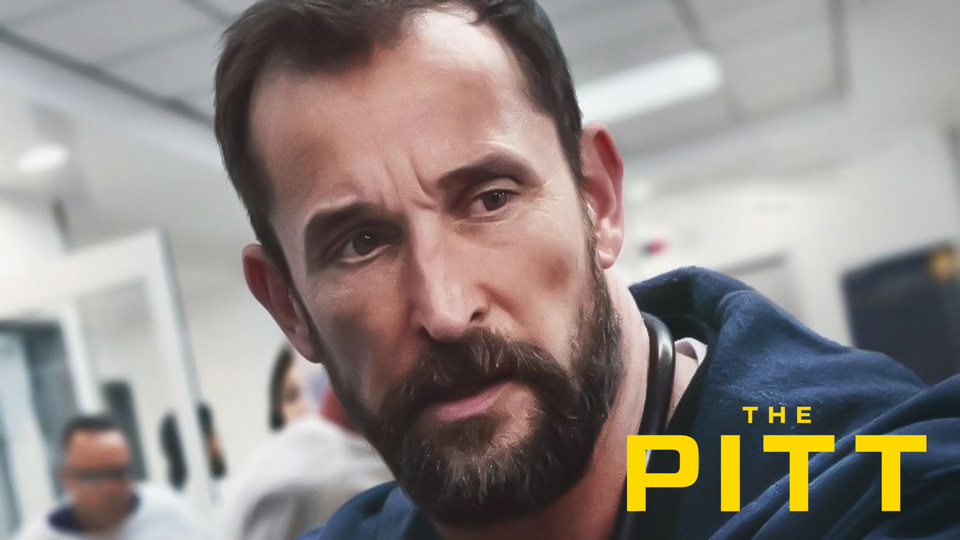
Because we loved ER so much, we signed up to HBO long enough to watch The Pitt. It was tremendous! We highly recommend it. We’re both looking forward to when season 2 starts, which is soon. I would watch season one again. That’s our highest recommendation.
All Creatures Great and Small
(2025, 5th series, 6 episodes, PBS)
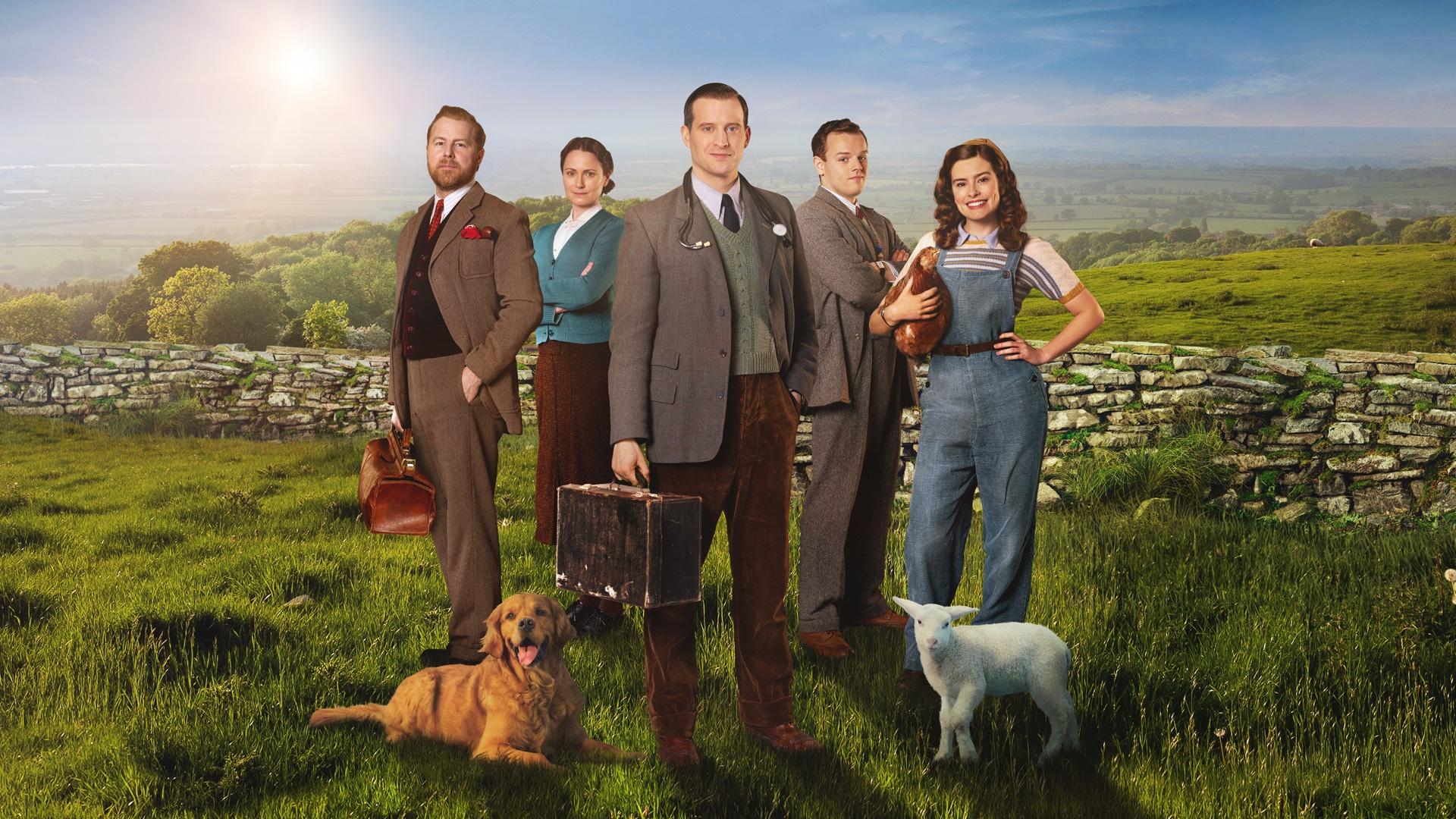
If memory serves me well, and it seldom does, we started 2025 with All Creatures Great and Small season 5. We love that series. In a previous year, or the year before that, we watched the complete run of the original production of All Creatures Great and Small that came out in the 1970s, and then caught up on the new series. Season 6 should start soon. We’re also looking forward to it, too. I would watch both series again.
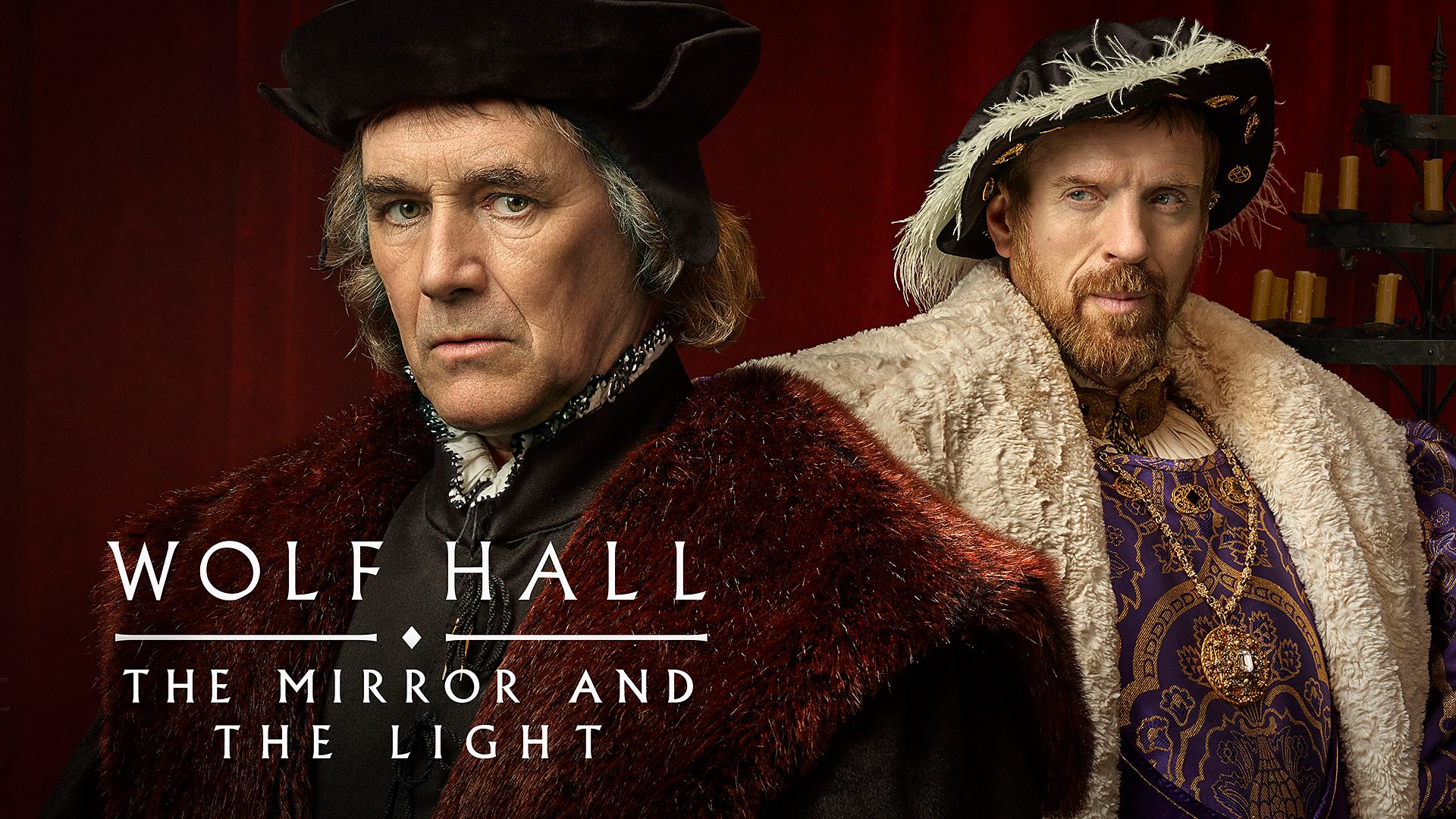
Wolf Hall: The Mirror and the Light
(2024, one series, 6 episodes, PBS)
I was surprised last year when Susan agreed to watch Wolf Hall, the first season of this series. Wolf Hall: The Mirror and the Light is an excellent historical drama, and watching the two seasons of this show makes me want to read the book. It seems we’ve found another common ground, history.
The Mary Tyler Moore Show
(1970-1977, 7 seasons, 168 episodes, no longer streaming)
I was disappointed with The Mary Tyler Moore Show, and I confess to bailing out at the end of the 6th season. Susan faithfully stuck with it until the end, but admitted that it wasn’t that good. The show has a great reputation and is often mentioned in TV histories. I even read Mary and Lou and Rhoda and Ted: And all the Brilliant Minds Who Made The Mary Tyler Moore Show a Classic by Jennifer Keishin Armstrong. The book was fascinating and made me admire the creators, writers, actors, and characters, but I never actually enjoyed the show.
Well, I loved looking at Mary Tyler Moore. That got me through six seasons. However, I talked Susan into trying The Dick Van Dyke Show, because I wanted to see more of Mary Tyler Moore. Susan couldn’t handle it. Some of the Dick Van Dyke shows were brilliant, but Susan and I were disappointed whenever the show involved a flashback to Rob’s military days or whenever the characters put on a show within a show.
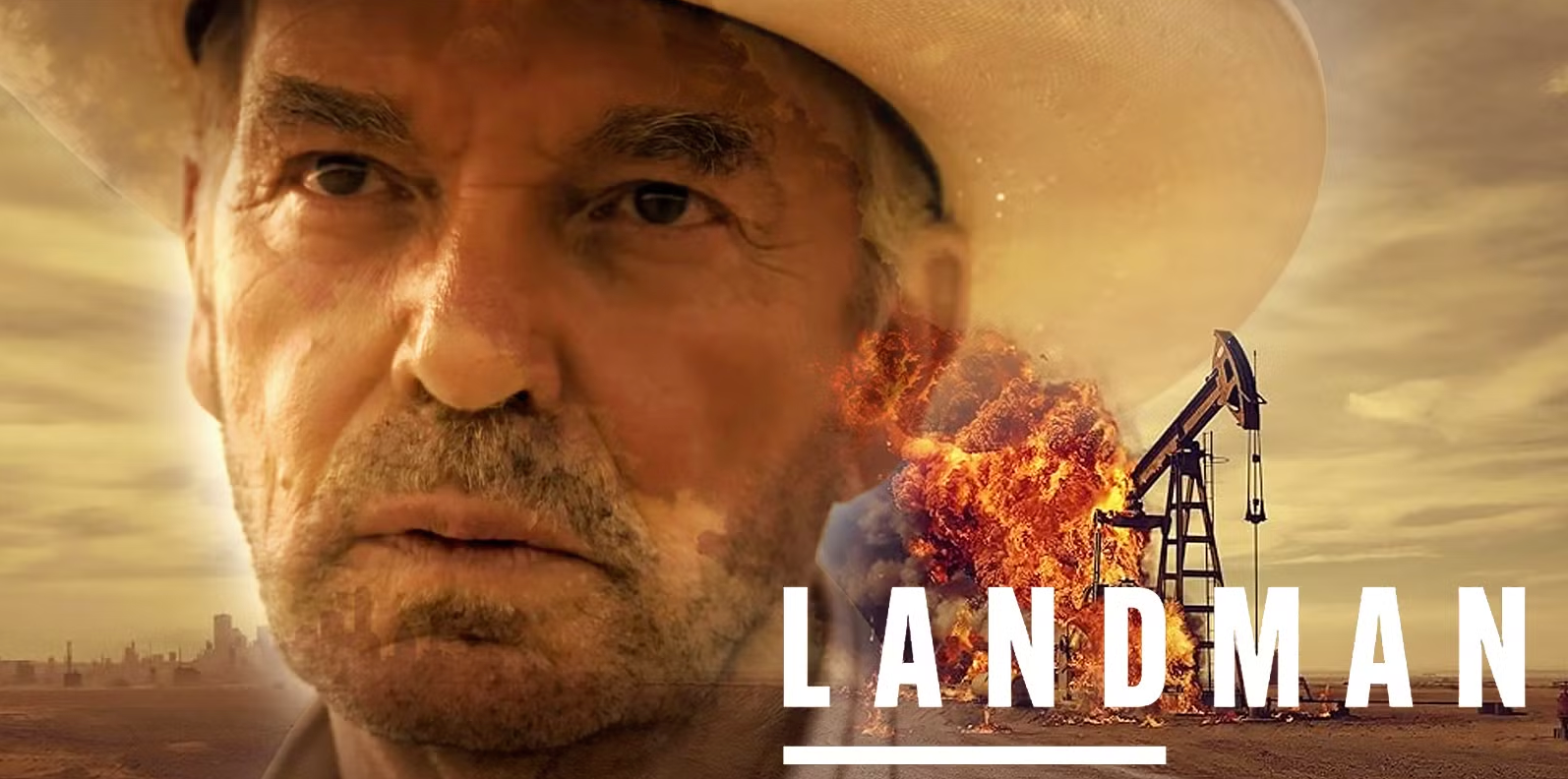
Landman
(2024, 1st season, 10 episodes, Paramount+)
Susan refused to watch Landman, so I got my friend Anne to watch it with me. No matter how much Anne and I tried to convince Susan that this show was one of the best shows in years, Susan refused to watch it. The show is violent. Landman is blatant propaganda for the fossil fuel industry. But it’s hilarious!
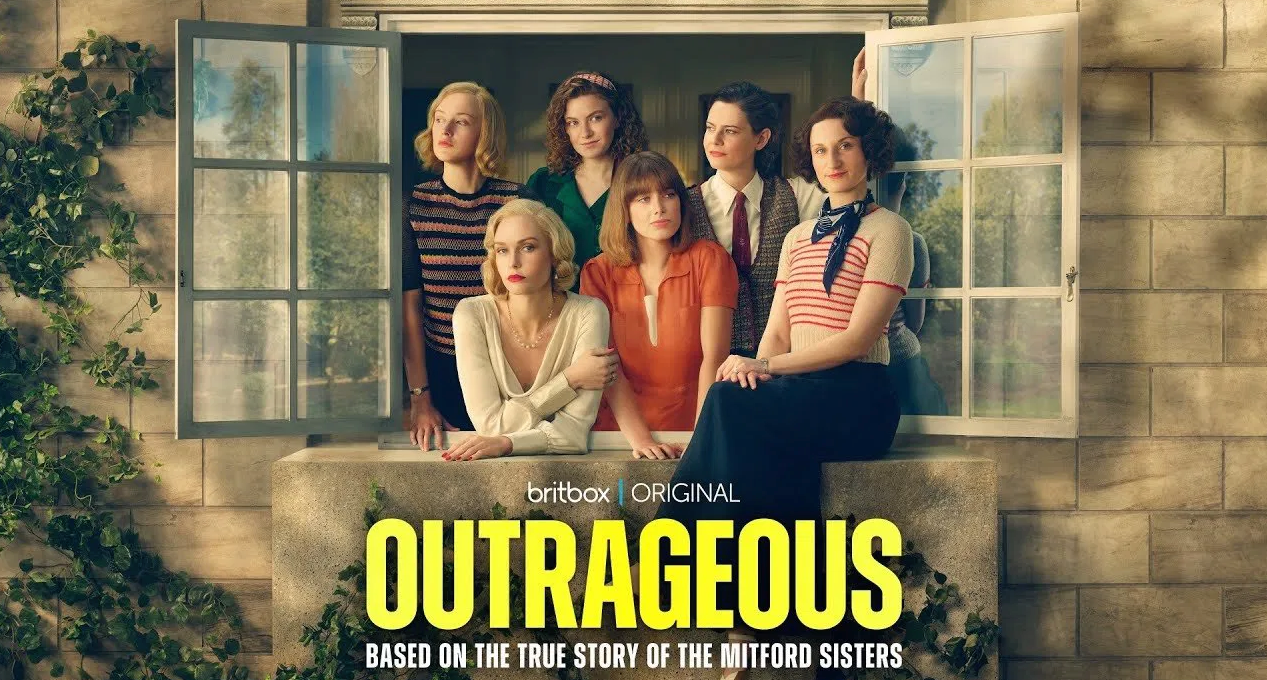
Outrageous
(2025, 1 series, 6 episodes, Britbox)
I’ve read about the Mitford sisters before, so I knew what to expect with the miniseries Outrageous. We invited our friends Anne and Tony to watch this one with us. We had a lot of fun. If you want to know what they called this show, Outrageous, read my review of the books and shows I’ve watched about the Mitford sisters.
The House of Eliot
(1991-1994, 3 series, 34 episodes, Britbox)
We picked The House of Eliot because we both enjoy watching BBC period pieces. This one was only okay. I wouldn’t rewatch it. But it was fun enough. It made Susan and me discuss why we like watching certain shows again, especially shows like Downton Abbey, which we’ve watched several times. We agreed it’s the characters. The Eliot girls were only appealing enough for one viewing.
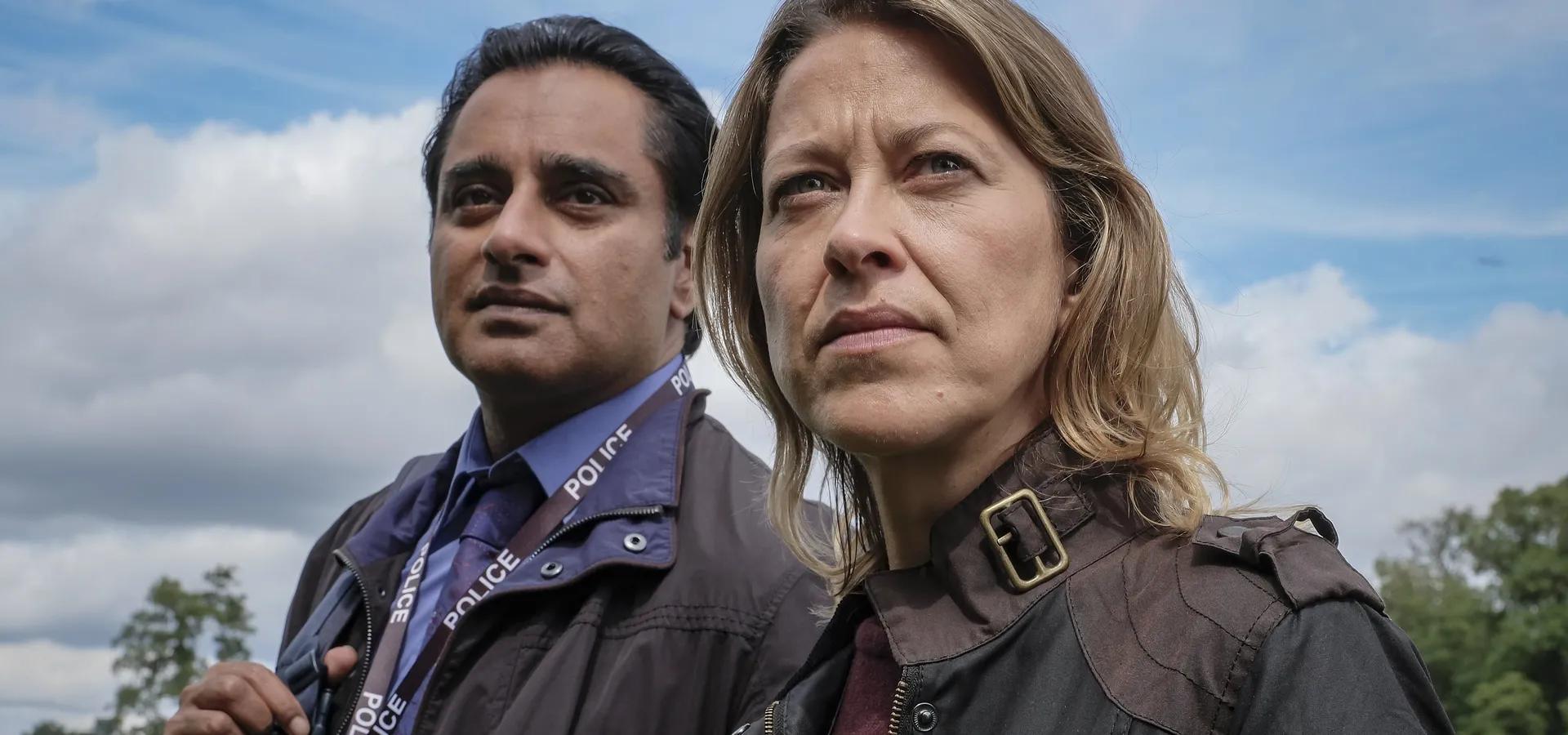
Unforgotten
(2015, 6 series, 36 episodes, Prime Video)
Normally, Susan and I don’t like police procedurals. However, Unforgotten and Broadchurch had settings and stories that didn’t feel like the traditional murder mystery.
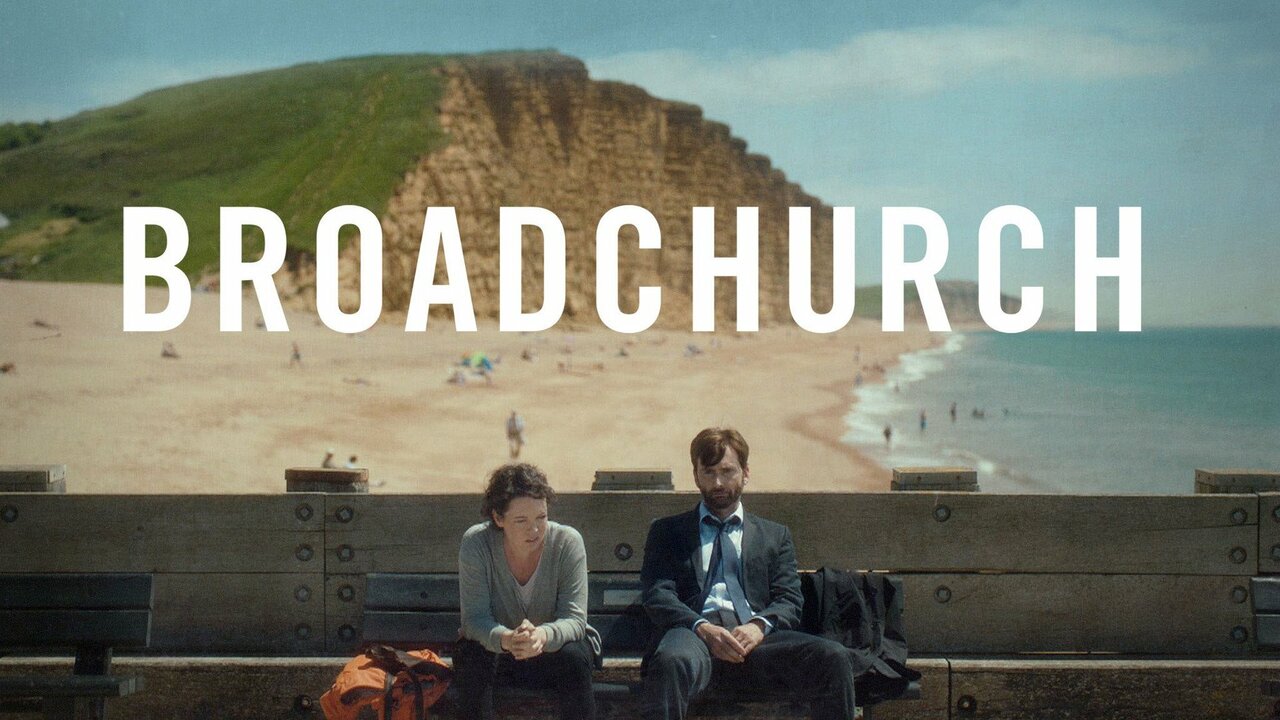
Broadchurch
(2013-2016, 3 series, 24 episodes, Netflix)
Broadchurch was a gripping series we both looked forward to watching each night. I especially love Olivia Colman. The first season weirded me out because I felt like I knew the plot, but the characters and places felt wrong. I got on Google and discovered Gracepoint, an American adaptation of Broadchurch that I had watched without Susan years ago. It also starred David Tennant.
The Way We Live Now
(2001, 4-part miniseries, The Roku Channel)
The Way We Live Now is based on the 1875 Anthony Trollope novel of the same name. I enjoyed the book so much that I was excited to find the miniseries years ago. So watching it with Susan was a repeat for me. It held up to repeated watching. The story is about a Bernie Madoff-type swindler who runs a con in Victorian London. However, I was disappointed with how the miniseries portrayed Mrs Winifred Hurtle, an American woman who had a reputation for killing husbands. In the book, I was convinced she did kill husbands, but in the miniseries, the way the character was presented, I felt it was only a rumor. I liked how Mrs. Hurtle was more sinister in the book. It’s amusing how Trollope portrays Americans.
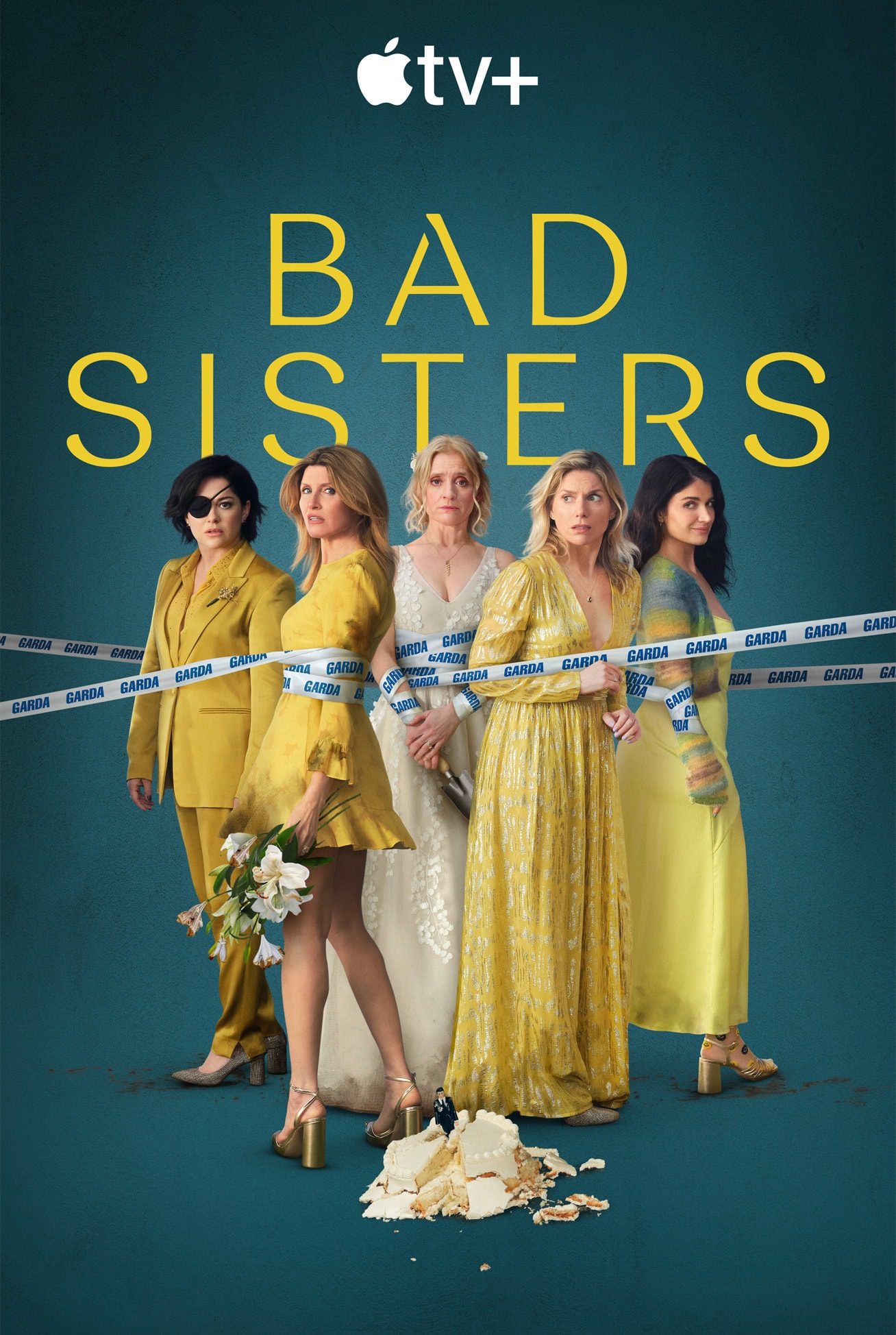
Bad Sisters
(2022-2024, two seasons, 18 episodes, Apple TV)
Evidently, Susan and I have a thing for comedy shows about women who kill. Last year, we loved watching the two seasons of Why Women Kill. Bad Sisters is another supposedly dark comedy, but I guess we’re both okay with murdering men who are big-time dicks, so it really didn’t seem that dark.
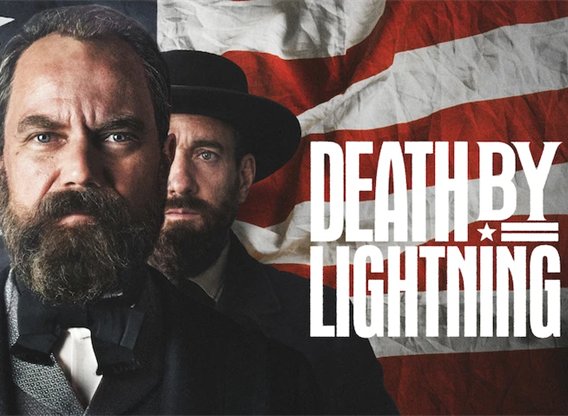
Death by Lightning
(2025, 1 season, 4 episodes, Netflix)
I really don’t know much about the presidents from the 19th century. Watching Death by Lightning made me want to read history books about all of them. This miniseries is about the assassination of James A. Garfield. It’s based on the book Destiny of the Republic by Candace Millard, which my friend Mike tells me is an excellent book. Last year, we watched Manhunt, a miniseries about the assassination of Lincoln. I wonder if next year, we’ll watch another historical film about the assassination of a president.
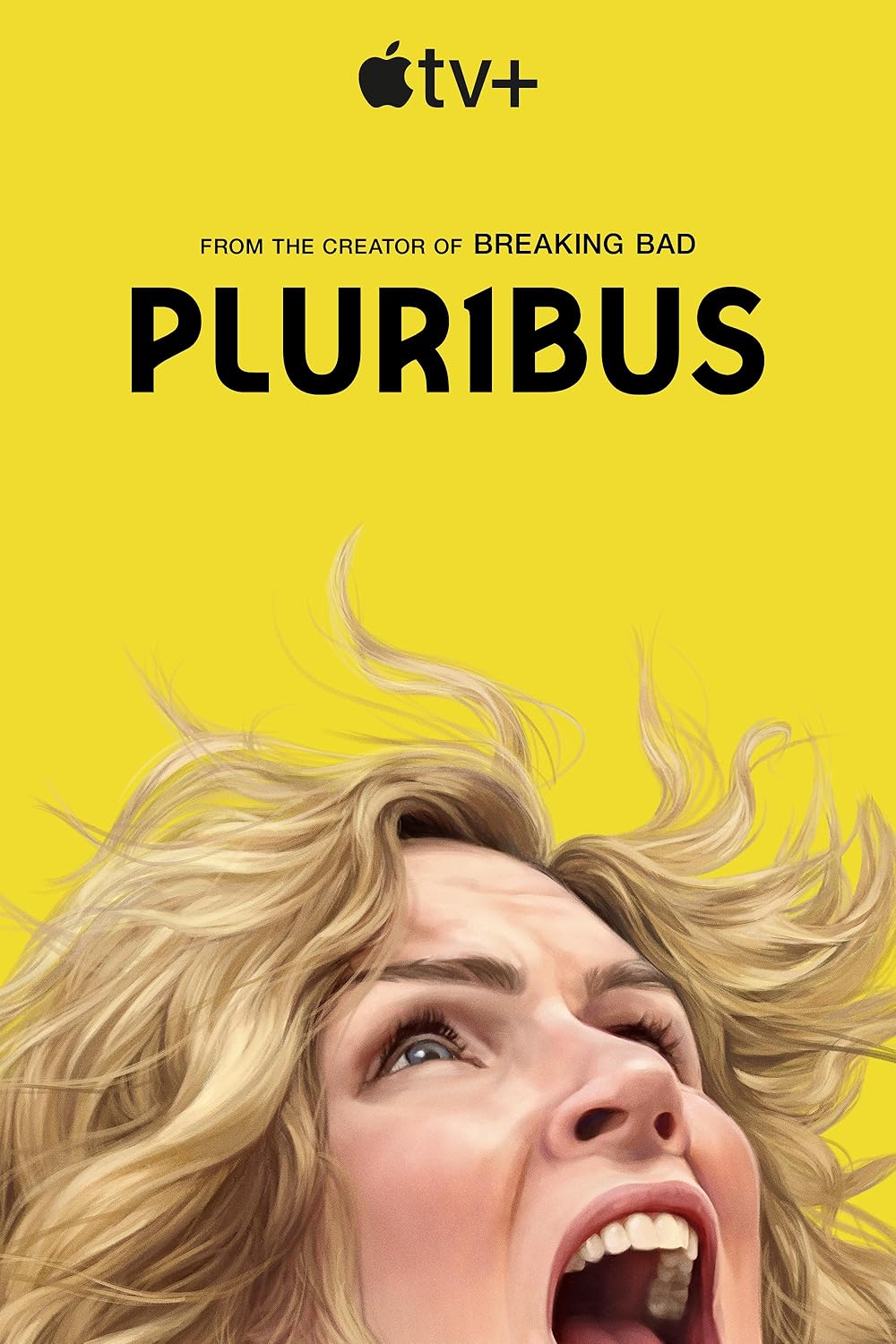
Pluribus
(2025, 1st season, 9 episodes, Apple+)
I’m shocked that Susan agreed to watch Pluribus. She absolutely refused to watch Breaking Bad, no matter how many friends swore that it was great. And Susan doesn’t like science fiction. We both like this show and were disappointed when the season ended. We are worried that it has the kind of mysterious plot that might lead to a Lost black hole of a plot.
Adolescence
(2025, 4-part miniseries on Netflix)
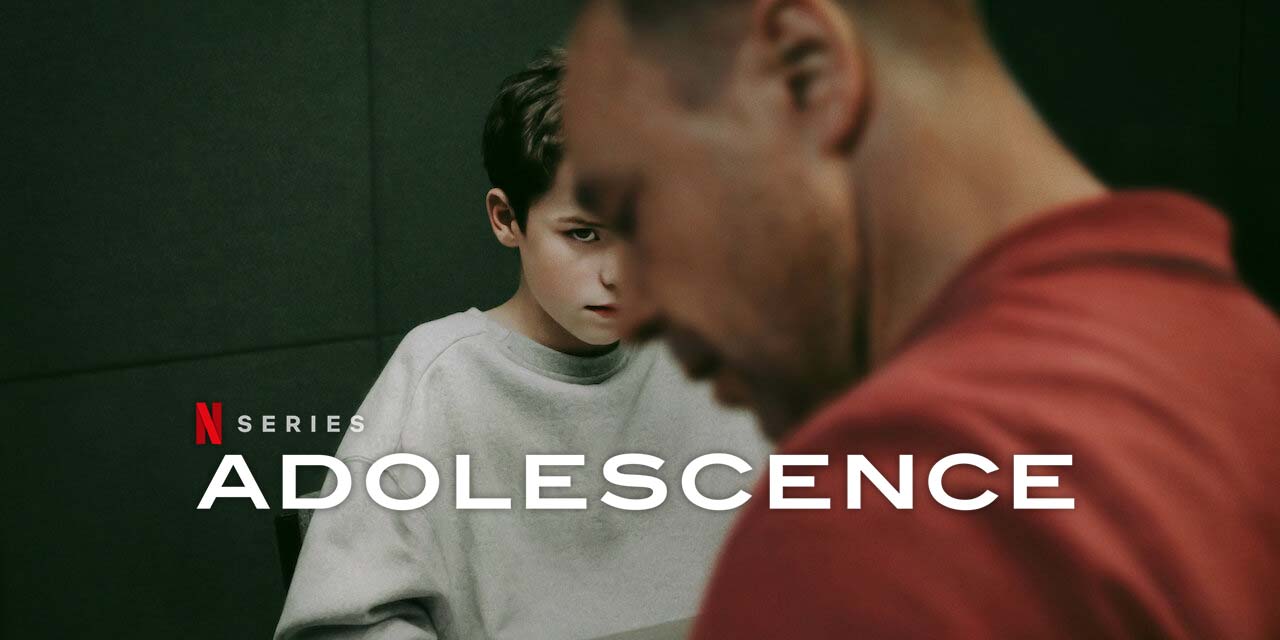
Now, Adolescence is dark. It’s also brilliant. It’s about a schoolboy who is accused of killing a female classmate, and the impact it had on his parents. If you’re prone to depression, don’t watch this one. However, each episode was filmed in one take, and the whole presentation was tremendously creative. The show was revealing about growing up in the 2020s. At one point, the cop investigating the murder is pulled aside by his son, who tells him to stop embarrassing himself. The dad asks why. The son tells him he interpreted all the evidence from social media messages completely wrong. That let us old folks watching the show know that words and language have completely changed. I highly recommend this one if you can handle the realism. (There is no graphic violence.)
The Pallisers
(1974, miniseries, 26 episodes, YouTube)
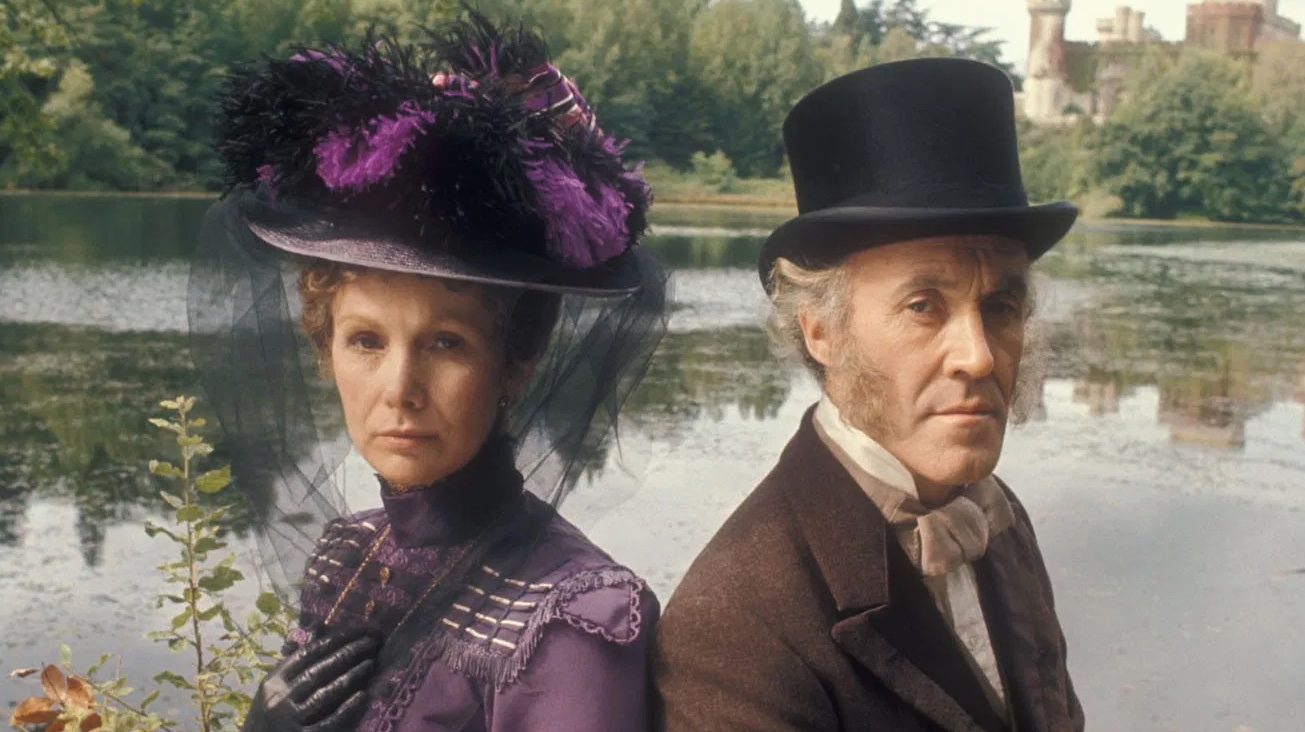
This miniseries is based on four main novels from Anthony Trollope’s Palliser novels. This 1974 production included material from two other Trollope novels that covered the same characters. This was the last series Susan and I watched in 2025; however, ten of the episodes ran into 2026.
We both liked this series. I had seen it before. Susan and I agree best on historical dramas, especially those based on classic books produced for Masterpiece Theater.
Memory Results
711 episodes total. I think this must be close to everything we watched in 2025.
There are some conservative Republicans who wish to censor history by forgetting events in America’s past. They worry that such history could make their children feel bad about themselves. They want to remember a past that makes America look great again. Please read Donald Trump’s executive order regarding this issue.
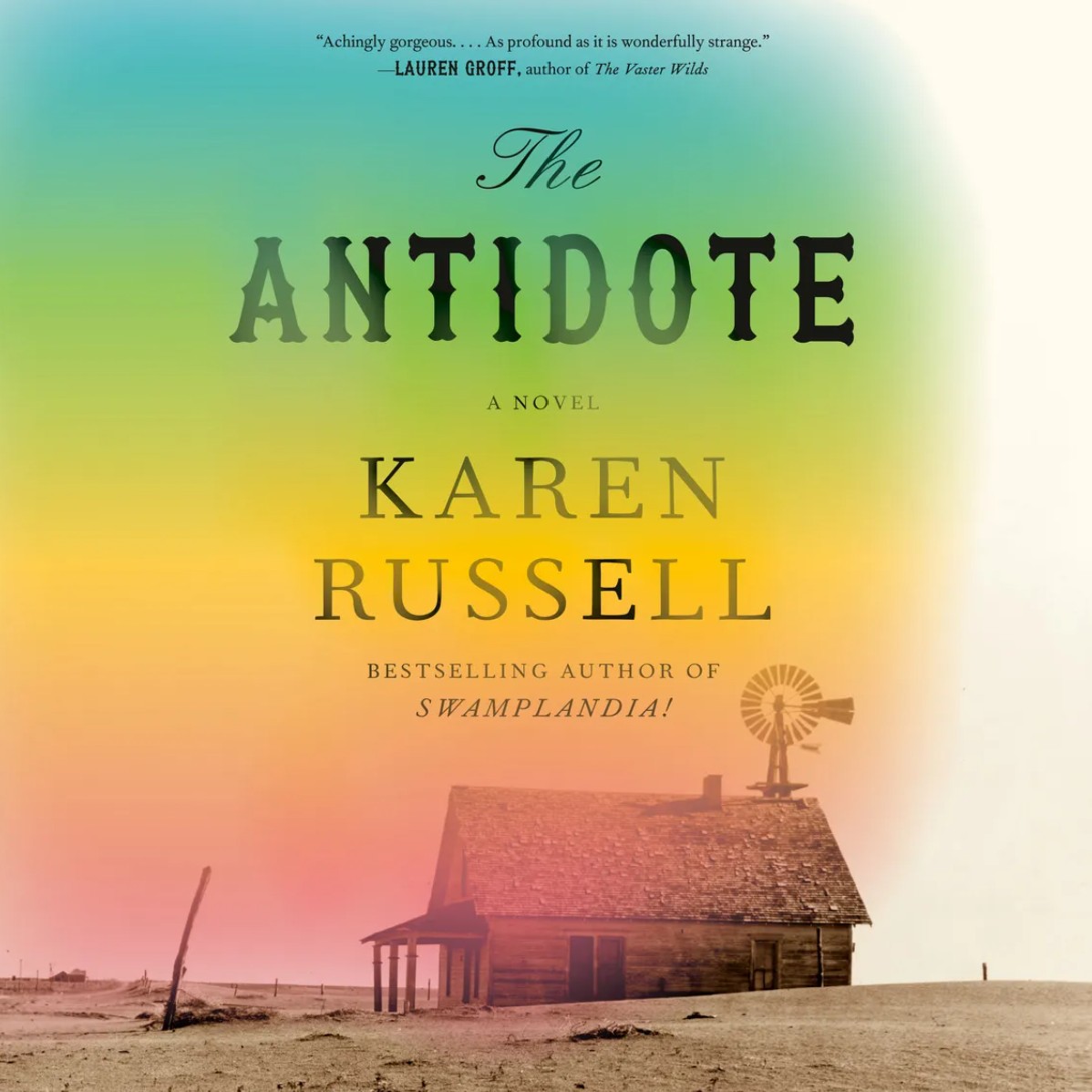
Karen Russell’s latest novel, The Antidote, philosophises why we need to remember everything, even things our ancestors did that make America look bad. Russell uses fantasy to educate us about reality. When my friend Annie first recommended that we read this novel together, the fantasy elements turned me off. As a life-long science fiction reader, I was in the mood to read realistic fiction for a change. The older I get, the more I want nonfiction, but I can’t give up fiction completely.
Throughout the first half of The Antidote, I was annoyed with all its fantastic elements. However, I eventually realized that Russell was using them as a plot device to get her readers to contemplate real history. Eventually, I felt Russell had read a great deal of American history that disturbed her, and she was using her novel to come to grips with why we shouldn’t forget that which many want to erase from American history books.
Memory is the main theme of this novel. Both personal memories and historical memory.
The Antidote makes a case against five crimes our ancestors committed. These tragic deeds explore the dimensions of greed. Each of these historical atrocities has been well-documented in nonfiction books I’ve read over the years. Reading the novel made me ask: Which has more impact, fiction or nonfiction? Listening to The Antidote made me feel closer to the suffering.
How many books have you read that deal with these historical events? Did you learn more from reading fiction or nonfiction?
How did we take land from the Native Americans?
How did we force Native Americans onto reservations and attempt to reeducate them with our culture and values?
How did poor farming practices cause the environmental catastrophe of the Dust Bowl?
How did we institutionalize unwed mothers and steal their babies?
How do we allow the murders of women to go uninvestigated and underreported?
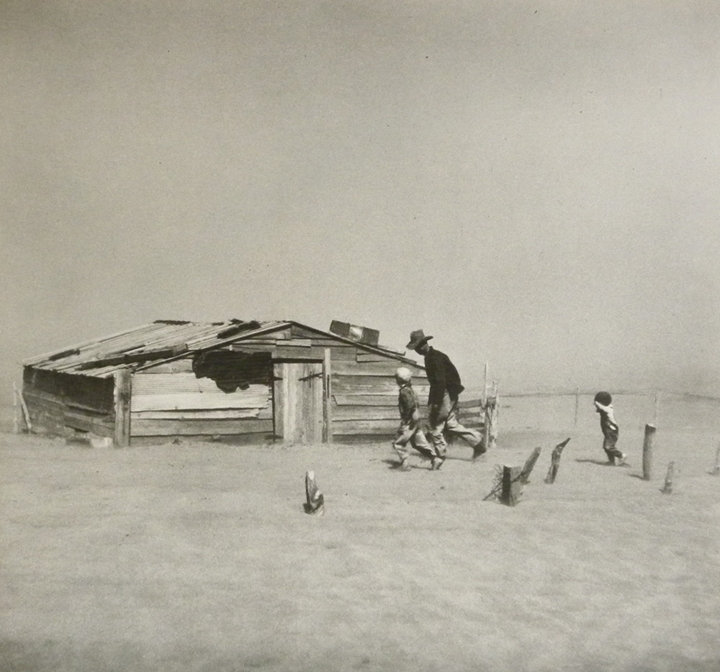
The Antidote is primarily set in the fictional town of Uz, Nebraska, in 1935, between two significant real events, the Black Sunday dust storm (April 14, 1935) and the Republican River flood (May 31-June 1, 1935). The story is told sequentially, but with flashbacks. We hear the story told from many voices. Four primary characters: The Antidote (Antonina Rossi, AKA, the Prairie Witch), Asphodel Oletsky (Del), Harp Oletsky (Del’s uncle), and Cleo Allfrey (photographer), along with two significant secondary characters, a cat and a scarecrow.
Antonina, a middle-aged woman, had been institutionalized at age 15 for being an unwed mother. Her son had been forcefully taken away from her. She makes her living as a vault, or prairie witch. Antonina can enter a trance while another person relates a memory they wish to forget. That process will erase the memory from the teller’s mind and store it in hers. Antonina gives them a written receipt that will trigger that memory, and she can reinstate it at a future time. Antonina does not remember what she vaults. She is paid for this service, but her clients consider her no better than a prostitute.
Asphodel “Del” Oletsky, a fifteen-year-old girl, just five feet tall, is the captain of Uz’s high school girls’ basketball team. Her mother was murdered when she was young, and she lives with her uncle Harp Oletsky. Cleo is a young black woman who travels the country documenting the depression for FDR’s government. The plot of the novel eventually brings them all together.
The novel begins with a roundup of jack rabbits and clubbing them to death. My father was born in Nebraska and was Del’s age in 1935. He told me stories about how the farmers would exterminate the jack rabbits. My mother also went to high school around this time and played basketball. My grandmother was on a basketball team in Indiana at the turn of the century.
My memories immediately made me connect with the story. We remember the good ones, but forget the bad ones.
The story then goes into catching a serial killer of young women. The sheriff even connects the killer to Del’s mother’s cold case. This murder mystery is the apparent backbone of the plot, but it’s not the real story.
The Antidote immediately triggered a memory of an article I recently read, “The Nurse Who Names the Dead” by Christa Hillstrom. The article was about Dawn Wilcox, who created a database to track the number of men killing women. She discovered that femicide goes vastly underreported. One of the truths of Russell’s novel is that she’s writing about evils that have always existed. Can we ever break the cycle?
Dust and evil color this novel with darkness. I listened to the audiobook edition, and it felt like I was watching an old black-and-white movie. I’d call it noir magical realism.
I admit, I had to push myself to keep listening for the first half of this book. I was just put off by the fantasy elements. But the characters grew on me. And by the middle of the story, I was hooked. The last half of the book often made me teary-eyed. For most of the novel, I felt Russell was too writerly, but when Harp gives his big speech near the end, I must say I was quite impressed with the writing and the description of the riot and storm.
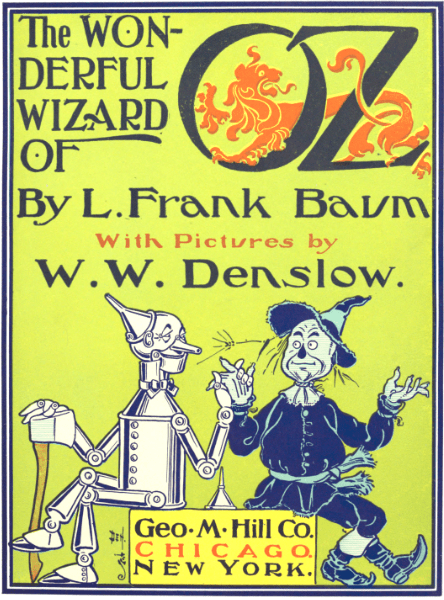
Throughout this story, I kept thinking about the Oz books by L. Frank Baum. Uz almost sounds like Oz. Plus, the story has a tornado and a talking scarecrow.
I wanted to connect the elements of this story with all the nonfiction books I’ve read that back up its fictional history. Especially, The Worst Hard Time: The Untold Story of Those Who Survived the Great American Dust Bowl by Timothy Egan, plus the Ken Burns’ documentary, The Dust Bowl. However, I can’t remember where I read about the other issues in this book. My mind is getting old and tired.
My friend Linda and I often talk about how humans repeat the same crimes throughout history. In recent months, we’ve focused on how greed is the primary driver of evil. As you read The Antidote (if you do), think about how greed motivates people to do what they do. We’re all greedy to a degree, and that might be a survival mechanism, but there seems to be a point when more greed makes us evil. I see that everywhere.
I’m also watching The American Revolution by Ken Burns. It brings up many things that some Republicans would like the world to forget. Like I said, we don’t change. But we should ask, what are we doing now that people in the future will wish to forget that we did?
While watching Wicked, I struggled to recall the excitement I felt when I first read the Oz books at age 10 back in the summer of 1962. I wanted to know whether the fantasy world Wicked created matched the one L. Frank Baum created in his fourteen Oz novels.
The barrier to making this comparison is memory. Memories are highly unreliable. Plus, we overwrite our memories every time we recall them, so am I really remembering 1962, or just the last time I thought about reading the Oz books as a kid?
Like most of my brain excavations, I have to rely on logic and deduction instead. I also look for corroborating evidence. I spent many days on this problem, and here are my results.
The Oz books were the first novels I discovered on my own. For various reasons, I concluded this was the summer between the 5th and 6th grades. My family lived on base at Homestead Air Force Base, and I found the Oz books in the children’s wing of the base library. They were old and worn.
The first novel I remember is Treasure Island by Robert Louis Stevenson, which my mother read to me in the third grade. I started using libraries in the fourth grade, but read nonfiction books about airplanes, space travel, cars, and animals.
I remember roaming up and down the fiction section at the base library and discovering the Oz books. I had no idea who L. Frank Baum was, nor did I have any idea when they were written. I didn’t know about copyright pages or genres. I saw “Oz” on the spines and connected those books to the 1939 film, The Wizard of Oz, which I had seen on television every year since the 1950s.
I did not know the word fantasy. I doubt I understood the concept of fiction. In other words, these books were an exciting discovery. To compound that excitement, they were all set in the same fictional universe. They were my Harry Potter books. L. Frank Baum had tremendous world-building skills.
Analytically, I know that at ten, I didn’t know much about the world. My vocabulary was limited. And I was unaware of most concepts and abstractions. My previous beliefs in fantasy – Santa Claus, the Easter Bunny, and the Tooth Fairy had caused me great embarrassment in first grade when a girl called me a baby for mentioning them. I was five, she was six.
In other words, I knew Oz did not exist, even though Baum created so many wonderful details to make it believable. I remember wanting Oz to exist, but I knew it didn’t. I don’t think I grasped the idea of fantasy at that time. All I knew was that the books created an artificial reality in my mind that was mesmerizing.
Watching Wicked and then rereading The Wonderful Wizard of Oz this week let me compare the two versions of Oz, but I couldn’t compare my initial reactions. Wicked is quite colorful, creative, and contains many elements of the original stories, but it no longer worked on me as the Oz books had in 1962. And that’s to be expected, since I’m 74, long past the age for fairytales.
My quest changed. I now wanted to know how my ten-year-old self saw the world. Rereading The Wonderful Wizard of Oz gave me very few clues.
My contemplations led me to some ideas, though. I have damn few memories of life before age five. I have zillions of memories dating from age five to twelve. I started thinking about them, and a revelation came to me.
Before age five, I theorize our minds are like LLMs (large language models). Those AIs can take in information and react to it, but they are unaware of the world. After five, but before puberty, we develop some self-awareness, but it’s very limiting. It isn’t until around twelve or thirteen that we start thinking for ourselves.
Here’s my main bit of evidence. As a child, my mother told me about God and took my sister and me to Sunday School and church. I just accepted what I was told. But when I was twelve, I started thinking about what they were telling me about religion. I didn’t buy it. I considered myself an atheist by 1964, when I was thirteen, maybe fourteen.
In my thirties, when I was working in a library, I came across an article that said that some librarians in the 1950s felt the Oz books gave children unrealistic expectations about life, and pulled the books from their shelves.
When I read that, I knew it had been true for me. The Oz books led me to science fiction, a genre that also inspired unrealistic expectations regarding the future that have proven to be unrealistic.
Here’s the thing: I was being told two fantasies at age ten. The first was from The Bible, and the second from the Oz books. Looking back, I see that my young self began to reject religion at age ten because I preferred the stories from L. Frank Baum. I wasn’t aware that I was comparing two fantasies; I just preferred one over the other.
Then I discovered science fiction. Concurrently, I was also discovering science. That gave me the illusion that science fiction was reality-based. When I consciously rejected religion, I thought I was choosing science. However, in recent decades, I’ve realized I had substituted science-fictional fantasies for religious fantasies.
I realize now that the Oz books had the power of Bible stories on me at age ten. The reason why so many people are true believers as adults is that they were programmed as children. Wicked doesn’t have that kind of power over me today. I can’t remember what that power felt like, but I do remember that for a few weeks in 1962, the ideas in the Oz books set my mind on fire. Rereading The Wonderful Wizard of Oz did not reignite that fire because I’m no longer a believer in anything.
I’ve often wondered if I hadn’t been lied to about Santa Claus, the Easter Bunny, and the Tooth Fairy, and thus had not experienced humiliation at discovering they were lies, and if I also hadn’t discovered Oz books, would I have accepted the Bible stories as truth as a kid and believed them now?





 Auxiliary Memory