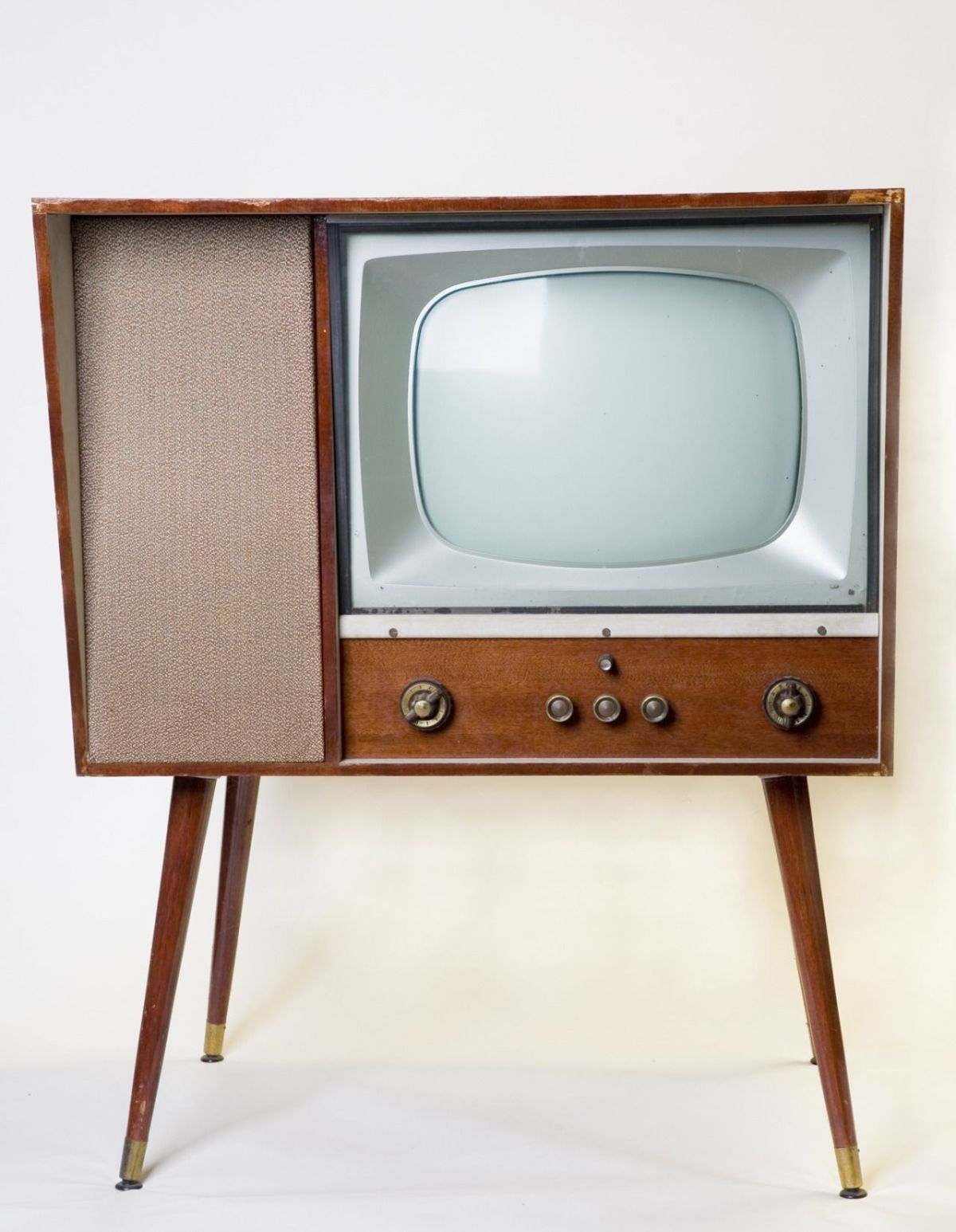
In the 21st century, we often talk about how technology has taken over our lives, referring to the Internet, smartphones, and AI. But we forget the major technological revolution that television brought to Baby Boomers. Thinking about it, I realized that television shows have brought me far more pleasure than all the features of the internet.
I love Amazon, YouTube, AppleNews+, Facebook, Wikipedia, ABEbooks, and all the other websites I visit, but they have never made the emotional impact that sitcoms, dramas, and miniseries have made since 1955.
It would be far harder for me to decide between TV shows, books, and music. In fact, I don’t know if I could decide between those three. I do know that if I had to pick between movies on TV and movies at the theater, I’d choose movies on TV.
Watching TV has brought me so much pleasure that it’s impossible to imagine my life without it. This might sound odd, but the tightest bond I’ve had with my wife, Susan, is watching television together for 50 years. This is even truer since I set up a Jellyfin server and put many of our favorite TV shows on it. Every night we watch two hours of old TV together.
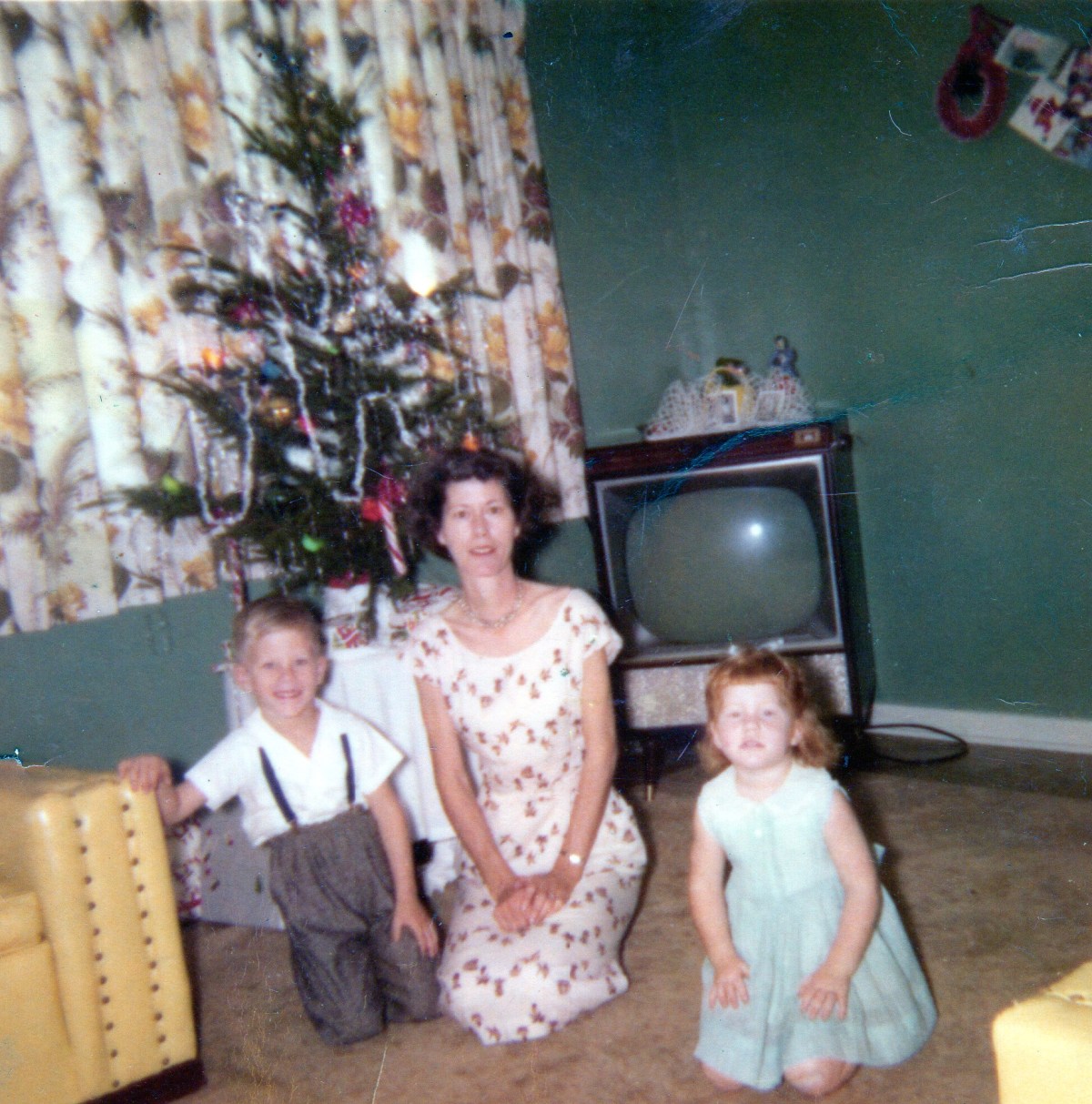
Even though the internet is famous for social media, that feels like a solitary pursuit. I have many internet friends I’ve never met, and I value that, but it’s just not the same as sitting in a room with someone else, even if we’re only staring at a screen together. Most of my childhood memories involve watching television, especially with my sister, Becky, but also with my mother and father.
Of course, that’s kind of sad too. People worry about kids spending too much time with screens, but I grew up with TV screens in the 1950s and 1960s. It’s a shame I didn’t spend more time getting to know my parents, especially my dad, who was mostly a mystery to me.
Reading science fiction and listening to music are the only other forms of entertainment that might equal the pleasure of watching TV. I’ve always tried to make science fiction and music more social by seeking out friends who enjoyed them too. But I’ve never had as many people to share science fiction and music with as I’ve had with television shows.
Starting in the 1st grade, I could always talk with people about television shows, from The Mickey Mouse Club to Star Trek. I didn’t meet someone to talk science fiction with until the 10th grade. A while after that, I loved getting together with friends to smoke pot and listen to music, but that only lasted a few years. Talking about television shows has always been the most useful way to have something to talk about. If you meet someone who likes the same show as you, it often means there’s a reason to be friends.
And even when I lived by myself, television was always a better companion than social media. The Tonight Show and The Dick Cavett Show were often great company on lonely nights before I got married.
But I wonder about young people today. Do they feel the same about television, or do they prefer social media? They seem to get a lot of YouTube and internet influencers.
I’ve always found immense pleasure in reading. And that’s truly a solitary pursuit. Science fiction got its start with the pulp magazine era. Before TV became big in the 1950s, millions of people read pulp magazines. Short stories were incredibly popular. When I was growing up and talked with old guys who grew up with the pulps and radio, I got the feeling they preferred them over television. But didn’t television unite the Baby Boomer generation?
When the power goes out, my wife and I get very restless. We miss TV and the internet. But we miss TV most.
I think I could walk away from the Internet. It’s nice being connected to the world. It’s nice having friends on five continents. I’d hate to have to go back to shopping in physical buildings. I couldn’t find the rare books I wanted without ABE. And I couldn’t keep up with relatives and old friends like I can with Facebook. Plus, I’d feel immense anxiety when I leave the house without my smartphone.
What Susan and I really like is watching complete TV series on DVDs. Of course, I rip them to my Jellyfin server, but there’s something special about watching a TV show from pilot to finale. We’re currently going through the 264 episodes of Frasier, one episode an evening.
However, when you think about it, isn’t it kind of pathetic that we’ve bonded so tightly with something so artificial as a television show, spending so many thousands of hours glued to a TV screen? I suppose we could have grown up differently, but Baby Boomers grew up with television.
TV was the technology that shaped us. TV was our screen of choice.
When you think about it, staring at a screen for hours on end seems weird. We exist in an immense three-dimensional reality, yet we prefer to focus on a small two-dimensional artificial reality. Why?
There are possible explanations. We don’t view reality directly, but rather perceive what we think is reality through a recreation within our minds. And our minds love making up stories to explain everything, and usually, they have little to do with reality. At night, our unconscious minds generate dreams that feel like another reality.
Is it any wonder we’re so addicted to fiction on a screen? Make-believe is so much easier than the complexity of reality.
Before screens, there were books, plays, storytellers, tall tales, and gossip. Humans interact with reality with words and language, but those tools are so imprecise that they encourage us to make stuff up that’s not there.
So, back in 1957, when I was five, could I have rejected television? Could my little mind have said, “This is fake, I’m going out to ride my bike?”
I wish I had, but I didn’t. Guessing that I watch four hours of television a day on average, that means since January 1, 1957, I’ve spent 100,884 hours in front of the boob tube. They claim it takes 10,000 hours of practice to become great at doing anything. I could have become an expert at ten endeavors if I had said “No” to television.
A more important question is: Can I say “No” to television in 2026?
Why spend the last years of my existence glued to a television or computer screen?
Reality feels the most real when I’m outside working in the yard. I can feel the heat of a nearby star, the changing atmospheric conditions, and watch the plants, trees, birds, bugs, and animals coexist in an ecology. At night, I can see the moon, planets, stars, and even galaxies. Nature should be the most stimulating part of my existence. But it’s not.
My mind prefers to dwell on music, books, magazines, TV shows, movies, the internet, and YouTube. Why is watching old episodes of Mr. Novak from 1963 more rewarding than raking leaves or watching birds at their feeder?
I think it’s because I didn’t say “No” to television in 1957. Like people embracing religion for a lifetime at an early age, I worshipped at the television set. I wasn’t smart enough to make a choice.
Years before 1957, I remember my mother putting my sister and me in front of the TV to watch Kukla, Fran and Ollie or Romper Room as she got dressed in the morning. And after them, it was Captain Kangaroo. But I’m not blaming my mother. TV was irresistible. When my parents weren’t around, I’d turn it on. I have distinct memories of doing that by myself at age five. I remember watching Gunsmoke by myself in 1957.
I suppose if my parents had coached me in learning little activities, I might have become used to actively doing things rather than sitting in front of the TV. To be fair, in 1957, I have memories of playing with toy trucks in the scrubery, riding my bike, playing with friends, walking to school, and spending weeks pretending to be a pirate while sailing in an old wooden crate.
However, all those activities lacked much conscious effort. Becoming good at anything requires a conscious effort. I’m not sure kids do that on their own. I never had a mentor to get me started.
Watching television or doomscrolling is deliciously an unconscious effort.
I could never have said “No” to television in 1957 on my own. That would have only happened if I had the guidance of a wiser person. And they would have had to show me a better alternative.
I’ve contemplated giving up television for all my adult life. Intellectually, I know there are better ways to spend my time in reality. But I got conditioned to television at a young age, and I’ve never been able to reprogram myself.
I really should try. I only have a few more years in this reality.
If you don’t want your kids addicted to screens their entire lives, I recommend mentoring them in other activities.
We criticize young people for their addiction to screens, but Baby Boomers were the first generation to embrace screens, the television screen. (Although I suppose the first generation to embrace a screen, the silver screen, could be those who grew up in the late 19th century, who went to silent movies.)
Baby Boomers, in the early part of our lives, watched TV according to the broadcast schedule. Later on, we experienced the immense variety of TV shows on cable channels, still tied to a schedule. The next technological marvel was the DVR, which freed us from needing to be in our La-Z-Boys at specific times. Then came Netflix discs. And then Netflix streaming. We could now binge on whole seasons of TV shows. Between DVDs, Blu-rays, streaming, YouTube, and the internet, we can practically watch anything that’s ever been on.
Susan and I have gone through several phases of TV watching in our 48 years of marriage. When we first got married, we both watched what each of us wanted to see because we did everything together. Slowly, our tastes verge. I watched what I wanted by myself, and she watched what she wanted by herself. A few years ago, we agreed to reunite our viewing. From 8pm to 10pm, we’re back to watching TV together.
I would like to watch movies, but Susan prefers TV shows. We both love watching a TV show from pilot to finale. Generally, we watch hour-long shows. One episode from one series, then one episode from another. When we’re really addicted, such as when we were going through the 15 seasons of ER, we’d watch two episodes a night.
At the end of 2025, and the beginning of 2026, we’re finishing up The Pallisers and just beginning The Fugitive.)
Getting old is getting strange. I would have sworn I wrote about our television watching twice in 2025. But it appears my last update was eighteen months ago. And, some of the shows I reviewed in that post are ones I thought we watched in 2025. Time is just blasting by.
For some reason, people like reading what we’re watching. I meant to post a regular report, but I’ve failed. So here’s what I can remember for 2025.
My friend Mike carefully logs everything that he and his wife, Betsy, watch. I’ve tried to do that many times, but I forget to upkeep the log after a few days. I wish I had Mike’s discipline.
It probably doesn’t matter that I remember when we watched a TV show, but I have a hangup regarding memory and time. TV shouldn’t even be that important in our lives; it’s just a diversion, isn’t it? I feel television, movies, books, and music as a connection with other people. A way to find common ground.
Watching two episodes a night means I should remember 730 episodes total. We had company on some nights, and for a couple of weeks, watched movies, so that number will be less. Still, if my memory works well, I should come close to 700 episodes.
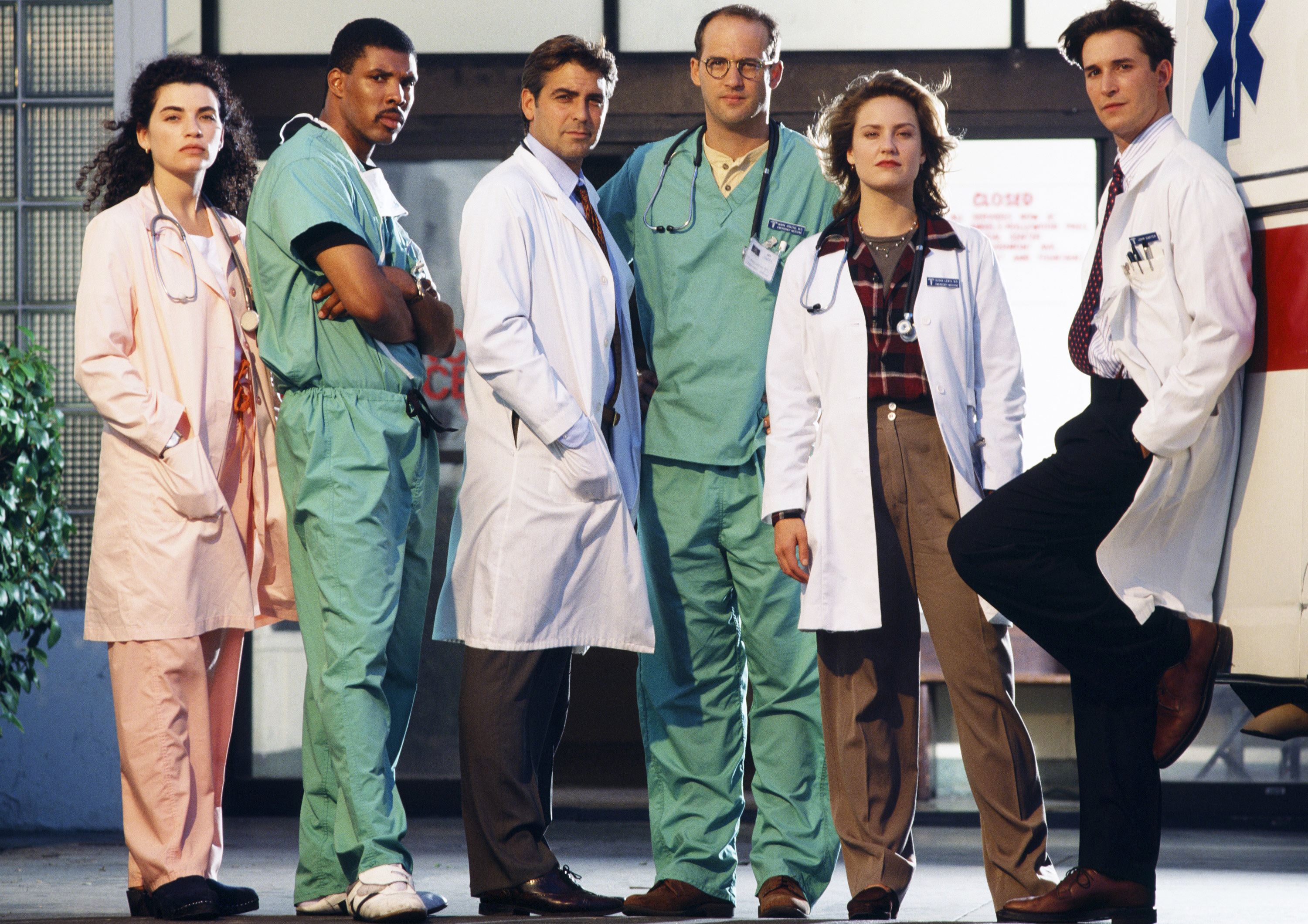
ER
(1994-2009, 15 seasons, 331 episodes, Hulu)
ER is still quite compelling, and sometimes we’d watch two episodes in the evening and sneak in an extra one in the afternoon. Susan and I faithfully followed the show when it first aired. It’s good enough, I can imagine watching it again someday.
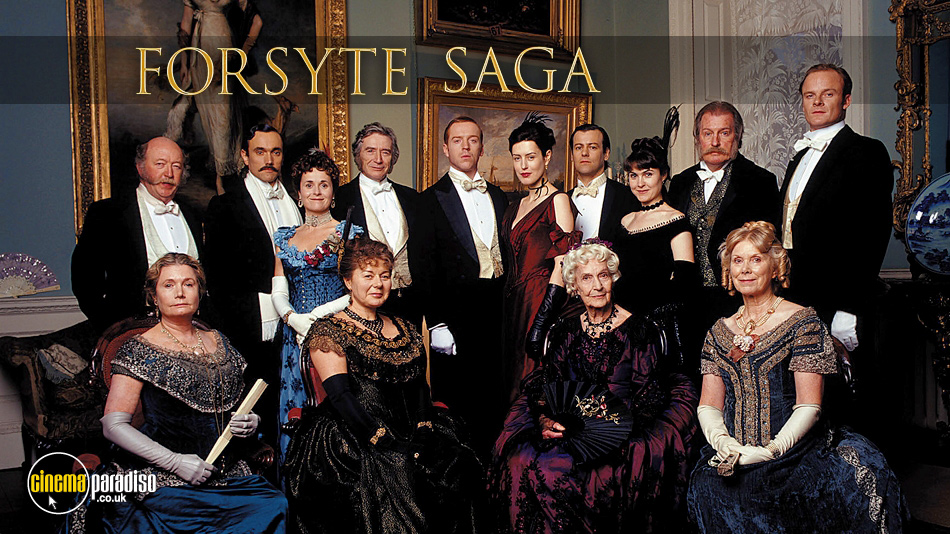
The Forsyte Saga
(2002, 2 series, 10 episodes, PBS)
I had heard that a new version of The Forsyte Saga was being produced in England, but I wasn’t sure when it would be shown in America. We’re still waiting. I talked Susan into watching an old version. I had seen it years ago. It’s still good.
The Pitt
(2025, 1st season, 15 episodes, HBO)
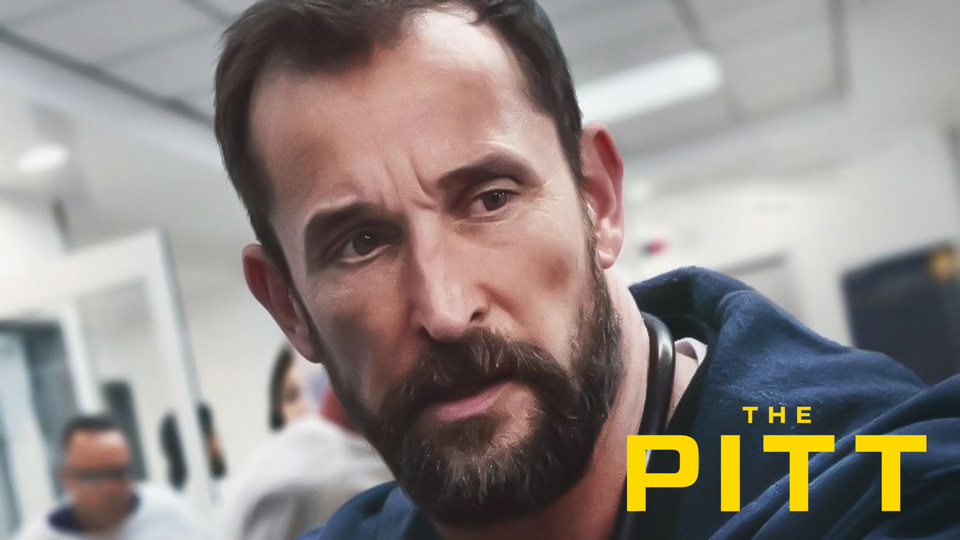
Because we loved ER so much, we signed up to HBO long enough to watch The Pitt. It was tremendous! We highly recommend it. We’re both looking forward to when season 2 starts, which is soon. I would watch season one again. That’s our highest recommendation.
All Creatures Great and Small
(2025, 5th series, 6 episodes, PBS)
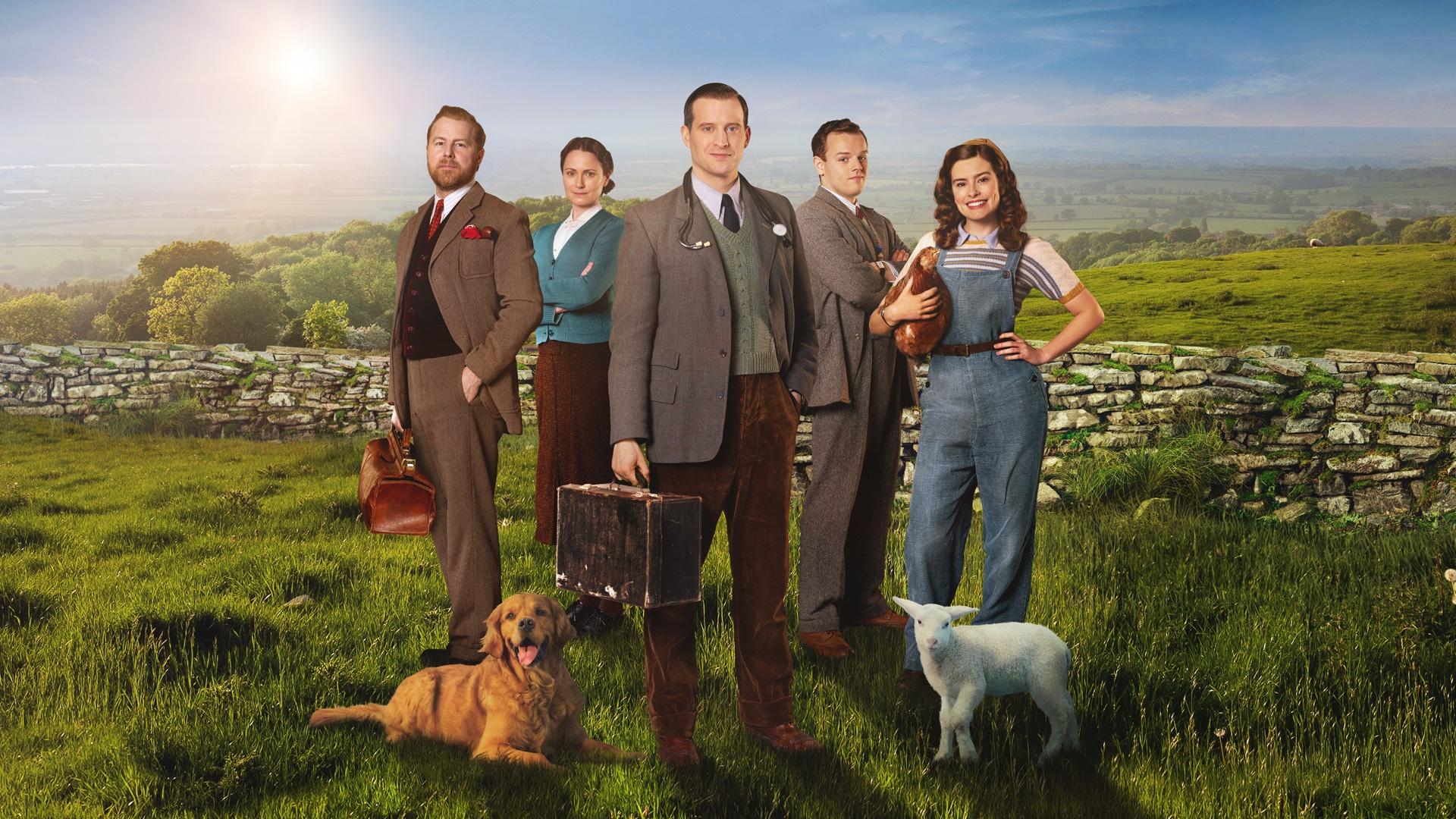
If memory serves me well, and it seldom does, we started 2025 with All Creatures Great and Small season 5. We love that series. In a previous year, or the year before that, we watched the complete run of the original production of All Creatures Great and Small that came out in the 1970s, and then caught up on the new series. Season 6 should start soon. We’re also looking forward to it, too. I would watch both series again.
Wolf Hall: The Mirror and the Light
(2024, one series, 6 episodes, PBS)
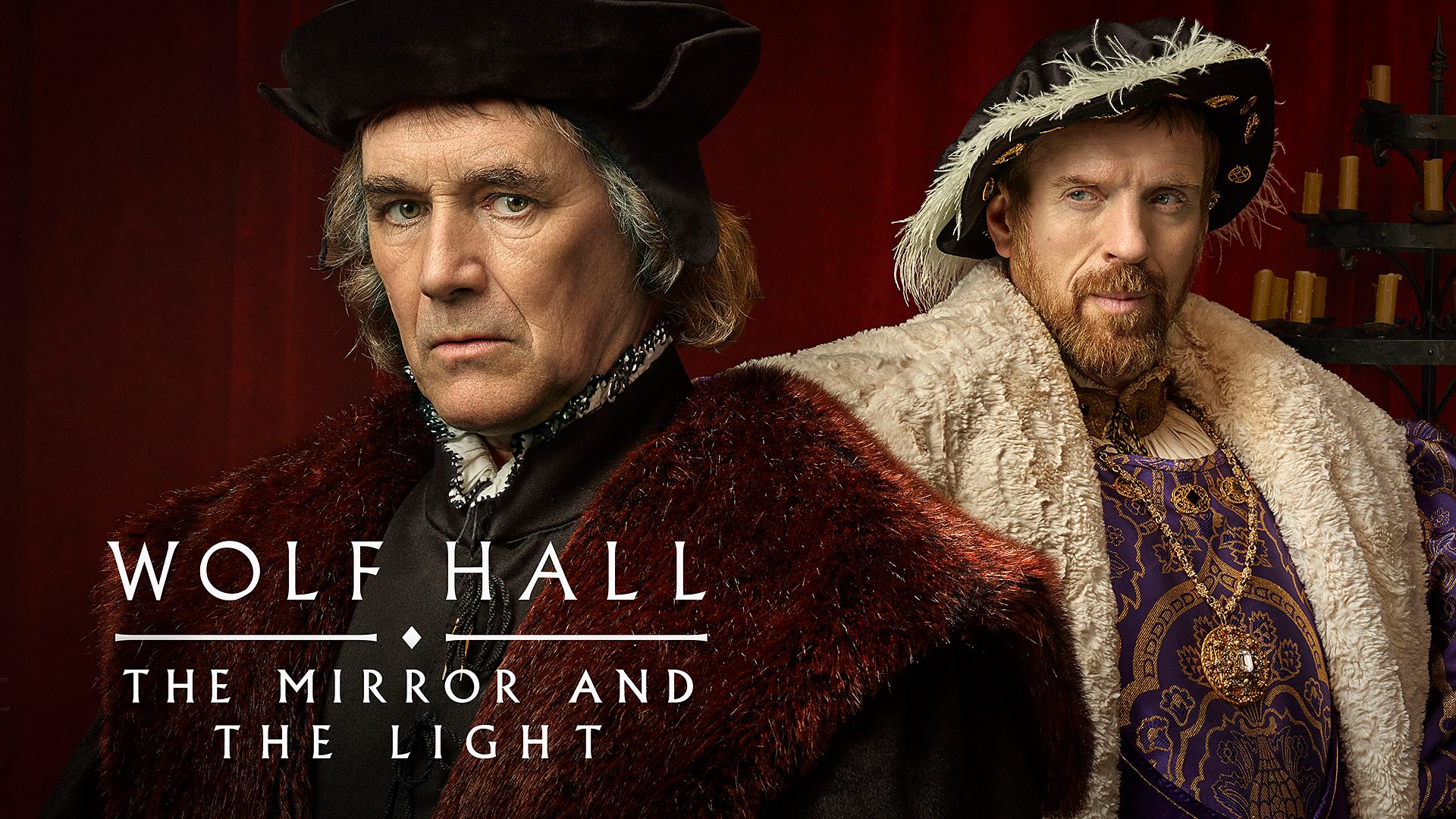
I was surprised last year when Susan agreed to watch Wolf Hall, the first season of this series. Wolf Hall: The Mirror and the Light is an excellent historical drama, and watching the two seasons of this show makes me want to read the book. It seems we’ve found another common ground, history.
The Mary Tyler Moore Show
(1970-1977, 7 seasons, 168 episodes, no longer streaming)
I was disappointed with The Mary Tyler Moore Show, and I confess to bailing out at the end of the 6th season. Susan faithfully stuck with it until the end, but admitted that it wasn’t that good. The show has a great reputation and is often mentioned in TV histories. I even read Mary and Lou and Rhoda and Ted: And all the Brilliant Minds Who Made The Mary Tyler Moore Show a Classic by Jennifer Keishin Armstrong. The book was fascinating and made me admire the creators, writers, actors, and characters, but I never actually enjoyed the show.
Well, I loved looking at Mary Tyler Moore. That got me through six seasons. However, I talked Susan into trying The Dick Van Dyke Show, because I wanted to see more of Mary Tyler Moore. Susan couldn’t handle it. Some of the Dick Van Dyke shows were brilliant, but Susan and I were disappointed whenever the show involved a flashback to Rob’s military days or whenever the characters put on a show within a show.
Landman
(2024, 1st season, 10 episodes, Paramount+)
Susan refused to watch Landman, so I got my friend Anne to watch it with me. No matter how much Anne and I tried to convince Susan that this show was one of the best shows in years, Susan refused to watch it. The show is violent. Landman is blatant propaganda for the fossil fuel industry. But it’s hilarious!
Outrageous
(2025, 1 series, 6 episodes, Britbox)
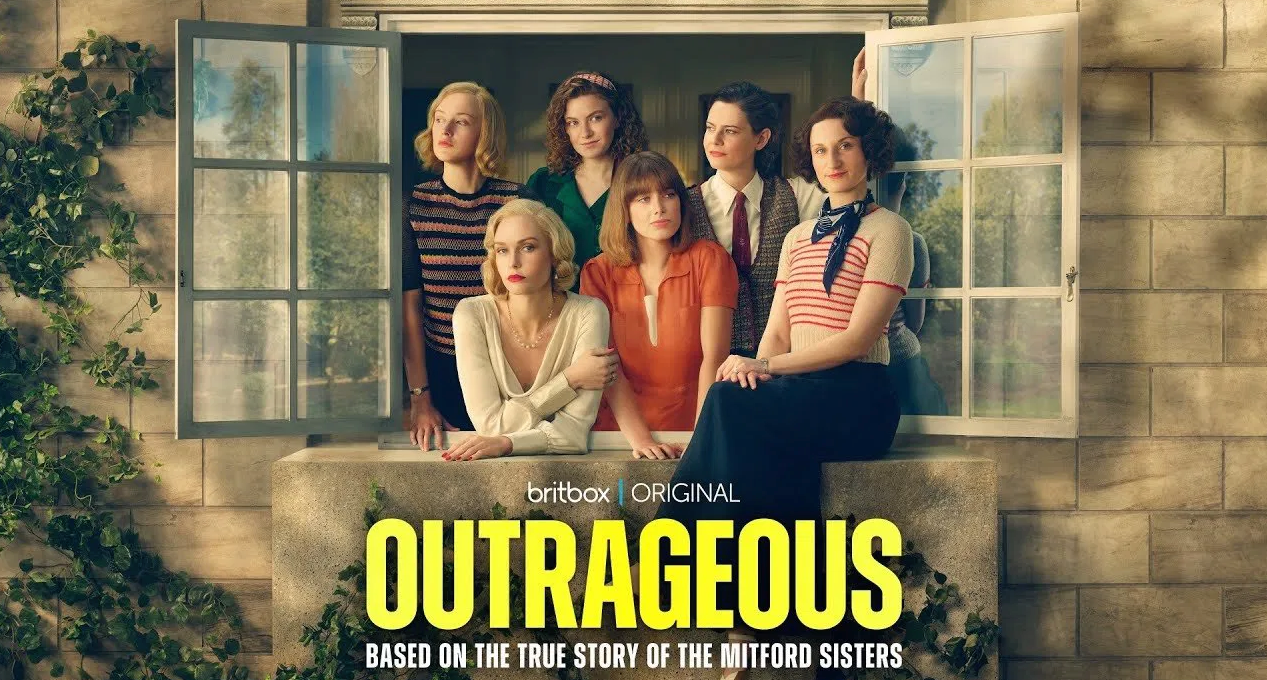
I’ve read about the Mitford sisters before, so I knew what to expect with the miniseries Outrageous. We invited our friends Anne and Tony to watch this one with us. We had a lot of fun. If you want to know what they called this show, Outrageous, read my review of the books and shows I’ve watched about the Mitford sisters.
The House of Eliot
(1991-1994, 3 series, 34 episodes, Britbox)
We picked The House of Eliot because we both enjoy watching BBC period pieces. This one was only okay. I wouldn’t rewatch it. But it was fun enough. It made Susan and me discuss why we like watching certain shows again, especially shows like Downton Abbey, which we’ve watched several times. We agreed it’s the characters. The Eliot girls were only appealing enough for one viewing.
Unforgotten
(2015, 6 series, 36 episodes, Prime Video)
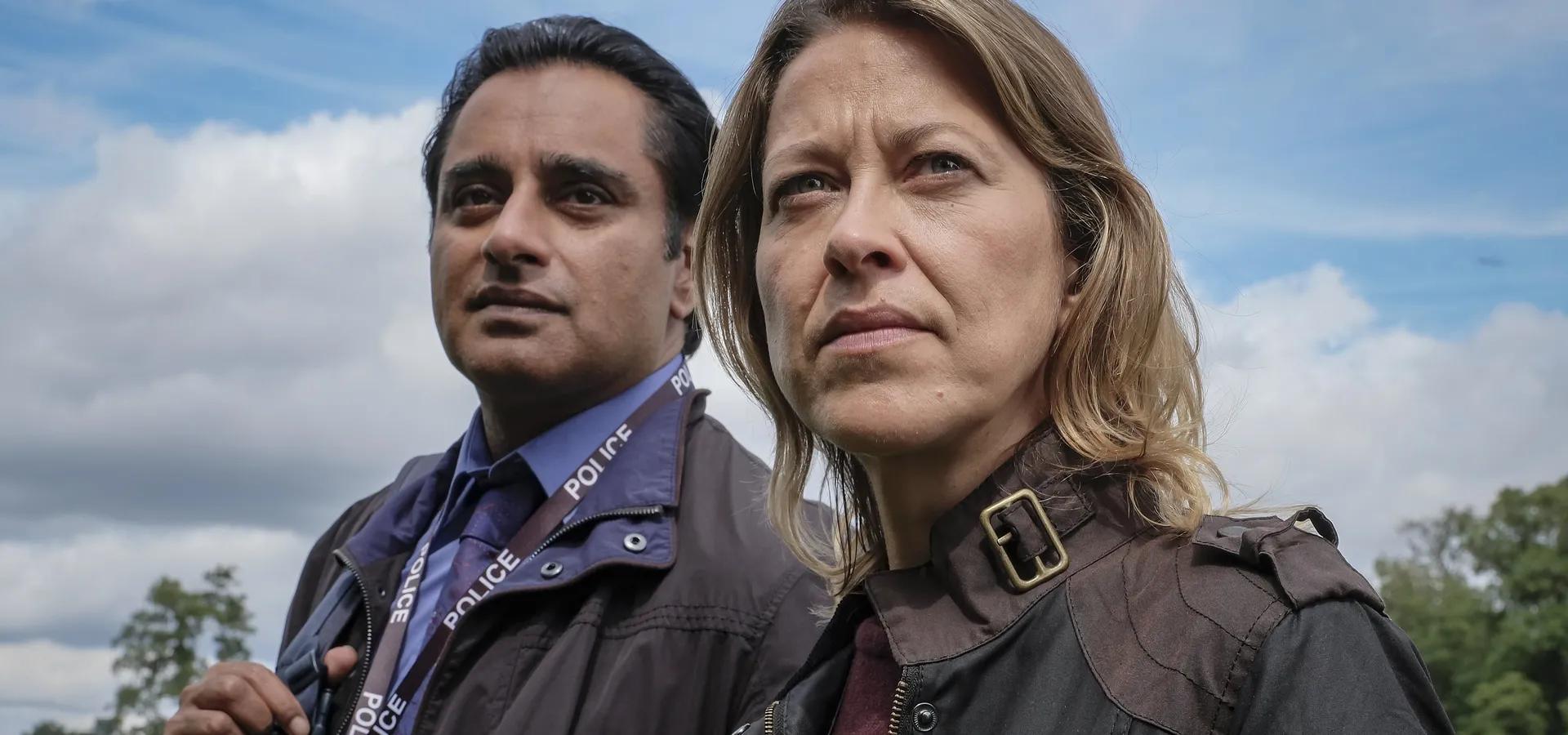
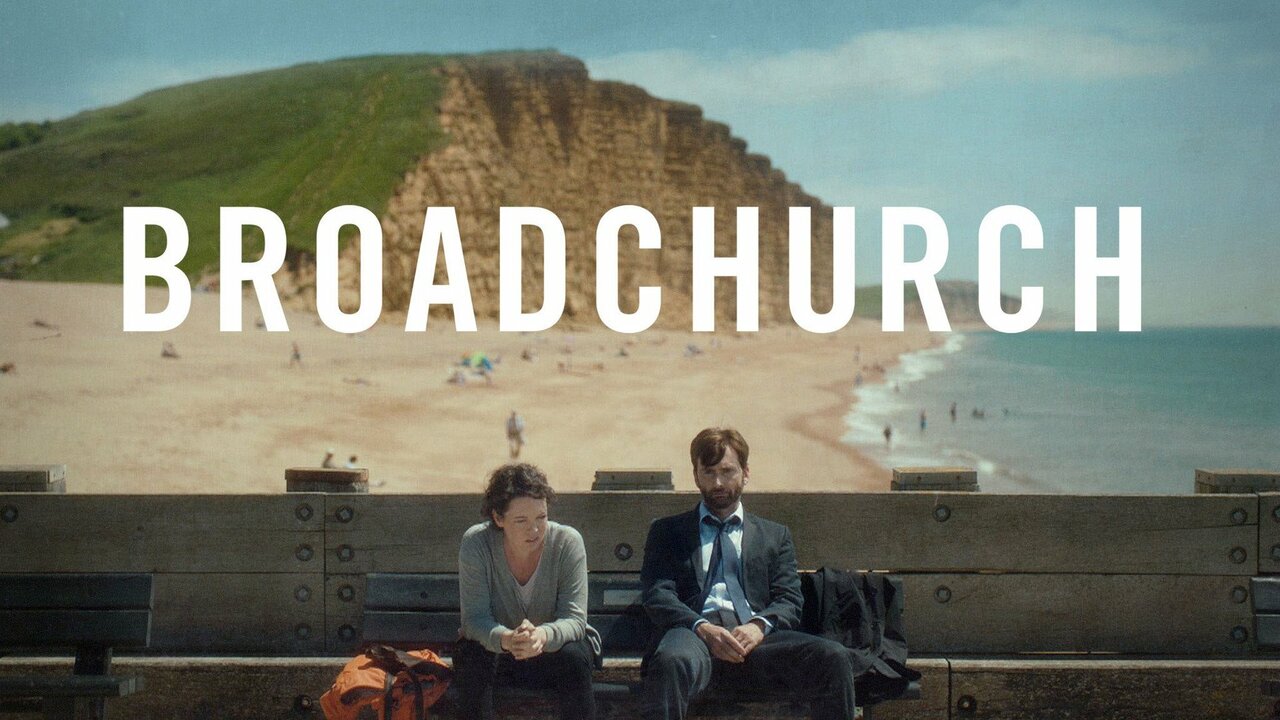
Normally, Susan and I don’t like police procedurals. However, Unforgotten and Broadchurch had settings and stories that didn’t feel like the traditional murder mystery.
Broadchurch
(2013-2016, 3 series, 24 episodes, Netflix)
Broadchurch was a gripping series we both looked forward to watching each night. I especially love Olivia Colman. The first season weirded me out because I felt like I knew the plot, but the characters and places felt wrong. I got on Google and discovered Gracepoint, an American adaptation of Broadchurch that I had watched without Susan years ago. It also starred David Tennant.
The Way We Live Now
(2001, 4-part miniseries, The Roku Channel)
The Way We Live Now is based on the 1875 Anthony Trollope novel of the same name. I enjoyed the book so much that I was excited to find the miniseries years ago. So watching it with Susan was a repeat for me. It held up to repeated watching. The story is about a Bernie Madoff-type swindler who runs a con in Victorian London. However, I was disappointed with how the miniseries portrayed Mrs Winifred Hurtle, an American woman who had a reputation for killing husbands. In the book, I was convinced she did kill husbands, but in the miniseries, the way the character was presented, I felt it was only a rumor. I liked how Mrs. Hurtle was more sinister in the book. It’s amusing how Trollope portrays Americans.
Bad Sisters
(2022-2024, two seasons, 18 episodes, Apple TV)
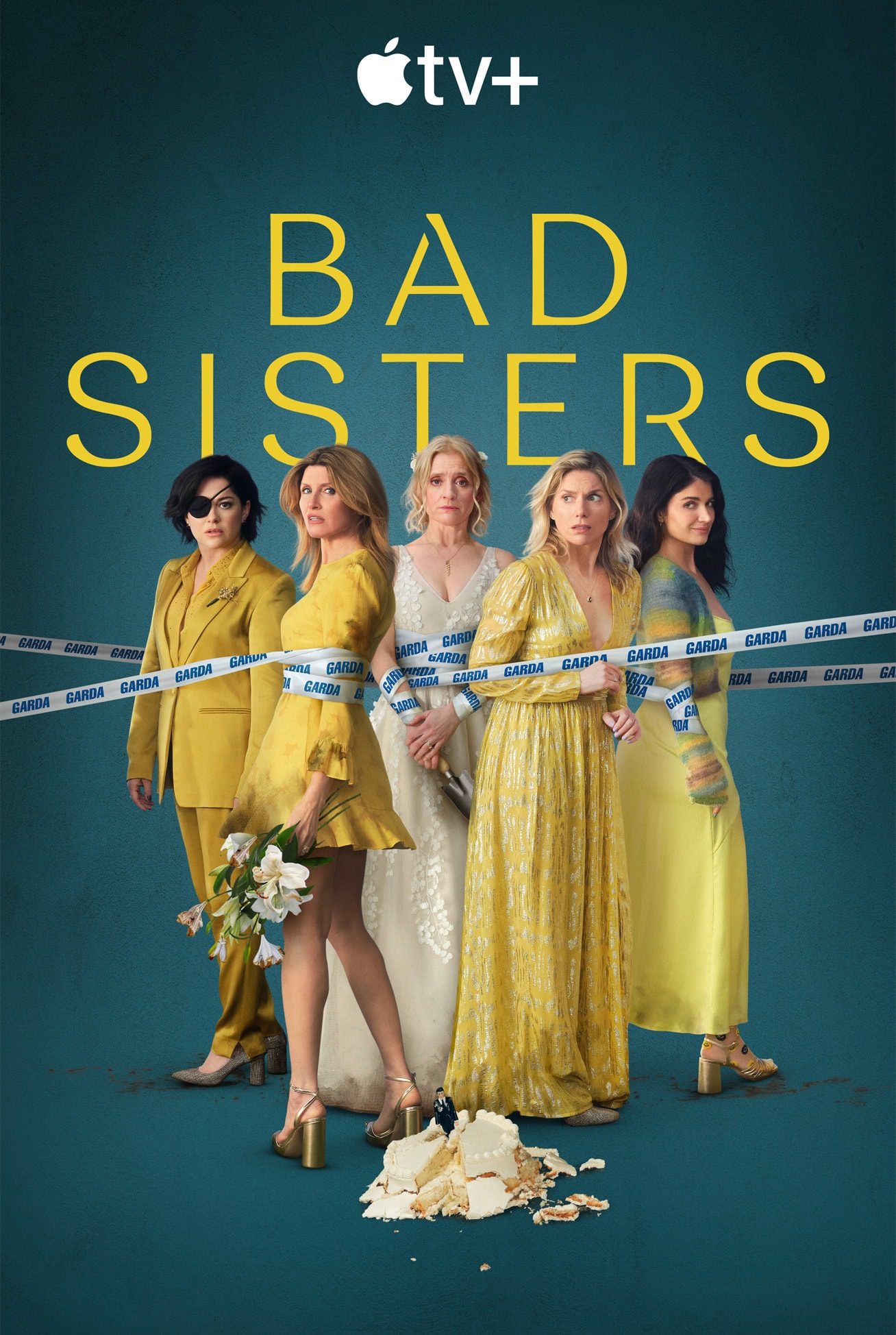
Evidently, Susan and I have a thing for comedy shows about women who kill. Last year, we loved watching the two seasons of Why Women Kill. Bad Sisters is another supposedly dark comedy, but I guess we’re both okay with murdering men who are big-time dicks, so it really didn’t seem that dark.
Death by Lightning
(2025, 1 season, 4 episodes, Netflix)
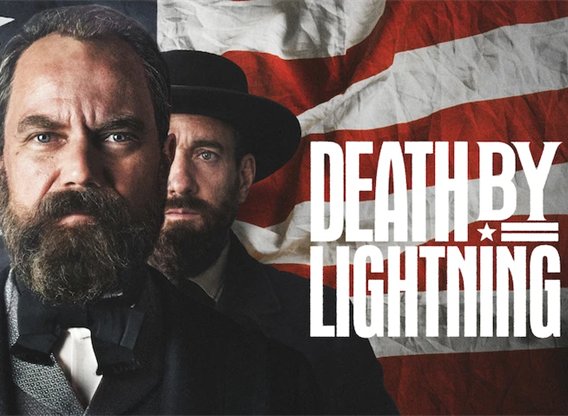
I really don’t know much about the presidents from the 19th century. Watching Death by Lightning made me want to read history books about all of them. This miniseries is about the assassination of James A. Garfield. It’s based on the book Destiny of the Republic by Candace Millard, which my friend Mike tells me is an excellent book. Last year, we watched Manhunt, a miniseries about the assassination of Lincoln. I wonder if next year, we’ll watch another historical film about the assassination of a president.
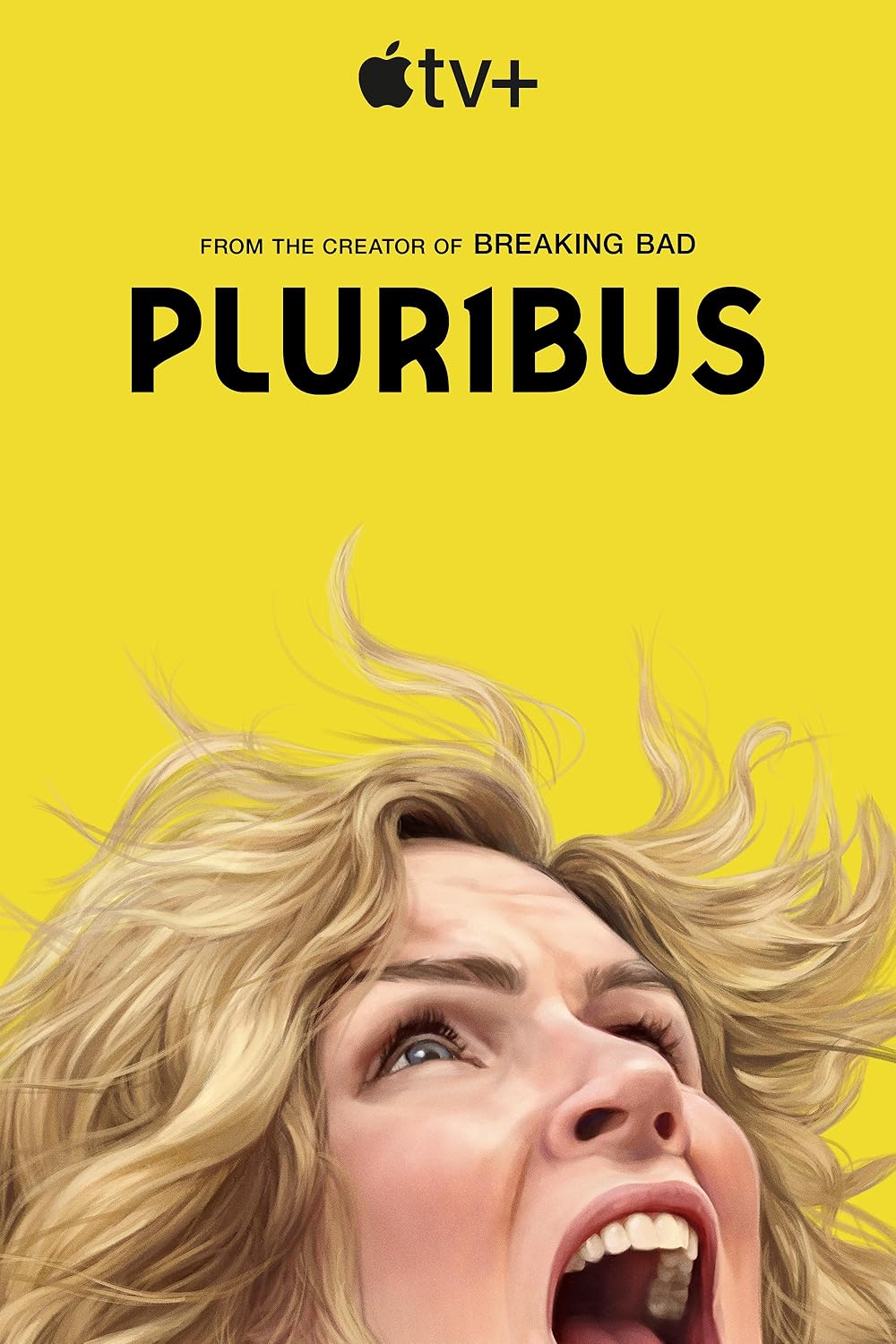
Pluribus
(2025, 1st season, 9 episodes, Apple+)
I’m shocked that Susan agreed to watch Pluribus. She absolutely refused to watch Breaking Bad, no matter how many friends swore that it was great. And Susan doesn’t like science fiction. We both like this show and were disappointed when the season ended. We are worried that it has the kind of mysterious plot that might lead to a Lost black hole of a plot.
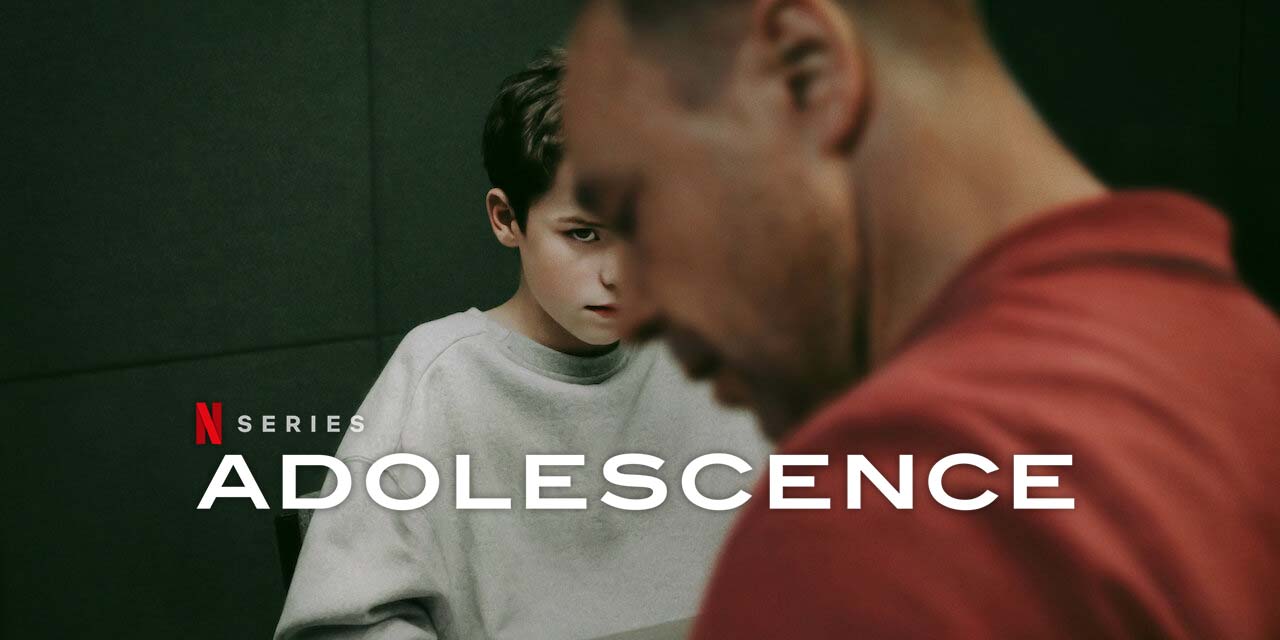
Adolescence
(2025, 4-part miniseries on Netflix)
Now, Adolescence is dark. It’s also brilliant. It’s about a schoolboy who is accused of killing a female classmate, and the impact it had on his parents. If you’re prone to depression, don’t watch this one. However, each episode was filmed in one take, and the whole presentation was tremendously creative. The show was revealing about growing up in the 2020s. At one point, the cop investigating the murder is pulled aside by his son, who tells him to stop embarrassing himself. The dad asks why. The son tells him he interpreted all the evidence from social media messages completely wrong. That let us old folks watching the show know that words and language have completely changed. I highly recommend this one if you can handle the realism. (There is no graphic violence.)
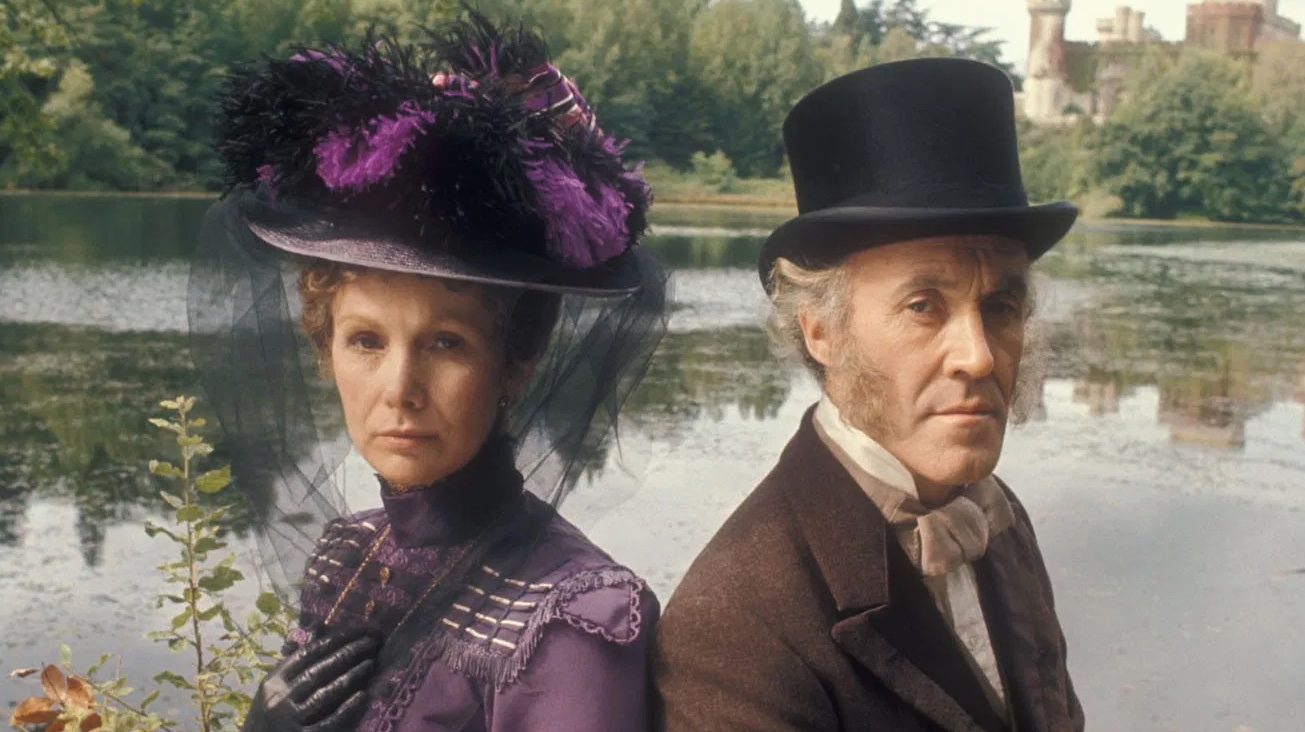
The Pallisers
(1974, miniseries, 26 episodes, YouTube)
This miniseries is based on four main novels from Anthony Trollope’s Palliser novels. This 1974 production included material from two other Trollope novels that covered the same characters. This was the last series Susan and I watched in 2025; however, ten of the episodes ran into 2026.
We both liked this series. I had seen it before. Susan and I agree best on historical dramas, especially those based on classic books produced for Masterpiece Theater.
Memory Results
711 episodes total. I think this must be close to everything we watched in 2025.
For years, my wife and I have been watching old TV shows at night. We just finished fifteen seasons of ER. It’s our ritual to watch a couple of hours of TV together. However, I asked Susan if we could watch movies for a few months, and she agreed. Susan prefers TV shows.
I’ve always been a big fan of Turner Classic Movies (TCM). I’ve loved old movies since I was a kid, when I would stay up watching movies all night in the summertime. Stations back then would play old movies overnight. That was in the 1960s, and they would show films from the 1930s, 1940s, and 1950s. The kind that TCM shows today.
Since I retired, I discovered I can’t watch TV by myself. My mind gets restless. But if I have someone to watch with me, my mind can relax. I can’t explain that. I’ve been craving old movies due to that affliction, so I’m thankful that Susan has agreed to watch old movies with me.
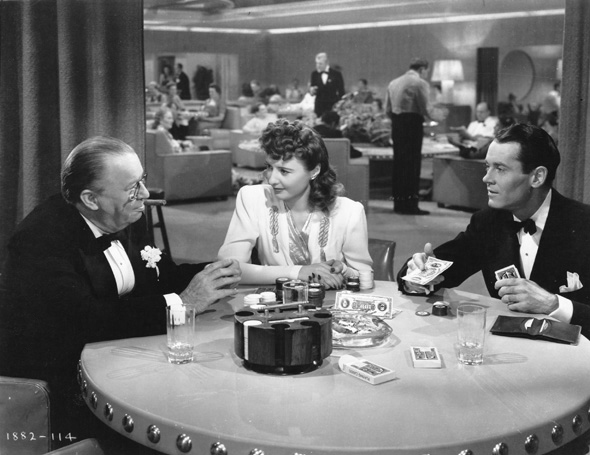
Sadly, watching TCM films hasn’t been as fun as I hoped. Has something happened to me? Last night we watched The Lady Eve (1941) with Barbara Stanwyck and Henry Fonda – classic screwball comedy. When I was young, I would have rated this film A+. Now, it was just a C. Susan gave it the same grade. Our friends Mike and Betsy had seen this flick a few days ago, and they were also disappointed. The TCM host gushed about The Lady Eve, and IMDB gives it a 7.7 out of 10 score. That doesn’t sound high, but it is. Anything over a 7 is generally something good.
Mike and Betsy felt the film jumped the shark when the Stanwyck character passes herself off as a different woman to Fonda’s character, and he believed her. That didn’t bother Susan and me.
I enjoyed all the innuendos and double entendres. The movie is a goofy take on sex and love. And I’m a sucker for good character actors, and this film had many of my favorites (Charles Coburn, Eugene Pallette, William Demarest, and Eric Blore).
I remember being completely enchanted by The Lady Eve thirty years ago, so why did I have to force myself to watch it last night? I think the answer is binge-watching television. We’ve been altered by streaming TV.
We just finished watching 331 episodes of ER. Every episode was more entertaining to me than The Lady Eve, even the ones I found somewhat disappointing. Susan and I generally watched two episodes a night, but sometimes we’d sneak another one or two episodes in during the day. We were addicted. I always craved 8:00 pm because I wanted to see another two episodes.
Old movies, or even new movies, just don’t have the addictive quality of a great television show. That’s why Susan prefers TV. And maybe I do too. I think preference began when we could binge-watch an entire TV show from pilot to finale.
I’ve always thought movies were artistically superior to television shows. And maybe they often are. But I don’t get attached to the characters like I do with Mrs. Maisel, Perry Mason, or Beaver Cleaver.
Great movies often have more to say. Great films used to have better acting and higher-quality production. That’s not always true anymore.
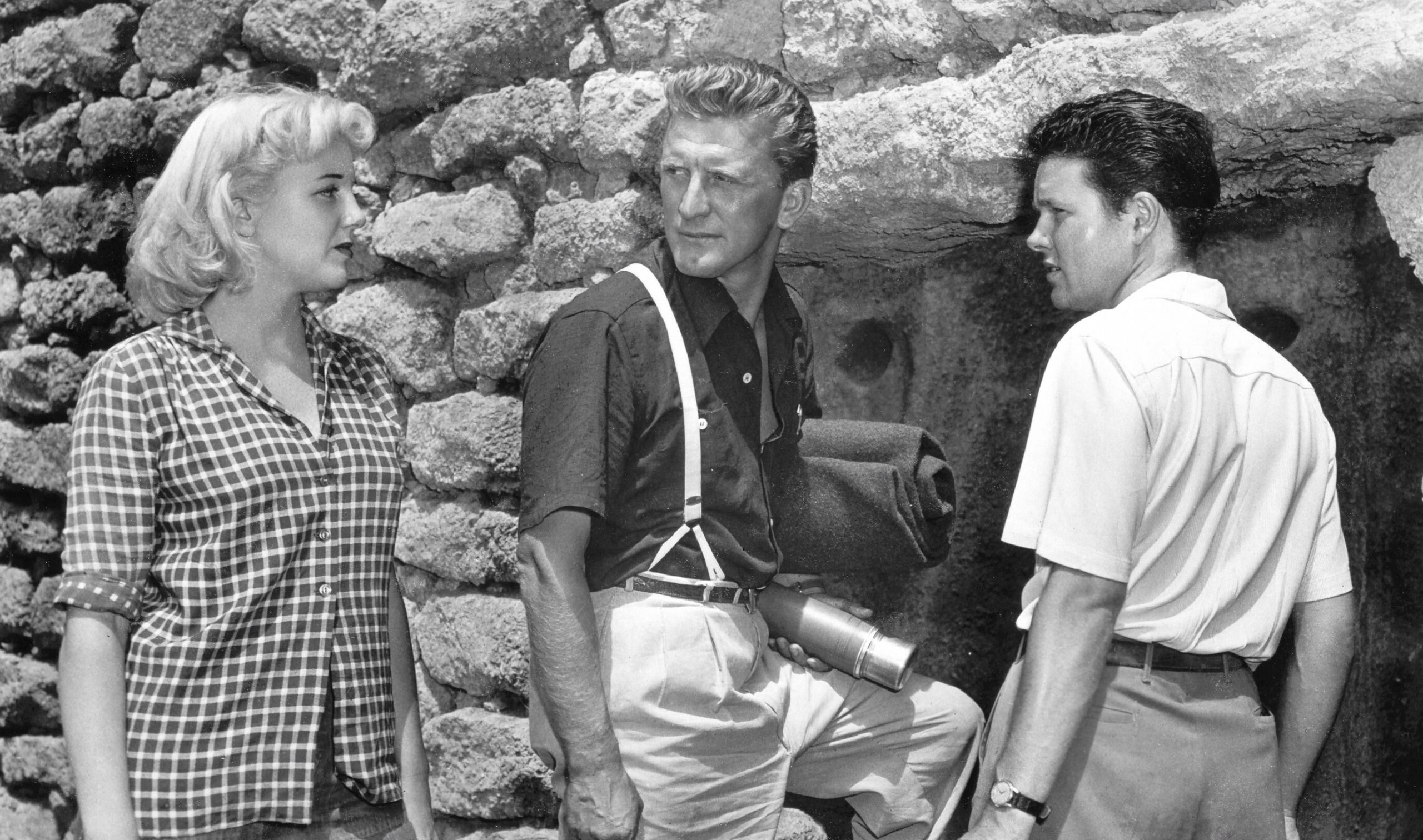
Ace in the Hole (1951) had impressive character development. It had a tight plot. The cinematography was excellent. The ending was very satisfying. And it had a lot of delicious moral ambiguity. It’s an A+ picture. It even makes a good episode of Perry Mason look mediocre. Why then is watching Perry, Della, and Paul more addictive? And why was the newer HBO Perry Mason even more intensely addictive? The answer, I believe, is the newer Perry Mason, which combined a TV characterization with movie-level production values.
What if the characters Barbara Stanwyck and Henry Fonda in The Lady Eve came back every week? Is that why we loved The Thin Man and Tarzan movies so much? Are movies less satisfying than television because the story ends? And is that why so many films today at the theaters are franchises?