by James Wallace Harris, 11/2/26
While talking with my friend Annie the other day, I told her my daily routine was to listen to an album after lunch and another after supper. She quickly replied, “Why would you do that? Albums are a waste of time. I only like songs.”
I immediately tried to justify the value of albums to Annie, but she just wouldn’t accept anything I said. I was disappointed. I wanted her to share my love of albums. Like most music fans, Annie is devoted to songs.
Explaining why it’s worth playing some albums from start to finish will be difficult. Digital music has spoiled music fans. Napster, iTunes, Spotify, and Apple Music have conditioned listeners to create playlists of their most loved tunes. I love that too. It’s very convenient when every song is one you love.
Radio conditioned fans to only want a certain kind of songs, ones they wanted to hear again and again. I remember growing up waiting for specific songs to come around again. When I began earning my own money, it was exciting to buy 45s. I could play my favorites whenever I wanted. I remember a time before albums became real art forms, when I bought albums and felt cheated because only one song out of twelve appealed to me. And I’ve bought hundreds of albums like that. I don’t blame Annie for thinking I’m crazy to listen to whole albums.
However, with a few albums, I loved every song.
The main reason people buy albums is that fans want to buy everything their favorite artists produce. I’ve read that the most fanatical Taylor Swift fans buy every version of her vinyl albums, which come in different colors or covers. Some of those buyers don’t even have record players.
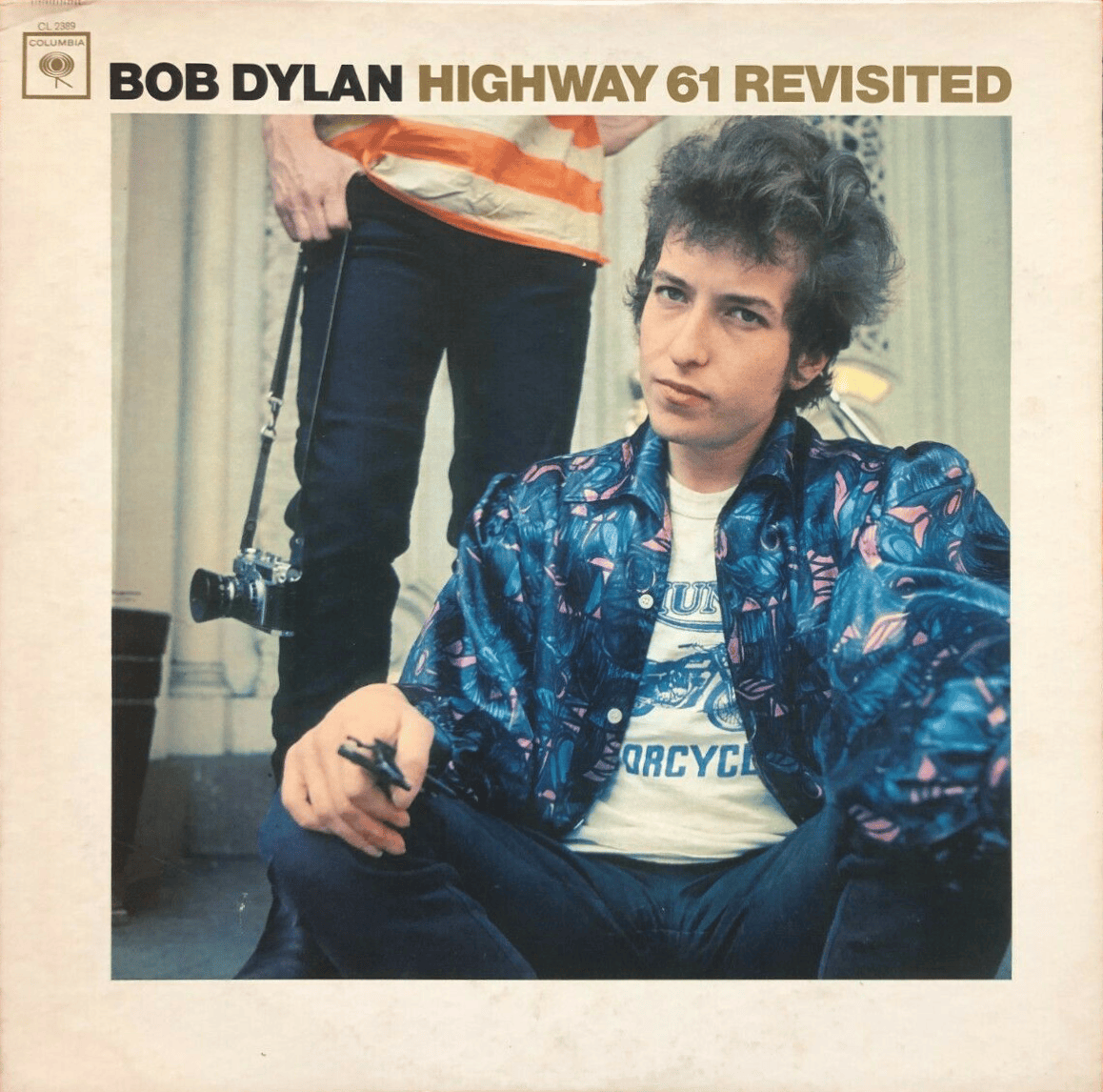
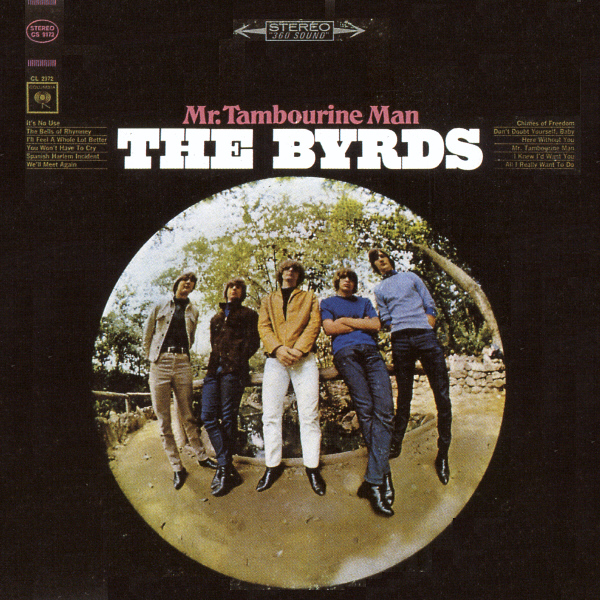
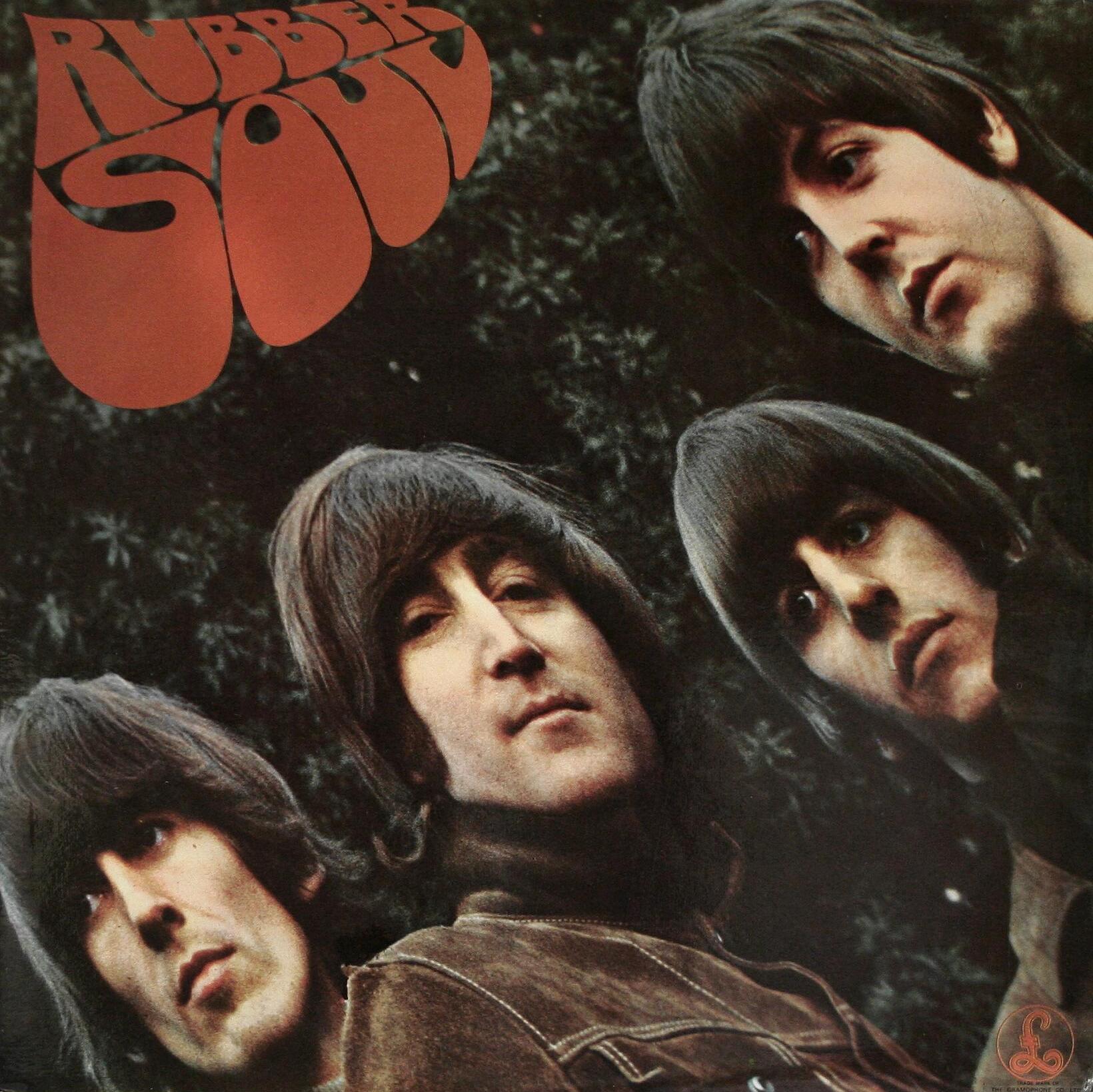
The Beatles made me want whole albums. Then it was The Byrds, Bob Dylan, and Simon and Garfunkel. Even the early Beatles albums were just a container of 12 songs. It wasn’t until 1965 that albums became the kind of albums I’m trying to describe here. Rubber Soul, Highway 61 Revisited, Mr. Tambourine Man, The Sounds of Silence, Pet Sounds, Sgt. Peppers, etc. Those albums were good enough for me to play from the first song till the last.
Before I digress endlessly, I’ll list some of my reasons why playing whole albums is worth my time.
- Some albums have several great songs
- Some albums are more than just a collection of songs – they form a coherent whole that was meant to be played from start to finish
- I love some albums because I care about everything certain artists create
- There are albums I’ve played so many times that I expect to hear each song in order
- I love some albums because they recall a place and time in my life
- I love some albums because they recall a place and time in music history
- I play whole albums to get to know an artist or group
- There’s more to music than just hits that trigger dopamine rushes
- Albums let artists explore new territory
- Hits are a superficial level of music creativity
- Knowing the biography of an artist or group, and why, when, and how they created their music is synergistic with listening to albums
- As singer/songwriters gained control over the entire process of music production, albums became more important
- Certain genres lend themselves better to whole albums
- Some artists are too prolific that just listening to their hits would be unfair
From the beginning of recorded music, most albums fail to meet these qualifications. In the early decades of 78s and LPs, albums were just a collection of songs performed by singers and musicians who didn’t compose the music or lyrics. Buyers might have thought of albums as a concert setlist. Fans wanted songs they loved, but were willing to buy collections of songs from their favorite performers.
Music and record publishers, as well as singers and musicians, wanted to make money, and albums were a marketing medium. Royalties were paid on every song in an album, even if fans never played every track, and the musicians were paid to perform them during recording. This is how music became a big business.
By the way, it’s interesting how The Beatles were marketed in Great Britain and America. The British albums didn’t include hit singles. Parlophone assumed fans had already bought the singles. In America, Capitol used hit singles, adding some songs from the Parlophone albums to market the Beatles in the U.S. The early Beatles albums in America had different titles and track listings. Capitol even mixed the songs differently. American fans bought some songs twice.
There are extreme Beatles fans who own both the British albums, which are now standard, and the early American albums. If you grew up with the American albums in 1964-1965, the titles, covers, and tracks of the standardized CDs of today are strange.
By the way, one of my pet peeves is remastered CDs with bonus tracks. I enjoy hearing bonus tracks, but not on albums. I want to hear only the tracks I heard when I first played the albums. Great albums have carefully selected songs, placed in carefully considered orders. It’s jarring to me to play a remastered CD when it gets to the bonus track.
However, for some genres, albums aren’t a collection of unrelated songs. Classical, Jazz, Broadway show tunes, and Movie soundtracks are often structured works meant to be heard together. They need the LP-length, especially the 74-minute CD. I didn’t realize that until I got a bit older and started collecting jazz.
Albums are a marketing construct, but over our lifetime, they have become an art form. The 12″ vinyl album we know today as the LP was introduced in 1948 by Columbia Records. Before that, songs were sold as 78s, usually made of a brittle material called shellac. 78s had very limited playing lengths, usually just enough for one song per side. LP stands for long playing. Twelve songs per album was common in America, while fourteen were more usual in Great Britain. Technical limitations in vinyl records determined running time, but royalty structures determined the number of songs.
Before LPs, people bought hit songs. They were like 45s. Sometimes a 78 publisher would gather several songs by an artist and put several discs into a holder to sell. Those holders were sometimes called tombstones because of how they faced out on the shelves. But it’s also where we get the name album. Like a photo album. 78s came in brown paper sleeves. Early albums didn’t even have artwork. They were just plain binders that held several sleeves with 78s.
There is a wonderful history of the evolution of album cover art. It started late, just before LPs. A few famous 78 albums had beautiful cover art. These beautiful 78 albums inspired publishers to create the vinyl record. One disc replaced many 78 discs. But in these early days, from the late 1940s until the early 1960s, albums were usually a hit song with several filler songs.
That’s why many music fans dislike albums. But it also distinguishes the psychology of music fans. Most people want to hear just hit songs they love. But some listeners became fans of the artists. That’s why 78 albums became popular. Fans wanted more songs by Frank Sinatra, Doris Day, and Nat King Cole.
A radio hit could sell 12 songs on an LP, with composing royalties going to all the songwriters, even if the buyer really liked just that one song. This is the heart of Annie’s argument against albums.
Most music fans still preferred to buy singles. But in the 1950s, album lovers emerged. And slowly record companies learned to craft a collection of songs that worked together as an artistic whole. Today, using Spotify, ardent music fans can explore over eighty years of popular music by playing millions of albums for $12.99 a month. It’s a kind of time travel.
This evolution of what an album could be took time. In the early days, performers usually didn’t write their own music. They picked songs from songwriters. Songwriters often worked in pairs. One composed the music, the other wrote the lyrics. This evolved from the pre-recorded music era when people bought sheet music. That evolution led to the structure of how music creators are paid.
Today, band members who wrote the songs earn more money than those who just played their instruments. The music business is structured for composers. Musicians were hired as performers with one-time payments. Often on hit songs today, you’ll see the names of a dozen composers listed. Everyone wants a cut of the action. You write one catchy hook, and you can become rich. But it’s also why singles are emphasized.
Streaming music emphasizes hit songs. It is killing albums. Today, success is measured in millions, even billions of streams for a song. Rumors, an album by Fleetwood Mac, has sold 40 to 45 million copies. Even the biggest artists today only sell a few million albums. We’re only talking about Taylor Swift, Adele, and BTS. Some of my favorite bands today have to pay for their own album production, and then only print up a 1,000 or so copies. Streaming is the only practical way to get their work. Album and CD print runs quickly sell out.
None of my personal friends buy albums. Album collectors are rare. Vinyl made a resurgence, but it’s small. Ditto for CDs. There is tiny movement among some young people to buy physical media. They are learning to love albums.
When The Beatles first tried to get a record contract, they told publishers they were a group. Publishers didn’t understand that. They wanted a star with a backing band, like Elvis, who selected songs from hit songwriters. They could grasp Paul McCartney and the Beatles, but not a Fab Four group working together. A “group” that wrote and played their own music. I think this is what really produced the kind of album I’m talking about.
Record producers understood how to market someone like Peggy Lee. She was a star with fans. Her publisher hired musicians, selected songs, and she would perform them. They’d sell the album. The Beatles wanted to do it all themselves. But at first, they didn’t, or couldn’t. But when they did, everyone wanted to copy the Beatles.
If you watch a lot of YouTube videos about pop music history, most of it starts in the mid 1960s. Countless channels promote the best albums year by year. Usually, these best-albums-of-the-year lists begin around 1965, 1966, or 1967, and peter out in the 1990s. That’s because that’s the era when artists made intentional albums. You generally don’t see the 1950s covered unless the channel focuses on jazz. Jazz artists were probably the first to focus on creating whole albums, but most music fans on YouTube aren’t jazz fans.
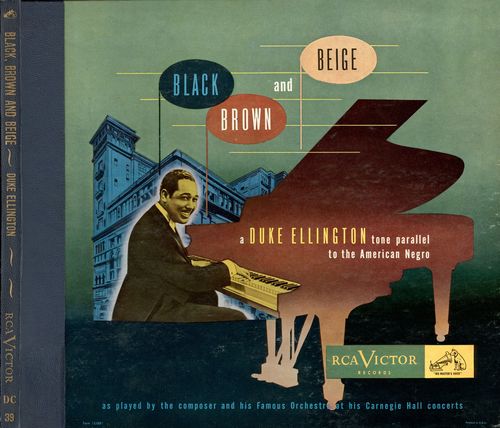
Before the 1950s and 1960s, I’m not sure artists and fans thought of albums the same way we do now. My memory of music goes back to 1962. Before that, it’s only vague. But I do know that if you try to find 78 albums listed on Rate Your Music or Discogs on Spotify, it’s very difficult. Take, for instance, Black, Brown and Beige by Duke Ellington. Rate Your Music ranks it #2 for 1945, but I can’t find it on Spotify. Not with that title and song listing. Ditto for Musical Orchids by Dinah Shore from 1943. The earliest album Spotify lists for her is Dinah Shore TV Show (1954).
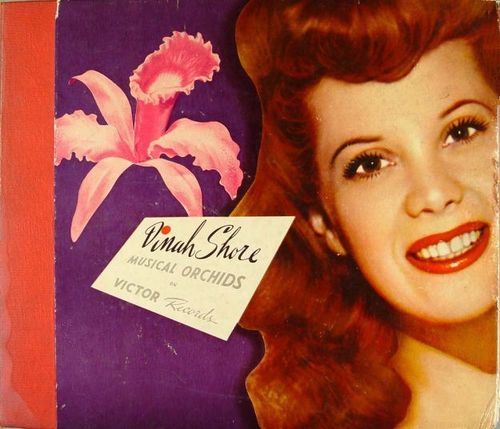
Some songs from this album are included on various Greatest Hits albums, but I can’t find all of the songs from Musical Orchids on one album anymore.
I often see Spotify users build playlists of songs trying to recreate old albums from the 78 era. I assume they are like me, looking for the experience of listening to a particular album. That’s another reason to play a whole album – to recreate a place in time.
I strongly doubt Annie will read this far. I’m not sure anyone will read this far in this essay where I make a case for listening to whole albums. Maybe Ed will. I know he’s an album guy. But I haven’t seen Ed in over 50 years. I used to love to hang out with people and listen to albums together. But that hasn’t happened since the early 1970s. And we were probably sitting together because we were getting high. Maybe I lost contact with all those album listeners because I stopped smoking grass.
JWH

