My Attachment to Old Magazines

by James Wallace Harris, 9/6/25

I’ve always loved magazines. I worked six years in the periodicals department of a university library. As a kid, I loved all kinds of magazines. Even before I could read, my sister and I found a pile of old magazines in the attic of the house my parents were renting. The pile was as high as we were. It was old picture magazines, like Life and Look. Becky and I loved looking at the pictures. Magazines were like television, showing us people and places we’d never seen.

Later on, when I had a few coins, I’d buy magazines like Popular Science and MAD. Eventually, I discovered science fiction magazines. My favorite was The Magazine of Fantasy & Science Fiction, but I also loved Galaxy, Analog, Amazing, and Fantastic. I eventually subscribed to the first three around 1968. I also loved finding old issues at used bookshops for a dime or quarter.

By 1975, I had collected more than three-fourths of F&SF’s back issues. By then, I had also acquired pulps going back to 1928. Holding those magazines made me feel like I owned a piece of the past. I loved that. But in 1975, I had to sell my magazine collection.

Then in the 2010s, I started collecting those old magazines again through eBay. I eventually found 90% of the issues of F&SF published before 1975, and about 30% of those published after that. I also picked up about 95% of Galaxy.

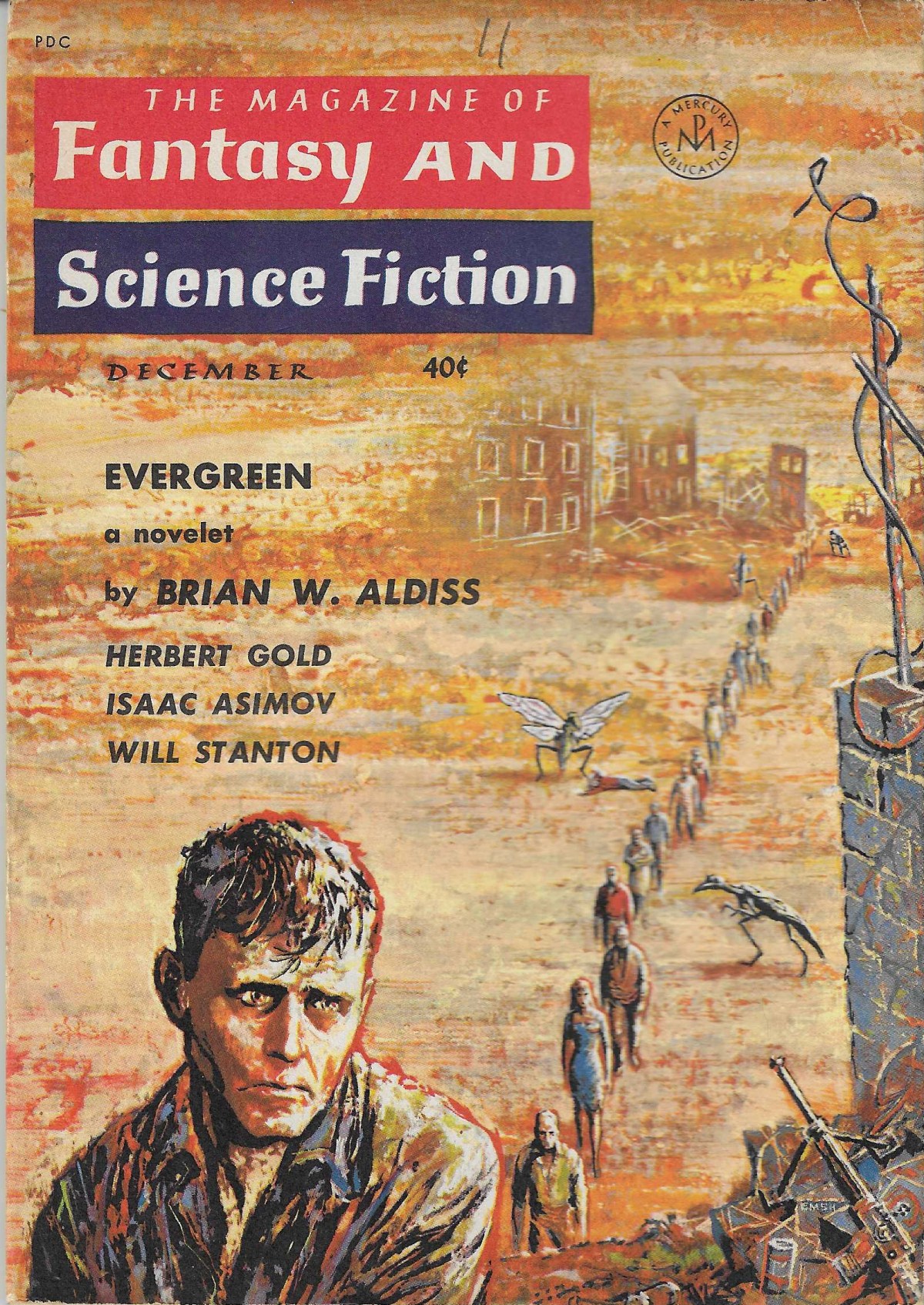
Today, I started thinking about selling those old magazines. I took down the December 1961 issue of F&SF and read the beginning of each story. Every story hooked me, but I didn’t keep reading. I have this tremendous attachment to these old magazines, but I also feel a great need to have fewer possessions.

I have scans of all these magazines that I read on my tablet. In fact, it’s easier to read the scans than the original paper copies. The paper copies are becoming fragile. They are collector items, and I don’t want to hurt them.

I considered donating my magazine collection to the Friends of the Library, but I worry they won’t receive the love they deserve. I’m arranging to sell them on eBay. That way, a collector will acquire them. But it’s disturbing me to do this.

When I held the December 1961 issue of F&SF, it triggered a wave of nostalgia. It hurt me to imagine parting with it. I don’t value things. My truck is 26 years old. My watch cost $15. My clothes are Amazon Basics. I see no point in gold or diamonds. There’s nothing I own that’s expensive or trendy. If I’m not using something, I give it away.

If I had the choice between having the Mona Lisa on my wall or a complete run of F&SF, I’d pick the magazines.

Why am I so attached to these old magazines? It’s not the content because I have digital copies of all of them.

The best answer I can think of is this: Holding them recalls the past that no longer exists. If I didn’t have them, I wouldn’t have that connection to the past. Their covers are like photographs that remind me of who I used to be. Buying them on eBay was like buying back part of me that no longer exists.

I need to let them go. I feel like the kid in an old movie who has to free a wild animal they rescued. I rationalize to myself that whoever buys them will love them in the same way I have.

Over the last decade, since I’ve been retired, I’ve been trying to recapture my past by buying things I once owned. But I don’t want to be some old boomer dude living in the past.

Psychologically, I didn’t think I’d live this long. Now that I’m 73, I’m wondering, what if I live another decade or two? I don’t want to waste all that time living in the past.

I wonder if we recall who we were when it feels like the end is approaching. I’m not feeling that now. I wonder if I will buy another run of F&SF when I’m 88?

JWH

12 Reasons Why I’ve Stopped Watching the NBC Nightly News

by James Wallace Harris, 7/29/25

I developed the habit of watching the CBS Evening News with Walter Cronkite when JFK was assassinated in 1963. I had just turned thirteen. Cronkite had been the first to switch to a half-hour evening news format that September. I only had a vague sense of what the news was before that. I stuck with CBS until the 1980s, into the Dan Rather years. For some reason, my wife and I then switched to ABC for a couple of decades before finally switching to NBC. When Lester Holt retired, I decided to stop getting my news from television.

Since then, I’ve been thinking about what it means to follow the news. Does it require a daily habit of studying current affairs? Should we consider the news to be any reporting of significant events that have recently happened? How much information can be crammed into twenty-two minutes of television? Who decides what is worth knowing? Recently, NBC chose to make the deaths of two celebrities the lead story two nights running. Were the careers of Ozzy Osbourne and Hulk Hogan the most important information I needed to know on those two days? Think about it. Of all these events happening around the world on those two days, were their deaths the most essential for me to learn about?

Reason 1

I’m not picking on NBC. All the broadcast networks and the cable news networks decided what their audiences want to watch based on ratings. It’s not that Ozzy and Hulk’s deaths are more newsworthy than famine in Gaza, but NBC knows its audience is tired of hearing about starving Palestinians, and more people would watch their show if it opened with Osbourne and Hogan.

Decision 1: I need to decide what’s newsworthy.

Reason 2

Is twenty-two minutes enough time to learn about the critical world events that happened in the last twenty-four hours? Just how much time should I devote to being well-informed? If it is as little as twenty-two minutes, then television is the wrong medium. Reading just the headings of all the news stories from a quality newspaper app on my phone serves me far better.

Television news spends most of its time on visual news. Often, NBC repeats exciting film clips several times. That’s not an efficient use of time. Airplane crashes and flooding rivers grab our attention, but is it really news we need?

Decision 2: I need to decide how much time I want to spend on the news. Additionally, I need to decide on the best medium that maximizes that time.

Reason 3

Too much of television news is taken up by reporters and anchors. Often, reporters take more time asking a question than the time given to the eyewitness’s reply. I’m not interested in reporters or anchors.

Decision 3: I need to look for news sources where the journalist is in the background. That excludes television and most podcasts. Generally, good print reporting only includes the reporter’s byline.

Reason 4

Television news offers low-quality information. A major article in The Atlantic might have taken months to research and write. Such articles are information-dense. TV news is written and edited quickly. There’s not much time for fact gathering or checking. It’s often based on eye-witnesses who mainly add emotional impact rather than inform. Television news relies on soundbites, which are mostly opinions. Experts interviewed on TV news are often selected by convenience rather than their authority.

There have been over 22,500 days since I started watching nightly news programs on TV. There is an incredible sameness to the kind of content TV news presents. I should have abandoned it long ago, but it gave the illusion I was being informed, and it was convenient.

Decision 4: Pick another medium for consuming news.

Reason 5

Television news is narrow in scope. It focuses on catastrophes, tragedies, and political conflict. Over a lifetime of seeing thousands of news reports on wildfires, they all look and feel the same. That’s also true for wars, airplane crashes, riots, elections, famines, hurricanes, floods, and tornadoes. Television news mainly focuses on the types of stories we’ve seen repeated throughout our lives.

Television makes it seem like there is nothing new under the sun. I’ve learned from reading quality magazine articles and newspaper journalism that that old bit of wisdom is completely untrue. Magazine and newspaper articles constantly amaze me with news that surprises me because it’s about people, places, concepts, ideas, and events I’ve never heard of before.

Decision 5: Find more news sources that teach me about reality, inspire my curiosity, and better inform.

Reason 6

TV news is seldom memorable. If John F. Kennedy’s assassination was only reported once on the CBS Evening News on November 22, 1963, I doubt I would even remember the event. I remember it because of constant coverage over several days, including all the documentaries, movies, and books that have been produced since that day. I remember Project Mercury, Gemini, and Apollo missions because of the around-the-clock television coverage, as well as the documentaries, movies, and books that have been produced since those events. That’s why I don’t remember all the space missions since. They didn’t get such coverage.

A thirty-second spot on the nightly news, or even a big event stretched to four minutes of reporting, just isn’t remembered. I don’t need to waste time on ephemeral news stories. I’ve discovered it’s far better to spend thirty minutes on one topic than two minutes on fifteen topics.

Decision 6: Focus on one news topic for most of my daily time spent on the news. Then quickly go over the headlines.

Reason 7

Television news isn’t educational because it focuses on the same topics. Shouldn’t news enlighten us about reality? Shouldn’t we always expand our awareness of what’s going on in the world?

How can short videos and soundbites be truly informative? I want news that adds to my personal growth. News that adds wisdom, not ephemeral data.

Decision 7: Make lists of what I want to learn about and then find news reports that bring me up to date on those topics.

Reason 8

Television news is biased. Knowing the truth is impossible. Content produced for money-making ratings or to promote a political agenda will always be questionable. I even suspect the kind of long-form journalism that goes out of its way to appear unbiased. I expect all writing to have some bias. It’s my job to spot it.

Decision 8: Start analyzing prose for bias. Think about word choices in each sentence. Always wonder if information is left out.

Reason 9

Real knowledge is statistical. Science is our only cognitive tool that consistently explains reality. News is too close to word-of-mouth. We need news to be closer to peer-reviewed science journals. That’s probably impossible, but we need to think about it. Ground News attempts to apply statistics to the news by comparing political bias and the amount of coverage a story receives. Can’t we find other statistical methods to measure the news?

Decision: Don’t trust any news unless it comes from multiple sources.

Reason 10

Replying on a single network for news is dangerous.

Decision 10: Seek out different gatekeepers. Every group or organization has an agenda. Learn what that agenda is before interpreting what they are saying.

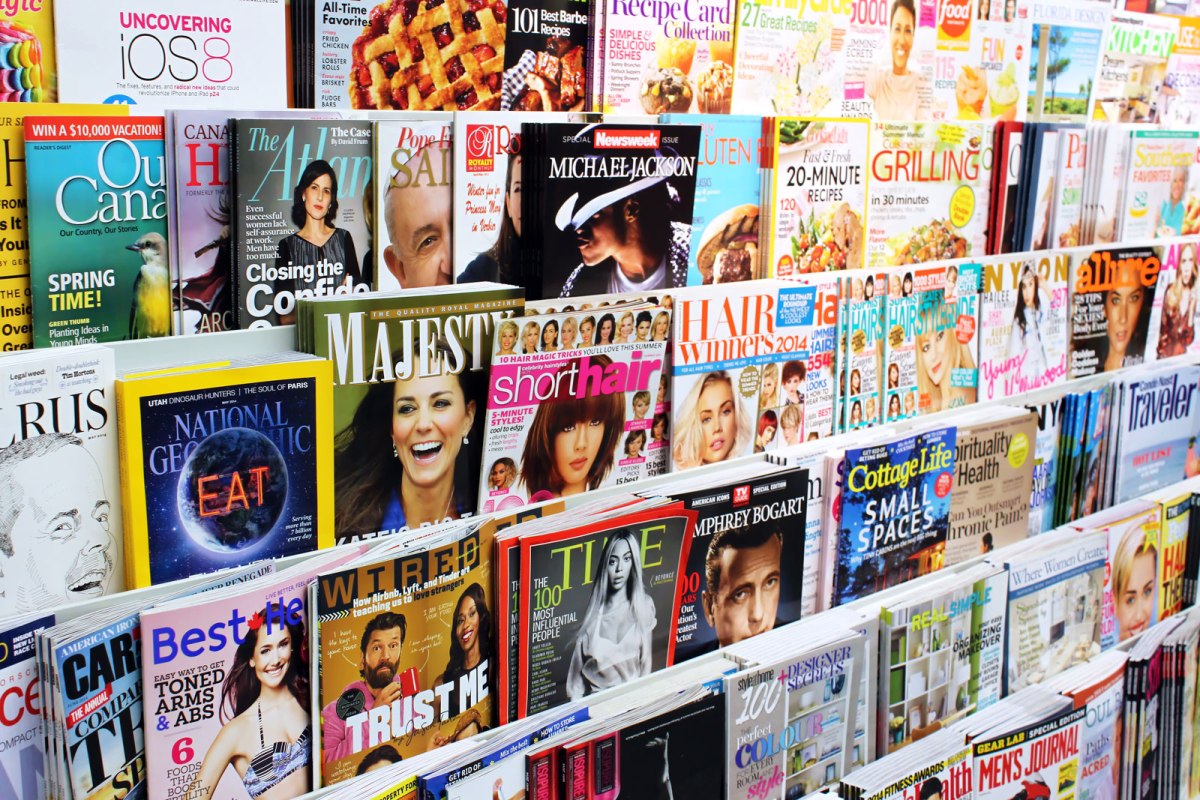
I’ve discovered that reading/listening to one well-reported article a day is much more informative and educational than a package of video clips and soundbites. I’ve been achieving this with Apple News+, which offers content from over 400 magazines and newspapers. Each morning, I listen to a single long-form article from magazines such as The Atlantic, New York Magazine, The New Yorker, and New Scientist, while I do my physical therapy and morning walk.

Reason 11

Television news can be misleading. It’s not as dangerous as AI-generated fake news on YouTube, but television news is easily corrupted by money, marketing, and politics.

Decision 11: Always consider the source of the news. I need to decide which news sources I will trust.

Reason 12

Most television news gives the United States’ perspective of world events.

Decision 12: Find news sources from around the world.

Conclusion

This is just the beginning of changing a lifelong habit of watching the nightly news on television. I should have made these changes long ago. We all get into ruts that are hard to escape. I believe getting old is making me regret not trying other approaches to understanding reality. However, all the political turmoil since 2016 is making me question everything I know. Human-created and computer-created fake news is disturbing. In recent years, I’ve decided that all of us suffer from multiple delusions.

You shouldn’t ask yourself if you’re delusional, but how delusional. Anyone who feels they know the truth is crazy. We can only guess what might be true by using statistics. Television has always depended on the false assumption that seeing is believing. I have doubts about believing anything.

Television, politics, artificial intelligence, and the Internet have corrupted our perception of reality. I want to rethink everything. I’m starting with my old habit of watching the nightly news.

JWH
The Price of High-Quality Information

by James Wallace Harris, 6/30/25

We all know the internet is full of crappy information. The creators of the Internet intended it to be an information utopia. They wanted information to be free and instantly available. It turns out free information is only worth what you paid for it.

The Internet destroyed the local paper and investigative journalism. Quality magazine journalism is circling the drain. Television news is more abundant than ever, but it’s so predigested and targeted to specific audiences that it’s worthless.

Most of the high-quality sources of information are behind paywalls. Every morning, I get up and listen to Apple News+ narrators reading articles from quality magazines as I do my physical therapy exercises. Usually, that’s one thirty-minute article. Unlike podcasts, magazine journalism features a greater percentage of useful information per minute. I truly despise the kind of podcasts that spend more time on the host’s personality than the topic promised in the thumbnail.

Apple News+ gives me access to over 400 magazines and newspapers. This is the bargain of the century for $12.99 a month. However, it’s doubtful these magazines earn enough money from this service to keep them going. The real way to support them is to subscribe to each periodical. Apple News+ is like Spotify, good for the consumer, bad for the creator. The ethical way to use Spotify is to locate albums you want to buy. And the ethical way to use Apple News+ is to find the journals you should subscribe to.

I know these periodicals have become expensive. The Atlantic is $79.99 for a digital subscription. The New Yorker is $130 for a digital subscription. Why pay those prices when I already get the content in Apple News+? Especially when I will consume the content via Apple News+.

The answer is support. Think of quality journalism as an important charity. However, there is another reason. When I read a great article, I want to share it with my friends. Apple News+ is so locked down that it’s not possible. You can only share with other Apple News+ subscribers. You can’t even cut and paste from the screen.

Many periodicals that publish on the web can be copied to an email or printed as a PDF and shared. However, even those methods of getting around the paywall might disappear.

I often read articles that I know friends would also want to read. Some paywalled publications do allow for limited sharing. It should be a standard feature.

We need to move away from the shitty free content. Sharing is prevalent on the Internet, but consider the type of content people share. It’s mostly mindless entertainment or opinions. We need to learn to distinguish between well-researched articles and endless unfounded opinions.

The easiest way for me to share content is if my friends subscribe to Apple News+. And if more people subscribed, the publications would get more money.

We live in an age where authority is suspect. Everyone wants their views to dominate, and will rationalize their beliefs with any content that supports those views. We have lost the ability to evaluate what is real.

The trouble is reality can’t be understood with sound bites. Any topic worth considering requires significant study and research. TV and podcasts create content too quickly. Their information is presented too soon after events and produced too fast. Long-form journalism explores ideas in depth, and that takes time.

It also takes time to read such content. We’ve trained our minds to consume content quickly that was created quickly. Start paying attention to the information you consume and think about how it was produced. If you’re listening to a podcast that lasts an hour, note how much actual useful information you gleaned from that hour. If you get your news from television, pay attention to how long each news segment lasts. Think about how that news was gathered and why. And pay particular attention to the personalities presenting the news on TV and podcasts. Is it more about them or the content?

The highest quality content is nonfiction books written by well-educated researchers. However, it’s not possible to read enough nonfiction books to keep up with everything we need to know. I believe the best compromise for consuming high-quality information is long-form journalism.

You will be far better educated if you spend one hour a day on one subject than one hour a day on twenty different five-minute topics. This is where a service like Apple News+ succeeds. And it does have competitors, such as Zinio. My library offers a selection of free digital magazines and newspapers through Libby.

JWH

Pop Culture vs. Social Media

by James Wallace Harris, 1/1/25

I began pondering the differences between generations that grew up with pop culture versus generations that grew up with social media when playing Trivia Pursuit. I then noticed the same differences while watching Jeopardy. Pop culture is about what most people know, while social media is about knowing the details of subcultures.

I’m often surprised by how much young contestants on Jeopardy know about the 1960s and older pop culture, but old and young players are very selective in their knowledge of 21st-century trivia. For years, I thought people my age just couldn’t keep up with popular music after 1990 because of changing mental conditions. But now I wonder if it’s because popular music shattered into countless genres appealing to various subcultures. In other words, there became too many art forms to remember their trivia.

I was born in 1951 and my personality was shaped by the pop culture of the 1950s and 1960s. Pop culture was primarily television, AM radio, movies, books, newspapers, magazines, and comics. People watched the same three television networks, CBS, NBC, and ABC. They often saw the same hit films and listened to the same Top 40 songs. They usually read a single daily paper. Some people read books, usually, paperbacks bought off twirling racks which sold in the hundreds of thousands, if not millions. The most common magazines seen in people’s homes were National Geographic, Reader’s Digest, Saturday Evening Post, Life, and Time.

The by-product of that limited array of pop culture was people within a generation shared a common awareness of what each other liked. You might not watch Leave It to Beaver or Perry Mason, but you knew what those shows were about.

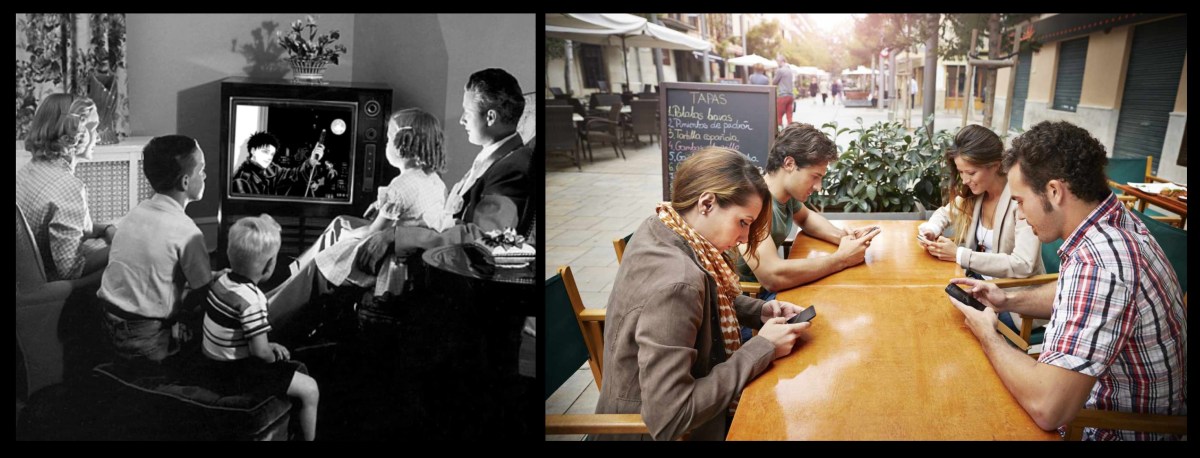
People growing up since the Internet, especially since the explosion of social media, didn’t have popular culture, they had social media that focused on subcultures. Social media might be all about sharing, but people’s shared interests have broken down into thousands of special interests. People on the internet crave contact with others who share their interests, but no one group, not even Swifties, makes up a popular culture.

There are songs on Spotify with billions of plays that are completely unknown to the average American. The Academy Awards now nominate ten pictures for the Best Picture category, but most Americans have seldom seen them before they were announced. Hundreds of scripted TV shows are produced yearly yet it’s quite easy for all your friends and family to have a different favorite. My wife and I struggle to find shows we’re willing to watch together.

Mass media has broken down into specialized media devoted to subcultures.

Pop culture was a product of mass media. It inspired group identity through common knowledge. I’m not sure it exists anymore.

Social media is a byproduct of individuals trying to find others sharing similar interests. It isolates people into smaller groups. It promotes individual interests that limit people’s ability to overlap with other people’s interests. It makes people specialize. You become obsessed with one subculture.

I wonder if the MAGA movement is unconsciously countering that trend. They think they want to return to the past, but what they want is to be part of a large group. Their delusion is believing that if everyone looked alike and thought alike, it would create a happier society. I’m not sure that’s the case. The 1950s were not Happy Days, and the 1960s wasn’t The Age of Aquarius.

I’m not sure that happiness comes from the size of the group you join. Some happiness does come from interacting with others and sharing a common interest. I also think people might be happier knowing less about subcultures, and more about pop culture. But that’s just a theory.

Could people withdraw some from the internet to become more physically social? I don’t think we can give up on the internet, but do we need to use it as much as we do?

I liked it when my friends watched the same TV shows or movies. I also loved that my friends knew about the same albums, and would play them together, or go to the same concerts. Pop culture was popular culture. Will we ever see that again? And is that a delusion on my part. Am I only remembering a more social time from youth that naturally disappears after we marry?

JWH

Reading History Books About Events I Originally Watched on Television

by James Wallace Harris, 12/8/24

The 1960 U.S. presidential election is the first one I remember, but just barely. I was eight years old. My father was for Nixon and my mother for Kennedy. I decided I liked Kennedy because he was younger, more dynamic and had a good-looking wife. Even at eight, good looking women were often a deciding factor. I remember getting in a fight in the school playground because I was for Kennedy and the other kid was for Nixon. Neither of us got to decide the issue because a teacher pulled us apart.

During the Kennedy years I didn’t watch TV news. I would sometimes stay home from school to watch the Mercury space launches. Back then the TV news departments of each network would take over all broadcasting. In the first half of the 1960s, the space program was about the only real-world activity I paid any attention to.

I did pay some attention during the Cuban Missile Crisis in 1962, mainly because I lived on Homestead Air Force Base, and everyone talked about it constantly. I remember having duck and cover drills at Homestead Air Force Base Elementary, but I was disappointed when there were no real A-bombs dropped. (I was very immature for my age.)

I didn’t become a news watcher until Kennedy’s death. I remember that weekend, my family watched the news constantly, and the following week too. That’s when I started following Walter Cronkite. I turned twelve three days after Kennedy was shot.

The news also became exciting in February of 1964 when The Beatles came to America. It was during 1965 that older boys I knew began worrying about being drafted, and I started paying attention to news about Vietnam.

The CBS Evening News was my main source of information about life beyond my own little world during the 1960s. I sometimes got to see The Today Show on NBC because my mother watched it while making breakfast. I liked that show because I found Barbara Walters hot. (Okay, I’ve already said I was a weird kid.) Sometimes I would watch news specials or documentaries. While in the ninth grade (1965-66) I had a civics course. But for the most part I just wasn’t that aware of what was going on in the world except for Top 40 AM music.

I don’t remember reading the paper, The Miami Herald, until 1968. I did start to read magazines in 1965, but that was haphazard. People would give my parents copies of Life, Time, Newsweek, Look, Saturday Evening Post, and National Geographic from time to time, and I found them fascinating. On my own, after 1965, I would buy Popular Science, Popular Mechanics, and MAD Magazine. During twelfth grade (1968-69) my English teacher got me interested in literary fiction, and I subscribed to Saturday Review with money I made from working in a grocery store. I really didn’t understand it though. In late 1968 or early 1969, I got hooked on Rolling Stone magazine and sometimes bought Creem when it started publishing.

A whole lot of what I knew about the counterculture came from Life Magazine.

If you think about it one way, television and magazines offered a fairly diverse view on what was happening in the world, but squinted at it another way, it was a rather limited view.

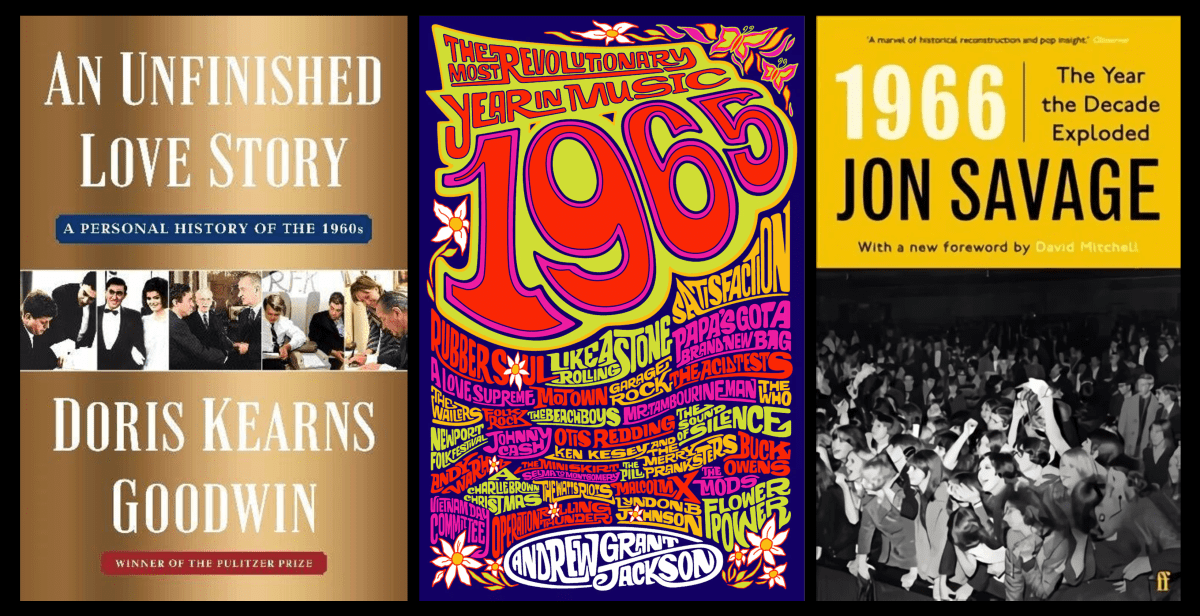
In December 2024, I’ve been reading three books about the 1960s that explore events I encountered in two minute stories on TV, or read about in a few pages in a magazine when they first happened. Some of those short snippets of current events made huge impressions on me as a kid. They shaped who I thought I was. The history books makes me realize I was mostly uninformed.

The reality of the 1960s is I was a kid going to school every day except for long summer vacations. I started 1960 in New Jersey but moved to Mississippi then to Florida then to South Carolina back to Florida, then Mississippi again, and back to Florida. I went to thirteen different schools during the 1960s. The only newsworthy event I saw live was the launch of Apollo 8. I had a chance to see Kennedy in 1962 when he came to Homestead Air Force Base. They let us out of school to see him, but me and my friends went fishing instead. My sister was at Dinner Key Auditorium when Jim Morrison flashed the crowd. I got to meet an astronaut in 1968, but I’ve forgotten which one. And this is hardly newsworthy. I got to see Cream play during their farewell tour in 1968. Oh, and I attended one SDS rally.

In other words, I experienced the legendary Sixties mostly via AM radio, television, and magazines. I did have long hair sometimes, and I sometimes messed around with drugs, but I was hardly a hippie or a radical. I did get into the counterculture more in the 1970s, but that’s another story.

The point of this long-winded essay is I’m now reading history books about years I lived through. I can contrast my memories to behind the scenes accounts of things I got from soundbites. That’s quite enlightening.

We live with the illusion that we think we understand what is real and true. We delude ourselves that we make decisions on relevant information. But we don’t. If I could have read the history books about the sixties I’m reading in old age when I was young, I could have gotten closer to seeing reality.

Timothy Leary and Aldous Huxley, two heroes of my youth, claimed that LSD opened the doors of perception, and that might be true on a nonverbal level, but a deep reading of history books is far greater at revealing reality that we can comprehend on a verbal level.

Lately, I’ve been reading that reading is going out of fashion with young people. That’s a shame. Even back when I was a teen, and only got superficial understandings about the events around me from superficial news sources, it did make me more aware.

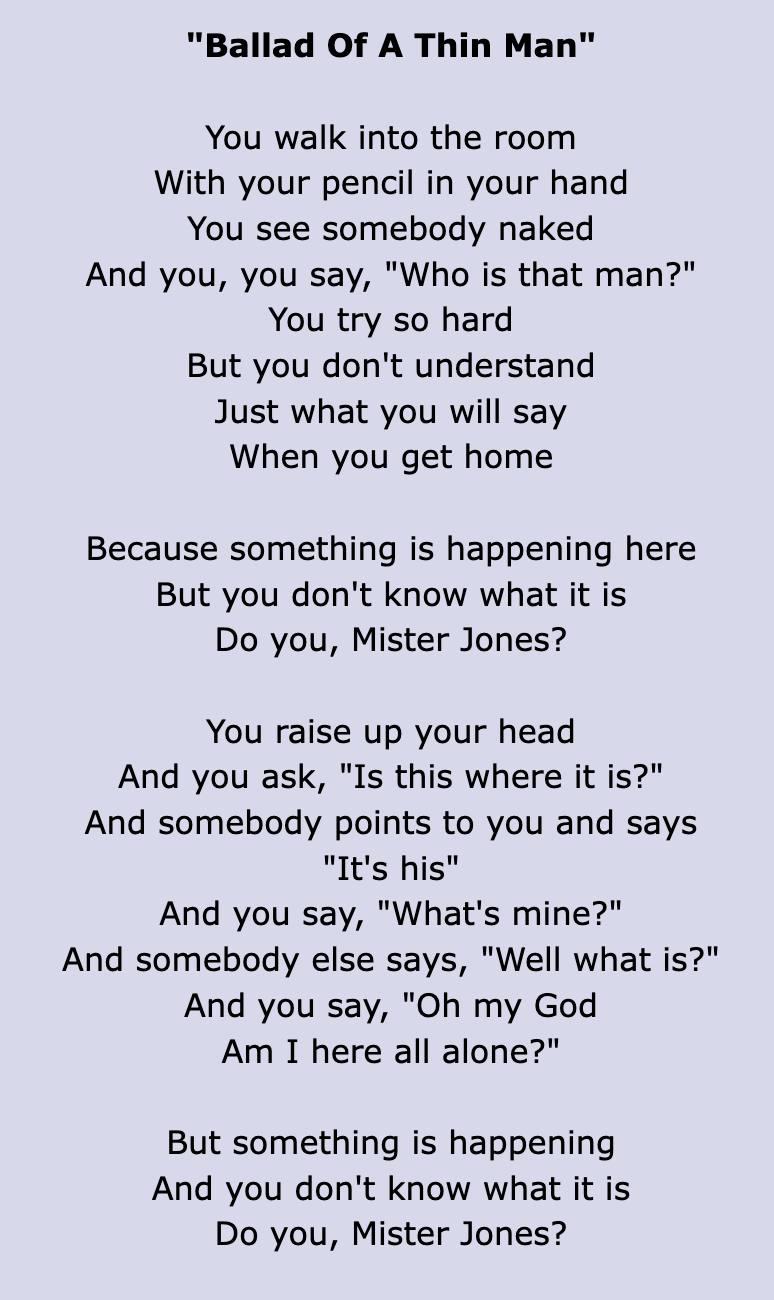
The three books above are filling in details on things happening around me as I was growing up. I’m reminded of Bob Dylan’s “Ballad of the Thin Man.”

I realize I’ve been Mr. Jones my whole life, and I’m still trying to figure out what happened.

JWH