Watching Old Movies vs. Old Television Shows in Old Age

by James Wallace Harris, 9/20/25

For years, my wife and I have been watching old TV shows at night. We just finished fifteen seasons of ER. It’s our ritual to watch a couple of hours of TV together. However, I asked Susan if we could watch movies for a few months, and she agreed. Susan prefers TV shows.

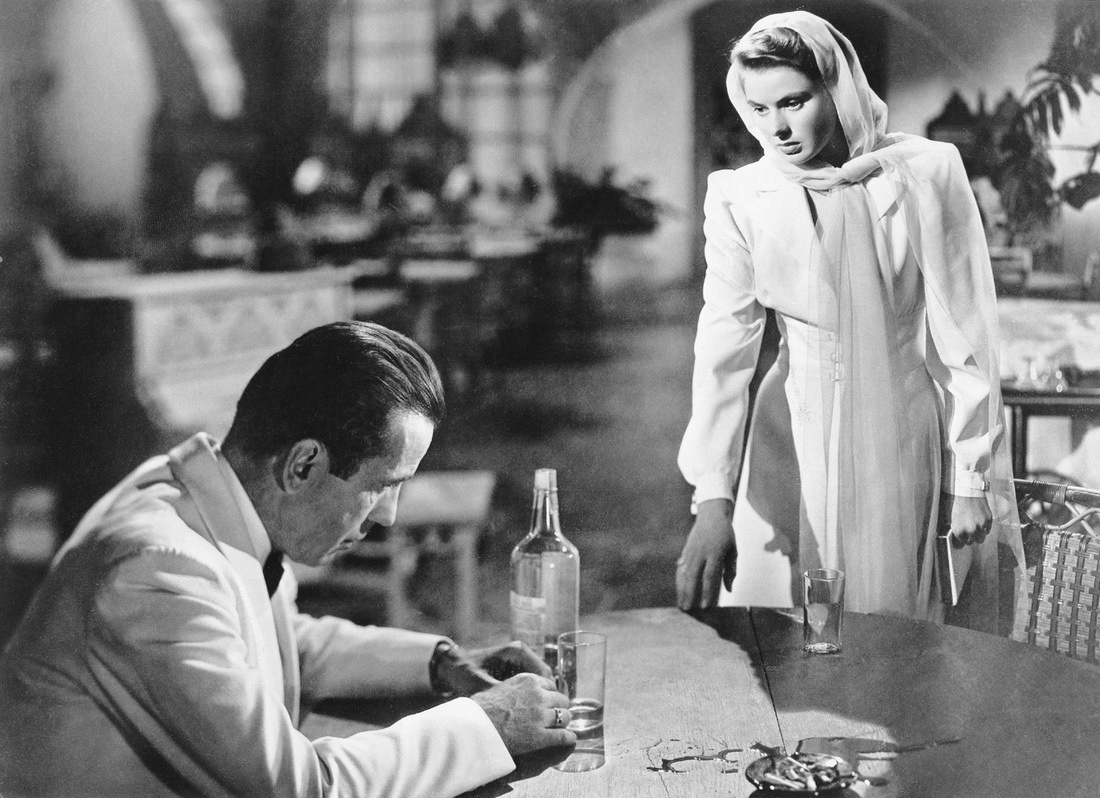
I’ve always been a big fan of Turner Classic Movies (TCM). I’ve loved old movies since I was a kid, when I would stay up watching movies all night in the summertime. Stations back then would play old movies overnight. That was in the 1960s, and they would show films from the 1930s, 1940s, and 1950s. The kind that TCM shows today.

Since I retired, I discovered I can’t watch TV by myself. My mind gets restless. But if I have someone to watch with me, my mind can relax. I can’t explain that. I’ve been craving old movies due to that affliction, so I’m thankful that Susan has agreed to watch old movies with me.

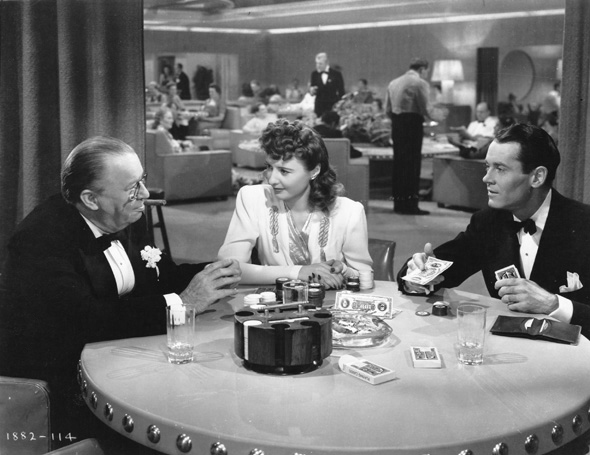
Sadly, watching TCM films hasn’t been as fun as I hoped. Has something happened to me? Last night we watched The Lady Eve (1941) with Barbara Stanwyck and Henry Fonda – classic screwball comedy. When I was young, I would have rated this film A+. Now, it was just a C. Susan gave it the same grade. Our friends Mike and Betsy had seen this flick a few days ago, and they were also disappointed. The TCM host gushed about The Lady Eve, and IMDB gives it a 7.7 out of 10 score. That doesn’t sound high, but it is. Anything over a 7 is generally something good.

Mike and Betsy felt the film jumped the shark when the Stanwyck character passes herself off as a different woman to Fonda’s character, and he believed her. That didn’t bother Susan and me.

I enjoyed all the innuendos and double entendres. The movie is a goofy take on sex and love. And I’m a sucker for good character actors, and this film had many of my favorites (Charles Coburn, Eugene Pallette, William Demarest, and Eric Blore).

I remember being completely enchanted by The Lady Eve thirty years ago, so why did I have to force myself to watch it last night? I think the answer is binge-watching television. We’ve been altered by streaming TV.

We just finished watching 331 episodes of ER. Every episode was more entertaining to me than The Lady Eve, even the ones I found somewhat disappointing. Susan and I generally watched two episodes a night, but sometimes we’d sneak another one or two episodes in during the day. We were addicted. I always craved 8:00 pm because I wanted to see another two episodes.

Old movies, or even new movies, just don’t have the addictive quality of a great television show. That’s why Susan prefers TV. And maybe I do too. I think preference began when we could binge-watch an entire TV show from pilot to finale.

I’ve always thought movies were artistically superior to television shows. And maybe they often are. But I don’t get attached to the characters like I do with Mrs. Maisel, Perry Mason, or Beaver Cleaver.

Great movies often have more to say. Great films used to have better acting and higher-quality production. That’s not always true anymore.

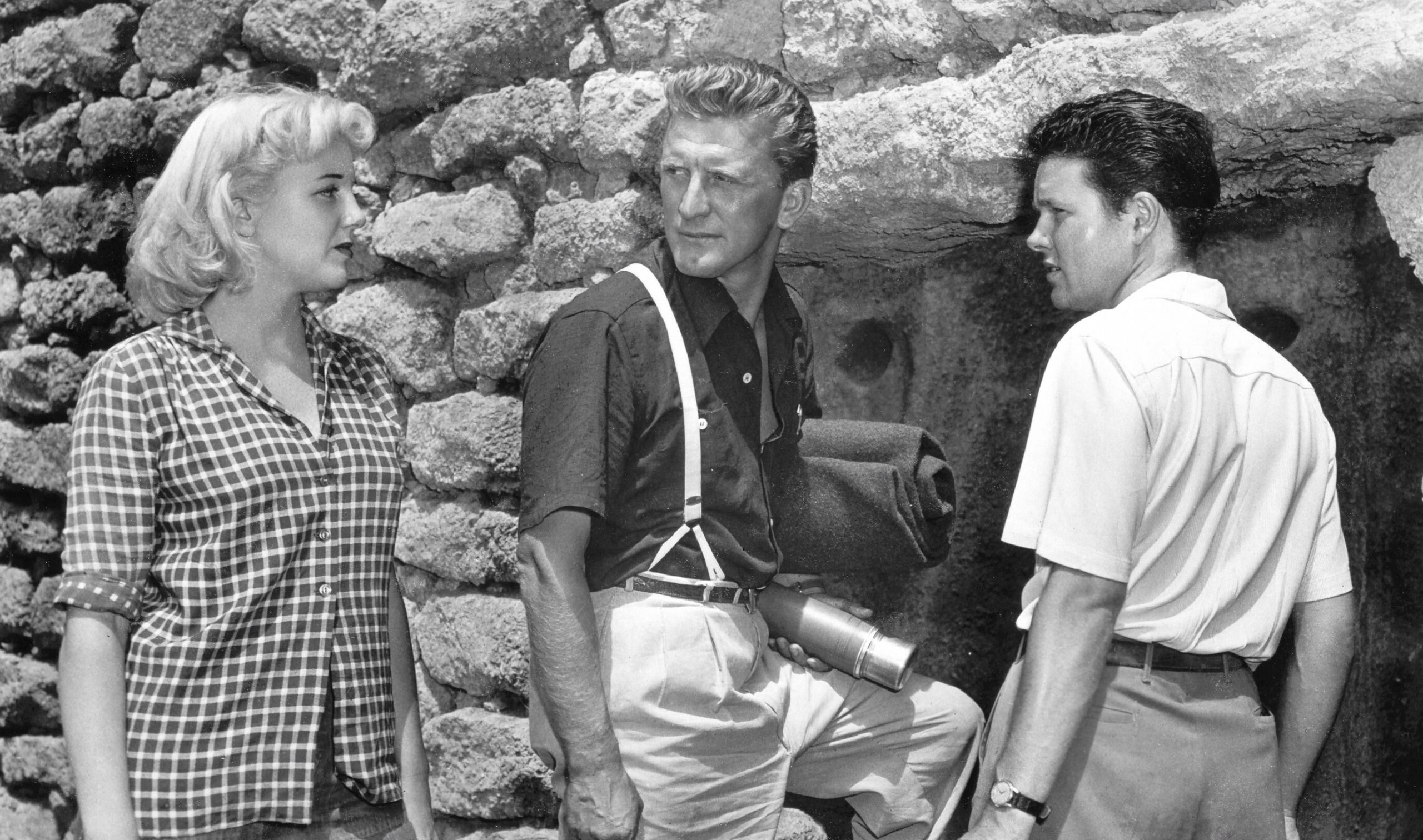
Ace in the Hole (1951) had impressive character development. It had a tight plot. The cinematography was excellent. The ending was very satisfying. And it had a lot of delicious moral ambiguity. It’s an A+ picture. It even makes a good episode of Perry Mason look mediocre. Why then is watching Perry, Della, and Paul more addictive? And why was the newer HBO Perry Mason even more intensely addictive? The answer, I believe, is the newer Perry Mason, which combined a TV characterization with movie-level production values.

What if the characters Barbara Stanwyck and Henry Fonda in The Lady Eve came back every week? Is that why we loved The Thin Man and Tarzan movies so much? Are movies less satisfying than television because the story ends? And is that why so many films today at the theaters are franchises?

JWH

My Attachment to Old Magazines

by James Wallace Harris, 9/6/25

I’ve always loved magazines. I worked six years in the periodicals department of a university library. As a kid, I loved all kinds of magazines. Even before I could read, my sister and I found a pile of old magazines in the attic of the house my parents were renting. The pile was as high as we were. It was old picture magazines, like Life and Look. Becky and I loved looking at the pictures. Magazines were like television, showing us people and places we’d never seen.

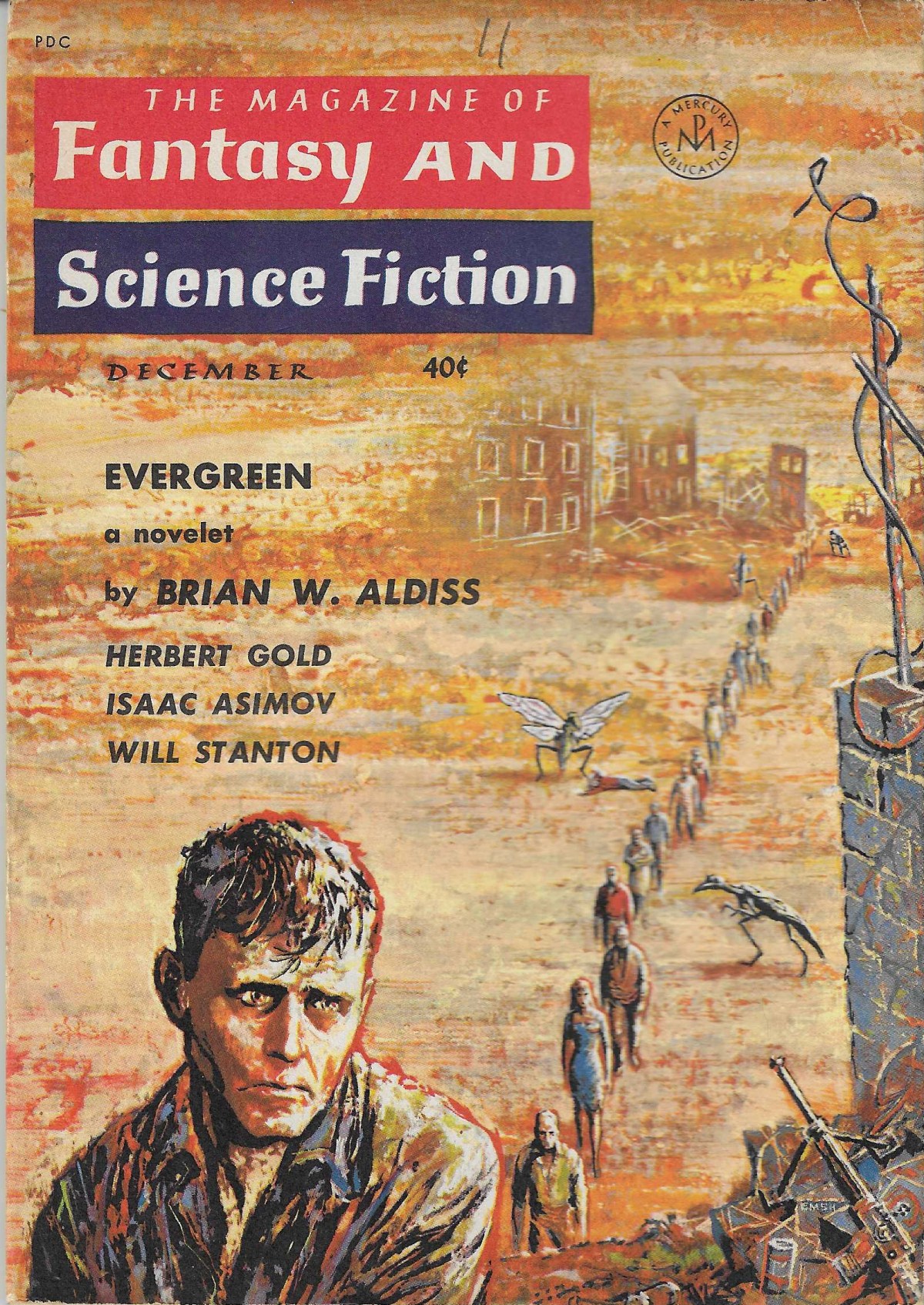
Later on, when I had a few coins, I’d buy magazines like Popular Science and MAD. Eventually, I discovered science fiction magazines. My favorite was The Magazine of Fantasy & Science Fiction, but I also loved Galaxy, Analog, Amazing, and Fantastic. I eventually subscribed to the first three around 1968. I also loved finding old issues at used bookshops for a dime or quarter.

By 1975, I had collected more than three-fourths of F&SF’s back issues. By then, I had also acquired pulps going back to 1928. Holding those magazines made me feel like I owned a piece of the past. I loved that. But in 1975, I had to sell my magazine collection.

Then in the 2010s, I started collecting those old magazines again through eBay. I eventually found 90% of the issues of F&SF published before 1975, and about 30% of those published after that. I also picked up about 95% of Galaxy.

Today, I started thinking about selling those old magazines. I took down the December 1961 issue of F&SF and read the beginning of each story. Every story hooked me, but I didn’t keep reading. I have this tremendous attachment to these old magazines, but I also feel a great need to have fewer possessions.

I have scans of all these magazines that I read on my tablet. In fact, it’s easier to read the scans than the original paper copies. The paper copies are becoming fragile. They are collector items, and I don’t want to hurt them.

I considered donating my magazine collection to the Friends of the Library, but I worry they won’t receive the love they deserve. I’m arranging to sell them on eBay. That way, a collector will acquire them. But it’s disturbing me to do this.

When I held the December 1961 issue of F&SF, it triggered a wave of nostalgia. It hurt me to imagine parting with it. I don’t value things. My truck is 26 years old. My watch cost $15. My clothes are Amazon Basics. I see no point in gold or diamonds. There’s nothing I own that’s expensive or trendy. If I’m not using something, I give it away.

If I had the choice between having the Mona Lisa on my wall or a complete run of F&SF, I’d pick the magazines.

Why am I so attached to these old magazines? It’s not the content because I have digital copies of all of them.

The best answer I can think of is this: Holding them recalls the past that no longer exists. If I didn’t have them, I wouldn’t have that connection to the past. Their covers are like photographs that remind me of who I used to be. Buying them on eBay was like buying back part of me that no longer exists.

I need to let them go. I feel like the kid in an old movie who has to free a wild animal they rescued. I rationalize to myself that whoever buys them will love them in the same way I have.

Over the last decade, since I’ve been retired, I’ve been trying to recapture my past by buying things I once owned. But I don’t want to be some old boomer dude living in the past.

Psychologically, I didn’t think I’d live this long. Now that I’m 73, I’m wondering, what if I live another decade or two? I don’t want to waste all that time living in the past.

I wonder if we recall who we were when it feels like the end is approaching. I’m not feeling that now. I wonder if I will buy another run of F&SF when I’m 88?

JWH

What Situations Make You Feel Lonely?

by James Wallace Harris, 9/3/25

I spend most of my time alone, but I seldom feel lonely. However, there are moments when I do feel lonely. My old friend Connell, whom I’ve known for almost sixty years, has disappeared from my life. Whenever I think about how I can’t talk to him anymore, I feel lonely. That’s true for all the people I’ve known who have died or I’ve lost contact with.

One of the side effects of getting old is the sense of losing people and moving towards solitude. As Susan and I’ve gotten older, we talk less. There’s less need. But if she were gone, I would be very lonely. At least I think I would.

Loneliness appears to be related to having someone to talk to when you want to talk. That if we had nothing to say, we might not be lonely.

Several friends have told me they feel lonely at parties. I’ve experienced that. Being in a room full of people and having no one to talk to does make you feel lonely. But I’ve also been to parties, talking to no one, and been entirely content. What’s the difference between those two situations?

I’ve read that millions of people have found AI friends to talk with. Many even claim that such communication is better than they have with people. Is the inability to express oneself a cause of loneliness?

I once had a TIA in the middle of the night, where I had no words in my mind. I wasn’t afraid. I saw Susan in the bed next to me, but I didn’t have anything to say. I didn’t panic. I didn’t feel like I was missing anything. I went into the bathroom and sat. I just looked around. Looking back, I wonder if that is how animals feel? Eventually, the alphabet bubbled up into my thoughts, and then words came back. I began to name things like Adam.

I did not feel lonely then. Just a kind of serenity. Does language make us lonely?

In recent months, two situations have triggered a feeling of loneliness. I crave listening to music with someone, like I used to do when I was a teenager. Sharing music used to mean something. And second, I want to watch old movies with someone who also loves to watch old movies. This makes me think of social media and how people love to share things online. Is not being able to share things you love with other people a cause of loneliness?

Before I was married, I remember dating. Not having anyone was lonely. But sometimes having sex could be extremely lonely. There are moments in life when you get as physically close as two people can possibly get, and yet your feelings seem to be on two different frequencies. That feels very lonely.

There are times when I feel something that I want to share, but I don’t know anyone who would relate to that feeling. Or, I can’t find the right words to say to someone who might. Is expressing or sharing feelings related to loneliness?

One reason I don’t feel lonely is that I read books. I’ve been a lifelong bookworm. Should I have substituted books for people? Can anyone express themselves by talking as some people can by writing? Does listening to someone soothe loneliness? Either verbally or by reading?

This essay conveys an idea that came to me in the middle of last night. I doubt I could have verbally expressed my thoughts. It would take too long. An inability to verbalize our thoughts or feelings could be another cause of loneliness.

Having another person around might not be the only solution to loneliness.

JWH

Visiting the ER Makes Me Philosophical

by James Wallace Harris, 8/25/25

Friday night, I went to the ER. I arrived at 7:15 pm and left at 2:45 am. At 73, I’ve been to the ER more than a few times. It’s always a fascinating experience despite the pain that brought me there and the agony of waiting to be seen.

Rejuvenation

Last fall, I started working in the yard and began to feel stronger. It made me more active. By spring, I had lost twenty pounds. When it got warm, I switched to walking for exercising, something I hadn’t been able to do since Obama was President. In other words, I felt better than I had in years.

That was quite a dramatic transformation. I had been having various health problems since my forties and had undergone surgeries three years running, starting in 2020. I had accepted I was on a downward path and couldn’t imagine having my health on an upward trajectory again.

Mentally, this rejuvenation changed me. I was having more people over and going out more. I felt like I was turning back the clock. I felt younger. I started doing things I haven’t done in years and began hoping to do even more in the future. One of the fun things I had started doing was playing Mahjong. Susan and I had begun to visit games around town. It made me want to get out again, which probably surprised Susan. Mahjong is hard. I need to think faster to play it, and that felt challenging.

I even went to my doctor to have tests done on my heart to see how much I could push things. I wanted to do more physical things.

I wasn’t completely healthy. I still had aches and pains. But I was keeping them under control with physical therapy exercises. But the miracle was walking for exercise. I started out by walking around one small block once. Over weeks, I built up stamina. Eventually, I was walking three or four laps every morning. It felt great.

I was worried about my heart and the strange twinges of pain in my right side. I asked my doctor. We talked about some possibilities. We knew I had gallstones. We were going to run tests after doing the tests on my heart. Because I’ve had heart problems before, she was more concerned about that.

The ER

Two days before the ER, I felt more rejuvenated than I had in years, so it was a shock to need to go to the ER again. I didn’t feel bad mentally. I felt healthy and clear-headed, except that I had intense shooting pains in my side and back. At 6:30 pm Friday, I decided Susan should drive me to the ER to see if they meant something serious.

We got to the ER at 7:15 pm. They checked my vitals, set up an IV, and then told me to wait in chairs. The place was crowded. I knew it would take hours, so I told Susan to go home. She’s been having her own health problems, and she had left dinner half-prepared. I didn’t want to waste that food.

Being alone made me think about what it would be like if I didn’t have Susan. I imagined living on my own, doing everything by myself. I love working alone at home, but I hate being alone in life. Getting old makes you philosophical, and so does waiting in an ER for hours.

Looking around, I saw some people were by themselves, some were with spouses, and some were with their whole families. From listening in on conversations, I learned that many in the waiting room had been there for hours. Some of those people were waiting for a hospital room to free up. Many of those had wrapped themselves in white blankets and were trying to sleep. The ER had two racks of warm blankets. I love it when they put those warm blankets on you in surgery.

Most of the people in the waiting room were waiting in silence. Some were moaning, one guy was softly crying while his wife hugged him. One poor girl was loudly groaning in pain periodically. I wondered if she was in labor. I was glad that only one person was coughing.

I tried to be still because moving sent shooting pains through me. I wanted to be as stoic as possible. But sometimes pains just shot through me, and I had to jerk about a bit. I knew a few people were looking at me like I was looking at them and wondering what was wrong. I wished I knew.

Before midnight, they called me back. They put me in a small room divided by a cloth curtain. In the other half, they were examining a teenage boy while his mother watched. I heard all the details. They weren’t nice.

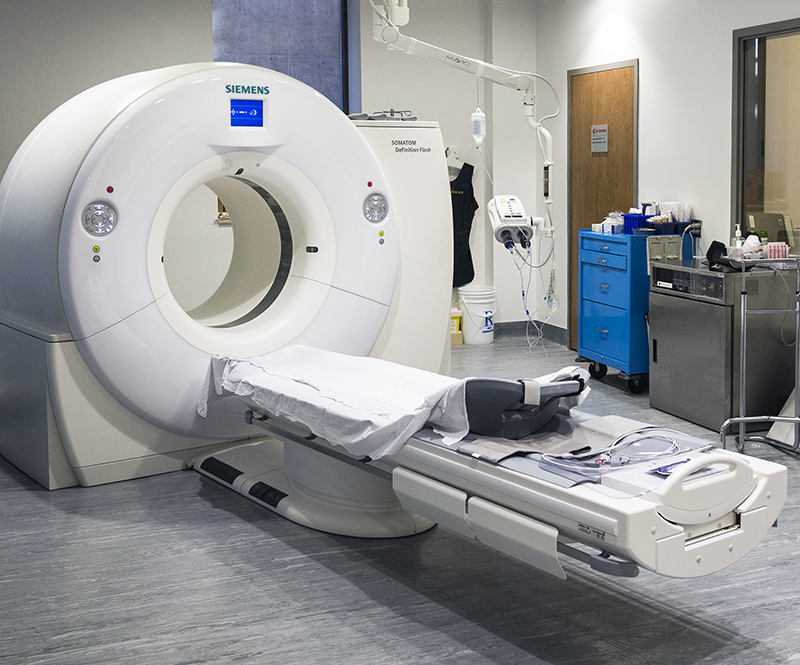
They took more vitals from me, and eventually, a tech took me to get a CT scan. I love the sound CT scanners make. It was quite painful to get into position and then back on my feet again. Everywhere I went, they asked if I wanted a wheelchair. I knew I looked bad, but I didn’t want to be bad enough to need a wheelchair. I’ve often seen old people refuse help; now I know why.

They took me back to the room. A sign on the wall said it took three hours to get a CT result. But the PA told the kid who also got a CT scan it would take about an hour.

Around 1:30 am Saturday morning the CT scan results came back. It was nothing I had imagined. I had two more hernias. I’ve already had three repaired surgically. And one hernia was interfering with the tube that goes from my kidney to my bladder. That might explain the weird pains in my side. And then the PA said, “And you have a stone in one of your kidneys.” She explained it wasn’t causing the pain now.

At least it wasn’t cancer, a ruptured gallbladder, or a blocked intestine, or any of the other scary conditions I fantasized about.

The kidney stone did scare me. It wasn’t descending so it shouldn’t be causing pain but they warned me it could try to pass. It might not happen, or happen years from now, or next week.

Evidently, the pain that made moving or standing so unpleasant was my old ordinary sciatica and muscle spasms caused by spinal stenosis. That was diagnosed almost twenty years ago. Sitting at the computer or standing or walking for any length of time aggravates it.

Because I was walking more, and writing more at the computer, I thought maybe my spinal stenosis was better because I had lost twenty pounds. I can’t explain why I was given a temporary reprieve.

The PA gave me 15mg of Toradol in my IV. It was magic. Thirty minutes later I would stand up. I still hurt, but I didn’t look like I needed a wheelchair.

The Future

I have to admit this episode put me in a tailspin. I was all geared up to feel younger and healthier again. I got a taste of being more active, and I liked it. I want that feeling back.

However, aging doesn’t work that way. It’s always a slow decline. Now I knew there could be some upswings in my health, too. I feel like I’m flying a plane I know is going to crash. For a few months, I forgot that. Going to the ER reminded me that it’s still going to crash. However, the past months taught me I could sometimes regain altitude.

Experiencing feeling younger for several months makes me wonder if I could get that feeling back again. I’m back where I can’t walk for exercise. And sitting at the computer makes my back hurt worse. I’m scheduled to see a urologist this coming Friday. I figure another surgery is in my future, and then there’s a time ticking bomb in my kidney. It took me months to recover from my last hernia surgery.

But what can I do to get that healthy feeling back? It might take months, or even years. I’m not giving up. Could losing another twenty pounds help? What diet or exercise to I need to pursue?

I’ve already returned to my adapted methods of coping. I’m back to using a laptop while reclined in a La-Z-Boy. I can walk long enough to do the dishes or go grocery shopping. But I really want to walk again for exercise. I wonder if that’s possible?

I only know one person my age that hasn’t had any health problems. It’s normal to break down in your seventies. I have to keep philosophical about that. But I also want to beat the system.

I’m reminded of a Vaugh Bode underground comic strip from the 1970s. In it two lizard like creatures are tied up. They’ve been blinded, and their legs have been cut off. One of them says to the other, “When it gets dark, I’z is gonna escape” That’s me at this moment.

When I left the ER, I took a Lyft home at 2:45 am. Several friends offered to come take me home. I appreciate that. But I like the feeling of still being able to take care of myself. I know that won’t always be true.

Riding through the dark, deserted streets was surreal. It was quite pleasant. I knew I would need another surgery, but I’ve been through them before. Passing a kidney stone sounded extremely unpleasant. I know just how unpleasant. I once watched a man in the urologist’s office passing a stone. But like the Stoics say, this too will pass. I’m lucky that it wasn’t something that couldn’t be fixed. Too many people I’ve known have already died, and almost everyone I know my age is suffering from something.

Many of my friends are worse off than I am. It’s funny, but I think everyone suffers what they know and wouldn’t trade it for someone else’s kind of suffering.

I remember how being healthier made me feel positive about the future. It was just for a few months. I want that feeling back.

The most unsettling aspect of all this is not knowing the answers. Doctors are more likely to know than I do, but I’m not sure they always know. I certainly can only speculate, and that’s often dangerous.

I just wish I could find some answers to simple questions. Does pain cause more pain? Do pain pills stop the cycle of pain? They stop pain, but what else do they do over the long run? I know they cause constipation. I had a kind of hangover from the Toradol. I know my mother got hooked on pain pills. She lived with chronic pain for over a decade.

Maybe I should have talked with the people in the ER waiting room. Some of them might know things I don’t. Susan and I have been binge-watching ER. We’re in the 14th season.

Real ERs aren’t like the TV program. The sets look similar, and the machines, but I wasn’t suffering anything dramatic, so I didn’t have a flock of doctors surrounding me. I wasn’t an interesting story. Most of the action was behind closed doors, so I couldn’t see it. I saw nurses, PAs, techs, and janitors going to and fro. I’m not sure I even saw a doctor in the hallways. Doctors were busy somewhere fixing people they could fix. I couldn’t be fixed, so I was sent home. The kid behind the curtain was waiting for surgery.

I have endless questions about my aging body. My regular doctor is very patient with me. She will answer many questions. But I don’t think I’ll ever know what I want to know. It’s not like in TV shows where things are explained so precisely.

JWH
What Should I Major in at Old Age University?

by James Wallace Harris, 8/16/25

I’ve decided to earn an equivalent of a graduate degree before I turn 77. I need a project that will keep me occupied in retirement. I’ve always been one to know a tiny bit about hundreds of subjects rather than a lot about a few. I want to pick one subject and stick with it.

I could get a master’s degree from the University of Memphis, where I used to work, since I can take courses for free. I’m not sure they have a major that fulfills my interests. I will check it out. I’ll also check out available online universities. Mainly, I’m borrowing the structure of a graduate degree for my plan.

I decided a book-length thesis will be my measure of success. Since a master’s degree usually takes two or three years, I’m giving myself until I turn 77, which is November 25, 2028.

Over the next few months, I will decide what I want to study. There are many things to consider and think about. Most graduate programs have lots of prerequisites. Before I retired, I considered taking an M.S. in Computer Science. That program required 24 hours of math courses and 12 hours of computer courses to be accepted into the program. The degree itself was 36 hours.

It’s doubtful I could finish a computer science degree before turning 77. And in all honesty, I no longer have the cognitive ability to retake all that math.

My undergraduate degree is in English. I did 24 hours towards an M.A. in Creative Writing before I dropped out. I was also interested in American, British, and European literature. I’d have to start over from scratch because those 24 hours would have timed out. But I no longer want to study English or creative writing.

I’ve also thought of pursuing an Art History degree. I’ve been collecting art books and art history books for a couple of decades, and I have friends with degrees in Art History. One gave me a list of 200 artworks that I’d be required to discuss to pass the oral exam for the master’s degree. I started reading about those works.

I realized I would have to commit several years of dedicated study to pass the oral. I don’t want to do that. I don’t love art that much. I’m not sure what single subject would be worth that much dedication.

I’ll study college catalogs for inspiration, but it’s doubtful that I will want to complete an actual degree from a university. Instead, I will need to make up my own degree.

Let’s say a master’s degree involves twelve courses, and each course requires studying five books. Then my custom-designed degree will require distilling sixty books into a single thesis volume. That thesis should present an original idea.

The single subject I do know a lot about is science fiction. And I’ve thought it would be fun to write a book that parallels the development of science with the evolution of science fiction. I probably already own the books I’d need to research the subject. And it would be the easiest goal for me to achieve because it’s a subject I love and would have no trouble sticking with.

However, I’ve become obsessed with a couple of ideas that I want to study. I believe they are especially fascinating for the last years of my life.

The first is about how humans are delusional. I’d like to chronicle all the ways we fool ourselves. I want to study all the cognitive processes to discover if we can interact with reality without delusion. Current affairs is the perfect laboratory for such a study.

Second, I’m fascinated by how personality is formed. I’d like to answer this question: If I knew then what I know now, how would I have reshaped my personality?

There is a synergy between the two interests. How do delusions shape our personality?

Ever since I read Ed Yong’s An Immense World, I’ve been fascinated by the concept of Umwelt. Our senses limit and define how we perceive reality. Our personality and cognitive abilities determine how we choose to react to that perception of reality.

I haven’t decided yet on what I will pick, but I’m leaning towards delusion and personality development. If I choose that, I’d start this project by collecting books on the subjects and by reading popular periodicals. Eventually, I’d get to academic journals. I don’t think my made-up degree will be very rigorous, though. I’d consider a two-hundred-page book at a modest popular science reading level to merit my do-it-yourself degree.

JWH