
by James Wallace Harris, 11/12/25
I used to keep up with the world by watching NBC Nightly News with Lester Holt, reading The New York Times on my iPhone, and bingeing YouTube videos. I felt well-informed. That was an illusion.
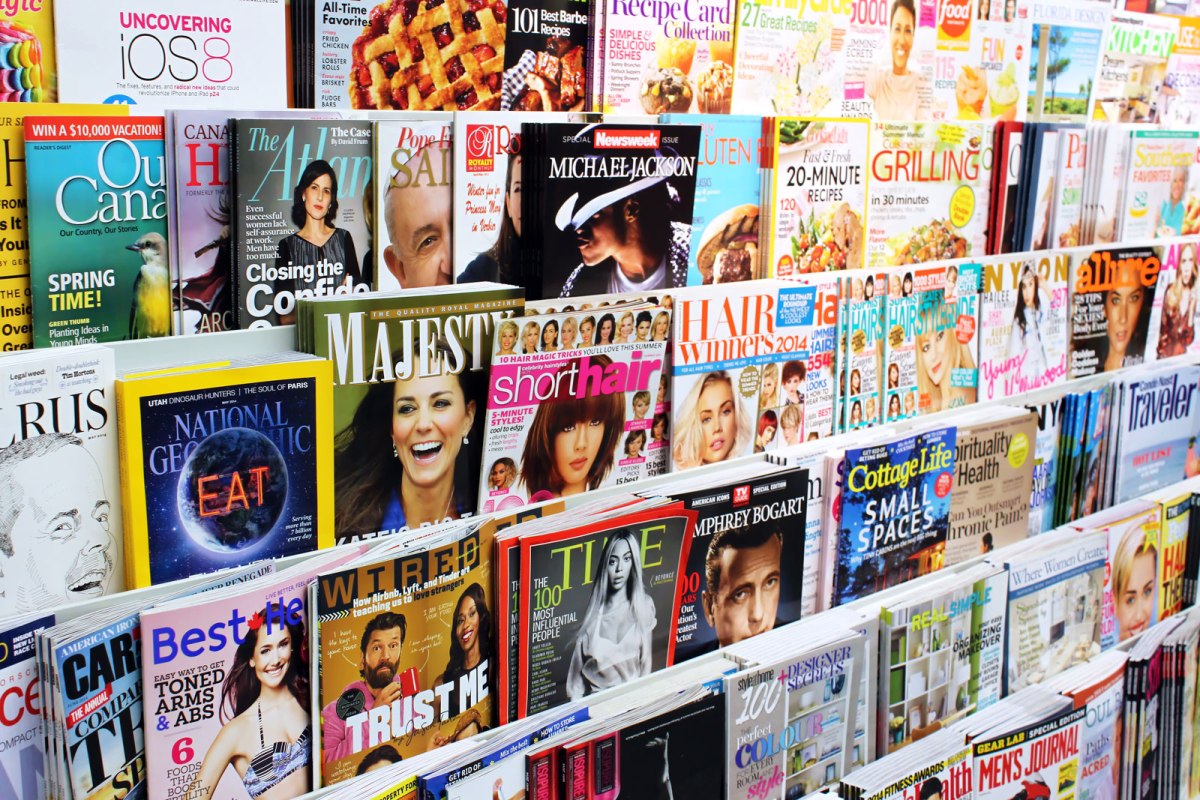
I then switched to reading The Atlantic, New York Magazine, The New Yorker, and Harper’s Magazine. I focused on the longer articles and developed the habit of reading one significant essay a day. That has taught me how superficial my previous methods were at informing me about what’s going on around the world. Television, the internet, and newspapers were giving me soundbites, while articles provide an education.
However, I still tend to forget this deeper knowledge just as quickly. I don’t like that. I feel like I learn something significant every day. What I’m learning feels heavy and philosophical. However, it drives me nuts that I forget everything so quickly. And I’m not talking about dementia. I think we all forget quickly. Just remember how hard it was to prepare for tests back in school.
I’ve watched dozens of YouTube videos about study methods, and they all show that if you don’t put information to use, it goes away. Use it or lose it. I’ve decided to start reading with a purpose.
At first, I thought I would just save the best articles and refer to them when I wanted to remember. That didn’t work. I quickly forget where I read something. Besides, that approach doesn’t apply any reinforcing methods.
I then thought about writing a blog post for each article. It turns out it takes about a day to do that. And I still forget. I needed something simpler.
I then found Recall AI.
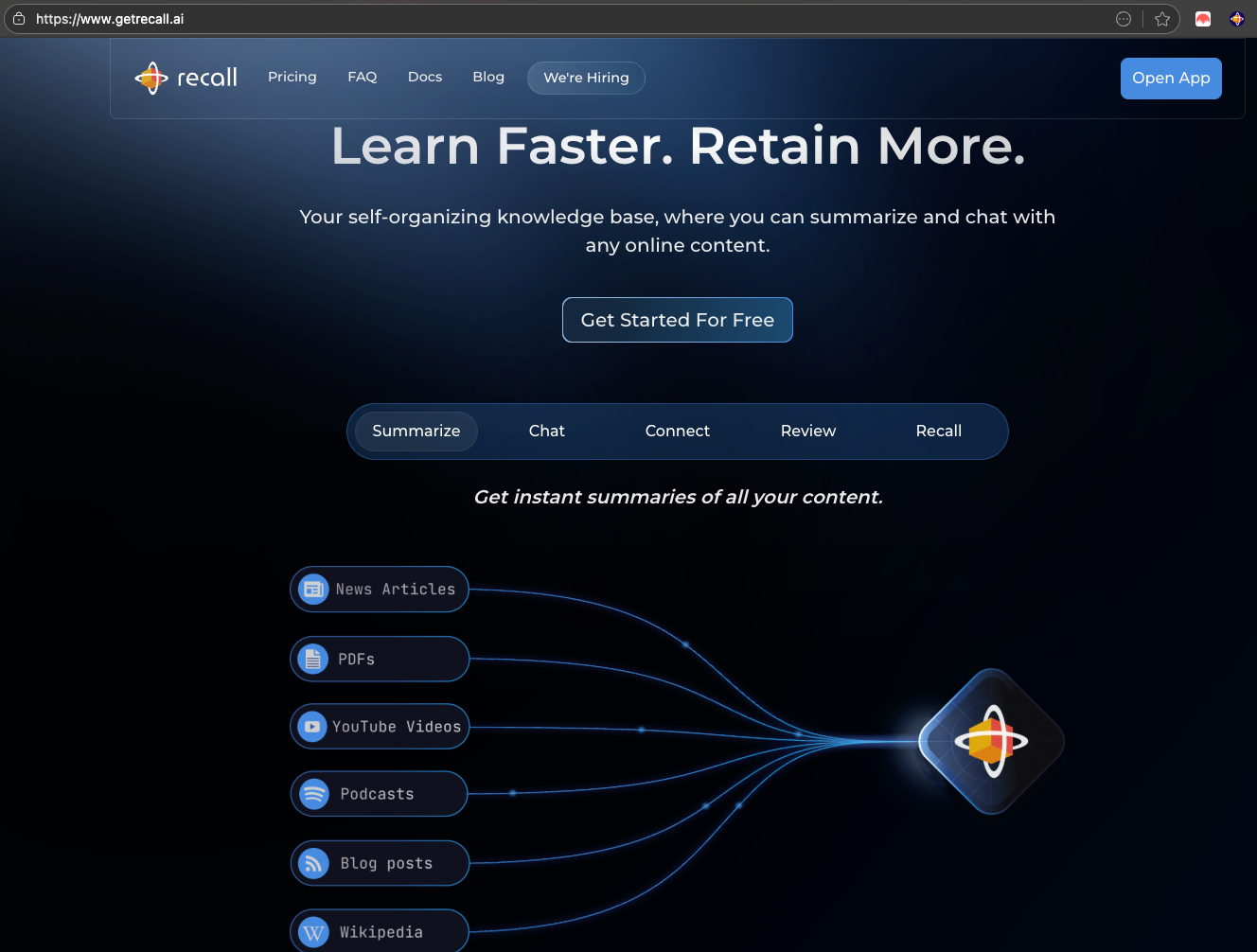
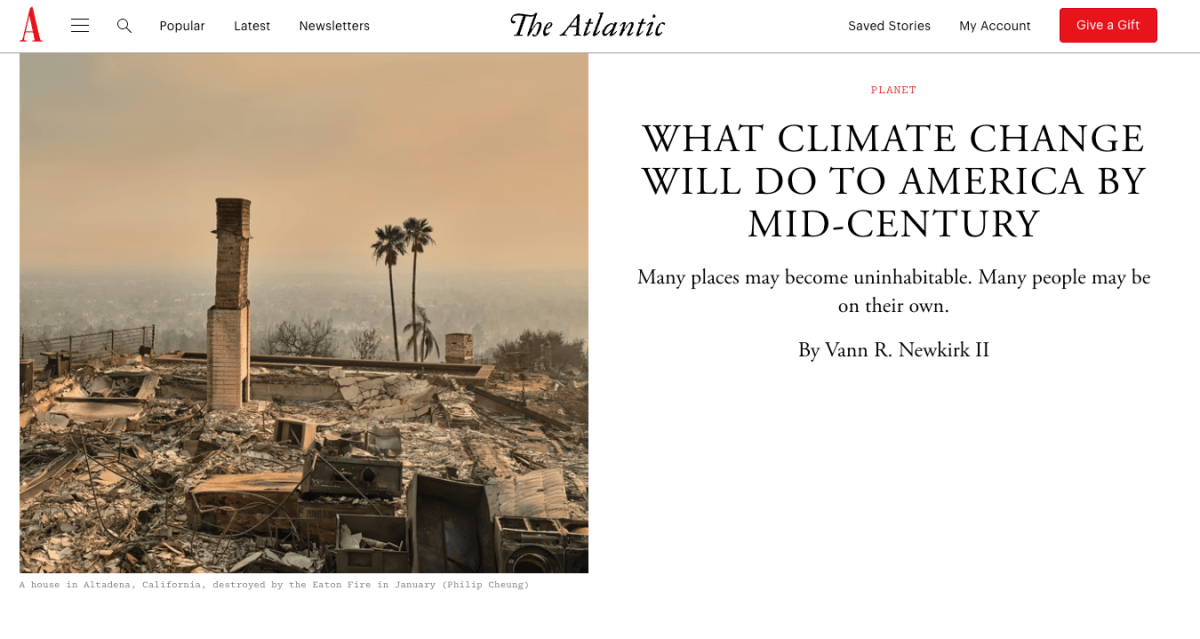
It reads and analyzes whatever webpage you’re on. Providing something like this for today’s article by Vann R. Newkirk II, “What Climate Change Will Do to America by Mid-Century:”
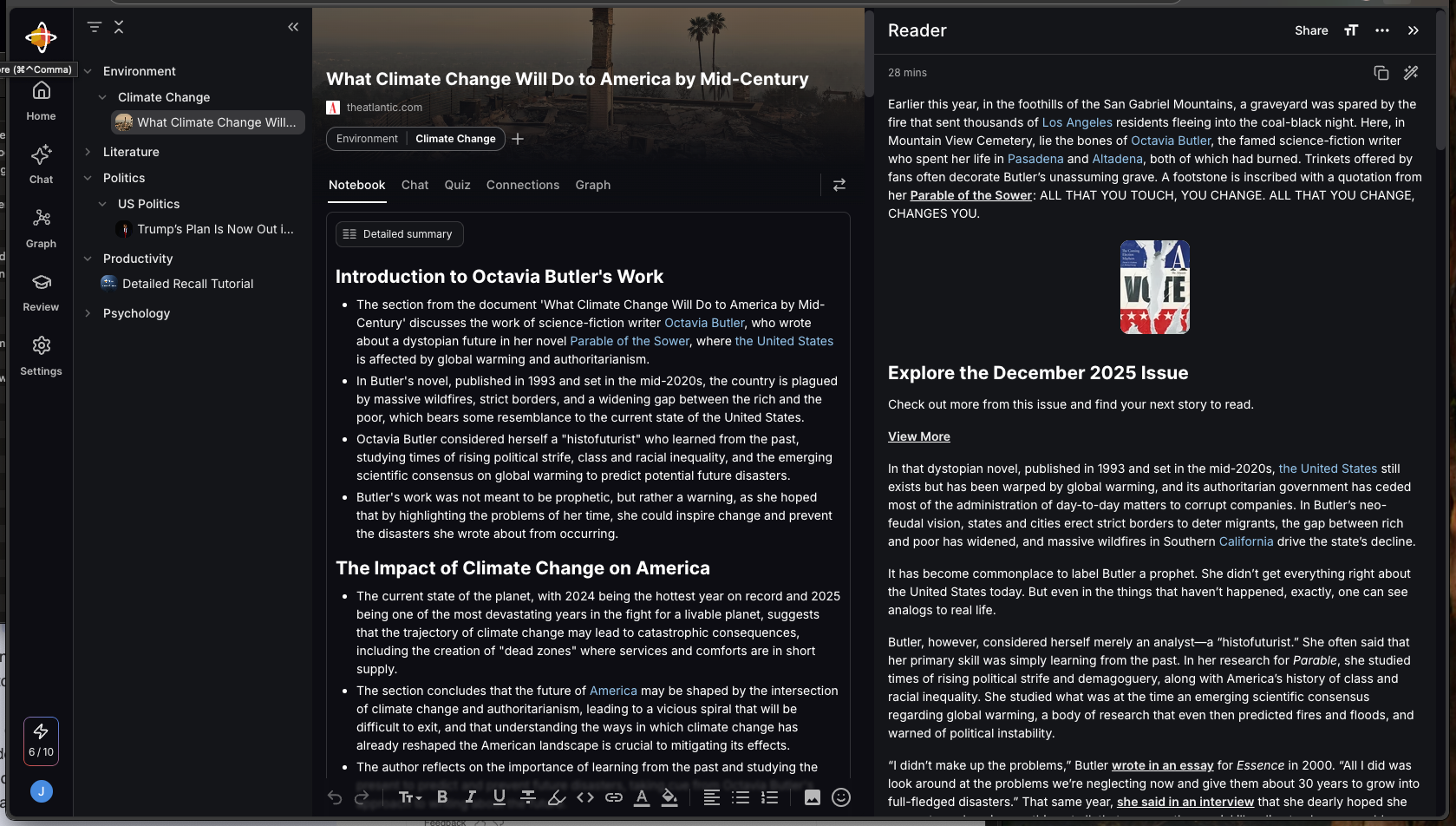
Recall allows me to save this into a structure. But again, this is a lot of work and takes a lot of time. If I were writing an essay or book, this would be a great tool for gathering research.
Recall is also great for understanding what I read. Helpful with quick rereading.
This morning, I got a new idea to try. What if I’m trying to remember too much? What if I narrowed down what I wanted to remember to something specific?
Within today’s article, the author used the term “climate gentrification” referring to neighborhoods being bought up because they were safer from climate change, and thus displacing poor people. The article mentions Liberty City, a poor neighborhood in Miami, with a slightly higher elevation, bought up by developers moving away from low-lying beachfront development.
I think I can remember that concept, climate gentrification. What if I only worked on remembering specific concepts? This got me thinking. I could collect concepts. As my collection grew, I could develop a classification system. A taxonomy of problems that humanity faces. Maybe a Dewey Decimal system of things to know.
I use a note-taking system called Obsidian. It uses hyperlinks to connect your notes, creating relationships between ideas. I could create a vault for collecting concepts. Each time I come across a new concept, I’d enter it into Obsidian, along with a citation where I found it. That might not be too much work.
I picked several phrases I want to remember and study:
- Climate gentrification
- Heat islands
- Climate dead zones
- Insurance market collapse
- Climate change acceleration
- Economic no-go zones
- Corporate takeover of public services
- Climate change inequality
- Histofuturism
- Sacrifice zones
- Corporate feudalism
Contemplating this list made me realize that remembering where I read about each concept will take too much work. I have a browser extension, Readwell Reader, that lets me save the content of a web page. I could save every article I want to remember into a folder and then use a program to search for the concept words I remember to find them.
I just did a web search on “climate gentrification” and found it’s already in wide use. I then searched for “corporate feudalism,” and found quite a bit on it too. This suggests I’m onto something. That instead of trying to remember specifically what I read and where, I focus on specific emerging concepts.
Searching on “histofuturism” brought up another article at The Atlantic that references Octavia Butler: “How Octavia Butler Told the Future.” Today’s article by Vann R. Newkirk II is also built around Octavia Butler. This complicates my plan. It makes me want to research the evolution of the concept, which could be very time-consuming.
The point of focusing on key concepts from my reading is to give my reading purpose that will help me remember. But there might be more to it. Concepts are being identified all the time. And they spread. They really don’t become useful until they enter the vernacular. Until a majority of people use a phrase like “climate gentrification,” the reality it points to isn’t visible.
That realization reinforces my hunch to focus on concepts rather than details in my reading. Maybe reading isn’t about specific facts, but about spreading concepts?
JWH

 Auxiliary Memory