by James Wallace Harris, 8/25/25
Friday night, I went to the ER. I arrived at 7:15 pm and left at 2:45 am. At 73, I’ve been to the ER more than a few times. It’s always a fascinating experience despite the pain that brought me there and the agony of waiting to be seen.
Rejuvenation
Last fall, I started working in the yard and began to feel stronger. It made me more active. By spring, I had lost twenty pounds. When it got warm, I switched to walking for exercising, something I hadn’t been able to do since Obama was President. In other words, I felt better than I had in years.
That was quite a dramatic transformation. I had been having various health problems since my forties and had undergone surgeries three years running, starting in 2020. I had accepted I was on a downward path and couldn’t imagine having my health on an upward trajectory again.
Mentally, this rejuvenation changed me. I was having more people over and going out more. I felt like I was turning back the clock. I felt younger. I started doing things I haven’t done in years and began hoping to do even more in the future. One of the fun things I had started doing was playing Mahjong. Susan and I had begun to visit games around town. It made me want to get out again, which probably surprised Susan. Mahjong is hard. I need to think faster to play it, and that felt challenging.
I even went to my doctor to have tests done on my heart to see how much I could push things. I wanted to do more physical things.
I wasn’t completely healthy. I still had aches and pains. But I was keeping them under control with physical therapy exercises. But the miracle was walking for exercise. I started out by walking around one small block once. Over weeks, I built up stamina. Eventually, I was walking three or four laps every morning. It felt great.
I was worried about my heart and the strange twinges of pain in my right side. I asked my doctor. We talked about some possibilities. We knew I had gallstones. We were going to run tests after doing the tests on my heart. Because I’ve had heart problems before, she was more concerned about that.
The ER
Two days before the ER, I felt more rejuvenated than I had in years, so it was a shock to need to go to the ER again. I didn’t feel bad mentally. I felt healthy and clear-headed, except that I had intense shooting pains in my side and back. At 6:30 pm Friday, I decided Susan should drive me to the ER to see if they meant something serious.
We got to the ER at 7:15 pm. They checked my vitals, set up an IV, and then told me to wait in chairs. The place was crowded. I knew it would take hours, so I told Susan to go home. She’s been having her own health problems, and she had left dinner half-prepared. I didn’t want to waste that food.
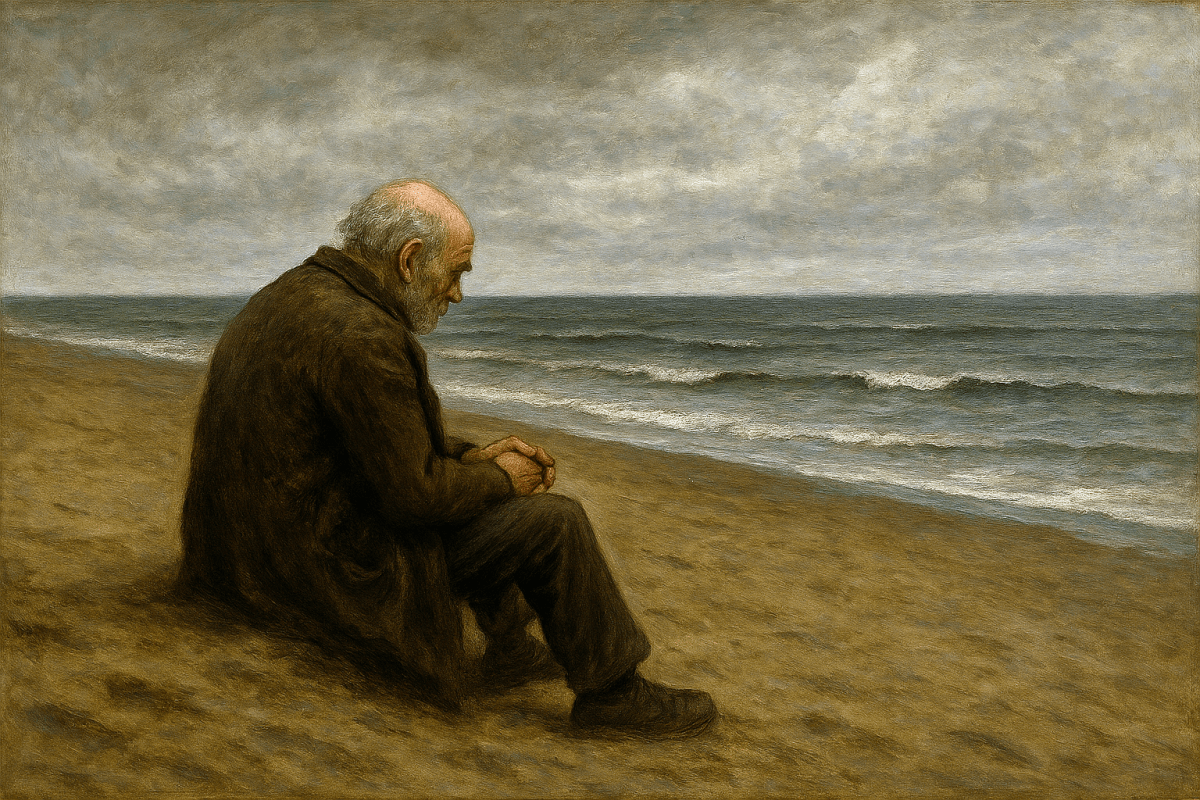
Being alone made me think about what it would be like if I didn’t have Susan. I imagined living on my own, doing everything by myself. I love working alone at home, but I hate being alone in life. Getting old makes you philosophical, and so does waiting in an ER for hours.
Looking around, I saw some people were by themselves, some were with spouses, and some were with their whole families. From listening in on conversations, I learned that many in the waiting room had been there for hours. Some of those people were waiting for a hospital room to free up. Many of those had wrapped themselves in white blankets and were trying to sleep. The ER had two racks of warm blankets. I love it when they put those warm blankets on you in surgery.
Most of the people in the waiting room were waiting in silence. Some were moaning, one guy was softly crying while his wife hugged him. One poor girl was loudly groaning in pain periodically. I wondered if she was in labor. I was glad that only one person was coughing.
I tried to be still because moving sent shooting pains through me. I wanted to be as stoic as possible. But sometimes pains just shot through me, and I had to jerk about a bit. I knew a few people were looking at me like I was looking at them and wondering what was wrong. I wished I knew.
Before midnight, they called me back. They put me in a small room divided by a cloth curtain. In the other half, they were examining a teenage boy while his mother watched. I heard all the details. They weren’t nice.
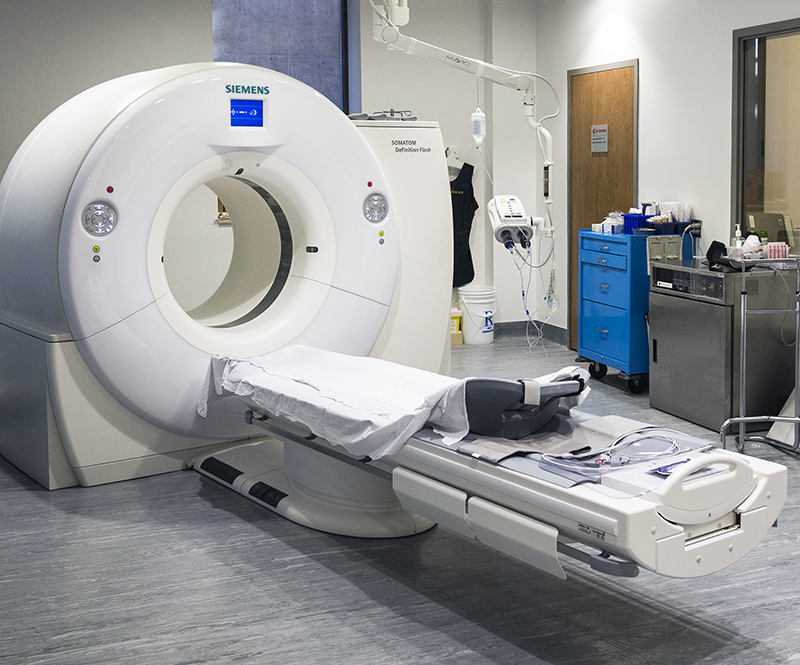
They took more vitals from me, and eventually, a tech took me to get a CT scan. I love the sound CT scanners make. It was quite painful to get into position and then back on my feet again. Everywhere I went, they asked if I wanted a wheelchair. I knew I looked bad, but I didn’t want to be bad enough to need a wheelchair. I’ve often seen old people refuse help; now I know why.
They took me back to the room. A sign on the wall said it took three hours to get a CT result. But the PA told the kid who also got a CT scan it would take about an hour.
Around 1:30 am Saturday morning the CT scan results came back. It was nothing I had imagined. I had two more hernias. I’ve already had three repaired surgically. And one hernia was interfering with the tube that goes from my kidney to my bladder. That might explain the weird pains in my side. And then the PA said, “And you have a stone in one of your kidneys.” She explained it wasn’t causing the pain now.
At least it wasn’t cancer, a ruptured gallbladder, or a blocked intestine, or any of the other scary conditions I fantasized about.
The kidney stone did scare me. It wasn’t descending so it shouldn’t be causing pain but they warned me it could try to pass. It might not happen, or happen years from now, or next week.
Evidently, the pain that made moving or standing so unpleasant was my old ordinary sciatica and muscle spasms caused by spinal stenosis. That was diagnosed almost twenty years ago. Sitting at the computer or standing or walking for any length of time aggravates it.
Because I was walking more, and writing more at the computer, I thought maybe my spinal stenosis was better because I had lost twenty pounds. I can’t explain why I was given a temporary reprieve.
The PA gave me 15mg of Toradol in my IV. It was magic. Thirty minutes later I would stand up. I still hurt, but I didn’t look like I needed a wheelchair.
The Future
I have to admit this episode put me in a tailspin. I was all geared up to feel younger and healthier again. I got a taste of being more active, and I liked it. I want that feeling back.
However, aging doesn’t work that way. It’s always a slow decline. Now I knew there could be some upswings in my health, too. I feel like I’m flying a plane I know is going to crash. For a few months, I forgot that. Going to the ER reminded me that it’s still going to crash. However, the past months taught me I could sometimes regain altitude.
Experiencing feeling younger for several months makes me wonder if I could get that feeling back again. I’m back where I can’t walk for exercise. And sitting at the computer makes my back hurt worse. I’m scheduled to see a urologist this coming Friday. I figure another surgery is in my future, and then there’s a time ticking bomb in my kidney. It took me months to recover from my last hernia surgery.
But what can I do to get that healthy feeling back? It might take months, or even years. I’m not giving up. Could losing another twenty pounds help? What diet or exercise to I need to pursue?
I’ve already returned to my adapted methods of coping. I’m back to using a laptop while reclined in a La-Z-Boy. I can walk long enough to do the dishes or go grocery shopping. But I really want to walk again for exercise. I wonder if that’s possible?
I only know one person my age that hasn’t had any health problems. It’s normal to break down in your seventies. I have to keep philosophical about that. But I also want to beat the system.
I’m reminded of a Vaugh Bode underground comic strip from the 1970s. In it two lizard like creatures are tied up. They’ve been blinded, and their legs have been cut off. One of them says to the other, “When it gets dark, I’z is gonna escape” That’s me at this moment.
When I left the ER, I took a Lyft home at 2:45 am. Several friends offered to come take me home. I appreciate that. But I like the feeling of still being able to take care of myself. I know that won’t always be true.
Riding through the dark, deserted streets was surreal. It was quite pleasant. I knew I would need another surgery, but I’ve been through them before. Passing a kidney stone sounded extremely unpleasant. I know just how unpleasant. I once watched a man in the urologist’s office passing a stone. But like the Stoics say, this too will pass. I’m lucky that it wasn’t something that couldn’t be fixed. Too many people I’ve known have already died, and almost everyone I know my age is suffering from something.
Many of my friends are worse off than I am. It’s funny, but I think everyone suffers what they know and wouldn’t trade it for someone else’s kind of suffering.
I remember how being healthier made me feel positive about the future. It was just for a few months. I want that feeling back.
The most unsettling aspect of all this is not knowing the answers. Doctors are more likely to know than I do, but I’m not sure they always know. I certainly can only speculate, and that’s often dangerous.
I just wish I could find some answers to simple questions. Does pain cause more pain? Do pain pills stop the cycle of pain? They stop pain, but what else do they do over the long run? I know they cause constipation. I had a kind of hangover from the Toradol. I know my mother got hooked on pain pills. She lived with chronic pain for over a decade.
Maybe I should have talked with the people in the ER waiting room. Some of them might know things I don’t. Susan and I have been binge-watching ER. We’re in the 14th season.
Real ERs aren’t like the TV program. The sets look similar, and the machines, but I wasn’t suffering anything dramatic, so I didn’t have a flock of doctors surrounding me. I wasn’t an interesting story. Most of the action was behind closed doors, so I couldn’t see it. I saw nurses, PAs, techs, and janitors going to and fro. I’m not sure I even saw a doctor in the hallways. Doctors were busy somewhere fixing people they could fix. I couldn’t be fixed, so I was sent home. The kid behind the curtain was waiting for surgery.
I have endless questions about my aging body. My regular doctor is very patient with me. She will answer many questions. But I don’t think I’ll ever know what I want to know. It’s not like in TV shows where things are explained so precisely.
JWH


 Auxiliary Memory