I suppose because humans have always reproduced like bunnies, we’ve always ignored an essential aspect of sexual reproduction and gender. Statistically, we need every female to have more than two children. Because some women can’t have children, and because some girls die before reaching reproductive age, to keep the population steady during current conditions requires 2,100 babies to be born to every 1,000 women. That number varies depending on the state of medicine and the number of catastrophes.
In 2024, 1,626 babies were born to every 1,000 women in the United States. That’s not enough. If we continued at that rate, we’d eventually become extinct. In many other countries, that number is much smaller than 1,626.
Why aren’t these statistics common knowledge? Why didn’t we learn them when our parents (or peers) taught us about sex? It’s a heavy responsibility to know that we should all have children. My wife and I didn’t have children. Most of my friends didn’t have children. Why did we all start doing our own thing and forget this essential aspect of life?
It’s unfair that the burden of maintaining the species falls on women. To maintain the current population, every woman needs to have two children, and one in ten needs to have three. That’s assuming all women can have children. The practical need is for all women to have three children. Few women want that today.
Males don’t escape responsibility either. The species could get by with fewer males for making babies, but we need males to support the raising of children. I suppose a feminist utopia could get by with an exceedingly small number of males, or even none if women perfected cloning, but the statistics of maintaining the species are the same even if males weren’t needed.
However, we have evolved into a society/culture that doesn’t want enough children. What does that mean? Should we make people have more babies?
I wrote about this yesterday. However, the impact of these numbers didn’t hit me until 3:11 am last night.
For humanity to survive, we must deal with climate change, environmental sustainability, capitalism, inequality in all forms, artificial intelligence, and reproductive stability.
Theoretically, we could solve all these problems, but I doubt we will. The obvious solution is that civilization will collapse, and we’ll fall back into previous kinds of social organizations. It’s a fascinating challenge to imagine a society that can solve all these problems. However, can you imagine any future where all fertile women must have three children, and all men must become dedicated fathers? I can’t.
The human race needs to act radically differently. Is that possible?
Most countries around the world are worried about a population collapse that will destroy their economies and social systems. I’ve been worried about overpopulation since the 1960s, but now economists are warning us that capitalism is doomed if we don’t have more babies. Every country’s economic wellbeing depends on GDP growth. That might be impossible if birthrates continue to shrink.
The replacement birthrate to keep the population the same is around 2.1 children per woman, or 2,100 children per 1,000 women. In the U.S., we had 1,626 births per 1,000 women in 2024. At that rate, if we exclude immigration, the United States will fade away. Here are the U.S. population number by decade for the next 400 years.
Year
Population (in millions)
2025
341.7
2035
330.5
2045
319.8
2055
309.5
2065
299.6
2075
290.0
2085
280.8
2095
271.9
2105
263.3
2115
255.0
2125
247.0
2135
239.3
2145
231.8
2155
224.6
2165
217.6
2175
210.9
2185
204.4
2195
198.1
2205
192.0
2215
186.0
2225
180.2
2235
174.6
2245
169.1
2255
163.8
2265
158.6
2275
153.5
2285
148.6
2295
143.8
2305
139.1
2315
134.5
2325
130.0
2335
125.6
2345
121.3
2355
117.1
2365
113.0
2375
109.0
2385
105.1
2395
101.3
2405
97.5
If we follow the trends of other countries that have even lower replacement birthrates, we’d shrink even faster. If we became like South Korea, we’d shrink to half our population by 2100.
At some point, we’d reach zero population. From an ecological point of view, I’d think the Earth would be better off without so many people. However, capitalism, and our support systems like Social Security depend on growth.
To solve this problem requires women having more babies. Because some women can’t have children, most women would need to have three children. That’s quite burden to put on women. Countries around the world with declining birthrates are trying various incentives to get women to have more children, but so far, those incentives aren’t working.
Can We Have Capitalism Without Growth?
What if it’s time to think about shrinking the population? What would be a sustainable population regarding the environment? Let’s just say the world would be much better without only one billion people. Could we come up with an economic system that didn’t depend on growth?
Humanoid robots are enterting the workforce. Could they take up the GDP slack for fewer people? Are there other methods to generate economic growth without people? The U.S. economy depends on consumerism. Can we create an environmental steady-state economic system that creates abundance?
How Many People Do We Need?
If we allowed ourselves to shrink the population to one billion humans, to keep from continuing to shrink, we’d be back to needing women having 2,100 children per 1,000 women. That means every woman needs to have two children, and one in ten needs to have three.
Since the second wave of feminism and the creation of the birth control pill, women have chosen to have fewer children. We have to assume that’s what they want as individuals. Then is it fair to put the burden of reproduction on one gender? What if we had a society where every individual is responsible for raising their replacement? How would we force males into having kids?
Conservatives and some women are now proposing that women go back to being full-time mothers. What if most women don’t want to become mothers? Could we create a Brave New World type society where children are grown in test tubes and vats? That would allow males to have children.
This is a great idea for science fiction, but I’m not sure if it will ever happen.
What If Some Women Were Willing to Have Lots of Children?
Some women do like having children. If half of women were willing to have four or five children, and maybe a quarter of them have one child, that would allow one quarter of women to have no children.
Curently, in the U.S. 57% of all adults under 50 choose not to have children. That means we wouldn’t have enough women wanting children. Current incentive programs for woman to have more children are failing. Is there anything governments could do to convince women to have more children?
Universal guaranteed incomes are often discussed nowadays because of growing automation. What if women were guaranteed a significant income for having children? Say $75,000 a year for each child.
There is a meme going around where pretty women claim they are too beautiful to work. I don’t know how big this movement is, but it seems some women have decided that careers are not fun and they’d rather be stay-at-home moms. But as critics have pointed out, this plan only works with Mr. Right who makes a lot of money. How many women would choose a career of raising babies if they made $225,000 a year by raising three children, or $450,000 a year for raising six?
Think about how this would change our society? I have no idea if this is a good idea, but it sounds like it could make a fun science fiction story. How would this change society for males? It might make marriage more appealing. However, it would shift the power to women, and males might not like that.
However, with robots taking over everyone’s jobs, raising babies might become a new growth industry.
I’m just speculating here. If population collapse is a real problem, then we need to think of solutions. Conservatives are hell bent to bring back the large traditional family, but I doubt that will fly anymore. I think it’s obvious that many women don’t want to be moms to large broods.
How far are conservatives willing to go to recreate large families? Would they back $75,000 per child incentive? How many men would be willing to stay at home and raise children and let their wives have careers? How many people of either gender want careers? Would such an incentive balance out the responsibility of child raising if the incentive is paid to females and males? Do child raisers need to be married?
I suppose there could be new kinds of marriages, like limited partnerships. Conservatives would probably propose the incentives be payable only to married couples. Would they allow gay couples? What about two older people who are just friends and need to make some money? Maybe we need to redefine marriage as a legal bond to raise children.
Because robots and AIs are taking over everyone’s jobs, raising babies is one job they can’t have. Or could they? I suppose we could create robotic mothers and fathers to raise human babies that have been conceived in test tubes and gestated in vats.
There’s lots to think about.
I’ve thought of one other thing. What if humans are choosing not to have babies but raise robots instead? What if robots are our evolutionary replacements? If that’s the case, then population decline is right on time.
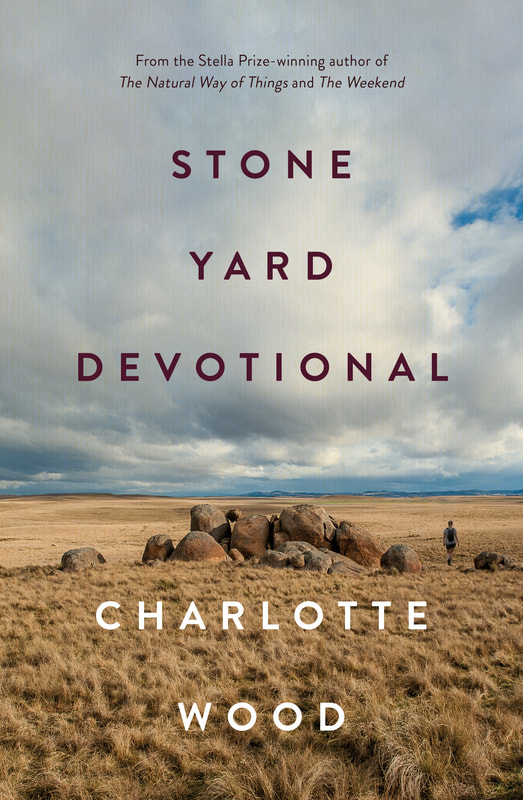
Stone Yard Devotional is about how reality puts the peddle to the metal when life gets all too real. Stone Yard Devotional reads like a memoir, a diary, but it’s classified as a novel. The book was nominated for several awards.
The entire time I was listening to this book I wondered if Charlotte Wood was the unnamed narrator, however after reading “‘The shock was so deep’: Novelist Charlotte Wood on the experience that changed everything” in the Syndney Herald, I realized the novel was only inspired by her own life. Wood and her two sisters were being treated for breast cancer, while she was contemplating mortality and drafting this book.
I have no memory of how I discovered Stone Yard Devotional by Charlotte Wood. The cover and title intrigued me for sure. Maybe it was because it was shortlisted for the 2024 Booker Prize. The audiobook was part of my Spotify subscription, so I gave it a try, and I’m glad I did. It’s not the kind of book I normally read, but it’s wonderful to read if you’re getting old.
The story begins with the Covid pandemic. The narrator separates from her husband, ghosts her friends, and hides out in a guest house of a religious order, even though she is nonreligious. She wants to be alone. But after her initial stay, she returns to the order to live with the nuns. I was never sure if she joined the order or not. I have often thought the monastic life has certain appeals.
The story is about the narrator’s observations while living a contemplative life. These include the death of her mother, the remembrance of childhood, studying the nuns, working in the garden and kitchen, and the guilt of living with a woman she and her classmates horribly bullied as a child. The narrative is simple, like meditation.
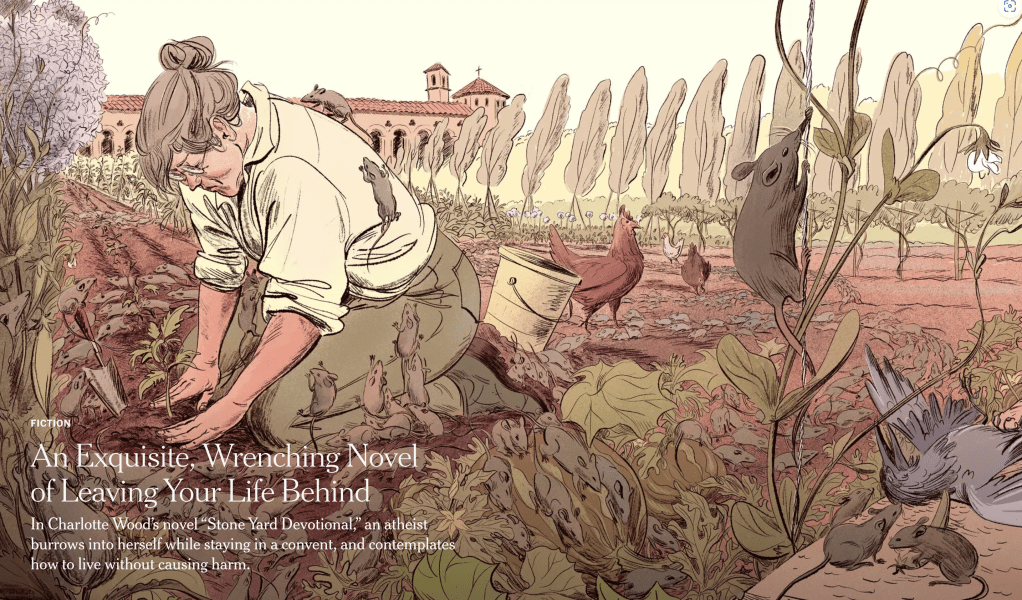
The setting is Australia, which is exotic to me. As a kid I wanted to live in Australia. Over the course of the novel, there is a plague of mice that invade the convent. The mice are so numerous that they cover the roads in gray fur. At first, I thought Wood added this element to give her tale some excitement, but I researched and found that her part of Australia they did have a mice plague of Biblical proportions in 2021.
That made life in the convent extremely inconvenient. The mice ate electrical insulation, throwing daily living in the convent back to the 19th century. The illustration for the book’s review at The New York Times might have been another reason I read this book.
Much of what the unnamed narrator contemplates throughout the novel is what everyone thinks about as they get older. The fear of declining health and death, the regrets, the desires for wanting to have done things different, the desires to connect with others while also wanting to pull away, the changes we see in ourselves and others, the appeal of nature and living simple. Wood’s story explores all of that and more, triggering the reader to think about their lives.
Charlotte Wood was born in 1965, so she’s fourteen years younger than me. However, her battle with cancer has likely aged her perception on life. At 73, I’ve been thinking about the things in this novel for years. But I don’t know if everyone who collects social security meditates on these issues. Stone Yard Devotional is a great title for this novel. Even though the narrator said she was an atheist at the beginning of this story, getting old and dealing with people who die, pushes you to be spiritual even without a belief in God.
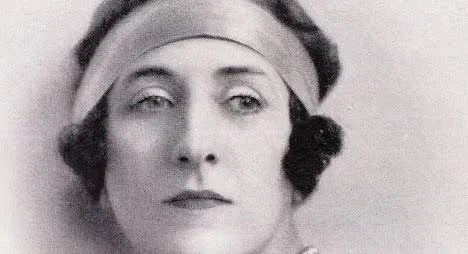
In 1992, I read a one-paragraph description of a science fiction novel published in 1926 by a woman named Lady Dorothy Mills. The book was called Phoenix. The blurb said the book was about an elderly woman undergoing a rejuvenation treatment that made her look twenty again. Because very few SF books were being published in hardback in the 1920s, especially by women, I decided I wanted to find a copy to read. However, it took ten years of dedicated searching before a copy came up for sale. Along the way, I became intrigued by finding out more about Lady Dorothy Mills. It hasn’t been easy.
Many writers dream of achieving immortality through publishing a book. Sadly, that seldom happens. Most books are first and only editions. Writers are remembered only as long as readers read their books. Dead writers tend to fade into forgotten writers as their books disappear from bookstores. Lady Dorothy Mills is almost forgotten today.
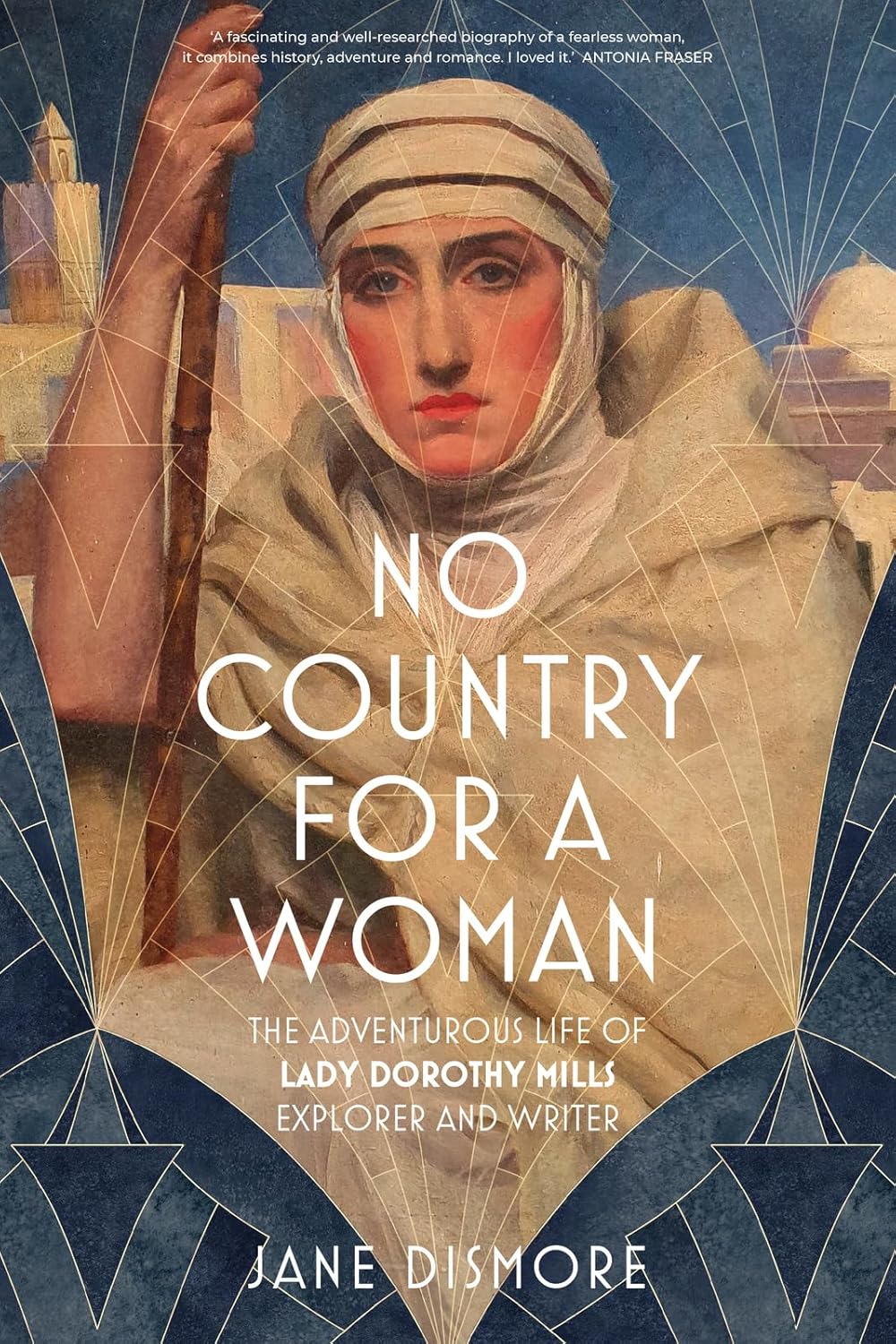
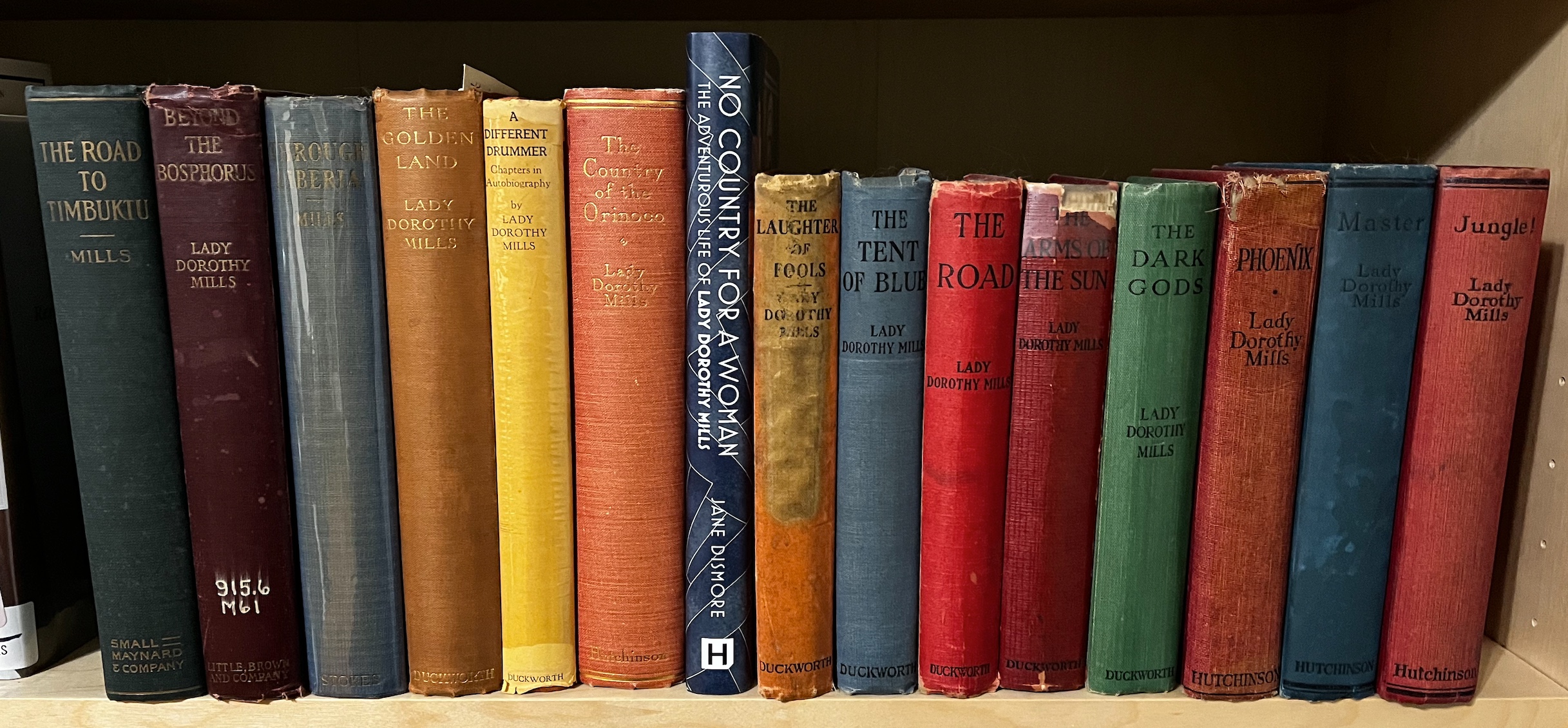
No Country for a Woman, a biography of Lady Dorothy Mills by Jane Dismore, might change that. (Amazon USA: Kindle, Hardback). I knew Dismore was on the trail of Lady Dorothy Mills when she published a two-page newspaper article about Lady Dorothy in 2014, where I learned more about Mills than I had in twenty-two years of research. I contacted Dismore. She replied that she was working on a full biography. I’ve been waiting years to read No Country for a Woman. I hoped it would do two things. First, it would answer the many questions I still had about Lady Dorothy Mills, and it has, and much more. Second, I wanted it to resurrect Lady Dorothy Mills. By that, I mean to get new readers for Mills. That remains to be seen.
Unfortunately, Lady Dorothy Mills’ books are out of print, and used copies are rare, so even if No Country for a Woman becomes a best seller for Jane Dismore, Mills won’t get new readers unless her books are reprinted. Dismore’s excellent biography chronicles Lady Dorothy Mills’ rise to fame in the 1920s and 1930s, but will it inspire publishers to reprint Mills’ books today? Evidently, Dismore is more realistic than I am. Her biography makes Lady Dorothy Mills into an exciting woman to read about, but nowhere in the biography does Dismore promote reprinting Mills or recommend reading her books.
Lady Mills was a fascinating woman. To be honest, I don’t know how well her books would be received today. I used to ask my friends: Which would you rather be, a famous novelist or an exciting person that inspired a famous novel or biography? Lady Mills achieved a level of fame in the 1920s and 1930s as a novelist and travel writer. However, No Country for a Woman, focuses on the woman, and not her books. The immortality that Lady Dorothy Mills ultimately finds might not be based on what she wrote, but how she lived. Jane Dismore pictures a woman worthy of a bio movie.
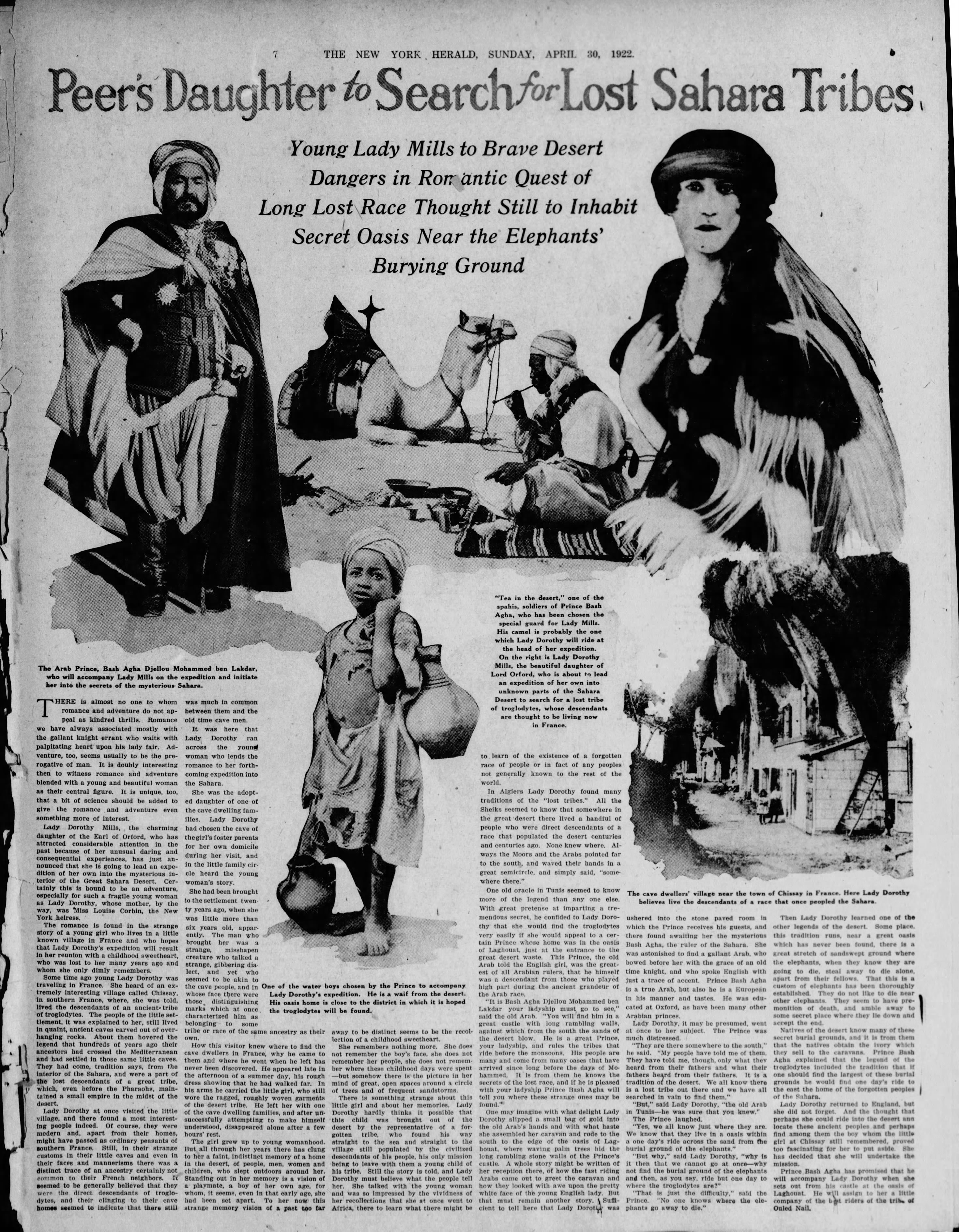
Lady Dorothy Mills’ real life upbringing rivals the fictional Lady Mary Crawley in Downton Abbey. Unlike Lady Mary’s sister, Lady Sybil, Lady Dorothy was cut off from her family when she married a commoner. To make ends meet, Lady Dorothy and her husband, Arthur Mills, wrote novels and travel books to make a living. They each spent three months a year traveling alone in exotic locations hunting material for their next book. Lady Mills first gained fame in the English-speaking world with her 1924 travel book The Road to Timbuktu. The press claimed she was the first white woman to visit Timbuktu alone; after that, it became a tourist destination for adventurous rich travelers.
Over the next ten years, Lady Mills visited several hard-to-reach and dangerous destinations in North and East Africa, the Middle East, and South America, publishing five travel books and one memoir. Newspapers in America, Canada, England, and Australia often ran sensational articles by and about Lady Mills. Mills even got minor respect as a legitimate explorer and was one of the early women accepted into the Royal Geographical Society.
Lady Dorothy also wrote nine novels, but they mostly appealed to shop girls who wanted to read about romances set in exotic locales. A couple of them were science fiction and fantasy. However, her heroines were progressive, promoting feminism and advocating diversity. Lady Dorothy Mills’ early novels dealt with upper-class England during the fading aristocracy. And Lady Mills hung out with many famous English people, including many in the Bright Young Things crowd. Unfortunately, even though her novels often got good reviews for being fun reads, they were never considered part of the English literary movement between the wars.
I hope Jane Dismore’s biography of Lady Dorothy Mills will resurrect Lady Dorothy so she won’t be forgotten. Unfortunately, the website I maintain, ladydorothymills.com, gets damn few hits. It averages about forty hits a week, with zero hits on many days. The only way Lady Dorothy Mills will ever be as famous as she was in the 1920s is if someone makes a movie out of No Country for a Woman. I doubt that will happen but there’s abundant content in the biography for several possible films.
I’ve considered taking down the website I maintain for Lady Mills. The key information has been put on Wikipedia, and No Country for a Woman is now the best source of information for Lady Dorothy Mills. I’ve also thought of putting Lady Dorothy Mills’ public domain books online. I just don’t know if there would be enough interest to merit all the hard.
I do have one regret about the Dismore biography. During the 1930s, Lady Dorothy Mills disappeared from the spotlight of the popular press. She quit writing. Evidently, after inheriting a small amount of money from her mother’s estate after her father died, Lady Mills no longer needed to write for a living. Lady Dorothy eventually became a recluse, living in a seaside hotel. I wanted to know what she thought during all those lonely years.
It’s not Dismore’s fault for not knowing what Lady Mills was like during her fading years because I don’t think anyone knew. But if I had a time machine, I would visit her.
I woke up at 3:02am thinking about all the things I wanted to throw away. I’m only a moderately tidy person. For most of my life I let cleaning slide until I’m expecting company forcing me to clean up. But as I’ve gotten older I’m slowly becoming more anxious over disorder. For years I’ve tried to put everything in its place, but only after a certain amount of things have gotten out of place. Aging has caused that trigger number to grow smaller.
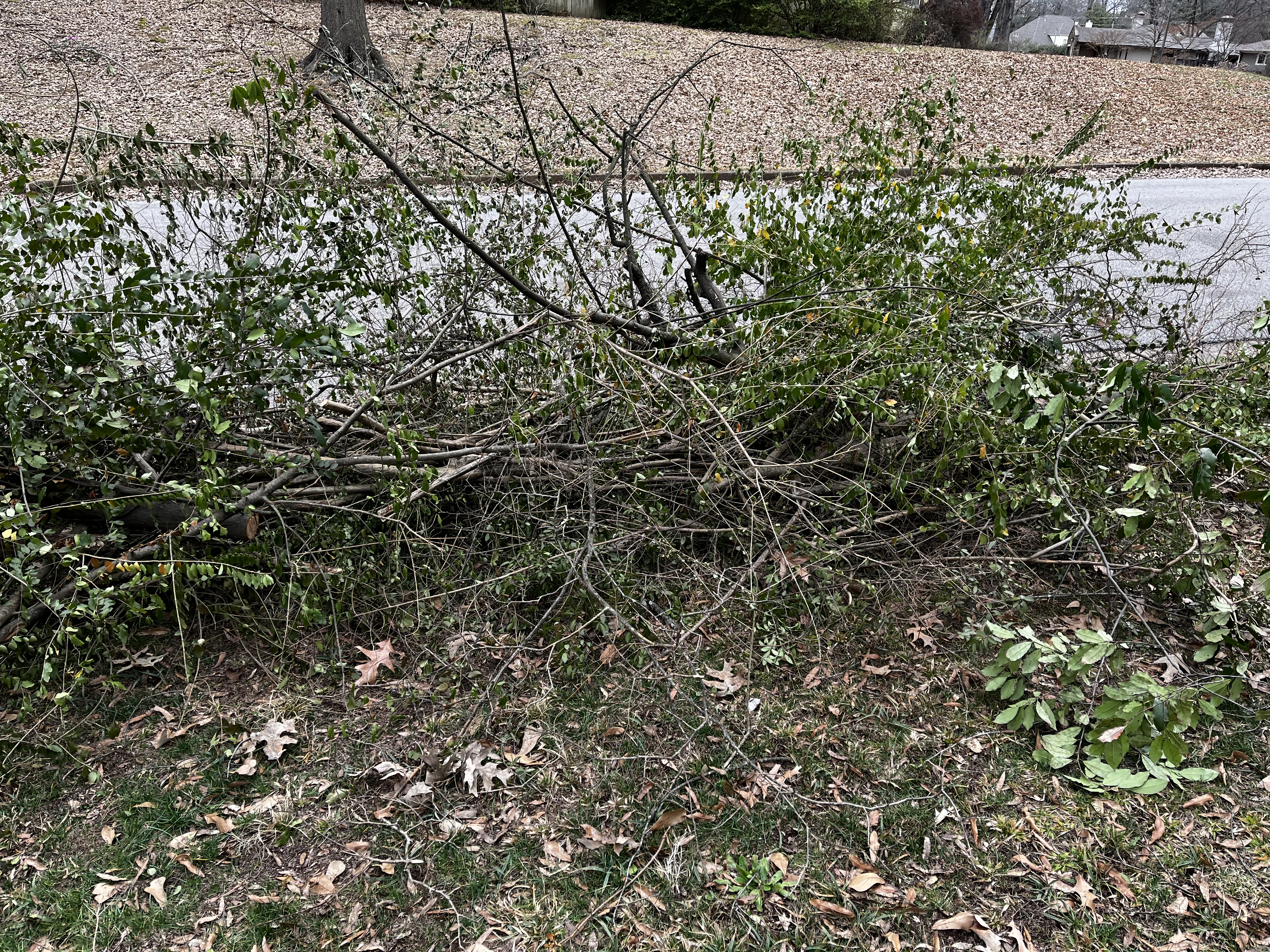
Something is possessing me. Since last September I’ve become obsessed over how untidy the yard has gotten. I spend an hour a day collecting leaves, limbs, logs, brush, rocks, and yard junk, puttig it out by the street. The pile grows and grows for weeks until the city comes by with a huge truck and giant claw carry it away. This photo is one fourth of my last pile.
My current pile is still small. I’ve got most of the big stuff cut down. I’m down to a thousand square feet of weeds I need to pull or dig up. But I’ve also unearthed an old brick floor of a greenhouse that’s been torn down and an old patio made from paving stones that I will need to dig up. Also, I’ve left the yard full of stumps that I need to dig up or have ground down.
Since I started all this yardwork I’ve begun dreaming of the day when I’ll have everything in the yard cleaned off and I can start designing the new yard. It’s caused me to develop a compulsion about clutter that’s now infecting how I feel when I’m in the house. I fantasize about getting a white fence to enclose the backyard. I crave a simple uncluttered landscape. That fantasy is now affecting how I feel about the house too. I want to declutter inside and make our decor a soothing simplicity. Of course, I have no landscaping or decorating skills, and neither does Susan. It’s just an urge that gnaws at me.
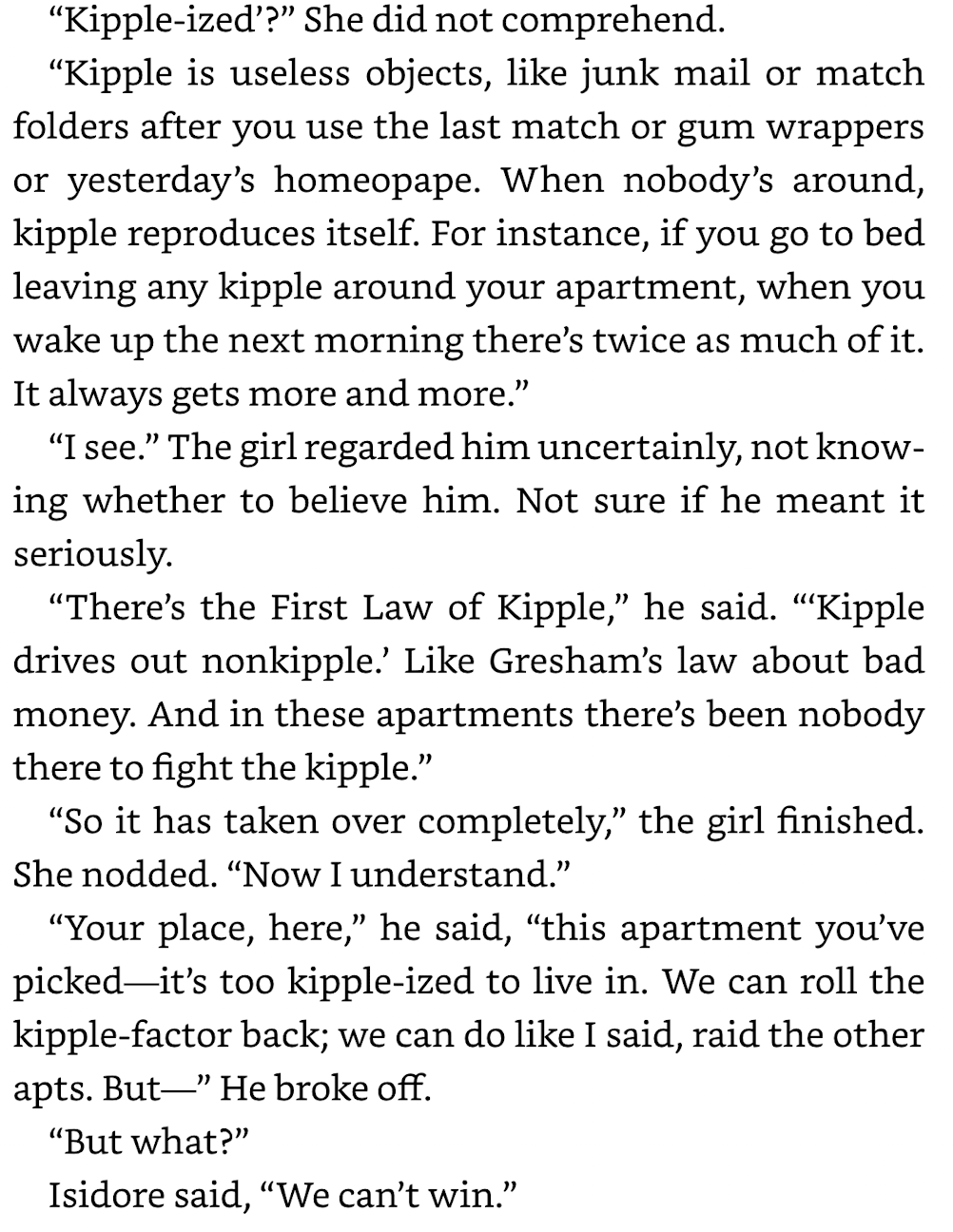
I feel like I’m becoming unhinged – like a character in a Philip K. Dick novel. In Do Androids Dream of Electric Sheep? one character describes Kipple to another:
Mother nature makes Kipple in the yard, Susan and I make Kipple in the house. If you ignore it, it reproduces, and we’ve ignored it for far too long. It’s time to battle the Kipple.
Last night during my period of insomnia I thought about all the Kipple I wanted to attack. I thought of all the ancient underwear in my chest of drawers that need to be thrown away, all the original boxes I’ve been saving in closets in case I need to ship something back that need to go into the recycle bin, all the old medicines that clog up the cabinet, all the machines I no longer use, the books I’ll never read, the bottles of cleaners that haven’t been used to clean anything this century, the clothes that have been on the same hanger for decades, and I realize I’ve got a case of spring cleaning fever.
But then I think about my computer and all my hard drives and the tens of thousands of files that clutter up my life. And all those photos on my iPhone that I never want to see again, and my bulging file drawers with paperwork that goes back forty-seven years of marriage.
Once you start thinking about clutter you see it everywhere. I think about that old joke about a guy who bought a new car whenever the ashtray got full. I fantasize about moving to a 55+ community and leaving all my Kipple behind.
Is this anxious state of mind caused by aging? I didn’t worry about an overgrown yard or a cluttered house when I was younger. Did I cause this when I decided to work in the yard? Does wanting to create order in one location cause you to want to create order everywhere? Susan is quite comfortable with clutter, so why am I so uptight about it lately?
Maybe my problem is psychological. Because the country is going down the drain and I can’t do anything about it, I’m compensating by trying to control a smaller territory, one within my power? That means aging wouldn’t be a factor. But then is that happening with everyone else? Do big crazy chaotic times inspire people to organize their little lives?
I don’t know what’s happening other than I get up every morning with an urge to throw things away. But there’s always so much more to throw away.



 Auxiliary Memory