STONE YARD DEVOTIONAL by Charlotte Wood

by James Wallace Harris, 4/12/25

Stone Yard Devotional is about how reality puts the peddle to the metal when life gets all too real. Stone Yard Devotional reads like a memoir, a diary, but it’s classified as a novel. The book was nominated for several awards.

The entire time I was listening to this book I wondered if Charlotte Wood was the unnamed narrator, however after reading “‘The shock was so deep’: Novelist Charlotte Wood on the experience that changed everything” in the Syndney Herald, I realized the novel was only inspired by her own life. Wood and her two sisters were being treated for breast cancer, while she was contemplating mortality and drafting this book.

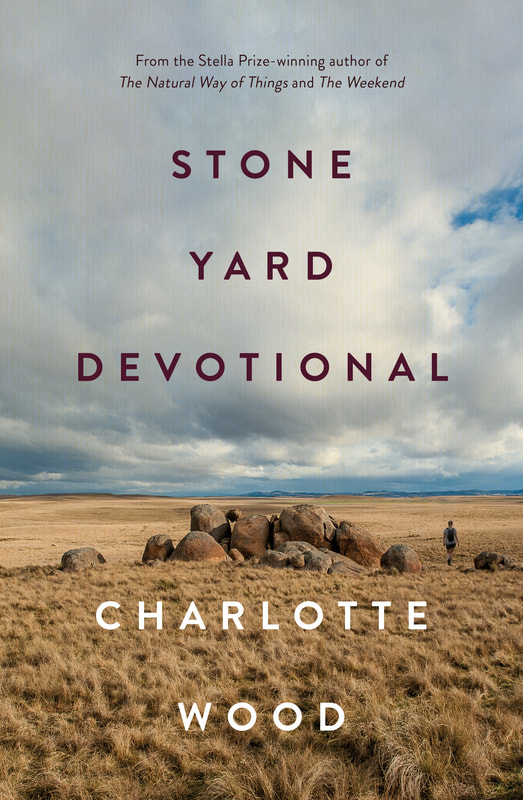
I have no memory of how I discovered Stone Yard Devotional by Charlotte Wood. The cover and title intrigued me for sure. Maybe it was because it was shortlisted for the 2024 Booker Prize. The audiobook was part of my Spotify subscription, so I gave it a try, and I’m glad I did. It’s not the kind of book I normally read, but it’s wonderful to read if you’re getting old.

The story begins with the Covid pandemic. The narrator separates from her husband, ghosts her friends, and hides out in a guest house of a religious order, even though she is nonreligious. She wants to be alone. But after her initial stay, she returns to the order to live with the nuns. I was never sure if she joined the order or not. I have often thought the monastic life has certain appeals.

The story is about the narrator’s observations while living a contemplative life. These include the death of her mother, the remembrance of childhood, studying the nuns, working in the garden and kitchen, and the guilt of living with a woman she and her classmates horribly bullied as a child. The narrative is simple, like meditation.

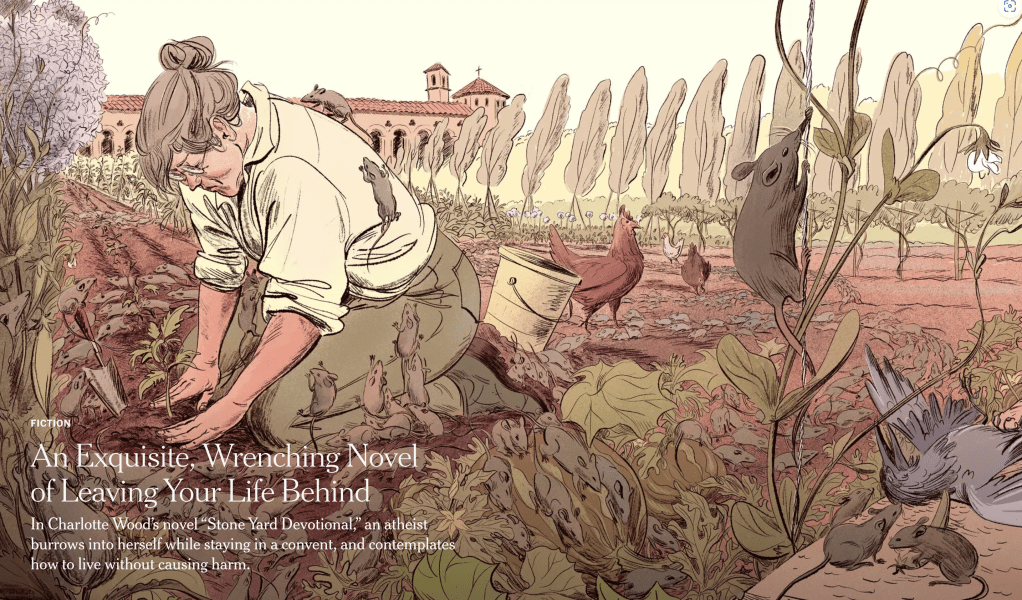
The setting is Australia, which is exotic to me. As a kid I wanted to live in Australia. Over the course of the novel, there is a plague of mice that invade the convent. The mice are so numerous that they cover the roads in gray fur. At first, I thought Wood added this element to give her tale some excitement, but I researched and found that her part of Australia they did have a mice plague of Biblical proportions in 2021.

That made life in the convent extremely inconvenient. The mice ate electrical insulation, throwing daily living in the convent back to the 19th century. The illustration for the book’s review at The New York Times might have been another reason I read this book.

Much of what the unnamed narrator contemplates throughout the novel is what everyone thinks about as they get older. The fear of declining health and death, the regrets, the desires for wanting to have done things different, the desires to connect with others while also wanting to pull away, the changes we see in ourselves and others, the appeal of nature and living simple. Wood’s story explores all of that and more, triggering the reader to think about their lives.

Charlotte Wood was born in 1965, so she’s fourteen years younger than me. However, her battle with cancer has likely aged her perception on life. At 73, I’ve been thinking about the things in this novel for years. But I don’t know if everyone who collects social security meditates on these issues. Stone Yard Devotional is a great title for this novel. Even though the narrator said she was an atheist at the beginning of this story, getting old and dealing with people who die, pushes you to be spiritual even without a belief in God.

JWH

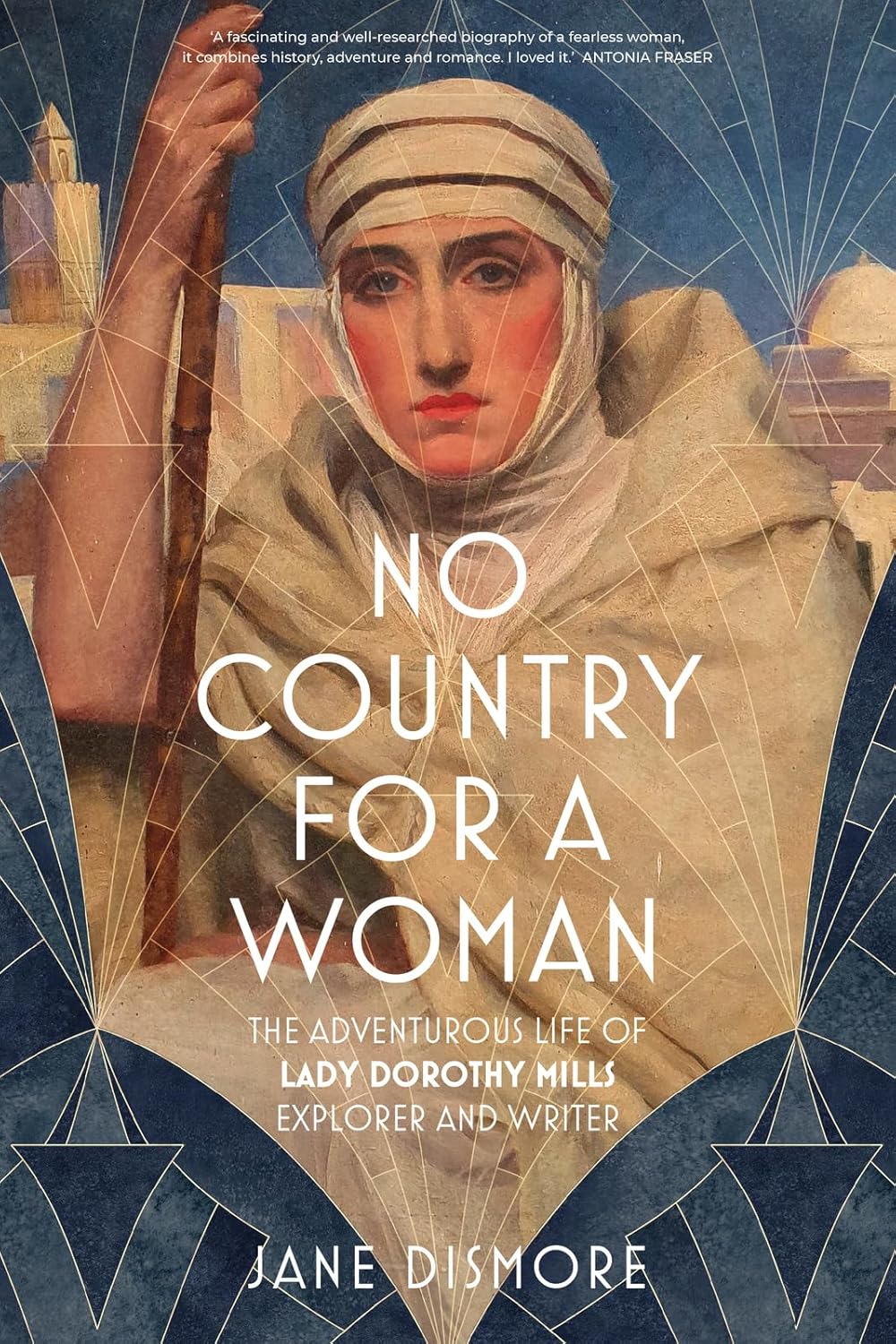
NO COUNTRY FOR A WOMAN by Jane Dismore

by James Wallace Harris, 3/30/25

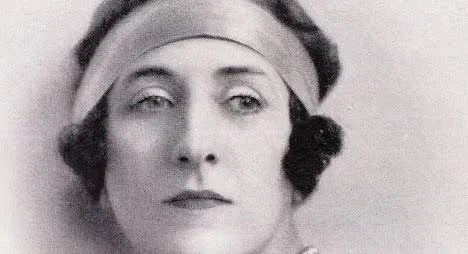
In 1992, I read a one-paragraph description of a science fiction novel published in 1926 by a woman named Lady Dorothy Mills. The book was called Phoenix. The blurb said the book was about an elderly woman undergoing a rejuvenation treatment that made her look twenty again. Because very few SF books were being published in hardback in the 1920s, especially by women, I decided I wanted to find a copy to read. However, it took ten years of dedicated searching before a copy came up for sale. Along the way, I became intrigued by finding out more about Lady Dorothy Mills. It hasn’t been easy.

Many writers dream of achieving immortality through publishing a book. Sadly, that seldom happens. Most books are first and only editions. Writers are remembered only as long as readers read their books. Dead writers tend to fade into forgotten writers as their books disappear from bookstores. Lady Dorothy Mills is almost forgotten today.

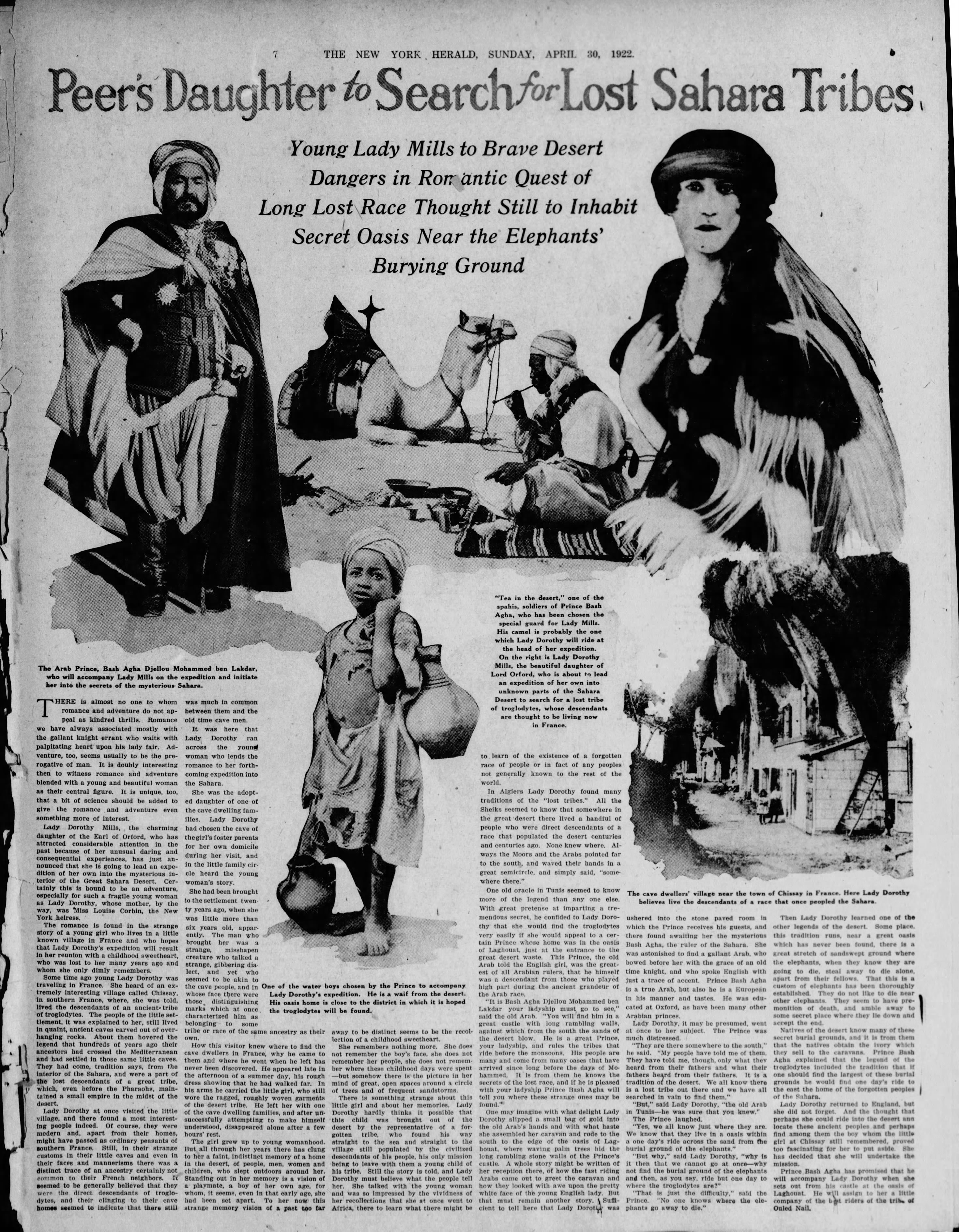
No Country for a Woman, a biography of Lady Dorothy Mills by Jane Dismore, might change that. (Amazon USA: Kindle, Hardback). I knew Dismore was on the trail of Lady Dorothy Mills when she published a two-page newspaper article about Lady Dorothy in 2014, where I learned more about Mills than I had in twenty-two years of research. I contacted Dismore. She replied that she was working on a full biography. I’ve been waiting years to read No Country for a Woman. I hoped it would do two things. First, it would answer the many questions I still had about Lady Dorothy Mills, and it has, and much more. Second, I wanted it to resurrect Lady Dorothy Mills. By that, I mean to get new readers for Mills. That remains to be seen.

Unfortunately, Lady Dorothy Mills’ books are out of print, and used copies are rare, so even if No Country for a Woman becomes a best seller for Jane Dismore, Mills won’t get new readers unless her books are reprinted. Dismore’s excellent biography chronicles Lady Dorothy Mills’ rise to fame in the 1920s and 1930s, but will it inspire publishers to reprint Mills’ books today? Evidently, Dismore is more realistic than I am. Her biography makes Lady Dorothy Mills into an exciting woman to read about, but nowhere in the biography does Dismore promote reprinting Mills or recommend reading her books.

Lady Mills was a fascinating woman. To be honest, I don’t know how well her books would be received today. I used to ask my friends: Which would you rather be, a famous novelist or an exciting person that inspired a famous novel or biography? Lady Mills achieved a level of fame in the 1920s and 1930s as a novelist and travel writer. However, No Country for a Woman, focuses on the woman, and not her books. The immortality that Lady Dorothy Mills ultimately finds might not be based on what she wrote, but how she lived. Jane Dismore pictures a woman worthy of a bio movie.

Lady Dorothy Mills’ real life upbringing rivals the fictional Lady Mary Crawley in Downton Abbey. Unlike Lady Mary’s sister, Lady Sybil, Lady Dorothy was cut off from her family when she married a commoner. To make ends meet, Lady Dorothy and her husband, Arthur Mills, wrote novels and travel books to make a living. They each spent three months a year traveling alone in exotic locations hunting material for their next book. Lady Mills first gained fame in the English-speaking world with her 1924 travel book The Road to Timbuktu. The press claimed she was the first white woman to visit Timbuktu alone; after that, it became a tourist destination for adventurous rich travelers.

Over the next ten years, Lady Mills visited several hard-to-reach and dangerous destinations in North and East Africa, the Middle East, and South America, publishing five travel books and one memoir. Newspapers in America, Canada, England, and Australia often ran sensational articles by and about Lady Mills. Mills even got minor respect as a legitimate explorer and was one of the early women accepted into the Royal Geographical Society.

Lady Dorothy also wrote nine novels, but they mostly appealed to shop girls who wanted to read about romances set in exotic locales. A couple of them were science fiction and fantasy. However, her heroines were progressive, promoting feminism and advocating diversity. Lady Dorothy Mills’ early novels dealt with upper-class England during the fading aristocracy. And Lady Mills hung out with many famous English people, including many in the Bright Young Things crowd. Unfortunately, even though her novels often got good reviews for being fun reads, they were never considered part of the English literary movement between the wars.

I hope Jane Dismore’s biography of Lady Dorothy Mills will resurrect Lady Dorothy so she won’t be forgotten. Unfortunately, the website I maintain, ladydorothymills.com, gets damn few hits. It averages about forty hits a week, with zero hits on many days. The only way Lady Dorothy Mills will ever be as famous as she was in the 1920s is if someone makes a movie out of No Country for a Woman. I doubt that will happen but there’s abundant content in the biography for several possible films.

I’ve considered taking down the website I maintain for Lady Mills. The key information has been put on Wikipedia, and No Country for a Woman is now the best source of information for Lady Dorothy Mills. I’ve also thought of putting Lady Dorothy Mills’ public domain books online. I just don’t know if there would be enough interest to merit all the hard.

I do have one regret about the Dismore biography. During the 1930s, Lady Dorothy Mills disappeared from the spotlight of the popular press. She quit writing. Evidently, after inheriting a small amount of money from her mother’s estate after her father died, Lady Mills no longer needed to write for a living. Lady Dorothy eventually became a recluse, living in a seaside hotel. I wanted to know what she thought during all those lonely years.

It’s not Dismore’s fault for not knowing what Lady Mills was like during her fading years because I don’t think anyone knew. But if I had a time machine, I would visit her.

Further Reading:

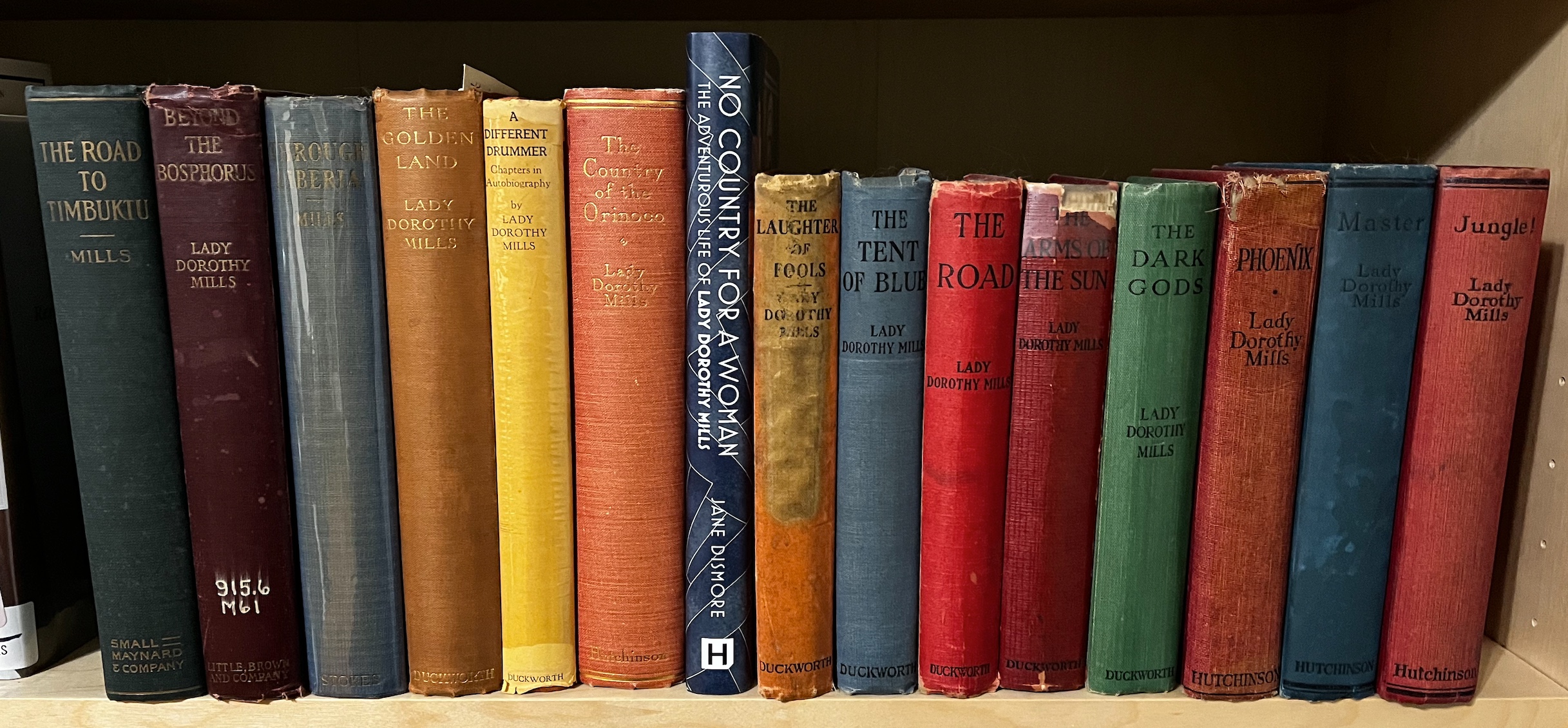
My Collection of Books by and about Lady Dorothy Mills:

JWH

Novel Ambitions

When we were young we’d all dream of growing up to be in the movies, or rocking out on stage, or flying F-16s, or writing great novels, or rocketing to Mars – the kind of careers that look exciting when we don’t know much about how the world works.  Few kids achieve their childhood ambitions.  Most of us get regular nine-to-five jobs, and just daydream about the ways we’d really like to be spending our hours.

I always wanted to be a science fiction novelist.  Because I loved reading science fiction books I assumed I’d love writing them.  As a teen I didn’t know just how wrong that logic was.  I should have wished to grow up and become a professional reader.  Even as a teen I knew kids who compulsively wrote stories.  I didn’t, but I assumed one day I’d get an urge and start.  I should have known better – the only time I wrote was when I took a creative writing class in high school or college and deadlines forced me to write.

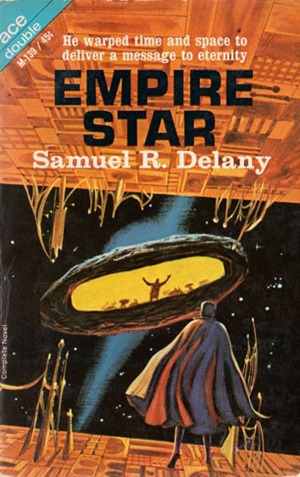
Around 1971 or 72 I went to my first science fiction convention in Kansas City, The Mid-America Con.  I was about 20 at the time and I met a lot of writers there.  But the one that impressed me the most was this kid who looked about my age who told me he had just sold his second story.  He was George R. R. Martin.  I was so impressed and jealous at this very young writer.  I felt like Comet Jo from Empire Star by Samuel R. Delaney, when he first met Ni Ti.  Comet Jo was a naïve rube with dreams that met a guy that had already done everything Comet Jo’s dreamed of doing. 

That was a revelation at that convention – writers write.  And if you want to grow up to write giant bestsellers you’ve got to start young and practice.  Delany was also a writing prodigy, and he dealt with the subject somewhat in Empire Star.
empire-star 

Those early experiences meeting writers should have convinced me to stop daydreaming about writing, but fantasy ambitions aren’t that easily destroyed.  And wanting to be a novelist is different.  Some people don’t start writing until late in life, so I figured I had plenty of time.  If I had wanted to be a football player, fire fighter or astronaut, I’d have known I was over the hill when I turned thirty.  Now that I hope to retire next year, my old fantasy ambition is returning.  I’ll finally have the time.  Probably lack of time wasn’t the real reason I never wrote, and it will be brutally revealed to me soon.  I have to be self-aware enough to recognize that wanting to write and not might be my natural state for my whole life.  But not giving up also seems to be a trait that never goes away either.

Lately, I’ve been thinking about what it means to be a novelist, the grittily specific job details.  I came across “Good Writing vs. Talented Writing” by Maria Popova over at Brain Pickings.  She quotes About Writing by Samuel R. Delany,

Either in content or in style, in subject matter or in rhetorical approach, fiction that is too much like other fiction is bad by definition. However paradoxical it sounds, good writing as a set of strictures (that is, when the writing is good and nothing more) produces most bad fiction. On one level or another, the realization of this is finally what turns most writers away from writing.

Talented writing is, however, something else. You need talent to write fiction.

Good writing is clear. Talented writing is energetic. Good writing avoids errors. Talented writing makes things happen in the reader’s mind — vividly, forcefully — that good writing, which stops with clarity and logic, doesn’t.

This is very telling. The obvious reason why I’m not a writer is the lack the talent.  But what is talent?  Is it a gene?  Is it being born with a muse?  I am reminded of a book, Talent Is Overrated: What Really Separates World-Class Performers from Everybody Else by Geoff Colvin.  Talent is mostly hard work.  If I lack talent its because I’m lazy.  But we also know that some people work very hard and never succeed, even if they put in their 10,000 hours of practice.

But even this isn’t the issue I want to explore.  What skills are really required to write a novel?  Every time I try to write fiction I hit a brick wall.  Writing fiction requires having imagination the size of Jupiter.  I don’t know if you have ever wanted to write novels, plays or movies, but have you ever thought about what goes into creating a great story?   I’ll use movies and television shows for example over books because they are more familiar to people.

Let’s think about of some of the poplar shows on TV like Breaking Bad or The Game of Thrones and dissect how they are put together, and what makes them successful.  Both stories are incredibly addictive.  I believe each has all the elements that make for great fiction.  Maybe not Shakespeare great, but great for seducing people into their story worlds.

Story World

The first aspect of great fiction is creating the story world.  This goes way beyond setting.  And I’m not talking about the world building of fantasy and science fiction, but the creating of a whole fictional reality.  Even when a story is realistic like Breaking Bad, or To Kill a Mockingbird, its creating a whole story world, time and place, with endless defining details.  As much as we’d like to believe that To Kill a Mockingbird is an accurate portrayal of the past, it isn’t.  Every written story involves two imaginations, the writer and the reader.  With movies and television shows, the director, the actors, set designers, cinematographers, costume makers, special effects wizards, also add their imaginations to creating the story world.  But with novels and short stories, the author suggests everything in words, and the readers bring their own imaginations to decode their version of the story world.  Watching The Game of Thrones, meanings most everything has been envisioned for the audience, but readers of the book all imagine something different.

The reason why the Harry Potter books are so great is because of the complete story world that J. K. Rowling created.

If you ever think about becoming a writer, do this experiment.  Each time you read a book or watch a movie, try and list everything that had to be invented by the imagination of the writer.  Most stories involves thousands of imaginative decisions, and stories like The Game of Thrones or the Harry Potter books, involve tens of thousands of mental creations, maybe even hundreds of thousands.  These novels run 100,000-200,000 words, or more.  Thinking tunic or sword are small decisions, but thinking up the details of Quidditch takes some real work.

Characters

It’s hard to say which comes first, characters or story world.  Often writers create characters that generate their story worlds.  Other writers start with the story world first and then create the characters that belong in that story world.  Either way, creating characters is very hard work.  And the best stories seem to have lots of characters.  Would The Game of Thrones or Breaking Bad stories be so compelling if they only followed a handful of main characters?  Walter White is a tremendous creation, but the depth of his character works because of his relationship with Skyler, Jesse, Hank, Walter Jr., Saul, Gus, and so on.  Think about every detail that went into creating Gustavo Fring?  Does thinking up those kinds of character details come from genes, muses or what?  Most great writers are great observers of people.

One of the hardest things to create for your characters is their dialog.  Bad writers make all their characters talk like themselves.  Great writers make all their characters sound like diverse people from all over the world.  Listen to audio books, especially the ones that have narrators who do voices for each character.  It’s not just the sound of the voice, or the accent, but how each character phrases their words.

Each character has to have their own background and history, but more important than that, each character has to have their own motivations and desires.  When we read novels generally they are driven by one or two people’s stories.  But every character that walks into a scene has their own agenda.  Bad writers create minor characters to show off the main characters, but great writers create minor characters that want to make the story their own.  Every character should be trying to steal the scene for themselves, because in reality, every person thinks they are the center of the universe.  Nobody wants to be a red shirt.

Plot

Plot is what drives the story forward.  Will Walter make enough money to leave his family secure before he dies of cancer?  Who will take the Iron Throne from Joffrey Baratheon?

Writing a plot requires imagining a beginning, middle and end.  However, modern binge worthy TV shows have no end, but are sophisticated soap operas.  Readers want a satisfying conclusion at the end of the book, even if its part of a series.  Readers love feeling the need to keep turning pages hoping to find out what happens next. 

Standalone stories, like non-series novels, and movies, have plots that lead to a satisfactory resolution of a problem revealed at the beginning of a story.  Soap opera like stories depend on a series of conflicts that get resolved from time to time.  Great stories will bring the story to a climax, and present an epiphany. 

I saw Star Trek Into Darkness yesterday.  It has the same plot every time.  Kirk and Spock play out their now famously cliché character traits while battling a almost impossible-to-beat foe, with all the minor characters also getting to reinforce their now standardize character traits.  And we love this because it reinforces the familiar and nostalgic essence of what we think of as Star Trek.  Sometimes plots involving giving the audience exactly what they want.

On the other hand, new stories must give readers and audiences something they never seen before.  Shows like Breaking Bad, Big Love, Deadwood, Shameless, Girls, etc. find ways to present new and very different plots.  Let’s face it, some of us are very old and have been consuming fiction for a very long time, and getting jaded to routine plotting is all too easy.

Conflict

Even though I greatly admire The Song of Fire and Ice for its story world, I have to nick it for stretching to the story out too long.  It’s one giant potboiler, generating a steady stream of conflicts and cliffhangers.  My favorite character is Arya Stark, who gets involved in one misadventure after the next.  She never seems to get anywhere, but she always has something life threatening to deal with.  But that’s how you keep readers and watches involved.  Characters need conflict to drive them forward in the story, and creating imaginative conflicts is another trait of a good writer.

To me, the masters of fictional conflict are the creators and writers of Breaking Bad.  Not only do they keep their characters busy, but they create original, unpredictable conflicts that we never see coming.  When I think Jesse is going to have a standard shootout with a villain, Walter shows up at the last second and runs the villain over with his car.  The cliché feeling is to want Jessie to kill the guy.  We the audience are aching for Jessie to kill the guy.  And then out of nowhere Walter runs him over.  That’s great plotting and creative conflict resolution.

Summing Up

I don’t know if creating imaginative story worlds, great characters, compelling plots and satisfying conflicts requires an innate talent.   Is it an ability that can be acquired through long study and practice?  Most books are not that creative.  Thousands of novels are published every year that don’t sell or find fans.  Many of them are competently written.  Delany might be right, that good writing is common, but bad, and talented writing is special.  Or it could be all those mundane story tellers just didn’t work hard enough to be distinctive.   Maybe creativity comes after ten rewrites, or twenty.

I feel all the stories I’ve written so far fail because I didn’t push myself hard to enough to be more creative.  I would like to know if I could push myself to work harder would I be more creative?  I have a novel I’m working on now and I feel it doesn’t even achieve 1% of what it should do.  And I have a sick feeling that even if I worked a hundred times harder it might only succeed at the 10% level.  Maybe if I had a natural talent for story telling I could achieve 90% success with far less work.  But I tend to think talented people are just people who wrote dozens of practice novels and earned their skills at faster creativity.

I have two challenges to test.  First, can I learn to write after I retire, when I have more time to work harder?  And second, is it possible for someone in their sixties to become creative late in life?  I’m not delusional, I know I’m in physical and mental decline.  I’ve already decided that writing a novel is too ambitious for this test, and that I should aim for success with short stories.

Since 2002 I’ve had a renaissance with my love of fiction because of Audible.com and audiobooks.  I have discovered that listening is the best way for me to study great writing.  Listening is like having a powerful magnifying glass for studying fiction.  And in the past year, I’ve gone back to studying fiction with eye ball reading.  What I learned from hearing lets me see words in a new way.  The more I study, the more I realize how little I knew about how fiction is put together.  I might have discovered that in my teens if I had actually tried to write fifty or a hundred stories back then.  You can’t understand fiction completely until you write it.

I don’t know if having all my time free is enough to find success at writing fiction.  Whether I succeed or not, the attempt will be a great learning experience.

JWH – 5/27/13

My Kind of Story

After consuming 2,000-3,000 books over the last half-century you’d think I’d know exactly what kind of books I love to read, but I’m ashamed to admit, I’ve been living on the trial and error method up to now.  Before recent revelations, if I didn’t like a book it was a bad book, or a boring book, or if I wanted to be generous I could claim I wasn’t in the right mood for that book or whine that the book covered a topic out of my territory.  If I loved a book, it was brilliant, insightful, well written, heartfelt, and perfect for me.  What if I’m wrong?  What if why I love or hate a story has nothing to do with those factors?  What if it has nothing to do with genre?  What if it has nothing to do with favorite writers?  What if the books I love the most, the ones I read the fastest are due to a particular writing formula?

Recently I selected The Crying of Lot 49 by Thomas Pynchon for my June book in the 1% Well-Read challenge, but that book rubbed me the wrong way.  Since the Pynchon book was about the 1960s I thought I’d try a different book about the same time period and see how another author handled the subject.  I quickly found, Drop City by T. C. Boyle, also covered in the 1,001 Books You Must Read Before You Die.  Both books open in California, but the Pynchon book came out in 1966 and appeared to be about 1964, and the Boyle book was published in 2003 and was about 1970.  Drop City rubbed me the right way.

So, with two books about Californian counter-culture, why did one soar and the other crash and burn?  You’d think the book written in the middle of the 1960s would feel more authentic, but actually the book written in 2003 hit an emotional bull’s eye with my old memories of the times.  Well, for one thing, Pynchon was born in 1937, and Boyle was born in 1948, and I was born in 1951.  In fact, the Pynchon book reminded me of another book from 1966, Been Down So Long It Looks Like Up to Me, by Richard Farina, also born in 1937.  I had the same kind of trouble with the Farina book, and for many of the same reasons I didn’t like the Pynchon novel.  Both of those books felt overly intellectual and writerly, whereas the Boyle book felt like it was just a straight-forward tale about real people.

This first clue leads me to think I need to read writers who are like me in some way, because obviously I can’t always read writers my own age.  I like Jane Austen and Charles Dickens, but they definitely aren’t like me, and I don’t resonate with them emotionally.  I admire their stories greatly, but I don’t have a personal bond with them like I do with modern stories.  I don’t think it’s time that keeps us apart, but their storytelling techniques.

Great Expectations is one of my all time favorite books, but that’s more for abstract reasons, and I greatly admire it for creative and intellectual reasons.  I’ve got to admit that I preferred the narrative of The Crimson Petal and the White (2002) by Michel Faber (1960), a novel set in Dickens’ time over straight Dickens storytelling.  Modern writers have developed skills to get their readers closer to their characters.  I don’t know is this is an illusion, and modern historical fiction is more appealing because the historical characters are just more modern themselves, or if Jane Austen used modern writing techniques we’d feel even closer to her two hundred year old characters.

My all time favorite books are books written by Robert A. Heinlein in the 1950s.  I also have a strong affinity for Jack Kerouac and his books from the 1950s.  These books I’ve read and reread.  Some of my more recent favorites are The Life of Pi, The Lovely Bones, Harry Potter series, The Curious Incident of the Dog in the Night-Time, His Dark Materials, Extremely Loud and Incredibly Close, The Secret Live of Bees, Middlesex, The Wonder Boys, Positively 4th Street, Nobody’s Fool, Zen and the Art of Motorcycle Maintenance, The Poisonwood Bible, The Glass Castle, Truth and Beauty, The Sparrow, Cloud Atlas, The Memory of Running, The Time Traveler’s Wife, A Woman of the Iron People, Bellwether, and so on.

Maybe here’s enough clues to solve the puzzle.  I think the books I cozy up to the fastest are first person narratives, or stories told in very limited third person.  I don’t like intellectual authors, especially those who use third person omniscient to expound about life and reality.  What I’m discovering is my kind of stories are about people, told in a very straight forward manner, and I greatly prefer the voice of the character over the voice of the author.  Not only that, but I’m pretty hung-up on wanting the story to unfold in a linear fashion.

I’m starting to wonder:  What if my kind of story depends on how the story is told rather than what it’s about?  When I was in elementary school and begun getting into books I loved biographies and autobiographies first.  Very linear people stories.  If you examine the book list above, all the stories are focused on people and the narrator tells the story by sticking close to the main character’s POV.  I liked Drop City better than The Crying of Lot 49 because Boyle got closer to his characters, but it wasn’t a super great book to me because he didn’t get close enough and there were too many of them.

When I listened to The Brief Wondrous Life of Oscar Wao this week, I got extremely excited about the beginning when I was first learning about Oscar, and got very disappointed when the story turned away from him.  I just started Year’s Best SF 13 edited by David Hartwell, and the first story, “Baby Doll,” was a hit because of the characters, and the third story, “The Last American,” was a dud because it was all ideas and no characterization.  Intellectually I know “The Last American” is supposed to be a good story.  I can see it’s creative parts.  But it was painful for me to read because it had no character I could get behind.

I don’t think I’m seduced by every character driven story, because I’ve hated some stories with great personal writing because the POV character was too unlikable.  I love stories where the POV character have a distinctive voice, like Chi-mo in King Dork or Holden Caulfield in The Catcher in the Rye.  I think one of the reasons why I love the work of David Sedaris is his distinctive voice – he wouldn’t be so funny if he wasn’t so unique.

Literary writers definitely have the skills I like, but they often write about boring people.  The character details may show fantastic writing, but the personalities of the POV characters are often unappealing.  Who really cares about average alcoholic writers living in academia and getting divorced?  Well, Michael Chabon made Grady Tripp different in The Wonder Boys.

Drop City would have been a much better book to me if Boyle had followed a couple of his characters more closely.  It’s still a damn good story, but it’s movie like in that all the characters seem equal distant.  A lot of writers do this, that is, follow the techniques of the movies, jumping from character to character.  You can only get so emotionally close to an ensemble.  The Big Chill was a masterpiece of my generation, but it didn’t have the wrenching impact of Forrest Gump or Four Friends.

Other techniques I don’t like are flashbacks, convoluted plots and frames.  In the MFA classes I’ve taken, many of the student writers loved putting stories in frames, and then jumping back into flashbacks two, three and even four layers deep.  Sometimes they even use fantastic tricks to bring the modern narrator back into the past, as was done with Middlesex and The Brief Wondrous Life of Oscar Wao.  To me, this hurts the story.  I can understand how dazzling this writing trick is intellectually, but not emotionally.

Now that I know what kind of storytelling turns me on it should help me improve my batting average finding great books to read.  On the other hand, it may not be that useful.  I often select books because other people say they are great and I want to discover what these people have discovered.  There are a lot of reasons to read Tom Jones by Henry Fielding, a book that is definitely not my kind of story.  It is instructive about the nature of the early English novel and life in the 18th century England.  Tom Jones can be a great novel but one I hate to read.  So, should I read it?

Now that I’m more aware of what I like to read, should I only gorge on my kind of stories?  If reading was only about entertainment, then yes.  If reading is about pushing yourself into unknown territory, then no.  It is interesting to know about my reading sweet tooth.  Now I just have to learn how to recognize other reading flavors and how to savor them.

Jim