Jim and Susan’s TV Watching 2025

by James Wallace Harris, 1/5/26

Writing this essay is a challenge for my memory.

We criticize young people for their addiction to screens, but Baby Boomers were the first generation to embrace screens, the television screen. (Although I suppose the first generation to embrace a screen, the silver screen, could be those who grew up in the late 19th century, who went to silent movies.)

Baby Boomers, in the early part of our lives, watched TV according to the broadcast schedule. Later on, we experienced the immense variety of TV shows on cable channels, still tied to a schedule. The next technological marvel was the DVR, which freed us from needing to be in our La-Z-Boys at specific times. Then came Netflix discs. And then Netflix streaming. We could now binge on whole seasons of TV shows. Between DVDs, Blu-rays, streaming, YouTube, and the internet, we can practically watch anything that’s ever been on.

Susan and I have gone through several phases of TV watching in our 48 years of marriage. When we first got married, we both watched what each of us wanted to see because we did everything together. Slowly, our tastes verge. I watched what I wanted by myself, and she watched what she wanted by herself. A few years ago, we agreed to reunite our viewing. From 8pm to 10pm, we’re back to watching TV together.

I would like to watch movies, but Susan prefers TV shows. We both love watching a TV show from pilot to finale. Generally, we watch hour-long shows. One episode from one series, then one episode from another. When we’re really addicted, such as when we were going through the 15 seasons of ER, we’d watch two episodes a night.

At the end of 2025, and the beginning of 2026, we’re finishing up The Pallisers and just beginning The Fugitive.)

Getting old is getting strange. I would have sworn I wrote about our television watching twice in 2025. But it appears my last update was eighteen months ago. And, some of the shows I reviewed in that post are ones I thought we watched in 2025. Time is just blasting by.

For some reason, people like reading what we’re watching. I meant to post a regular report, but I’ve failed. So here’s what I can remember for 2025.

My friend Mike carefully logs everything that he and his wife, Betsy, watch. I’ve tried to do that many times, but I forget to upkeep the log after a few days. I wish I had Mike’s discipline.

It probably doesn’t matter that I remember when we watched a TV show, but I have a hangup regarding memory and time. TV shouldn’t even be that important in our lives; it’s just a diversion, isn’t it? I feel television, movies, books, and music as a connection with other people. A way to find common ground.

Watching two episodes a night means I should remember 730 episodes total. We had company on some nights, and for a couple of weeks, watched movies, so that number will be less. Still, if my memory works well, I should come close to 700 episodes.

ER

(1994-2009, 15 seasons, 331 episodes, Hulu)
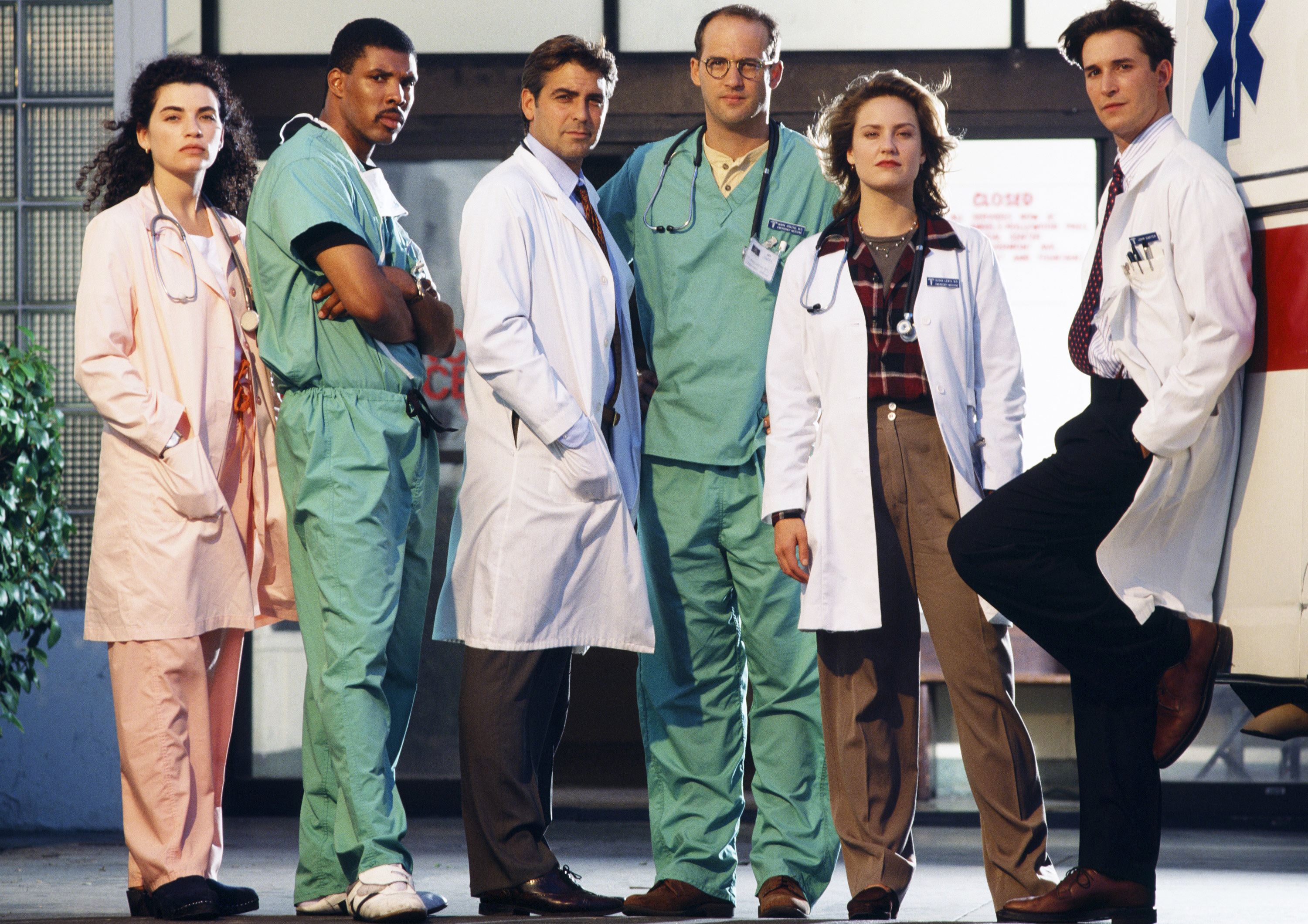
ER is still quite compelling, and sometimes we’d watch two episodes in the evening and sneak in an extra one in the afternoon. Susan and I faithfully followed the show when it first aired. It’s good enough, I can imagine watching it again someday.

The Forsyte Saga

(2002, 2 series, 10 episodes, PBS)
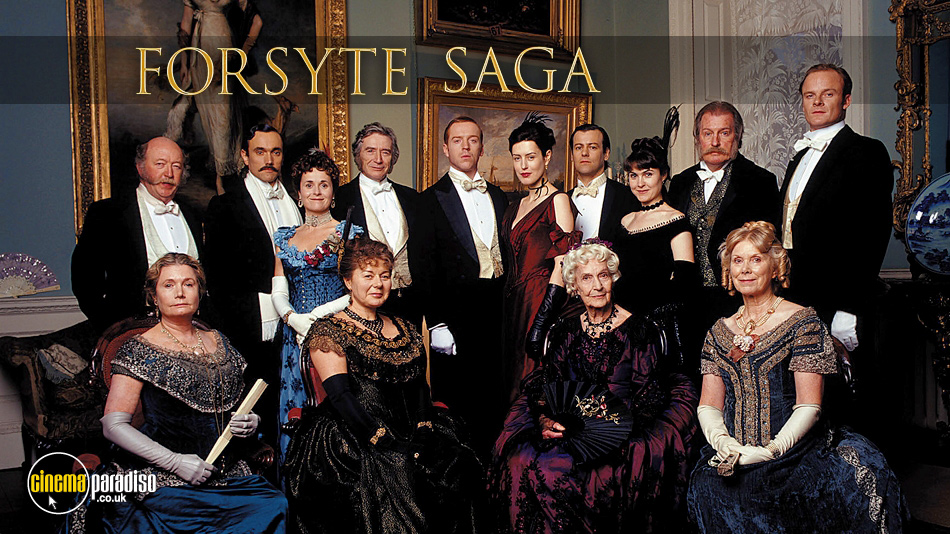
I had heard that a new version of The Forsyte Saga was being produced in England, but I wasn’t sure when it would be shown in America. We’re still waiting. I talked Susan into watching an old version. I had seen it years ago. It’s still good.

The Pitt

(2025, 1st season, 15 episodes, HBO)
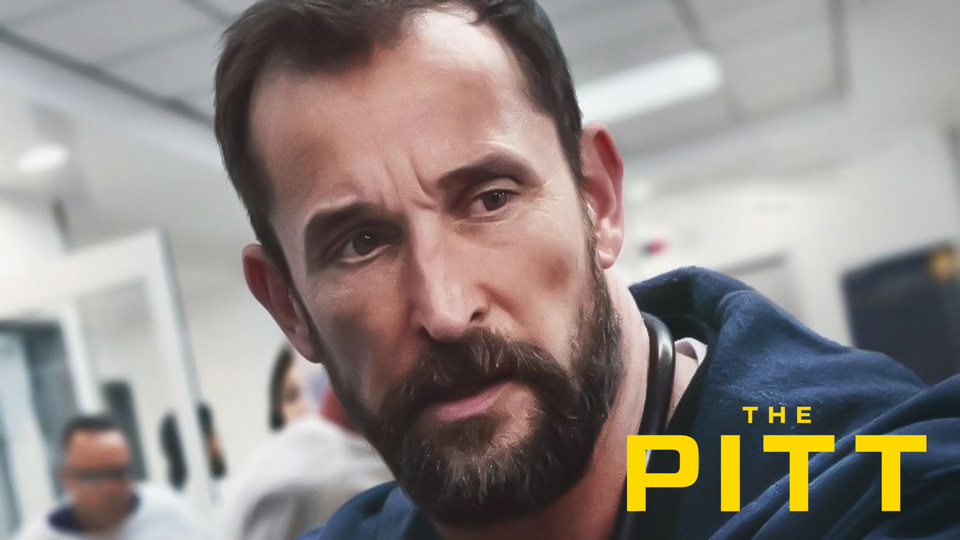
Because we loved ER so much, we signed up to HBO long enough to watch The Pitt. It was tremendous! We highly recommend it. We’re both looking forward to when season 2 starts, which is soon. I would watch season one again. That’s our highest recommendation.

All Creatures Great and Small

(2025, 5th series, 6 episodes, PBS)
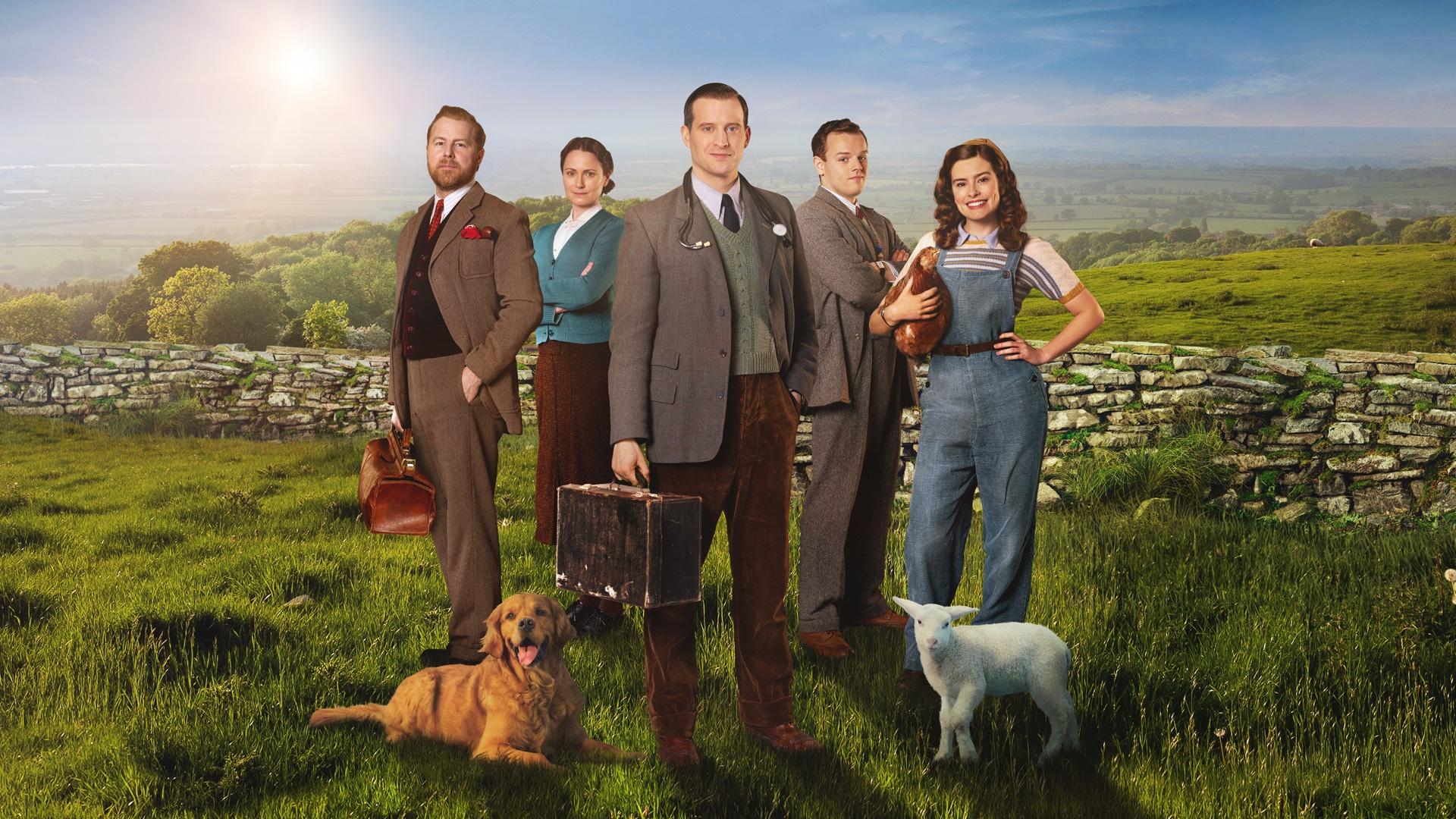
If memory serves me well, and it seldom does, we started 2025 with All Creatures Great and Small season 5. We love that series. In a previous year, or the year before that, we watched the complete run of the original production of All Creatures Great and Small that came out in the 1970s, and then caught up on the new series. Season 6 should start soon. We’re also looking forward to it, too. I would watch both series again.

Wolf Hall: The Mirror and the Light

(2024, one series, 6 episodes, PBS)
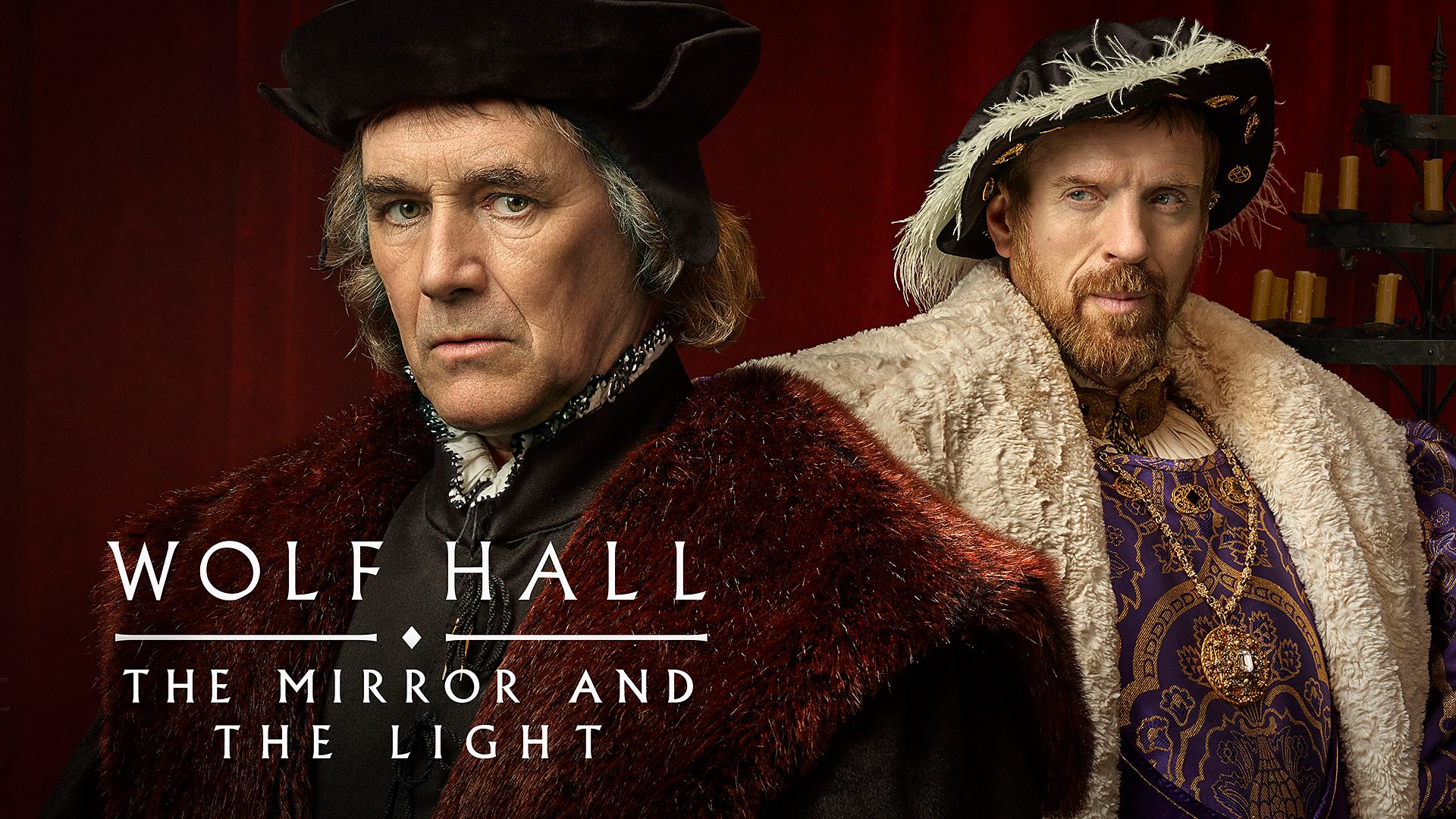
I was surprised last year when Susan agreed to watch Wolf Hall, the first season of this series. Wolf Hall: The Mirror and the Light is an excellent historical drama, and watching the two seasons of this show makes me want to read the book. It seems we’ve found another common ground, history.

The Mary Tyler Moore Show

(1970-1977, 7 seasons, 168 episodes, no longer streaming)

I was disappointed with The Mary Tyler Moore Show, and I confess to bailing out at the end of the 6th season. Susan faithfully stuck with it until the end, but admitted that it wasn’t that good. The show has a great reputation and is often mentioned in TV histories. I even read Mary and Lou and Rhoda and Ted: And all the Brilliant Minds Who Made The Mary Tyler Moore Show a Classic by Jennifer Keishin Armstrong. The book was fascinating and made me admire the creators, writers, actors, and characters, but I never actually enjoyed the show.

Well, I loved looking at Mary Tyler Moore. That got me through six seasons. However, I talked Susan into trying The Dick Van Dyke Show, because I wanted to see more of Mary Tyler Moore. Susan couldn’t handle it. Some of the Dick Van Dyke shows were brilliant, but Susan and I were disappointed whenever the show involved a flashback to Rob’s military days or whenever the characters put on a show within a show.

Landman

(2024, 1st season, 10 episodes, Paramount+)

Susan refused to watch Landman, so I got my friend Anne to watch it with me. No matter how much Anne and I tried to convince Susan that this show was one of the best shows in years, Susan refused to watch it. The show is violent. Landman is blatant propaganda for the fossil fuel industry. But it’s hilarious!

Outrageous

(2025, 1 series, 6 episodes, Britbox)
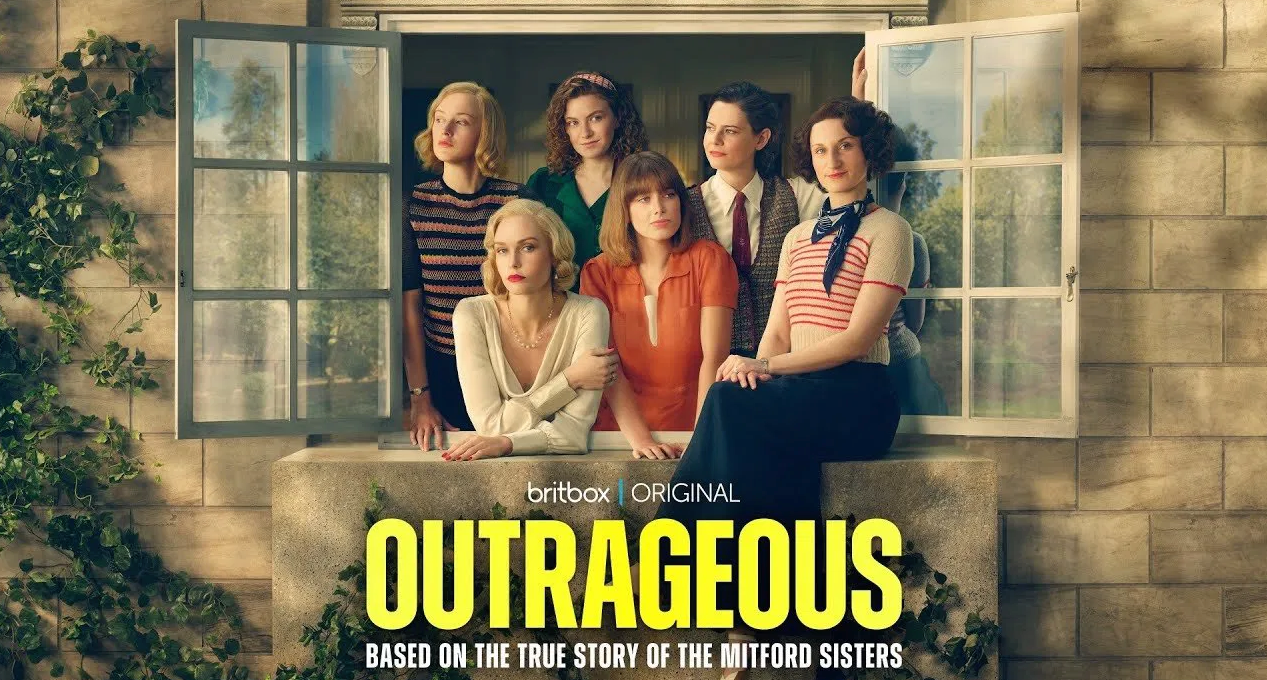
I’ve read about the Mitford sisters before, so I knew what to expect with the miniseries Outrageous. We invited our friends Anne and Tony to watch this one with us. We had a lot of fun. If you want to know what they called this show, Outrageous, read my review of the books and shows I’ve watched about the Mitford sisters.

The House of Eliot

(1991-1994, 3 series, 34 episodes, Britbox)

We picked The House of Eliot because we both enjoy watching BBC period pieces. This one was only okay. I wouldn’t rewatch it. But it was fun enough. It made Susan and me discuss why we like watching certain shows again, especially shows like Downton Abbey, which we’ve watched several times. We agreed it’s the characters. The Eliot girls were only appealing enough for one viewing.

Unforgotten

(2015, 6 series, 36 episodes, Prime Video)
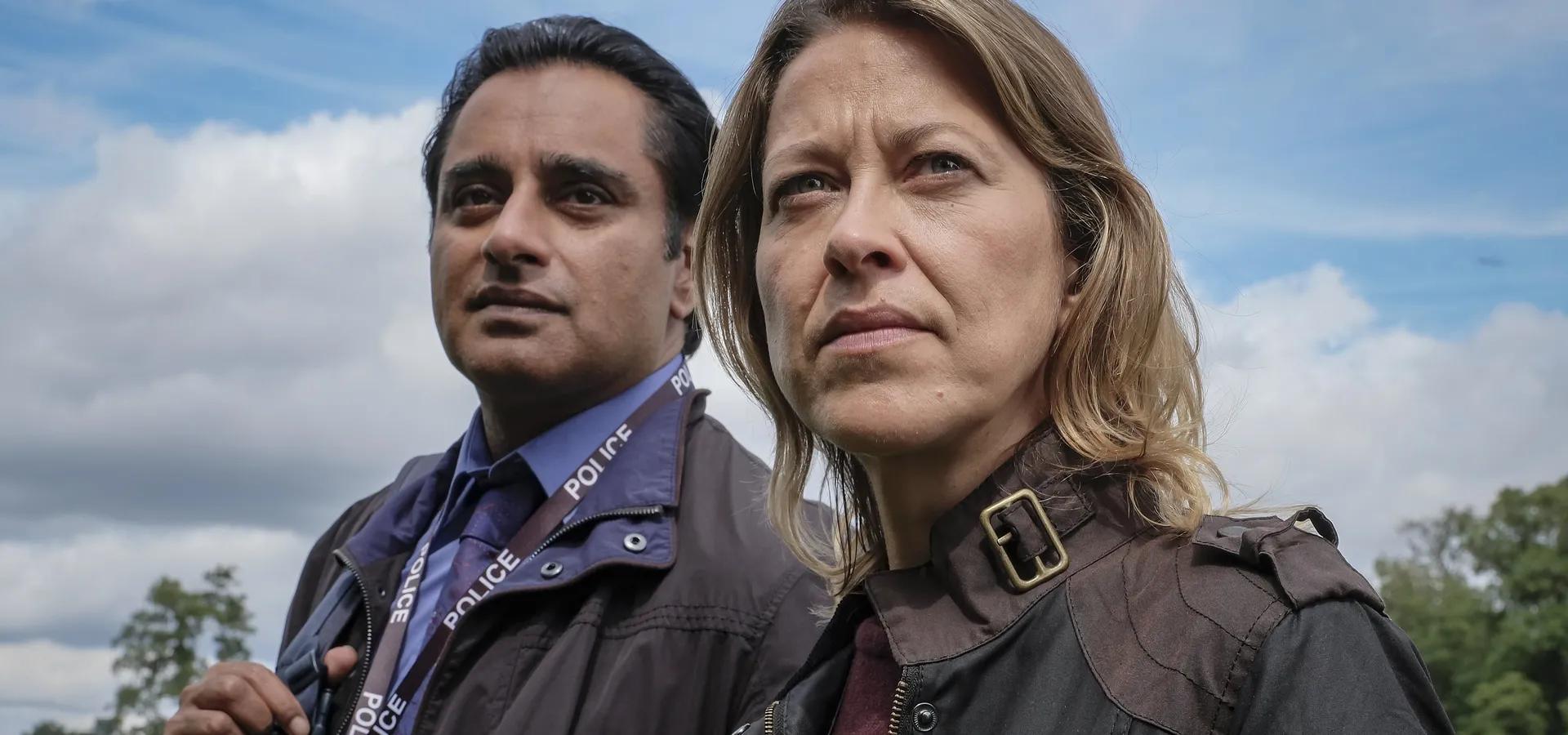
Normally, Susan and I don’t like police procedurals. However, Unforgotten and Broadchurch had settings and stories that didn’t feel like the traditional murder mystery.

Broadchurch

(2013-2016, 3 series, 24 episodes, Netflix)
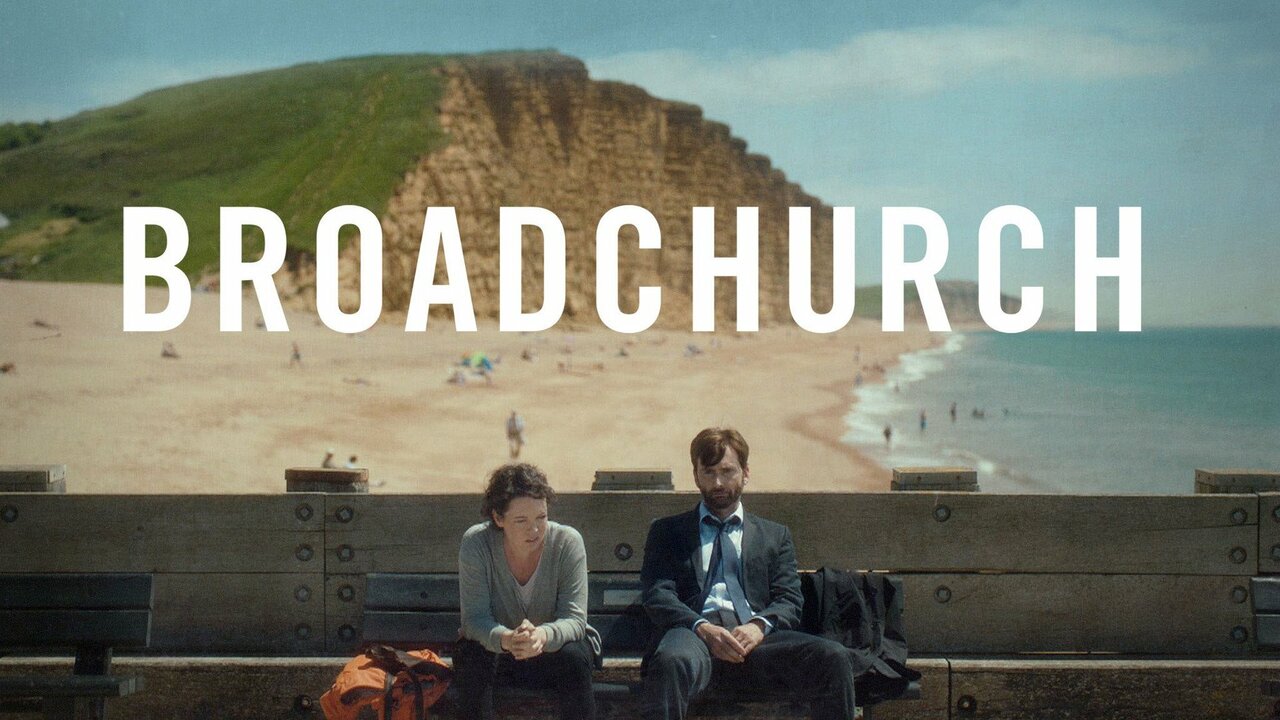
Broadchurch was a gripping series we both looked forward to watching each night. I especially love Olivia Colman. The first season weirded me out because I felt like I knew the plot, but the characters and places felt wrong. I got on Google and discovered Gracepoint, an American adaptation of Broadchurch that I had watched without Susan years ago. It also starred David Tennant.

The Way We Live Now

(2001, 4-part miniseries, The Roku Channel)

The Way We Live Now is based on the 1875 Anthony Trollope novel of the same name. I enjoyed the book so much that I was excited to find the miniseries years ago. So watching it with Susan was a repeat for me. It held up to repeated watching. The story is about a Bernie Madoff-type swindler who runs a con in Victorian London. However, I was disappointed with how the miniseries portrayed Mrs Winifred Hurtle, an American woman who had a reputation for killing husbands. In the book, I was convinced she did kill husbands, but in the miniseries, the way the character was presented, I felt it was only a rumor. I liked how Mrs. Hurtle was more sinister in the book. It’s amusing how Trollope portrays Americans.

Bad Sisters

(2022-2024, two seasons, 18 episodes, Apple TV)
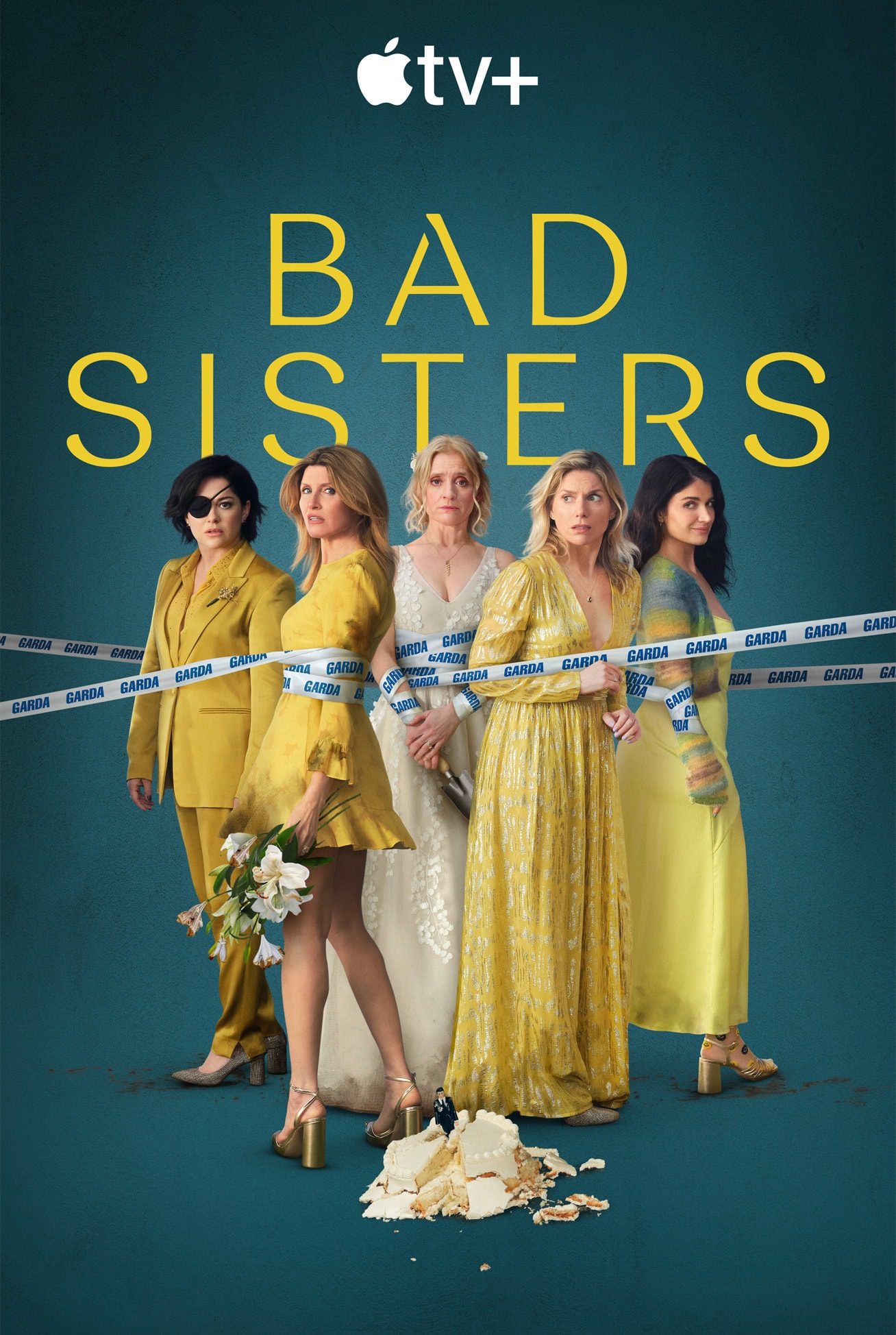
Evidently, Susan and I have a thing for comedy shows about women who kill. Last year, we loved watching the two seasons of Why Women Kill. Bad Sisters is another supposedly dark comedy, but I guess we’re both okay with murdering men who are big-time dicks, so it really didn’t seem that dark.

Death by Lightning

(2025, 1 season, 4 episodes, Netflix)
I really don’t know much about the presidents from the 19th century. Watching Death by Lightning made me want to read history books about all of them. This miniseries is about the assassination of James A. Garfield. It’s based on the book Destiny of the Republic by Candace Millard, which my friend Mike tells me is an excellent book. Last year, we watched Manhunt, a miniseries about the assassination of Lincoln. I wonder if next year, we’ll watch another historical film about the assassination of a president.

Pluribus

(2025, 1st season, 9 episodes, Apple+)
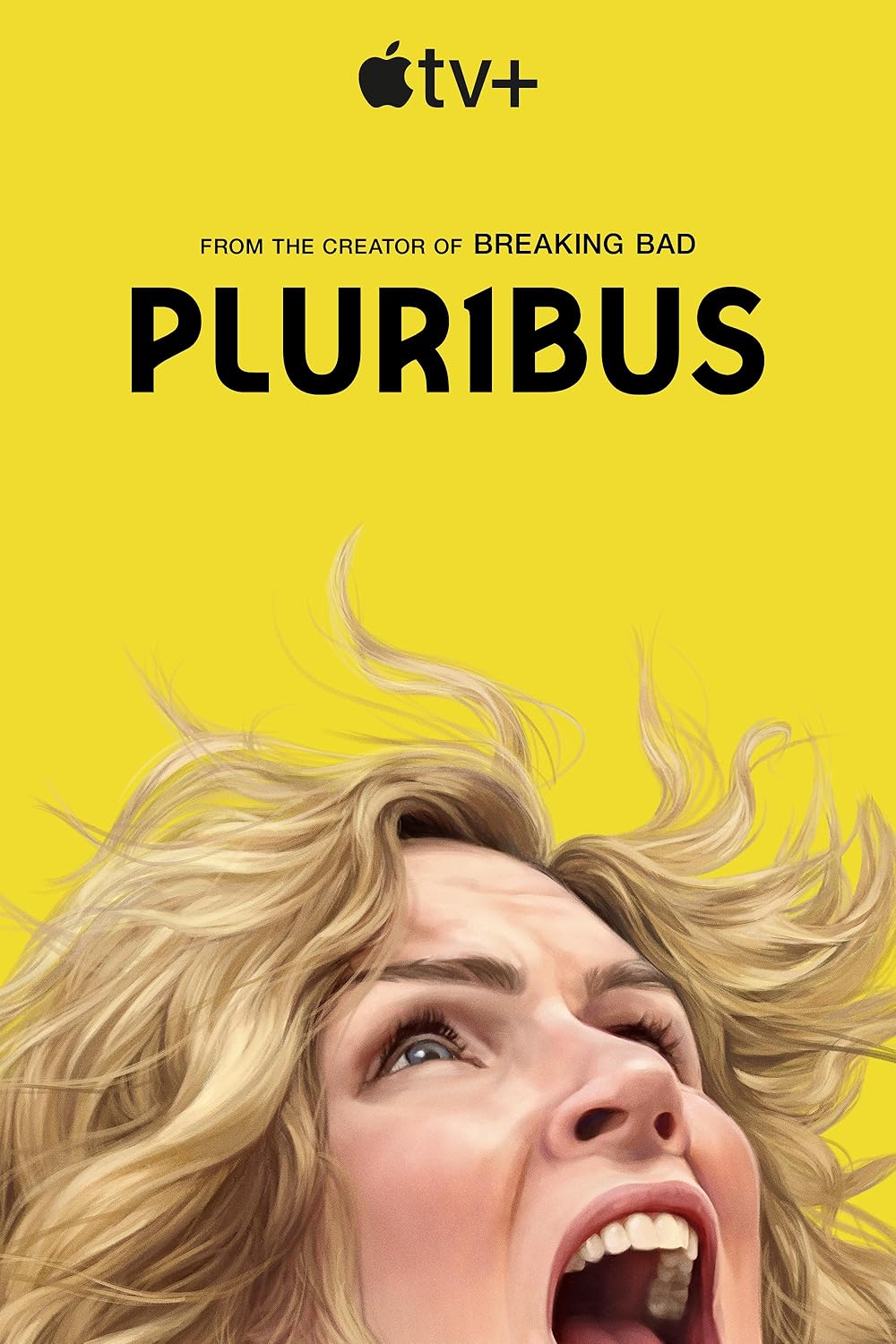
I’m shocked that Susan agreed to watch Pluribus. She absolutely refused to watch Breaking Bad, no matter how many friends swore that it was great. And Susan doesn’t like science fiction. We both like this show and were disappointed when the season ended. We are worried that it has the kind of mysterious plot that might lead to a Lost black hole of a plot.

Adolescence

(2025, 4-part miniseries on Netflix)
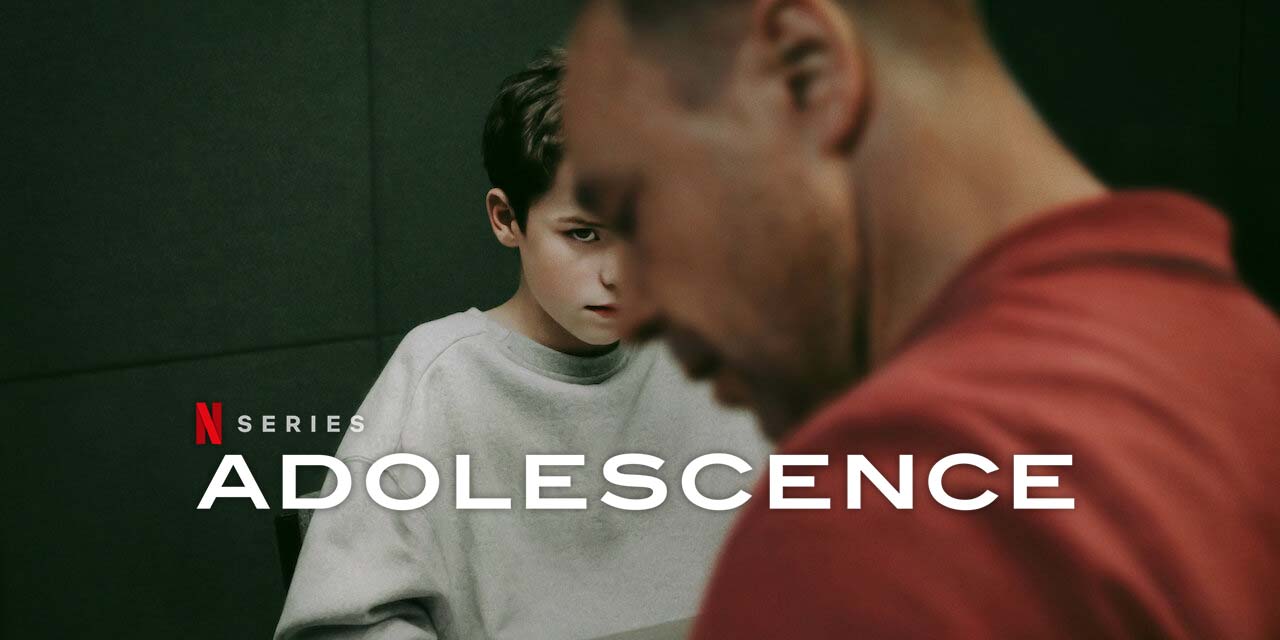
Now, Adolescence is dark. It’s also brilliant. It’s about a schoolboy who is accused of killing a female classmate, and the impact it had on his parents. If you’re prone to depression, don’t watch this one. However, each episode was filmed in one take, and the whole presentation was tremendously creative. The show was revealing about growing up in the 2020s. At one point, the cop investigating the murder is pulled aside by his son, who tells him to stop embarrassing himself. The dad asks why. The son tells him he interpreted all the evidence from social media messages completely wrong. That let us old folks watching the show know that words and language have completely changed. I highly recommend this one if you can handle the realism. (There is no graphic violence.)

The Pallisers

(1974, miniseries, 26 episodes, YouTube)
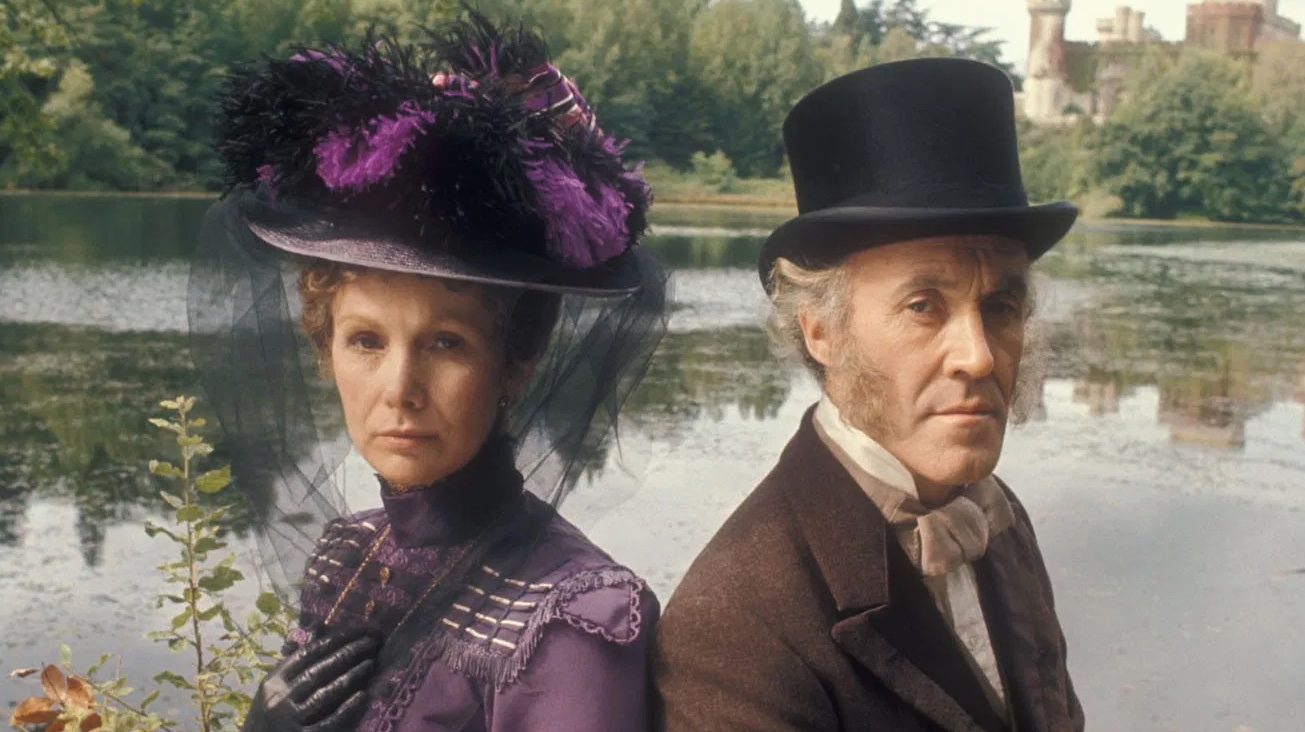
This miniseries is based on four main novels from Anthony Trollope’s Palliser novels. This 1974 production included material from two other Trollope novels that covered the same characters. This was the last series Susan and I watched in 2025; however, ten of the episodes ran into 2026.

We both liked this series. I had seen it before. Susan and I agree best on historical dramas, especially those based on classic books produced for Masterpiece Theater.

Memory Results

711 episodes total. I think this must be close to everything we watched in 2025.

JWH

Why I Canceled CBS All Access

by James Wallace Harris, Tuesday, September 26, 2017

Last night I signed up for the 7-day free trial of CBS All Access to see the second episode of the new Star Trek Discovery. I’ve been meaning to give CBS All Access a try, and this was a good time. However, I canceled today. Although I thought the production values of the new Star Trek series were the best yet, equal to the latest ST films, I just didn’t want to watch a limited series about the war with Klingons. Nor did I want to subscribe to a premium streaming service with commercials. And it annoyed me that we’d only see four episodes this year, and then have to wait to watch the rest next year.

star-trek-discovery

I did learn:

  • I hate paying for streaming shows that have commercials. Both CBS All Access and Hulu offer to exclude commercials for extra bucks but that’s annoying considering Netflix charges less, has more to watch, and is commercial-free for all users.
  • I don’t like streaming series that are dribbled out. I joined Hulu to watch The Handmaid’s Tale and they stretched it out over weeks. I like the way Netflix provides all the episodes at once. TV worth watching has to be binge-able.
  • I’m disappointed that Star Trek has become an adventure story, rather than being idea driven. What made the original Star Trek and Star Trek: The Next Generation great were their creative individual episodes. Modern Star Treks don’t do stories like “City on the Edge of Forever,” “Trouble with Tribbles,” or “The Inner Light.”
  • I can only support so many paid streaming services. Netflix and Amazon Prime are great deals, offering an abundance of shows I want to see. Hulu and CBS All Access have little I want to watch. I couldn’t find anything on CBS All Access to see after watching the second Star Trek Discovery episode. I expected it to have a zillion old CBS shows. It didn’t. If CBS All Access had more shows I would subscribe if it was free with commercials or pay $1.99/month for its current selection of shows without commercials, and maybe $2.99 if it had more shows like Northern Exposure and Joan of Arcadia.
  • Every broadcast or cable network can’t expect to create a paid streaming network. I’m happy with Netflix and Amazon Prime, and sometimes I buy Hulu for a couple of months. However, Hulu rarely has a show I want to watch. If The Handmaid’s Tale had been a DVD set or a digital series to buy for $20 I would have been happier.
  • I doubt I’ll be tempted to subscribe to a new streaming service in the future just because of one show. CBS used that trick very effectively with the new Star Trek, but I can’t imagine it will succeed again in the future. If they offered 5-10 original series every month, it would be different. Netflix always seems to have another binge-worthy show coming out.
  • I doubt I’ll ever subscribe to a streaming service again that charges extra to be commercial free.

JWH


When I Was a Remote Control

If the remote control had been invented before 1951 I’m not sure my parents would have had me and my sister Becky.  As toddlers, my parents taught us how to change the channels on our Sears black and white TV, so they could laze on the couch smoking their Camels and Winstons and drink Seagram 7 and Canada Dry ginger ale while we twirled the knob to locate Topper or Have Gun Will Travel.

tv-1950s

Kids born today come out of the womb with giant IQs, able to handle hundreds of stations and dozens of gadgets.  I wonder if my four-year old self from 1955 could have competed with a 2012 four year old at all?  If my parents were still alive, I wonder if they’d long for the days when things were simple without all these goddamn gadgets.  Life was easier with a Kid Channel Flipper, or the Rug Rat Reciting TV Guide.  Oh yeah, that was another childhood duty – to memorize the TV schedule and let my folks know when their favorite shows were on.  It’s also why my parent’s generation had so many kids.  We baby boomers were conceived to manage TV technology for the Greatest Generation, or the radio generation.

Today, anyone with a finger can change the channel, and onscreen guides have made the Rug Rat Reciting TV Guide go the way of the Bad Child Switch Fetcher.  If political correctness had been invented before 1951 and my parents told that kid herding couldn’t involve belts and switches, they’d definitely been willing to get off their Brooks Brothers covered butts and do their own TV knob twirling.

I’ve seen some real cultural and social changes in my lifetime due to fantastic inventions like the TV clicker and screen guide.  Young people really have no idea how hard life was back in the 1950s.   Toddlers today are whizzes at iPads, but could they have dialed a rotary phone?  OK, I admit they could – modern tot nerds would beat wee baby boomers at any kind of pre-school smack down.  We never had any of those fancy Sesame Street advantages, but we did have to work harder for less rewards, which us boomers like to brag is character building.

TV was dinosaur primitive back then, with small low-rez screens that frequently got out of adjustment so you had to fine tune the vertical and horizontal hold knobs just right to see a steady, but grainy black and white picture.  And that picture had visible scan lines.   There was an array of other knob-less adjustment dials inconveniently located on the back of the set that required a screw driver to twist and mirror to see the results.  If you were too lazy to get the dressing mirror off the back of the closet door you could try to talk someone into describing the picture while subtly adjusting the settings from verbal clues.  What a lost art!

Also, TVs had vacuum tubes instead of solid state devices, and when a tube blew you had to get dad to drive you to the 7 Eleven. While he waited drinking his Schlitz in the Pontiac, you dashed inside to run the tube tester and hopeful find the arcane coded replacement in the test cabinet.  All this just to see some show call Huckleberry Hound that was so moronic you’d poke your eyes to avoid seeing it today but your seven year old self thought state of Eisenhower era pop art brilliance.

But back to the future – or our present.  Even though today’s TV pictures are rock solid, hi-rez, and huge, the show selection takes more brain power to select than that famous wild hair guy figuring out general relativity.

Now this brings us to the greatest invention in television history:  Netflix streaming.  It’s not perfect, but it’s almost as easy as Samantha’s twitch of her cute magical nose.  If they could only combine Siri with the Netflix interface, and we could sit in our recliners like Captain Picard and tell the HDTV what show we wanted and then say the words, “Make it so” we’d all reach video nirvana.

Recently I had to anxiously wait for Netflix to send me Blu-ray discs of Season 3 of Glee after watching Season 1 and Season 2 via their streaming service.  Don’t get me wrong, a Blu-ray picture and sound is Breaking Bad better than the current state of Netflix best streaming resolution, but the convenience of clicking to Glee on the Roku is Friday Night Lights goodness.

What a philosophical conundrum!  Fantastic picture versus fat-ass lazy highness.  Well, you know which one we’ll always choose, don’t you?

Music on iTunes iPhones is 5 transistor* radio crappy, but it’s what people prefer over the pain-in-the-ass fetch the CD and put it in the player hard work.

Streaming video and music is going to kill off the CD, DVD and BD disc.  So it goes, as Mr. Vonnegut used to say.  Vinyl, formerly known as the LP, is making a technological comeback, even through it requires the physical effort of storing albums, cleaning them, and playing them on mechanical players.  I’m sure it’s a passing fad.

If you pay attention to technology there are two consistent trends.  First, the evolution towards fewer moving parts.  Second, the evolution of ease of use.  We’re all heading to a future of moronic simplicity and slothfulness.

I love the CD and Blu-ray disc for their wonderful high resolution music and video, but they are goners.  Resting on my big motionless butt enjoying the brilliance of streaming music and video will always overcome the theoretical desire for high fidelity and high definition.

My wife and I never had children.  We never needed them.  We grew up with the remote control.  If you charted this essay on a graph, it would show the decline of civilization.  Well, like I said before, so it goes.  If you don’t believe we’re actually devolving with all this technological evolution, just picture this:  The Victorians had to play their own musical instruments if they wanted to hear music.  Even cavemen could drum like crazy man.  Imagine what Spotify would have done to the British Empire.

Stream with the flow.  Make it so.

JWH – 10/22/12

* When I was a kid, the cutting edge technology of portable sound was the transistor radio.  They came with a single mono earplug, and you listened to AM radio.  Of course 1961-1968 AM radio was the peak of musical genius in the 20th century.  These transistor radios were about the size of a iPhone (which by the way have millions of transistors) and  a tinny sound.  50 years later, I think portable sound still sounds tiny and tinny.   Listening to The Beatles on an iPhones makes them sound like they are five inches tall.

The Strange Pricing of Digital Goods

I buy a lot of digital goods and services but I’ve noticed that there is no consistency in pricing.  For example I subscribe to Rdio.com and pay $4.99 a month for access to millions of songs and albums.  Yet, The New York Times wants $15-$35 a month for access to just one newspaper.  $60 a year for 15,000,000 songs versus $180 for 365 issues of one newspaper – can you spot the obvious bargain?

Yet for $7.99 a month, or $96 a year I get access to 75,000 movies and TV shows at Netflix.  $7.99 a month is also the price Hulu Plus charges for thousands of shows too.  So why does one newspaper cost $15 a month, especially since it was free for years.  I love reading The New York Times, but I can’t make myself pay $15 a month for it when I get so much music for $4.99 a month, and so many movies and TV shows for $7.99 a month.  If I was getting access to several great papers for $7.99 a month I’d consider it a fair deal.  But for one title, I think it should be much less.

This makes The New York Times appear to be very expensive.  However, The Wall Street Journal is $3.99 a week, or $207.48 a year. Strangely, The Economist, a weekly is $126.99 a year for print and digital, or $126.99 for just digital. Go figure.

I also get digital audio books from Audible.com.  I pay $229.50 for a 24 pack, which is $9.56 per book, but they often have sales for $7.95 and $4.95 a book.  I can get two books from Audible for what I’d pay for 30 daily papers, but I actually spend way more time listening to books than I’d spend reading the paper online. 

I subscribe to several digital magazines through the Kindle store.  Right now I’m getting a month of The New Yorker for $2.99, but that’s suppose to go up to $5.99 soon.  (What is it about stuff from New York being more expensive?)  Most of the magazines I get from Amazon are $1.99 a month, way under the cost for a printed copy at the newsstand.  The Rolling Stone is $2.99 and I usually get two issues in a month.  So for $15 a month, the price of The New York Times, I get 11 magazines (4 New Yorkers, 2 Rolling Stones, Discover, Maximum PC, National Geographic, Home Theater and The Magazine of Fantasy and Science Fiction).  That’s a lot of reading for $15 a month, and a lot of variety.

However, I also subscribe to Zite, an app on my iPad where I do the most of my news reading, and that’s free.  I get free articles from those magazines above and who knows how many more, all for free.  In fact, I spend so much time reading Zite, because it’s customized to my interests, that I’m thinking of cancelling my magazine subscriptions.  But that’s another issue.  Like when I subscribed to paper copies of magazines I mostly let them go unread.

Even if I paid $15 a month for The New York Times I’m not sure how many articles I would read above the 10 articles a month they offer now for free.  I don’t expect everything to be free on the internet, but sadly, paid content has to compete with free.  Zite, which is free, is actually worth $15 a month, because I get access to zillions of magazine articles, newspaper stories, and web blogs.

I’m also a subscriber to Safari Books Online, a subscription library to technical books.  I pay $9.99 a month and get to have 5 books a month “checked out” to read.  I can keep them longer, but I have to keep them at least one month.  So for $120 a year I get to read as many as 60 books, which means the price could be as low as $2 a book.  That’s a bargain when most computer books are $40-50.

And I’m a member of Amazon Prime.  For $79 a year I get unlimited 2-day shipping, access to 12 ebooks (1 a month from their library of 100,000 titles) and unlimited access to thousands of movies and TV shows.  This is another tremendous bargain.  I also buy ebooks for my Kindle and iPad from Amazon.  Costs run from free to $9.99.  On very rare occasions I’ll pay more, but it hurts.  Digital books just seem less valuable than physical books.  I don’t feel like I collect digital books like I do with hardcovers.  I don’t even feel I own ebooks.

Next Issue Media is now offering a library of digital magazines Netflix style for $9.99-$14.99 a month, but only one of the magazines I currently subscribe to, The New Yorker, is part of the deal.  If all of my regular magazines and The New York Times were part of the deal, then I’d go for it.  However, Zite with it’s intelligent reading system would still dominate my reading.  Flipping through magazines is just too time consuming.  What I want is a Zite Plus, a service that provides access to all the free and paid content I like to read.

Can you spot the trend in all of this?

I think most people on the net are willing to pay for digital goods if they get a bargain, especially if it’s part of a library of goods like Netflix, Rdio, Rhapsody, Spotify, Hulu Plus, Safari Online, Amazon Prime, etc.

And there is another issue about buying digital goods.  Some companies charge extra if you use their content on a smartphone.  Rdio and Spotify are $4.99 a month for listening on your computer but $9.99 a month to also listen on your smartphone.  The New York Times is $15/month for reading online and smartphone, $20 for online and tablet, and $35 for online, smartphone and tablet.  Why the heck is that?  It’s the same damn words.  Why would they care where you read their paper.

Netflix charges $7.99 a month and you can watch it on a whole array of possible devices.

JWH – 4/24/12

Will Internet TV Make Cable and Satellite TV Extinct?

There are two kinds of TV, live and recorded.  Internet TV sites like Hulu have already proven how well they can handle recorded TV shows.  Internet TV even does away with the need for a digital video recorder (DVR).  Think of a show, find it, watch it.  Internet TV like Hulu is even better than broadcast, cable or satellite for sponsors because viewers are required to watch the commercials.  And as long as they have such limited commercials as they do now, I don’t mind watching them.  Otherwise I’ll pay for streaming services like Netflix to be commercial free.

Where Internet TV is weak is for live broadcasts, like for sports and 24/7 news.  The infrastructure of cable and satellite systems have far more bandwidth for handling live television.  That won’t always be so, because I’m sure some kind of broadcast Internet technology will emerge to solve that problem and people will be watching live TV on their iPhones, iPads, netbooks, notebooks, desktops, HTPCs and Internet TV sets.

Digital technology ate the music industry, and is about to eat the book, newspaper, magazine and television industries.  I gave up cable TV months ago and for recorded shows I’m in hog heaven by using the Internet TV, which includes streaming Netflix.  I also supplement by viewing diet with snail-mail Netflix discs, but I see where that habit could be phased out too.  The only reason to get a disc now is for the picture quality of Bluray.  Future bandwidth will wipe out that technology too.

Owning music CDs and video DVDs seem so pointless now.  I wonder how that’s going to impact the economy and effect the entertainment business.  It also makes me wonder about my efforts of building an easy to use HTPC.  I’m struggling to get perfect Bluray playback through my HTPC computer, wondering if I should spend $80 for better software, knowing full well in the not too distance future I’ll phase out Bluray too.  The HTPC has phased out the LG BD390 Bluray player I bought just last year, and an Internet TV set could phase out my HTPC.

biggerthanlife

Last night my friend Janis had us watch Bigger Than Life on Bluray because NPR had praised this old James Mason movie so highly.  The flick wasn’t very entertaining, but it was fascinating.  The Bluray presentation of this 1956 CinemaScope production was stunning in 1080p high definition, showing intricate shadows and vivid colors.  Internet TV and streaming Netflix can’t provide that kind of resolution right now, but I imagine it will before 2015.

Technology is moving so fast that we buy devices we want to throw away in a year or two.  Growing up my folks wanted appliances and TVs that would last 15 years.  I remember Ma Bell phones lasting over twenty years.  I’ve had my 52” inch high definition TV for only three years and I’m already lusting for a new set.  Will technology ever settle down again so we can buy something that will last a generation?  I think it might.  Of course it will be terrible for the economy, but I can imagine TV technology that would satisfy me and take the ants out of my pants to have something better.

My perfect TV will still be a 1080p HDTV like we have today.  I’m pretty sure we can go decades without changing the broadcast standards again.  It will have a digital tuner to handle over-the-air broadcasts (in case the net goes down) and an Ethernet jack and WiFi for Internet TV.  It will have two removable bays.  One for a computer brain that can be upgraded, and another for a SSD hard drive.  As Internet TV is perfected the need for a local DVR will be diminished.  That will also be true for an upgradable CPU.  There will be no cable or satellite TV.  Everything will come to us by TCP/IP.  Broadcast will remain for the poor and for when the Internet fails.  Cable and satellite TV will go the way of the record store.  I also assume all Internet access will be wireless, but it will take 5-10 years to phase out wires.  Now that doesn’t mean cable and satellite companies will go under.  I expect them to buy into the Internet TV revolution.  I do get my internet access from Comcast.

Most people will think I’m crazy by predicting the extinction of cable and satellite TV.  They can’t picture living without all that choice.  That’s because of the channel switching mindset.  We have always thought of what’s on TV by flipping through the channels, even though very little TV is live.  Most of TV is recorded, and we fake immediate diversity by offering 200 concurrent channels to watch.  Eventually the only channels to watch will be live, because other technology makes it easier to find recorded shows ourselves.

Live TV will go through a renaissance.  Cable and satellite TV systems are still the best technology for live TV, and they will hang on to their audiences for another ten or twenty years as Internet broadcast TV is perfected.  However, guerrilla TV is emerging on the net, and micro audiences are evolving.  For the big networks, how many Today like morning shows will we need for live TV?  How many channels to promote sports?  How many to 24/7 talking head news and reality shows do we need?  How many live PBS networks will we need?  Will audience gather around central networks or seek out specialized Internet broadcasters catering to their personal interests?

Ultimately, how much TV really needs to be live?  Even 24/7 news shows spend a lot of time repeating themselves.  Live TV is leisurely.   The hours of the Today show are filled with just minutes of quality content, most of the time is fluff and commercials.  And if an opera is filmed live for PBS does it really need to be seen live?  Survivor and Amazing Race would be tedious if live.

When the flipping the channels metaphor dies out, and library checkout metaphor gains popularity, TV viewing will change.  People love football, war and car chases live, but will even that change too?  If you were sitting with you iPad killing some time, will you think, “Hey let’s watch the game in Miami,” or will you want to play a game or watch something recorded?   I can easily imagine sites of “WHAT’S HAPPENING NOW!” start showing up, listing thousands of events going on around the world.  TCP/IP technology will work better to provide that kind of service than cable or satellite.

Until you play with Internet TV you won’t understand what I’m saying.  You’ve got to sleep with the pods or drink the Kool-Aid to buy in.  Start with streaming Netflix and Hulu.

And if people love cell phones, Facebook and Twitter to stay in constant contact won’t they love live TV from their friends.  Instead of watching the crew of the Today show have fun, why not video link all your friends and create your own morning show?  And the emergence of spy networks will also change viewing habits.  If every daycare and classroom had web cams, wouldn’t parents spend more time watching them?  Won’t all the web cams in the world grabbing eyeballs destroy the audiences of the 200 channels of national networks?

We can’t predict the future.  Growing up in the 1960s I never imagined anything like the Internet.  All I can predict is change and more of it.  But I’m also going to predict that once the Internet and digital upheaval is over, we might settle down to a slower pace of change.  Well, until artificial intelligence arrives or we make SETI contact with distant civilizations.

Recommended Reading:

JWH – 4/10/10