You Can’t Go Home Again – But Do I Really Want To?

by James Wallace Harris, 7/28/26

What is nostalgia? Most people think of it as a mental perception, an outlook, but what if it’s just another emotion caused by a chemical reaction in the brain? What if it’s like fear or sexual desire, caused by triggers in our environment? When we were still hunters and gatherers, wouldn’t you think that all emotions evolved from traits that supported survival? Fear of tigers and snakes made fear a very good thing. Horniness promoted reproduction.

However, other emotions, like anxiety, sadness, and depression, don’t feel positive, nor would I think they’d promote survival. Have we always had such emotions? Did cavemen sit around the fire complaining they were depressed and didn’t feel like hunting mammoths today? Did they long for old campgrounds or prey they hadn’t seen in a long time?

If nostalgia is an emotion like anxiety, what triggers it? Nostalgia used to be considered an ailment, but today we think of it as an indulgence. Nostalgia has been in the news lately because Gen Z has become nostalgic for the 1990s, and especially for a time before smartphones and social media. Lots of writers and pundits are trying to read the tea leaves of current nostalgia trends.

I have always suffered from nostalgia, even when I was a kid. Nostalgia has always been both painful and euphoric to me. Often specific thoughts and sights trigger it. Does that mean nostalgia is an emotion similar to sexual desire? Then does it have a useful purpose?

Early this morning, my sister sent me a link to Google Maps showing the house her son is buying for her. She said it reminded her of the house we lived in back in the late 1950s, in the Lake Forest subdivision, near Hollywood, Florida. She asked me if I could find the address of our old home. I got on Google Maps and found that house.

That Lake Forest house is a powerful trigger of nostalgia for me. It has haunted my dreams since 1963. It’s the El Dorado of my childhood that I keep searching for in my subconscious.

I never felt nostalgia before I lived there. I’ve never analyzed why before. I have looked it up on Google Maps several times over the years, and it’s always triggered a tremendous rush of nostalgia.

My family first moved to that house in 1958 when I was in the 2nd grade. We’d just moved back to Florida after living in South Carolina for a few months. This might have been the first house my parents owned.

This was an interesting stage in my life. At 7, I evidently was old enough to remember more, so this period is an archaeological strata near the lowest part of my mind. I had memories of places before this, but they are vague and rare.

We only lived at the Lake Forest house for about a year, and then moved to New Jersey and Mississippi for my 3rd grade, and then returned to Lake Forest for my 4th grade. During the 5th grade, we moved to Homestead AFB in 1961, and then returned to Lake Forest in early November, 1963. We moved away from that house the day after John F. Kennedy was shot in Dallas. That was 11/23/63, and I was in the 7th grade.

I spent less than 3 years total at the Lake Forest house, probably closer to 2 years. Yet, it’s burned into my memory. From 1963 until sometime in the 1980s, I often dreamed about the Lake Forest house. The dreams were always about desperately trying to find my way home. In the 1980s, I actually got to see the Lake Forest house again with my sister and her husband. That was an intense experience. It felt so tiny that I thought I could walk like a giant up and down the block in five steps.

Those searching for my way home dreams stopped. Visiting Lake Forest cured them. At least until I got into my sixties, when I started having a generalized version of those dreams, which I wrote about as “Can’t Find My Way Home Dreams.”
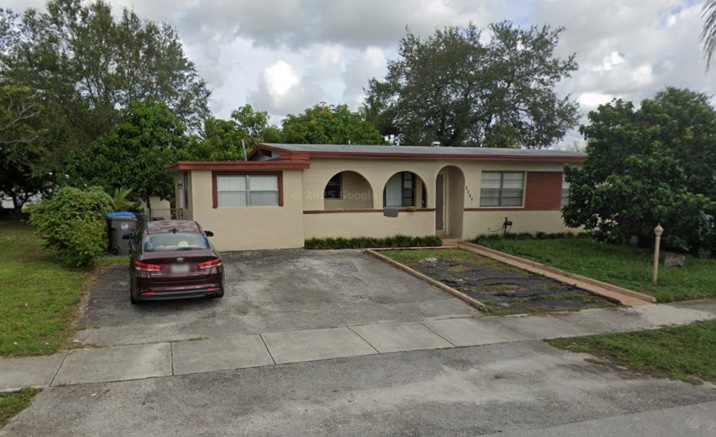
When I looked up the house on Google Maps this morning, that old intense feeling returned. I get this specific, overwhelming ache whenever I think about the places I used to live. And it depresses me in a unique way when I discover that any house I once lived in has been torn down, such as the one on West Trade Avenue in Coconut Grove.

There have been times in my life when I fantasized about returning to one of my favorite houses, buying it, and retreating there to live like a monk until I died. What’s that about? What would a psychiatrist make of that?

My father was in the Air Force, and we moved many times when I was young. I think I went to 3 first-grade schools, 3 seventh-grade schools, 1 school for 6th, 9th, and 12th, and 2 for the rest. Maybe all that moving around as a kid did a number on my psyche. Why do I want to go back to those places? I don’t mean now, but in time. Is nostalgia about finishing unfinished business?

I’ve known people who are seldom, if ever, nostalgic. My friend Laurie will call me sexist for saying this, but I feel women are less nostalgic than men. I know a lot of men who are nostalgic for the things they owned, wanted to own, in adolescence, or for the people and activities they pursued in their teenage years. Is nostalgia simply a longing for happier times? Just look at the old guys who buy old toys. I’d like a 1967 GTO.

Then how come I’m nostalgic for all the less-than-great times? For example, what was so great about the Lake Forest house? Do I want to be a kid again? Do I miss my little friends Michael Kevin Ralph, and Patty Paqquete?

I don’t know what happened to them.
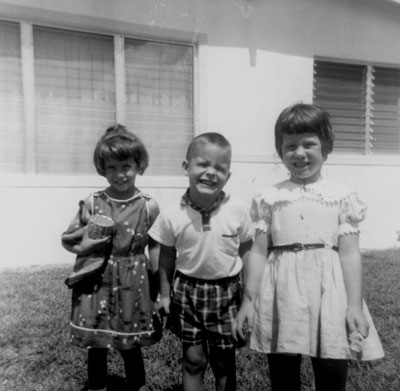
They say when you die you are reunited with everyone you once knew. That’s probably a trick of the mind during the dying process. If it is, does that mean it’s the most powerful desire we have in life? To meet everyone again?

I have moved around so much that there are hordes of people I once knew. And I have run into a few of them over the years. What’s weird is such reunions are often disappointing. We discover we have so little to say to each other. We really can’t go home again. Then why do we try?

If I could travel back in time to visit earlier versions of me, I’m not sure if we would have much fun together. Is the Jimmy that was blown away by hearing Bob Dylan’s “Like a Rolling Stone” on a clock radio in 1965 anything like the Jim that thrilled to listen to “Like a Rolling Stone” on SACD in 2010? Or the old Jim listening to it now?

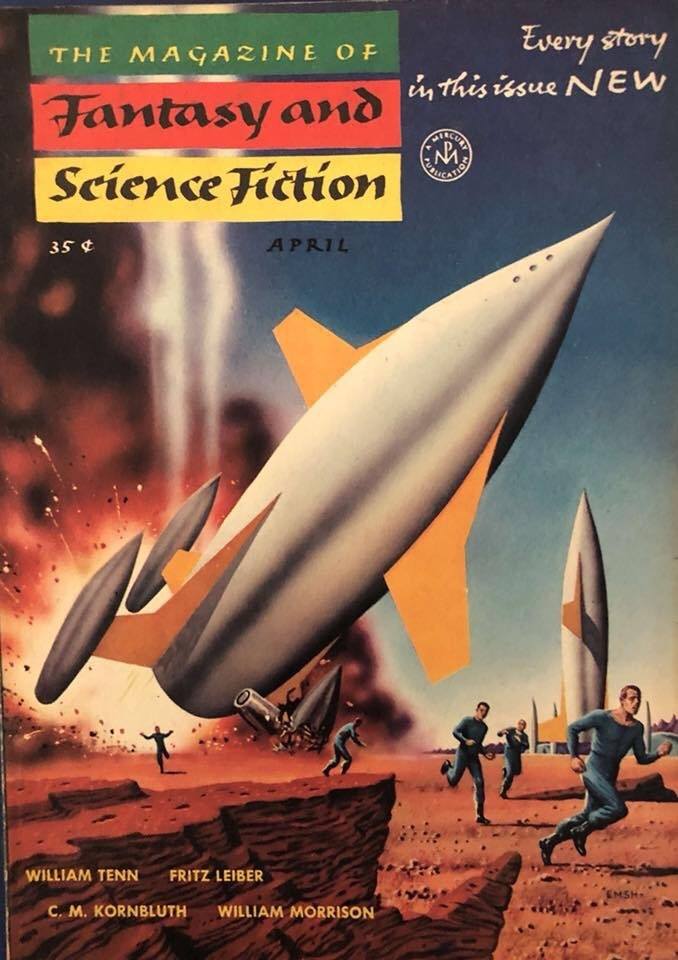
I must admit that Spotify is a goddman humongous nostalgia machine. Six feet to my right are bookcases with old science fiction magazines. They aren’t the same magazines I owned as a kid, but they are the same issues.

Sometimes I think nostalgia is feeling loss for parts of ourselves that have disappeared along the way.

What’s funny is I don’t think I’m as nostalgic in my 70s as I was in my 60s. Maybe, after decades of trying to return home, I’ve accepted I can’t.

I know I hate to travel in my old age, but that might be normal. Before I was 40, 18 months was the longest I lived anywhere. Then as I got older, that period began to lengthen. I’ve lived in this house for 20 years, and the previous house for 7 years.

I want to die in this house.

I still get deep emotional pangs when I think about certain houses, especially the Lake Forest house. Do I grieve for past versions of myself? Did Thomas Wolfe write You Can’t Go Home Again because many people feel that way? Maybe I need to reread that novel. It might be more meaningful now that I’m older. When I first read it, it was assigned in college.

It’s rather ironic that I’ve spent so much time reading science fiction, thinking about the future, and now I spend most of my time living in the past by reading old books, listening to old music, and watching old TV shows and old movies. At night, I dream about people I used to know and places where I used to work. And if I have insomnia, I lie awake thinking about the past. But is that nostalgia? I’m not so sure. I’m probably just consuming pop culture that I’m conditioned to enjoy most.

When I was younger, I’d lie awake thinking about the future, making plans. I used to worry about the future, but I don’t worry much about it anymore.

This morning I listened to an article from The Atlantic about how young people are nostalgic for the years before smartphones and social media, even if they never lived in those times. They hunger for a simpler time.

I wonder if my nostalgia for old homes is something like what they are feeling?

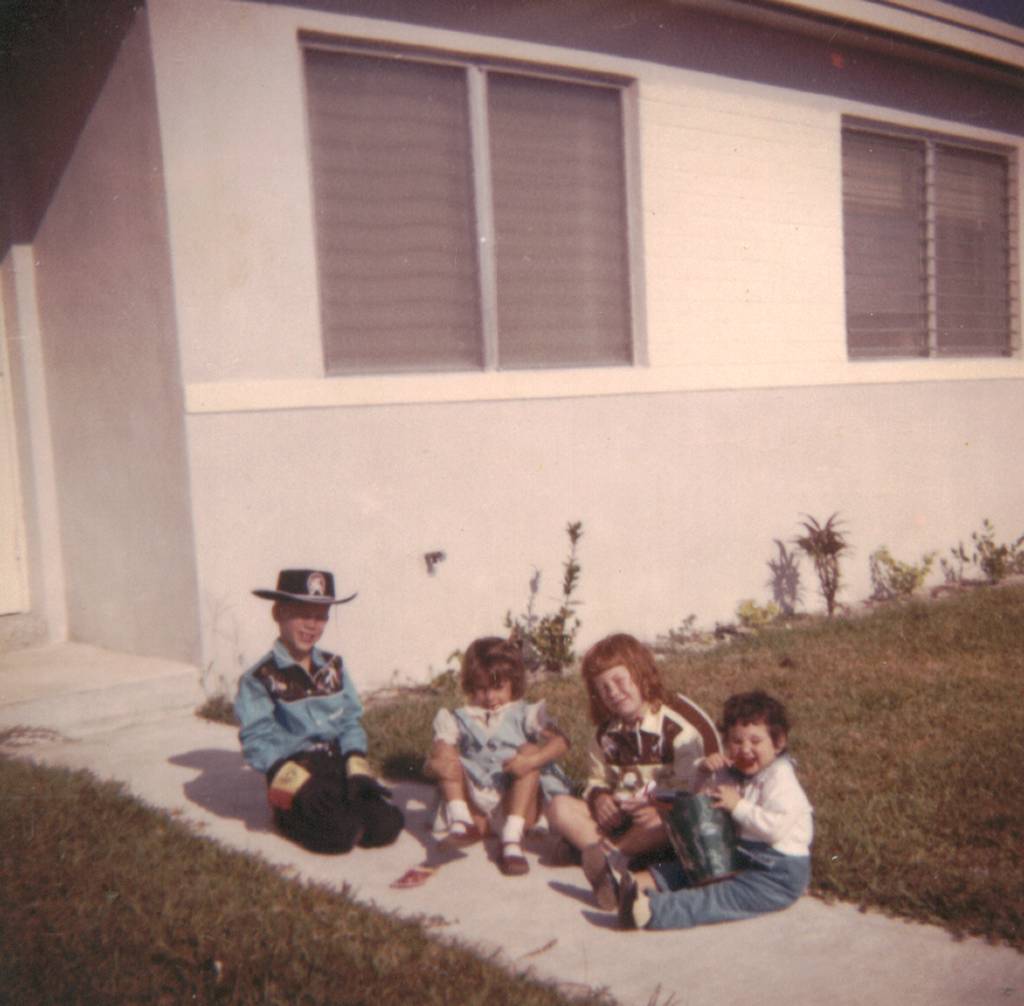
During my younger days, I used to love fantasizing about where I’d go if I had a time machine. Would I return to 1958 if I could? Notice the windows on the right in the picture at the top. They’re open. We had no air conditioning back then. The high today is expected to be 100F. I know this makes me a pussy, but I’d never travel further back in time before central air.

And unlike the current generation, I don’t think I’d like to travel to a time before smartphones. My memory is going, and I depend on them to recall words that won’t come to mind. As my mind becomes more crippled, smartphones are proven to be excellent crutches.

Besides, the old music I love sounds better on modern stereos. And the old movies and TV shows look way better on my 65-inch high-definition TV than they did on the old 19″ CRT. And I doubt the two heart procedures I’ve had were available in 1958.

If I’m realistic, I know any wanting-to-go-home-again nostalgia I feel is just chemical processes in my brain I can’t control. It’s about as useful as feeling horny when you’re an old fat bald guy with ED at 74. That’s just damn annoying. I guess when we’re old, we want to return to many places we used to go, and for some, it just takes a long time to realize we can’t.

JWH
Have I Burned Out My Nostalgia Neurons by Being Too Nostalgic?

by James Wallace Harris, 5/3/26

The word nostalgia was originally coined to describe homesick Swiss mercenaries. For a long time, it was considered a malady, rather than the bittersweet emotion triggered by recalling our past. The term eventually expanded to include longing for the past in general, even for times before you were born.

The first movie I remember seeing on television was High Barbaree (1946), where nostalgia was a central theme. There is a scene early in the film where two childhood friends are separated when one of their parents moves away. The film was based on the novel of the same name by Charles Nordhoff and James Norman Hall, but it was rooted in Hall’s nostalgia for his childhood. In the novel, but not the film, we experience Alec Brooke’s last thoughts before dying. In the film, they are his last thoughts before being rescued.

At six, I had already experienced leaving friends several times. My father was in the Air Force, and we moved frequently. The movie and novel have had a lifelong impact on me. See “Did The First Movie You Ever See Haunt You For The Rest Of Your Life?

Throughout my childhood and adolescence, I was nostalgic for my previous homes, schools, friends, and pets. For many years, I had recurring dreams of struggling to find my way back to our house in Hollywood, Florida. Those dreams stopped after I took a trip to that house in my early thirties.

My upbringing programmed me for nostalgia. I’ve always wallowed in it. Do I have more memories than the average person because I moved around so much?

When I retired, I spent years rereading my favorite books, contacting old friends and relatives, processing old photos, creating Spotify playlists of all the music I loved since 1962, collecting all the science fiction magazines I loved growing up, and watching all my old favorite movies and television shows.

Here’s the thing. I’ve been retired for thirteen years, and emotionally, it’s not what I expected. I thought my personality would have solidified in old age, but it hasn’t.

I feel I’ve psychologically changed several times in the past thirteen years. The current change is a surprise. I think I’ve burned up all my nostalgia neurons. For years, I only played one Spotify playlist composed of a thousand favorite songs from before the year 2000. Now I’m only listening to songs that came out after the year 2000. And the books and magazines that excite me the most are about current events. I haven’t given up on old friends, but so many people I used to know have died or disappeared.

Scientists have learned that memories aren’t fixed. When you recall a moment from the past, you overwrite it with new thoughts about that memory. I’m wondering if all my nostalgic reveries have overwritten my original recordings. That I’m no longer getting a nostalgic dopamine high when thinking about the past because I’m triggering recent memories that erased the originals.

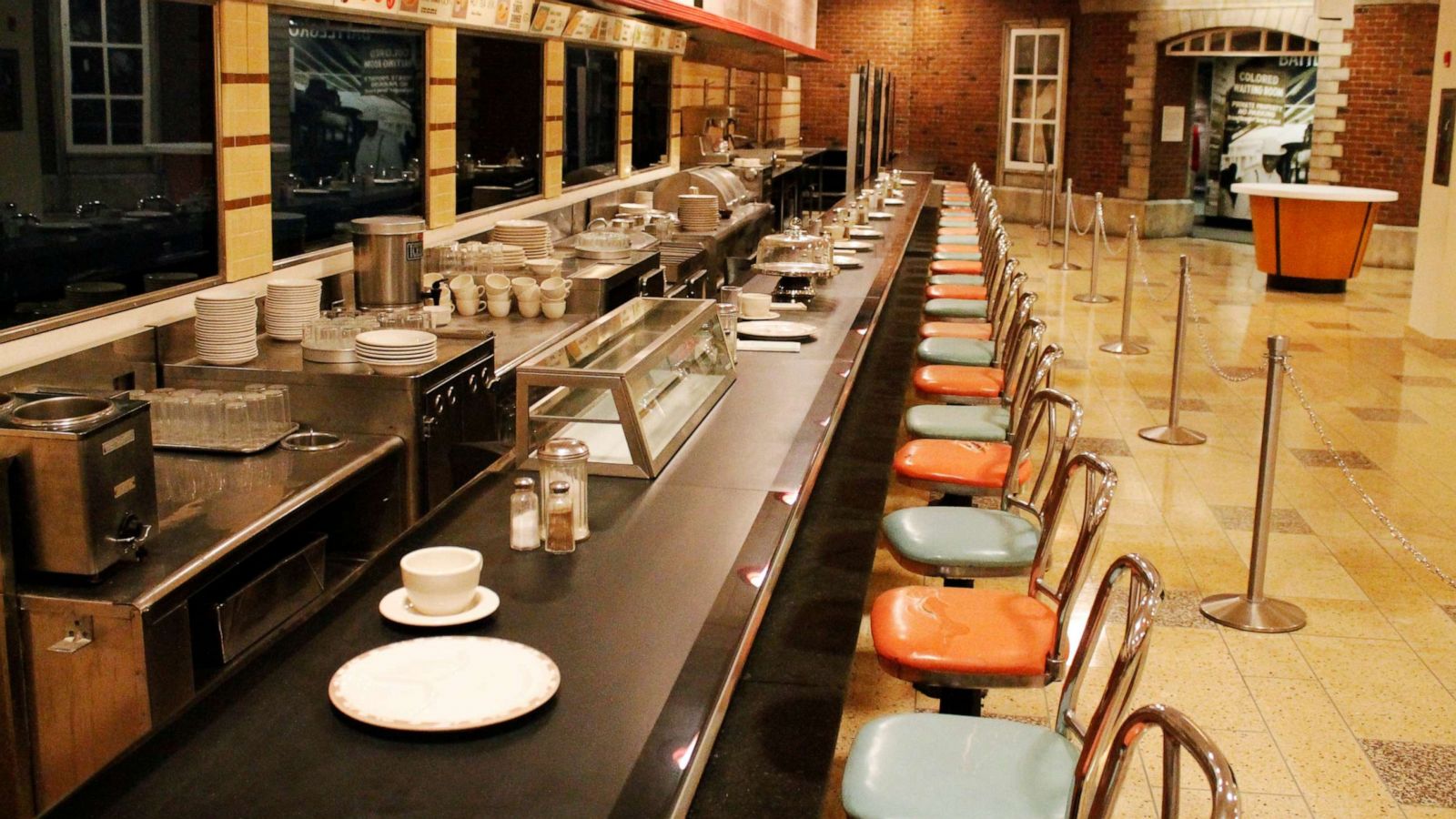
Conservatives seem hell-bent on bringing the past back through political means. But can they give me back the thrill of being young and going downtown on a bus and eating at a lunch counter in the 1950s? Even if I had a time machine, would I use it?

I have a tremendous nostalgia for the 1950s and 1960s. However, would I return if I could? Without air conditioning, I’d be miserable. I’m 74, and I doubt I could get the medical care I need. What would I do? Rent a room in a rundown hotel on Miami Beach and listen to 1950s records while reading 1950s science fiction magazines? I could do that now.

I will admit, if I had a time machine, I’d make day trips to the past. Would returning to the scenes of my original memories exorcise the nostalgia that drove me back there?

I have to wonder if getting old eventually ruins nostalgia because we get wise to our fantasies? I’ve spent 74 years creating the life I have now, which is so very comfortable. Didn’t all the choices I made lead to where I am now? So, why would I jump to another place in time?

I’m returning to the idea that nostalgia is a malady. And I’m wondering if I’ve finally cured myself? Or have I? Will nostalgia return like bouts of malaria? I feel like aging is a series of transformations. I shouldn’t expect to arrive anywhere permanently.

Over the past few years, I’ve lost the ability to watch movies and television shows by myself. I had many theories as to why that was so. The main theory assumed that the Internet, YouTube, and doomscrolling destroyed my ability to focus. But I’m wondering if I was trying to watch TV by who I was in the past, and that just didn’t work. I’ve recently started watching TV again on my own, and my mind has stuck with it. Maybe my new stage of seeing things can let me relax and enjoy the shows. Before, my mind was restless.

Is that because my new non-nostalgic self has found new reasons to watch? I don’t know. My new self has found different books to read and different music to listen to. But how long will this last? I assume I will keep changing.

I have another thought. I spend a lot of time meditating about consciousness and studying it in books. I have many new theories about who I am. I no longer think of my personality as a unified, singular being. I now see myself like a computer with many parts: CPU, GPU, NPU, memory, etc. Have these discoveries undermined my nostalgic drive? Maybe self-awareness can destroy nostalgia?

This leads me to ask: Can we reprogram ourselves?

JWH

Why Is This Restaurant Playing The Big Bopper?

by James Wallace Harris, Sunday, March 31, 2019

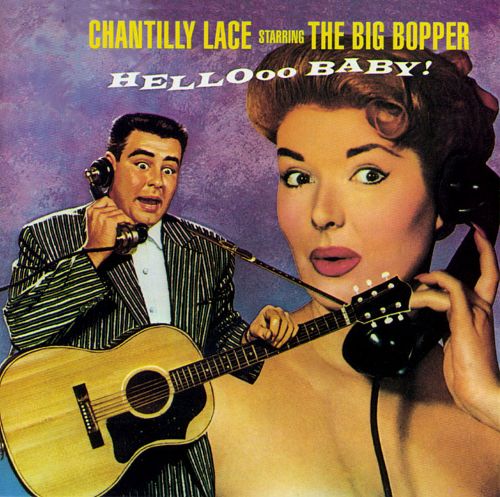
Susan and I went out to breakfast this morning. She wanted to try this new place called Staks. One of those storefront restaurants where you order at the counter and sit down and wait for your food. (A trend I don’t like.) What surprised me was the music they played at 7:30am, oldies like “Rock Around the Clock,” “The Wanderer,” “Chantilly Lace,” “He’s So Fine,” and “Dawn” – all songs from when we were growing up.

We sat at a booth with high backs covered with green plastic. In the middle of the room were sterile white metal tables and chairs occupied by younger people, including three late twenty-something couples with babies in highchairs. I wanted to ask them what they thought about the music. I was grooving to oldies, but were they? Was it just Muzak to their ears? The staff was all teens and young twenty-somethings. Why were they being forced to listen to old people’s music all day? I assume some industrial designer imagined both the decor and music together believing old fashioned breakfasts went with old-fashioned music. There were no vegetarian or gluten-free options on the menu – that would remind people of now and break the illusion.

Just to check if I wasn’t the only one noticing this trend I found this at the Chicago Tribune, “Nostalgia has taken over food and pop culture because we can’t help but fall for it.” Google also gave me “4 Ways to Use Nostalgia to Grab Your Customers’ or Members’ Attention.” Of course, marketers have been selling us American Graffiti and Happy Days leftovers for decades.

I can understand a fondness for life between WWII and the Vietnam war because that’s when I grew up. Susan and I were the only music-age-appropriate customers in Staks. Susan still knows all the words to those songs. Why should our nostalgia be piped into younger generations? My parents hated rock ‘n’ roll. I have to work mighty hard to find songs from the 21st-century that I love. And the song I do find to love, tend to sound like songs from my past. My parents like music built around vocalists, horns, and woodwinds. I grew up with vocalists, guitars, bass, and drums. Modern music fans love processed vocals mixed with computer-generated tones and sampled clips.

My theory is every generation has a sound they are pop culturally programmed to resonate with during their teenage years. I assume in half-a-century the young people that were sitting in the middle of the room will be in booths listening to music from their generation wondering why another industrial designer brought it back.

By the way, here’s a 21st-century song I love. I’ve probably played it two dozens times today. It shows I shouldn’t think every generation is stuck in their own musical hole. It still doesn’t explain why I see young people wearing t-shirts with The Beatles, Jimi, or The Grateful Dead pictured on them. I never wore a shirt with Benny Goodman’s face and doubt I’ll wear a Rilo Kiley advertisement.

Finally, why is it easier for younger generations to embrace older generations of music than it is for older generations to keep up with the music coming from younger generations? There are plenty of places to eat and drink that feature contemporary music. I just don’t go in them anymore. Why? I’ve heard many in my generation say they feel invisible around younger people, and that made them feel old. I’ve got to admit I stopped paying attention to newer trends, so they are invisible to me. Maybe it’s mutual.

My guess is those under 30 kids in Staks never even noticed the music.

JWH

Visual Nostalgia

by James Wallace Harris, Sunday, July 22, 2018

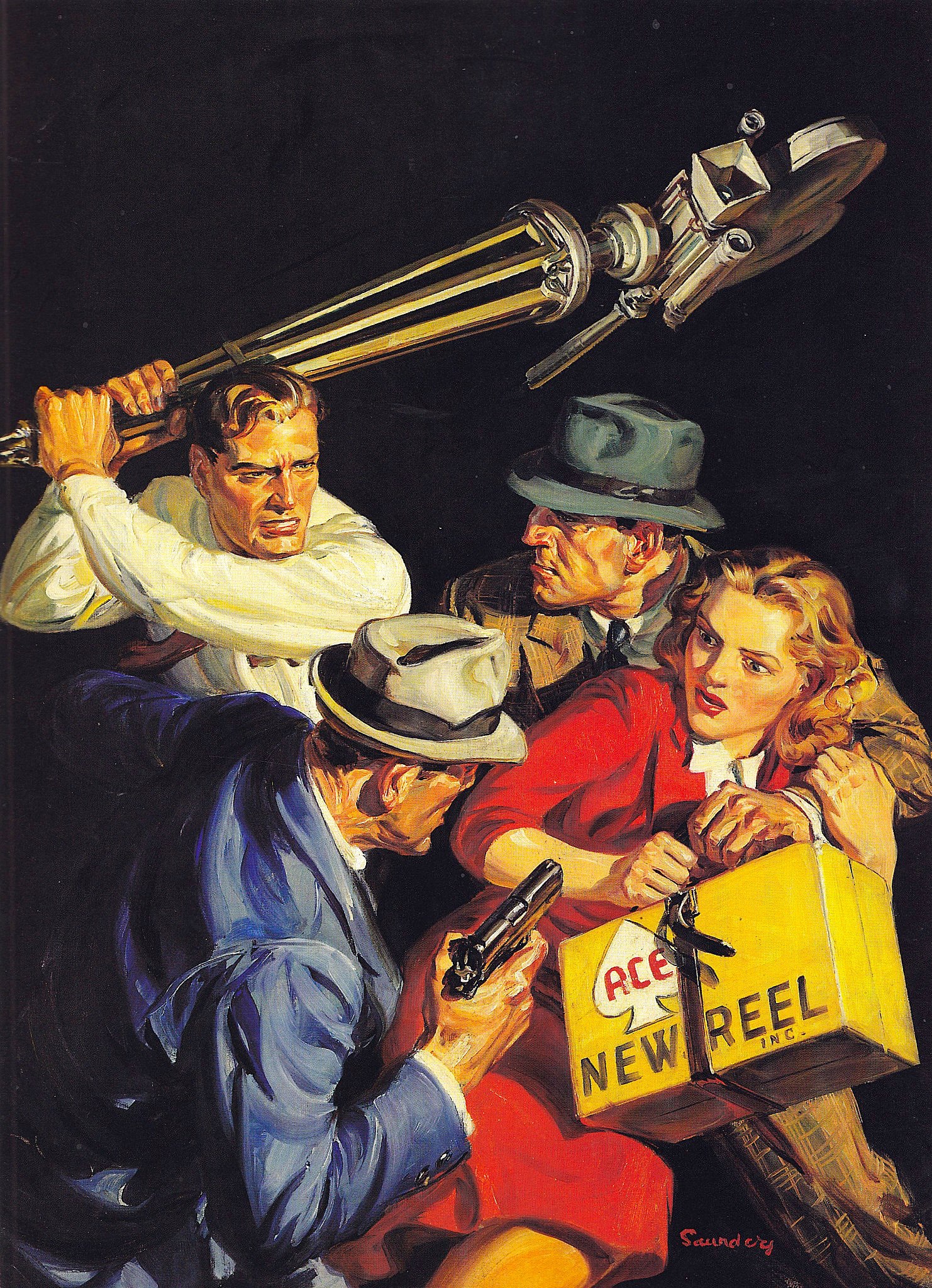
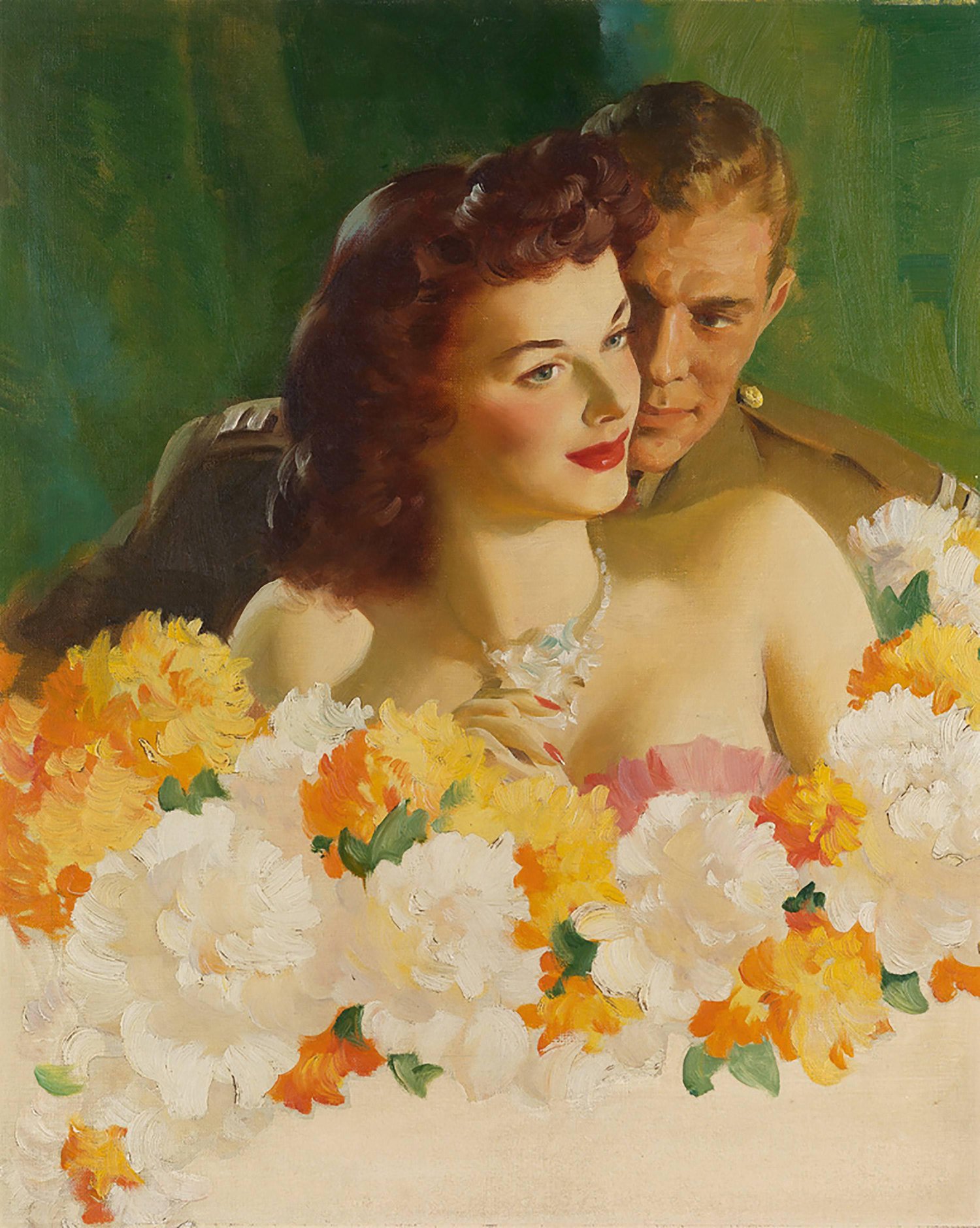
This post is for Linda. I told her about the growing trend on Facebook for sharing all kinds of old photos, illustrations, ads, paintings, and drawings, and she suggested I do a blog post about it. I’ve joined several groups on Facebook where members post images, usually from the 20th century, but sometimes older. I assume it’s nostalgia-driven, but it might just a love for creative artwork.

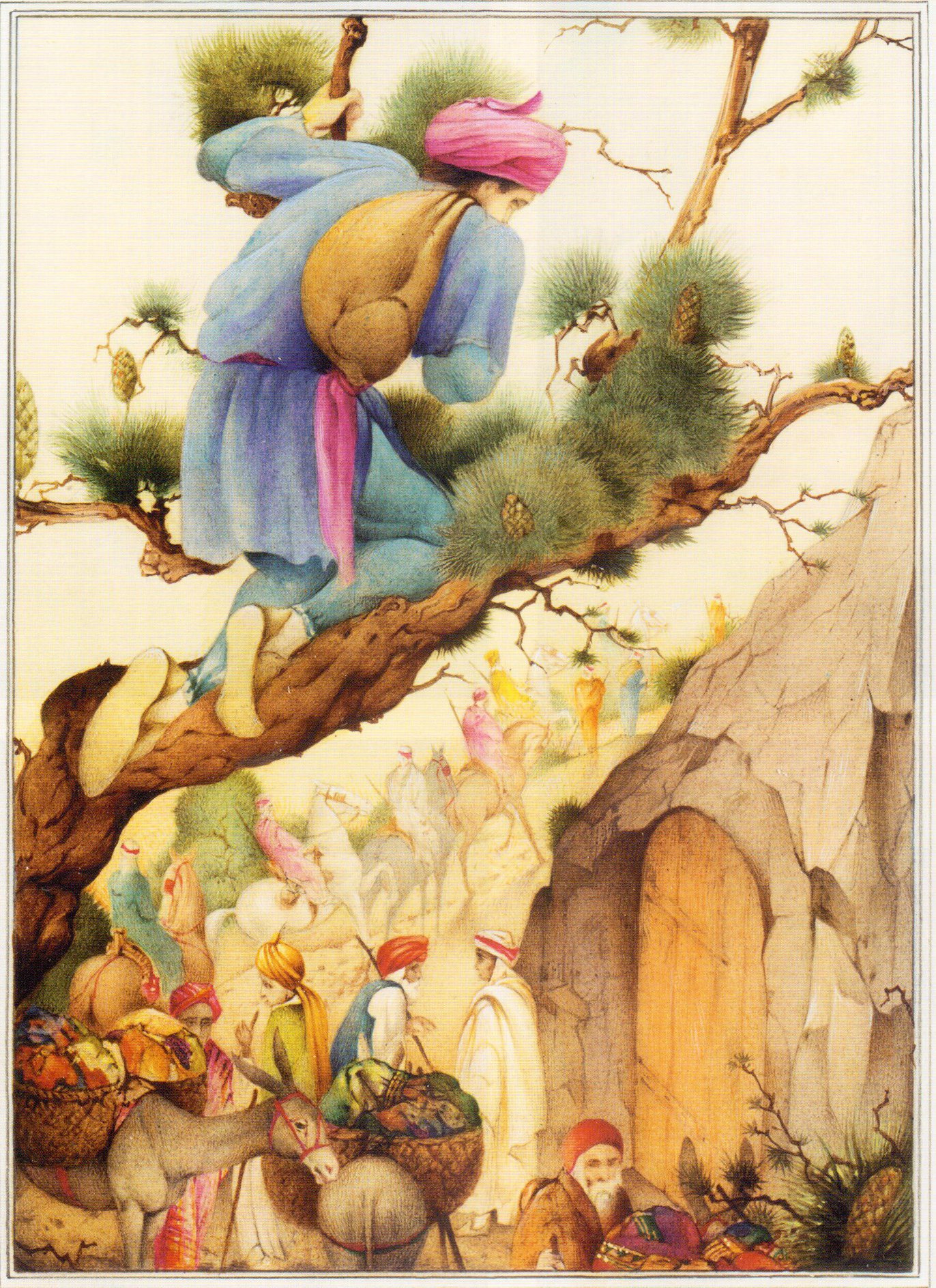
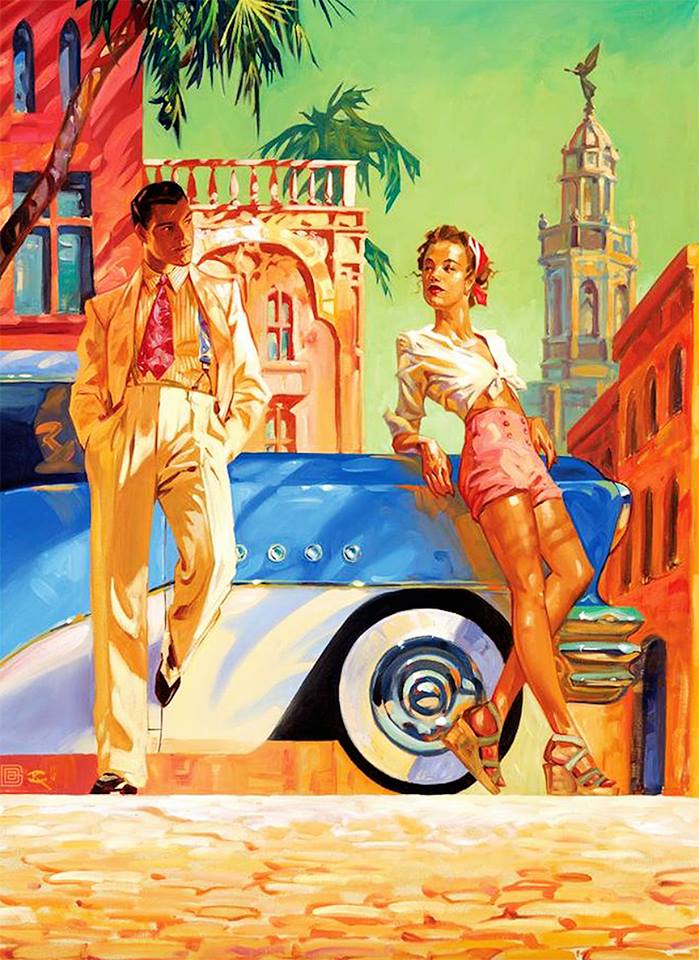
The first group I joined was The Golden Age of Illustrations which collects book and magazine illustrations, often from children’s books, but adult stories as well. Here’s a few of them. This group has over 70,000 members.

The Golden Age of Illustration 3

The Golden Age of Illustration 1

The Golden Age of Illustration 2

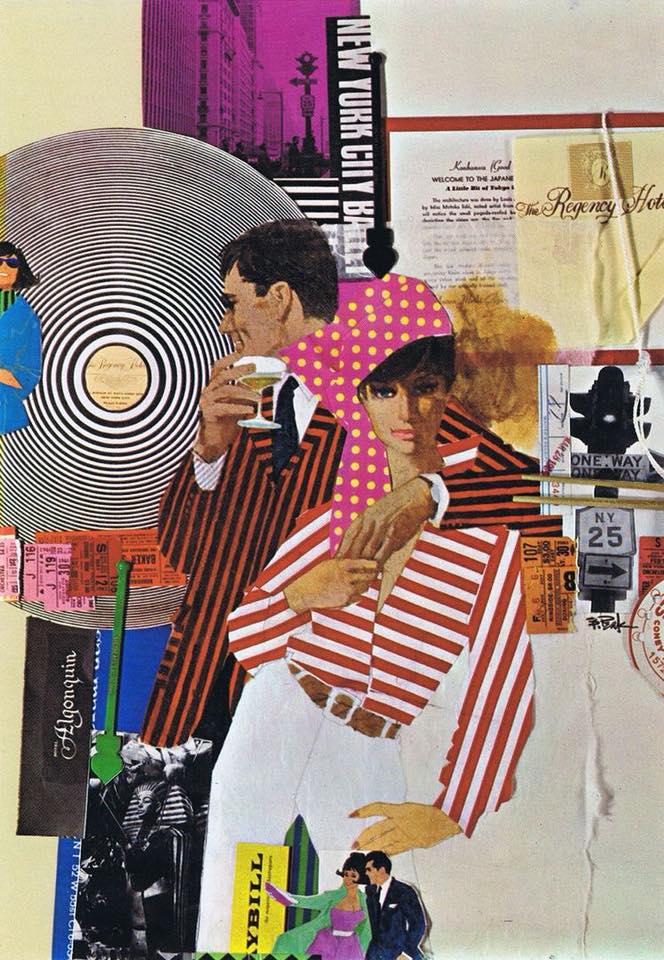
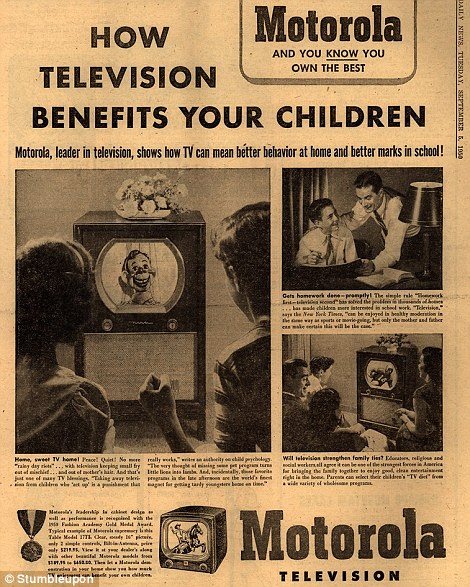
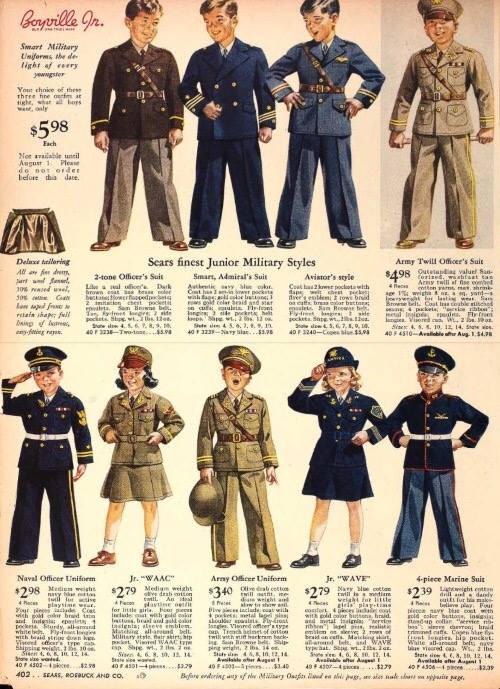
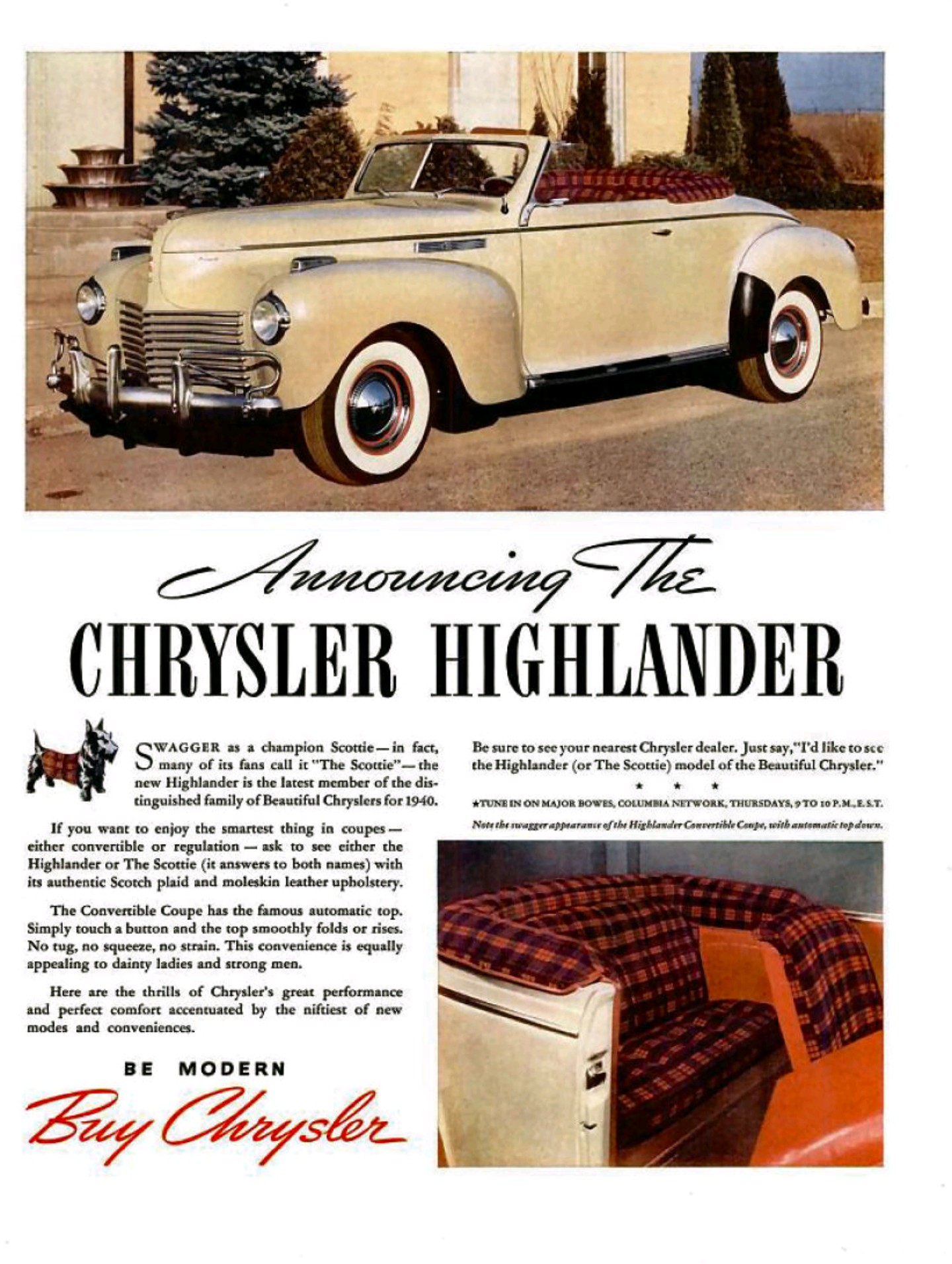
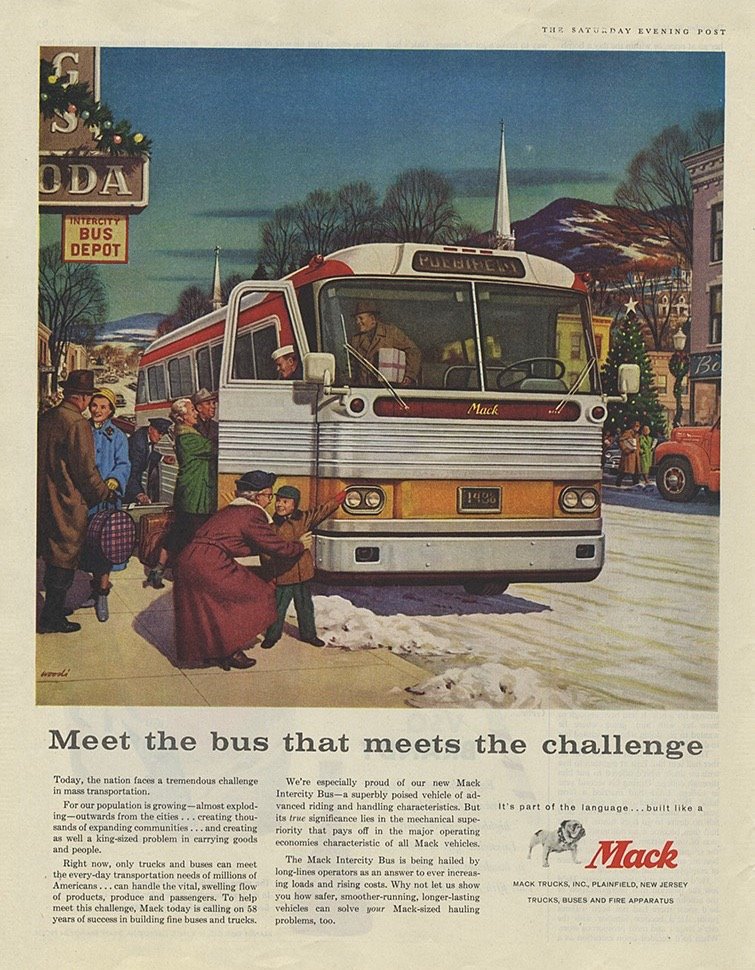
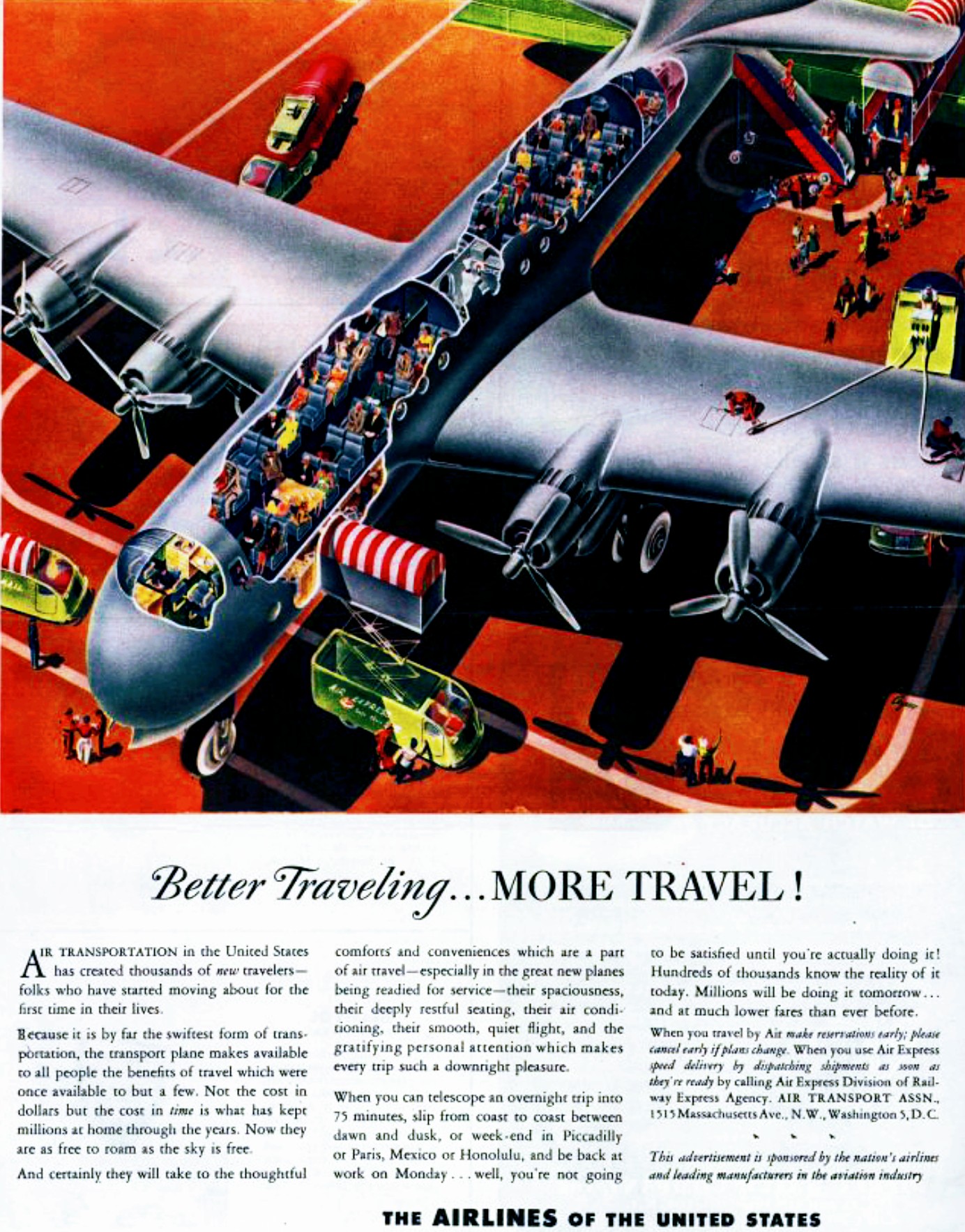
Over at Mid Century Advertising, the appeal is partly the art but mostly the memories. Here’s a varied sampling that doesn’t really do the group’s wide interest justice. Part of the appeal is to remember forgotten objects. Part of the appeal is to remember a different way of life. This group currently has 35,806 members.

Mid-century ads 1

Mid-century ads 4

Mid-century ads 5

Mid-century ads 2

Mid-century ads 3

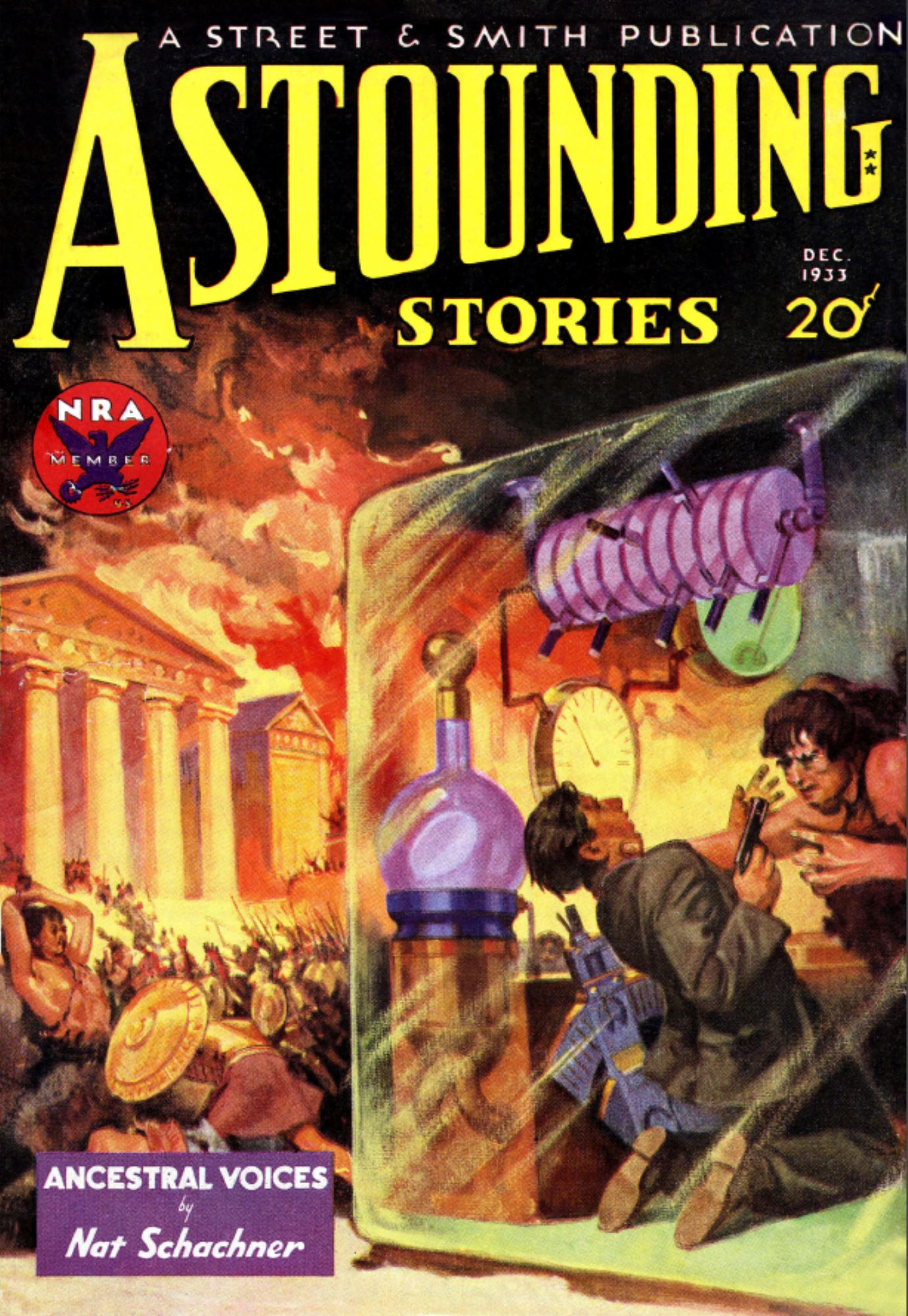
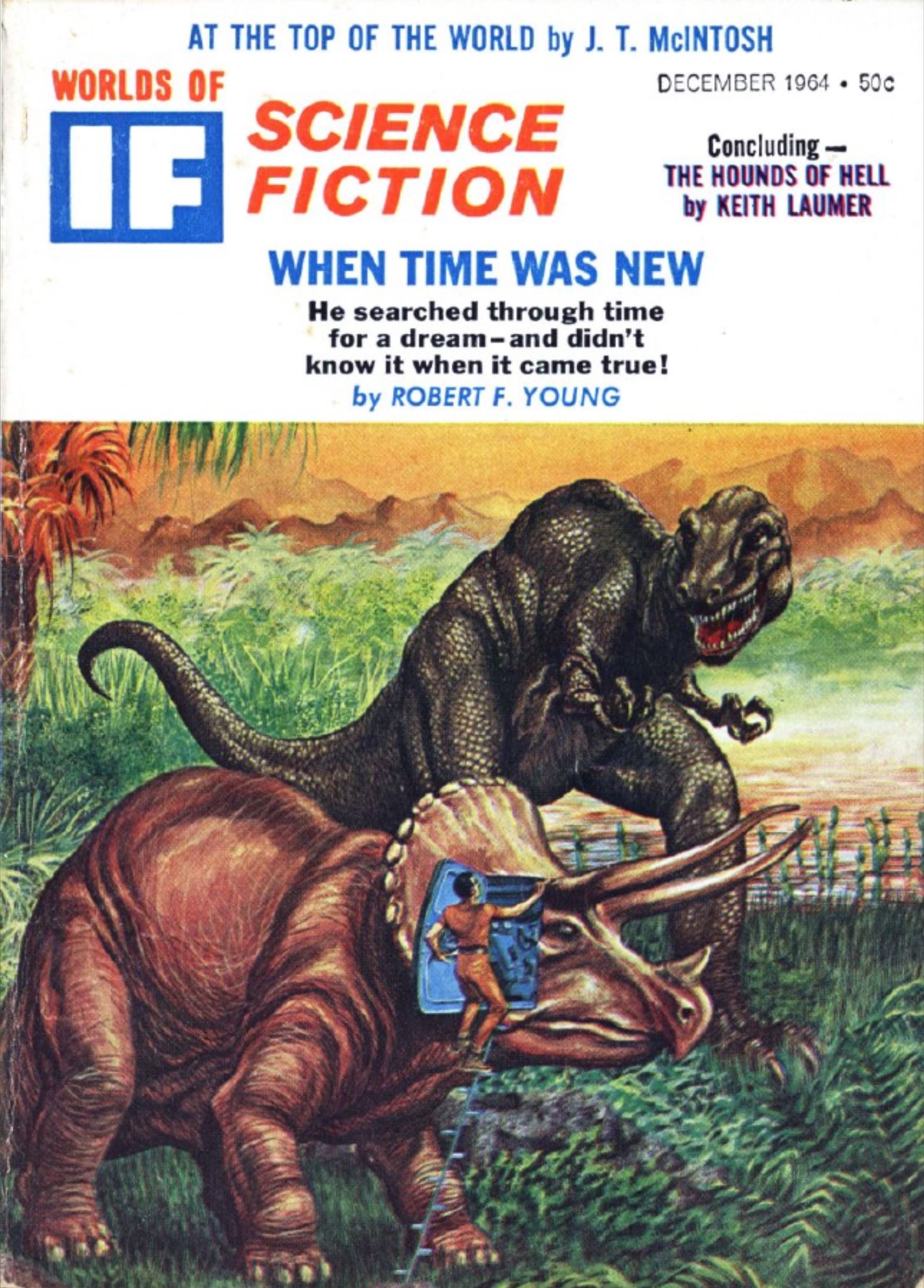
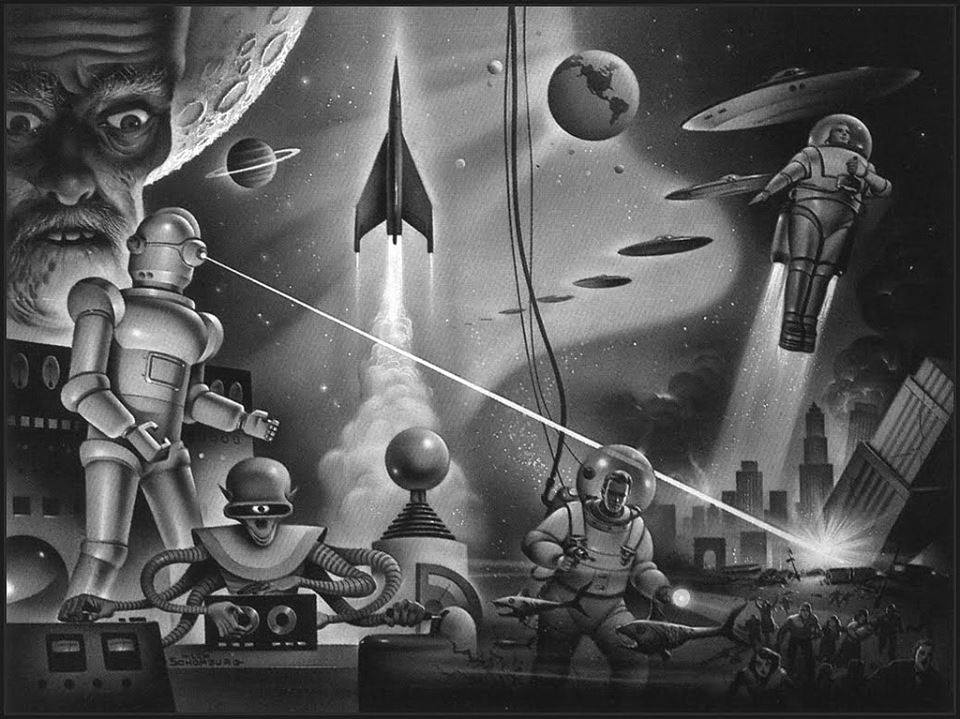
One of my favorite groups is Space Opera Pulp because I love science fiction. This group has 11,813 members, on the small size compared to the others. When I was growing up in the 1960s I didn’t know any other science fiction fans. Evidently, there were way more than I ever knew. I guess science fiction was a guilty pleasure until Star Trek legitimized the genre.

Astounding Stories December 1933

IF Magazine December 1964

Space Opera Pulp 2

Space Opera Pulp 1

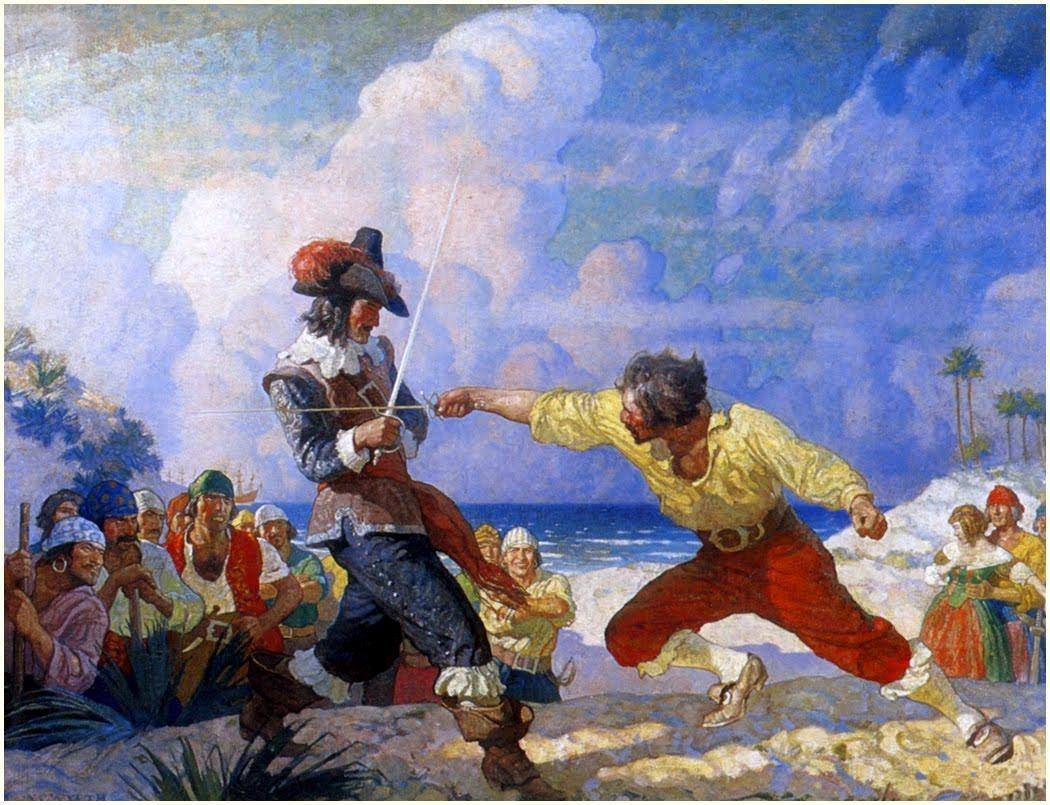
Another group that focuses on book and magazine illustrations is Illustration Art Archives. It has over 15,000 members. This group loves full-size color illustrations. Most are from old magazines, but some are from books. By the way, adult books used to have interior illustrations. This groups especially seems to admire a dramatic scene.

Illustration Art Archives 1

Illustration Art Archives 3

Illustration Art Archives 2

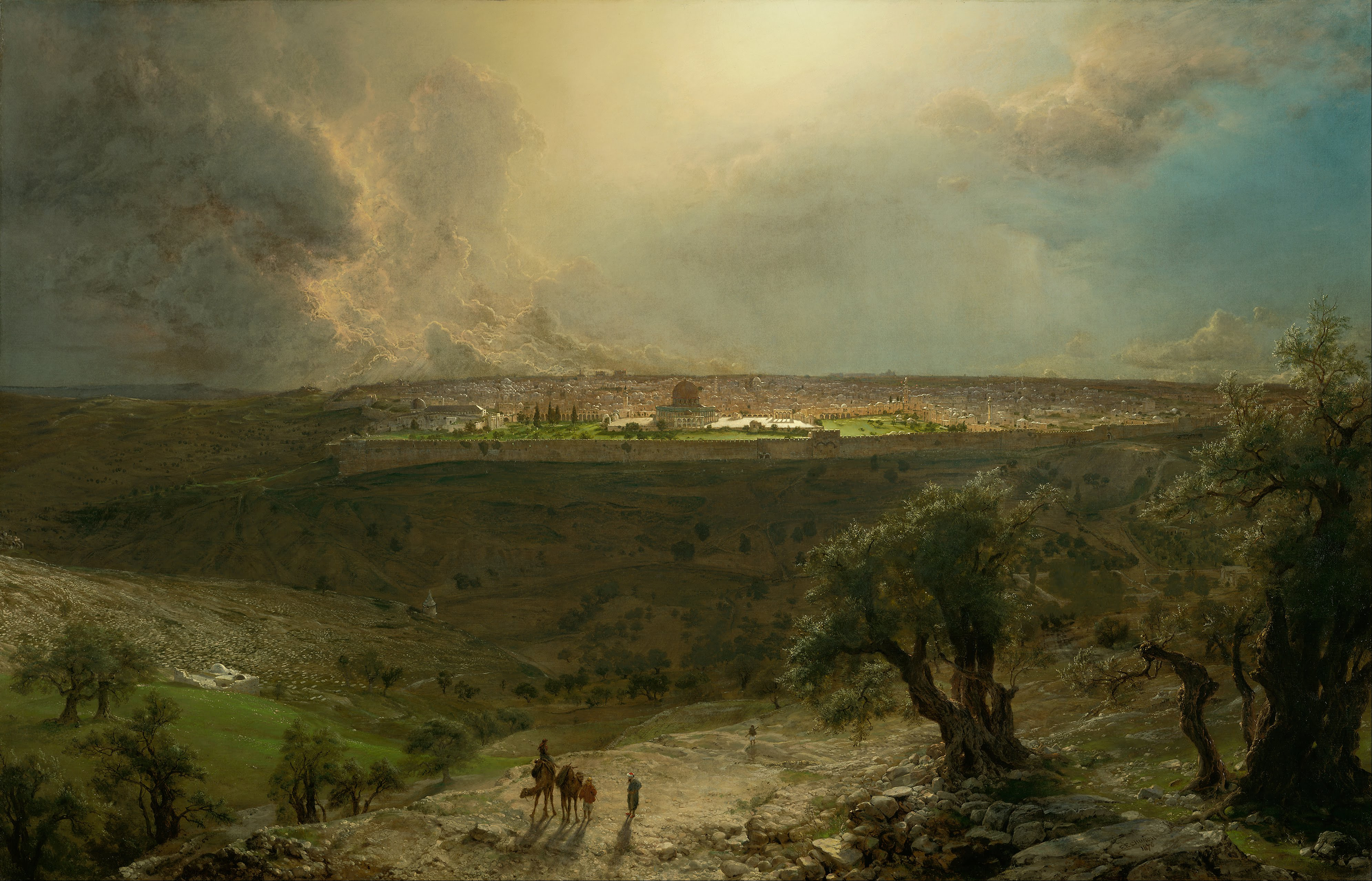
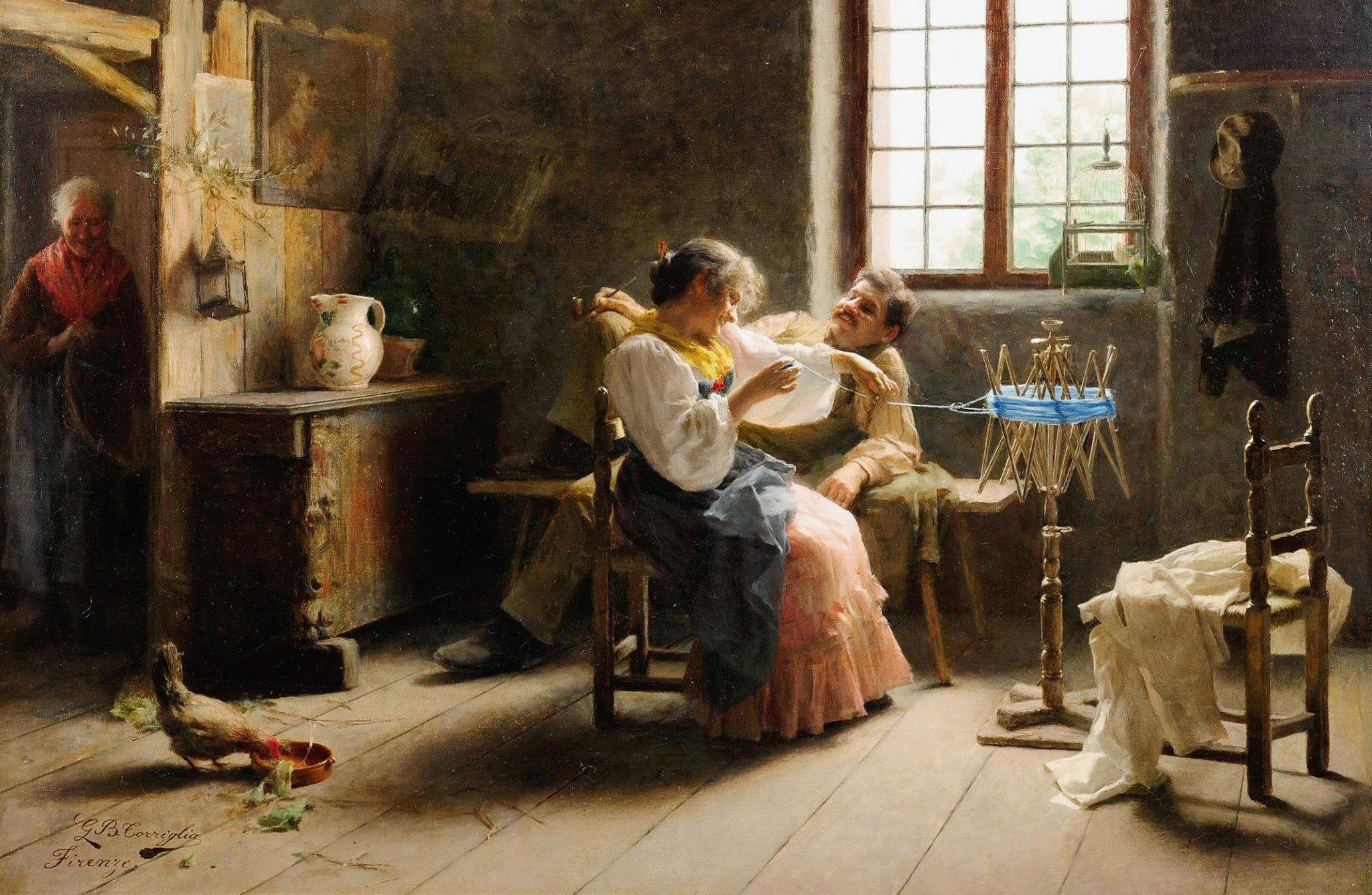
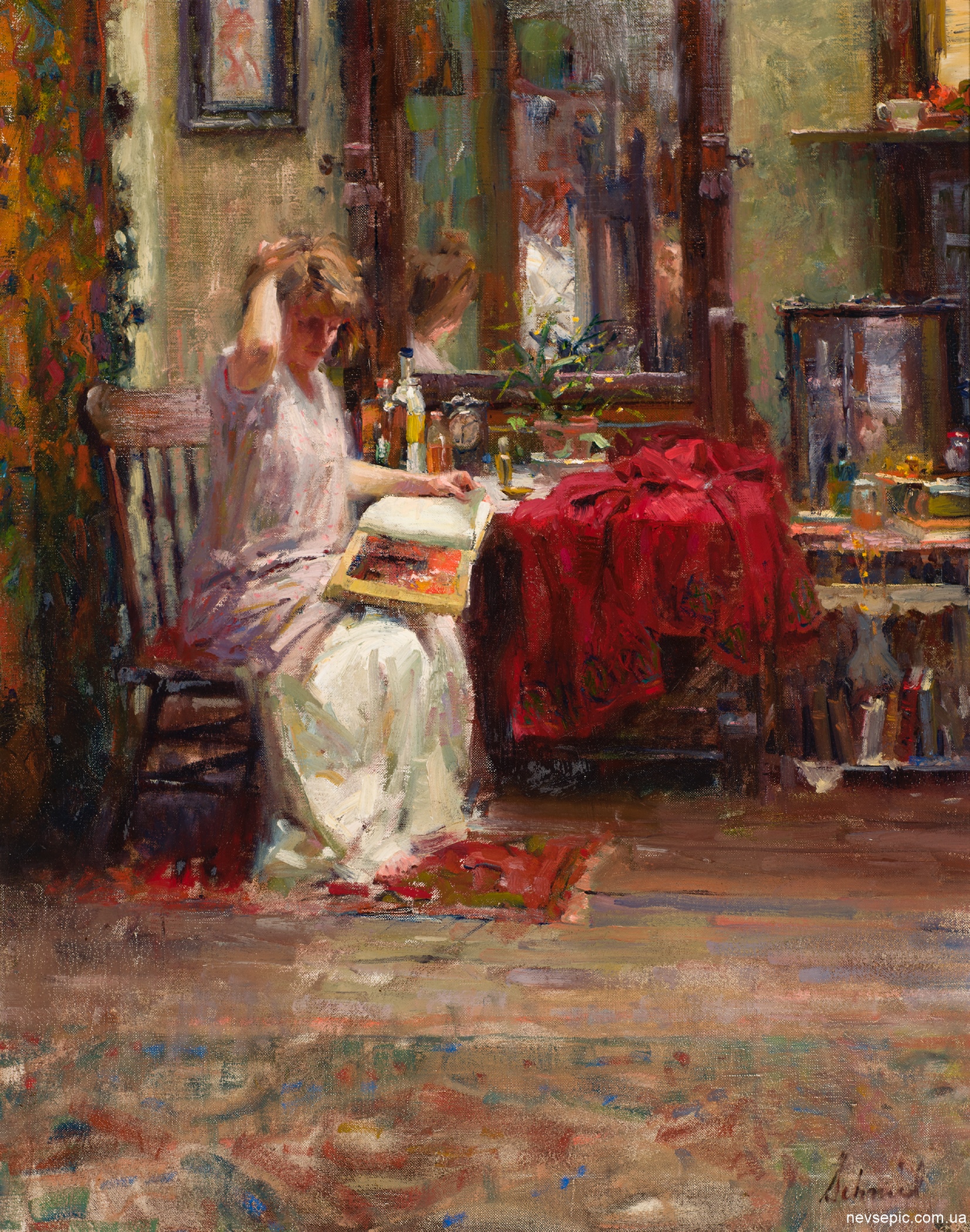
The last group I’ll mention is Hi Resolution Paintings, where over 40,000 people love to share high-resolution copies of fine art. I like to save high-resolution images for my 4k monitor’s desktop background. This group has some of the nostalgic images of the other groups, but I like it for the old realistic fine art paintings.

Frederic_Edwin_Church_-_Jerusalem_from_the_Mount_of_Olives_-_Google_Art_Project

Hi Resolution Paintings

schmid richard-ruth in the studio-1396452317

There are many more visually nostalgic groups over at Facebook. New ones pop up all the time. In a way, it makes sense since Facebook is visually oriented. But most people post photos about recent activities. Isn’t it odd that so many people want to post images of things they remember from a long ago that isn’t personal? It might be an age thing. Most of the people I know on Facebook are over 60. Maybe it’s just a delight to see something so vivid and bright that was only a dark dim memory.

Or maybe, in our troubled times, old images are more joyful than the depressing images we see in the news.

JWH

Why Do I Love Old Black and White TV Shows and Movies?

by James Wallace Harris, Tuesday, October 10, 2017

Normally I watch the latest hit TV shows, usually on Netflix, HBO, or Amazon Prime. Generally, I watch these shows with friends. I’ve gotten so I don’t like watching TV alone. However, when I do, it’s because I’m too tired to do anything else and it’s too early to go to bed. When I’m alone I’m drawn to old black and white television shows, movie westerns from the 1950s and old Hollywood movies from the 1930s. Why do I prefer black and white shows? Why do I save shows in color for when I’m with friends?

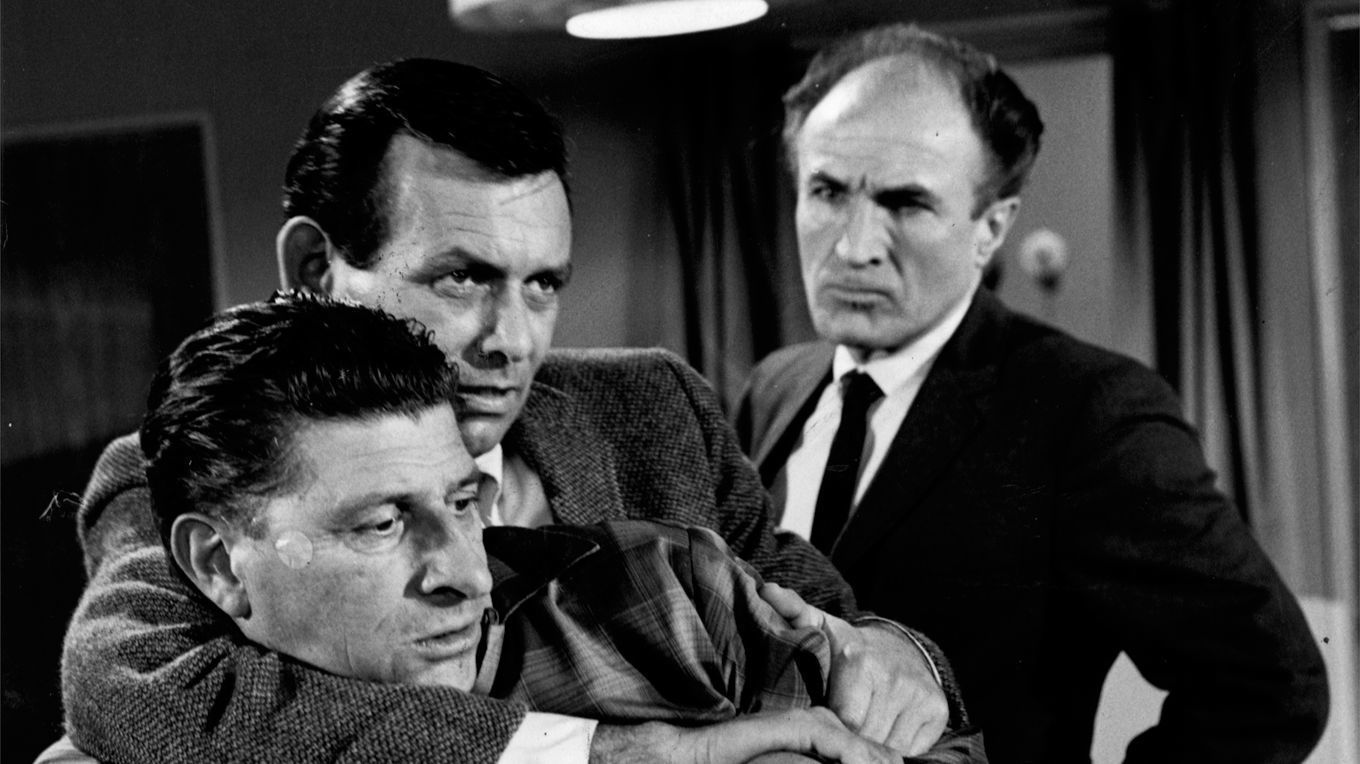
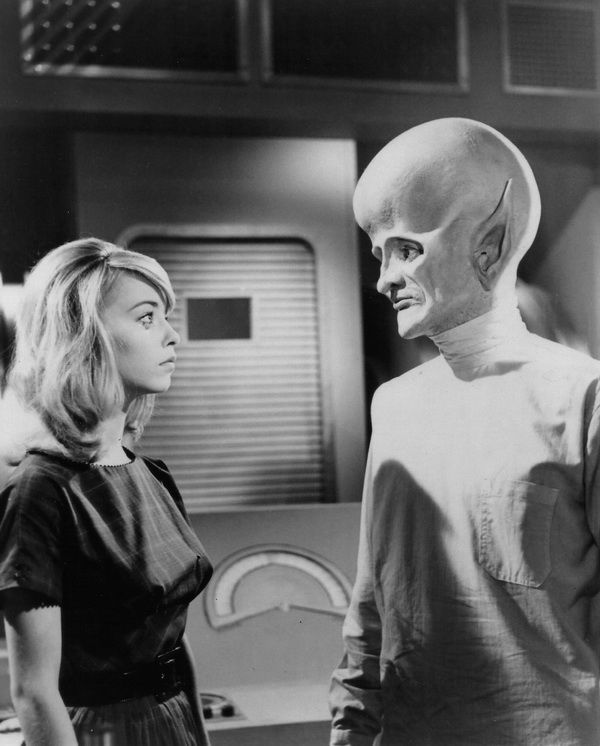
MeTV got me hooked on two old TV series this month, The Fugitive and The Outer Limits. Both shows premiered in 1963. As a kid, I discovered The Outer Limits when the first episode aired. It ran on Monday nights at 7 on ABC. My father loved The Fugitive which came out on Tuesdays on ABC at 10 pm. I watched it some back then but didn’t really care for it. I generally hated the TV my folks loved. I don’t know if that was rebellion or I was just too young for the content.

I have a hard time remembering my dad being home, but he loved TV, and he liked it best when us kids weren’t around. There was nothing on Tuesdays at 10 my sister Becky and I wanted to see, so we left him alone to watch The Fugitive in peace. A half-century later, I’m staying up late watching The Fugitive alone like he did. I wonder if that gives me any kind of psychic connection to how my father felt?

Fugitive

Becky and I were horrible TV hogs. We’d have huge shouting matches with our dad on Sunday nights during the 1966/67 season when we pleaded to watch The Smothers Brothers Comedy Hour and he fought to see Bonanza, his favorite western. I loved westerns too, but not Bonanza or The Virginian, my mother’s favorite cowboy show. Gunsmoke was my TV shoot-em-up. I don’t think Becky ever liked westerns, but I should ask her the next time she calls.

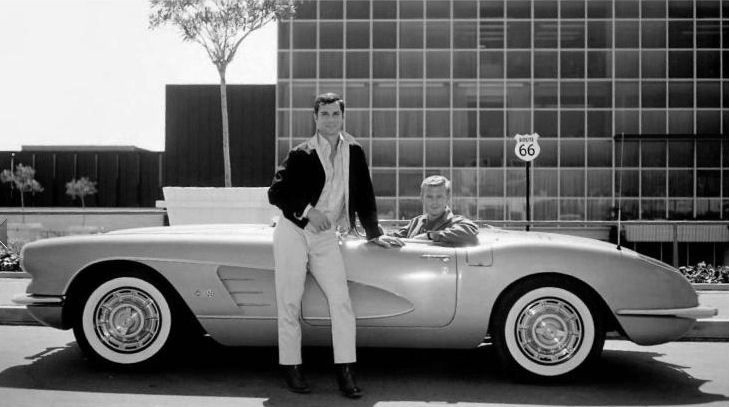
This year I’ve also bought the first seasons of Gunsmoke, Have Gun Will Travel, Route 66, and Cheyenne. I bought the complete series of The Twilight Zone on Blu-ray and The Fugitive on DVD. I’m thinking about buying Perry Mason and Maverick.

Route 66

I used to hate Perry Mason, which was my mother’s all-time favorite TV show. She also loved to read the Perry Mason mysteries. But for some reason this year, I started watching them on MeTV. I liked that it was in black and white and sometimes featured street scenes of the early 1960s. That’s why I bought Route 66 because it was filmed on location, viewing 1963 America in contrasty black and white.


At the start of the 1963 TV season, we were living on Homestead Air Force Base. I started the seventh grade at Redlands Junior High in South Florida, when I was eleven. After a few weeks, we moved back to Hollywood, Florida, and I attended my second 7th-grade school, but I forgot its name. I thought it was Broward Junior High, but I can’t verify that on the internet. I was in class at that school when they announced over the PA that JFK had been shot. Three days later I turned twelve. After that, we moved to South Carolina, where I went to my third 7th-grade school, John F. Kennedy Junior High.

The Outer Limits

Memories of 1963 represent living in two states and three schools, and for some reason the 1963/64 television season also vividly sticks in my mind. I started regularly listening to rock music at the end of 1962 when I got an AM clock radio for Christmas. I became much more aware of the world around this time. It was during that time period I became a bookworm, rock & roll fan, addicted to the boob tube, and started going to the movie theater on my own.

High Barbaree

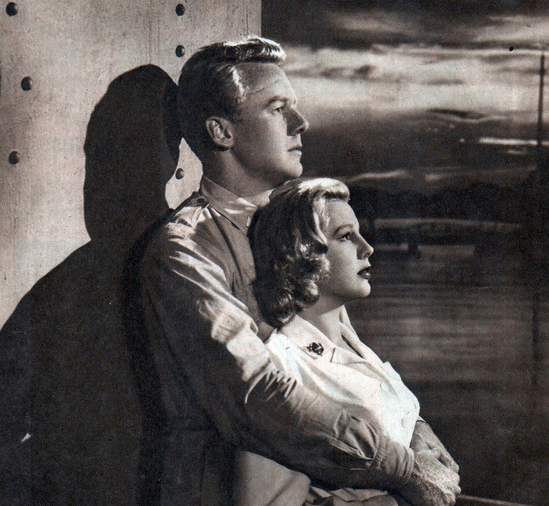
I remember watching TV since I was four or five, probably with the 1956/57 television season. My family didn’t get a color television set until 1965, so my first decade of TV was in glorious black and white. All my life I’ve loved old black and white movies from the 1930s and 1940s. I wonder if that’s because I spent my formative years viewing a B&W TV screen? My earliest memory of my father is waking up in the middle of the night when I was four, and walking out to the living room to find my dad watching an old movie on television. He let me stay up and watch it with him. This is my first memory of television and the first movie I ever remember seeing. I didn’t discover until years later it was High Barbaree (1947) with June Allyson and Van Johnson.

Why now? Why has my mind started craving old black and white TV shows again, ones from long ago? Is it just nostalgia? Is it a way of communing with my dead parents. And isn’t it odd that I’m not watching the shows I loved as a kid but prefer seeing the ones my parents watched when I wasn’t around?  I still can’t stand Bonanza or The Virginia. Both of those shows insult my sense of what a western should be.

The other night my friends and I watched The Solid Gold Cadilac and I found it immensely pleasurable it was in wide-screen black and white. I can only remember a couple wide-screen black and white films at the moment, The Apartment and The Big Trail, both of which I have on Blu-ray. It’s a shame B&W wide-screen didn’t catch on back in 1930.

Am I drawn to the black and white, or to the period content? I don’t know. I’m not sure I would like The Fugitive as much if it had been in color for its first three seasons. For some reason, I’ve never liked the remakes of The Twilight Zone or The Outer Limits which were made in color. And the only horror movies I enjoy are the classics from the 1930s which were in black and white.

I wonder if nostalgia comes in black and white and modernity in technicolor? The 1950s were definitely a black and white decade to me, even though I have some personal photographs to prove it was indeed in color. I wonder if kids who have always lived with color TV ever think of the past in black and white? Were my formative years corrupted by black and white TV sets? Will children today remember the world in LCD/OLED imagery? How would my consciousness of the past be today if I had never seen a TV, movie or computer screen, or photograph of any kind? Would I even conceive of black and white?

The world does turn black and white in low light, or when you’ve had way too much to drink. But now that we preserve the past digitally in color, will that eventually eliminate an appreciation of viewing reality in grayscale?

JWH