Do You Read Just One Book at a Time?

by James Wallace Harris, Friday, 1/1/21

For some reason I can’t read just one book at a time. Well, I actually do read just one book at a time if we’re talking about the singular now. But if we stretch the definition of time to mean a more generous sense of the now, then I’m always reading several books at once.

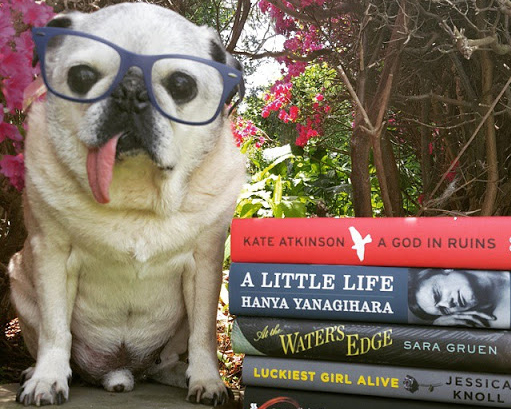
The eight books pictured above are the main ones I’m concurrently reading in that bigger definition of now.

I switched between reading and listening to Evil Geniuses: The Unmaking of America by Kurt Andersen, and discussing it with my friend Linda who is also reading it. I call this my two-person book club. Andersen chronicles how conservatives began manipulating law schools and the judicial system back in the 1970s to reduce personal and corporate taxes and fight regulation. This essentially covers the rise of the libertarian movement. Evil Geniuses plows similar ground to Dark Money: The Hidden History of the Billionaires Behind the Rise of the Radical Right by Jane Mayer which Linda and I read years ago. I also bought Capitalism and Freedom by Milton Friedman and 23 Things They Don’t Tell You About Capitalism by Ha-Joon Chang to supplement our reading of Evil Geniuses. In this one case, you can see how one book pushes me to read multiple volumes. Kurt Andersen is a great synthesizer.

I’m also listening to The Ministry of the Future by Kim Stanley Robinson because it’s probably the most important science fiction novel since Stand on Zanzibar by John Brunner. Like Zanzibar, it’s told in a nontraditional narrative style, which will probably annoy some readers, but then so did Zanzibar. The story narrative is frequently interrupted by monologues and dialogues that lecture the reader. However, I don’t mind. The opening chapter was one of the most dramatic and scary visions of a climate change future that I’ve ever read. I highly recommend following the link to read it. Science fiction is seldom this serious.

And I’m listening to Hackers: Heroes of the Computer Revolution by Steven Levy because I was reorganizing my bookcases and it caught my eye. It was originally published in 1984, and I believe I read it back then. I’m listening because when I found the old paperback I checked to see if there was an Audible edition and discovered I already owned 25th anniversary edition on Audible. My two favorite subcultures grew out of science fiction and computers, and I’ve always loved reading history books about their early pioneers. For years I’ve been wanting to do a blog post that covered all my favorite computer history books in a useful timeline.

I’m reading The Best From Fantasy and Science Fiction Third Series edited by Anthony Boucher and J. Francis McComas because I’ve been collecting old copies of F&SF and have been feeling very nostalgic about them. My online friend George Kelley plans to read and review the entire F&SF annual anthology series this year starting this month. Unfortunately I don’t have the first and second series. They are very rare and when they do come up for sale very expensive. However, I do have all the original issues from the early years those first two anthologies cover.

I’m reading Year’s Best SF edited by David G. Hartwell because I’m leading an online discussion of it on Facebook. That group keeps me busy because we keep two anthologies under concurrent discussion. We just finished 50 Short Science Fiction Tales edited by Isaac Asimov and Groff Conklin, and are about to start Orbit 1 edited by Damon Knight. I’m having big reading fun gorging on old science fiction short stories, but it takes up a lot of reading time.

I need to get back to my Best American Short Stories 2020 project (BASS 2020). I’m on story #9 of 20. This reading is taking me out of my science fiction obsession and reminding me what the literary world is writing.

A couple weeks ago I was at the used bookstore and spoted Is That All There Is: The Strange Life of Peggy Lee by James Gavin. I’ve been listening to Peggy Lee and other female vocalists from the 1950s so I grabbed it up. I was reading on it hot and heavy when I decided I need to finish War and Peace before 2020 ended. Now I’m anxious to get back to it.

Finally, a guilty pleasure, The Deviates by Raymond F. Jones. I started reading it because of the lurid cover. I read two of Jones’ Winston Science Fiction juveniles last year. He also wrote This Island Earth which was made into a fabulous 1950s Sci-Fi flick. Jones is not a well-remembered science fiction writer, but his books dwells in that territory that sets off my 1950s science fiction nostalgia.

As you can see, my mind is not focused. I actually have a few more books lying around with bookmarks in them, and my iPhone has some more titles loaded that I’ve started but not finished, and my Kindle has several books that when you click on them take you to the middle of things. And my Scribd has some audiobooks and ebooks I haven’t finished yet either. But I didn’t want to list all of those books I’m trying to read because I don’t want to come across as completely scatterbrained.

I’m just wondering how many bookworms are like me, and how many of you are more focused?

JWH
2020 Year in Reading

by James Wallace Harris, Thursday, December 31, 2020

Since 2008 on December 31st I blog about my year in reading. I used to list all the books I read during the year, but since last year I’ve been using Goodreads to track my reading. If anyone is interested go see the 2020 titles there. I only finished 45 books, down from 48 in 2019. My goal was 52. However, I did read over 400 short stories in 2020. That’s kind of impressive, but wait until you read why.

The books I recommend most this year are (links to my reviews):

I’ve got to admit I read damn few novels while making another orbit of the Sun. Instead, I was gorging on classic Sci-Fi short stories. I’ve become obsessed with old science fiction. This is partly due to belonging to the Facebook group, Best Science Fiction and Fantasy Short Fiction where we group read old SF anthologies. It’s a lot of nostalgic fun. Membership is currently at 322, and most of the members are old guys like myself who grew up reading short fiction the science fiction magazines.

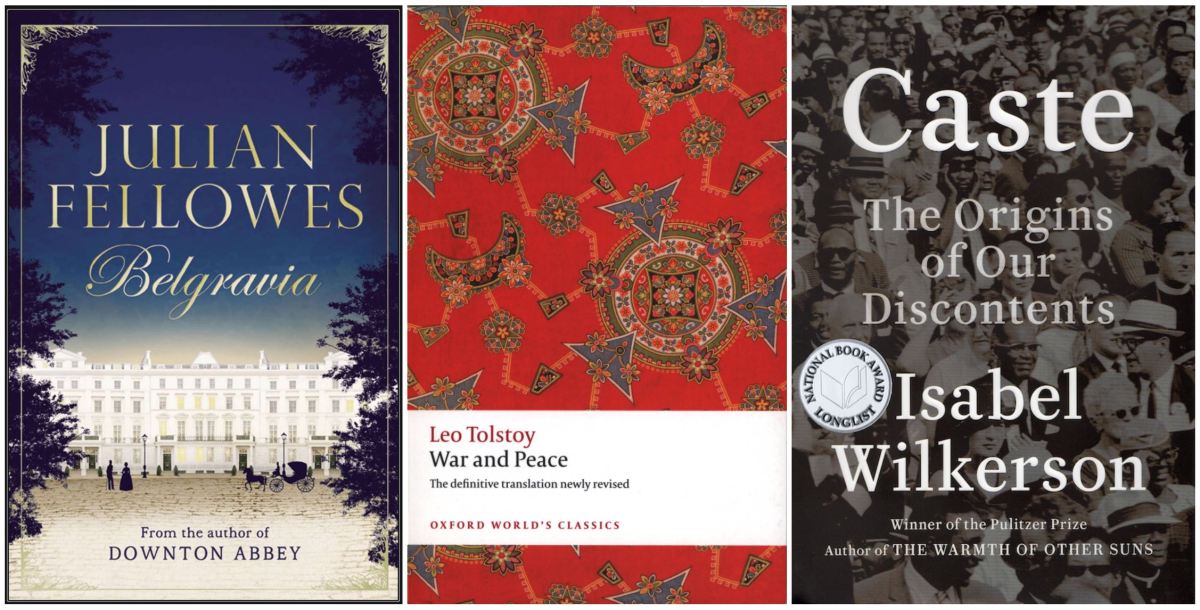
However, switching to reading short stories is also due to a change in my reading habits. I just hate committing to a long book, even one that’s only a couple hundred pages. It’s amazing I finished War and Peace this year because my mind now craves short fiction. And it’s not because of the pandemic. I started this shift in 2018. Maybe it’s age related and I’m just losing my patience with fiction. That’s also true with movies and television shows. I now prefer spending my TV time on YouTube videos or documentaries.

I’m not sure how to explain this mental shift away from the longer fiction of novels, movies, and TV series. Only a few years ago I was binge watching TV shows and mass consuming novels and movies. I can’t decide if I’m just tired of fiction, or just tired of padded stories. Or maybe I’m just jaded with certain kinds of plots. Even my new passion for old science fiction short stories is wearing out. Of course, after sixty years, it might just be I’m having trouble finding something new and novel to entertain my old mind.

For example, I’ve been trying to get into Bridgerton, the new Netflix series. I love Jane Austen, I love historical stories from the 19th century, and I love movies and TV shows with beautiful period costumes and sets. However, a tale about young Regency ladies hunting rich aristocratic husbands has grown stale, even with the added bonus of graphic sex. Bridgerton is no Belgravia, and a far cry from War and Peace. At best, it’s Jane Austen let’s pretend. And let’s face it, without their costumes, those naked bodies seem way too 21st century.

I’m even starting to get testy with the old science fiction short stories too. That worries me. I’m scared I’m developing a tolerance to my last favorite kind of fiction. Oddly, enough, it was my first type of favorite fiction. Is that a sign of regression?

I worry because I’m constantly searching for more potent SF stories to read. I crave great stories, but I mostly find lame tales that were crude and silly even back when they were first published. The more I read, the fewer jewels I discover. And for some reason, the more stories I read the more I feel the total number of jewels I thought I discovered dwindles. It’s become a process of reading distillation. I used to think there were hundreds of great SF short stories, now I wonder if I can find 100. As I get closer to the end of my life, will it be just 50, or 25? Or will the wonder of them finally disappear?

I wish I had kept a reading diary of the short stories I read this year to chronicle their highs and lows. I started one for The Best American Short Stories 2020 but I didn’t finish it. The reviews I did write go a long way to explaining my changing reading interests and abilities. I only read and reviewed 8 of the 20 stories, but I still hope to finish all of them before the 2021 edition comes out next October.

I also wrote “I’m Having a Problem With Science Fiction – And It’s Due to Getting Older” for my Classics of Science Fiction blog that explains some of my reading problems with science fiction. That site is where I review the science fiction I read. I’ve morphed into reviewing individual short stories there instead of novels and whole anthologies. And I wrote “What I Love Best About SF Short Stories” that explains my current infatuation with SF short stories if anyone is interested.

I actually getting more excited about the nonfiction I’m reading or watching. For example I read Uncanny Valley by Anna Weiner about startups in Silicon Valley in the 2010s. That bit of reality was actually more thrilling than most old fantasies about space travel. I also read Bart D. Ehrman older book, Jesus: Apocalyptic Prophet of the New Millennium. Again, that history trumped most of the science fiction in far out ideas. I’m currently reading Evil Geniuses by Kurt Anderson and it’s inspiring me to do tons of research. However, I mostly fall back to reading old science fiction short stories.

I hate to say this, but I think aging is playing a role. It takes a lot of mental effort to read a big novel or nonfiction book. It takes even more effort to read the supplemental material to research those books and write about them. So, I’ve fallen into the trap of seeking the path of least resistance. I just grab another SF short story or watch a YouTube video.

That’s starting to bother me. I wonder where my reading in 2021 will take me. I’m going to stop making predictions and plans because they never come true or get accomplished.

JWH

Hoarding Creative Works

by James Wallace Harris, Saturday, September 26, 2020

A hoarder of creative work is called a collector, and a collection of creative works is called a library. That’s if we’re using polite terminology. I have stacks and shelves of books, music, TV shows, and movies that I hoard. I don’t know if I’m a librarian of my collections, or a hoarder of my crap.

It’s a strange kind of possessiveness. My problem is I don’t have enough shelves for all my libraries, so me and my piles of stuff is looking a lot more like your garden variety hoarder of junk.

The other day I decided to reduce the number of DVD/BD discs that Susan and I own down to what would fit into the bookcase we designated as our TV/Movie Library. It was either that or buy another bookcase, and getting another bookcase would mean taking wallspace from something else in our junked up house, and that would only cause anguish over giving something else away.

I figure it’s time to be practical about my hoard of creative works. I’ve got too many books, magazines, LPs, CDs, DVDs, and Blu-ray discs. And that’s not even considering the thousands of digital items I own. I know that. I’ve always known that – but why can’t I remember that? Especially like this Tuesday when I was at the used bookstore buying seven large hardbacks I felt for sure I must read but know I never will. Jesus, I’m crazy, or what?

What psychological programming makes me want to possess (collect) so much? Many of my friends when they got a Kindle gave their books to the Friends of the Library. And when they embraced iTunes or Spotify gave away their albums to their kids. And when Netflix came along donated their VHS tapes and DVDs to Goodwill. I didn’t. I went to the Friends of Library book sales and Goodwill and bought all their crap.

We often blame our present hangups on our upbringing, and I guess there might be a case for that here too. When I grew up you got two chances at seeing a TV show. When it premiered in the main season and then again as a rerun in the summer. Evidently the trauma of believing I’d never again see a favorite episode again burned something deep inside of me. That childhood trauma caused me to mass consume VHS tapes and DVDs when they were invented.

Movies used come to town, and if you missed them you’d have to wait years to catch it on TV. Music was on the radio and you had to wait a couple hours for that catchy tune come around again. It’s probably why they only had 40 songs in rotation. It was agony on Golden Oldie Weekends hoping to hear an ancient rock ‘n’ roll hit from the 1950s. Books were something you got at the library that you took back in seven days, and magazines were something you threw away on cleaning day. Creative works were fleeting back then.

When I started earning money I bought my favorite books and albums. At first it wasn’t many. When the VCR came on the market it became possible to save TV shows or buy movies. Susan and I spent $800 on our first video recorder at a time when that was way more money than we could afford. Then came DVDs, and even better, Blu-ray discs. For years Blockbuster Video filled that need to watch what we wanted when we wanted – unless it was checked out. Then we realized we had to own our favorite flicks in case the pressure to see a movie immediately took ahold of us. (Actually, I can’t ever remember that happening.)

Over the decades it became possible to own all the creative works I loved. However, it’s taken me decades to realize that the desire to consume creative works immediately is an unhealthy trait I should try to control.

And even owning some creative works would have been fine if I had been selective about what I acquired. A carefully curated collection of all-time best loved works of art that I was most identified with would have been manageable. It wouldn’t be hoarding, just defining my identity. But something inside me wants to keep every creative work I ever had a momentary infatuation. (I think that might be related to my obsession with memory too. It bugs the crap out of me that I forget anything, and owning a creative work is like a physical memory.)

I guess I feel a need to own everything I love in case I want to relive that initial encounter – but is that true? Because of the internet, there’s been a new paradigm of instant access to creative works online. When I was cleaning out my DVDs yesterday I realized that many of the movies I owned are always available, either from a streaming service like Netflix, or by renting them for far less than the cost of buying (even if I rented them 2-4 times). And since I mostly watched old movies on TCM because I actually prefer the randomness of it’s offering, many of my most loved old movies do appear one or more times during the year, giving me plenty of times to re-watch a film. For those movies I don’t have instant access through checking Just Watch, with a little patience they would show up again on TCM.

I was able to cull over a hundred discs I could part with without too much anguish. However, I still had hundreds that I felt the need to own. Where does that psychological drive come from? What kind of anxiety do I have if I’m afraid I won’t be able to see a TV show or movie when get the urge?

Years ago I calculated I’d save tons of money if I bought books at full price on Amazon whenever I actually was ready to read them over the cost of collecting books at bargain prices thinking I’d read them someday. I’ve bought thousands of books I’ve never read simply because I believed I’d read them someday. Some of those books have been waiting forty years to get the attention of my eyes.

I’ve written essays like this one before trying to talk myself out of hoarding creative works. I shouldn’t need a psychiatrist to figure out I have a hoarding gene that I need to manage. At least my bedroom doesn’t look like this:

Luckily I have another gene that battles with my hoarding gene, a Marie Kondo gene. I also like to declutter and give away junk. If I still owned every creative work I once bought everyone room of my house would look like the photo above. I’m not exaggerating.

I have a Dr. Jekyll/Mr. Hyde personality but it’s a battle between my KonMari/Hoarders natural tendencies. I never can come to terms that my need to read books has no relationship to my need to buy books. I write these essays time and time again hoping they will reprogram my brain. They are my way of psychoanalyzing myself but I never get to a behavioral breakthrough. I’m a crappy at self-shrinking, or would that be an auto-analyst?

JWH

Spielberg Should Make a Movie About Them

by James Wallace Harris, Sunday, September 20, 2020

Most of our fiction when it’s not about romance or comedy is about heroes. Whether in books, television shows, movies, or video games we usually identify with a hero. Quite often the hero must confront conflict with violence, but generally the violence is over-the-top and the heroes’ abilities are unbelievable. Far too often fiction promotes the cult of the gun. But what about real heroes? Heroes are individuals who will sacrifice themselves for others. Why don’t we see more real life heroes in our fiction?

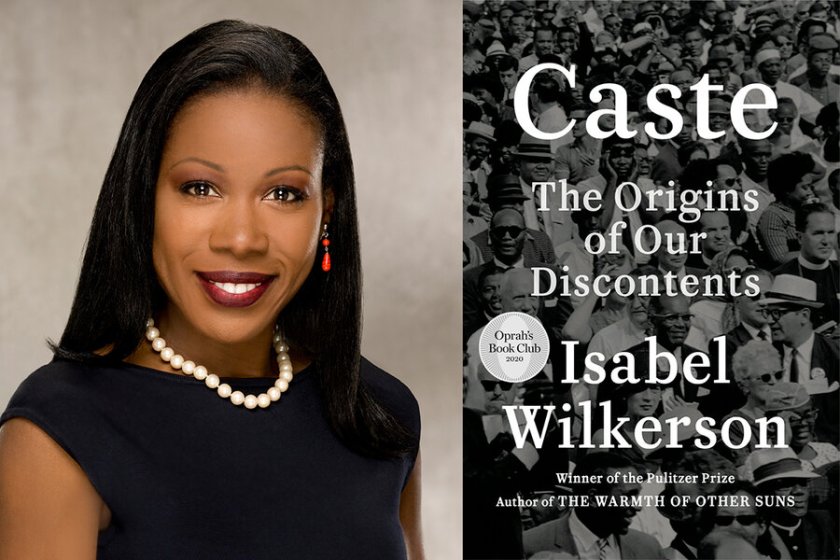
I just finished reading chapter 17 of Caste: The Origins of Our Discontents by Isabel Wilkerson about Allison and Elizabeth Stubbs Davis, two black anthropologists who were training in Germany when the Nazis came into power. This was 1933, and they decided to flee the fascists and go to Natchez, Mississippi to study class, caste, and race. Talk about jumping out of the frying pan into the fire. This was the heart of the Jim Crow south well become the civil rights era and Freedom Riders. According to Wilkerson a black person was being lynched every four days. She also reported that Nazis had studied Jim Crow laws for inspiration on how to fashion their laws to oppress the Jews, and in some instances the Nazis thought the Americans went too far. By the way, I highly recommend Caste.

Allison and Elizabeth were part of a team, with white anthropologists Burleigh and Mary Gardner, but interestingly for the time, Allison was the team leader. Wilkerson’s book up till chapter 17 showed her readers just how dangerous it was for the two couples, especially for Allison and Elizabeth to work in the 1930s deep south. Their scientific undercover work meant taking potentially lethal risks day after day for years.

These scientists were real life heroes putting their lives on the line to make a better world for us. We need to see more movies about this kind of heroism. Are you brave enough to attempt anything like their quest? I certainly am not. In modern fiction the hero usually get to load up on weapons before confronting the enemy. Would you volunteer to spy on a hostile society with only Gandhi’s armament?

Their story would make a great movie. After reading this chapter I really wanted to know more about these four scientists, especially Allison and Elizabeth. However, I can’t find out much about them and their time in Mississippi. Allison went on to become the first black professor to get tenured at a predominantly white university (The University of Chicago, 1947). but with complications. David A. Varel wrote a whole book devoted to Allison Davis, The Lost Black Scholar: Resurrecting Allison Davis in American Social Thought (2018).

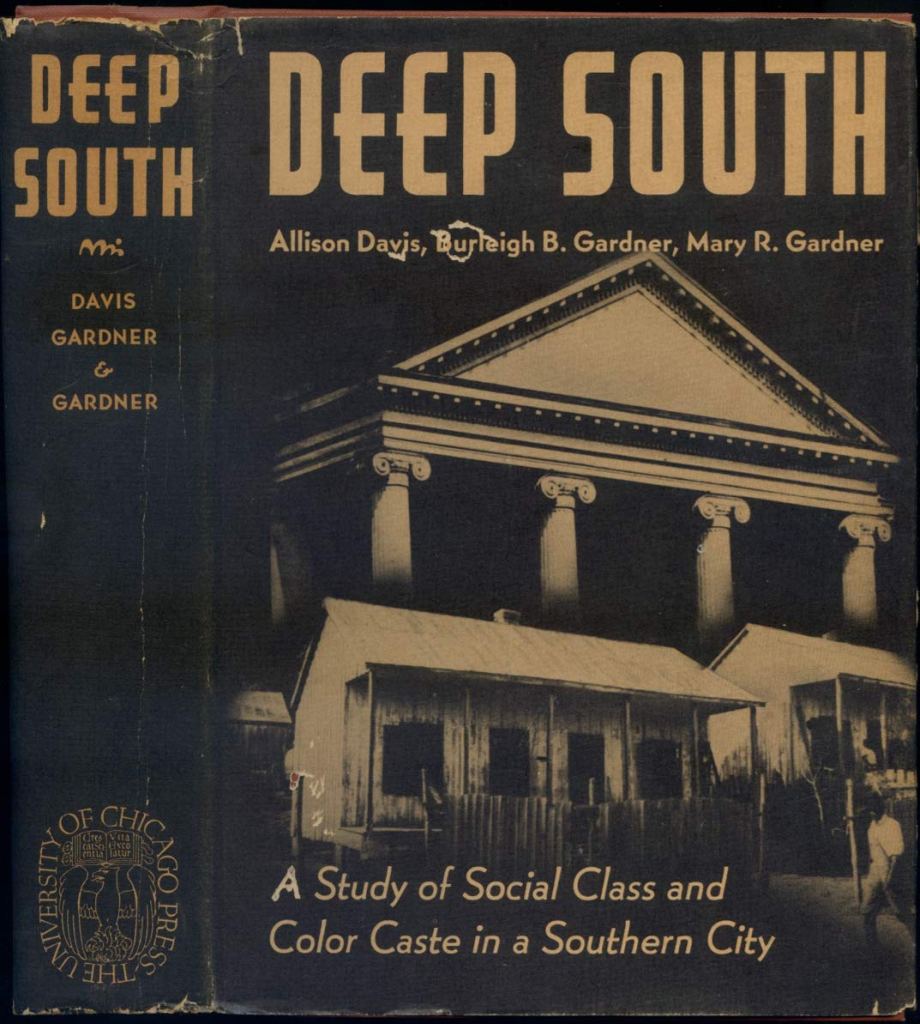
According to Wilkerson the Davis and Gardner couples started their research earlier and stayed longer, but other anthropologists came after them, spent less time embedded in the culture, and published sooner. Davis and the Gardners published Deep South: A Study of Social Class and Color Caste in a Southern City (1941), but it was upstaged by Caste and Class in a Southern Town (1937) by John Dollard and After Freedom: A Cultural Study in the Deep South (1939) by Hortense Powdermaker. Dollard and Powdermaker gained the academic fame, and it’s why Wilkerson said in a New York Times interview that Deep South was the book she admired most that no one reads.

I’d love to read Deep South but finding a copy is turning out to be hard. It’s not in print at Amazon, and used copies run hundreds of dollars. I hope Wilkerson’s book inspires a reprinting, at least a Kindle edition. According to WorldCat it is available in some of my local university libraries, so I will try them. Still, I’d like to see their story on the big screen.

I know Hollywood distorts history badly, but while reading Wilkerson I could vaguely imagine the intense drama of their story, I’d like it visualized for me with all the vivid details movie makers can muster. I’m burned out on modern movies. I’m no longer hooked on their fantasy violence. I crave quiet realism. I understand our world and its history is full of violence, but surely it can’t be as much as our fiction implies. I’m tired of heroes with big guns. I’m tired of cartoon combat. I read the other day that the Wild West was never as violent as westerns, not even close. We need more movies about people who save the world without shooting it up because obviously too many people are thinking that’s what the world needs now the most.

JWH

Escaping into Artificial Realities

by James Wallace Harris, Thursday, September 3, 2020

Is it possible to escape reality? We talk of escapist books, movies, and television shows, but aren’t they part of reality too? I’ve been a lifelong science fiction fan, and isn’t that another kind of escapism? Or is my reality one of music, books, movies, and television? Maybe art is artificial reality. Maybe we create art to fashion the reality we prefer over the reality we have? Or maybe we create art because we don’t want to face real reality?

Since I’ve retired I’ve retreated more and more into artificial realities inside my house rather than dealing with the reality outside my house. That’s even accelerated with the pandemic. Yesterday I started reading The Death of Expertise by Tom Nichols for a nonfiction book club. Nichols reports on how the Dunning-Kruger effect has taken over society, and everyone wants to achieve political equality for their dumbass POV, no matter how uneducated and stupid that point of view turns out.

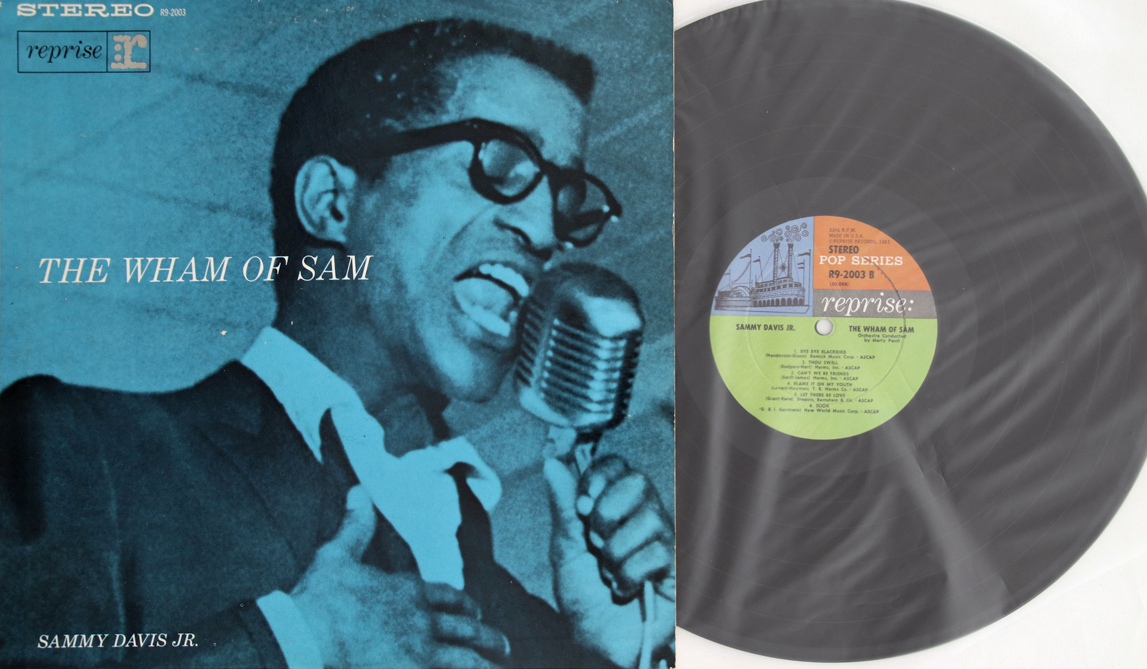
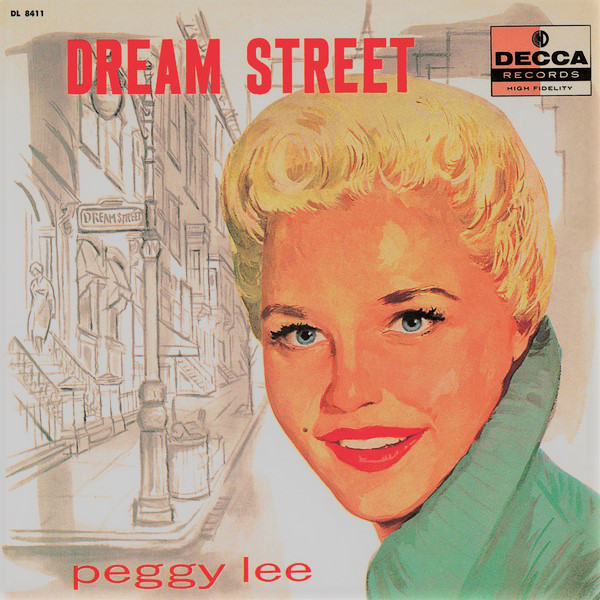
Evidently, not only do we seek to escape reality, but reject it too. I found Nichol’s introduction compelling and frightening. I think he’s right that everyone wants to reject experts, to reject science, and assume a view of reality based on their on their own personal narrative fallacy. I don’t know if I’ll find any hope by finishing this book, but it so depressed me that I retreated into The Wham of Sam a 1961 LP from Sammy Davis Jr. — leaping into a reality of an thrilling big orchestra, hip lyrics, and jazzy singing. Then I jumped further back into time, to 1957 to listen to Dream Street by Peggy Lee.

Her band was smaller, the music more relaxed, the mood more dreamy, and I found this reality an alluring call of Sirens. I spent most of the day researching stereo equipment to perfectly recreate that old sound. I want to arrange a room that’s perfect for music but I don’t want to mess with a lot of gear. In other words I want to escape the reality of wires, complicated equipment, or collecting LPs or CDs. I just want to stream high-definition music to great speakers. Right now I’m looking at a Bluesound Powernode 2i with some Kiptsph RP-5000F speakers.

The problem is I don’t have the perfect room for my new escape pod. My wife has the living room and I have the den (we each have our own favorite forms of escapism). The living room is better shaped for music, and I tried to get Susan to trade with me but she wouldn’t. The den is full of windows on three walls, so reality is glaringly obvious. She also didn’t like what I wanted to do to the living room, by covering the windows with soundproofing. Basically, I wanted my TV and stereo at one end, my bookcases on the side walls, and my La-Z-Boy in the middle of the room. It would be my spaceship for exploring artificial realities. But Susan nixed that idea. I thought about buying an extra house, but that would involve too much hassle with the real reality. I could rearrange my current man cave (library/office/extra room) but that would involve getting rid too much of my cherish crap.

I’ve also started noticing some correlations between my chosen escapist worlds. See if you recognize them.

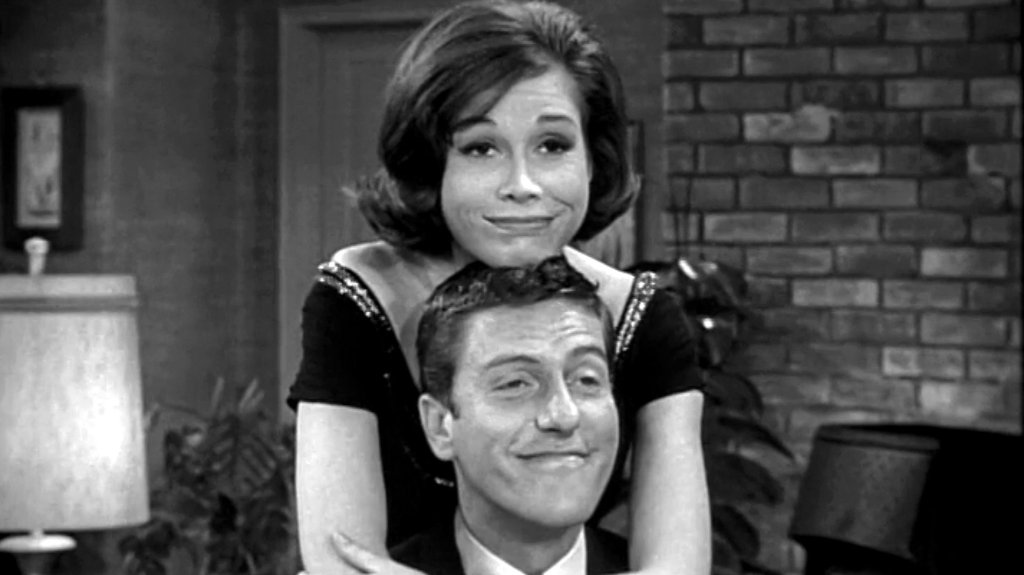
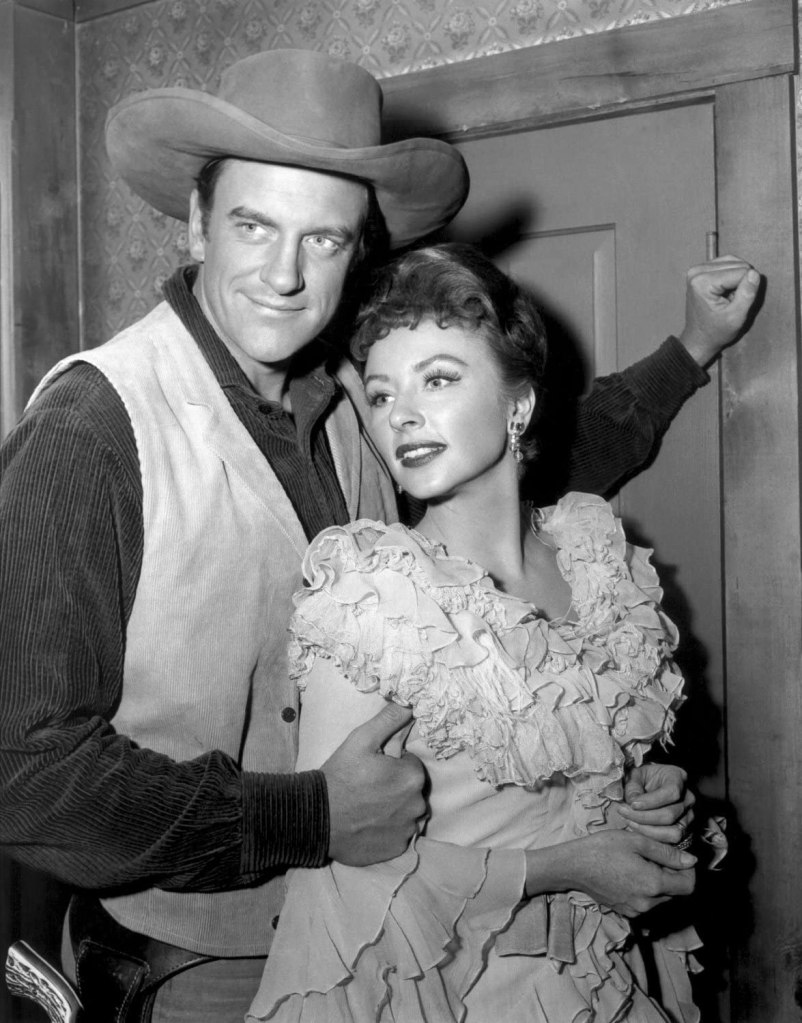
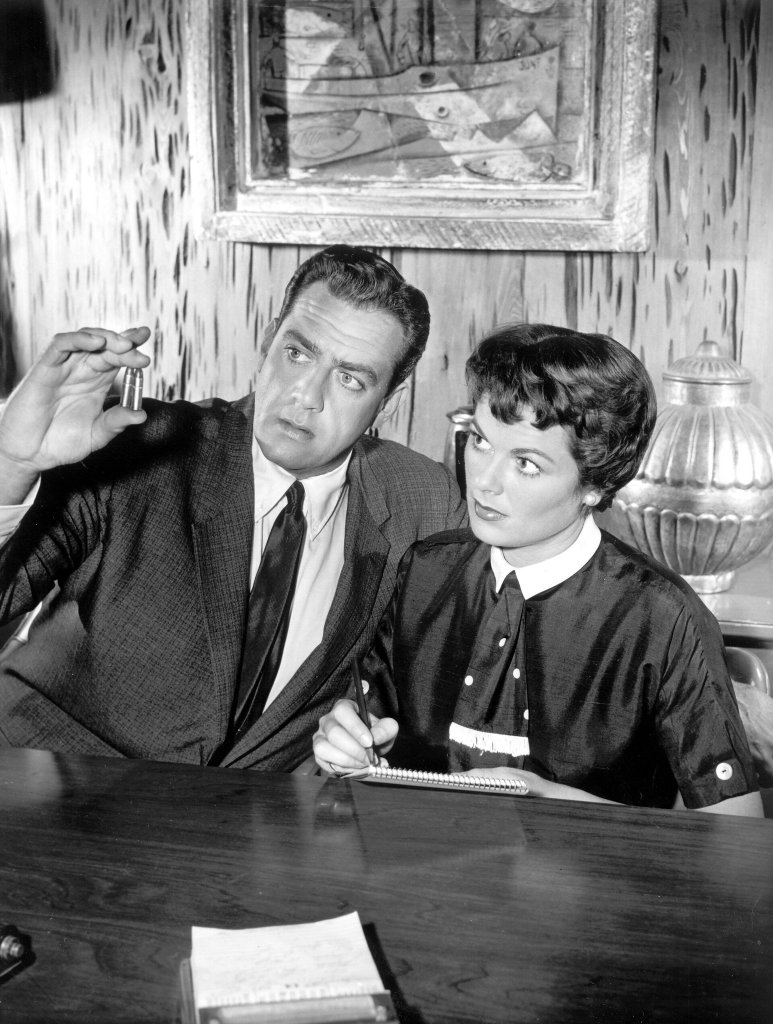
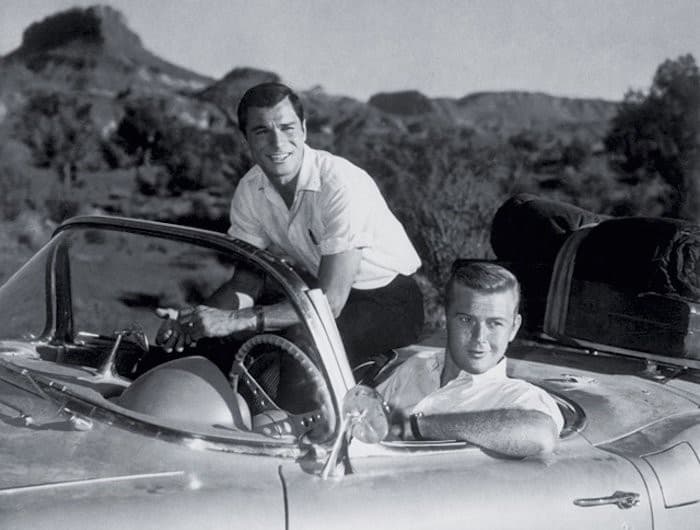
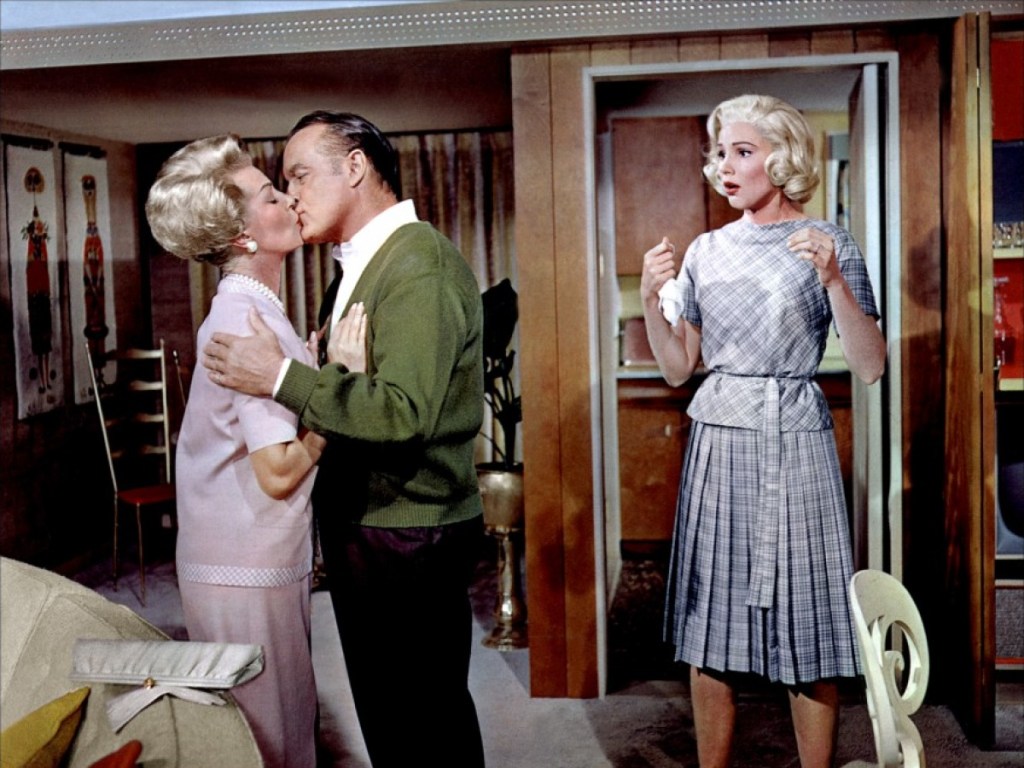
There’s a clue if you compare these photos with the album covers. I have Netflix, Hulu, HBO Max, Amazon Prime, but I spend nearly all my TV viewing watching DVDs of old TV shows. My favorite TV network would be MeTV if it wasn’t for all the damn commercials.

Yes, I’m stuck in the past. Currently, I’ve zeroed in on 1955-1975 for finding my escapist artificial realities. Most of the television shows, movies, music, and reading I like fit in that time span. The obvious thing to think is I’m being nostalgic, but I really didn’t watch those shows or listen to that music growing up. In fact, I hated Frank Sinatra type music, and shows like Perry Mason — those were escapes my parents preferred.

It’s not nostalgia but pleasantness I’m seeking. Modern shows are full of unpleasant aspects of reality. Modern shows have too many guns and killing. Hell, I’m even getting sick of Matt Dillon shooting so many people.

I haven’t completely rejected current reality. I watch the news, and read several articles a day about current events. I’m also reading Caste by Isabel Wilkerson because I’m very worried about inequality. Black lives do matter. If we don’t solve injustice, corruption, inequality, and institutional racism, we won’t solve any of our other problems. We all need to work together. United we survive, divided we won’t.

Donald Trump is trying to make the 2020 election a referendum on law and order. He claims he’ll be the law and order president if elected. But why believe that, he’s been the break the laws and create disorder president since 2016. I believe 2020 will be a referendum on consensus. Do we want to work together as a united people and collectively solve our problems or not?

And that brings us back to the Tom Nichols book. If we can’t agree on the facts, if we can’t achieve a consensus view on objective reality, we’re all doomed to retreating into our subjective realities. I’m getting old, and I don’t think society will crumble before I die. It’s practical for me to hide out in the past listening to old music, watching old TV shows, and reading science fiction about futures that will never happen. I’m safe if I don’t live too long.

But if you’re younger than me, or have children, escaping reality is not an option. You better elect a president that has some experience. You better vote for people who will use experts. Vote for people who will work to solve problems for everyone and not pander to crazy folks Dunning-Kruger fantasies.

I’m all for equality, for equality of rights, of equality of economics, of equality of justice, but Nichols is right, we are not equal in knowledge. You wouldn’t want Joe Blow doing your brain surgery. So why elect politicians that know nothing about politics?

Nichols says Americans have rejected experts, and I think that’s true. We all want to think for ourselves, and that’s admirable, but unfortunately, we don’t all have the education and experience to make the right decisions. If Nichols is right about the trends he sees, my guess is there’s no hope for the future. But then I’m not an expert.

Science fiction is about speculating on extrapolations. Unless there’s a paradigm shift, unless there’s a big fucking positive Black Swan just around the corner, all my speculation sees is apocalyptic collapses in the future. Admiring Mary Tyler Moore in old TV shows and listening to Peggy Lee sing is merely enjoying myself on the Titanic while waiting for the iceberg.

We all know we’re heading toward an iceberg. We all know we could even do something. We all know there are people who know what to do. We just don’t want to listen to them.

JWH