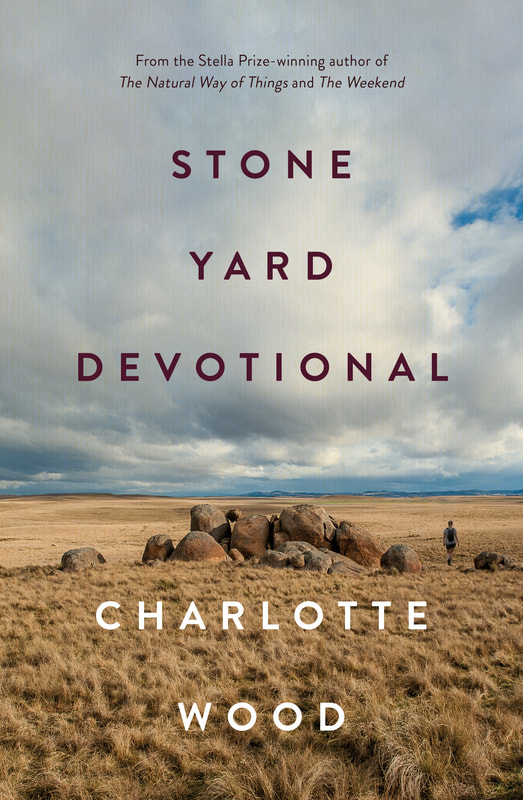
STONE YARD DEVOTIONAL by Charlotte Wood

by James Wallace Harris, 4/12/25

Stone Yard Devotional is about how reality puts the peddle to the metal when life gets all too real. Stone Yard Devotional reads like a memoir, a diary, but it’s classified as a novel. The book was nominated for several awards.

The entire time I was listening to this book I wondered if Charlotte Wood was the unnamed narrator, however after reading “‘The shock was so deep’: Novelist Charlotte Wood on the experience that changed everything” in the Syndney Herald, I realized the novel was only inspired by her own life. Wood and her two sisters were being treated for breast cancer, while she was contemplating mortality and drafting this book.

I have no memory of how I discovered Stone Yard Devotional by Charlotte Wood. The cover and title intrigued me for sure. Maybe it was because it was shortlisted for the 2024 Booker Prize. The audiobook was part of my Spotify subscription, so I gave it a try, and I’m glad I did. It’s not the kind of book I normally read, but it’s wonderful to read if you’re getting old.

The story begins with the Covid pandemic. The narrator separates from her husband, ghosts her friends, and hides out in a guest house of a religious order, even though she is nonreligious. She wants to be alone. But after her initial stay, she returns to the order to live with the nuns. I was never sure if she joined the order or not. I have often thought the monastic life has certain appeals.

The story is about the narrator’s observations while living a contemplative life. These include the death of her mother, the remembrance of childhood, studying the nuns, working in the garden and kitchen, and the guilt of living with a woman she and her classmates horribly bullied as a child. The narrative is simple, like meditation.

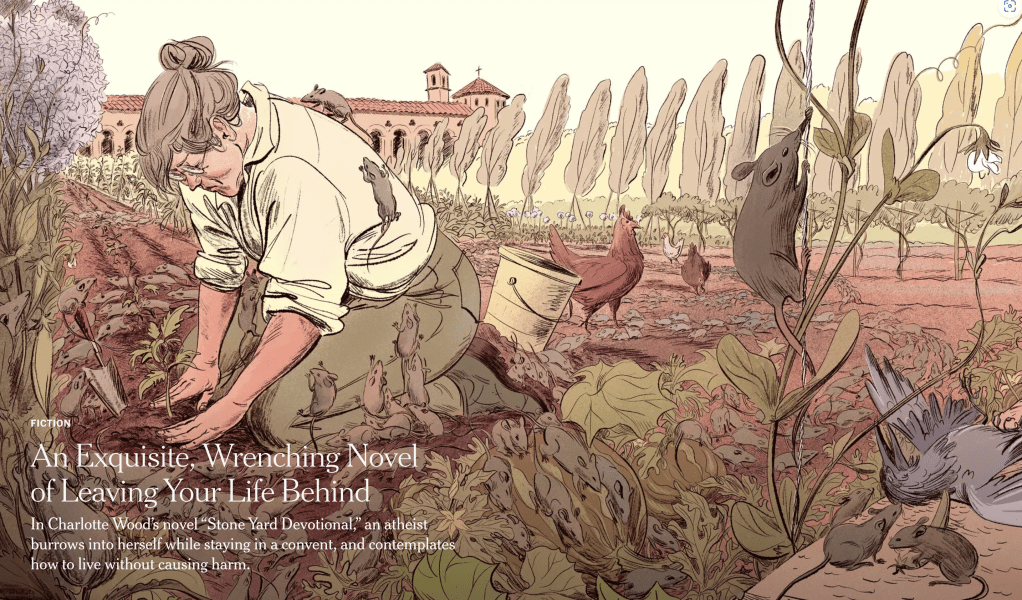
The setting is Australia, which is exotic to me. As a kid I wanted to live in Australia. Over the course of the novel, there is a plague of mice that invade the convent. The mice are so numerous that they cover the roads in gray fur. At first, I thought Wood added this element to give her tale some excitement, but I researched and found that her part of Australia they did have a mice plague of Biblical proportions in 2021.

That made life in the convent extremely inconvenient. The mice ate electrical insulation, throwing daily living in the convent back to the 19th century. The illustration for the book’s review at The New York Times might have been another reason I read this book.

Much of what the unnamed narrator contemplates throughout the novel is what everyone thinks about as they get older. The fear of declining health and death, the regrets, the desires for wanting to have done things different, the desires to connect with others while also wanting to pull away, the changes we see in ourselves and others, the appeal of nature and living simple. Wood’s story explores all of that and more, triggering the reader to think about their lives.

Charlotte Wood was born in 1965, so she’s fourteen years younger than me. However, her battle with cancer has likely aged her perception on life. At 73, I’ve been thinking about the things in this novel for years. But I don’t know if everyone who collects social security meditates on these issues. Stone Yard Devotional is a great title for this novel. Even though the narrator said she was an atheist at the beginning of this story, getting old and dealing with people who die, pushes you to be spiritual even without a belief in God.

JWH

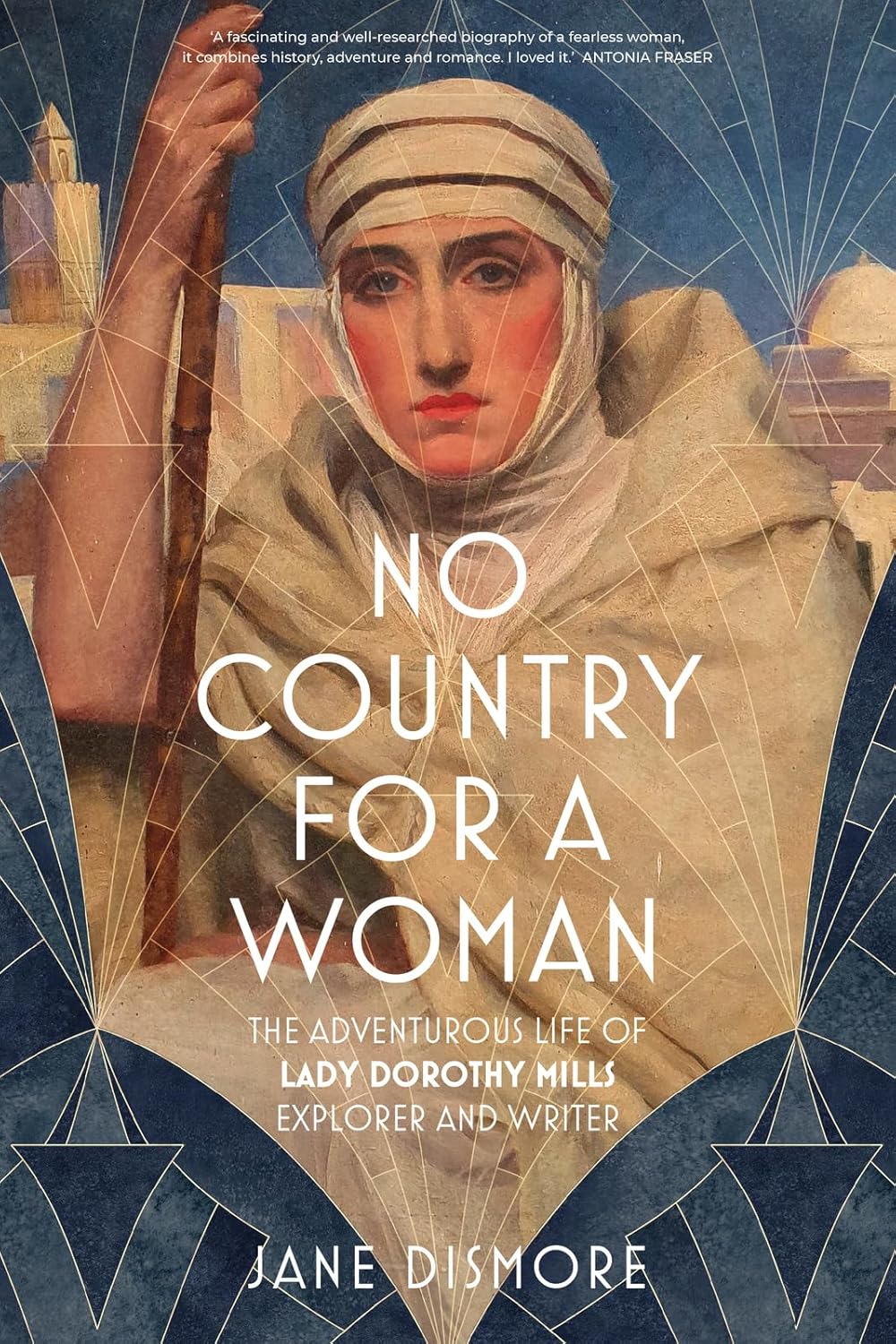
NO COUNTRY FOR A WOMAN by Jane Dismore

by James Wallace Harris, 3/30/25

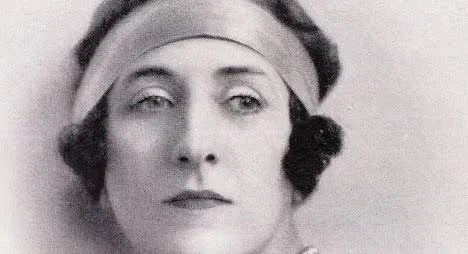
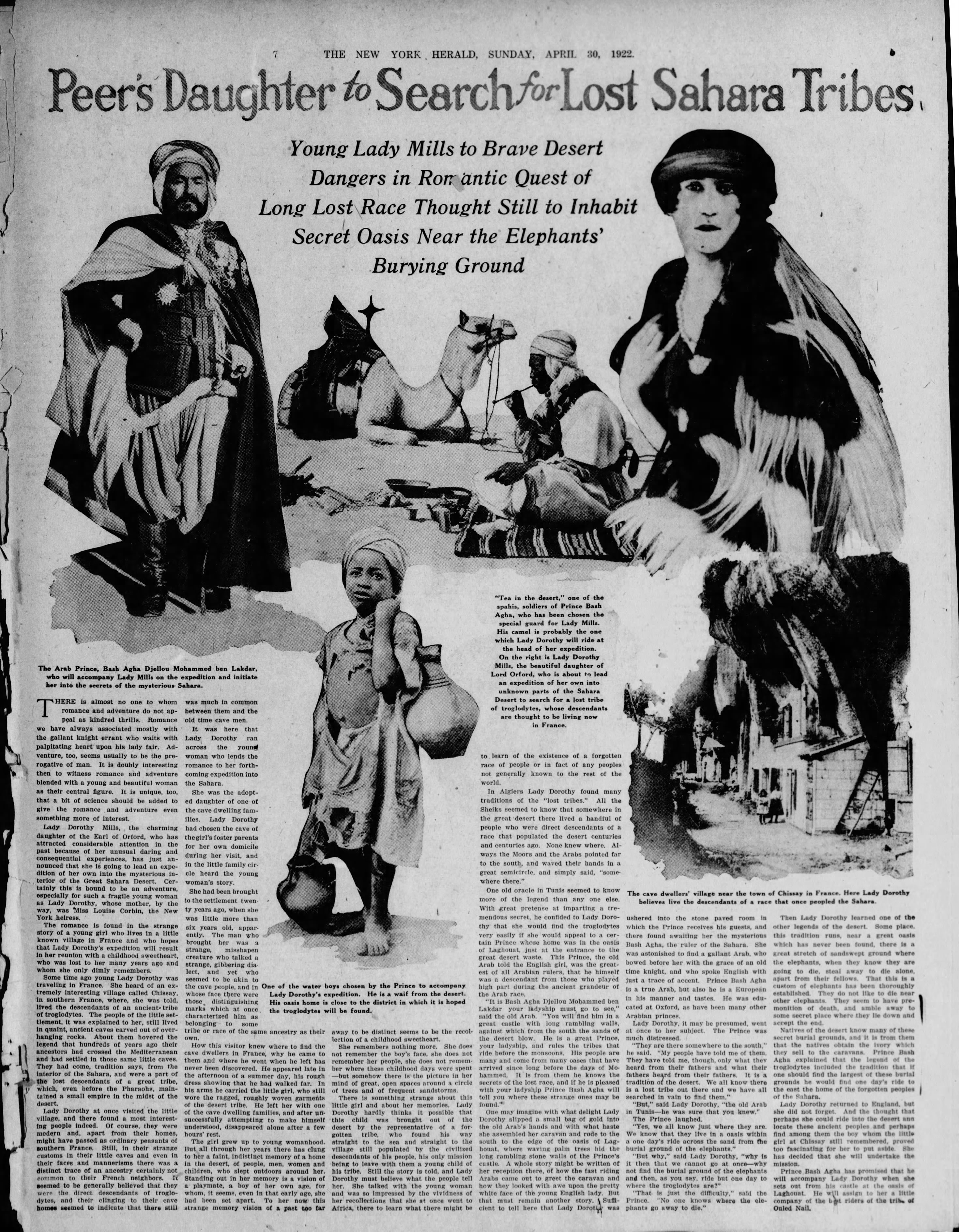
In 1992, I read a one-paragraph description of a science fiction novel published in 1926 by a woman named Lady Dorothy Mills. The book was called Phoenix. The blurb said the book was about an elderly woman undergoing a rejuvenation treatment that made her look twenty again. Because very few SF books were being published in hardback in the 1920s, especially by women, I decided I wanted to find a copy to read. However, it took ten years of dedicated searching before a copy came up for sale. Along the way, I became intrigued by finding out more about Lady Dorothy Mills. It hasn’t been easy.

Many writers dream of achieving immortality through publishing a book. Sadly, that seldom happens. Most books are first and only editions. Writers are remembered only as long as readers read their books. Dead writers tend to fade into forgotten writers as their books disappear from bookstores. Lady Dorothy Mills is almost forgotten today.

No Country for a Woman, a biography of Lady Dorothy Mills by Jane Dismore, might change that. (Amazon USA: Kindle, Hardback). I knew Dismore was on the trail of Lady Dorothy Mills when she published a two-page newspaper article about Lady Dorothy in 2014, where I learned more about Mills than I had in twenty-two years of research. I contacted Dismore. She replied that she was working on a full biography. I’ve been waiting years to read No Country for a Woman. I hoped it would do two things. First, it would answer the many questions I still had about Lady Dorothy Mills, and it has, and much more. Second, I wanted it to resurrect Lady Dorothy Mills. By that, I mean to get new readers for Mills. That remains to be seen.

Unfortunately, Lady Dorothy Mills’ books are out of print, and used copies are rare, so even if No Country for a Woman becomes a best seller for Jane Dismore, Mills won’t get new readers unless her books are reprinted. Dismore’s excellent biography chronicles Lady Dorothy Mills’ rise to fame in the 1920s and 1930s, but will it inspire publishers to reprint Mills’ books today? Evidently, Dismore is more realistic than I am. Her biography makes Lady Dorothy Mills into an exciting woman to read about, but nowhere in the biography does Dismore promote reprinting Mills or recommend reading her books.

Lady Mills was a fascinating woman. To be honest, I don’t know how well her books would be received today. I used to ask my friends: Which would you rather be, a famous novelist or an exciting person that inspired a famous novel or biography? Lady Mills achieved a level of fame in the 1920s and 1930s as a novelist and travel writer. However, No Country for a Woman, focuses on the woman, and not her books. The immortality that Lady Dorothy Mills ultimately finds might not be based on what she wrote, but how she lived. Jane Dismore pictures a woman worthy of a bio movie.

Lady Dorothy Mills’ real life upbringing rivals the fictional Lady Mary Crawley in Downton Abbey. Unlike Lady Mary’s sister, Lady Sybil, Lady Dorothy was cut off from her family when she married a commoner. To make ends meet, Lady Dorothy and her husband, Arthur Mills, wrote novels and travel books to make a living. They each spent three months a year traveling alone in exotic locations hunting material for their next book. Lady Mills first gained fame in the English-speaking world with her 1924 travel book The Road to Timbuktu. The press claimed she was the first white woman to visit Timbuktu alone; after that, it became a tourist destination for adventurous rich travelers.

Over the next ten years, Lady Mills visited several hard-to-reach and dangerous destinations in North and East Africa, the Middle East, and South America, publishing five travel books and one memoir. Newspapers in America, Canada, England, and Australia often ran sensational articles by and about Lady Mills. Mills even got minor respect as a legitimate explorer and was one of the early women accepted into the Royal Geographical Society.

Lady Dorothy also wrote nine novels, but they mostly appealed to shop girls who wanted to read about romances set in exotic locales. A couple of them were science fiction and fantasy. However, her heroines were progressive, promoting feminism and advocating diversity. Lady Dorothy Mills’ early novels dealt with upper-class England during the fading aristocracy. And Lady Mills hung out with many famous English people, including many in the Bright Young Things crowd. Unfortunately, even though her novels often got good reviews for being fun reads, they were never considered part of the English literary movement between the wars.

I hope Jane Dismore’s biography of Lady Dorothy Mills will resurrect Lady Dorothy so she won’t be forgotten. Unfortunately, the website I maintain, ladydorothymills.com, gets damn few hits. It averages about forty hits a week, with zero hits on many days. The only way Lady Dorothy Mills will ever be as famous as she was in the 1920s is if someone makes a movie out of No Country for a Woman. I doubt that will happen but there’s abundant content in the biography for several possible films.

I’ve considered taking down the website I maintain for Lady Mills. The key information has been put on Wikipedia, and No Country for a Woman is now the best source of information for Lady Dorothy Mills. I’ve also thought of putting Lady Dorothy Mills’ public domain books online. I just don’t know if there would be enough interest to merit all the hard.

I do have one regret about the Dismore biography. During the 1930s, Lady Dorothy Mills disappeared from the spotlight of the popular press. She quit writing. Evidently, after inheriting a small amount of money from her mother’s estate after her father died, Lady Mills no longer needed to write for a living. Lady Dorothy eventually became a recluse, living in a seaside hotel. I wanted to know what she thought during all those lonely years.

It’s not Dismore’s fault for not knowing what Lady Mills was like during her fading years because I don’t think anyone knew. But if I had a time machine, I would visit her.

Further Reading:

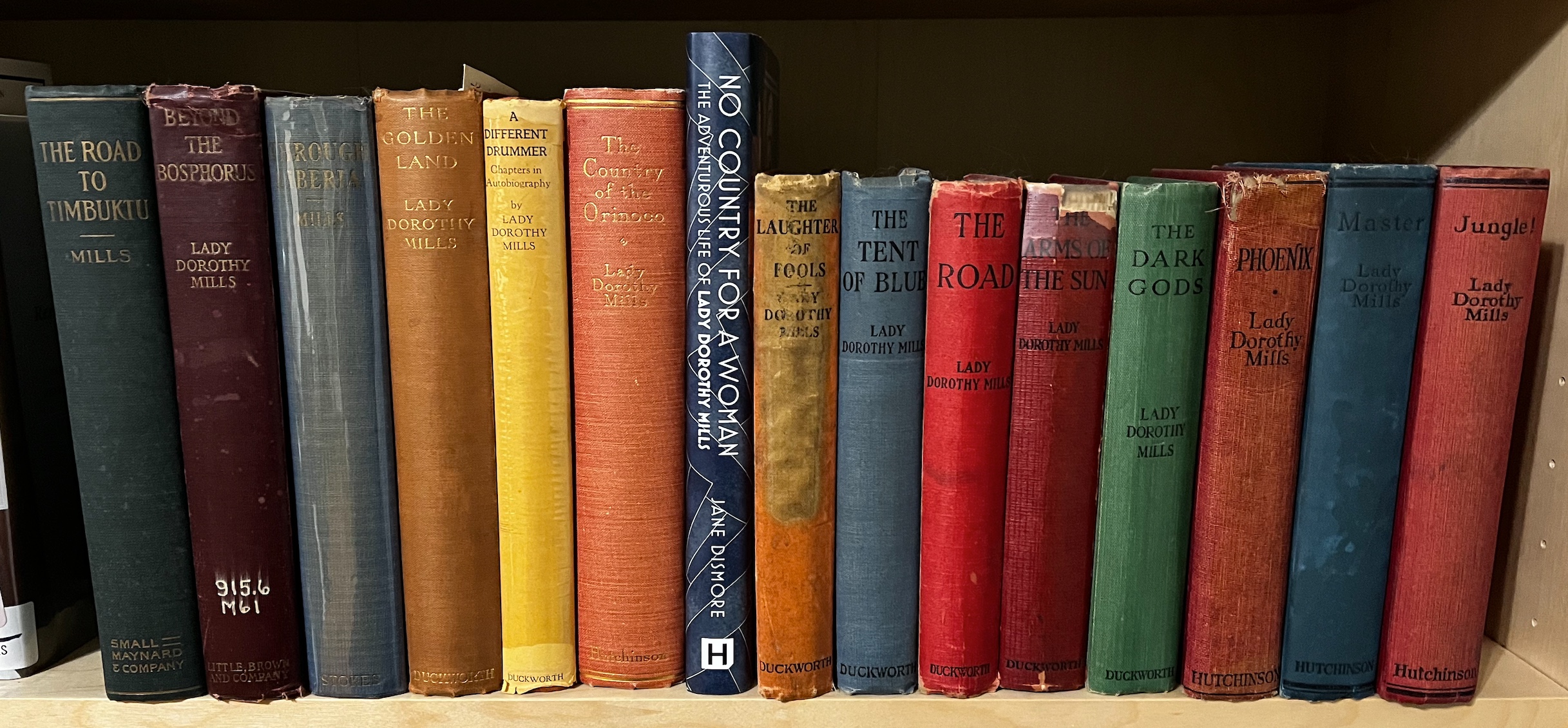
My Collection of Books by and about Lady Dorothy Mills:

JWH

MY BRILLIANT FRIEND by Elena Ferrante

by James Wallace Harris, 10/19/24

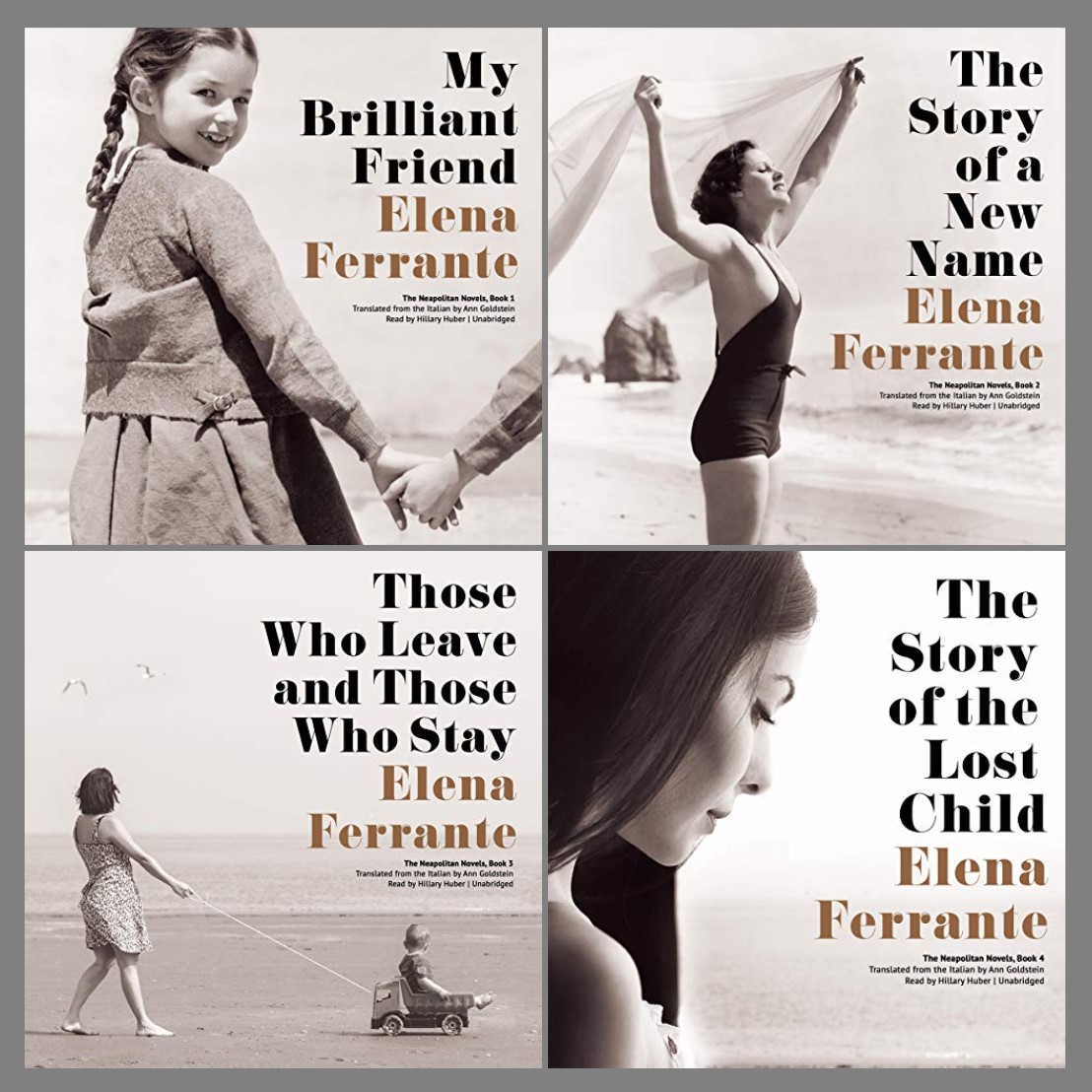
Technically, My Brilliant Friend by Elena Ferrante is the first novel in a four-volume sequence that is collectively referred to as the Neapolitan Novels. Now that I’ve read all four books, I dislike that tagline for the whole story. The four books are really one whole novel, and even though Naples, Italy is very important to the story, it doesn’t properly describe the complete novel. Each volume picks up exactly where the last one stops. If they were published in one volume with no subdivisions, you wouldn’t notice any transitions.

For this review, I’m going to refer to the whole as My Brilliant Friend, and when needed, I’ll point to the individual titles as part of the story. The structure below uses the dates for the English translation. The books were originally published in Italian one year earlier.

  1. My Brilliant Friend (2012)
    • Prologue: Eliminating All the Traces
    • Childhood: The Story of Don Achille
    • Adolescence: The Story of the Shoes
  2. The Story of a New Name (2013)
  3. Those Who Leave and Those Who Stay (2014)
    • Middle Time
  4. The Story of the Lost Child (2015)
    • Maturity
    • Old Age: The Story of Bad Blood
    • Epilogue: Restitution

Circular Plot and Recursion

The complete story begins where it ends. And throughout this long story, it constantly refers to itself. It’s so recursive that it feels like two mirrors aimed at each other. It’s also cyclical because it’s about daughters and their mothers, who eventually become mothers of daughters. In so many ways, this story mirrors its parts.

The novel is about two women, Elena Greco and Raffaella Cerullo, who call each other Lenù and Lila. The story feels like an autobiography, and we have to remember that the author’s name is Elena too. Elena Ferrante hides behind a pseudonym, but this novel feels very autobiographical. Lenù and Lila react and respond to each other so intensely that it’s hard to tell who originates what traits. I even imagined that Elena Greco is writing about two versions of her own identity, the one who writes books, and her ordinary self. And it’s interesting that Ferrante hides behind her pseudonym, claiming she wants to remain anonymous while Lila also wants to remain anonymous throughout the story. So many reflections.

Literary Novels

I’ve always thought the greatest of literary novels feel biographical or autobiographical. They don’t need to be about real people, but they do need to feel like they are, and this novel offers two realistic portraits. Another trait of great literary novel is setting. We often think of London when we think of Dickens, or Russia when we think of Tolstoy, or Ireland when we think of Joyce. Ferrante has made her book about Naples and Italy.

If you’ve only read the first volume, My Brilliant Friend, you should tell yourself that you never finished the novel. The Neapolitan Novels boxed set runs 1,965 pages. On audio the four books run 78 hours and 52 minutes. To give perspective, War and Peace by Leo Tolstoy averages about 60 hours in the various audio editions. Different translations of The Bible run 82-102 hours. The seven volumes of Proust’s Remembrance of Things Past runs 154 hours and 14 minutes. In other words, the whole My Brilliant Friend is a literary heavyweight.

Most novels that come out in a series are never artistically heavier than a single volume. That’s why when I finished reading the single volume entitled My Brilliant Friend, I couldn’t understand why the writers polled by The New York Times considered it the top book of the 21st century so far. It was good, but not that good. That’s because it’s only one-fourth of a whole. Now that I’ve read all four volumes, I can easily see why it was voted the top novel of this century.

Will it Become a Classic?

Whenever I read a highly respective modern novel I’ve wondered if it will someday be considered a classic. I’ve never felt sure about any modern novel to predict one before. However, for the whole of My Brilliant Friend I felt like it was at least an equal to Anna Karenina by Leo Tolstoy. That novel only runs 36-40 hours in audio, so it’s about half the size of the full version of My Brillian Friend. The Ferrante novel is far more ambitious, at least in being a biography of two women, so maybe it needs twice the space that Tolstoy used to tell us about Anna Karenina. However, Anna is never developed in such detail like Lenù and Lila.

We follow Lenù and Lila from being little girls to old women, and that makes a huge difference in storytelling ambition. This novel is primarily about friendship, even though it says almost as much about kinship. Men do not come across well in this story. This novel is feminist at a visceral level. I’d also say this book is an anti-chemistry book in the sexual sense. Time and time again, hormones overwhelm Lenù and Lila into making bad life-changing decisions. The great loves of their lives are the same evil Mr. Right. Nino Sarratore is no Mr. Darcy. Ferrante makes Nino one of the detestable bad guys of literary history. I can’t believe that Lenù and Lila didn’t immediately recognize that he was a clone of his father, Donato, the slimy seducer they knew from childhood.

The Prose

It’s hard to judge the writing of a translated novel. I do know that Ann Goldstein’s translation of Ferrante’s Italian prose is clear and precise, and the writing comes across as vivid and impactful, but the style is plain and unadorned. It lacks the colorful authorial voice of two recent novels where the prose enchanted me, A Gentleman in Moscow by Amor Towles and Lessons in Chemistry by Bonnie Garmus. Nor does it have any the wonderful authorial commentary like old literary writers Dickens or Tolstoy since Ferrante’s story is told in the first person.

A lot of modern bestsellers have the highly refined writing style taught by MFA programs. Readability and clarity are valued over wordy digressions and colorations. This is one reason why I have a hard time predicting if a novel will become a classic a century from now. The classics we’ve crowned from the 19th century all have distinctive writer’s voices. Ferrante’s voice comes across through the characterizations of Lenù and Lila, and it’s confusing to distinguish Elena the author’s voice from Elena the character.

Final Judgment

I liked this story tremendously. It may have ruined me for reading lesser novels, especially for reading science fiction, which seldom achieves any kind of deep character development. The whole story of My Brilliant Friend reminds me of two other multi-novel sequences about characters as they age.

The first is A Dance to the Music of Time, a twelve-volume series by Anthony Powell which he wrote from 1951 to 1975 using his own life and friends for inspiration. I reviewed them here, here, and here.

And the other are books by Elizabeth Strout. Collectively, they follow the growth of two women too, Lucy Barton and Olive Kitteridge. I’ve reviewed them here.

This first reading of the entire My Brilliant Friend story will not be enough to truly appreciate this novel. Even though it’s told in a straightforward manner, it is quite complex in what it has to say. I listened to the books this time. Next time I’ll read them with my eyes. Luckily, I have a one-volume Kindle edition that includes all four books.

Ferrante made me think about my life as a whole. She also makes me think about aging. And she has quite a lot to say about the relationship between men and women. Her novel might be the perfect illustration as to why we don’t have free will. Whether or not it becomes a classic in future centuries, it is worth reading and contemplating now. It gives us lot to meditate on.

JWH