Remembering the Sixties in Two Bad Movies

by James Wallace Harris, 10/4/23

I’m always shocked by how much American society has changed since the 1960s when watching movies and television shows from that decade. I graduated high school in 1969.

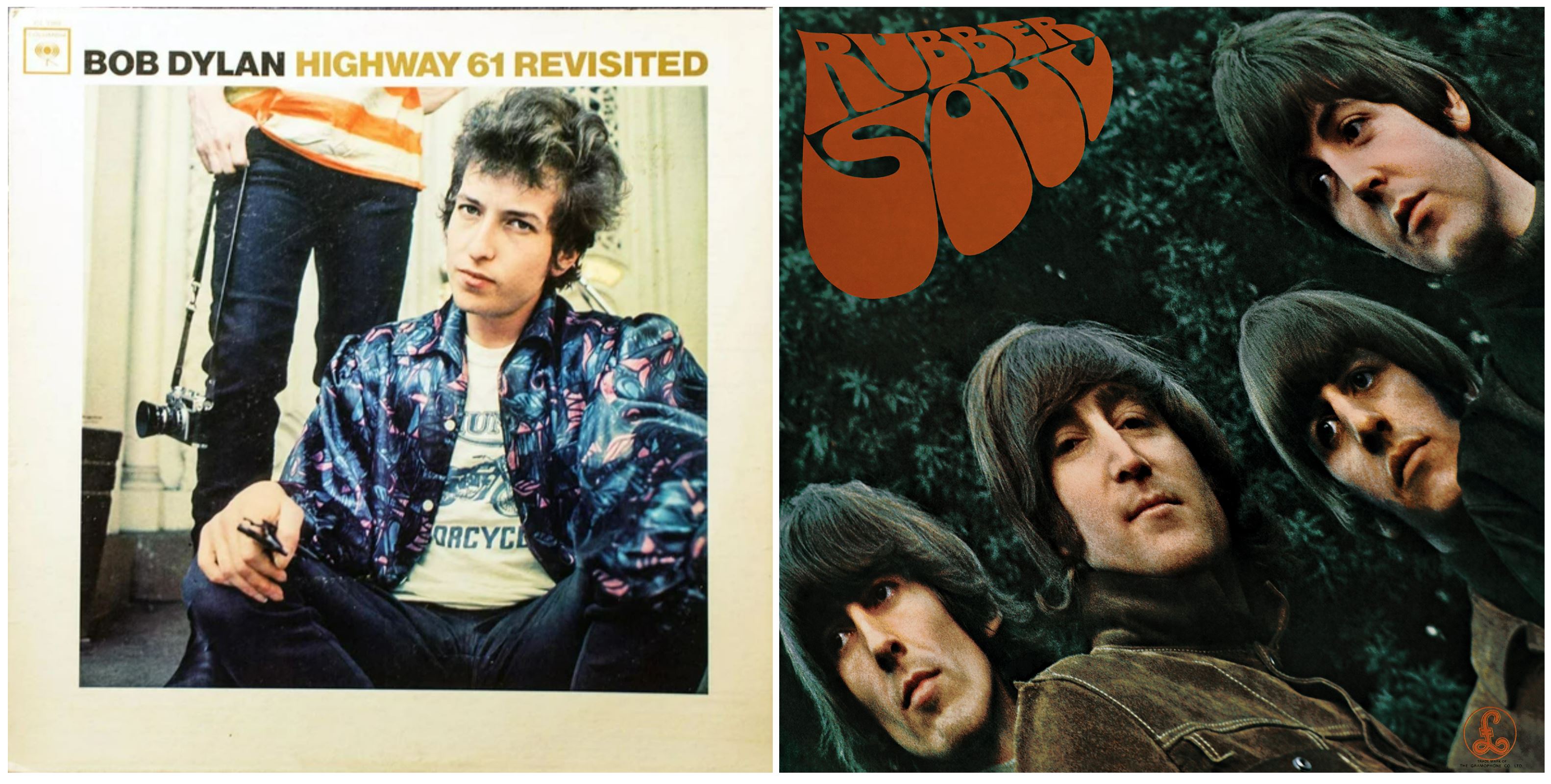
I’m curious how people born after the 1960s picture it in their mind’s eye. I grew up in the 1960s and remember two versions of that decade. I mostly recall the pop culture 1960s that everyone learns about in history and from the media, but if I think about it, I remember another 1960s, one far more mundane, and quieter. The difference you might say between The Beach Boys in 1963, and The Beatles in 1969.

Over the last two nights, Susan and I watched two movies from the 1960s that reminded me of the less famous version of that decade: Boy, Did I Get a Wrong Number (1966) and Doctor, You’ve Got to Be Kidding (1967). Neither film was particularly good, but I found them both to be fascinating time capsules of that other 1960s.

Someone growing up in the 21st century would probably find both films stupid and even offensive. They would probably wonder where the smartphones, tablets, computers, and social media were, and why no one used certain now universal four-letter words routinely as adjectives, adverbs, and nouns. I’m sure they would think the acting stilted and why people fit into roles, especially gender roles. Those thinking a little deeper would wonder why all the famous 1960s pop culture was missing. But I think the thing that would standout the most, was the attitude both movies presented regarding sex. You’d think people living in the 1960s were Victorians.

Both Boy, Did I Get a Wrong Number and Doctor, You’ve Got to Be Kidding were about sex, but neither showed actual nudity or anyone having sex. Doctor is about Sandra Dee getting pregnant and three boyfriends wanting to marry her. None of the three had had sex with her. And the only reason we know Sandra Dee had sex with her boss, George Hamilton, was because the movie showed fireworks.

Boy is about Bob Hope, a late middle-aged real estate agent getting accidently involved with sexy movie star Elke Sommer, but not really. Elke Sommer plays a French actress famous for making movies where she takes bubble baths. She really wants to do dramatic roles and free herself from tub casting. Ironically, we see her taking several foamed covered baths in this film. 1966 is before they started having nudity in films, but it tries hard to show as much of Elke Sommer as possible. Boy, Did I Get a Wrong Number advocates good old fashion puritanical values while promoting itself with the allusion of sex.

I thought both films were accurate with the clothes, houses, furniture, and cars. The look of the other sixties does come across in these films. Even the lame jokes and goofy dialog gave off the right vibes for the times.

Both films were aimed at the silent majority but tried to appeal to the emerging youth culture. It’s strange how we see counterculture slowly take over Hollywood by watching old movies and television shows from the late 1960s and 1970s. Very few movies in the middle 1960s showed what was happening in the rock world, or counterculture. If they had rock music, it was generic instrumental shit. Hollywood lagged for several years recognizing the social impact of rock.

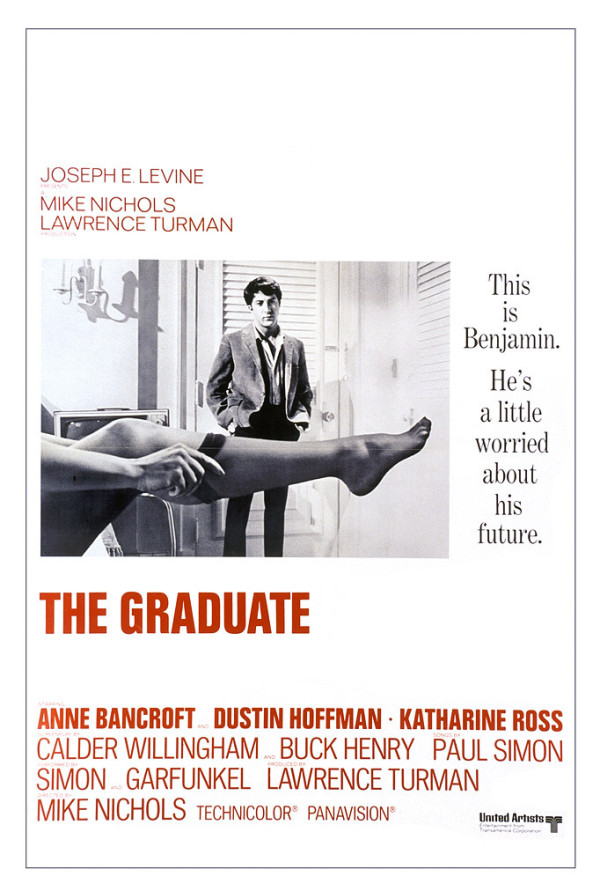
I remember seeing The Graduate in late 1967 and thinking how radical it was. The soundtrack used Simon and Garfunkel. That was tremendously exciting at the time because it felt like my generation was finally being recognized. However, seeing it recently was another shock. It wasn’t that radical at all, not how I remembered feeling it in December 1967. The Graduate was still much closer to that quiet version of the sixties than the infamous loud sixties. I see it now as a transitional film.

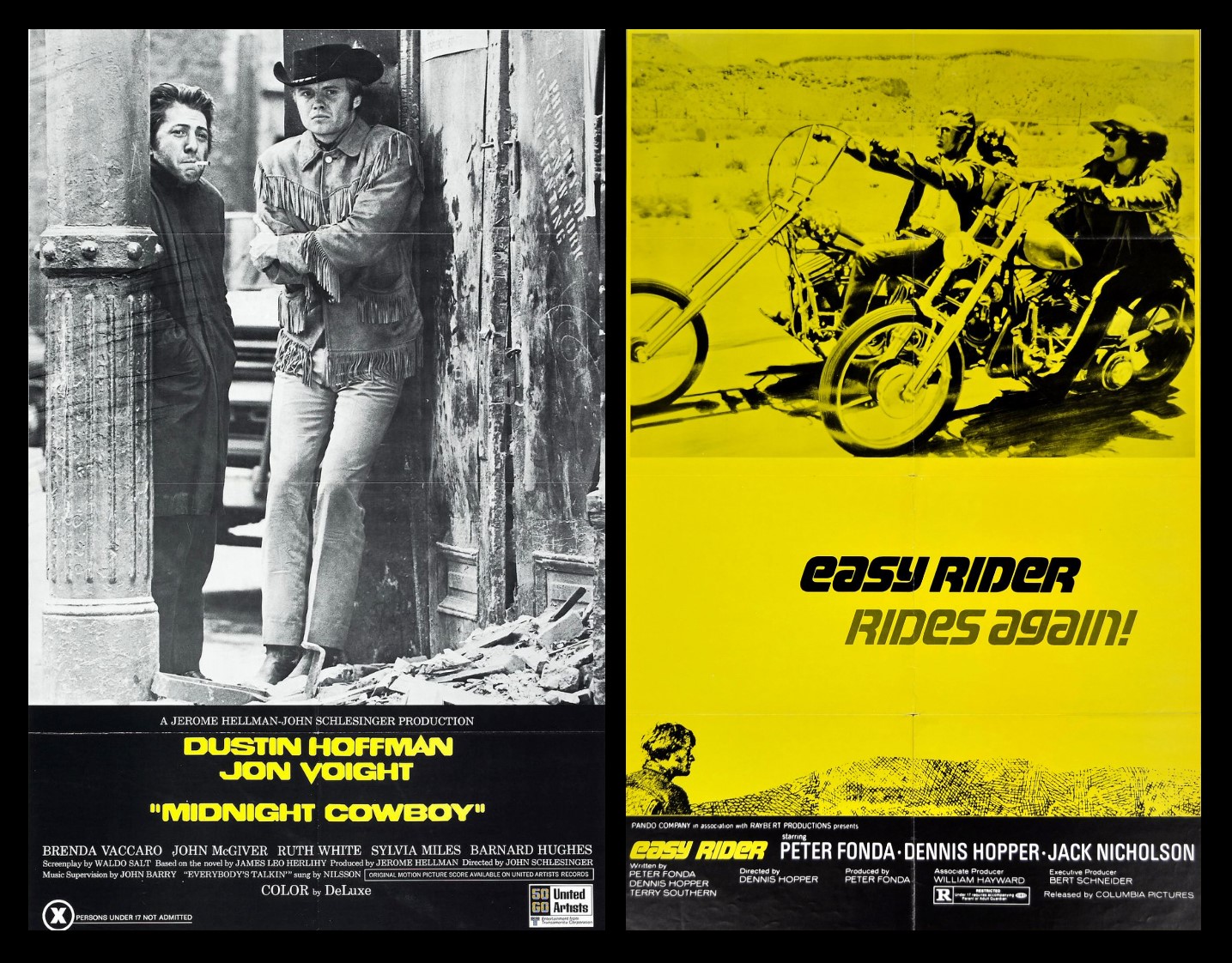
It wasn’t until 1969, with Midnight Cowboy and Easy Rider, that we began to see that notorious version of the 1960s. I remember how shocking both films were when I saw them at the theater. But by then, my personal sixties were closer to those films. But in 1966 and 1967, my life was still like the Bob Hope and Sandra Dee flicks.

Another way to look at it was Hollywood was censored for showing real life for many decades, and finally in the late 1960s changes in the laws allowed it to portray a more real America.

I’m not sure any film captures the times in which they were made. They all create a mythic view. But I need to think about that. Are there any films from the 1960s that come close to how I lived in that decade? Do you have a film, from any decade, that you feel represents something close to how you grew up? I was too young, but I do remember people like the characters in America Graffiti. Actually, I remember people like the Bob Hope and Sandra Dee characters too. Maybe it’s the characters and settings that feel more historical than plots.

JWH

Beatlemania in 2023

by James Wallace Harris

Yesterday, when our friend Leigh Ann came over to play our weekly game of Rummikub with Susan and me, and they started telling each other what they’d done this week, I felt rather mute. I feel I don’t talk as much as I used to, and that getting old has left me with less to say. But aging might not be the cause because some of my friends talk even more than they did when they were younger.

I thought I had a very exciting week but I couldn’t put it into words. I guess that’s why I blog, to find ways to put things into words. All I was able to say was I was going through a phase of Beatlemania. But that didn’t come close to meaning what I wanted to say. For someone observing me, I would look like I wasn’t doing much the last few weeks, sitting around doing nothing but thinking, watching TV, reading, or listening to music. But inside my head, things are hopping, at least to me, but here’s what I was thinking.

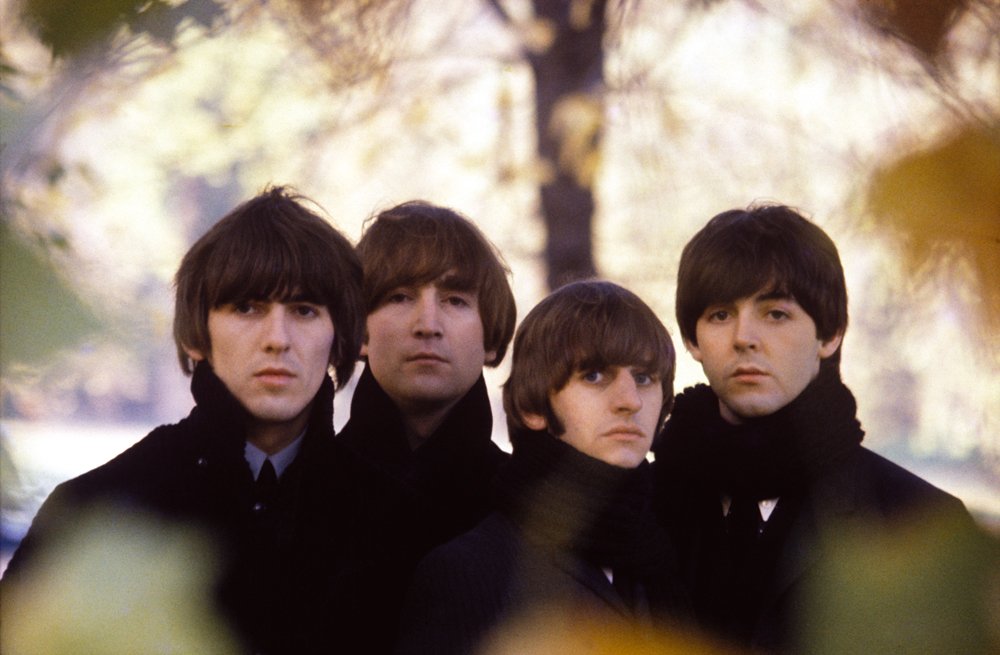
Why do we love the things we love? Why do we devote time to the activities we do and not other activities? Why do we remember some things and forget other things? For the past few weeks, I’ve been exclusively listening to albums by The Beatles every day and finding great enjoyment in their music. I was a fan of The Beatles back in the 1960s but never a fanatic. I can go decades without playing their albums, but three weeks ago I signed up for Apple Music and started streaming Beatles albums again, playing, two or three a day.

After I got hooked on Beatles music again I also started listening to a 44-hour biography of The Beatles, Tune In by Mark Lewisohn. That led me to ask: What are the best books on The Beatles? I found The Beatles and The Historians by Torkelson Weber. Finally, I also got hooked on watching documentaries about The Beatles too — YouTube is full of them. Beatlemania thrives online.

Why am I undergoing a Beatlemania phase in 2023? How can songs from five and six decades ago give me so much pleasure now? I’ve been thinking about that while I listening, and a number of reasons have come to mind.

#1 – Forgetting Our Hateful Times

Buddhists and Hindus teach that we should be here now. Now for me is retirement in an older middle-class suburb. I don’t have much to do other than maintain my declining health, coexist with my wife and two cats, and take care of an aging house and yard that needs more and more upkeep. I suppose I could find a kind of Eastern beatific bliss in just doing that, but my Western mind wants more. If I take in news about the larger world via television and the Internet, my reality is troubled by endless worries about things I have no control over but I can’t help but wish I could change. The most disturbing of these worries is how hate is taking over the world.

When I listen to The Beatles I escape all thoughts of that hate for a couple of hours. That’s quite pleasurable. This is also true when I watch The Marvelous Mrs. Maisel, All Creatures Great and Small, Downton Abbey, and other shows that let me forget the hate in the world. Reading old science fiction also works. These artistic works bring various kinds of beauty into my world.

One friend said that listening to music just triggers endorphins — that I’m just a dopamine junky. That might be where the rubber meets the road but it doesn’t explain where I’m going and why. This reminds me of “Fixing a Hole” by The Beatles, especially the lines:

I’m painting the room in a colorful way
And when my mind is wandering
There I will go

When I contemplate this I realize I’ve used these kinds of escapes my whole life to avoid aspects of reality I didn’t like. Knowing that made me realize that I can map events in my past along a timeline created by pop culture that is well documented by date and time.

#2 – I Love Reconstructing Memories

Looking back over a lifetime of avoiding reality is quite revealing. Wise people from history tell us the unexamined life isn’t worth living. Recreating what happened in my past through reconstructing memories is a form of examination.

The second reason why I’m remembering The Beatles is that I can use their career as an external timescale for measuring events in my own past. They are like tree rings or carbon dating. For example, I know what I was doing on the evenings of the 9th, 16th, and 23rd of February 1964, because that’s when The Beatles first appeared on the Ed Sullivan Show. And those memories release other memories of that month to float up from my unconsciousness to my conscious mind. Because The Beatles were so often in the news I can use memories of those news events to recall what I was doing in my life between 1964 and 1970.

In this case, playing The Beatles albums over and over these past weeks reminded me of 1964. I now see something different that I didn’t realize then. I moved to South Carolina just days after the assassination of JFK. I was starting my third 7th-grade school in the Fall of 1963, moving into my 3rd house, I hadn’t yet made any friends, and my alcoholic parents had begun fighting. We were all mourning the president, and the beginning of 1964 was a very weird time nationally with the funeral and as LBJ took over.

Beatlemania hit in February of 1964 and it seemed like magic. My mood, and maybe even the mood of the country changed. At least it did for many of us kids. Even though South Carolina was the worst time for my parents I started having a good time, and living there became one of my favorite memories. If I think hard and dredge up other memories, I can dredge up other bad memories, but my sister Becky and I made friends, and we had a lot of fun that year. We played outside a lot. I hadn’t gotten addicted to science fiction yet, and I don’t remember watching much TV that year. What I remember is The Beatles and all the other music that came out in 1964. During the 1960s, AM radio, science fiction, and television produced most of my endorphins.

Looking back I remember the Sixties very fondly, but if I go to Wikipedia and read the history of the decade it was horrible. There were just as many hateful people back then as there are now. I realized that The Beatles were constantly in my awareness, releasing new singles and albums, and doing things that got them on TV and in the news. Listening to their music these weeks I realized that I hadn’t paid much attention to the lyrics back then, but I found their music upbeat and uplifting and knew that’s what they did for us back in the Sixties too.

#3 – Growing Up in the 1960s

While listening to all of The Beatles albums from Please Please Me to Abbey Road this week, I observed the Fab Four maturing as creative artists and I recalled parallels in my own growing maturity. The kid who rocked out to “I Want To Hold Your Hand” was also watching My Favorite Martian. I wasn’t very mature, and neither were The Beatles’ songs. Most of their early tunes were about teen love, but then most of the songs on AM Top 40 in 1964 were also about teen love. I turned 13 in late 1964, so that was a preoccupation of my own mind.

The Beatles were never protest singers like early Dylan and a lot of American rock and roll bands. Although, John Lennon did go heavily in that direction after leaving The Beatles. Their song “Revolution” was a kind of protest song put down. This week I was surprised by how quickly their songs changed to topics other than love, and when they were about love, they left teenage life behind and were about work and relationships of people in their twenties.

Young people often enjoy works of fiction where the protagonists are slightly older than themselves. The Beatles and Bob Dylan were about a decade older than I was. They were not Baby Boomers. They were digesting experiences ahead of me and their music was a kind of guide to aging for my teenage self.

As I play the music from 1962 to 1969 now, I can recall how I grew and the music grew. The Beatles were only #1 with me in 1964 and part of 1965, because in July 1965 Bob Dylan’s “Like a Rolling Stone” hit the charts, and he took over the #1 spot. Eventually, The Byrds pushed The Beatles down to #3, and then Simon and Garfunkel pushed them to #4, and then Jefferson Airplane and a zillion other bands vied to be my favorites. Each artist had their own philosophical insight into the decade.

The third reason why I’m remembering The Beatles is to recall the growth of my maturity as a person. It’s understandable that my 12-year-old self would respond to “I Want To Hold Your Hand” in early 1964 but my 13-year-old self would much prefer “I’m A Loser” in 1965 or my 16-year-old self would resonate with “While My Guitar Gently Weeps” in 1968. But this is harder to understand and requires remembering the other music I loved during those years. The Beatles evolved as creative artists from year to year, and so did all other creators of popular music, as did all of their fans.

What’s interesting now is when I watch TV shows I loved back in 1964-65, like Gilligan’s Island or The Beverly Hillbillies, I internally cringe to think I was once so simple-minded to enjoy them. But I don’t cringe at hearing the early simple songs of The Beatles. I should cringe when I hear “I Want To Hold Your Hand,” but I don’t. Why?

#4 – What If Things Had Been Different?

The fourth reason why I’m remembering The Beatles is that I’m trying to reconstruct possible alternative personal histories of the 1960s. Our formative years are always shaped by the times in which we grow up. Nearly everyone is programmed for life by external influences when they are young. How would I have been different if I had imprinted on Bob Dylan in 1964 rather than The Beatles? Or Miles Davis? Or Beethoven? Pop culture does a number on us, in essence, it’s a kind of brainwashing. Think about how the political right is up in arms over the Woke culture of today and how they don’t want it to shape their children. If you remember the generation gap, you’ll remember how there was some generational resistance against the pop culture of the 1960s too.

The fourth reason why I’m remembering The Beatles is harder to explain, but I’ll give you a thought experiment. What if I could reincarnate in my 12-year-old body but with my present mind, how would I relive 1964-1969? Sure, I still love listening to The Beatles today, but isn’t that conditioning and nostalgia? If I was back in 1964 with my 71-year-old mind, I’m not sure a song titled “I Want To Hold Your Hand” would be that appealing. Even if I was in a 12-year-old body, I wouldn’t want to live through being a teenager again. Then why am I doing it now? Reviewing the past now gives me a chance to think about what else might have been interesting about the Sixties. This makes me wonder why I wasn’t more mature back then.

And the truth is I was interested in all kinds of other things but I’ve mostly forgotten them. Remembering The Beatles is a way to try and remember those other things. We can call this the fifth reason. Of course, there were other songs and musicians, but there was so much more. We remember the past through the highlights that have stayed with us or our collective history. But what were the mundane things I was doing just before or just after playing The Beatles?

I can vividly remember a time I was listening to “Hey Jude.” I had just gotten off work at the Kwik Chek in Coconut Grove, Florida, where I was a stocker. I was sixteen and had worked my way up from bagboy to stocker. I had just spent six hours after school shelving the canned foods on the vegetable aisle. I was driving home from work in an old 1958 Mercury at ten o’clock at night. I had the windows down. I was hot and dirty, drinking a 16-ounce bottle of ice-cold Coke and it tasted great. “Hey Jude” came on, and it sounded better than any time I had heard it before or probably since. It was my favorite song on the radio at that time. I was driving along Old Cutler Road, which wasn’t lit with lampposts, and the dark was eerie and surreal driving under old mangrove trees near Matheson Hammock while listening to “Hey Jude” turned all the way up.

#5 – History

I guess the fifth reason why I’m remembering The Beatles is their history is so fascinating that I just want to know more about them. There are certain subjects that fascinate me that make me want to become an amateur historian or biographer. I never stick to these subjects long, but I always come back to them. These topics are like million-piece jigsaw puzzles I work on from time to time.

I love reading books and watching documentaries about my favorite subjects. I love going deeper and deeper into a topic. It’s both psychologically and philosophically rewarding. The depth of detail and research in Tune In is remarkable. But also reading The Beatles and the Historians is teaching me a tremendous amount about understanding memory and analysis of the past. It teaches me a bit about being a historian. If you want to know more about this book I highly recommend watching this YouTube review.

We all delude ourselves. We all have faulty memories. We should never trust our own opinions. Studying how historians evaluate the data they collect is applicable to studying how we perceive the world. And reading an in-depth biography like Tune In helps me mentally construct my own biography in more greater detail.

#6 – It’s Not Nostalgia

I’ve always looked backward. And sometimes I do have a longing to return to the past. But I also know that the past had more bad things that I’ve forgotten than good things that I remember. One thing I’ve noticed while playing these Beatles albums over and over is how little I recall them. I’ve been able to recall enough memories about how I reacted to The Beatles in the 1960s to remember that I didn’t play their albums that much, and I mostly heard their tunes on the radio. I bought the albums, and some of the singles, but I didn’t play them over and over again like I did Bob Dylan or The Byrds.

And I have gone through smaller bouts of Beatlemania over the decades. The first time was when their albums came out on CDs and I bought them again. Then bought them a third time when those CDs were remastered. During those periods I also read about The Beatles and watched documentaries that summed up their career. Each time playing their music from the past meant more to what I was doing in the now. I wasn’t just reliving the past. Their music has a weird kind of lasting power.

#7 – Self Revelation

I don’t believe in an afterlife. Until I’m proven wrong I assume this life is all we get. And it troubles me that we forget so much about our one life. We forget due to inattention. Nor do we pay attention to what makes us who we are. Quite often we chase illusions rather than face up to reality. We exist by reacting impulsively to a never-ending parade of random events. I’ve become obsessed with figuring out who I am by remembering what I did in the past and why. I use the lessons of memory to trigger revelations about myself with the final goal of knowing who I am today.

Strangely enough, I’m finding such revelations in The Beatles. Why am I playing them now after ignoring them for years, or even decades? Lately, I can play Beatles albums for one to two hours and find a kind of bliss.

While I’m strung out on the endorphins The Beatles music pumps into me, my mind is racing with thoughts. Memories and connections burble up out of my unconscious mind. I might look like I’m doing nothing, but it feels like I’m more active than when I’m running around doing something very physical.

JWH
Why Do I Want Old Issues of Rolling Stone Magazine From the 1960s and 1970s?

by James Wallace Harris, 3/26/23

The other day I got the hankering to read old issues of Rolling Stone from the 1960s and 1970s and started trying to track them down. This morning I decided I needed to psychologically evaluate why I was doing this because I realized as I was still lying in bed that I don’t have enough time in life to read everything I want to read. So why waste reading time on these old magazines? That got me thinking about a Reading Bucket List and focusing on reading the most important books rather than just trying to read everything.

I might have ten more years, or it could be twenty or thirty, but the time to get things read is dwindling. For practical purposes, I’m going to assume I have ten years which will put me in the average lifespan range. Since I average reading one book a week, that’s 520 books. My best guestimate suggests I already own six times that many in my TBR pile. Or, put another way, I’ve already bought enough books to keep me reading for another sixty years. I need to stop chasing after more things to read like hundreds of old issues of magazines.

So why want to read a bunch of old magazines? Since I started contemplating the idea of a Reading Bucket List, I realized it’s not the number of books. This was my first useful revelation today. It’s the number of topics I want to study, including fictional explorations on those topics too.

Lately, I’ve been reading about the creation of the atomic bomb, the bombing of Hiroshima and Nagasaki in 1945, atomic bomb tests in the atmosphere, how the general public felt about nuclear war in the 1950s, and 1960s, and how all of that influenced science fiction novels and short stories. If I explored that subject completely I could use up my 520 books easily. Because I want to explore a number of topics before I die, I also need to limit how deep to get into them.

I see now that my Reading Bucket List won’t be a list of books, but a list of topics to study. So I need to change my bucket list name from Reading Bucket List to Topics to Study Bucket List. My fascination with topics usually doesn’t last long, just a few weeks or a couple of months. However, most of the topics I’m interested in are reoccurring. I’ve chased them my whole life and keep coming back to explore them some more.

(It might be valuable to make a list of these topics, but that’s for the future. Another project: see if I can create a timeline of how often these interests resurface.)

Let’s get back to the magazines. I believe writing the above paragraphs have already helped me see something important. I want to reread old issues of Rolling Stone with a specific goal. (One reason I write these blog posts is to think things through and see into myself.)

I want Rolling Stone magazines to find albums and groups I missed when I read Rolling Stone the first time they were coming out. This is part of a larger project of studying I’ve been piddling away at for decades. I started haunting record stores in 1965, but I never could afford to buy many albums each week. As I got older and had more money I’ve always tried to catch up by buying older records when I bought new ones, filling in the past. Now with Spotify, I can listen to almost any album from the past. But I need to know about the group or album to search for it and play it. I thought I’d read old record reviews and look for albums that are forgotten today but got good reviews back then.

My ultimate goal is to get a solid understanding of popular music from 1960 to 1980. Eventually, I want to add 1948-1959 and 1981-1999. And if I have time I’d like to learn about classical music. But I’ll define this topic as: What Were the Best Albums When I Grew Up? I figured Rolling Stone magazine from 11/9/67 to 12/31/80 could help me.

There are plenty of books on the best albums of all time, including from Rolling Stone, and I have many of them. But they tend to focus on the same famous albums and artists. I love when I find a song that’s been forgotten that really excites me. For example, recently I found “Harlem Shuffle” by Bob & Earl from back in 1963. I was listening to AM music at least eight hours a day back in 1963, but I don’t think I remember this song, at least not distinctly remember it. The title is familiar, and some of the lyrics, but then this song has been covered a number of times, including by The Rolling Stones.

Yesterday, I played “Harlem Shuffle” several times very loud on my big stereo with a 12″ subwoofer and it sounded fantastic. Boy did it press some great buttons in my soul. And that’s also part of my Topics to Study Bucket List. I grew up with certain buttons I liked pushed. I want to understand them. Studying music from 1960-1980 is working toward that. Studying science fiction that came out from 1939-1980 is another. But like I said before, making a list of all of them is for another day.

And wanting old issues of Rolling Stone is not a new desire. Back in 1973-74, I bought three huge boxes of old issues of Rolling Stone at a flea market. God, I wish I had them now, but I wouldn’t have wanted to drag them around for fifty years either. And earlier this century I bought Rolling Stone Cover to Cover, which featured every issue from 1967 to May 2007 on DVD. I still have it, but the discs have copy protection and the reader software stopped working after Windows 7. I’m thinking about setting up a machine, or virtual machine, and installing Windows XP on it to see if I can get it going again. But that will be a lot of work.

With some help from some folks on the internet, I’ve gotten the first 24 issues of RS on .pdf. I’m hoping to find more. If you have them and wish to share them, let me know. Or if you know of any other source. I’m also interested in learning about other magazines that reviewed music from 1960-1980. And I’ve already gotten some recommendations of less than famous bands to try. If you have a favorite forgotten album or group leave a comment. And now that I think about it, if you’re working on a similar project, tell me about your methods.

Ultimately, I want a list of all the albums I love most from 1960-1980. I might even buy them if I don’t own them already. I enjoy listening to one or two albums a day. Recent great discoveries were the first albums by Loretta Lynn and Etta James. I was surprised by how well they were produced, and how well everything sounds on my latest stereo system.

This week I discovered Amazon is selling CD sets that feature 3-8 original albums from certain groups for about the price of a single LP. Yesterday, I got in a set of Buffalo Springfield that was remastered under the supervision of Neil Young. 5 CDs for their three albums. (2 CDs are copies in mono.) I also ordered the first 6 studio albums of the Eagles, 7 albums from Fleetwood Mac’s middle period, and five albums of Weather Report. But these are famous albums. The real goal is to find forgotten albums I love as much as the classics of rock music.

JWH

Once Upon a Time the Future was So Bright We Had to Wear Shades

by James Wallace Harris

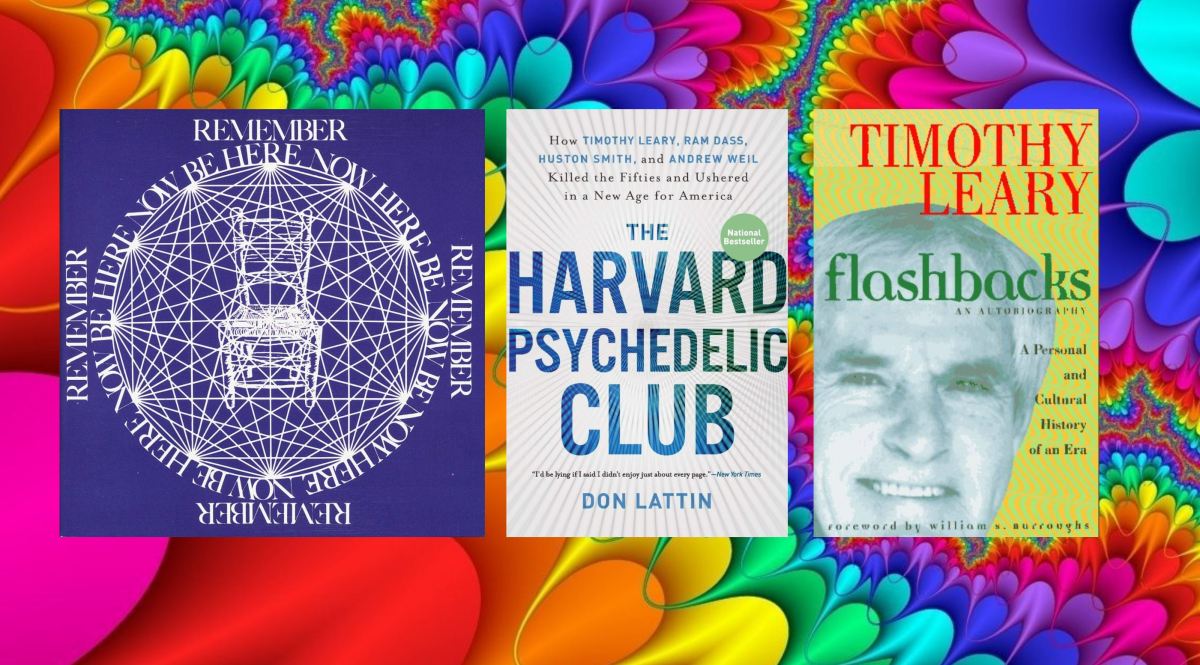
Between Camelot and Reaganomics existed the counterculture. For a very short while we thought we were entering the Age of Aquarius. Of course, it was a childish utopian dream, but a very positive hope. What happened to that dream? Reading The Harvard Psychedelic Club: How Timothy Leary, Ram Dass, Huston Smith, and Andrew Weil Killed the Fifties and Ushered in a New Age for America by Don Lattin reminded me of those hopes and dreams. Lattin explains what happened to four of the people who sold us some of that hope. Of course, those four weren’t the only ones. Back then, there was an entire army of John the Baptists promising heaven on Earth if we only believed.

In the sixties many of us thought by the 21st-century we’d have conquered war, disease, poverty, injustice, prejudice, inequality, and be living in a society where everyone had equal opportunity to achieve both spiritual and material wealth. We expected to create a world civilization that would make Jesus, Buddha, and all the past prophets and philosophers proud. We expected science to answer all our questions, and for technology to build ecological sustainable lifeboat Earth before we launched our spiritually-wise selves across the galaxy. Some of us called this anticipated transformation the Age of Aquarius, then The New Age, while hoping for the age of The Final Frontier.

Space travel never went beyond low Earth orbit after 1972. After three days of love, peace, and happiness it’s been Altamont every day since. And the doors of perception only led to tragedy and heartache. All our planned communities failed.

Just look at us now. You’d think the second coming had happened and no one was chosen, and we’re begun a thousand year streak of doom. There are damn few Pollyannas left on Earth that can see rays of hope for the future. Unlike Christians who have waited two thousand years without giving up their faith, the counterculture gave up theirs rather quickly. I read where psychedelic drugs are trying to make a comeback. And there are embers of spirituality still trying to rekindle the world but never do. What made us dream such big dreams in the sixties?

Before the dawning of the Age of Aquarius I was a straight-lace kid. I was gullible and believed what I was told. The U.S. Air Force guided my father and the Southern Baptist Church guided my mother. They had expectations for what I should believe, and I had no objections to those expectations. Well, not until 1963 or 1964. During my 12th and 13th year I changed. Looking back I could say it was merely puberty, but the whole country began changing at the same time.

Reading The Harvard Psychedelic Club got me to thinking about those years and changes. Changes that had began much sooner than 1969 or 1970 when I first tried psilocybin and LSD. The making of my counterculture had begun before the drugs, with rock and roll and science fiction. Reading The Harvard Psychedelic Club referenced many books I had read back then that shaped my thoughts. I began wondering about all the influences that had reprogrammed me during the sixties and seventies that gave me utopian ideals.

I remember in 11th grade sometime after the 1967 protest at the Pentagon, when a group of us kids waiting for the school bus discussed the coming revolution as if it was a certainty. Even as a dumbass high school kid I thought it weird that we expected such a huge social transformation. But those hopes kept building. Then in 1968 and 1969 Hair and its music was all the rage and people began talking about The Age of Aquarius. The hope became more than a political transformation, the counterculture began to expect a whole new age, which became the focus of the 1970s. I think all our foolish fantasies ended when Reagan was elected in 1980. By then I was married and working at the job I’d stay at until I retired.

My transformation was really an intersection of countless ideas that came from books, magazines, newspapers, television, movies, songs. We think everything comes from the internet today, but before the world wide web we had plenty of informational input. Reading The Harvard Psychedelic Club reminded me of those books and other information sources, and all the prophets behind those words. For example, I don’t know if people today have any idea of the impact The Beatles and Bob Dylan had on their fans. Rock music was our gospel.

In 1962, when I was eleven, I got hooked rock and roll and science fiction. In 1963 I began rejecting religion when I started noticing that the people at church did not follow what was preached. A Joycean year of doubt ended in 1964 when I realized I was an atheist. I was just 13. My mother still tried to make me go to church but I felt like I was a spy, a pretender, a fraud. I didn’t have a new philosophy yet, but I was open, and about to try many.

Then in 1965 I read Stranger in a Strange Land by Robert Heinlein and got into Bob Dylan because of “Like a Rolling Stone.” I was still very straight-laced. I remember watching anti-drug and anti-smoking films at school and I was positive I’d never be stupid enough to do drugs or smoke cigarettes.

But only two years later, in early 1967, I read an article in Popular Science about LSD. Instead of sensationalizing the drug with fear and loathing like the news did on TV, the article described LSD as a tool for medical research and exploring the mind. That sounded science fiction. That sounded like something for me.

I can’t remember when I first heard about Timothy Leary. I’m pretty sure I heard about LSD well before I heard about Leary and his famous “Tune In, Turn On, and Drop Out” saying. In late 1968, or maybe early 1969, I read The Electric Kool-Aid Acid Test by Tom Wolfe. That book didn’t turn me onto Timothy Leary either, but The Beats. I knew about Leary in the sixties, but he always seemed like some kind of media clown. Around this same time I began reading The Rolling Stone magazine. It became my main source of counterculture propaganda.

But remember, I was also mass consuming science fiction, which was changing too with its own New Wave revolution. I remember Stand on Zanzibar by John Brunner had a huge impact on me, as did Ellison’s anthology Dangerous Visions.

I wish I knew when I first bought Stewart Brand’s Whole Earth Catalog. It was probably the early 1970s, but it might have been sooner. The 1970s brought a flood of influential books and magazines. Isaac Asimov and Arthur C. Clarke had made me aware of overpopulation in the mid-1960s, but by the late 1960s and early 1970s, the environmental movement was giving us plenty of reasons to change our ways.

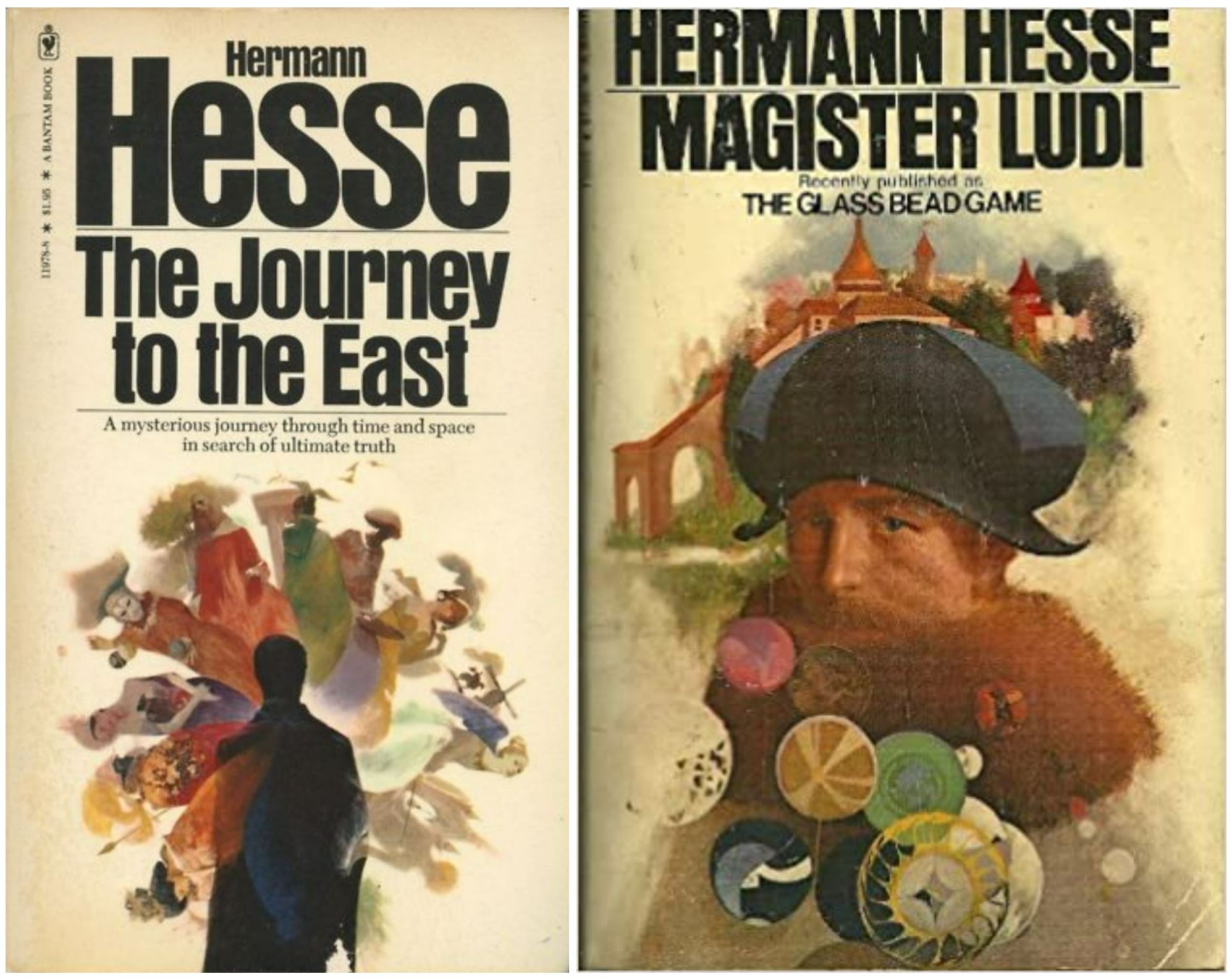
By the mid-1970s I became open to trying religion again, but mainly Eastern religions. Be Here Now by Ram Das (Richard Albert), books by Alan Watts, Aldous Huxley, and Herman Hesse, and New Age Magazine made me think that spiritualism and mysticism had some answers.

I wasn’t stupid, I knew the dreams were doomed. Books like The Population Bomb, The Limits of Growth, and Future Shock, among many others like them, kept me grounded. Plus, the science fiction books I was reading became more realistic and pessimistic about the future.

Still, we had a great deal of hope about the future. We thought we could solve all our problems. We had the knowledge, we had the technology, we knew the solutions, it was only a matter of getting everyone to work together. That’s when the dream ended. We never could work together. We all separated into our own personal trips. No matter how much visionaries preached, we never could agree.

Reading The Harvard Psychedelic Club also covered the decades of falling apart. Alpert, Weil, and Smith were able to rebuild their lives and become constructive, but not Leary. Their lives parallelled my life and I’m sure all other counterculture true believers. We found ways to be here now. To make do with reality. To give up on our utopian fantasies.

Looking back I also remember what life was like when we were chasing those dreams in the 1960s and 1970s. Things were bleak. The war, the riots, the prejudices, the inequalities, the crime, the bombings, the protests, the generation gap, the oil crisis, the burning rivers, the pollution, the urban decay.

Drug taking and believing in utopian futures were symptoms of the disease, not cures. Much like similar symptoms today. The right-wing countercultures of today have their parallels with the left-wing countercultures of the 1960s and 1970s. But there’s one big difference. We no longer need to wear shades when looking towards the future. That’s rather sad. No, that’s depressingly tragic.

JWH

How Will We Remember the 1960s?

by James Wallace Harris, 5/16/21

Anyone who knows me, or reads my blog, knows I’m obsessed with memory. Even before my memory access speeds began declining I’ve always felt a desperation to hang onto what I learned even though I know most of it slips naturally away. I guess all those tests in school gave me a complex about poor recall.

Memory has many fascinating aspects, especially all the ways our memories fool us. We believe things are true because our memories tell us they’re true. Even when confronted with conclusive evidence, we often prefer what our memories tell us to external facts. All through my sixties I’ve been examining what I thought I remembered from growing up in the 1960s. Too often, the impressions I’ve maintained have proved wrong.

Because of an online discussion about science fiction in the 1960s my instant recall told me there must have been several hundred great science fiction novels published during that decade. However, as the discussion progressed my memory had trouble dredging up all those great titles.

My memory gave me the illusion there were enough wonderful science fiction novels published in the 1960s to fill a huge bookcase. Where did that impression come from? I assumed because my memories told me I read hundreds of science fiction novels I loved while growing up. Were those memories true? Thinking about it now I realized there are a number of ways to double check my brain’s records:

  • Look up the actual number of successful SF books published in the 1960s
  • Recall and list all the books I remember reading in the 1960s
  • Recall and list all the SF books from the 1960s I read in later decades
  • Research the memories of my contemporizes about what they read
  • Find out what books young science fiction fans read today from the 1960s
  • Read what literary scholars studying the 1960s consider the best SF books

I realized that my initial reaction to the online discussion was I wanted young people to replicated what I found great in the 1960s. That’s a typical old person hope, but it’s completely unrealistic. Newer generations are busy consuming all the books coming out in their own decade. What they read from past decades is always very minimal.

In other words, younger generations and scholars get a distillation of the past. Not only that, but they are going to interpret the past by current day mindsets. The chances of them experiencing what I remember is very small. So why do geezers want their cherished past persevered? Is it to validate their own memories? Is it the hope of keeping the things they loved alive across time?

For whatever reason, I want the essential aspects of the 1960s remembered accurately by history. The trouble is I’m not sure I correctly remember the 1960s myself. I’m probably not. Maybe what I’m doing is trying to write my own correct history now that I’m older and working on my wisdom skills.

For the purpose of this essay I’m using science fiction novels as one tiny test case of remembering the 1960s. I have a model in my head built from memories of what the 1960s were like. I’m interested in the mental models people are constructing today about that decade. Even focusing on this one microscopic piece of pop culture leaves many problems regarding memory to consider.

Is my white male American viewpoint of the 1960s science fiction too limiting? Do my contemporaries who were women and minorities remember 1960s science fiction differently? Bookworms growing up in Russia, China, Brazil, Vietnam, etc. will have experienced a much different decade than I did. For the purpose of this essay, I’ll focus on the U.S., however Great Britain plays a large role in my memory too. I also read fanzines back then where readers from around the world, including countries where English wasn’t the standard language, reviewed books. But this only provided hints of what science fiction was being published in foreign countries.

The online discussion I mentioned above got started because we read a link to “An Uneven Showcase of 1960s SF,” a 2019 review from The Los Angeles Review of Books covering The Library of America’s two volume set American Science Fiction: Eight Classic Novels of the 1960s, which remembers these eight novels:

  • Poul Anderson, The High Crusade (1960)
  • Clifford D. Simak, Way Station (1963)
  • Roger Zelazny, … And Call Me Conrad (This Immortal) (1965)
  • Daniel Keyes, Flowers for Algernon (1966)
  • R. A. Lafferty, Past Master (1968)
  • Joanna Russ, Picnic on Paradise (1968)
  • Samuel R. Delany, Nova (1968)
  • Jack Vance, Emphyrio (1969)

Our group was asking: Are these books really how literary history will remember 1960s science fiction? Personally, I don’t believe any of them will make it to the long term pop culture memory of 2050. However, Library of America does give us a clue with their other published science fiction books. That’s because their famous uniform volumes focus on authors and not works. So far they have published sets on these SF writers:

PKD also produced significant work in the 1950s and 1970s, but it seems his 1960s novels are the most remembered. Le Guin’s career covered decades but her most famous science fiction came out in the 1960s and 1970s. Vonnegut is also mostly remembered for his 1960s novels. Bradbury was mainly famous for his work in the 1950s, and Butler for work in the 1970s and 1980s.

The Library of America will not be the sole arbiter of who remembers science fiction from the 1960s, but I do believe they have made good guesses so far, at least for American Sci-Fi. But using Library of America and the SF authors they favor, are these then the science fiction novels future readers will remember 1960s science fiction by:

  • The Man in the High Castle (1962) by Philip K. Dick
  • A Wrinkle in Time (1962) Madeleine L’Engle
  • Cat’s Cradle (1963) by Kurt Vonnegut
  • Martian Time-Slip (1964) by Philip K. Dick
  • Rocannon’s World (1966) Ursula K. Le Guin
  • The Three Stigmata of Palmer Eldritch (1965) by Philip K. Dick
  • Planet of Exile (1966) by Ursula K. Le Guin
  • City of Illusions (1967) by Ursula K. Le Guin
  • Do Androids Dream of Electric Sheep? (1968) by Philip K. Dick
  • The Left Hand of Darkness (1969) by Ursula K. Le Guin
  • Slaughterhouse-Five (1969) by Kurt Vonnegut
  • Ubik (1969) by Philip K. Dick

Of course this leaves out works by the most famous science fiction writers working in the 1960s, the so called Big Three of SF:

  • A Fall of Moondust (1961) by Arthur C. Clarke
  • Stranger in a Strange Land (1961) by Robert A. Heinlein
  • Fantastic Voyage (1966) by Isaac Asimov
  • The Moon is a Harsh Mistress (1966) by Robert A. Heinlein
  • 2001: A Space Odyssey (1968) by Arthur C. Clarke

Actually, The Big Three of SF writers were more famous for their work in the 1950s. Probably the single most remembered work of science fiction from the 1960s is Dune by Frank Herbert, and that’s because of all the movie versions. But growing up in the 1960s the two most famous new writers were Delany and Zelazny. Will any of their most famous novels be remembered? They each got an entry in the LoA set, but what about their other 1960s novels?

  • The Dream Master (1966) by Roger Zelazny
  • Empire Star (1966) by Samuel R. Delany
  • Babel-17 (1966) by Samuel R. Delany
  • The Einstein Intersection (1967) by Samuel R. Delany
  • Lord of Light (1967) by Roger Zelazny
  • Damnation Alley by Roger Zelazny

There were many novels I loved or remember reading great reviews from back in the 1960s that were missed by the Library of America set. I’m not sure how famous they are today, or if they are still worthy of reading:

  • A Canticle for Leibowitz (1960) by Walter M. Miller Jr.
  • Flesh (1960) by Philip Jose Farmer
  • Rogue Moon (1960) by Algis Budrys
  • Venus Plus X (1960) by Theodore Sturgeon
  • Catseye (1961) by Andre Norton
  • Dark Universe (1961) by Daniel F. Galouye
  • Time is the Simplest Thing (1961) by Clifford Simak
  • Little Fuzzy (1962) by H. Beam Piper
  • The Dragon Masters (1963) by Jack Vance
  • Lords of the Psychon (1963) by Daniel F. Galouye
  • The Man Who Fell to Earth (1963) by Walter Tevis
  • Davy (1964) by Edgar Pangborn
  • Simulacron-3 (1964) by Daniel F. Galouye
  • The Wanderer (1964) by Fritz Leiber
  • All Flesh is Grass (1965) by Clifford Simak
  • Bill, the Galactic Hero (1965) by Harry Harrison
  • Destination: Void (1965) by Frank Herbert
  • The Genocides (1965) by Thomas M. Disch
  • The Age of the Pussyfoot (1966) by Frederik Pohl
  • Earthblood (1966) by Keith Laumer and Rosel George Brown
  • Make Room, Make Room (1966) by Harry Harrison
  • Mindswap (1966) by Robert Sheckley
  • The Witches of Karres (1966) by James H. Schmitz
  • The World of the Ptavvs (1966) by Larry Niven
  • The Butterfly Kid (1967) by Chester Anderson
  • Camp Concentration (1967) by Thomas M. Disch
  • Chthon (1967) by Piers Anthony
  • Lords of the Starship (1967) by Mark S. Geston
  • Restoree (1967) by Anne McCaffrey
  • Soldier, Ask Not (1967) by Gordon R. Dickson
  • Those Who Watch (1967) by Robert Silverberg
  • Why Call Them Back From Heaven? (1967) by Clifford Simak
  • Dimension of Miracles (1968) by Robert Sheckley
  • Dragonflight (1968) by Anne McCaffrey
  • Hawksbill Station (1968) by Robert Silverberg
  • The Last Starship From Earth (1968) by John Boyd
  • The Masks of Time (1968) by Robert Silverberg
  • Of Men and Monsters (1968) by William Tenn
  • Past Master (1968) by R. A. Lafferty
  • Rite of Passage (1968) by Alexei Panshin
  • The Andromeda Strain (1969) by Michael Crichton
  • Bug Jack Barron (1969) by Norman Spinrad
  • Fourth Mansions (1969) by R. A. Lafferty
  • Macroscope (1969) by Piers Anthony
  • The Pollinators of Eden (1969) by John Boyd
  • The Ship Who Sang (1969) by Anne McCaffrey
  • A Specter is Haunting Texas (1969) by Fritz Leiber
  • Up the Line (1969) by Robert Silverberg

And what about British invasion SF writers who made such a big impact on the genre in the 1960s:

  • The Trouble with Lichen (1960) by John Wyndham
  • The Wind from Nowhere (1961) by J. G. Ballard
  • A Clockwork Orange (1962) by Anthony Burgess
  • The Drowned World (1962) by J. G. Ballard
  • Hothouse (1962) by Brian Aldiss
  • Greybeard (1964) by Brian Aldiss
  • The Dark Light Years (1964) by Brian Aldiss
  • The Whole Man (1964) by John Brunner
  • The Squares of the City (1965) by John Brunner
  • Colossus (1966) D. F. Jones
  • The Crystal World (1966) by J. G. Ballard
  • Earthworks (1966) by Brian Aldiss
  • The Watch Below (1966) by James White
  • Chocky (1968) by John Wyndham
  • The Final Programme (1968) by Michael Moorcock
  • Pavane (1968) by Keith Roberts
  • Report on Probability A (1968) by Brian Aldiss
  • Stand on Zanzibar (1968) by John Brunner
  • Barefoot in the Head (1969) by Brian Aldiss
  • Behold the Man (1969) Michael Morecock
  • The Jagged Orbit (1969) by John Brunner

Or from the rest of the world

  • Solaris (1961) by Stanislaw Lem
  • Planet of the Apes (1963) by Pierre Boulle
  • Hard to Be a God (1964) by Arkady and Boris Strugatsky
  • The Second Invasion from Mars (1967) by Arkady and Boris Strgatsky
  • His Master’s Voice (1968) by Stanislaw Lem

If you were born after the 1960s, especially after the year 2000, how many of these novels have you read, or have even heard about? Years ago, I wrote an essay about what I thought might be the defining science fiction novels of the 1960s. At the time I guessed these dozen would be remembered:

  1. Solaris by Stanislaw Lem (1961)
  2. Stranger in a Strange Land by Robert A. Heinlein (1961)
  3. A Clockwork Orange by Anthony Burgess (1962)
  4. The Man in the High Castle by Philip K. Dick (1962)
  5. A Wrinkle in Time by Madeleine L’Engle (1963)
  6. Dune by Frank Herbert (1965)
  7. Flowers for Algernon by Daniel Keyes (1966)
  8. The Moon is a Harsh Mistress by Robert A. Heinlein (1966)
  9. Do Androids Dream of Electric Sheep? by Philip K. Dick (1968)
  10. Stand on Zanzibar by John Brunner (1968)
  11. Slaughterhouse Five by Kurt Vonnegut, Jr. (1969)
  12. The Left Hand of Darkness by Ursula K. Le Guin (1969)

I stand by these twelve for now, but I believe in the long run, only a few, if any, will be remembered by the reading public in the 2060s. Dune has the best chance of being remembered, but will it really go the distance? It was #35 on PBS’s The Great American Read, the only 1960s SF novel on the list, so that’s one indicator.

Do we remember the pop culture of the past because of the artists or their works? We remember books by Charles Dickens and Jane Austen from the 1800s, but did their stories stick to us first, or was it something about Dickens and Austen that make us read their work? I believe “Eleanor Rigby” survives because we can’t forget The Beatles. That Baby Boomers love of The Beatles was passed on to their children and grand children.

Even with one hit wonders like Little Women (#8 on the PBS list), I believe Louisa May Alcott is why we remember her book. Somehow her powerful personality anchored her in time. Ditto for literature of the 1920s. Don’t we really remember the novels of the 1920s because of our fascination with Hemingway, Fitzgerald, Lawrence, and Joyce? Or do their biographical reputations grow as more readers consume their books?

My guess is the current public’s sense of 1960s science fiction comes down to Philip K. Dick and all the biographical attention he’s getting, and because so many of his stories have been filmed. Back in the 1960s, Heinlein, Asimov, and Clarke were the Big Three of SF, mainly because of their successes in the 1950s. Stranger in a Strange Land and The Moon is a Harsh Mistress are still remembered today, getting special editions and new readers, but my hunch is Heinlein’s appeal is fading, and as a teenager in the 1960s he was my J. K. Rowling. In other words, my cherish memories will not be how literary historians remembers science fiction the 1960s.

I just don’t see modern bookworms hanging onto to most 1960s SF writers today. In terms of literary cults, I’d say Ray Bradbury might be next after PKD, and possibly Ursula K. Le Guin. Dune is the major SF novel from the 1960s, but there seems to be little interest in Frank Herbert. Look how Tolkien has become legendary as a figure of literary interest. I consider that a clue to future literary remembrances. If the public doesn’t also take an interest in an author, I think it’s less likely their books will be remembered.

At the last World Con a Hugo award was given to a speech that’s erasing John W. Campbell’s reputation. Will Heinlein and Asimov be next? As much as my memories tell me that Heinlein, Asimov, and Clarke were great, I’m not sure the collective pop culture memory feels the same way. This makes me sad, but I’ve got to come to terms with it.

When I take the time to think about what I actually remember, and compare those memories to external data, I realized I did read hundreds of SF during the 1960s, but the vast majority of them were first published in the 1950s. I joined the Science Fiction Book Club in March of 1967 and often got its two main selections. At best that could have been 60 new titles, but sometimes the main selections were 1950s reprints, so I figure the number was smaller, and I didn’t read every book. Thinking about things, I read many 1960s SF novels after the 1960s, in fact I’m still reading for the first time SF books from the 1960s. But even with all them, I could not assemble a list of hundreds of great SF books from the 1960s.

My memory was mostly wrong. I was able to find just under a hundred titles for this essay. I’d bet that between 1,000-2,000 SF novels were published during the 1960s, which sounds like an impossible lot, but it takes only two years nowadays to publish that many SF titles.

Memory has always been a distillation process. Each night we forget most of what happened the previous day. I don’t think the Library of America picked the most memorable eight SF novels to remember the 1960s. But then every science fiction fan who lived through the sixties will recall a different eight titles. And it would be unfair for me to want my eight favorites to be the ones remembered. However, I’d really love to know what eight SF novels from the 1960s will be remembered and read in the 2060s. Who will be the Jules Verne and H. G. Wells of the 20th century?

Update: 5/25/21

Because of a comment below by my old friend Jim Connell I realized asking a 15-year-old SF fan today about 1960s is like asking me back in 1965 what I thought about science fiction from the 1910s. At the time I had not even read A Princess of Mars or Tarzan of the Apes, or even The Skylark of Space. Over the next fifty-five years I would eventually read several novels, both literary and science fiction from the 1910s, but I can’t say I’m intimate with the pop culture of that decade. I’ve read 9 of the 70 books listed here for the 1910s, and know of several more from movies and reading about them.

Thus my memory of science fiction from the 1910s gives me roughly an idea of what younger people might know about science fiction from the 1960s.

JWH