Just Who Slept With the Pods?

by James Wallace Harris, 5/14/22

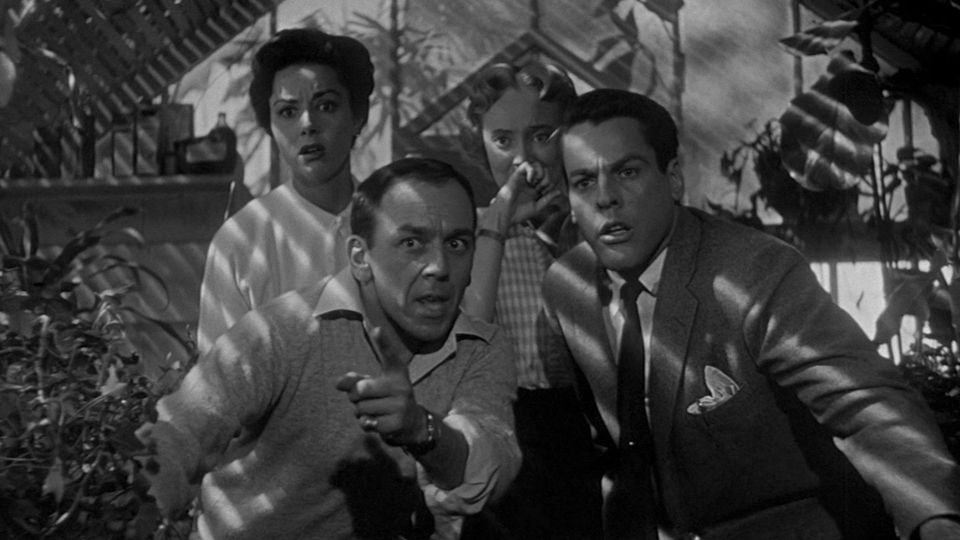
In the 1956 film, The Invasion of the Body Snatchers, Dr. Miles Bennel (Kevin McCarthy) realizes his friends and neighbors are changing. One by one they all start thinking alike and that worries him. If you haven’t seen this famous film about the pod people you should. It’s based on a 1954 Collier’s serial by Jack Finney called The Body Snatchers, which was then published as a book in 1955.

The story is about an invasion of pods from outer space that transform people if they sleep in the same room with one. Back in the 1950s, the story was seen as an allegory about communism. Finney has said he didn’t target communism specifically when he wrote the book, but most readers and moviegoers did back then.

In 1951, Robert Heinlein had published a similarly themed novel called The Puppet Masters. In that story, flying saucers land with creatures that attach to our backs, and take over our bodies and minds. Heinlein was an arch anti-communist, and his story was intended to imply the evils of a commie takeover.

In 1953 Robert Sheckley’s story, “Keep Your Shape” reflected a liberal’s paranoia. It appeared in the November issue of Galaxy Science Fiction. Sheckley rewrote the story for his collection Untouched by Human Hands and gave the story a much more elegant ending and a different title, “Shape.” It’s a humorous story told from the aliens’ point of view, about how they invaded the Earth twenty-something times and always failed. The aliens come from a rigid society of shape-shifting creatures whose God dictates that everyone has to maintain a certain shape. On Earth, the aliens are corrupted by our freedom when they see that we take so many different shapes. Sheckley’s story was anti-establishment and anti-conforming.

My point in mentioning all these stories is I feel like the conservatives have been sleeping with pods or have an alien riding on their backs. I feel this because they all seem to speak the same way. It’s kind of creepy to see political ads for Republicans because they all claim to toe the party line better than any other Republican. They all claim to hold the same beliefs. And their followers all repeat the same soundbites. I’m sure conservatives feel the same way about us liberals.

A couple days ago The New York Times ran a book review called “Where Have All the Liberals Gone?” The conservatives have made the term liberal such a dirty word that liberals are now calling themselves progressives. Conservatives have aligned themselves so tightly with Donald Trump that it reminds me of the fanatics who follow Putin and everything he says.

It makes me feel like the Kevin McCarthy character wondering when I will fall asleep and wake up a pod person. I no longer think of communism when I watch Invasion of the Body Snatchers, I think of everyone following one leader, one strong man’s view. If you look at history, the dangerous horrors of the past didn’t come from ideologies, but from single men pushing their view of reality onto everyone else.

I no longer understand what conservative or liberal philosophies means, even if they ever had a consistent description of their goals. I’m now thinking it’s always been individual men pushing their own philosophy onto other people. (I use the word men because I can’t think of any women dictators in history. I hope women won’t mind me being sexist in this instance.) That’s why Trump is so popular – people resonate and relate to him. He is their political philosophy, no matter how you label it.

I want a true democracy. But I don’t think it will ever work when winning is defined as a 50% majority. I think it needs to be at least 60%, and better yet, a winning majority should be defined at 75%. I want to live in a society where we work to compromise and create laws that attempt to make 100% of the population happy. It will always fail to reach 100% agreement, but if we could work out compromises where 60-75% of the population come to some kind of agreement, then I think we could escape our never-ending political polarization.

Right now we vote for our self-interests. And we vote for candidates that come closest to those self-interests. I have to accept that Trump is a beacon shining on what a lot of people want. But as long as half the country wants something different we’re going to have a miserable society.

When 50% is the finish line for any political agenda, we’re going to be ruled by pod people. I think real democracy begins when 75% of the population hammers out good compromises. I don’t think one politician with one point of view could ever find that many followers. Maybe we should move away from politicians and have referendums on everything. If we can’t find ways to get three-fourths of us to agree, then we should do anything.

It doesn’t matter which side of the political spectrum you live on, if we have minority rule, or even 50% majority rule, half the country will always feel they are living with pod people.

JWH
Is Neil Young’s Spotify Protest Censorship?

by James Wallace Harris, 2/2/22

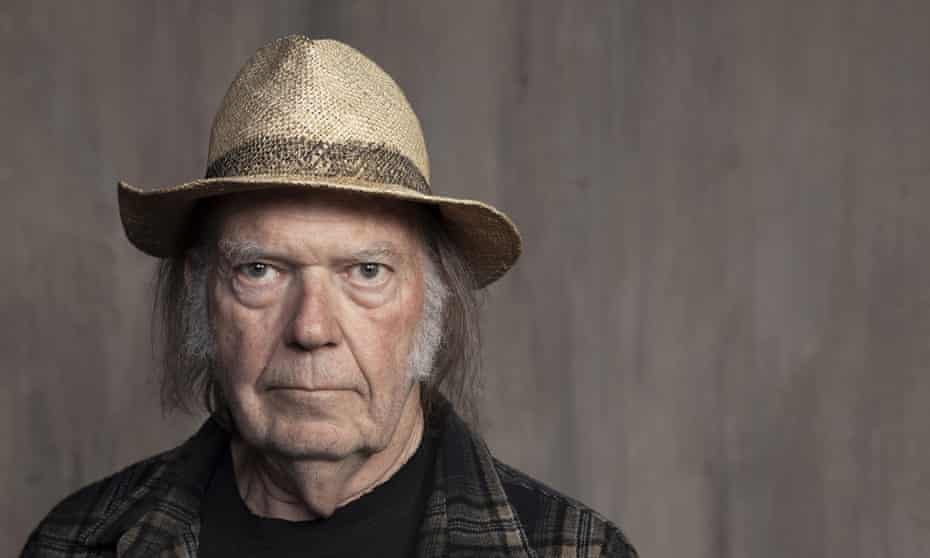
I’ve noticed an interesting overlap in two news stories over the past week. One was Neil Young’s demand that Spotify removes Joe Rogan’s podcast, and the other was about parents demanding books be removed from Texas schools. Since I’m against banning books should I also be against banning podcasts? Just because I love Neil Young’s music should I follow his protests?

I know next to nothing about Joe Rogan other than he said healthy young people shouldn’t need to get the Covid vaccine. That’s truly bad advice that could get some young people killed. But is censoring Joe Rogan the answer? I find controversy-driven talk show hosts to be repugnant. I just ignore them. But what if we did live in a world where we could shut up everyone we didn’t want to hear?

The problem is people on the right want to suppress certain ideas, and people on the left want to suppress other ideas. In both cases, those folks think they are doing good. I believe ideas should battle it out in the open. If a talk show host or book author says something that upsets people, should we censor them? Or should we evaluate what they have to say and decide for ourselves what we want to believe?

We do have certain kinds of censorship. We put the kibosh on false advertising, libel, slander, or any action that leads to provable damaging results.

Are there cases where young people have died, and their parents could bring a class action suit against Joe Rogan? With all the social media evidence, I suppose documentation where young people left evidence saying they didn’t get vaccinated because of Joe Rogan. But isn’t that for the courts to decide?

What Neil Young, Joni Mitchell, et al have done is assume this danger is true and are fighting against it. That seems honorable. But I’m sure the parents and supporters of banning books feel they are equally honorable. I admire people wanting to do good, but I often feel they aren’t

On the other hand, I had a completely different take on the Young-Spotify issue. I was offended by Spotify regarding Joe Rogan for an entirely different reason. I love Spotify but I’ve always felt guilty when I hear claims that it doesn’t pay music creators fairly. To pay some blowhard $100 million for a podcast when Spotify is accused of paying musicians $50 royalty checks is hard to accept. Why isn’t Neil Young protesting that? However, I have heard other musicians say they are paid well by streaming services, and those complaining performers have never been given proper royalties. Evidently, dividing the pie has always been unfair in the music business.

It’s mind-boggling to me that talking heads get more money than musicians.

If recording artists pulled their music catalogs to protest bad pay, I could understand their attack on Spotify. Is Joe Rogan getting more pay per play than hit songwriters? That would be disturbing. Does society really value the opinionated over artists who gave us songs we’ve loved an entire lifetime? To me, Carol Kaye deserves $100 million far more than Joe Rogan.

I also must wonder if Neil Young and his musician friends are only hurting their fans. Spotify now skips their songs when they come up in my playlists. I never wanted to listen to Joe Rogan, but now I can’t hear Neal Young on Spotify.

I bought all of Neil Young’s albums and CDs for decades, and I could go back to listening to them now, but streaming is how I listen to music nowadays. I hardly ever use my turntable or CD player. Luckily, I subscribe to more than one music streaming service.

My protest to Spotify is they should pay the musicians more, even the ones that originally got bad contracts. I love the idea of a universal listening library for rent. It’s too damn convenient. That’s why I subscribe. I want access to all music. I don’t care about anything but the music.

JWH

The End of Civilization – Again

by James Wallace Harris, 11/29/21

When I was growing up in the 1950s annihilation by atomic war was a common worry. Kids were taught duck and cover drills, people built fallout shelters, we routinely heard Conalrad tests on the radio, and popular culture was full of stories about WWIII. The famous Doomsday Clock stayed set just minutes from doomsday.

Over the decades there has always been the world is ending forecasts. Some chicken little is always yelling the sky is falling. The new vogue is to claim civilization is collapsing. Routinely following the news makes it hard to ignore such fears.

What if civilization is collapsing? What should we do? The science is quite solid on climate change, and we’ve been warned for decades, but for decades we’ve done nothing significant. A fair number of folks are buying rural plots of land and AR15s but that hardly seems to be a practical solution for everyone.

My guess is most people are ignoring all the gloom and doom, or else going crazy in their own quiet squirrely way. I don’t think there is much we can do. The reason why many analyzed trends lead to possible apocalypses is that the natural thing for everyone to do is to keep doing what we’re always been doing. Humans aren’t big on intentionally making drastic changes to their lives.

If we’re not going to do anything to avert the forecasted catastrophes, then what are we going to do instead? Anxiety and depression are so self-destructive. It’s much too early to panic. We could party like it’s 1999, but the end isn’t that close yet. Enduring resignation will probably be a common plan, but that’s emotionally draining. Taking up Zen Buddhism or meditation might be useful. Enjoying the simple pleasures of life has always been an excellent choice. Ditto for pursuing creative hobbies.

Developing a positive perspective should be helpful. Civilizations always collapse, but often over decades or centuries. There will be a rush to hoard or consume everything left. The well-to-do will grab what they want, which is always more than they need. The practical will learn to live with less without agonizing over what they no longer have. For most citizens the collapse of civilization will be in such slow motion they will hardly notice it. It’s only the unfortunate who become refugees from random catastrophes that will feel the harshest impacts. So knowing how to relocate will be a valuable skill. There are certain preparedness precautions to take, but since nothing is certain, it’s not practical to go overboard with such measures.

Probably most useful is the ability for understanding the true reality of things. Don’t get caught up in delusions, fears, panics, but also avoid over-optimism and Pollyanish thinking.

I bring all this up because of some videos I’ve been watching. I have no idea how valid they are, but I consider the increase of such thinking as a kind of pulse-taking. What do you think of these videos? These three accept doom but try to find a positive perspective with dealing with such doom. They offer wisdom.

If you are a routine YouTube watcher and are signed in, watching these three videos will cause YouTube to offer you more of the same. There are quite a lot of these videos, so be careful. Don’t get overwhelmed.

JWH

Once Upon a Time the Future was So Bright We Had to Wear Shades

by James Wallace Harris

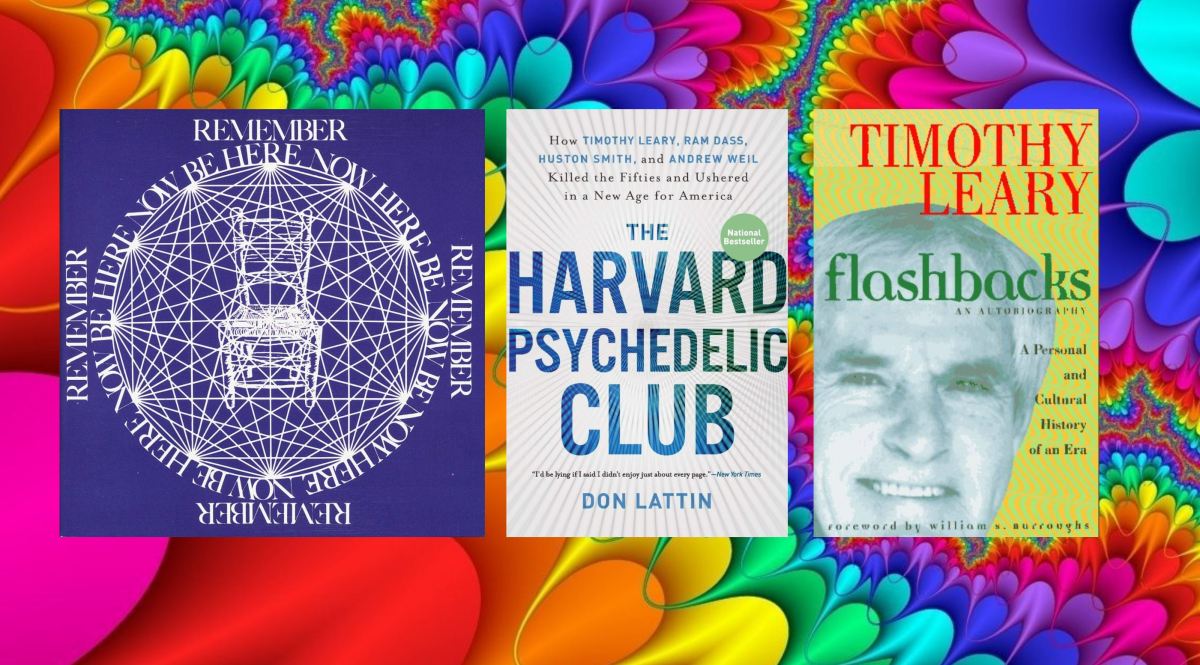
Between Camelot and Reaganomics existed the counterculture. For a very short while we thought we were entering the Age of Aquarius. Of course, it was a childish utopian dream, but a very positive hope. What happened to that dream? Reading The Harvard Psychedelic Club: How Timothy Leary, Ram Dass, Huston Smith, and Andrew Weil Killed the Fifties and Ushered in a New Age for America by Don Lattin reminded me of those hopes and dreams. Lattin explains what happened to four of the people who sold us some of that hope. Of course, those four weren’t the only ones. Back then, there was an entire army of John the Baptists promising heaven on Earth if we only believed.

In the sixties many of us thought by the 21st-century we’d have conquered war, disease, poverty, injustice, prejudice, inequality, and be living in a society where everyone had equal opportunity to achieve both spiritual and material wealth. We expected to create a world civilization that would make Jesus, Buddha, and all the past prophets and philosophers proud. We expected science to answer all our questions, and for technology to build ecological sustainable lifeboat Earth before we launched our spiritually-wise selves across the galaxy. Some of us called this anticipated transformation the Age of Aquarius, then The New Age, while hoping for the age of The Final Frontier.

Space travel never went beyond low Earth orbit after 1972. After three days of love, peace, and happiness it’s been Altamont every day since. And the doors of perception only led to tragedy and heartache. All our planned communities failed.

Just look at us now. You’d think the second coming had happened and no one was chosen, and we’re begun a thousand year streak of doom. There are damn few Pollyannas left on Earth that can see rays of hope for the future. Unlike Christians who have waited two thousand years without giving up their faith, the counterculture gave up theirs rather quickly. I read where psychedelic drugs are trying to make a comeback. And there are embers of spirituality still trying to rekindle the world but never do. What made us dream such big dreams in the sixties?

Before the dawning of the Age of Aquarius I was a straight-lace kid. I was gullible and believed what I was told. The U.S. Air Force guided my father and the Southern Baptist Church guided my mother. They had expectations for what I should believe, and I had no objections to those expectations. Well, not until 1963 or 1964. During my 12th and 13th year I changed. Looking back I could say it was merely puberty, but the whole country began changing at the same time.

Reading The Harvard Psychedelic Club got me to thinking about those years and changes. Changes that had began much sooner than 1969 or 1970 when I first tried psilocybin and LSD. The making of my counterculture had begun before the drugs, with rock and roll and science fiction. Reading The Harvard Psychedelic Club referenced many books I had read back then that shaped my thoughts. I began wondering about all the influences that had reprogrammed me during the sixties and seventies that gave me utopian ideals.

I remember in 11th grade sometime after the 1967 protest at the Pentagon, when a group of us kids waiting for the school bus discussed the coming revolution as if it was a certainty. Even as a dumbass high school kid I thought it weird that we expected such a huge social transformation. But those hopes kept building. Then in 1968 and 1969 Hair and its music was all the rage and people began talking about The Age of Aquarius. The hope became more than a political transformation, the counterculture began to expect a whole new age, which became the focus of the 1970s. I think all our foolish fantasies ended when Reagan was elected in 1980. By then I was married and working at the job I’d stay at until I retired.

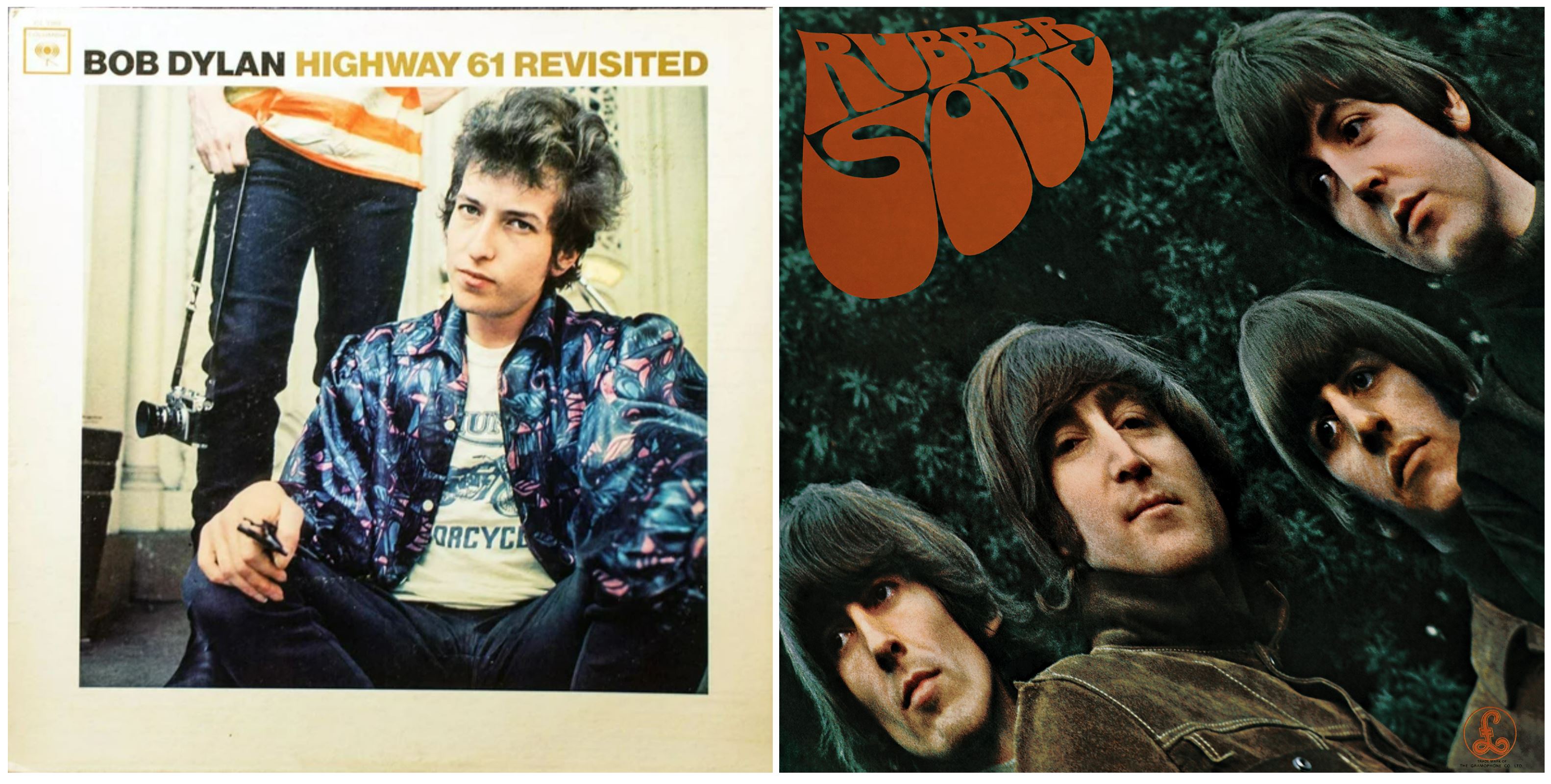
My transformation was really an intersection of countless ideas that came from books, magazines, newspapers, television, movies, songs. We think everything comes from the internet today, but before the world wide web we had plenty of informational input. Reading The Harvard Psychedelic Club reminded me of those books and other information sources, and all the prophets behind those words. For example, I don’t know if people today have any idea of the impact The Beatles and Bob Dylan had on their fans. Rock music was our gospel.

In 1962, when I was eleven, I got hooked rock and roll and science fiction. In 1963 I began rejecting religion when I started noticing that the people at church did not follow what was preached. A Joycean year of doubt ended in 1964 when I realized I was an atheist. I was just 13. My mother still tried to make me go to church but I felt like I was a spy, a pretender, a fraud. I didn’t have a new philosophy yet, but I was open, and about to try many.

Then in 1965 I read Stranger in a Strange Land by Robert Heinlein and got into Bob Dylan because of “Like a Rolling Stone.” I was still very straight-laced. I remember watching anti-drug and anti-smoking films at school and I was positive I’d never be stupid enough to do drugs or smoke cigarettes.

But only two years later, in early 1967, I read an article in Popular Science about LSD. Instead of sensationalizing the drug with fear and loathing like the news did on TV, the article described LSD as a tool for medical research and exploring the mind. That sounded science fiction. That sounded like something for me.

I can’t remember when I first heard about Timothy Leary. I’m pretty sure I heard about LSD well before I heard about Leary and his famous “Tune In, Turn On, and Drop Out” saying. In late 1968, or maybe early 1969, I read The Electric Kool-Aid Acid Test by Tom Wolfe. That book didn’t turn me onto Timothy Leary either, but The Beats. I knew about Leary in the sixties, but he always seemed like some kind of media clown. Around this same time I began reading The Rolling Stone magazine. It became my main source of counterculture propaganda.

But remember, I was also mass consuming science fiction, which was changing too with its own New Wave revolution. I remember Stand on Zanzibar by John Brunner had a huge impact on me, as did Ellison’s anthology Dangerous Visions.

I wish I knew when I first bought Stewart Brand’s Whole Earth Catalog. It was probably the early 1970s, but it might have been sooner. The 1970s brought a flood of influential books and magazines. Isaac Asimov and Arthur C. Clarke had made me aware of overpopulation in the mid-1960s, but by the late 1960s and early 1970s, the environmental movement was giving us plenty of reasons to change our ways.

By the mid-1970s I became open to trying religion again, but mainly Eastern religions. Be Here Now by Ram Das (Richard Albert), books by Alan Watts, Aldous Huxley, and Herman Hesse, and New Age Magazine made me think that spiritualism and mysticism had some answers.

I wasn’t stupid, I knew the dreams were doomed. Books like The Population Bomb, The Limits of Growth, and Future Shock, among many others like them, kept me grounded. Plus, the science fiction books I was reading became more realistic and pessimistic about the future.

Still, we had a great deal of hope about the future. We thought we could solve all our problems. We had the knowledge, we had the technology, we knew the solutions, it was only a matter of getting everyone to work together. That’s when the dream ended. We never could work together. We all separated into our own personal trips. No matter how much visionaries preached, we never could agree.

Reading The Harvard Psychedelic Club also covered the decades of falling apart. Alpert, Weil, and Smith were able to rebuild their lives and become constructive, but not Leary. Their lives parallelled my life and I’m sure all other counterculture true believers. We found ways to be here now. To make do with reality. To give up on our utopian fantasies.

Looking back I also remember what life was like when we were chasing those dreams in the 1960s and 1970s. Things were bleak. The war, the riots, the prejudices, the inequalities, the crime, the bombings, the protests, the generation gap, the oil crisis, the burning rivers, the pollution, the urban decay.

Drug taking and believing in utopian futures were symptoms of the disease, not cures. Much like similar symptoms today. The right-wing countercultures of today have their parallels with the left-wing countercultures of the 1960s and 1970s. But there’s one big difference. We no longer need to wear shades when looking towards the future. That’s rather sad. No, that’s depressingly tragic.

JWH

Make America Great Again

by James Wallace Harris, 10/2/21

Donald Trump had his shot at making America great again with his tax cuts for the rich. That put us trillions in debt. Why not let Biden have his legislative shot to make America great again? It will add more trillions to the national debt, but why worry about that now when we didn’t under Trump? Besides, the consequences of doing nothing condemns us to failure. And who knows, rebuilding the country might increase the economy letting us afford to pay off the debt better in the future? Isn’t that what the Republicans promised? Why shouldn’t the Democrats have their chance at the same idea?

Isn’t it time to try the trickle up theory? The conservative theory claimed if the rich had more money some of it would trickle down to help all Americans. That hasn’t happened. Let’s try the opposite, make everyone better off, and maybe some of the wealth will trickle up to the wealthy.

To find out what’s in the infrastructure bills, I copied the details from Investopedia. It all sounds good to me. We’ve been avoiding fixing all this stuff for decades. Why not just go ahead and get it done?

We’ve tried the Republican’s method more than once, let’s test the opposite to see if it works?

What's in the $1.2 Trillion Bipartisan Bill

The 2,702-page bipartisan bill contains just $550 billion in new spending. The $1.2 trillion figure comes from including additional funding normally allocated each year for highways and other infrastructure projects. The new spending consists of:8

$110 billion for roads and bridges. In addition to construction and repair, the funding also helps pay for transportation research at universities, funding for Puerto Rico’s highways, and “congestion relief” in American cities.

$66 billion for railroads. Funding includes upgrades and maintenance of America’s passenger rail system and freight rail safety, but nothing for high-speed rail.

$65 billion for the power grid. The bill would fund updates to power lines and cables, as well as provide money to prevent hacking of the power grid. Clean energy funding is also included.

$65 billion for broadband. Includes funding to expand broadband in rural areas and in low-income communities. Approximately $14 billion of the total would help reduce internet bills for low-income citizens.

$55 billion for water infrastructure. This funding includes $15 billion for lead pipe replacement, $10 billion for chemical clean-up, and money to provide clean drinking water in tribal communities.

$47 billion for cybersecurity and climate change. The Resilience fund will protect infrastructure from cybersecurity attacks and address flooding, wildfires, coastal erosion, and droughts along with other extreme weather events.

$39 billion for public transit. Funding here provides for upgrades to public transit systems nationwide. The allocation also includes money to create new bus routes and help make public transit more accessible to seniors and disabled Americans.

$25 billion for airports. This allocation provides funding for major upgrades and expansions at U.S. airports. Air traffic control towers and systems would receive $5 billion of the total for upgrades.

$21 billion for the environment. These monies would be used to clean up superfund and brownfield sites, abandoned mines, and old oil and gas wells.

$17 billion for ports. Half of the funds in this category would go to the Army Corps of Engineers for port infrastructure. Additional funds would go to the Coast Guard, ferry terminals, and reduction of truck emissions at ports.

$11 billion for safety. Appropriations here are to address highway, pedestrian, pipeline, and other safety areas with highway safety getting the bulk of the funding.

$8 billion for Western water infrastructure. Ongoing drought conditions in the western half of the country will be addressed through investments in water treatment, storage, and reuse facilities.

$7.5 bill for electric vehicle charging stations. The Biden administration asked for this funding to build significantly more charging stations for electric vehicles across the nation.

$7.5 billion for electric school buses. With an emphasis on bus fleet replacement in low-income, rural, and tribal communities, this funding is expected to allow those communities to convert to zero-emission buses.

What's in the $3.5 Trillion Democratic Proposal

The Democratic FY2022 Budget Resolution Agreement Framework memorandum is designed to enact President Biden's Build Back Better agenda. This proposal, often referred to as an investment in human infrastructure, is far-reaching and ambitious. It lists the following amounts and areas to be addressed:9

$135 billion for the Committee on Agriculture Nutrition and Forestry. Funding to be used to address forest fires, reduce carbon emissions, and address drought concerns.

$332 billion for the Banking Committee. Including investments in public housing, the Housing Trust Fund, housing affordability, and equity and community land trusts.

$198 billion for the Energy and Natural Resources Committee. This would develop clean energy.

$67 billion for the Environment and Public Works Committee. These monies would fund low-income solar and other climate-friendly technologies.

$1.8 trillion for the Finance Committee. This part of the bill is for investments in working families, the elderly, and the environment. It includes a tax cut for Americans making less than $400,000 a year, lowering the price of prescription drugs, and ensuring the wealthy and large corporations pay their fair share of taxes.

$726 billion for the Health, Labor, Education, and Pensions Committee. This addresses universal pre-K for 3- and 4-year-olds, childcare for working families, tuition-free community college, funding for historically black colleges and universities, and an expansion of the Pell Grant for higher education.

$37 billion for the HSGAC Committee. This would electrify the federal vehicle fleet, electrify and rehab federal buildings, improve cybersecurity infrastructure, reinforce border management, invest in green-materials procurement, and invest in resilience. 

$107 billion for the Judiciary Committee. These funds address establishing "lawful permanent status for qualified immigrants."

$20.5 billion for the Indian Affairs Committee. This addresses Native American health programs and facilities, education programs and facilities, housing programs, energy programs, resilience and climate programs, BIA programs and facilities, Native language programs, and the Native Civilian Climate Corps.

$25 billion for the Small Business Committee. This provides for small business access to credit, investment, and markets.

$18 billion for the Veterans Affairs Committee. This funds upgrades to veteran facilities.

$83 billion for the Commerce Committee. This goes to investments in technology, transportation, research, manufacturing, and economic development. It provides funding for coastal resiliency, healthy oceans investments, including the National Oceans and Coastal Security Fund and the National Science Foundation research and technology directorate.

JWH