
What Books Do You Speak?

by James Wallace Harris, 8/8/22

Most of our ideas are borrowed since few people have original thoughts. The other day I was wondering why conservatives and liberals think so differently. I decided one reason is that they read different books. Of course, not everyone reads books. Ideas are also passed around from person to person, or by newspapers, magazines, journals, advertisements, political rallies, television shows, the internet, etc. We dwell in a sea of ideas.

Ideas do originate with original thinkers, and often they are first published in books. Journalism and other forms of mass media then propagate those ideas, which in turn are spread by word of mouth. So, for now, let’s think of the basic unit for storing and spreading ideas are books.

My theory is conservatives and liberals think differently because the foundation of their beliefs comes from different books. I’m not suggesting that all conservatives and liberals read the same set of books, but the ideas for their thoughts and speech originated in a subset of books.

I was thinking along these lines because I wondered if conservatives and liberals each had a core set of twenty books, what would happen if the conservatives read the liberal’s books, and the liberals read the conservative’s books? Would our polarized political opinions begin to homogenize?

Then I wondered about fundamentalist religious people who put their faith in one book. What would happen if all the fundamentalists around the world all read each other’s holy book?

Thinking about that brought up an obvious stumbling block. Most people’s beliefs are based on what they first learned as children. If you are raised Christian and conservative you’re most likely to stay Christian and conservative. That suggests ideas acquired in youth are stickier than ideas acquired later in life. For my test, we’d have to raise children with The Bible, The Quran, The Tanakh, The Talmud, The Vedas, The Upanishads, The Tipitaka, The Tao Te Ching, The Yasna, etc.

We know minds are open and plastic at birth. If you took a child from a Christian family and gave it to a Muslim family to raise, it will grow up Muslim. But for some reason, after a certain age, minds close and lose their plasticity.

On the other hand, fads arise and spread ideas/memes all the time. Adults will embrace new ideas. Fox News, the Internet, to Tik-Tok can spread new ideas like a California forest fire. This suggests that people can acquire new ideas that they put on top of the foundational ideas that were programmed in their youth.

And ideas don’t have to come from nonfiction books. If all you read are romance novels and watch romance TV shows and movies, your ideas about relationships will be different than if you only consumed mysteries.

I’m in a book club that was reading Developmental Politics by Steve McIntosh, a book about our polarized politics. McIntosh hoped his insights would help solve that problem but most of the readers in the book club doubted it. One of our members did believe in McIntosh’s ideas and thought they could work. I felt McIntosh’s ideas were insightful but figured for them to be persuasive, would require everyone to read many other books first. McIntosh’s book was complex enough to require reading dozens of other books to fully understand it.

That’s when I realized we speak in books. When we express ourselves, we pass on fragments of books, but we don’t pass on enough information to let other people fully understand the foundation of the original ideas. Generally, we pass on tiny fragments of the original idea that are barely impressions. And we seldom communicate ideas but express ourselves emotionally.

If you want to understand a person, you have to consume the same books they did, or at least the same secondary sources. If a friend is passionate about a belief you’ll never understand your friend until you understand the foundations of their beliefs.

Few people understand the sources of their beliefs. Few people can point to a set of books and say here’s where my ideas originated. The origin of a classical education came from the study of foundational books, but that idea broke down in modern times when we were overwhelmed with significant books.

Yet, even when there was only one book for most people, The Bible, Christianity spent centuries arguing over its meaning. If you study all the people who claim to be Christian today you’d find very little commonality. The Bible is too big and too diverse. If we took The U. S. Constitution instead, which is tiny in comparison, we still get endless disagreement.

Ideas are slippery and inexact. Even if we read the same books and speak about the same ideas we don’t interpret them in the same way. Humans aren’t computers. We filter ideas through our emotions. Books might sow ideas but they don’t plant them evenly, and they grow inconsistently.

It appears that humans latch onto vague concepts and use them for ammunition to get what they emotionally want. Even if we read the same books we’ll still be a long way from finding agreements.

What we have here is a failure to communicate. What we need is a better approach to understanding each other’s wants. It might start with reading the same books, but it would only be a start. We’d also need to start studying each other’s emotions, and emotions are even harder to communicate than ideas. That’s what McIntosh was getting into with Developmental Politics, building on developmental psychology.

JWH
How Game of Thrones Reflects History Like Two Opposing Mirrors

by James Wallace Harris, 6/15/22

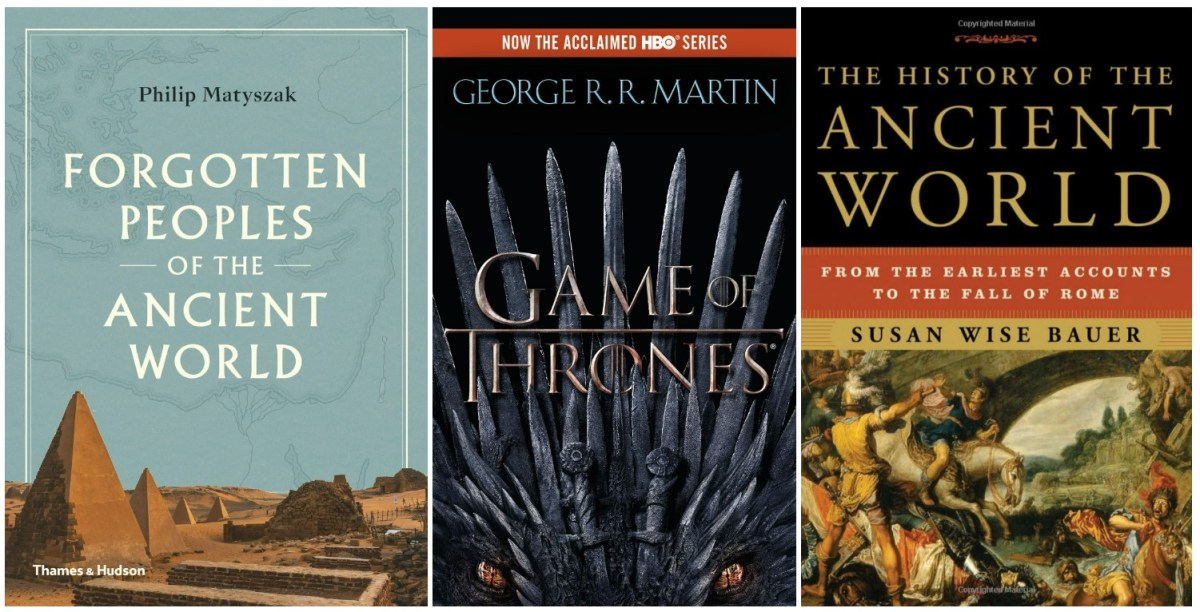
My friends Linda, Connell, and I are rewatching HBO’s Game of Thrones, and this time around I can’t help but compare it to current politics and the books on ancient history I’m reading. When I saw the series years ago I only thought of it as an epic fantasy. This time I feel George R. R. Martin distilled millennia of human history into one fictional story.

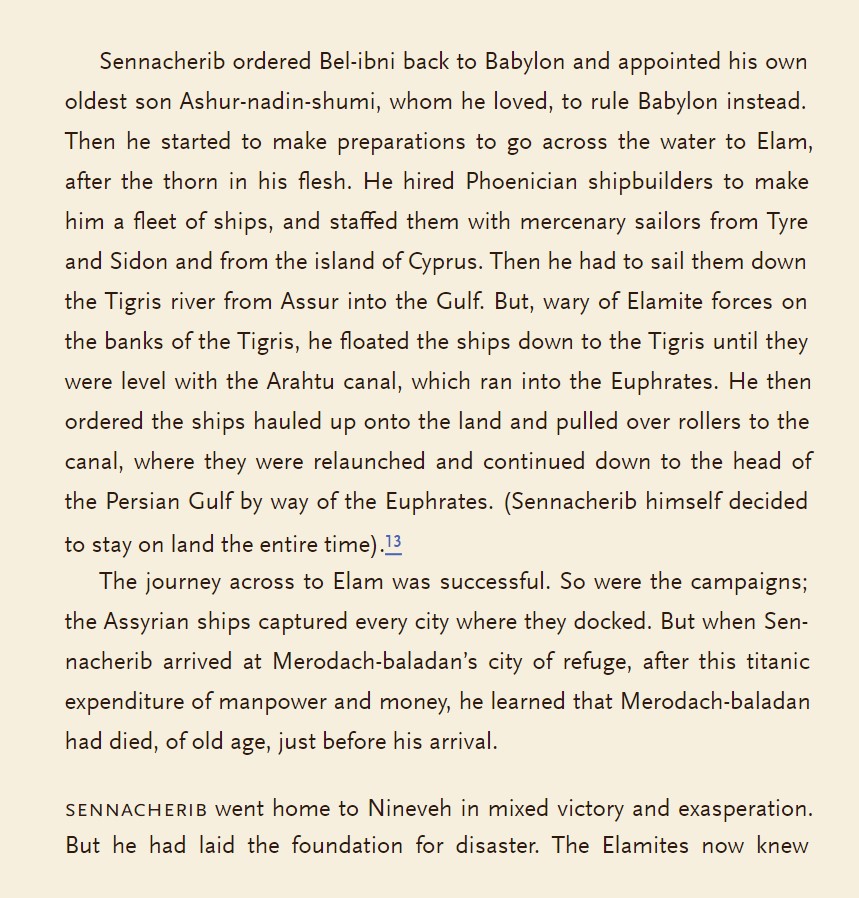
I’ve lost count of the times a real game of thrones has played out in my study of history. By now I’ve read dozens and dozens of accounts of power plays for a throne. One example from ancient Egypt deals with an assassination attempt on Rameses III from The History of the Ancient World by Susan Wise Baurer:

THE FAULT LINE running through Egypt, temporarily plastered over by victory reliefs and building projects, was still liable to crack open at any point. Rameses III held the throne by right of his father’s coup, and he was not immune to power plays.

Towards the end of his reign, one of his lesser wives hatched a plot to assassinate the king by mob violence. Scribes who recorded the affair during the reign of Rameses’s successor say that she began a campaign to “stir up the people and incite enmity, in order to make rebellion against their lord.”10 Apparently she hoped that the mob would not only remove Rameses III, but also his appointed successor—his son by another wife—so that her own son would become king.

A harem plot to kill the pharaoh was hardly unknown, but this one was remarkable for the number of people involved. The court recorder lists, among others, the two royal standard-bearers, the butler, and the chief scribe. The overseer of the herds was accused of making wax figures of the king, apparently for use in an Egyptian form of voodoo;11 the chief steward was convicted of spreading dissension. The conspiracy apparently stretched all the way down into Nubia: “Benemwese, formerly captain of archers in Nubia…was brought in because of the letter which his sister, who was in the harem, had written to him, saying, ‘Incite the people to hostility!’”12

The records of the conspiratorial accusations end, in monotonous regularity, with either “He took his own life” or “The punishments of death were executed upon him.” The exceptions were three conspirators who merely had their noses and ears cut off, and a single acquittal: a standard-bearer named Hori, who undoubtedly lived the rest of his years in disbelief that he alone had survived the purge.13

By the time the trials dragged to a close, the intended victim was offstage. Rameses III himself had died of old age.

That trial reminds me of the current Jan 6th hearings. I wonder how people will study January 6th in future history books?

Donald Trump’s campaigns to stay in political power remind me of Game of Thrones too. Trump wants the 2024 presidency like the Game of Throne characters wants the Iron Throne. I imagine Trump pictures himself as Tywin Lannister, rich and powerful, but he’s actually more like Robert Baratheon, a leader in name only who shirks his kingly duties to wench and hunt. All of Trump’s would-be advisors remind me of the treacherous advisors in King’s Landing. People like Steve Bannon obviously want to be a puppetmaster to the powerful in the same way Littlefinger and Varys pulled the strings on those who would rule Westeros.

This year I’m on my fourth book about ancient history and there is one obvious lesson that stands out above all others: Beware of rulers. There are always people, usually men, who believe they should rule, and they think nothing of getting thousands or even millions of innocent people killed to fulfill their ambitions.

The alpha humans always want more. The betas connive to be alphas. And the rest of humanity, the omegas, are the pawns in the game of thrones. To the ruthless, the 99.99% of humanity are the Star Trek red shirts in their personal fantasies. We see that with Putin in Ukraine right now. I’ve started another book, Bloodlands by Timothy Synder, that focuses on Hitler and Stalin’s roles in killing 14 million people from 1933 to 1945. Why do we let our rulers have so much power?

Until humanity can rule itself without ambitious psychopaths we’re going to repeat the same loop forever. In the history books, there have only been a couple of minor incidents where the ordinary citizens protested their role as cannon fodder. Most of history is about one ruler after another waging war. When will this infinitely repeated story horrify us enough to break free of the cycle? Since Game of Thrones was such a huge hit, maybe we love things just the way they are?

Eight seasons of Game of Thrones is about endless warring and the remembrances of wars. The story ends and we think there will be peace, but history tells us that won’t be true. Why don’t we get other stories in history and literature? Why not the stories of those people who built the beautiful cities we see in Westeros and Essos? Why is it always conflict and destruction?

Why do we mainly remember the monsters of history and literature? None of the major characters in Game of Thrones are good people. Is this why Trump and Putin are so well-loved in their respective countries? Are the rest of us just fans, taking sides while watching the game play out? Is that our only role, to pick a team to follow? Go Starks! Go Lannisters! Go Trump! Go Putin!

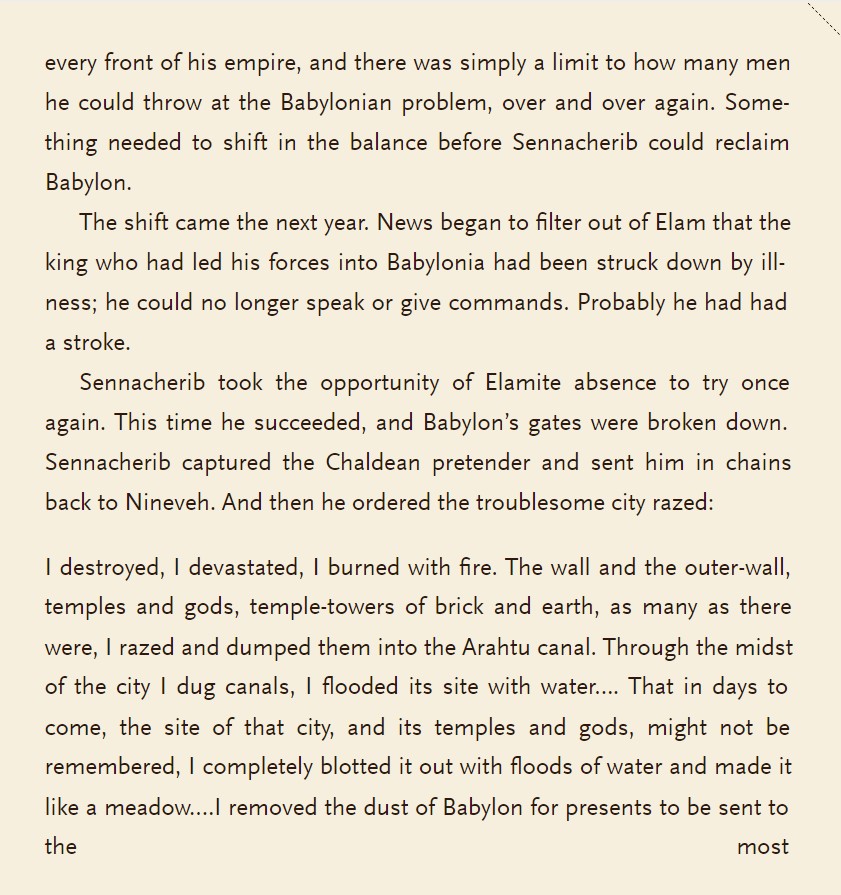
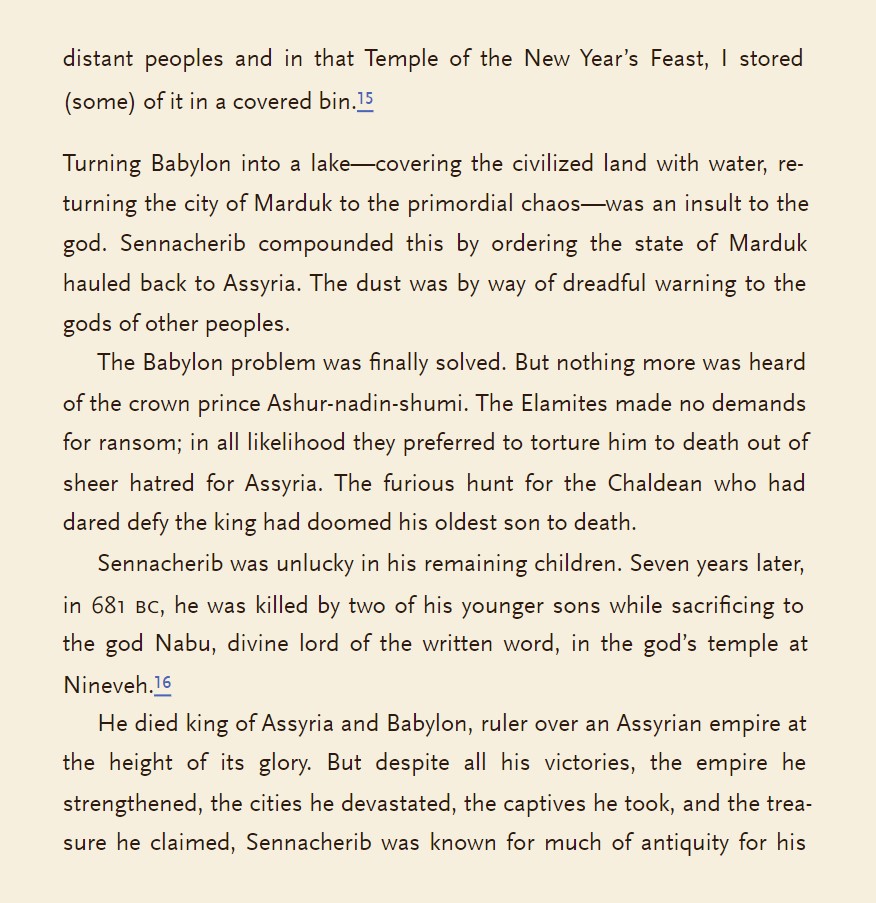
Below is one of my favorite and telling passages in The History of the Ancient World. In chapter 52, history intersects with the Old Testament and 19th-century literature. It’s not that I endorse what’s being reported, but I think it reveals something deeply psychological in the human race, especially when you compare these events of almost three thousand years ago to today. This passage reminds me of the destruction of cities in Ukraine and King’s Landing in season eight.

JWH

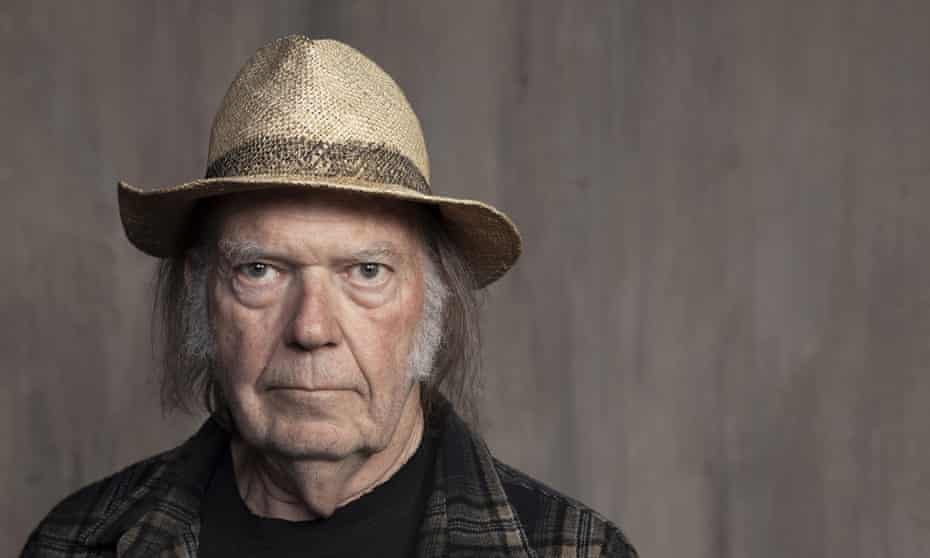
Is Neil Young’s Spotify Protest Censorship?

by James Wallace Harris, 2/2/22

I’ve noticed an interesting overlap in two news stories over the past week. One was Neil Young’s demand that Spotify removes Joe Rogan’s podcast, and the other was about parents demanding books be removed from Texas schools. Since I’m against banning books should I also be against banning podcasts? Just because I love Neil Young’s music should I follow his protests?

I know next to nothing about Joe Rogan other than he said healthy young people shouldn’t need to get the Covid vaccine. That’s truly bad advice that could get some young people killed. But is censoring Joe Rogan the answer? I find controversy-driven talk show hosts to be repugnant. I just ignore them. But what if we did live in a world where we could shut up everyone we didn’t want to hear?

The problem is people on the right want to suppress certain ideas, and people on the left want to suppress other ideas. In both cases, those folks think they are doing good. I believe ideas should battle it out in the open. If a talk show host or book author says something that upsets people, should we censor them? Or should we evaluate what they have to say and decide for ourselves what we want to believe?

We do have certain kinds of censorship. We put the kibosh on false advertising, libel, slander, or any action that leads to provable damaging results.

Are there cases where young people have died, and their parents could bring a class action suit against Joe Rogan? With all the social media evidence, I suppose documentation where young people left evidence saying they didn’t get vaccinated because of Joe Rogan. But isn’t that for the courts to decide?

What Neil Young, Joni Mitchell, et al have done is assume this danger is true and are fighting against it. That seems honorable. But I’m sure the parents and supporters of banning books feel they are equally honorable. I admire people wanting to do good, but I often feel they aren’t

On the other hand, I had a completely different take on the Young-Spotify issue. I was offended by Spotify regarding Joe Rogan for an entirely different reason. I love Spotify but I’ve always felt guilty when I hear claims that it doesn’t pay music creators fairly. To pay some blowhard $100 million for a podcast when Spotify is accused of paying musicians $50 royalty checks is hard to accept. Why isn’t Neil Young protesting that? However, I have heard other musicians say they are paid well by streaming services, and those complaining performers have never been given proper royalties. Evidently, dividing the pie has always been unfair in the music business.

It’s mind-boggling to me that talking heads get more money than musicians.

If recording artists pulled their music catalogs to protest bad pay, I could understand their attack on Spotify. Is Joe Rogan getting more pay per play than hit songwriters? That would be disturbing. Does society really value the opinionated over artists who gave us songs we’ve loved an entire lifetime? To me, Carol Kaye deserves $100 million far more than Joe Rogan.

I also must wonder if Neil Young and his musician friends are only hurting their fans. Spotify now skips their songs when they come up in my playlists. I never wanted to listen to Joe Rogan, but now I can’t hear Neal Young on Spotify.

I bought all of Neil Young’s albums and CDs for decades, and I could go back to listening to them now, but streaming is how I listen to music nowadays. I hardly ever use my turntable or CD player. Luckily, I subscribe to more than one music streaming service.

My protest to Spotify is they should pay the musicians more, even the ones that originally got bad contracts. I love the idea of a universal listening library for rent. It’s too damn convenient. That’s why I subscribe. I want access to all music. I don’t care about anything but the music.

JWH

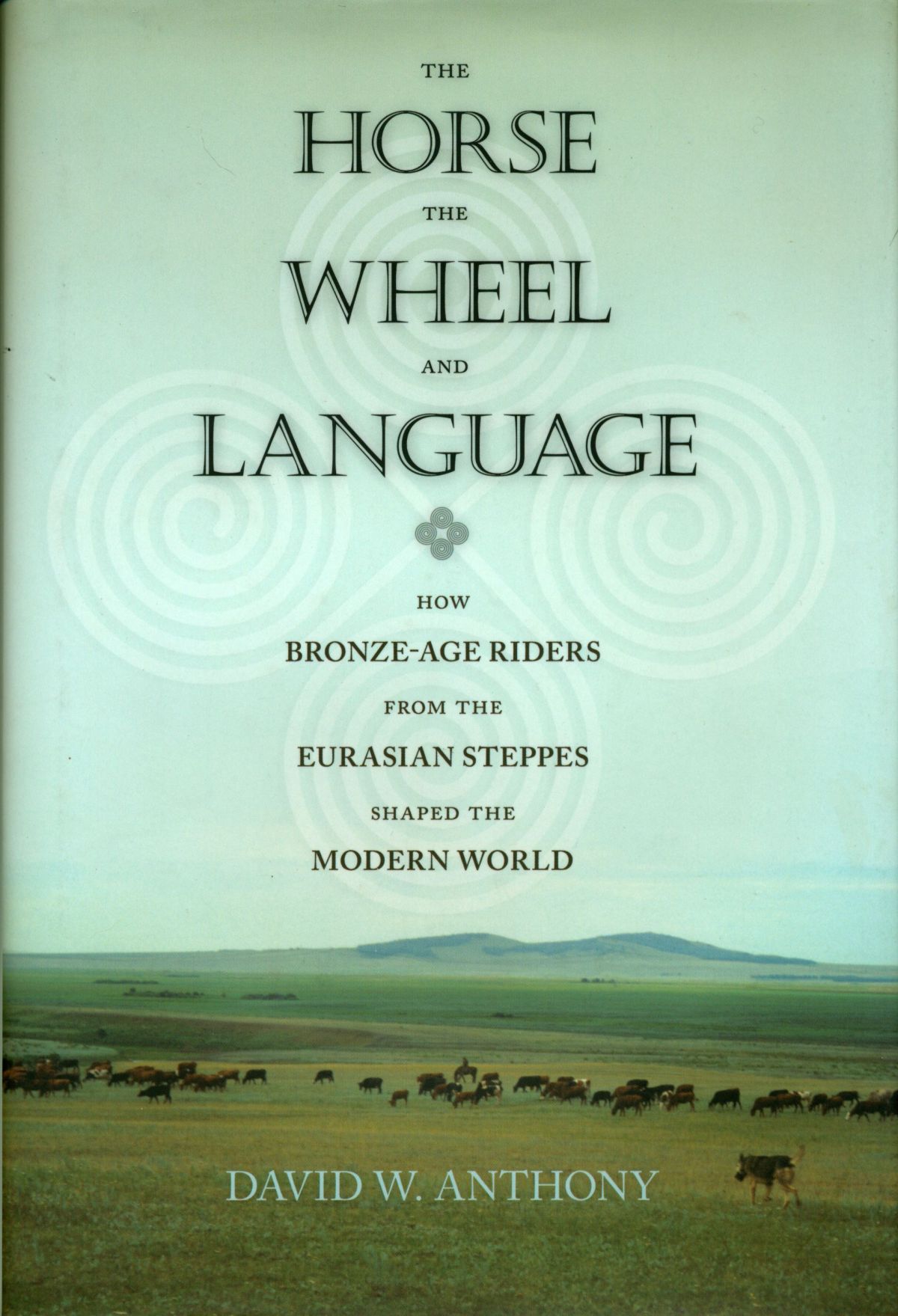
2022 Book #4 – The Horse The Wheel and Language by David W. Anthony

by James Wallace Harris, 1/26/22

Reading about the past is calming my anxieties about the future. The Horse The Wheel and Language: How Bronze-Age Riders from the Eurasian Steppes Shaped the Modern World by David W. Anthony is not a book I recommend to the casual reader. I expected it to be a popular science book about archaeology, but it turned out to be something much heavier. It’s a scientific work, probably used as a supplemental textbook. I found listening and reading the book to be rewarding and inspiring but it’s not fun. However, it has caused me to do a lot of philosophical pondering.

I won’t try to describe the book, Wikipedia has done an extremely detailed job with hyperlinks. If you want to know what the book is like, here is Anthony giving a lecture. This is exactly like listening to the audiobook.

I bought this book years ago and never read it and gave it to the library book sale. Then I read a popular article about linguistic anthology and decided I wanted to try it again and found a used copy. Still, I didn’t read it. Finally, I found an audiobook version that made it more accessible. I’m glad I had the physical book to refer to, because of its many complex charts and illustrations. This was a rewarding read, but I just want people to know it’s real science, not even popular science, and the going is tough. It took me weeks to listen to it all. Mainly, I want to talk about how I reacted to the book.

For years I’ve been troubled, even disturbed that our species lack real effort to combat climate change. For almost thirty years I’ve been waiting for governments and citizens to change their ways. I now realize that was naive of me. People don’t change. Not that I’ve given up complete hope, but all the evidence tells me our global civilization will never do anything significant about climate change.

That has inspired some existential insights. I expected humanity to grab control of reality and do everything it could to freeze the environment to its 1850-1950 weather patterns and maintain that as a steady-state forever. Once I started studying archaeology I realized that weather has always been changing over our species lifetime, and even for the whole lifetime of the Earth. Humans have always adapted to new weather patterns. It’s probably too fantastic to think we’ll control the weather.

Reading The Horse The Wheel and Language showed that humans have never stayed the same either. We’re constantly changing. Civilizations come and go all the time. Reading and watching documentaries about history and archaeology is teaching me that change is constant. That old saying, “the only thing constant is death and taxes” is true.

On its own specific subject The Horse The Wheel and Language is fascinating, but like I said, I not going to recommend you run out and buy it. Most of it is one giant infodump describing several societies around the Russian Steppes from about 4000-1200 BCE. The most interesting chapters were the early ones about the Indo-European languages and how linguists infer what the Proto-Indo-European language was like, and more specifically to this book, where in the world did the speakers of the Proto-Indo-European language lived.

Anthony claims by looking at the array of words in an ancient language and comparing it to the array of objects that archeologists have unearthed, we might pinpoint where those people could have lived. For example, if a language has the word for a wagon, but no wagons are ever found, it’s a not likely match. Or if a language has a lot of words for raising sheep, and lots of sheep bones were found, we might be getting warm. Of course, it’s much more complicated than that. For example, linguists can show how words from adjacent civilizations have passed into a language. I found all this fascinating, but overwhelming.

This is why the words Horse and Wheel are in the title. Only certain early civilizations had horses and wheels. For a long time, horses were only hunted for food. Then they were domesticated for food. Then came riding horses, and finally using horses to pull carts, then wagons. This made me think about how we’ll adapt to climate change. We’ll invent housing, clothing, lifestyles, jobs, political parties, etc. to adapt.

One thing I was amazed to learn was just how many different groups of people existed in a small area in prehistory that we know about. Most people when they think of ancient civilizations think of Egyptians, Babylonians, Greeks, Persians, and a few others. To me, the Russian Steppes and nearby lands sounded like North America before Columbus with countless tribes of nomadic and agrarian peoples.

For a while when reading the book I thought of making a timeline/list of civilizations to memorize but I soon realized that could become a lifetime project. I’ve ordered an archaeology textbook to help me get a bigger picture, but I’m not sure how big of a picture I can manage. Reading this book also made me crave maps, so I ordered a couple of atlases.

Many of these early civilizations lasted hundreds or even thousands of years. That made me think about how often world maps have changed in my lifetime. If the United States of America doesn’t make it to its 300th birthday it won’t be alone. All the descriptions of past changes of civilizations due to climate change, war, technology, disease, etc., make me wonder about what America might be like in the 22nd century. I now understand we can’t keep the weather of the 1950s forever, or the politics of the 1790s, or the technology of the 2020s.

About 85 million people died in the decade before I was born due to WWII, or about 3% of the world’s population. We’ve already put enough CO2 in the atmosphere to kill that many or more by the end of this century. Since we’re not going to stop adding CO2 anytime soon, billions will probably die in the 22nd century. Percentage-wise, civilizations have seen that kind of population reduction before.

I believe conservatives wanted to preserve the social climate of the 1950s, while liberals wanted to keep the weather environment of the 1950s. Neither will get what they want. All the demographics on Americans and America will be so much different in the 22nd century that we wouldn’t recognize either.

I need to stop speculating or worrying so about the future. Studying the past is philosophical liberating for me, but I’m not sure how much I should pursue it either, but I will. Living in the now is what’s important. And that’s why most people don’t worry about the future. I doubt for most of humanity’s existence the future was even a concept. I also assume the reason why so many people embrace various forms of denial is they don’t want to know the future because deep down they fear change. But change is coming. We can’t stop it.

JWH

Can We Build Tornado-Proof Houses?

by James Wallace Harris, 12/15/21

The recent tornado in Mayfield, Kentucky has me worried. I’m old, retired, and have health issues, so having my home destroyed would be immensely stressful. I feel so sorry for people in disasters like this, but especially when I see old people having to be helped because they are so helpless. I fear being helpless.

One thing I noticed in the pictures from Mayfield is some buildings survived the devastation. My friend Connell told me after Hurricane Andrew hit Miami they realized how houses were poorly constructed and made changes to the building codes. The newer homes are much more hurricane-resistant. I’m wondering if the same kind of codes can be applied to protect homes from tornadoes.

However, I don’t want to wait for new building codes or move to a new house. I doubt there are practical retrofit possibilities. One of the things that trouble me about tornadoes and other forms of weather damage is having to leave my home. If the house is a complete loss, there’s no choice, but what if there’s only some damage? Say a tree crushes one side of the house. I’d want to rebuild, and I wouldn’t want to leave my partially good house either.

So I’ve been thinking of something else. People use to have storm cellars. What if I could have a tiny home or a mother-in-law wing addition to my house that was built to strict specifications, could it survive a tornado? Something that Susan, the cats, and I could live in while our house was being rebuilt, or when storms are about to happen. Would this be practical? And how much would such a building cost?

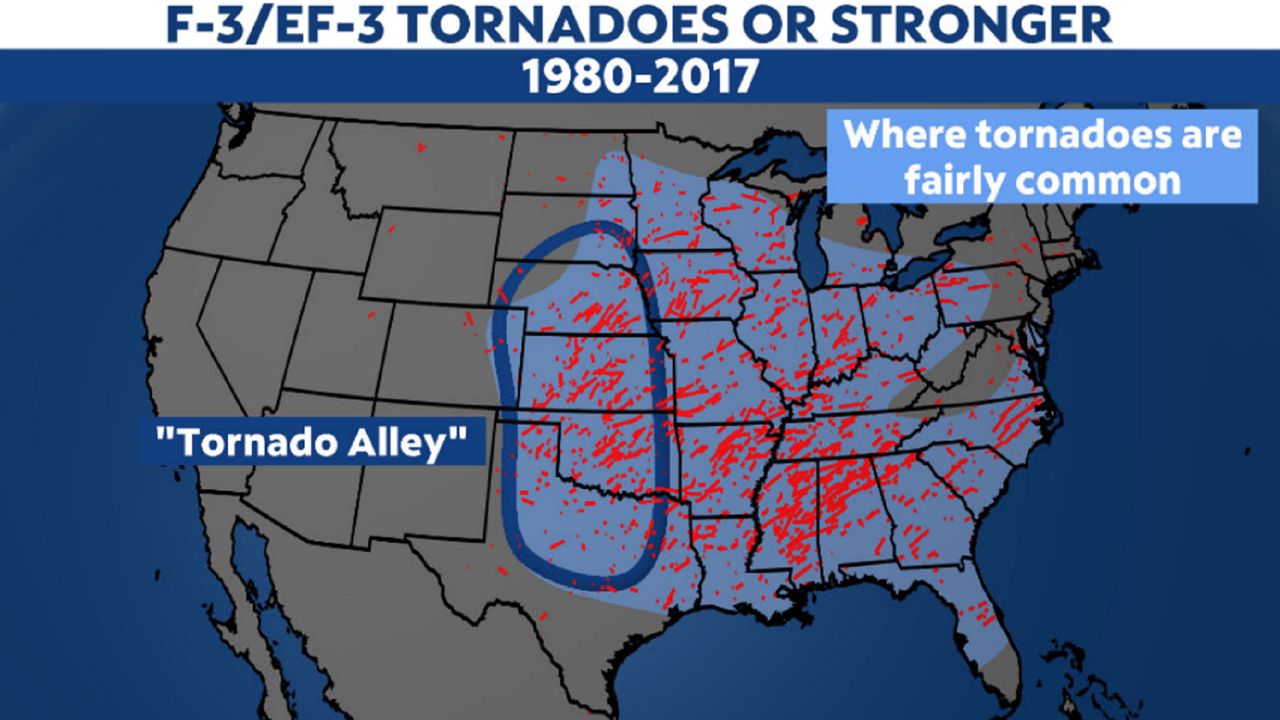
Is Tornado Alley Shifting to the Southeast?

I’m starting to see reports that Tornado Alley is shifting to the east, with some maps putting it where I live in Memphis, Tennessee. Other people are saying it’s not shifting with widening.

This article says tornado alley is an outdated concept and suggests a new shape.

Then I saw this article about high winds. Now that’s pretty scary.

How big would a lifeboat house or addition have to be? Should it be partially underground? Or could it be built with concrete blocks and a steel frame to withstand most weather-related disasters? It would need to have a bathroom and shower, but otherwise, everything could be in one room, including a kitchenette. Should we assume water and sewer systems survive most disasters? What about gas lines? Or should it be totally self-sufficient?

This is something to think about. Maybe it’s a business opportunity for a new industry. Could a prebuilt pod be designed and mass-produced to reduce the cost of such a need? Basically, a tank-like RV or small house trailer that could be partially buried might be a good design.

Remember the bomb shelter craze of the 1950s and 1960s? Maybe we’ll have a new climate change shelter craze?

JWH