How Game of Thrones Reflects History Like Two Opposing Mirrors

by James Wallace Harris, 6/15/22

My friends Linda, Connell, and I are rewatching HBO’s Game of Thrones, and this time around I can’t help but compare it to current politics and the books on ancient history I’m reading. When I saw the series years ago I only thought of it as an epic fantasy. This time I feel George R. R. Martin distilled millennia of human history into one fictional story.

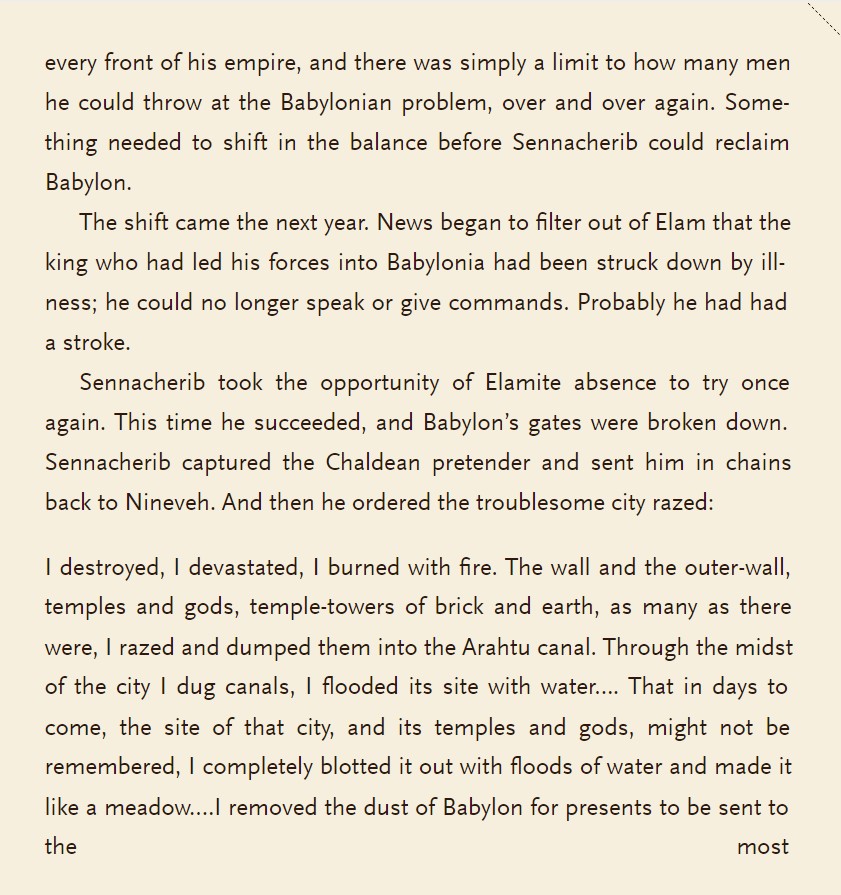
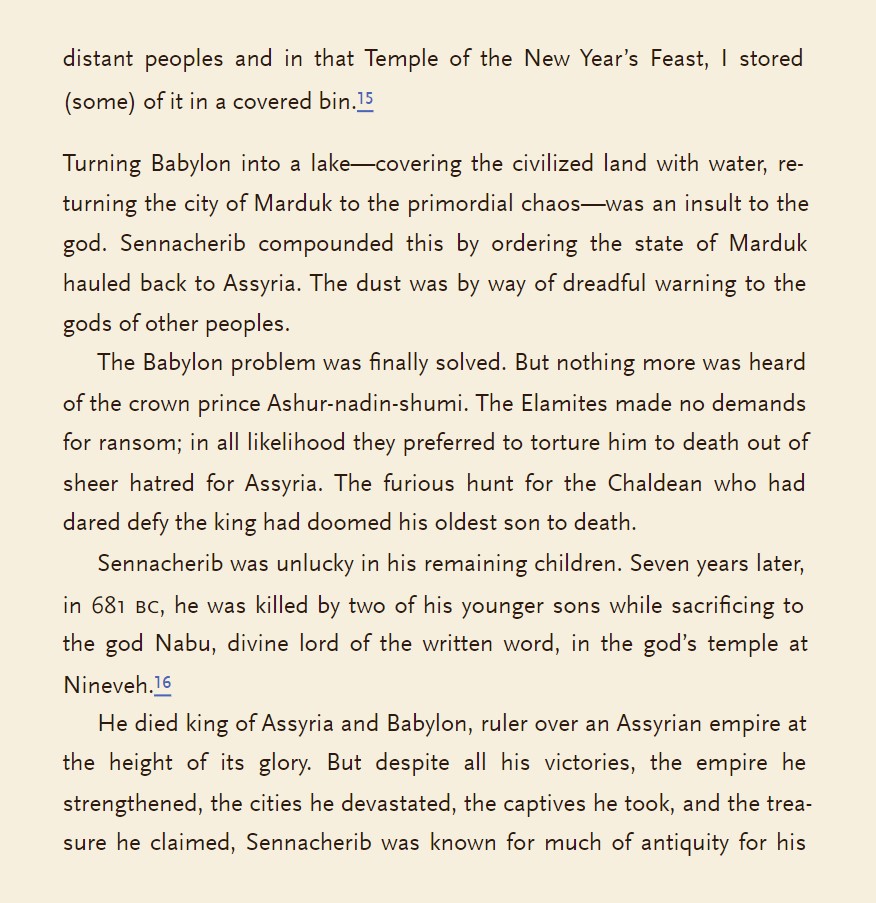
I’ve lost count of the times a real game of thrones has played out in my study of history. By now I’ve read dozens and dozens of accounts of power plays for a throne. One example from ancient Egypt deals with an assassination attempt on Rameses III from The History of the Ancient World by Susan Wise Baurer:

THE FAULT LINE running through Egypt, temporarily plastered over by victory reliefs and building projects, was still liable to crack open at any point. Rameses III held the throne by right of his father’s coup, and he was not immune to power plays.

Towards the end of his reign, one of his lesser wives hatched a plot to assassinate the king by mob violence. Scribes who recorded the affair during the reign of Rameses’s successor say that she began a campaign to “stir up the people and incite enmity, in order to make rebellion against their lord.”10 Apparently she hoped that the mob would not only remove Rameses III, but also his appointed successor—his son by another wife—so that her own son would become king.

A harem plot to kill the pharaoh was hardly unknown, but this one was remarkable for the number of people involved. The court recorder lists, among others, the two royal standard-bearers, the butler, and the chief scribe. The overseer of the herds was accused of making wax figures of the king, apparently for use in an Egyptian form of voodoo;11 the chief steward was convicted of spreading dissension. The conspiracy apparently stretched all the way down into Nubia: “Benemwese, formerly captain of archers in Nubia…was brought in because of the letter which his sister, who was in the harem, had written to him, saying, ‘Incite the people to hostility!’”12

The records of the conspiratorial accusations end, in monotonous regularity, with either “He took his own life” or “The punishments of death were executed upon him.” The exceptions were three conspirators who merely had their noses and ears cut off, and a single acquittal: a standard-bearer named Hori, who undoubtedly lived the rest of his years in disbelief that he alone had survived the purge.13

By the time the trials dragged to a close, the intended victim was offstage. Rameses III himself had died of old age.

That trial reminds me of the current Jan 6th hearings. I wonder how people will study January 6th in future history books?

Donald Trump’s campaigns to stay in political power remind me of Game of Thrones too. Trump wants the 2024 presidency like the Game of Throne characters wants the Iron Throne. I imagine Trump pictures himself as Tywin Lannister, rich and powerful, but he’s actually more like Robert Baratheon, a leader in name only who shirks his kingly duties to wench and hunt. All of Trump’s would-be advisors remind me of the treacherous advisors in King’s Landing. People like Steve Bannon obviously want to be a puppetmaster to the powerful in the same way Littlefinger and Varys pulled the strings on those who would rule Westeros.

This year I’m on my fourth book about ancient history and there is one obvious lesson that stands out above all others: Beware of rulers. There are always people, usually men, who believe they should rule, and they think nothing of getting thousands or even millions of innocent people killed to fulfill their ambitions.

The alpha humans always want more. The betas connive to be alphas. And the rest of humanity, the omegas, are the pawns in the game of thrones. To the ruthless, the 99.99% of humanity are the Star Trek red shirts in their personal fantasies. We see that with Putin in Ukraine right now. I’ve started another book, Bloodlands by Timothy Synder, that focuses on Hitler and Stalin’s roles in killing 14 million people from 1933 to 1945. Why do we let our rulers have so much power?

Until humanity can rule itself without ambitious psychopaths we’re going to repeat the same loop forever. In the history books, there have only been a couple of minor incidents where the ordinary citizens protested their role as cannon fodder. Most of history is about one ruler after another waging war. When will this infinitely repeated story horrify us enough to break free of the cycle? Since Game of Thrones was such a huge hit, maybe we love things just the way they are?

Eight seasons of Game of Thrones is about endless warring and the remembrances of wars. The story ends and we think there will be peace, but history tells us that won’t be true. Why don’t we get other stories in history and literature? Why not the stories of those people who built the beautiful cities we see in Westeros and Essos? Why is it always conflict and destruction?

Why do we mainly remember the monsters of history and literature? None of the major characters in Game of Thrones are good people. Is this why Trump and Putin are so well-loved in their respective countries? Are the rest of us just fans, taking sides while watching the game play out? Is that our only role, to pick a team to follow? Go Starks! Go Lannisters! Go Trump! Go Putin!

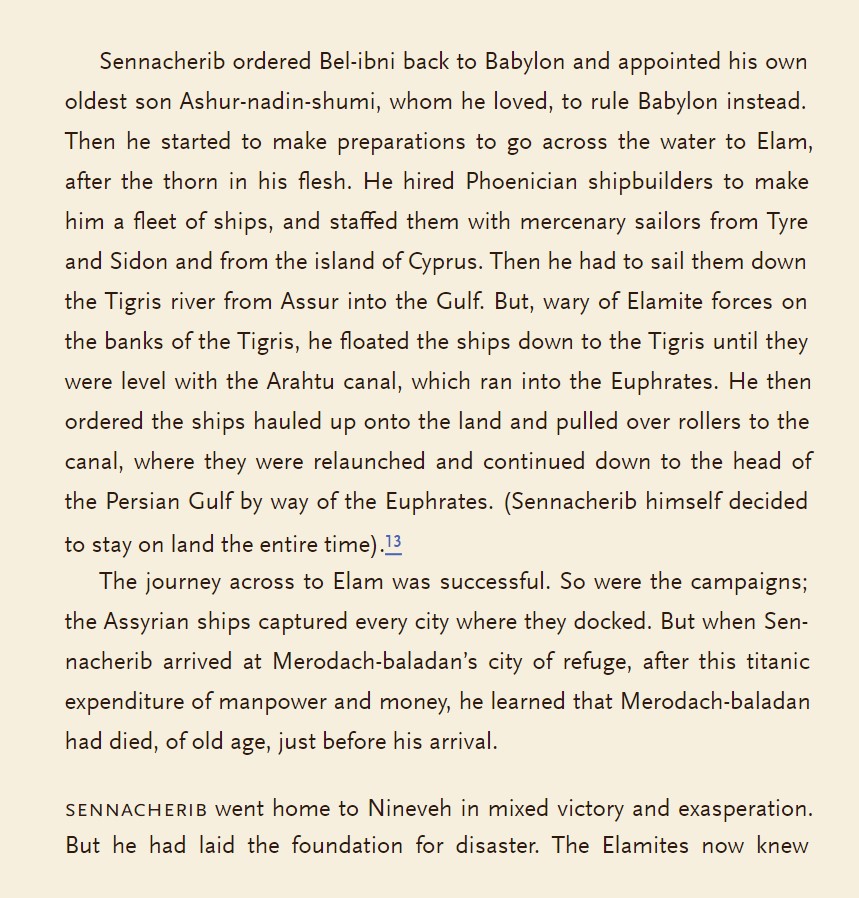
Below is one of my favorite and telling passages in The History of the Ancient World. In chapter 52, history intersects with the Old Testament and 19th-century literature. It’s not that I endorse what’s being reported, but I think it reveals something deeply psychological in the human race, especially when you compare these events of almost three thousand years ago to today. This passage reminds me of the destruction of cities in Ukraine and King’s Landing in season eight.
JWH

Are You Prepared for a Trip to the ER?

by James Wallace Harris, 6/10/22

Now I don’t mean are you wearing clean underwear or are you psyched up to wait in line for hours to see a doctor? I mean something different. Are you prepared for your body to fail? When I was younger I was rushed to the ER because my sister hit me in the hit with a croquet mallet and I was bleeding like someone in a horror film or the time when we were goofing around in PE and I broke my arm, but those are not the kind of bodily failures I’m talking about. Are you ready to start falling apart unexpectantly?

Last week I had to go to the ER. I had food stuck in my esophagus. It was below the windpipe so I could breathe, but if I tried to swallow water to help clear it, the water wouldn’t go down and I’d have to puke/cough it back up. I waited two hours for the food to pass. This has happened to me before and it’s always cleared, but after two hours I worried it might be really stuck. So I went to the ER. I should have gone to a GI doctor years ago instead of waiting for an ER emergency visit. My mother had her esophagus stretched. I think having food stuck in mine for seven hours did stretch it.

Luckily, after waiting five hours, I got to see a doctor, and just as she was getting ready to send me to a GI specialist, the food fell through. What a relief. I had been imagining the kind of things they’d stick down my throat. I still had to stand another hour to be released.

Unluckily for me, I was having a bad back spell, and standing for six hours aggravated the crap out of my back. When my back gives me trouble, I can’t sit. I can lie down or stand. (I’m typing this while standing.) So, instead of going to see a GI doctor about my throat, I’m seeing a back doctor and getting an MRI tomorrow. After that, I might schedule a visit with a GI doctor, but I have three other pressing issues, any of which could send me to the ER again.

I did not expect to get so old at 70 so fast. While I was waiting in the ER for five hours I watched the other people around me. Now, don’t get me wrong, I’m not complaining about waiting five hours. That’s part of the deal, and other people who came in before me were still waiting when I left. The ER was run very smoothly, and they have a triage system.

If it was obvious you needed help you got it immediately. The next stage involved a form that asked five questions to determine if they needed to act almost as fast. (If you could fill out a form, you’re not quite dying I suppose.) One of the questions was: Are you having trouble breathing. I wasn’t, since the food was past my windpipe. So I didn’t check it, if I had, I might not have had to wait five hours, but I didn’t want to cut in line. I sometimes started to have trouble, but I could cough up all the saliva that built up and I was okay again. The third stage, after a bit of waiting, is where a nurse takes your vitals and gets the details.

None of the form questions were about severe pain, and quite a few people in the waiting room seemed to be in a lot of pain. That old advice about seeing the ER doctor right away if you arrive in an ambulance isn’t true. We came in a car, but I saw people arriving in an ambulance that was told to wait in the waiting room, and the EMTs took them off the stretcher and put them in a waiting room chair. There were three waiting room areas, and I guess about forty people, but that included loved ones or caretakers.

One guy was in agony, I think from a kidney stone (he leaked blood by the urinal and on the floor while I was in there puking up spit). He kept demanding to see a doctor but was told he had to wait. He left claiming he was going to go find an ER that would help him. I wondered how to be best prepared for having kidney stones. Is it having a good urologist?

The lesson I learned in the ER, and it was a very educational experience, was to get prepared because I would be in there again, and maybe in worse shape. I had to call an ambulance for my mother a couple of times, so did my sister, and my mother even called them on her own several times. Getting old means getting to know the ER system. Getting old means learning to deal with all kinds of medical specialists. Getting old means learning to endure all kinds of diagnostic procedures.

I’m the kind of person that likes to picture what I’m going to do before I do it.

What I’m trying to figure out now, is how to be better prepared for trips to the ER. My mother said to always wear clean underwear, but there’s got to be more things to do to make the experience better.

JWH

Update: I’m not sure this essay succeeded in conveying the positive experience I got from my visit to the ER. It was painful for my back, and I would have preferred not to have had food stuck in my throat, but overall I found those six hours very enlightening. Contrary to that old adage, what doesn’t kill us won’t always make us stronger, but in this case, I think it made me wiser. I fear my writing effort here has failed because I haven’t conveyed that wisdom.

Be Prepared!

by James W. Harris, 5/18/22

Back in November, I had to jump-start my truck the old fashion way with cables off my wife’s car. It was tricky getting her car into position so my cables could reach. After that, I started parking my truck facing out in case it happened again. But I had also heard about these portable chargers and I got on Amazon and ordered a DBPOWER 1000A Portable Car Jump Starter (pictured above).

When it came in I couldn’t believe how small it was. It comes in a nice case, but the actual charger is about the size of a paperback book. I charged it up on 11/6/21 and stuck it under my truck seat. Today, I went out and discovered I had done the same dumb thing again – which is to not shut my passenger door tight after getting groceries out. I know, I’m a dumbass.

I immediately remembered the DP1000 and wondered if it was still charged up. It was. So it holds a charge for at least six months. It was damn simple to use. You plug in a small set of cables, connect red to positive, black to negative, turn it on the DP1000, and start the truck. It started instantly. I was so impressed. I’m going to get one for my wife’s car now.

I’m not advocating the model of device I got is the best. It says it was good for up to a 7.0L gas engine or 5.5L diesel. There’s a huge variety of them to choose from, even some that are combined with an air compressor. I already had one of those.

I was mightily impressed with this little device. I’ve helped jump other people’s cars with my cables and it hasn’t always been convenient to align the vehicles. This is the solution.

JWH

Why Do We Keep Repeating History When We Know We’re Repeating History?

by James Wallace Harris, 5/16/22

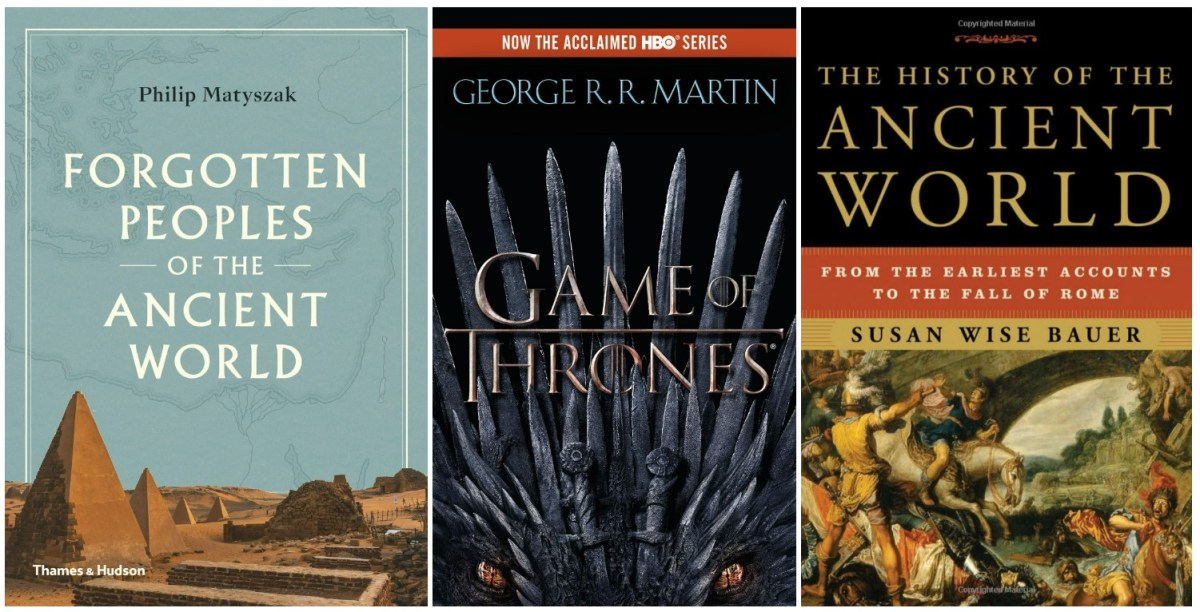
I’m listening to and reading Forgotten Peoples of the Ancient World by Philip Maryazak. It’s a quick overview of 40 civilizations of early history beginning with the Akkadians and ending with the Hephthalites. To be honest, I had only heard of less than half of these civilizations, mostly because of references in the Bible or from Greek and Roman history.

I’ve never studied ancient history much but I’ve recently gotten hooked on it, especially after reading The Horse The Wheel and Language by David W. Anthony, The Dawn of Everything by David Graeber and David Wengrow, and The Writing of the Gods by Edward Dolnick. The first two were a slog to get through but I still admired them. The Writing of the Gods was sheer fun and would probably appeal to many readers. Forgotten People of the Ancient World is a breezy summary, which I’m thoroughly enjoying, but it doesn’t go too deep. Perfect for me right now, but I’ll want to know more later. Actually, the entries on Wikipedia cover more for each civilization than Matyszak’s chapters, but his book integrates a digestible narrative with inspiring photos and maps making it easier to read.

When you read/listen to one summary of a civilization after another, it’s pretty damn obvious that humankind is on repeat mode. Humanity is Phil Connors in Groundhog Day, but we never learn how to break the cycle. You’d think with all this history we’d figure it out the secret.

Some cycles are obvious, like the rise of powerful leaders. Why do we call Alexander III of Macedon the Great? Sure, he conquered a lot of territories but he also killed, destroyed, and plundered. We hate Putin today for what he’s doing in Ukraine, but how was Alexander III of Macedon any different? We really should call Alexander, Napoleon, Hitler, Putin, and every other empire builder the monsters of history.

That’s the number one cycle we keep doing over and over, which is to allow egomaniacs to become rulers. We’ve tried to avoid that by creating democracy, but as you can see from recent times that doesn’t always succeed at controlling men who want more. And even then democracies sometimes go around and destroy other countries too, just like would-be emperors. Humans have this thing about destroying their enemies and expanding their territory. Like Rodney King, I must ask, “Can’t we all just get along?”

A less obvious cycle we repeat is the reverberation between big government and small government. All the successful civilizations grew, needing central control to keep things organized. The central government of the Akkadians had to build vast irrigation systems which required taxes and governmental infrastructure. There are always people who resent that. They rebel and undermine the central government and civilization erodes and eventually collapses. Why can’t we find a balance between secure political structures and personal freedoms?

We fail to be good stewards of the Earth and overtax Mother Nature with our endless growth and consumption. Nor do we save for the future to withstand random destructive acts of nature. Humanity is no Boy Scout, it’s never prepared.

Another hit on the Top Repeat list is ignoring reality. We feed our hatreds and greed with crazy ideas and justifications. We’re always our own worst enemy.

I feel like we’re living in end-of-civilization times. Reading about history is somewhat soothing but for a strange reason. It promotes stoical thinking.

Here’s a neat video on YouTube about how chaos theory predictions patterns of disorder in ordered systems. We live with entropy, and civilization is anti-entropic. It helps to understand both chaos and complexity theory. It won’t help the world to know this, but at least it explains some things.

JWH

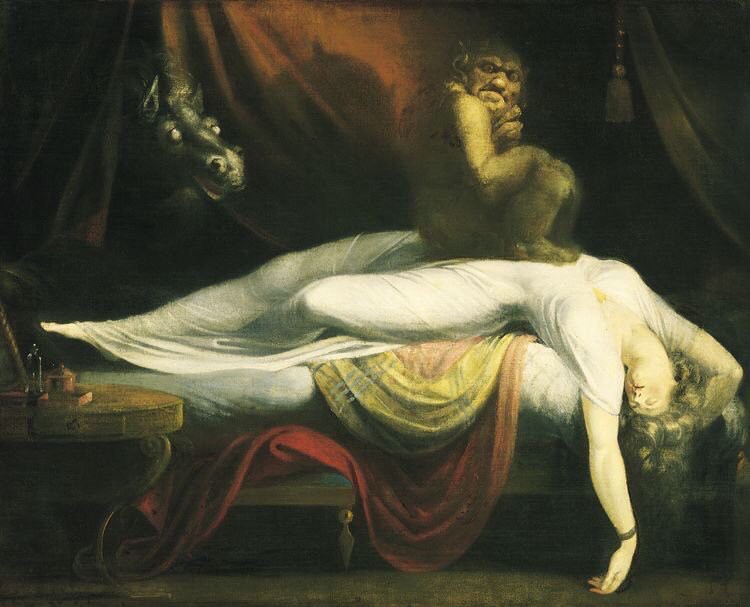
Why Did I Dream About the Dead Woman?

by James Wallace Harris, 5/15/22

A vivid emotional dream woke me. The dream was short, but it gave off an intensity. I was in a room, but I don’t think it was me. I was watching two men struggle with a dead woman trying to lay her body out straight. She wasn’t fat, but she was somewhat big, maybe tall, and around 160-170 pounds. There was a short man at her head and a taller man at her feet. I never saw their faces. The woman had died in a fetal position, tangled up in a quilt. The two men were lifting her up to stretch her out on her back. My impression was they were going to take her away, so maybe they were funeral people. I apologized to them for not helping, but I didn’t tell them I was afraid to get too close to the dead woman. I felt that strongly. I don’t know if we were related, but she was in her forties, much younger than me, but then who I was in the dream was younger too.

The woman was bald, and when they got on her back and arms folded on her chest, they stood up. The woman’s head then quickly sprouted short dark hair and she turned her head towards me and gave a beautiful smile. Shocked, I pointed exclaiming, “Look, she’s alive!” But when they looked down again, she was dead like before.

That was the end of my dream.

I’ve been reading books and watching documentaries about ancient Egypt and I wondered how ancient people would have interpreted this dream. Ancient Egyptians were obsessed with the underworld. All through history people have tried to make dreams meaningful. I wonder if this dream was supposed to be a message to me? I didn’t know the woman. And I’ve never believed in dream interpretation, yet I wondered why I dreamed this dream. Was it only my unconscious mind sorting information?

At 70, I’ve known a lot of people who are no longer with us. And since my body is obviously in decline, I don’t think I’ll be around for many more years. A dream about death seems important. When I woke up I wasn’t frightened. It wasn’t a nightmare. But I was puzzled.

Since I’m an atheist I don’t think we exist after death. But what if I’m wrong? Lately, there are been a lot of speculation about this universe being a simulation. What if I died and came to in another existence, and then realized I had been in some kind of virtual reality, wouldn’t that be weird? But then, what happens when I die in that reality?

I am amazed at my dreams for another reason. How does my brain generate images? Or construct stories? Often my dreams feel like productions equal to short movies. If I have a speech center of the brain, where is the movie studio center? What’s weird is I have that condition, aphantasia, that keeps me from visualizing imagery in my waking life. Yet, I have no trouble generating imagery in my sleep. I used to generate imagery when I was high, but that’s been half a century ago.

By the way, do we really see movies in our dreams? Sometimes I think dreams are a series of images, each one triggering an emotion, giving the illusion of movement.

I can easily understand how primitive people could believe what they did about dreams – they seem so real. The more I read about consciousness the more I believe my perceptions are very limited. And the more I read, the less I feel like I know anything.

I’m always amazed at people who are so confident in their beliefs. I’m sorry, but I assume you’re delusional. I know I am. The more I read, the more ways I’ve come across in which we fool ourselves. I guess you think I read too much.

Most of my dreams are about desperately searching for a bathroom and I wake up needing to pee. You may laugh at that, but isn’t it rather straightforward. Isn’t my unconscious mind just saying, “Wake up and go pee!” If it can be so direct about something so basic, what is my unconscious mind telling me when it shows me a smiling dead woman?

JWH