by James Wallace Harris, Tuesday, December 31, 2019
This is the 12th year I’ve been doing these “Year in Reading” posts. They’re really written for my poor memory because I can’t imagine anyone caring about a list of books I’ve read. It’s a ritual where think about my reading habits and contemplate what I might want to read in the next year. At the end of last year I said, “Other than gorging on short science fiction, I’ll make no promises for 2019.” I think that’s the first time I’ve actually done exactly what I said I was going to do regarding my reading predictions.
This year I won’t list the books I’ve read. I’m being lazy because it takes a lot of work to create that HTML table. I’ve started using Goodreads to track my reading so here’s my 2019 summary for those who care. It’s much more visual anyway since it displays the list by the covers.
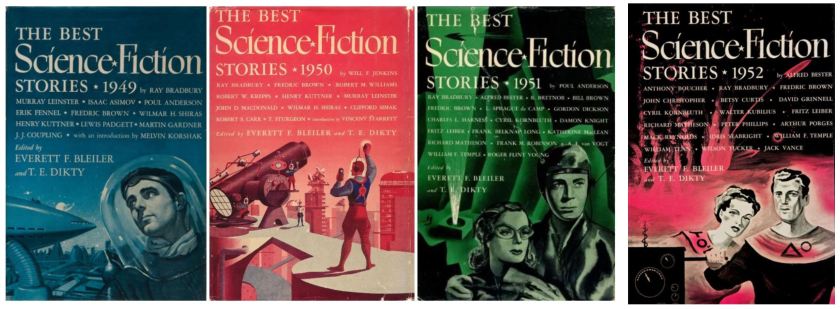
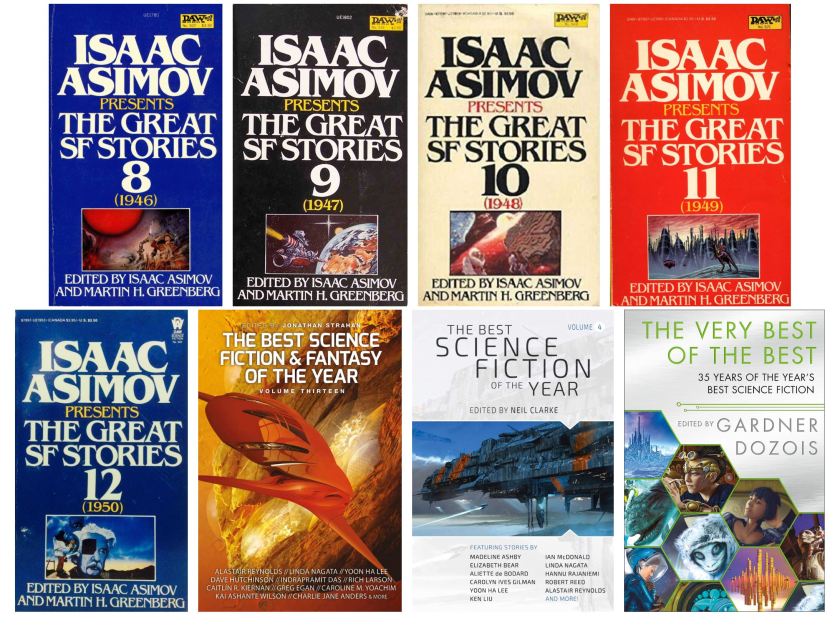
This year I read many anthologies and author collections of science fiction short stories. I’m guessing well over two hundred stories. I also read several books about the history of science fiction. I’ve separated my obsession with science fiction to another blog. I’m starting to wonder if I read too much science fiction, especially older science fiction.
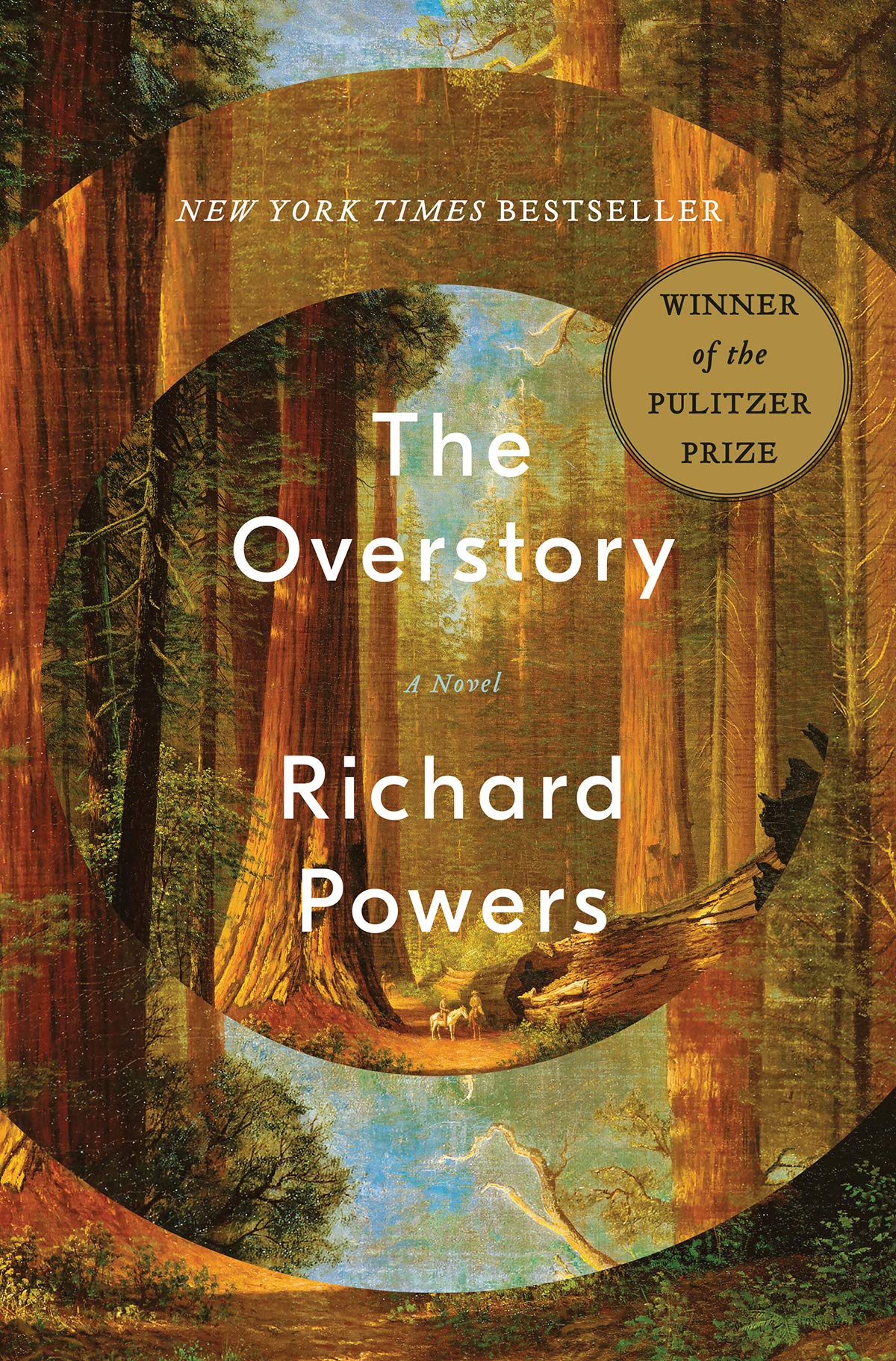
What’s interesting is when I look over the books I read in 2019 the books that stand out the most weren’t science fiction. I’d have to say my novel of the year was The Overstory by Richard Powers. I was also very impressed with The Handmaid’s Tale by Margaret Atwood.
Picking my favorite nonfiction book is harder, so here’s my three-way tie:
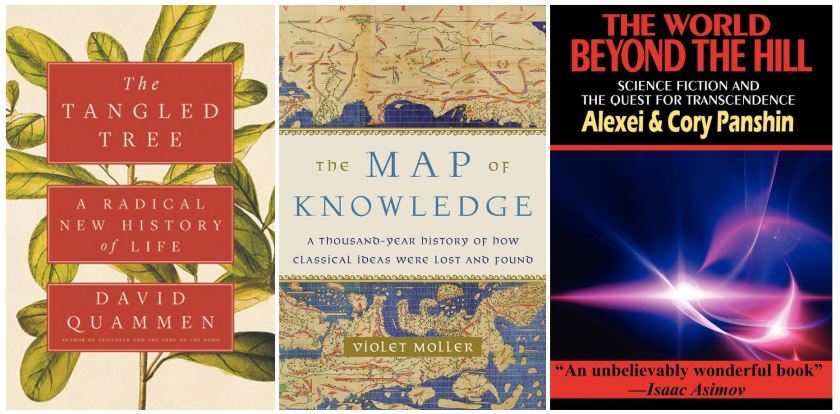
Since I don’t feel like spending a lot of words on describing these books I thought I’d link to reviews that do:
- The Tangled Tree by David Quammen
- The Map of Knowledge by Violet Moller
- The World Beyond the Hill by Alexei & Cory Panshin
I will say that I wish I could remember what’s in these books. It bothers me that I read intensely fascinating nonfiction books and then quickly forget it. I’ve written about this forgetting angst before. My best existential solution is to tell myself that feeling knowledgable about these subjects while I read them is good enough. This is my second reading of the Hugo Award-winning The World Beyond the Hill, and it’s already fading away. I hate that.
Quite often when I reread one of these Year in Reading posts I discover so many titles that I no longer recognize at all. And I’m not even talking Alzheimer’s forgetting, but merely mundane I’m-getting-old forgetting. Part of my problem is I chase too many squirrels. One comforting aspect of focusing on old science fiction this year is the feeling that I’m becoming knowledgable about something. It is a rather useless academic territory to claim, but at least it feels familiar when wandering around in the same small land.
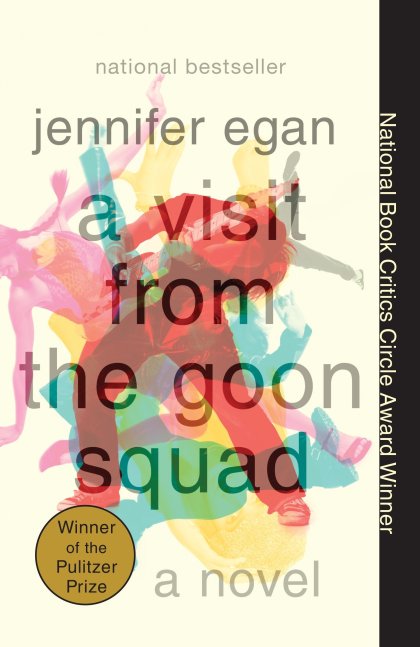
I assume next year I will continue exploring deeper into the history of science fiction. However, I would like to broaden my reading somewhat. At the end of this year, I read A Visit from the Goon Squad by Jennifer Egan because several best-of-the-decade lists praised it. This literary fix-up novel (13 short stories that have connections) was far better written than any science fiction I read and does broaden my reading experience, but I’m not sure I cared. Still, I might try some more contemporary literary fiction in 2020.
I feel in my waning years that I need to specialize in a few subjects because I can’t maintain a coherent sense of a generalist. On the other hand, I am impressed by how many Jeopardy clues trigger lost facts to pop out of my head. There’s a jumble of knowledge in there, I just can’t organize or quickly access it.
More and more I’m impressed by people who can explain things in detail. The ability to quickly recall bits of information and string them together into a verbal narrative is a skill I envy. I’d love to be able to describe what I read in a coherent speech when my friends ask me about what I’ve been reading.
Next year when I read a book I truly admire I hope I will study it, write a concise summary, and then develop that into a little speech. I wonder if the act of preparing a micro-lecture will help me remember more?
JWH





 Auxiliary Memory