How Many Photographs Do You Need to Remember Your Life?

by James Wallace Harris, 5/13/26

The average human lives around 40 million minutes, but it’s doubtful they can recall more than a few thousand. Some people try to record as much of their life as possible – they call it lifelogging. Some lifeloggers wear cameras on their chest that snap a pic every 15 minutes.

That would mean over 2,666,666 photos for the average American lifespan. That’s way more than I’d want to manage. Even if I took one photograph a day, I wouldn’t want to maintain 28,835 pictures and the memories that went with each.

Forgetting is one of the key aspects of our personalities. Strangely enough, one of the limitations of artificial intelligence is memory. Both biological and silicon minds function with finite memory. Remembering and forgetting shape who we are, whether biological beings or AI. Just because technology allows us to store more memories doesn’t mean it’s practical to integrate them into our consciousness.

If I took one photograph a week and wrote an essay about it, would it be worth trying to remember 4,120 people, places, and events? I’ve written almost 3,000 essays for my blogs, but I barely remember a tiny fraction of them. What if we tried to remember one special moment from every month we live? Would 949 be too many?

We’re getting close, at least for me. Admittedly, at 74, my ability to recall is fading. I couldn’t limit myself to a single significant moment for each of my 74 years, because some years, I’d want to remember several. This suggests my mind can handle between 300 and 600.

Even ordinary people take thousands of photos and videos with their smartphones. I have around 9,000 digital photographs, nineteen family photo albums, two boxes of loose photos, and a hallway of relatives captured in time. That’s too many.

I realize now that no one is interested in my collection of photos. The photos I save are just for me. I’ve been studying the Photos app on my Apple devices and Google Photos to decide which to make my standard. Learning how each works is helping me decide how to manage my digital memories.

Our smartphones have made us cyborgs. They extend our brains in so many ways that most of us freak out if we lose them.

Having an instant camera at our fingertips is reshaping our lives and society. Even though my iPhone has room for tens of thousands of photographs, there’s no practical way for me to psychologically manage all those visual memories.

Scientists tell us that when we dream at night, our brains decide what to remember and what to forget. Since my iPhone can’t dream, I’ll have to take over that function consciously. Photos, the app on my iPhone, will be where I do this dreaming. I’m training myself to be ruthless in my deleting because what I keep is how I’m consciously defining myself.

When my mother died, I discovered several boxes and albums of old photos. The same thing happened when my wife’s mother died. I have photos from several generations of our four parents. I also have a lifetime of photos that Susan and I took. And as my aunts and uncles have died, my cousins have sent us many photos they thought belonged with our branch of the family.

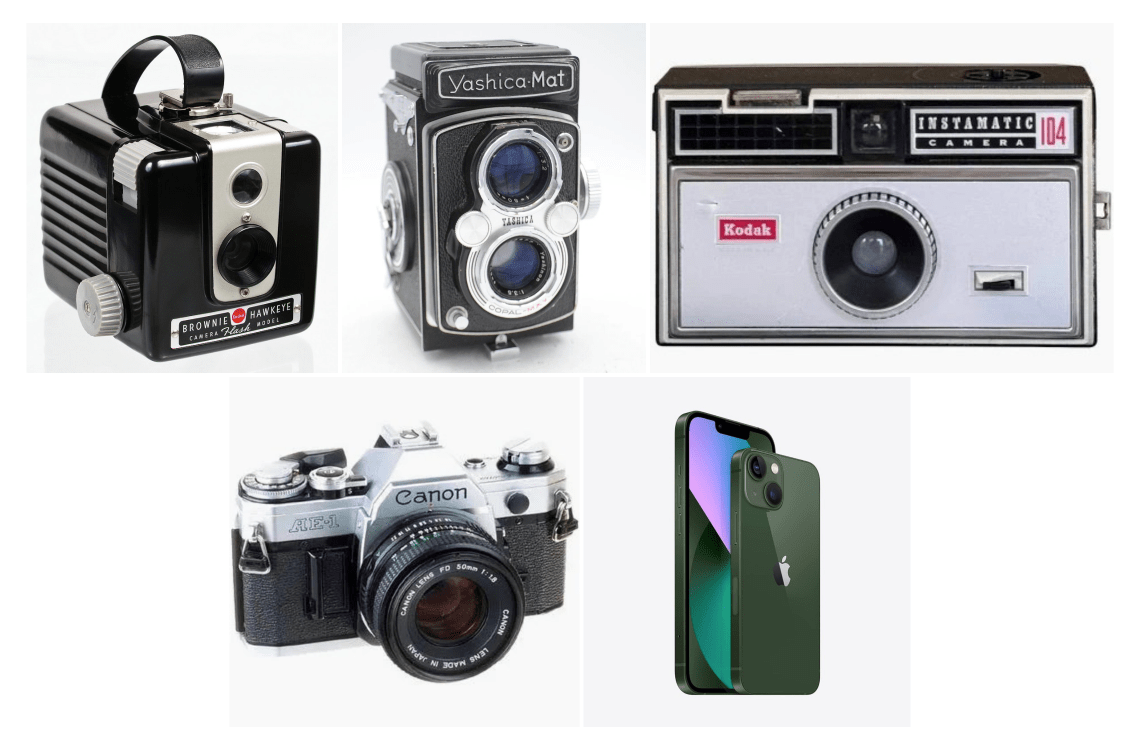
Here’s the thing. My parents only owned one camera, a Kodak Brownie. I don’t think they used more than 5-6 rolls of film over their lifetime. Each roll took 12 photos. I say that because it appears my father took fewer than 60 pictures. I assume Dad took them because he is in none of them.

I’m not sure my grandparents or their parents on either side owned cameras. I say that because there are so few photographs of them when they were young, and the ones I have seem to have been taken by professional photographers. I’m also guessing the pictures I have of their older years were taken by their children.

My parents apparently kept a roll of film in the Brownie for years at a time, taking a couple of pictures at birthday parties and Christmas. Most of the photos I have from the two generations before my parents seemed professionally shot, with a smattering of snapshots given to them by relatives.

At sixteen, I bought a Yashica twin-lens reflex because my buddies were into photography. I took two rolls of film on one family vacation, expanding the family collection by 24 images! Most of the photos my mother had were from school photos, and snaps my aunts and uncles had sent her.

I remembered my Mom and Dad on my blog with the photos I have. There weren’t that many. What does it mean to have so many pictures to remember our lives?

Things changed for us baby boomers. In the early years of our marriage, Susan and I took several dozen photos with Instamatic cameras. Then Susan bought a Canon AE1 in the 1980s and took hundreds. Since buying iPhones, we’ve taken thousands. Our closet, where we stash old stuff, contains hundreds of paper prints, but our phones and hard drives contain thousands of images.

And you want to know something sad? No one wants them. Susan and I don’t have children, but I’ve asked our nephews and nieces if they wanted them, and none of them did. Susan doesn’t really care to look at them anymore, either. We scanned the paper prints, put them on DVDs, and gave them to our siblings one Christmas, but they’ve never been mentioned since.

I’ve become the memory keeper, the archivist of the forgotten. What’s weird is that some of my friends tell me they hate to look at old photos, that it makes them sad and depressed. One of my friends says she’s thrown all her old photos away. Yet, other friends are sentimental like me, regularly posting old photos on Facebook.

Last week, a friend brought the vacation photos she took in France to show after our Mahjong game. Before she came, she asked me how many I’d want to see. Over her 19-day trip, she took 3,730 photos. I told her 300. For her own digital album to remember the trip, she chose 500.

That inspired this essay and my research. And it’s the numbers that make me philosophical. I accept my limitations and work to maximize what I can do with what I can handle.

My friend uses Photos on her Mac. I asked her how many photos her Mac and iPhone were currently managing. She said 28,500. (She’s a big-time traveler.) Well, that was far more capability than I needed for my 9,000, so I settled on Apple Photos, too. I also considered Google Photos, because I also use a lot of their products. But I settled on Photos because I use an iPhone. If I had been an Android user, I would have picked Google Photos.

I started playing with Photos on my Mac Mini and learned that my photo library would appear on all my Apple devices and iCloud. That’s very useful. I also learned that any photograph deleted from any device would be removed from all devices. That can be dangerous, but useful too.

But the more I used Photos on my Mac Mini, iPhone, and iPad, the more I realized that I didn’t want all my photos in Photos. I like using my iPhone as an external memory, and it’s not practical to find a single photo out of 9,000.

How we use photo managers like Photos can shape how we think about the past. Smartphones are changing humanity in ways we’ve yet to realize.

Over the years, I’ve developed a folder structure on my hard drive for filing photos. I’ve decided to leave my entire photo library there and make Apple Photos just for the photos I want to quickly access on my iPhone. I want Apple Photos to represent how I want to remember the past. Like a dreaming brain, I have to constantly delete.

We showed my friends photos from France on our 75″ TV using a laptop and an HDMI cable. This got me thinking about organizing my photos and viewing them on the TV. The impact of photos varies from the small iPhone screen, to the 10″ iPad screen, to the 27″ screen for my Mac Mini. The emotional impact is greatest on the 75″ TV screen. When the new Apple TV comes out, I’m going to buy one just to conveniently view my memories on the large screen.

In idle moments, often during insomnia, I’ll take out my iPhone and view photos. Sometimes, like Anne and Mike, my photos make me sad. Other times, they trigger intense, powerful emotions, which I relish like a vampire feeding on someone’s lifeblood. Mostly, these images of the past make me philosophical. They bring back memories that my mind is forgetting. I hate that I forget. But I do that more and more.

JWH

Canon DSLR v. iPhone 6s Plus

‘by James Wallace Harris, Thursday, February 23, 2017

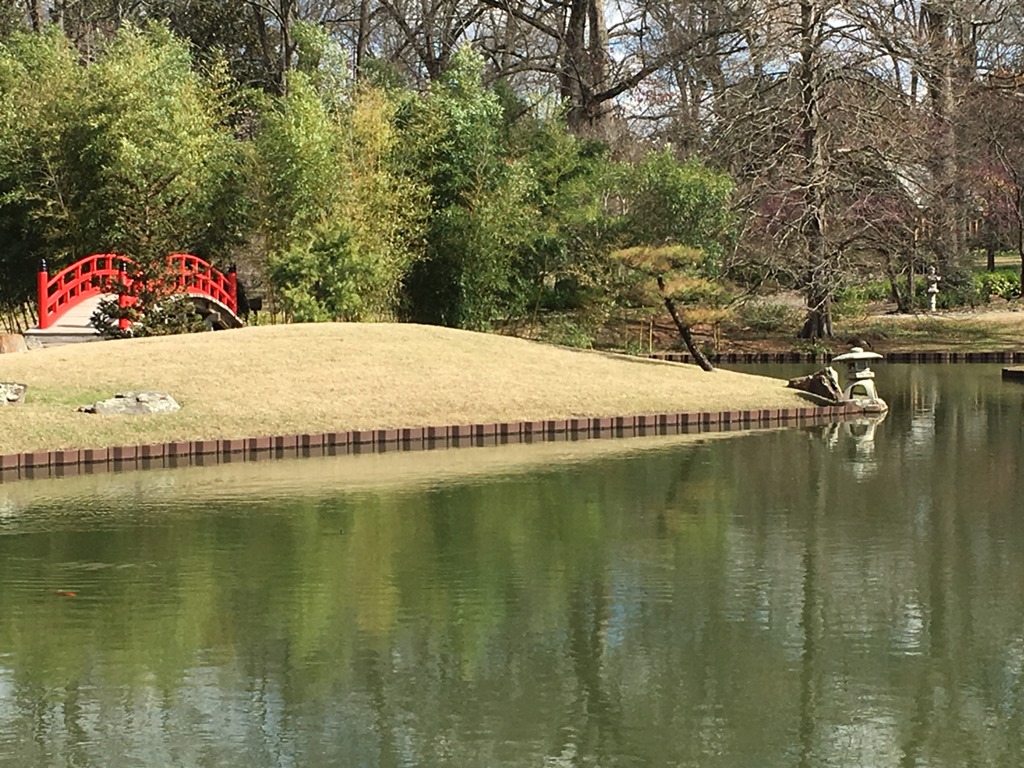
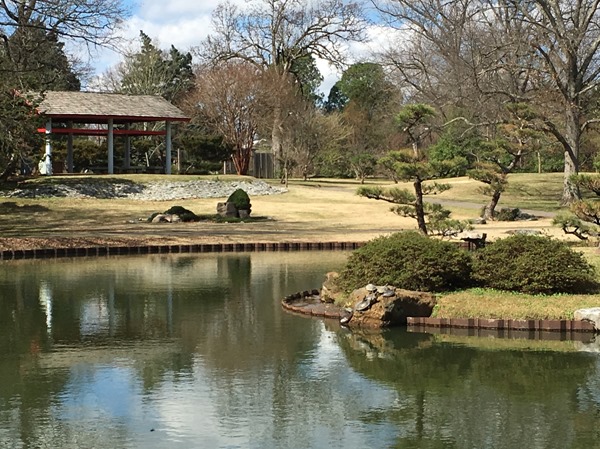
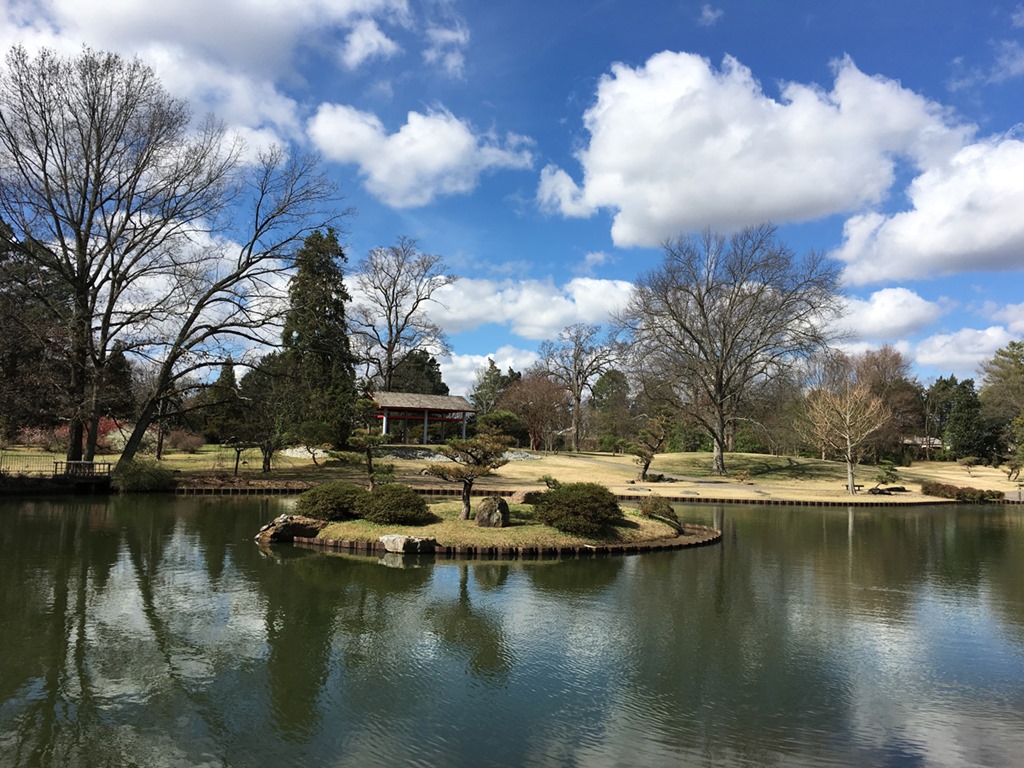
How important is it to own a camera when our cell phones are cameras? Today I took pictures at the botanic gardens with my Canon Rebel Xsi and my iPhone 6s Plus. It’s not quite comparing apples with apples but I tried taking similar shots. I’ll show the test photos in pairs, with the camera on top, and the phone below.

DSLR---bridge
iPhone---bridge

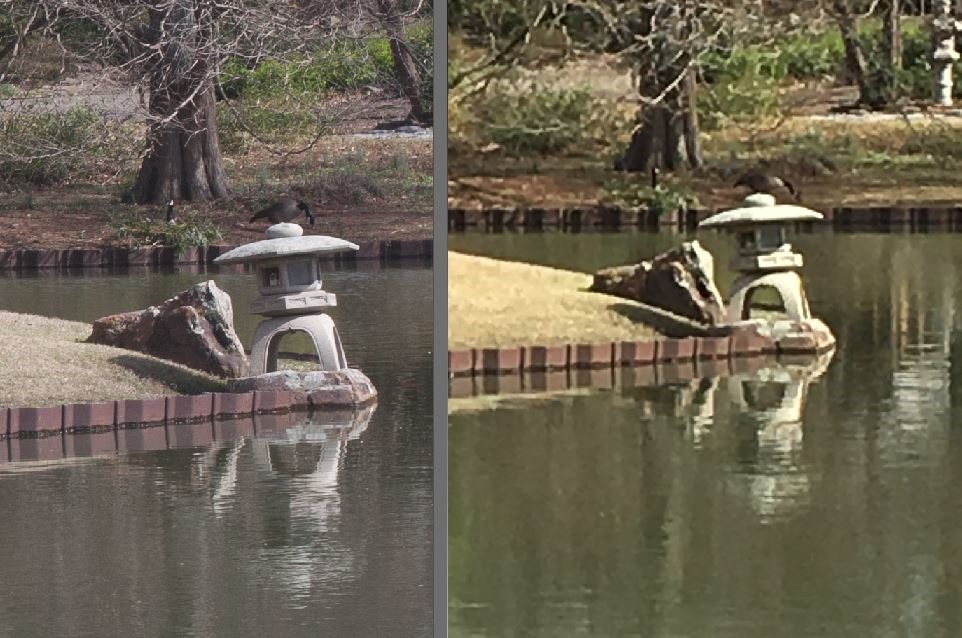
I might have made a mistake leaving the HDR (high dynamic range) mode on the iPhone. The park does not look this lush. But here’s a comparison of two close-ups (camera/phone). It’s easy to see the Canon camera gathers more details.

Compare-1

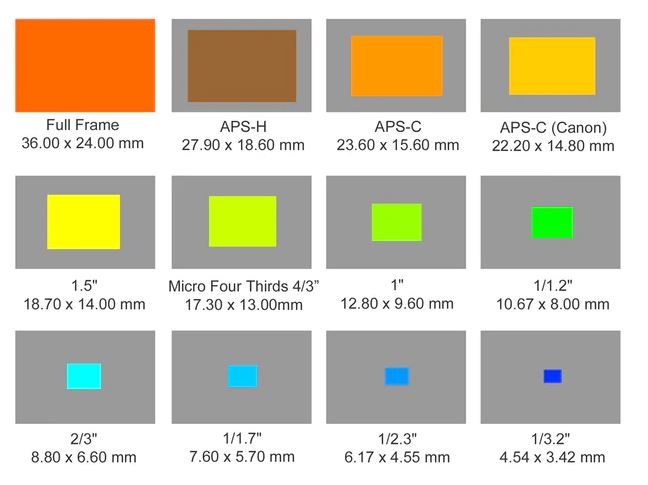
The Canon sensor is a CMOS APS-C 12.2 megapixel, sized at 22.20mm x 14.80mm, at 5.20 microns per pixel pitch. The iPhone has 12 MP, f/2.2, 29mm, 1/3″, 1.22 µm pixel size sensor. So they both have the same 12-megapixel rating, but the Canon’s sensor is giant compared to the Apple’s sensor. (Bigger is better.) See “Camera sensor size: Why does it matter and exactly how big are they?” Here is a graphic from that article that shows the various sensor sizes in comparison. The iPhone is the dark blue box, and the Canon is the dark yellow. Still, the iPhone photo competes fairly well, especially if you’re only going to put your snaps on Facebook. Some cell phones do have larger sensors, like the darker of the two greens.

I’d love to have a camera with a full-frame sensor, but at over $2000 that won’t happen.

Sensor size comparison

In terms of taking photos, the Canon was much easier to use, even though it’s much bulkier to carry. Ease of use was mainly due to not seeing the iPhone screen in the daylight. Peering through the camera’s eyepiece is great. There are cell phones that have brighter screens than Apple’s, meaning they’d work better outdoors. I’m not sure I’d want to switch to Android just for that, but it might be a consideration for some. But holding a phone for taking pictures is not pleasant compared to holding a camera. However, the trade-off of always having a phone, a device that fits in my pocket, is a major consideration.

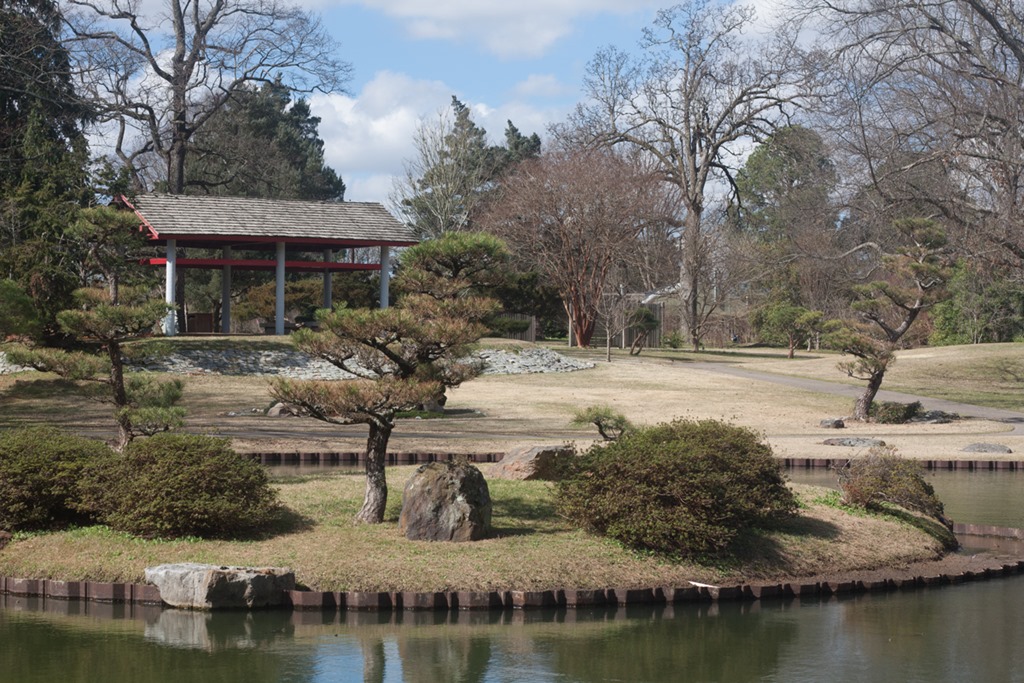
Here are three more photos. They illustrate the fact that the iPhone is naturally more wide-angle than the Canon with the 50mm lens. The middle shot using the phone is zoomed in and should have less detail quality because of it. It was also not taken at the exact location of the Canon shot. Plus, the un-zoomed phone shot, with the HDR setting seeing more sky, dramatically makes the iPhone photo stand out. The sky was not that blue. The colors from the iPhone photo are completely false, but the photo is much more eye-catching.

DSLR---islandiPhone---island-zoomediPhone---island

This urges me to get a good wide-angle lens for my Canon. The field of focus is good for the camera and phone, but I much prefer the details in the camera photo. My 50mm 1.8 lens is a low-end Canon. I wonder if an expensive lens would get me a dramatically better photo?

Looking at these pictures brings up another issue – color fidelity. Our reality is not color calibrated. We all see the same scene differently because of our eyes see differently. So do our cameras. The top view, using the Canon camera is closer to how I remember seeing the colors.

Right now I’m not aiming for artistic photography. Creative photography manipulates the colors to be more appealing. People are attracted to vivid colors. At the moment I’m into photography to record what I see. In day-to-day life, when we look around we see everything in focus (if we have good eyes or proper glasses). It’s usually when we try to switch from looking around to focusing on something up close that we have trouble focusing. Cameras don’t focus that easily. That’s why I love a deep field-of-focus – it’s more like natural seeing. It’s more realistic. So are unsaturated colors. Nor do I want the weird effect we get from a too-wide angled lens or the flatness of a telephoto. (At least for now.)

Considering all of this, the camera does the job for my requirements. I could probably adjust how I use the iPhone camera to my needs, but it’s awkward to hold, even though its easier to carry around. It’s also very difficult to frame photos when shooting in daylight. When I was bracing my shots on a pylon next to the water, I worried about dropping the phone, but the camera was protected by a neck strap. Plus I had a better hold of it. All-in-all, using a camera for photography is more practical than using a phone for photography. And that overrides the fact I always have a phone with me.

Yesterday I was thinking I might want a new camera, but I think this old Rebel Xsi does fine. I just need to use it more precisely. A higher quality wide-angled lens might get me closer to what I want, but it might not be necessary.

JWH

Why We Draw, Paint and Photograph

By James Wallace Harris, Monday, October 26, 2015

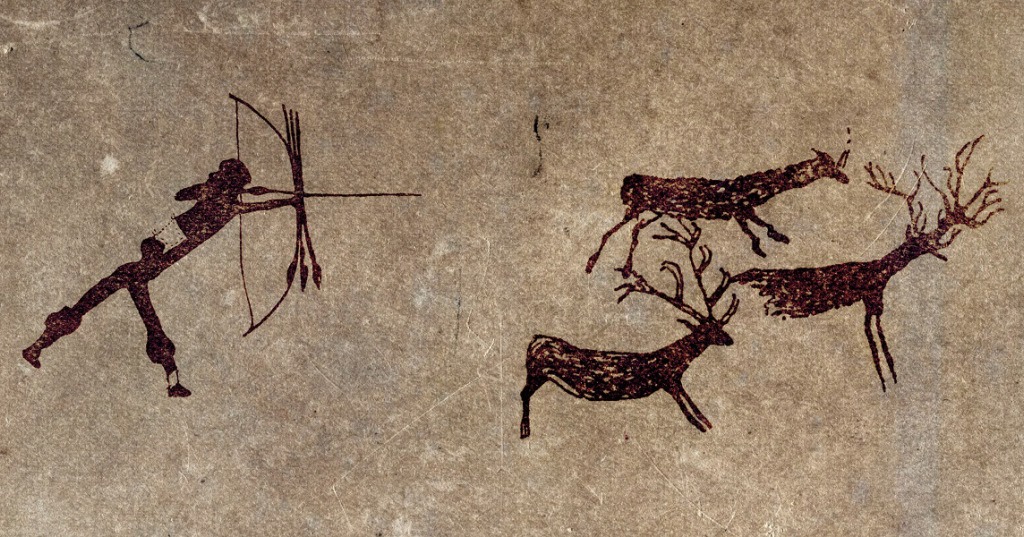
I’m taking a community education course in beginning drawing and it’s making me think about why we draw, paint and photograph. I took the course to do something with a friend and learn a few drawing skills, but the class is making me contemplate the nature of art. Most people now carry a camera with them at all times because of smartphones. Why learn to sketch, when a click of the camera can capture any image far easier? Yet, before cameras, why did we want to draw what we saw? The urge goes back to our earliest days as cave dwellers. Did drawing skills precede language skills? Often, whenever we want to explain something complicated to another person, we draw a picture. The hot new trend in journalism is infographics. And, there’s that old saying, “A picture is worth a thousand words.”

cave art

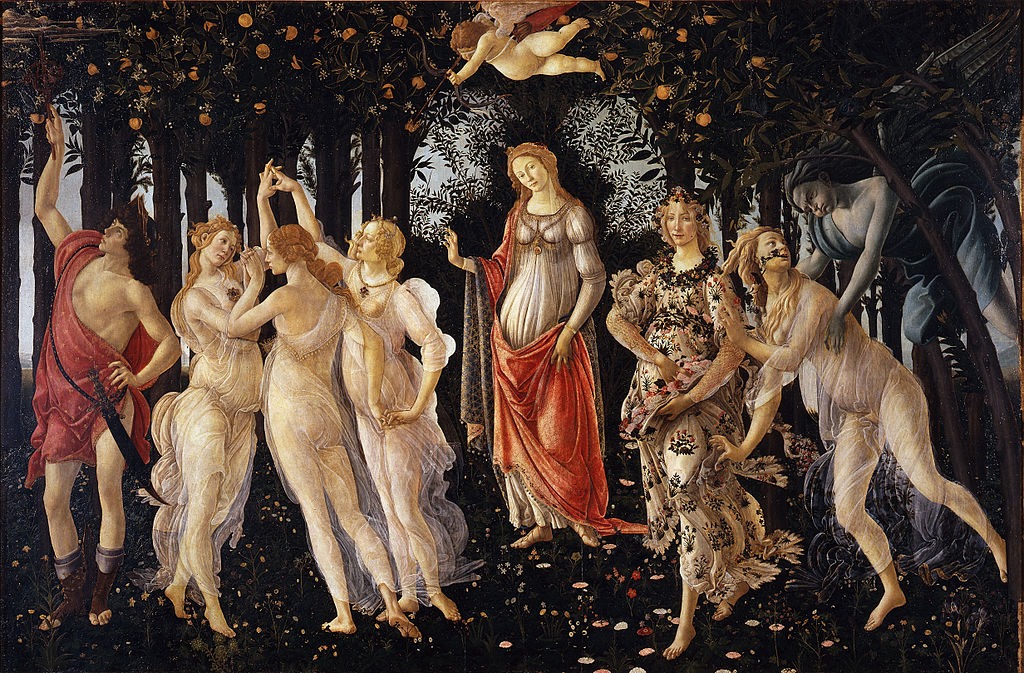
My efforts to draw what I see has been extremely frustrating so far. I can draw a table that allows someone else to say, “Hey, that’s a table.” What frustrates me is I can’t accurately draw the table I see. I know I can’t become a human camera, but I do want to sketch with a level of accuracy that teaches me to see the abundance of details I’m currently ignoring. When I think about art, I wonder if I’m missing the point. Until we had cameras, artists strove to accurately record reality. Paintings were physical memories of what they saw. Artists also did more. They tell stories and create beauty. And, of course, they wanted to make a living, and maybe even become famous. Since I don’t need to earn money from drawing, nor do I care about fame, that leaves me with beauty, story and memory.

1024px-Botticelli-primavera

Right now I’m struggling to make smudges on paper that capture what I see. I’m picking objects that look easy to draw. But eventually I’ll want to record something I really want to remember, and something that I’m seeing in a more powerful way than how I look at things now. Ultimately though, I want to create something that’s beautiful. That’s the special quality of art. Art creates something that doesn’t exist in nature but competes with nature for beauty.

Right now I have absolutely no idea of how to create something new and beautiful, but I get the feeling that’s where this path leads. My teacher seems to know that’s where we need to go, but also knows we’re going to quickly get lost, and give up. Most people are artists when they are kids, but they lose their way. Maybe when we get old, we try to return to that way of looking at the world, like when we were young.

Gustave_Caillebotte_-_Paris_Street;_Rainy_Day_-_Google_Art_Project

I doubt I’ll ever become an artist, or even create something beautiful, but that doesn’t matter. Trying teaches me about the nature of art more than just admiring works in a gallery or studying art history courses. It’s like programming computers, there’s lots of procedures, subroutines and techniques to learn. There are tools to master, and coding languages to memorize. I’m surprised by how many technical tricks are involved in drawing. Talent might be involved, and it might not either. My guess is it’s mostly practice and work, and picking up skills and tricks from other artists.

Anyone can draw a picture or snap a photograph. It’s the why that matters. What do we want to remember, what story do we have to tell, can we capture beauty we discover in reality, or can we add something beauty to reality? I hope I can develop a daily habit of drawing, and it become a routine like exercising. It’s really hard to start doing something totally new late in life, but I think it will be good for me. Just the little effort I’ve put out for this class hurts my brain in a way that lets me know how artistically out of shape I am, and how artistically fit some of my friends are in comparison.

modern_art_by_dorianoart-d483eet

I use John’s Background Switcher to display random photography as wallpaper on my desktop. Every ten minutes I get a new scene capturing a beautiful instant from somewhere in the world. These photos are memories, stories and beauty. I’m astounded by the artistic visions that photographers find, often in locations other people would call ugly. Other times I have John’s Background Switcher randomly go through famous paintings. Every ten minutes I’m reminded of the amazing diversity of what’s possible to imagine that’s not in reality. These paintings and photos transcend time and space, and they tell a relentless story.

Table of Contents