Once Upon a Time the Future was So Bright We Had to Wear Shades

by James Wallace Harris

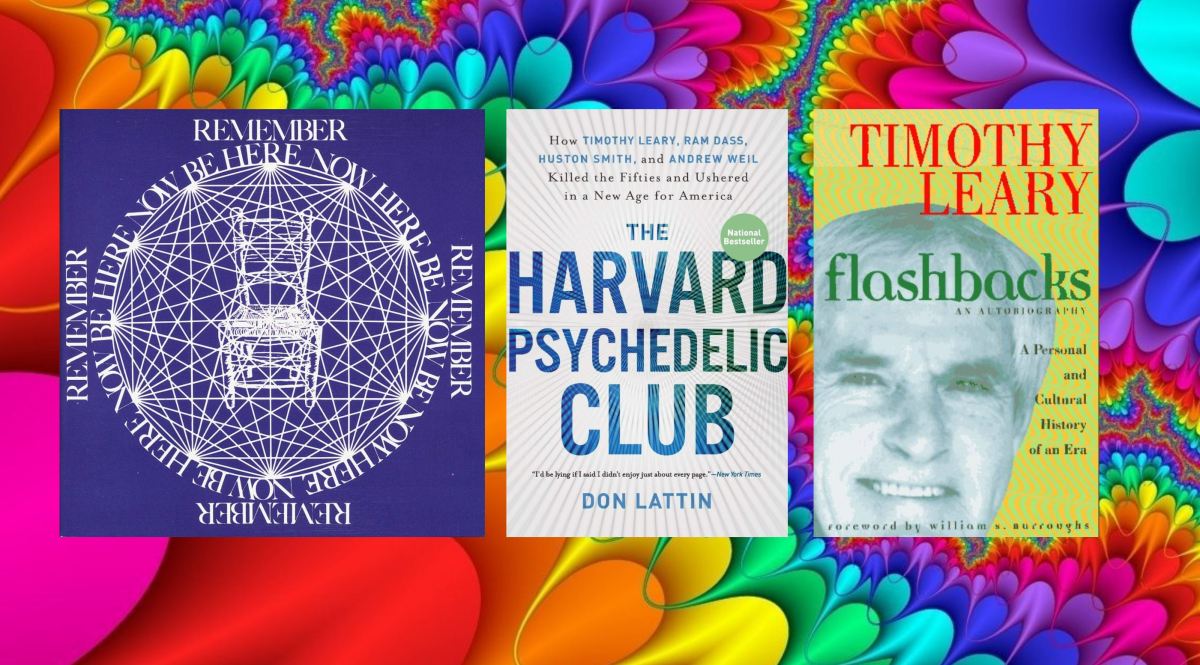
Between Camelot and Reaganomics existed the counterculture. For a very short while we thought we were entering the Age of Aquarius. Of course, it was a childish utopian dream, but a very positive hope. What happened to that dream? Reading The Harvard Psychedelic Club: How Timothy Leary, Ram Dass, Huston Smith, and Andrew Weil Killed the Fifties and Ushered in a New Age for America by Don Lattin reminded me of those hopes and dreams. Lattin explains what happened to four of the people who sold us some of that hope. Of course, those four weren’t the only ones. Back then, there was an entire army of John the Baptists promising heaven on Earth if we only believed.

In the sixties many of us thought by the 21st-century we’d have conquered war, disease, poverty, injustice, prejudice, inequality, and be living in a society where everyone had equal opportunity to achieve both spiritual and material wealth. We expected to create a world civilization that would make Jesus, Buddha, and all the past prophets and philosophers proud. We expected science to answer all our questions, and for technology to build ecological sustainable lifeboat Earth before we launched our spiritually-wise selves across the galaxy. Some of us called this anticipated transformation the Age of Aquarius, then The New Age, while hoping for the age of The Final Frontier.

Space travel never went beyond low Earth orbit after 1972. After three days of love, peace, and happiness it’s been Altamont every day since. And the doors of perception only led to tragedy and heartache. All our planned communities failed.

Just look at us now. You’d think the second coming had happened and no one was chosen, and we’re begun a thousand year streak of doom. There are damn few Pollyannas left on Earth that can see rays of hope for the future. Unlike Christians who have waited two thousand years without giving up their faith, the counterculture gave up theirs rather quickly. I read where psychedelic drugs are trying to make a comeback. And there are embers of spirituality still trying to rekindle the world but never do. What made us dream such big dreams in the sixties?

Before the dawning of the Age of Aquarius I was a straight-lace kid. I was gullible and believed what I was told. The U.S. Air Force guided my father and the Southern Baptist Church guided my mother. They had expectations for what I should believe, and I had no objections to those expectations. Well, not until 1963 or 1964. During my 12th and 13th year I changed. Looking back I could say it was merely puberty, but the whole country began changing at the same time.

Reading The Harvard Psychedelic Club got me to thinking about those years and changes. Changes that had began much sooner than 1969 or 1970 when I first tried psilocybin and LSD. The making of my counterculture had begun before the drugs, with rock and roll and science fiction. Reading The Harvard Psychedelic Club referenced many books I had read back then that shaped my thoughts. I began wondering about all the influences that had reprogrammed me during the sixties and seventies that gave me utopian ideals.
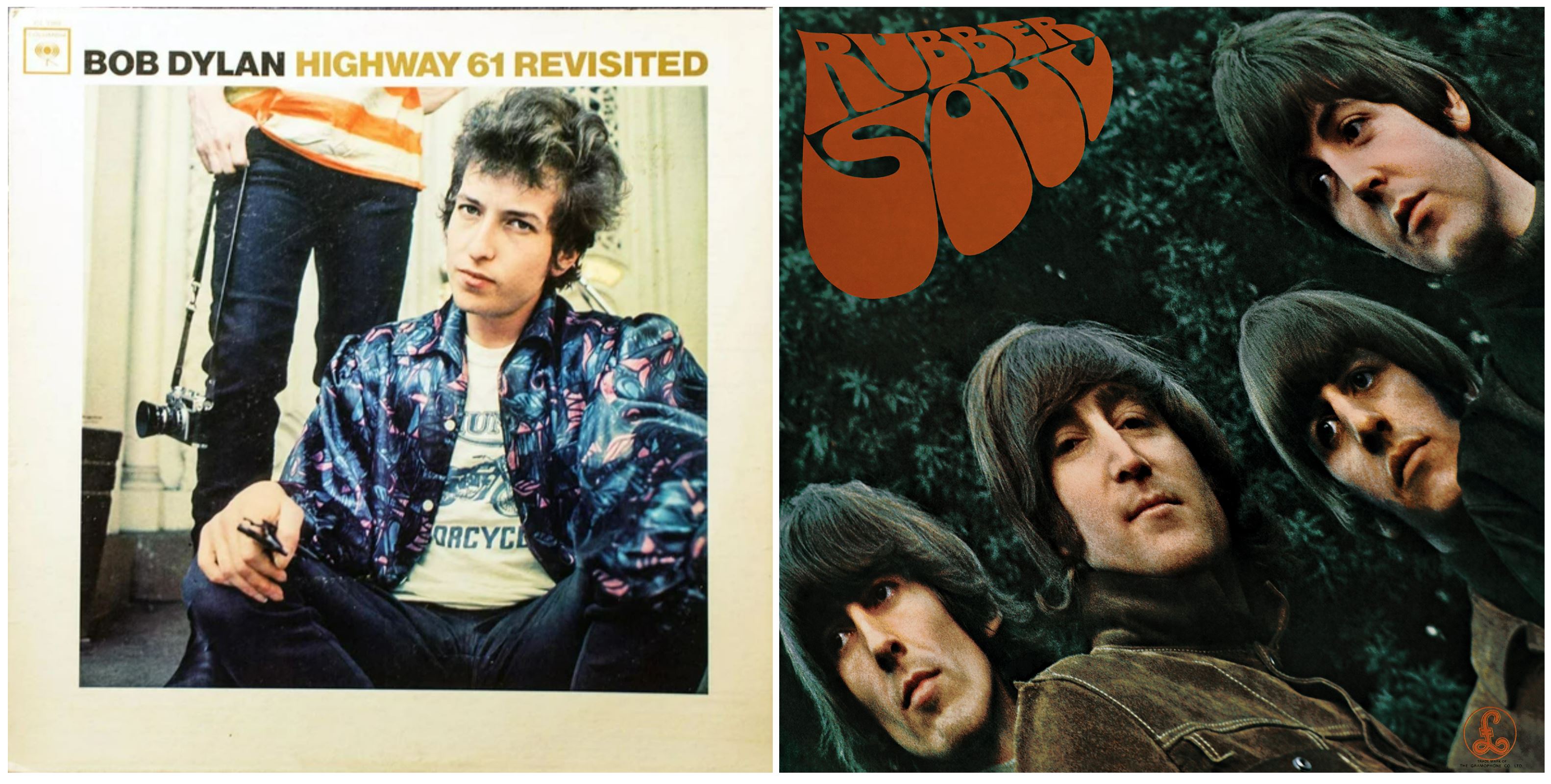
I remember in 11th grade sometime after the 1967 protest at the Pentagon, when a group of us kids waiting for the school bus discussed the coming revolution as if it was a certainty. Even as a dumbass high school kid I thought it weird that we expected such a huge social transformation. But those hopes kept building. Then in 1968 and 1969 Hair and its music was all the rage and people began talking about The Age of Aquarius. The hope became more than a political transformation, the counterculture began to expect a whole new age, which became the focus of the 1970s. I think all our foolish fantasies ended when Reagan was elected in 1980. By then I was married and working at the job I’d stay at until I retired.

My transformation was really an intersection of countless ideas that came from books, magazines, newspapers, television, movies, songs. We think everything comes from the internet today, but before the world wide web we had plenty of informational input. Reading The Harvard Psychedelic Club reminded me of those books and other information sources, and all the prophets behind those words. For example, I don’t know if people today have any idea of the impact The Beatles and Bob Dylan had on their fans. Rock music was our gospel.

In 1962, when I was eleven, I got hooked rock and roll and science fiction. In 1963 I began rejecting religion when I started noticing that the people at church did not follow what was preached. A Joycean year of doubt ended in 1964 when I realized I was an atheist. I was just 13. My mother still tried to make me go to church but I felt like I was a spy, a pretender, a fraud. I didn’t have a new philosophy yet, but I was open, and about to try many.

Then in 1965 I read Stranger in a Strange Land by Robert Heinlein and got into Bob Dylan because of “Like a Rolling Stone.” I was still very straight-laced. I remember watching anti-drug and anti-smoking films at school and I was positive I’d never be stupid enough to do drugs or smoke cigarettes.

But only two years later, in early 1967, I read an article in Popular Science about LSD. Instead of sensationalizing the drug with fear and loathing like the news did on TV, the article described LSD as a tool for medical research and exploring the mind. That sounded science fiction. That sounded like something for me.

I can’t remember when I first heard about Timothy Leary. I’m pretty sure I heard about LSD well before I heard about Leary and his famous “Tune In, Turn On, and Drop Out” saying. In late 1968, or maybe early 1969, I read The Electric Kool-Aid Acid Test by Tom Wolfe. That book didn’t turn me onto Timothy Leary either, but The Beats. I knew about Leary in the sixties, but he always seemed like some kind of media clown. Around this same time I began reading The Rolling Stone magazine. It became my main source of counterculture propaganda.

But remember, I was also mass consuming science fiction, which was changing too with its own New Wave revolution. I remember Stand on Zanzibar by John Brunner had a huge impact on me, as did Ellison’s anthology Dangerous Visions.

I wish I knew when I first bought Stewart Brand’s Whole Earth Catalog. It was probably the early 1970s, but it might have been sooner. The 1970s brought a flood of influential books and magazines. Isaac Asimov and Arthur C. Clarke had made me aware of overpopulation in the mid-1960s, but by the late 1960s and early 1970s, the environmental movement was giving us plenty of reasons to change our ways.

By the mid-1970s I became open to trying religion again, but mainly Eastern religions. Be Here Now by Ram Das (Richard Albert), books by Alan Watts, Aldous Huxley, and Herman Hesse, and New Age Magazine made me think that spiritualism and mysticism had some answers.
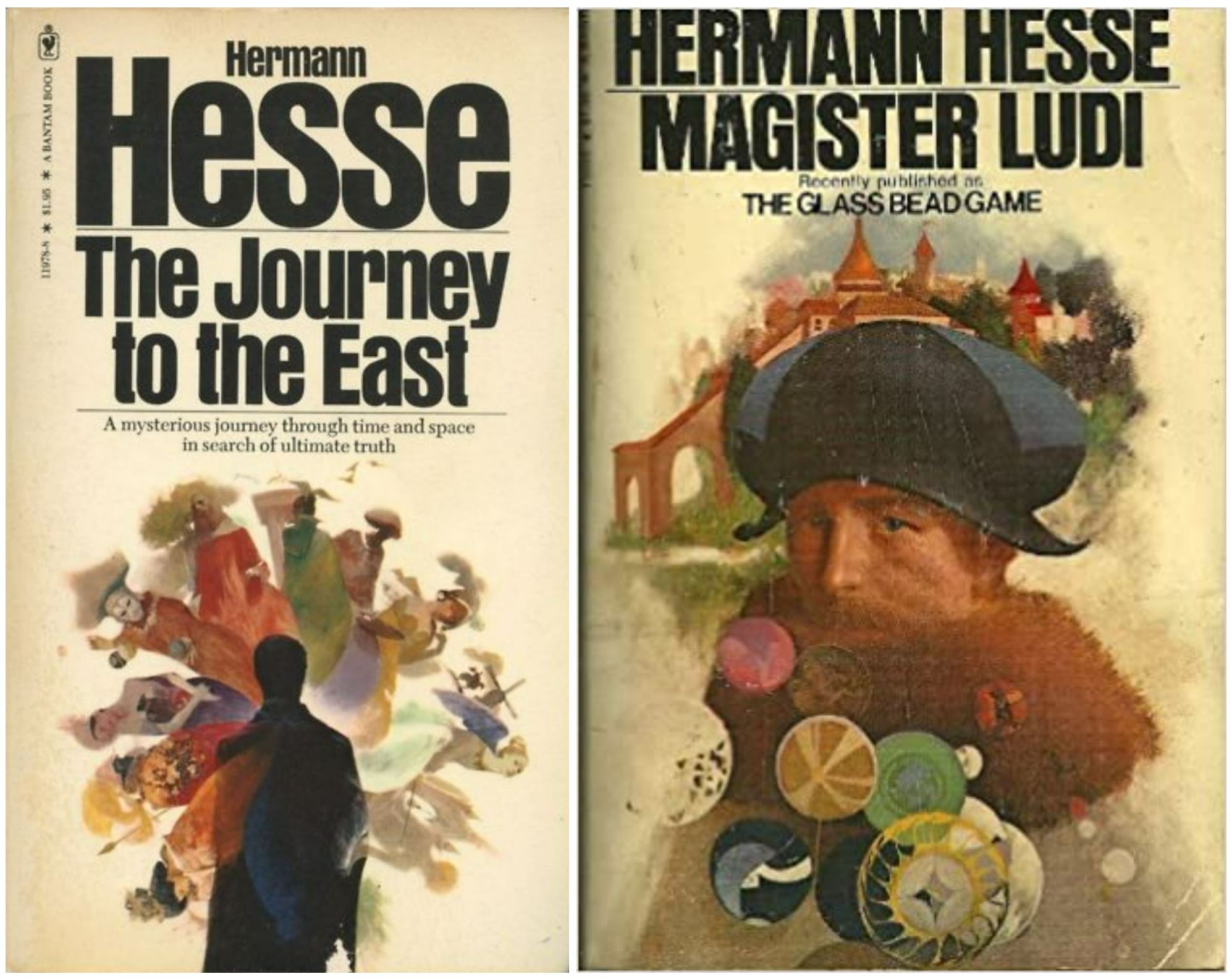
I wasn’t stupid, I knew the dreams were doomed. Books like The Population Bomb, The Limits of Growth, and Future Shock, among many others like them, kept me grounded. Plus, the science fiction books I was reading became more realistic and pessimistic about the future.

Still, we had a great deal of hope about the future. We thought we could solve all our problems. We had the knowledge, we had the technology, we knew the solutions, it was only a matter of getting everyone to work together. That’s when the dream ended. We never could work together. We all separated into our own personal trips. No matter how much visionaries preached, we never could agree.

Reading The Harvard Psychedelic Club also covered the decades of falling apart. Alpert, Weil, and Smith were able to rebuild their lives and become constructive, but not Leary. Their lives parallelled my life and I’m sure all other counterculture true believers. We found ways to be here now. To make do with reality. To give up on our utopian fantasies.

Looking back I also remember what life was like when we were chasing those dreams in the 1960s and 1970s. Things were bleak. The war, the riots, the prejudices, the inequalities, the crime, the bombings, the protests, the generation gap, the oil crisis, the burning rivers, the pollution, the urban decay.

Drug taking and believing in utopian futures were symptoms of the disease, not cures. Much like similar symptoms today. The right-wing countercultures of today have their parallels with the left-wing countercultures of the 1960s and 1970s. But there’s one big difference. We no longer need to wear shades when looking towards the future. That’s rather sad. No, that’s depressingly tragic.

JWH

Make America Great Again

by James Wallace Harris, 10/2/21

Donald Trump had his shot at making America great again with his tax cuts for the rich. That put us trillions in debt. Why not let Biden have his legislative shot to make America great again? It will add more trillions to the national debt, but why worry about that now when we didn’t under Trump? Besides, the consequences of doing nothing condemns us to failure. And who knows, rebuilding the country might increase the economy letting us afford to pay off the debt better in the future? Isn’t that what the Republicans promised? Why shouldn’t the Democrats have their chance at the same idea?

Isn’t it time to try the trickle up theory? The conservative theory claimed if the rich had more money some of it would trickle down to help all Americans. That hasn’t happened. Let’s try the opposite, make everyone better off, and maybe some of the wealth will trickle up to the wealthy.

To find out what’s in the infrastructure bills, I copied the details from Investopedia. It all sounds good to me. We’ve been avoiding fixing all this stuff for decades. Why not just go ahead and get it done?

We’ve tried the Republican’s method more than once, let’s test the opposite to see if it works?

What's in the $1.2 Trillion Bipartisan Bill

The 2,702-page bipartisan bill contains just $550 billion in new spending. The $1.2 trillion figure comes from including additional funding normally allocated each year for highways and other infrastructure projects. The new spending consists of:8

$110 billion for roads and bridges. In addition to construction and repair, the funding also helps pay for transportation research at universities, funding for Puerto Rico’s highways, and “congestion relief” in American cities.

$66 billion for railroads. Funding includes upgrades and maintenance of America’s passenger rail system and freight rail safety, but nothing for high-speed rail.

$65 billion for the power grid. The bill would fund updates to power lines and cables, as well as provide money to prevent hacking of the power grid. Clean energy funding is also included.

$65 billion for broadband. Includes funding to expand broadband in rural areas and in low-income communities. Approximately $14 billion of the total would help reduce internet bills for low-income citizens.

$55 billion for water infrastructure. This funding includes $15 billion for lead pipe replacement, $10 billion for chemical clean-up, and money to provide clean drinking water in tribal communities.

$47 billion for cybersecurity and climate change. The Resilience fund will protect infrastructure from cybersecurity attacks and address flooding, wildfires, coastal erosion, and droughts along with other extreme weather events.

$39 billion for public transit. Funding here provides for upgrades to public transit systems nationwide. The allocation also includes money to create new bus routes and help make public transit more accessible to seniors and disabled Americans.

$25 billion for airports. This allocation provides funding for major upgrades and expansions at U.S. airports. Air traffic control towers and systems would receive $5 billion of the total for upgrades.

$21 billion for the environment. These monies would be used to clean up superfund and brownfield sites, abandoned mines, and old oil and gas wells.

$17 billion for ports. Half of the funds in this category would go to the Army Corps of Engineers for port infrastructure. Additional funds would go to the Coast Guard, ferry terminals, and reduction of truck emissions at ports.

$11 billion for safety. Appropriations here are to address highway, pedestrian, pipeline, and other safety areas with highway safety getting the bulk of the funding.

$8 billion for Western water infrastructure. Ongoing drought conditions in the western half of the country will be addressed through investments in water treatment, storage, and reuse facilities.

$7.5 bill for electric vehicle charging stations. The Biden administration asked for this funding to build significantly more charging stations for electric vehicles across the nation.

$7.5 billion for electric school buses. With an emphasis on bus fleet replacement in low-income, rural, and tribal communities, this funding is expected to allow those communities to convert to zero-emission buses.

What's in the $3.5 Trillion Democratic Proposal

The Democratic FY2022 Budget Resolution Agreement Framework memorandum is designed to enact President Biden's Build Back Better agenda. This proposal, often referred to as an investment in human infrastructure, is far-reaching and ambitious. It lists the following amounts and areas to be addressed:9

$135 billion for the Committee on Agriculture Nutrition and Forestry. Funding to be used to address forest fires, reduce carbon emissions, and address drought concerns.

$332 billion for the Banking Committee. Including investments in public housing, the Housing Trust Fund, housing affordability, and equity and community land trusts.

$198 billion for the Energy and Natural Resources Committee. This would develop clean energy.

$67 billion for the Environment and Public Works Committee. These monies would fund low-income solar and other climate-friendly technologies.

$1.8 trillion for the Finance Committee. This part of the bill is for investments in working families, the elderly, and the environment. It includes a tax cut for Americans making less than $400,000 a year, lowering the price of prescription drugs, and ensuring the wealthy and large corporations pay their fair share of taxes.

$726 billion for the Health, Labor, Education, and Pensions Committee. This addresses universal pre-K for 3- and 4-year-olds, childcare for working families, tuition-free community college, funding for historically black colleges and universities, and an expansion of the Pell Grant for higher education.

$37 billion for the HSGAC Committee. This would electrify the federal vehicle fleet, electrify and rehab federal buildings, improve cybersecurity infrastructure, reinforce border management, invest in green-materials procurement, and invest in resilience. 

$107 billion for the Judiciary Committee. These funds address establishing "lawful permanent status for qualified immigrants."

$20.5 billion for the Indian Affairs Committee. This addresses Native American health programs and facilities, education programs and facilities, housing programs, energy programs, resilience and climate programs, BIA programs and facilities, Native language programs, and the Native Civilian Climate Corps.

$25 billion for the Small Business Committee. This provides for small business access to credit, investment, and markets.

$18 billion for the Veterans Affairs Committee. This funds upgrades to veteran facilities.

$83 billion for the Commerce Committee. This goes to investments in technology, transportation, research, manufacturing, and economic development. It provides funding for coastal resiliency, healthy oceans investments, including the National Oceans and Coastal Security Fund and the National Science Foundation research and technology directorate.

JWH

The Pursuit of Love Leads Me Down a Rabbit Hole

by James Wallace Harris, 9/27/21

My friends Mike and Betsy recommended a new TV series on Amazon Prime, The Pursuit of Love, so I gave it a try. This essay chronicles where their casual recommendation has led me.

As I watched the show on Amazon Prime I was reasonably entertained but disturbed by certain details. For a period piece set the 1920s – 1940s it felt over the top. I doubted people really looked and acted like they did in the show. The sense of a revisionist history was further enhanced by the soundtrack that used contemporary music. I called Mike to chat about my impressions, and he agreed. I knew nothing about the novel the show was based on. We both thought the past couldn’t have been much like that, but didn’t know for sure. Of course, we knew it was a rom-com drama and wasn’t meant to be a history lesson, but it kept sideswiping bits of real history, and that was intriguing.

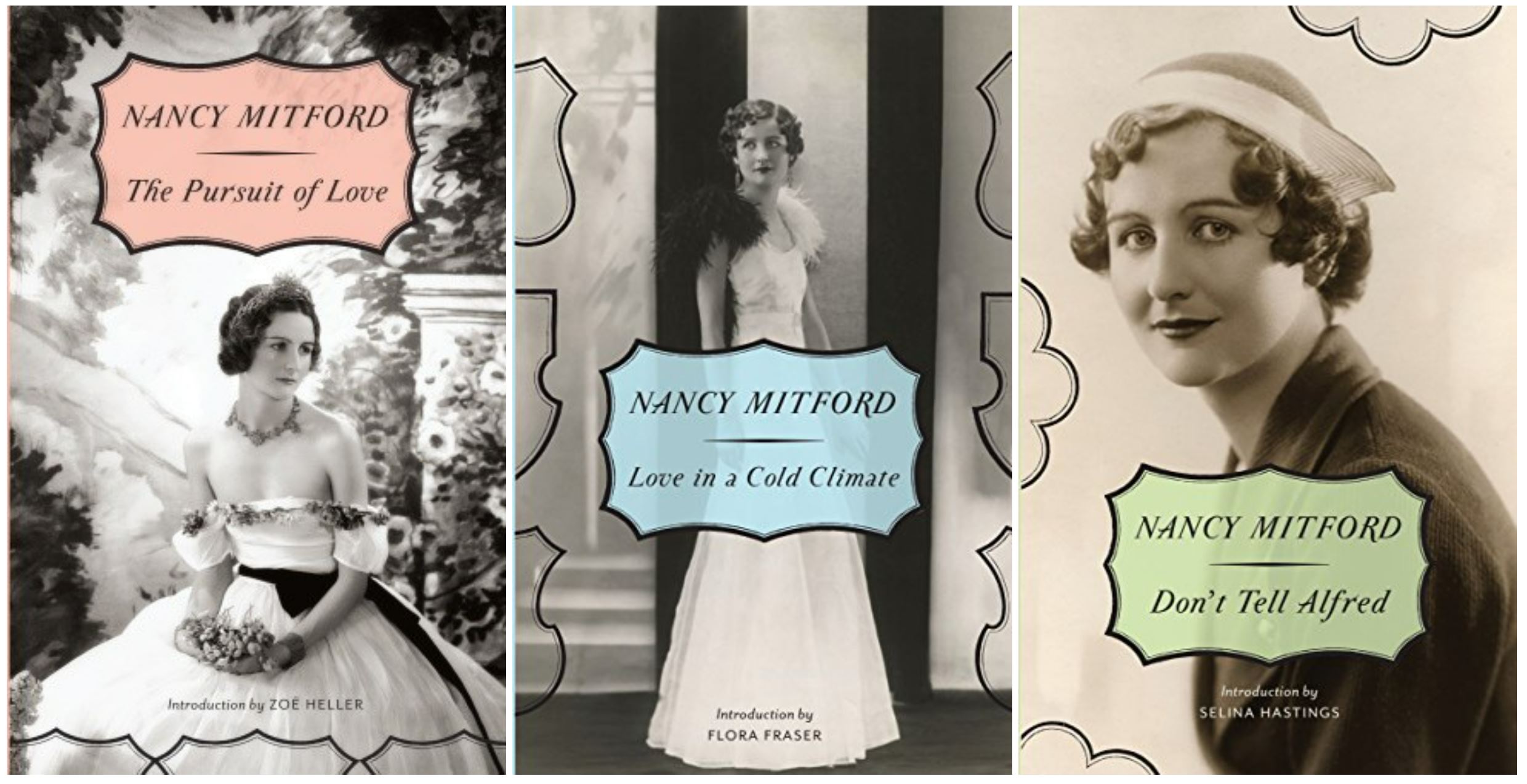
I decided to research its historical accuracy and discovered that the TV show was based on a trilogy of novels written by Nancy Mitford. They were based on her family, and it was then I discovered she was part of a famous group of six sisters. I remembered reading a review of a book called The Sisters by Mary S. Lovell years ago. I read the review because I liked the book’s cover but details within the review put me off. Two of the sisters had been friends with Adolph Hitler, and several family members had supported Hitler, and one daughter married the hated Oswald Mosley, leader of the English fascists. They just didn’t seem to be nice people to read about. The sisters had become notorious, an embarrassment to their parents, hounded by press, which made them sound like depression era Kardashians. Not something for me.

Still, the television show intrigued me. Was it an accurate portrayal of people in England at the time? Or was it a modern interpretation of how 21st-century screenwriters wanted to glamourize that history. I ordered a copy of The Sisters to find out. I figured the biography would tell me. I also discovered there had been two previous television productions of the story, based on: The Pursuit of Love (1945), Love in a Cold Climate (1949). There was a third book in the series, Don’t Tell Alfred (1960). By the way, I think all three TV productions focus on the first book despite two of them using the title from the second book, but the 1980 series goes into the second book.

My assumption that I’d hate The Sisters from reading the review was completely wrong. The family’s biography turned out to be immensely readable and fascinating. All I can say if if you love Downton Abby, there’s a good chance you’ll love this book. I’ve always been partial to biographies, and this one is a good one. A good biography makes you feel like you’re getting to know someone, and in this book, you get close to nine people (mother, father, son, and six daughters).

I learned that Nancy Mitford had lived a real life version of the 1920s, 1930s, and 1940s she fictionalized in The Pursuit of Love. I then wondered if the 1980 miniseries, Love in the Cold Climate, that had been on Masterpiece Theater was a more realistic portrayal to the times? I went looking for it but found it’s not available to stream or buy. I did find a used DVD copy to order, but when it arrived it was a Region 2 disc. Luckily, I remembered had an extra DVD player that was region free. (This version is available on YouTube.)

About this time my friend Anne dropped by and saw the biography. She got excited and said she remembered seeing a show on Masterpiece Theater a long time ago based on the Mitford sisters. I pulled out the DVD, “This one?” “Yes, that’s it!” She got even more excited and we decided to watch it together. This version gives Judi Dench star billing as the mother but she doesn’t get much air time. The only other actor I knew was Anthony Head, and his wasn’t a major part either. I did like this version, and I think I’ll rewatch the 2021 version. The main thing about the 1980 version, was the actors, costumes, and sets looked more realistic to how I picture the 1920s – 1940s. The performances were much more subtle, and being eight parts rather than three, included a lot more of the details and dialog from the novels.

By then I was reading the novel, and had encountered some of the family anecdotes four different ways. This was rather revealing about basing fiction on real life events. For example, Nancy tells in her novel how her father liked to hunt his children on horseback with fox hounds. The novel version is a gussy-up memory, but the two television versions sensationalizes the story. When I read the biography Lovell suggests it was probably one old hound one time with a couple of the daughters. And Jessica Mitford also wrote a book about the same family stories of growing up with her sisters, Hons and Rebels, and gives a different view, but I haven’t read it yet. Nancy later on felt Jessica’s memory had been distorted by her book, and that led to squabbles between them. However, all six girls were always squabbling, and all six became very successful in their own ways.

There is another adaptation of Love in the Cold Climate from 2001 what I want to watch, but I’ll have to subscribe to BritBox to watch it. It’s another 3-part version. I’m curious how they present the time period too.

The Sisters was full of history. The Mitford girls were related to Churchill and connected by marriage to the Kennedys, two of them were pals with Hitler, one connected to de Gaulle, and one had connections with the Roosevelts. They all knew many famous writers and became bestselling authors themselves. They were part of the Bright Young Things set. And if you’re into that kind of thing, they hobnobbed with fellow aristocrats, royalty, while growing up in manor houses, hunting foxes, attending coming out balls, following the season, and doing all those things we saw in Downton Abby. Various sisters lived in London during the Blitz and V-2 bombings, Spain during the revolution, Germany during the rise of the Nazis, and France before and after the war. One sister had to go before the House of Un-American Activities, while another was jailed during the WWII for being married to Oswald Mosley.

Here is a nice animated video that quickly covers the history of the Mitford sisters:

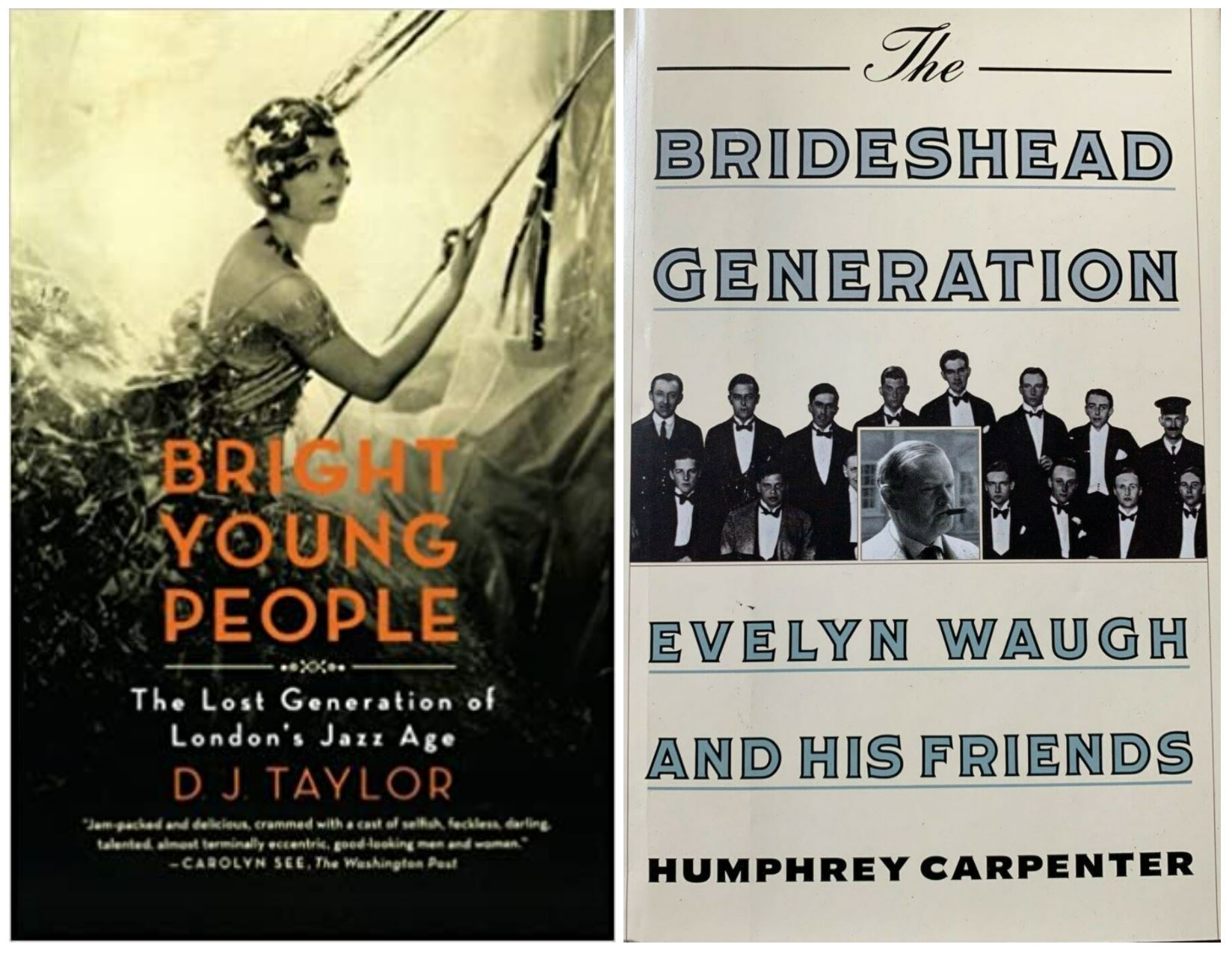
Because of all this history, and wanting to know more about the writers they knew, I ordered two more books to read.

This history fills in a time period after the Bloomsbury group that I learned about as an English major and before The Beatles who made England interesting back in the 1960s when I was growing up.

I fell into this black hole of literary history in the same way I fell into reading a zillion books about The Beats and Jack Kerouac, or all the books I’ve read about the Transcendentalists, or the Lost Generation, or the Impressionists, or certain crowds of science fiction writers. I love how an art movement brings people together.

JWH

Explaining My Addiction to Science Fiction

by James Wallace Harris, 9/26/21

One reason I haven’t been posting much here lately is because I’m writing a short story review every other day on my science fiction site. I’m reviewing The Big Book of Science Fiction, an anthology of over a hundred science fiction stories from the 20th century, including many stories I’ve read over the past sixty years. The whole endeavor is a kind of self-psychoanalysis of a lifetime addiction to science fiction.

I’m slowly realizing what science fiction means to me. In 1960, I became a bookworm in the 4th grade to cope with the stress of growing up. In the 5th and 6th grades I slowly focused that addiction on science fiction. A couple decades ago I realized I had substituted belief in science fictional ideas for my childhood beliefs religion, becoming an atheist around age 12 or 13. But actual space exploration played a part too. Sputnik went up weeks after I began the first grade, and Apollo 11 landed on the Moon weeks after I graduated high school.

When I first started reading science fiction in the early 1960s I knew no one else that read it too. Then in March, 1967 I met my buddy Connell in 10th grade who became my lifelong friend. When I discovered he had read some science fiction I asked him who was his favorite author. I expected him to say Heinlein, since I assumed Heinlein was the absolute best. Instead, Connell said Clarke. We’ve been arguing ever since.

After Star Trek ended in 1969 I realized that millions of science fiction fans had come out of the closet. I joined an APA in 1970, then a local science fiction club, and then started going to SF conventions with my friend Greg. At the time, science fiction fans seem few and far between.

Then in 1977 Star Wars came out, and it seemed like everyone began to love science fiction. But I soon realized that even though the world loved science fiction on TV and at the movies, very few people actually read the science fiction magazines, and only slightly more people regularly read science fiction books.

As a kid, I wanted to be a science fiction writer like other kids wanted to be rock stars, football players, or astronauts. And even though I took writing courses in high school and college I never developed the discipline to write. Later on, I guess as a mid-life crisis, I took off six weeks from work in 2002 and attended the Clarion West Writers Workshop, and afterwards began a MFA in creative writing. I still didn’t have what it took. When I retired in 2013 I thought I’d finally get down to writing, but I didn’t.

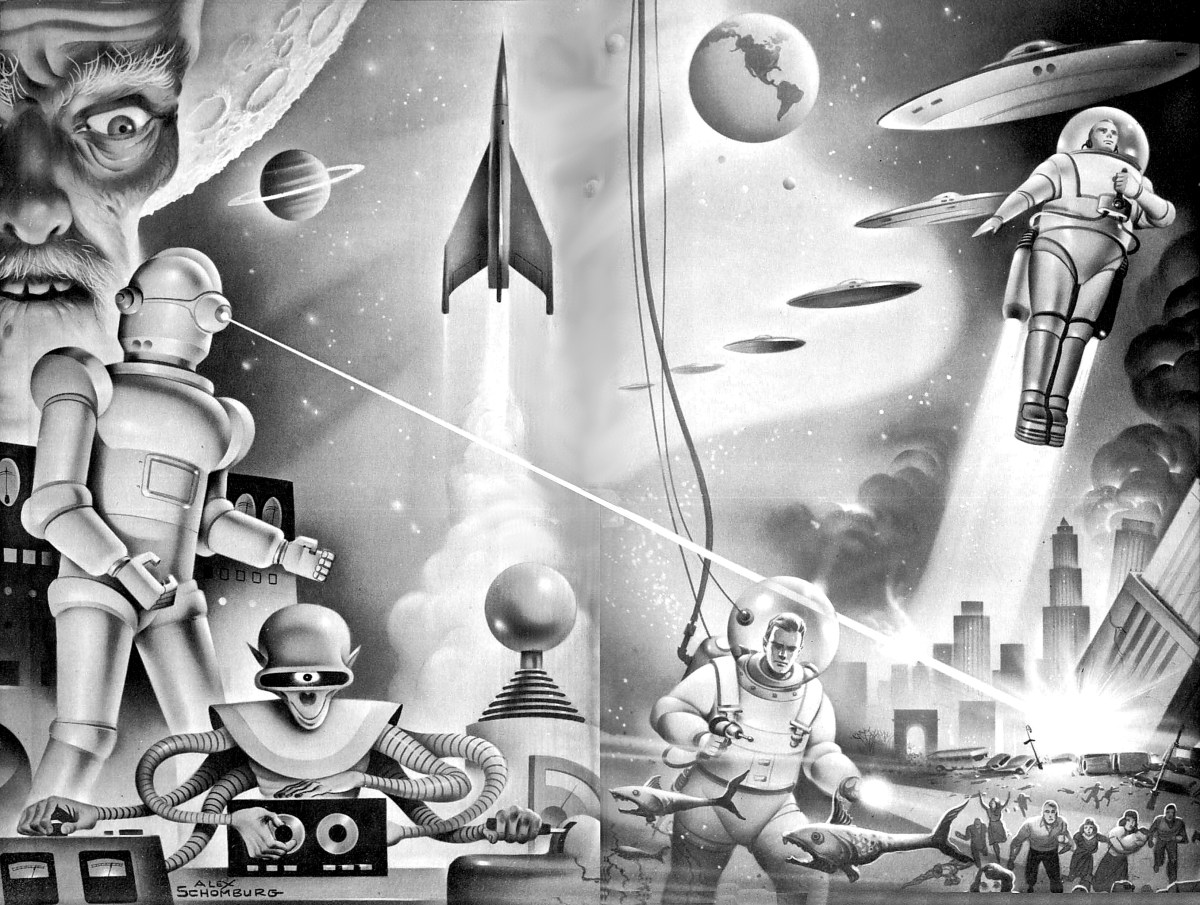
Over the eight years I’ve been retired I’ve been reading and rereading a lot of science fiction. It’s become a pleasurable hobby to fill my time. But I’ve also discovered why I’ve psychologically embraced the genre. For most of my life I thought that space travel was important to the development of humanity, and science fiction was a kind of prophetic literature that gave exploring the high frontier meaning. Now I see wanting to leave Earth as a kind of psychological escape, and science fiction is only a minor art form, a specialized kind of fantasy and entertainment.

In my old age, I read science fiction and admire it for creative storytelling. But I know it’s only a couple steps up artistically from comic book reading. I do read literary novels, and know the difference. Science fiction appeals to the adolescent in me. That keeps me positive while the world around me is turning negative. Reading science fiction in my old age makes me realize I never grew up, but then I’m also realizing most of the people around me never have either. As a species we’re not very good at maturing and facing up to reality.

The percentage of people who rely on denialism to cope with reality grows every day. I like to think I don’t deny reality so much as avoid it. Most of the people who aren’t deniers tend to be avoiders. Only a small percentage of the population face up to reality. I don’t mind reading and studying reality, but I have no discipline to live the life I know I should live. Reading science fiction is my way of occupying my mind when I’m not thinking about how humanity is destroying itself.

I admire people who actual do something about the problems we face, but they are very rare. Most of us just fool ourselves that everything is going to be okay and maybe do a few token things to help, but isn’t that really an effort to sooth our guilt? Reading science fiction is my version of watching Ted Lasso or The Andy Griffith Show. But we’re all on the Titanic killing time in amusing ways even though we know we could change the ship’s course if we worked together. Unfortunately, cooperation is not in our genes.

Reading science fiction teaches me about the possibilities. Science fiction has always been about building better futures, advocating better societies (utopias) or warnings of de-evolving into dystopias, or even the nightmares of apocalypses. It’s all too obvious that we’re actually heading towards the collapse of our global civilization and an environmental apocalypse. Half the population copes by denying this, and the other half that does recognize our destiny does little to avoid it.

We indulge in mindless consumerism and socializing, or restless tourism, or occupy our minds with political and religious rationalizations. When I see people protesting that the 2020 election was stolen, or vaccinations are evil, or the January 6th attack on the capitol didn’t happen I realize those people have the psychology of children, the kind who throw tantrums, who scream “You can’t make me” or “You’re not the boss of me” to their parents, teachers, and even peers. But you can’t reason with them not because they can’t see reason, which they can’t, but because that’s their survival mechanism, and if you could get past it, these people would only fall apart. I have to assume reading science fiction is my survival mechanism.

I am starting to worry a tiny bit because some of my coping mechanisms are starting to fail. I used to binge watch TV in the evenings. I’ve always loved TV, and looking back see that it was a reality stress releaser too. But I now have to try a dozen or two dozen TV shows or movies before I can find one that I can watch. And I no longer can watch TV and movie science fiction. For example, I was looking forward to the new production of the Foundation series on Apple TV+. It just annoyed me, and I quit trying after fifteen minutes. I forced myself to finish the first episode the next night, but still no joy.

I worry that I’m also going to develop a tolerance to written science fiction, and it will fail to hold my attention like my TV watching. So far, I still find great pleasure in reading science fiction short stories. I don’t have the patience to read novels anymore, but continue to enjoying reading old SF anthologies and magazines. I worry that this love won’t last.

Luckily, I still have other interests to turn to if I finally wear out on science fiction. The current state of the world is very sobering. It might even cure my addiction to science fiction, but I doubt it. I’ve had it my whole life now. It might be too late to give up. But my attitude has changed. We wanted a lot of fantastic things from religion, and that’s true of science fiction. That’s why I compare them. I believe we need to change our expectations for both. Religion and science fiction need to focus on reality. They both need to be more down to Earth.

JWH

Do You Remember This Album?

Memory is a funny thing, mainly because they’re completely unreliable. And it’s quite easy to have false memories. My memories for the Gypsy album tells me I bought it in the early 1970s, and when I was dating my wife in 1977, I went through her records and found a copy of it. I have a memory of saying, “Hey, you like this album too?” I thought it was cool we both loved an obscure record. I asked Susan this morning of her memory about the album, and she says she owned it before we met. That’s confirmation, but read on. We both might be fooling ourselves.

You can listen to the album while you read on. And if you owned this album please leave a comment. I’ve never met anyone else who loved this album.

All this dredging of memories came about because I got out my CD of Gypsy the other day and played it. I thought, “Wow, what a wonderful album, why wasn’t it famous? What happened to the group? Should I buy their other albums?” Checking Spotify showed they didn’t exist in that worldwide form of collective memory. Nor are their albums available to buy on Amazon. I then checked YouTube, which is becoming our digital attic, and found copies of their albums to play. That made me even more curious about what happened to the band. Then that night, while browsing new YouTube offerings on my TV, YouTube listed a documentary about the group Gypsy in my to watch feed. I know people complain about digital companies tracking our interests, but I was quite thankful for this intrusion. The 2016 documentary Gypsy: Rock and Roll Nomads answered most of my questions.

But when I started checking facts, I’m not sure I can support Susan’s and my memories. Gypsy by Gypsy came out in 1970, and according to the documentary, bombed because Metromedia Records did not promote it. Now I bought a lot of albums simply because of their covers, and this was one – I’m positive. But then this is a story about faulty memories. I could have bought it in late 1970, but I can’t remember that. I don’t have a memory for when and where I bought it. All I remember was loving the cover, buying it, and then loving the album when I played it. I played it for weeks, and then put it away. That’s what my memory tells me. That could have happened from 1970-1977 before I met Susan. However, because the album was so poorly promoted, I probably needed to have bought it right after it was first released in 1970. I have no memory of buying it that early. How long does an album hang around in record stores?

The information I found at Discogs implies it got better support than the documentary suggested since it was released on LP, cassette, 8-track, and reel-to-real, and it was also published in eight countries outside the U.S.

Now the Discogs information gives me a second theory, one that conflicts with Susan’s and my memories. The album was rereleased in 1979 on LP, the year after we got married. I could have bought it then, at Peaches, and we discovered we loved it together. Later on we both gave ourselves false memories that we had discovered it by ourselves. Unfortunately, we got rid of our LPs as we bought CDs, so I don’t have any physical proof of which pressings we owned.

Sometime after 1990 I bought Gypsy again on CD (AJK Music A 862-1). It’s a fantastic album, but no one we know is familiar with it. When I played the CD the day before yesterday, I played it loud, and it sounded amazingly great. I just can’t believe it’s not a classic rock album everyone knows. Watching the documentary explained why the band failed. It was the typical story of we could have been contenders, we were almost famous, we were at all the right places, had all the right opportunities, performed with all the other great bands, but we just didn’t make it.

But I had one last unanswered question. Why isn’t this great album on Spotify? I think I found an answer to that question too. Spotify doesn’t pay much and some bands won’t release their albums through streaming music services. From the documentary I learned that James Walsh keeps the band going and sells CDs online. He is the only original member of the band still trying to keep the band’s memory alive. All four of Gypsy’s albums are available from their website as a 4-pack for $60, as well as histories of the band. The site was updated 3/4/21, but there are no new concerts scheduled. I have a feeling the site was created to promote the CDs and documentary, but concerts are rare.

I wonder how many CDs Walsh still sells? I know streaming pays poorly but it does keep the music alive, and it’s worldwide distribution. I don’t know about the second, third, and fourth albums, but the first album, Gypsy, really needs to be out there for people to discover. Keeping it off Spotify is a big mistake, like when whey went with Metromedia instead of Atlantic.

JWH