What Was the Last Album You Obsessed Over?

by James Wallace Harris, 2/27/22

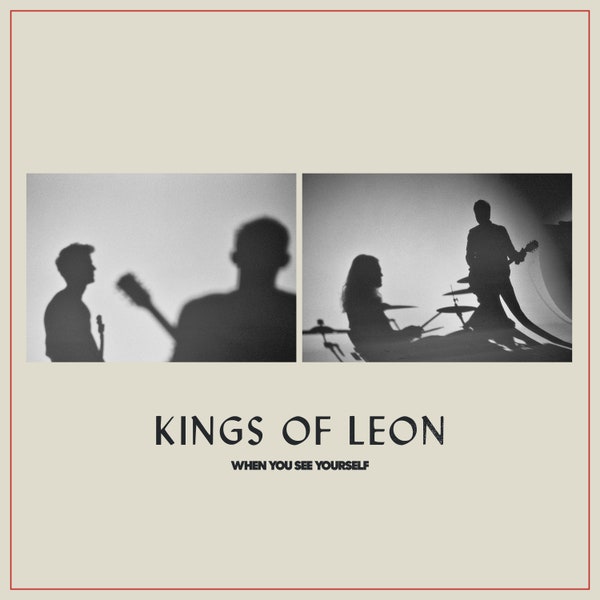
I’m not really concerned with which album you recall, but when. I’ve been playing When You See Yourself by the Kings of Leon over and over for weeks. What’s significant to me is it came out in 2021. When was the last time you bought a new album? I mean one that had been recorded recently?

I still buy the occasional new album on release day, like Adele 35, but it’s getting to be an extremely rare event. But even rarer is finding a new album I go bonkers over. I loved the new Adele album, but I haven’t played it obsessively like I have When You See Yourself.

Over my lifetime I’ve bought several thousand albums, but the ones I love the best are the ones I play constantly for weeks. Albums I repeat like those rats who continuously push the button connected to the reward center of their brain. Out of all those albums, probably less than 100, or even less than 50, and maybe even less than 25, were the kind I’d play over and over for weeks. I can’t really name the figure because my memory is so unreliable, but if it was only one a year, it would be around 50-60. But the albums that wowed me mostly came out in the 1960s and 1970s, and then they slowed to a trickle. That means it might only be 25.

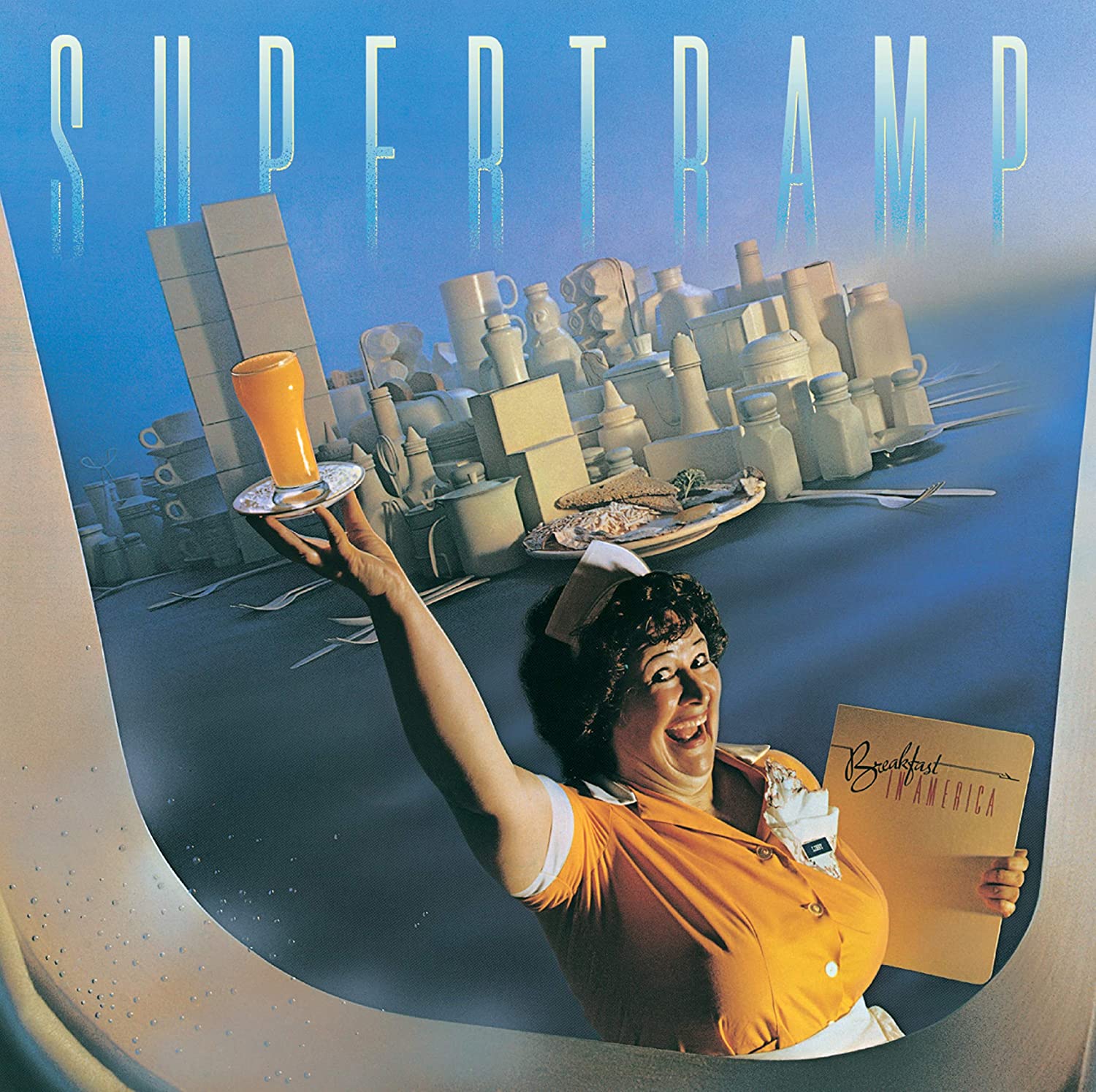
One reason I was inspired to write this blog was seeing a post on Facebook about Breakfast in America by Supertramp. That was another album I couldn’t stop playing for weeks. But that was back in 1979 and again in the 1990s when I got the CD, and again for weeks in the 2010s when I remembered it.

I think most of my friends, and I’m talking Baby Boomers here, when they think of a great album, think of albums from the 1960s and 1970s. My wife Susan, is like me, she’ll still want a new album, but much less often than me, and it usually involves The Foo Fights or Jackson Browne.

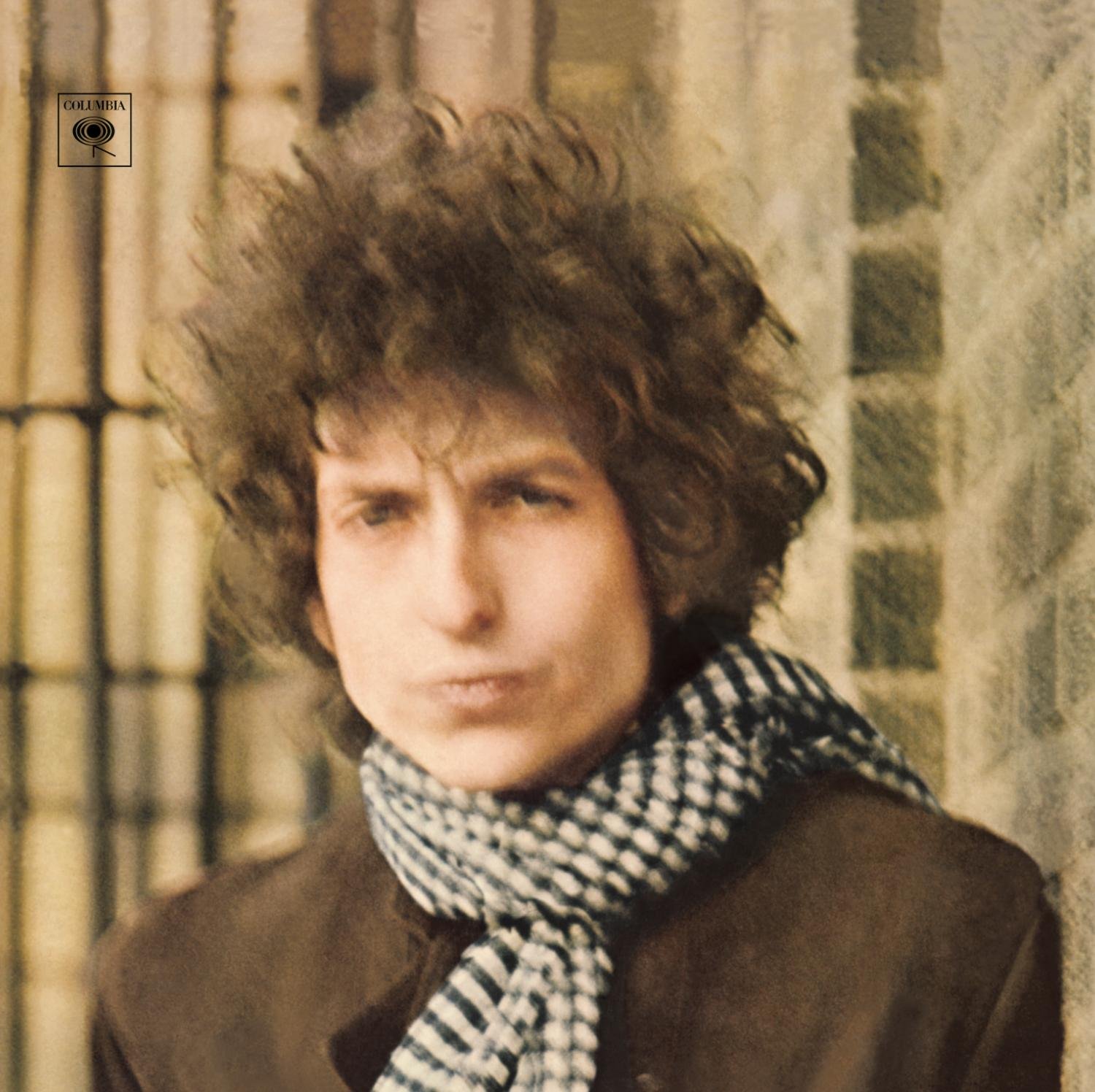
I believe the album I’ve played the most times over the course of my life is Blonde on Blonde by Bob Dylan. Every few years I come back to it and wear it out again. I’ve bought it on LP, CD, and SACD.

Why do most people stop buying new music after a certain period in their lives? Why do most people seem to only play music from when they were growing up? And is the reason I love When You See Yourself is because it sounds like something that could have been created in 1975?

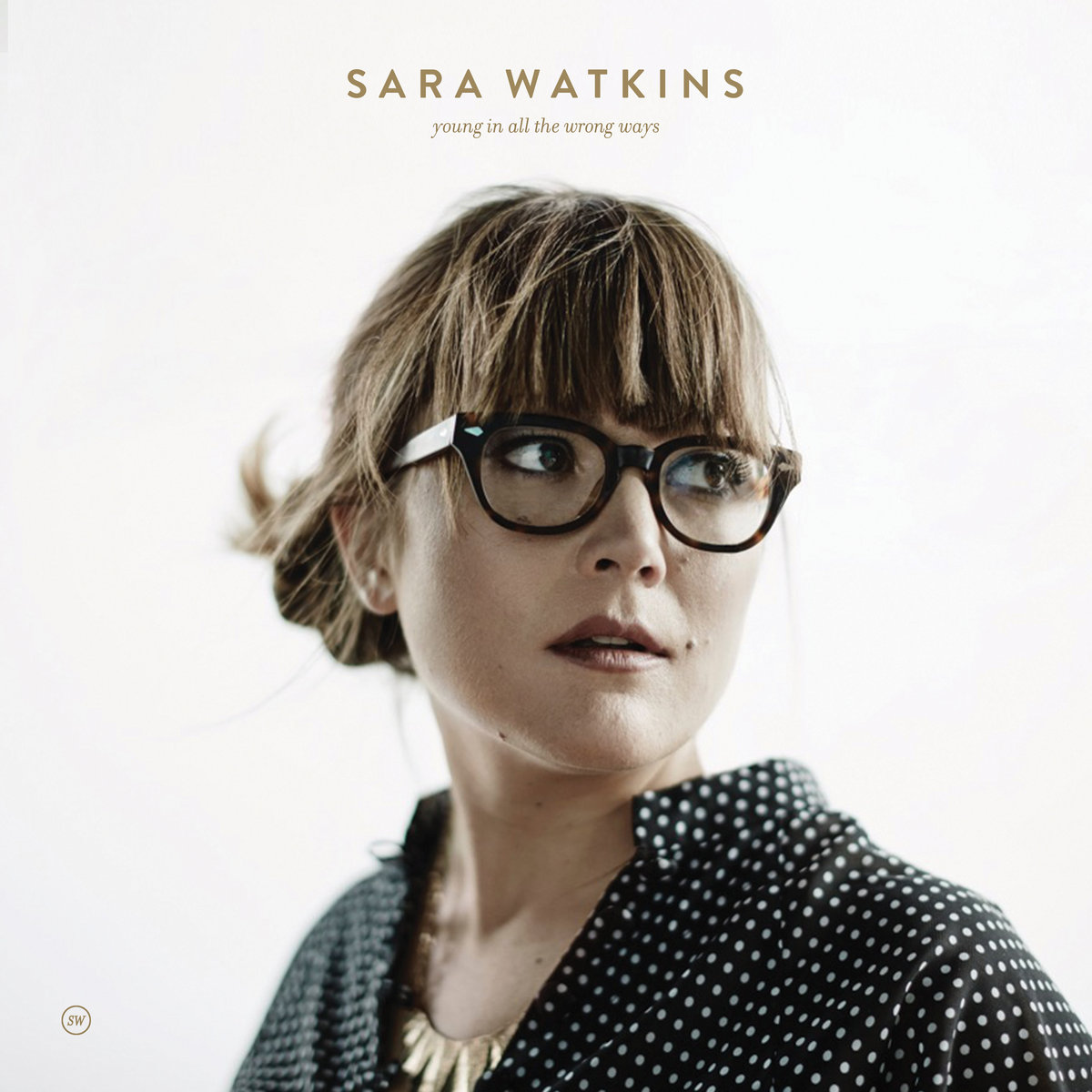
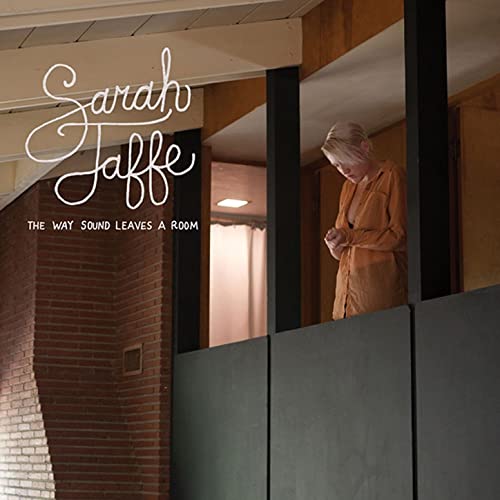
My previous obsessively played album was Young in All the Wrong Ways by Sara Watkins (2016). Before that, the album I couldn’t stop playing was The Way Sounds Leaves the Room by Sarah Jaffe (2011).

It might take a long while and some digging through albums to find the one before that. I know during the 2010s I returned to playing Blonde on Blonde by Bob Dylan from 1966 over and over again.

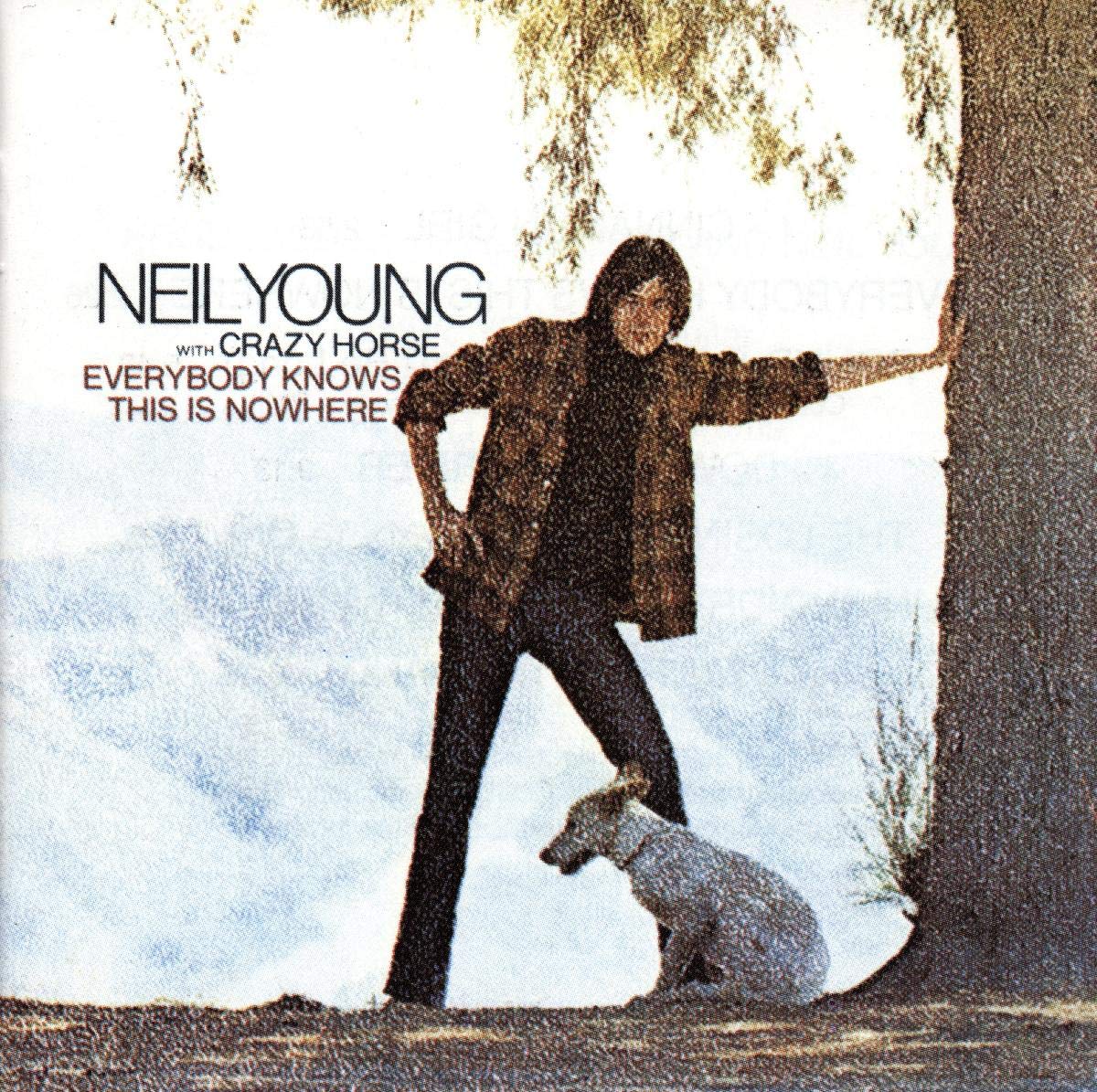
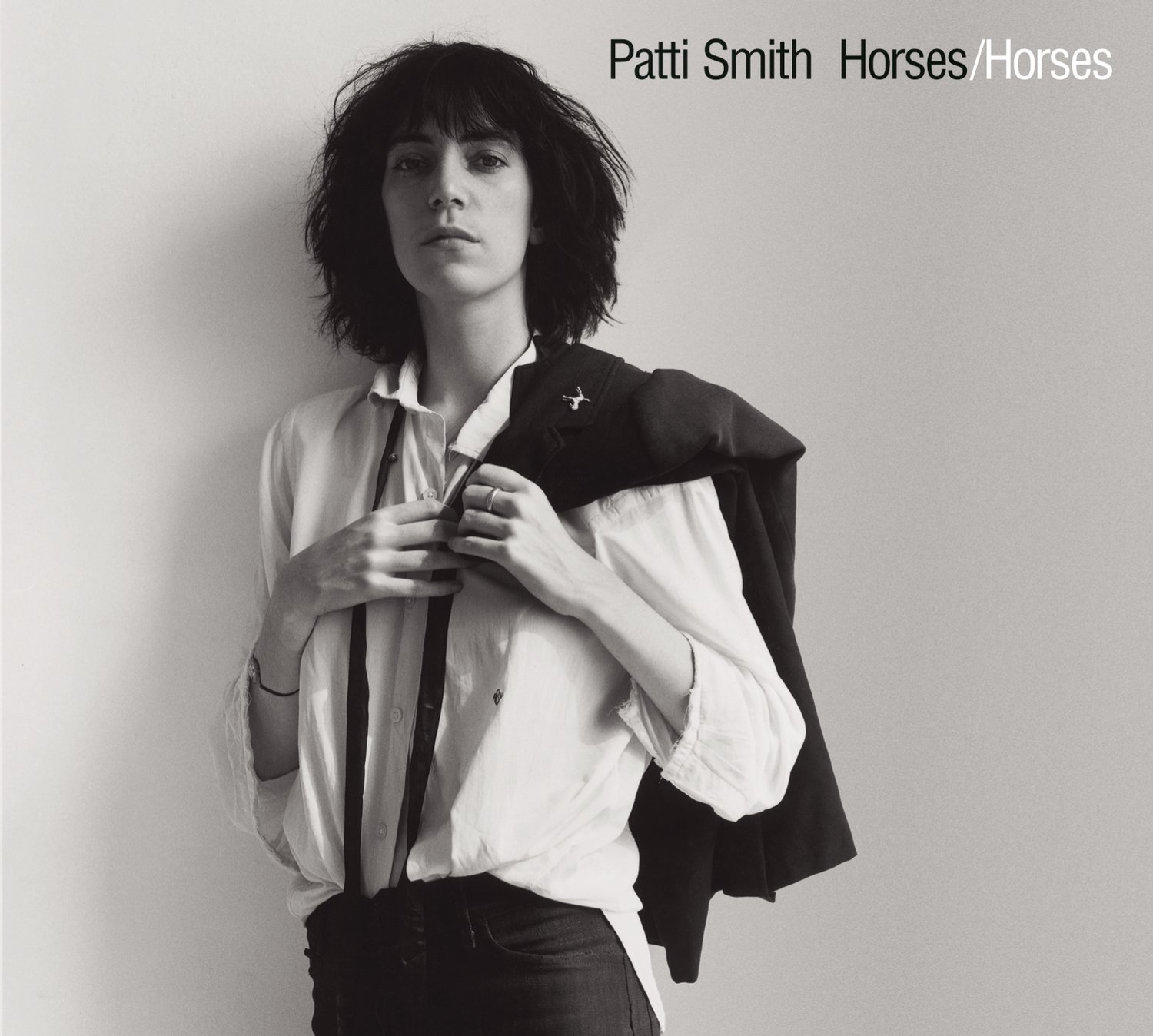
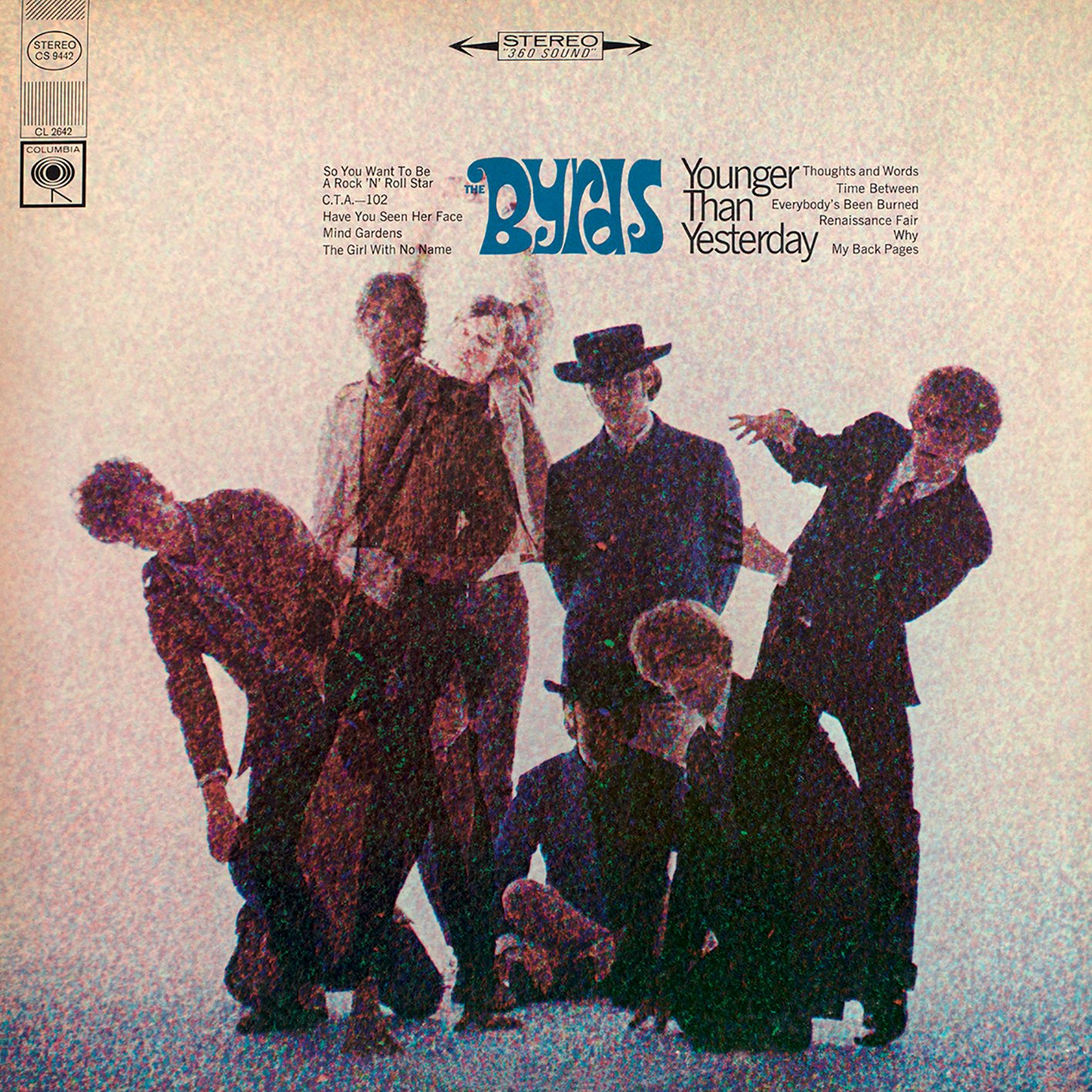
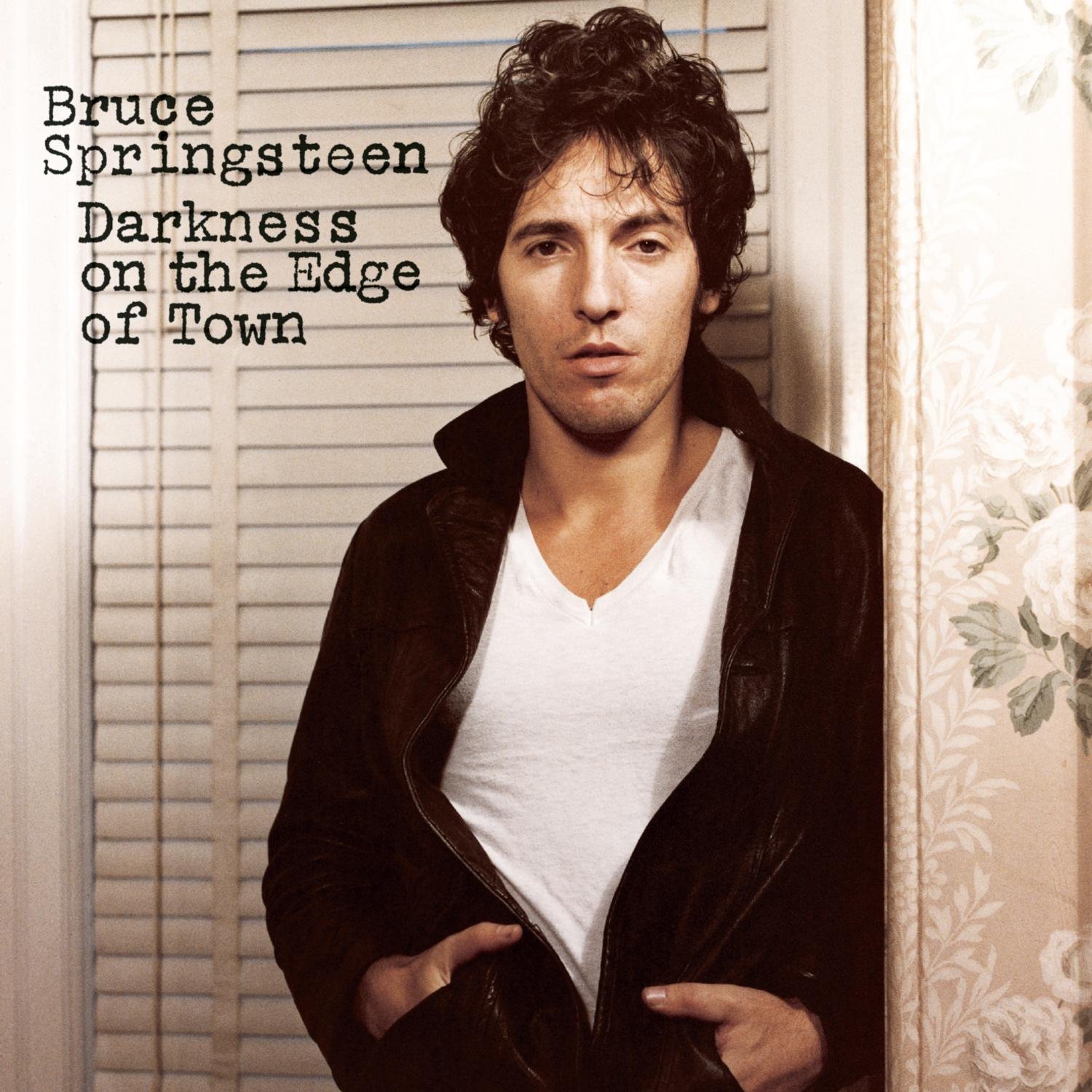
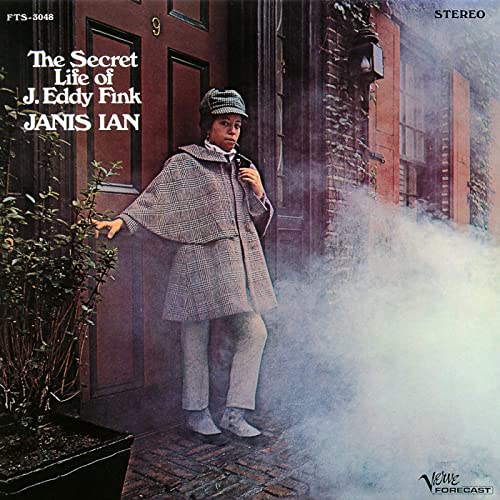
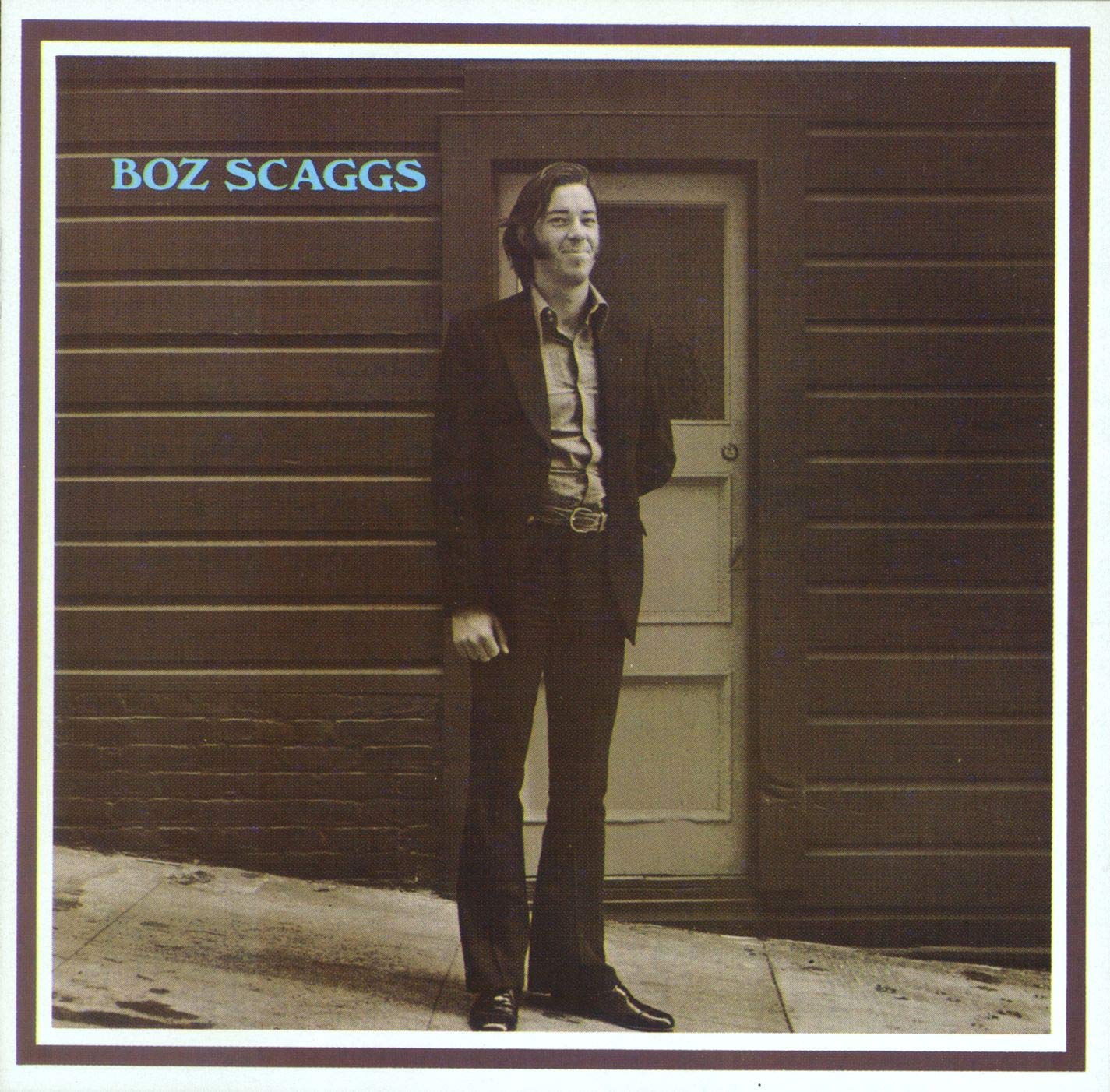
Certain albums from the past do pop up in my memory but these are hardly all of them. I thought I’d just remember a handful of them in pictures.

That’s enough. What were you favorites?

JWH

On the First Day of My Seventies

by James Wallace Harris, 11/25/21

When I left the work world back in 2013 I thought I’d apply myself toward writing science fiction short stories in my retirement years. For some reason, I’ve hit a barrier that hasn’t allowed me to do that. Very few people succeed at new creative pursuits in old age. I still hope to beat that statistic.

I’ve decided to attack the problem with a different approach. For my seventies, my goal is to write a nonfiction book. This is kind of an absurd goal since I’m starting to have trouble cranking out blog posts. But I have an idea — aim low, but be persistent. I seriously doubt I can produce a commercially successful work of nonfiction, so my ambition is to write a book I wouldn’t be embarrassed to self-publish on Amazon.

Two things make me think this is possible. I’ve written thousands of blog posts. All I’ve got to do is write fifty 1,000-word essays on the same topic that ties together in a coherent readable way. I already have several ideas that interest me, but can I make them interesting to other people?

At seventy, focus, concentration, and discipline are hard to come by. This week I’ve been watching videos on the Zettlekasten method of taking notes. Those videos have inspired me because they use an external system to organize ideas and build connections. This might let me overcome my cognitive limitations.

The older I get the harder it is to hold a thought in my head, much less juggle several thoughts at once to show how they connect. I’m encouraged I might overcome this limitation with the software Obsidian. That software is designed to help retain what you study and build a knowledge base. To help me remember what I find while researching on the web I’ll use Raindrop.io. I’ve already been using the mind-mapping software Xmind to organize ideas visually. Combing all of these programs might let me construct a large coherent collection of related thoughts and ideas.

I need tools that map where I’ve been and hopefully reveal where I want to go. These tools need to quickly show what I’ve already thought through. I just can’t do that in my head anymore.

Of course, I could be deluding myself. I used to wait until I felt good to work on my hobbies, which is a terrible approach. Now, I never feel good, so I’ll have to push myself to work anyway. That should be good for me. I’m usually drained of all psychic energy by mid-afternoon. I’ve even quit going out at night because I’m no longer functional by late afternoon. Working on this goal feels like I’m rolling a rock up the hill.

I just don’t want to give up, at least not yet. I just don’t want to become a passive consumer of other people’s creative efforts. There’s nothing wrong with that. Consuming creative works still gives me a lot of pleasure. I’m just an old dog that wants to learn one last new trick.

JWH

The Meaning of Sharing Two Grandparents

by James Wallace Harris, 11/11/21

They say that blood is thicker than water. I’ve never been much into genealogy but ever since my cousin Harold Ervin died a couple weeks ago I’ve been thinking about my cousins and regretting that I didn’t spend more time with them. I keep asking myself why I didn’t and why I regret it so much.

It came to me that cousins are special because we share two grandparents. But what does that mean? I’ve always felt closer to my cousins on my mother’s side of the family. My mother was one of five sisters, and her mother, my grandmother, was a much-loved matriarch of the family. My sister Becky and I called her Nanny, and she had sixteen grandchildren (although one was by marriage).

I actually loved my father’s mother more. We called Ma. My father was one of three boys. But my father’s side of the family didn’t make over Ma as much as my mother’s family made over Nanny. Could sixteen grandchildren versus ten make a difference? I do think my cousin Alana might have made over Ma more. She was always my favorite cousin on my father’s side. It could be that I knew my father’s side cousins a lot less, and thus didn’t know how much time they spent with Ma. One of my big regrets in life is essentially forgetting about Ma after we moved away from Florida. I only went back to see her once.

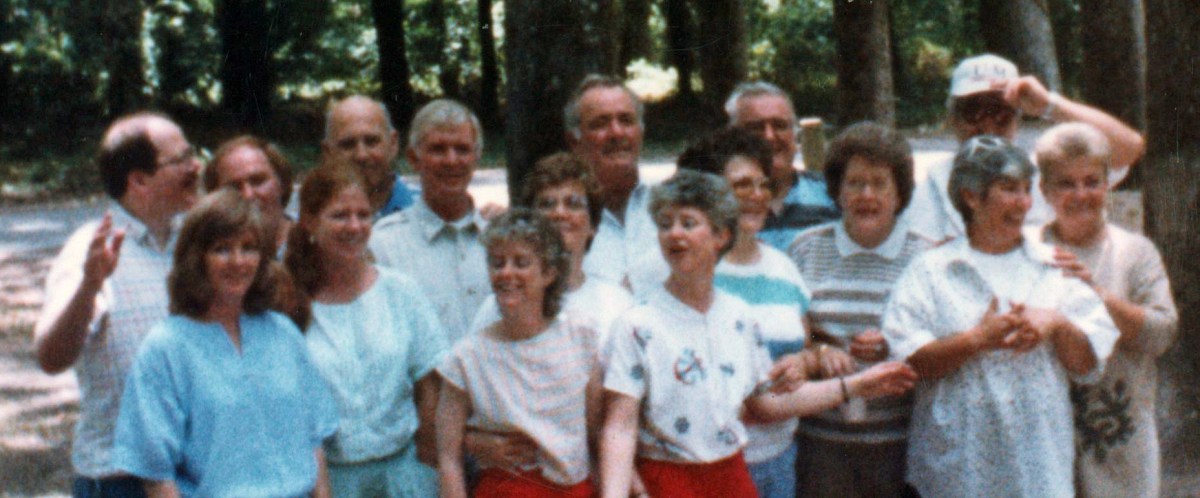
The above photo shows the last time all sixteen of Nanny’s grandchildren were together. I’m the bald guy on the far left. I’m not even sure when that photo was taken. And I really wish it was a much better photo, one where I could see everyone clearly. But it’s what I have to help me remember, and the poor image is kind of fitting since the memories that day are fuzzy too.

Seven of the sixteen are now dead, and it seems like something very essential to my life is fading away. Even though I have strong feelings for these fourteen people (not counting me and my sister), I don’t remember actually spending that much time with them. I have spent far more time with people that aren’t kin. But these fourteen, and the eight cousins on my father’s side, have a large presence in my memory. Is that because of blood? The most intense memories of my cousins come from the years 1960-1970. Were the kinship experiences I had in adolescence the strongest not because of genetic connections but because everything was so strong during that phase of life?

Looking back I realized that I saw my cousins mostly when my grandmothers were alive. (I never knew my grandfathers.) After my grandmothers died I saw my cousins mostly when visiting my aunts and uncles. Then when my aunts and uncles died, I seldom saw my cousins again. Actually, I haven’t seen my cousins on my father’s side of the family since his funeral in 1970. I do regret that. I also regret that I don’t have a group photo of the ten of us.

Contemplating all of this I realized there are varying levels of kinship bonds. Parents and children are the strongest. But that relationship comes in two modes. Your relationship with your parents, and the relationship with your children. My wife Susan and I have never had children, so I don’t know the second mode. I’m guessing the strength of bonding is greater with your own children. I wonder if I didn’t want children because I never felt a strong bond with my own parents? My parents weren’t happy, and I’ve often thought having children is what tore their marriage apart. Their marital strife certainly affected my desire to have children.

The next most powerful relationship is between siblings. After that, it’s with grandparents. Next, is with aunts and uncles. Then comes cousins. Finally, it’s nephews and nieces. My connections to my cousins were at their strongest when my grandmothers were alive. After that, my aunts and uncles kept me close to my cousins. But once my parents and their siblings were gone the connections to my cousins just faded away. By then, they had their children, and grandchildren, and even great-grandchildren. That’s sad that Nanny’s family has dispersed, but natural too.

The passing of my cousins might be hitting me harder because Susan and I are a dead end. I have no direct descendants going forward in time. All my connections to family are toward the past, and they are disappearing. I wonder if we could have felt what we feel now when we were young would we have chosen to have children? Strangely, Susan still doesn’t regret not having children, but I do. However, I don’t think I would have been a good parent, I’m too selfish. Most of my friends don’t have children, but of the ones that do, I see they’re having a whole different life in old age than us childless couples.

Writing this essay has answered my question about why I regret so strongly that my cousins are dying. They are the last of my direct line relatives. Susan and I have eleven nephews and nieces, and we like them very much, but they feel like they are on different branches of the family tree. We never got to see our nieces and nephews that much after they grew up, and they are now spread across the country. They have their own children, and in not many years, their own grandchildren. And how much blood do we share with our nephews and nieces? But I have such fond memories of my aunts and uncles, why hasn’t it gone the other way? Is it because I didn’t try harder?

In the last couple of weeks I’ve been recalling all the times I saw my grandmothers, aunts and uncles, and cousins. I’ve even thought about trying to write down every encounter I can remember – the number is quite finite. I’m starting to think there really weren’t that many meetings. Mostly we met at holiday dinners, vacations, weddings, funerals, and reunions.

For some reason, we have a special bond with people who have the same pair of grandparents. Is blood really thicker than water? Or is it because we knew those people when we were young and gathered on so many special occasions? I will continue to think about this for a while. I wonder what my cousins think? Maybe I’ll send them this blog.

JWH

Do I Still Want To Be A Programmer?

by James Wallace Harris, 10/28/21

For most of my work life, I worked with computers. I thought of myself as a programmer, it was part of my identity. After I retired in 2013 I still thought of myself as a programmer, but I haven’t done any real programming since I stopped working. I keep thinking I want to get back into programming, but so far I haven’t. I think I need to either start programming or stop thinking I’m a programmer.

The obvious reason why I haven’t done any programming is I don’t have any tasks I want automated. Without a programming problem, I have little incentive to program. I’ve done some piddly stuff with HTML but that hardly counts. No, I need something that requires computer processing power to accomplish.

This morning I watched several YouTube videos about fun programming projects. None really appealed to me. Making my own Sudoku solver or password manager might be fun, but the idea of putting hours of work into something that creates a tool I don’t care to use seems pointless, especially when others have already created superior tools that do the same thing.

I’ve thought about programming a book manager since I’m always frustrated with Goodreads but just entering in all my books in a potentially finished project depresses me. I just don’t want that tool bad enough.

I’m trying to imagine creating a tool that would be a joy to create and use. One thing I’ve always wanted to make is an abstract art generator. Something I could use mathematical equations to produce trippy light shows. This is a super-advanced example of what I’m talking about. I picture myself developing very simple things, to begin with.

This Pinterest page shows works closer to what I might be capable of programming. I’d like to start with recreating the animated sequence in the credits to On A Clear Day You Can See Forever, then expanding on that, making it more interesting, adding user controls, so people can alter what’s happening in real-time.

I keep wanting to create an auxiliary memory system but why recreate what Evernote is already doing. I’ve had one idea but it would be very challenging, and probably way beyond my skill level. I collect scans of old magazines, and sometimes the scans are poor, or the original printing of the magazine was poor. I thought it would be neat to create a program that sharpens the text of these old magazines scans. I fantasize about restoring scans of old magazines to look beautiful.

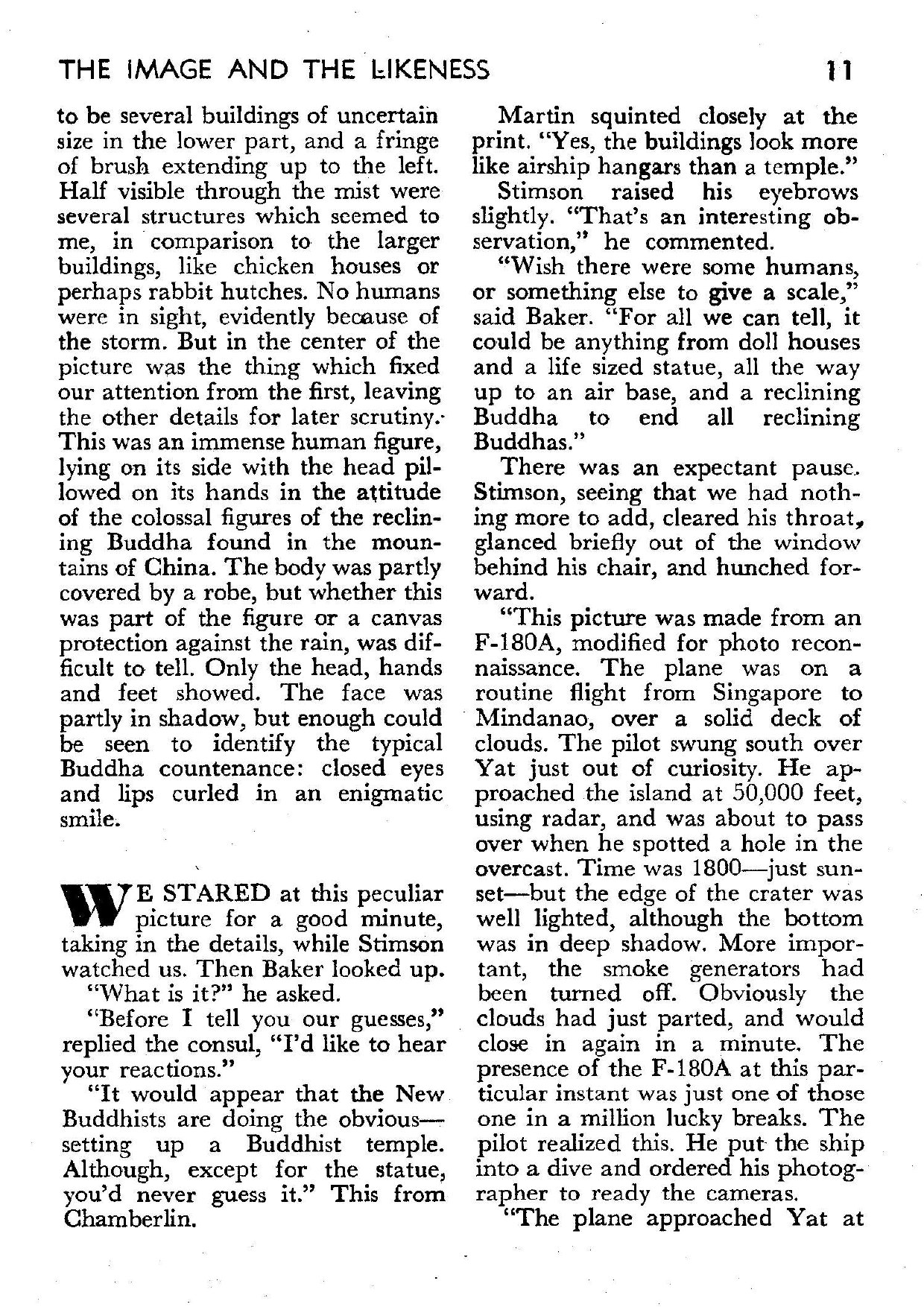
Notice the I in the word Image at the top of the page. It has white bites out of it. I wonder if it’s possible to write a program that could examine all the letters and come up with perfect replacements that are uniformly sharp and dark. I’d also like to be able to create a background for the text that looks like the paper the magazine used when it was new. Also, notice the L in Likeness, it has a smudgy spot in it. I’d want to program out such artifacts.

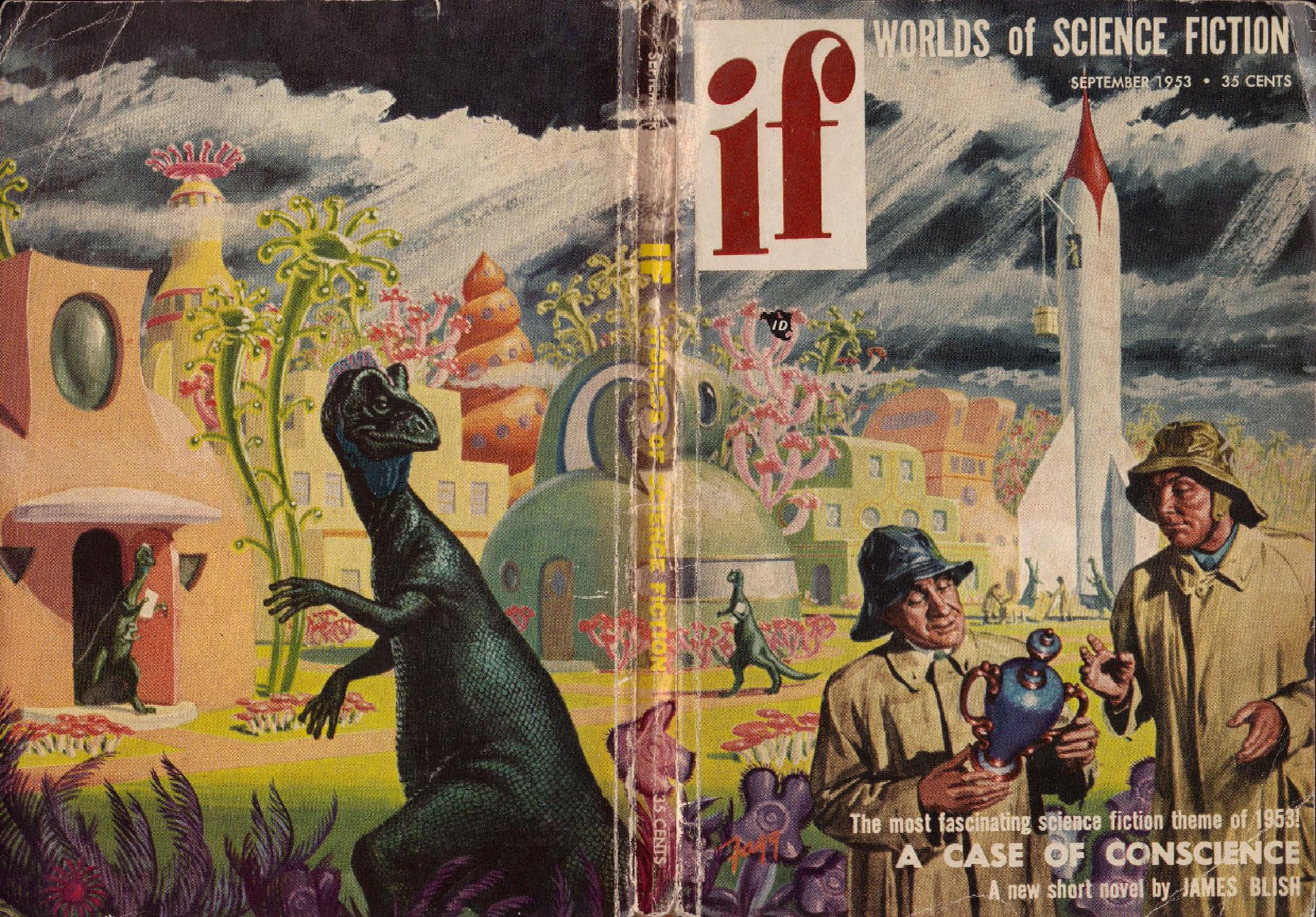
I also wonder if it’s possible to create a program that could return faded worn covers so they look like they did when they were new. To brighten up colors, remove wrinkles, smudges, and markings. I want it to work in batch mode since I have thousands of digital magazines.

I have one other idea, but this is super-super advanced. I’d like to write an AI program that could input all my old digital SF magazines and read them. I’d want the program to decipher what the stories are about and build a theme database. Then I could ask it for things like “List all stories that are about colonizing Mars” or “List all stories about generation ships,” or “Create a list of all the major themes you find.”

There are three hard questions I have to ask myself:

  • Do I really want to dedicate the time to these projects?
  • Are these goals beyond my skill level?
  • Am I too old and tired?

I don’t have much discipline left, but I might have enough to apply myself for one hour a day. That doesn’t sound like much, but I’d be damned impressed with myself if I did. I never feel good anymore, and most of the time I’m just tired. I might have the skill to create simple light shows. It would be really fun to write a program to take bitmap images and improve the type, but I’d have to push myself harder than I’ve ever pushed myself before. That would be a miracle. Creating an AI to read magazines is a fantasy.

I believe what I need to do is try creating the light show in Python. If I can’t, I should stop thinking about programming. If I succeed it might give me the psychic energy to go further. If I fail, I can free my mind of some old desires, and clean out programming books and magazines from my bookshelves.

This really is about coming to grips with aging. There are already many physical activities I’ve had to give up. I’m starting to think I might have to give up mental ones as well.

JWH

Do You Remember This Album?

Memory is a funny thing, mainly because they’re completely unreliable. And it’s quite easy to have false memories. My memories for the Gypsy album tells me I bought it in the early 1970s, and when I was dating my wife in 1977, I went through her records and found a copy of it. I have a memory of saying, “Hey, you like this album too?” I thought it was cool we both loved an obscure record. I asked Susan this morning of her memory about the album, and she says she owned it before we met. That’s confirmation, but read on. We both might be fooling ourselves.

You can listen to the album while you read on. And if you owned this album please leave a comment. I’ve never met anyone else who loved this album.

All this dredging of memories came about because I got out my CD of Gypsy the other day and played it. I thought, “Wow, what a wonderful album, why wasn’t it famous? What happened to the group? Should I buy their other albums?” Checking Spotify showed they didn’t exist in that worldwide form of collective memory. Nor are their albums available to buy on Amazon. I then checked YouTube, which is becoming our digital attic, and found copies of their albums to play. That made me even more curious about what happened to the band. Then that night, while browsing new YouTube offerings on my TV, YouTube listed a documentary about the group Gypsy in my to watch feed. I know people complain about digital companies tracking our interests, but I was quite thankful for this intrusion. The 2016 documentary Gypsy: Rock and Roll Nomads answered most of my questions.

But when I started checking facts, I’m not sure I can support Susan’s and my memories. Gypsy by Gypsy came out in 1970, and according to the documentary, bombed because Metromedia Records did not promote it. Now I bought a lot of albums simply because of their covers, and this was one – I’m positive. But then this is a story about faulty memories. I could have bought it in late 1970, but I can’t remember that. I don’t have a memory for when and where I bought it. All I remember was loving the cover, buying it, and then loving the album when I played it. I played it for weeks, and then put it away. That’s what my memory tells me. That could have happened from 1970-1977 before I met Susan. However, because the album was so poorly promoted, I probably needed to have bought it right after it was first released in 1970. I have no memory of buying it that early. How long does an album hang around in record stores?

The information I found at Discogs implies it got better support than the documentary suggested since it was released on LP, cassette, 8-track, and reel-to-real, and it was also published in eight countries outside the U.S.

Now the Discogs information gives me a second theory, one that conflicts with Susan’s and my memories. The album was rereleased in 1979 on LP, the year after we got married. I could have bought it then, at Peaches, and we discovered we loved it together. Later on we both gave ourselves false memories that we had discovered it by ourselves. Unfortunately, we got rid of our LPs as we bought CDs, so I don’t have any physical proof of which pressings we owned.

Sometime after 1990 I bought Gypsy again on CD (AJK Music A 862-1). It’s a fantastic album, but no one we know is familiar with it. When I played the CD the day before yesterday, I played it loud, and it sounded amazingly great. I just can’t believe it’s not a classic rock album everyone knows. Watching the documentary explained why the band failed. It was the typical story of we could have been contenders, we were almost famous, we were at all the right places, had all the right opportunities, performed with all the other great bands, but we just didn’t make it.

But I had one last unanswered question. Why isn’t this great album on Spotify? I think I found an answer to that question too. Spotify doesn’t pay much and some bands won’t release their albums through streaming music services. From the documentary I learned that James Walsh keeps the band going and sells CDs online. He is the only original member of the band still trying to keep the band’s memory alive. All four of Gypsy’s albums are available from their website as a 4-pack for $60, as well as histories of the band. The site was updated 3/4/21, but there are no new concerts scheduled. I have a feeling the site was created to promote the CDs and documentary, but concerts are rare.

I wonder how many CDs Walsh still sells? I know streaming pays poorly but it does keep the music alive, and it’s worldwide distribution. I don’t know about the second, third, and fourth albums, but the first album, Gypsy, really needs to be out there for people to discover. Keeping it off Spotify is a big mistake, like when whey went with Metromedia instead of Atlantic.

JWH