Browsing My Bookshelves When My Favorite Used Bookstore is Closed

by James Wallace Harris, Monday, August 17, 2020

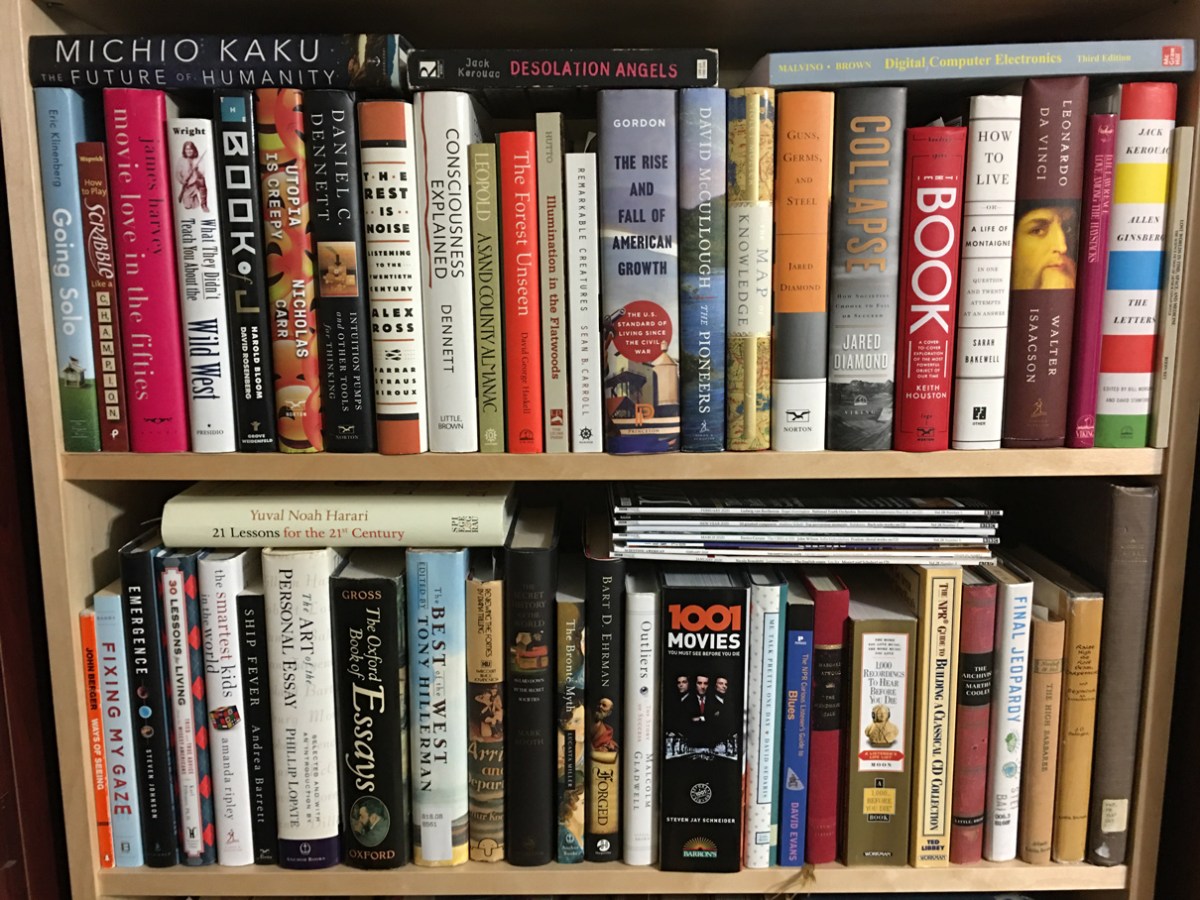
Since I can’t go book shopping, I’ve decided to browse my own bookshelves instead. I’m amazed by what interesting books I find there.

It’s been months since I’ve shopped at my favorite used bookstore, Second Editions. I use to visit it at least once a week. I certainly don’t need any more books, there are already thousands on my to be read pile. Over the years I’ve discovered that my reading habit is entirely separate from my book-buying habit. I love to read and I love to shop for books — I just don’t always read the books I buy.

The other day I browsed through my entire Audible.com library of 1426 audiobooks looking for all that contained short stories. Time and again I was amazed by what I owned that I hadn’t listened to yet (I can’t resist a good sale). Once again, I told myself I needed to stop buying new books and read or listen to what I already own. But I love going to Second Editions, the used bookstore run by our Friends of the Library.

I never know what I’ll find. Sometimes it’s an old book I’ve been hoping to find again, or it’s a book I never knew I wanted but had to buy, or it was a hardback copy of a book that just came out that I was thinking of paying full price — that’s how I got Leonardo da Vinci by Walter Isaacson for $5.

I’ve only got five six-shelf bookshelves to browse — but I’m overwhelmed by how many books I find that I want to read. Strangely, it’s 100%. Well, maybe not so strange. Because of my limited shelf space, I tend to donate books back to the Friends of the Library of those I’ve read or decided I’m not going to read. My self-imposed rule is I can’t own any more books than I have bookshelves. I’ve technically broken this rule because I’m currently allowing myself a legal loophole by shelving some books at the top of my clothes closet. Those three six-foot-wide shelves really do look like bookshelves. (But don’t tell my wife!)

Second Editions bookstore is closed for the duration of the pandemic. I know everyone is missing their favorite places to hang out, so I shouldn’t whine about missing mine. However, I do miss it. And browsing my own bookshelves looking through the books I often bought at Second Editions does help a little, but not much. It does help me empathize with young people who can’t resist gathering in public places during a pandemic.

I wonder if I pulled out a few books, and gave myself a twenty if the experience would feel more like visiting Second Editions? Maybe Susan could pretend to be the clerk at the cash register and we could chat a bit about books?

JWH

Is It Time To Ditch News Feed Apps?

by James Wallace Harris, Saturday, July 25, 2020

The sad truth is I’m a Flipboard addict. And if I’m really jonesing for news, I’ll also check Apple News and Google News. I compulsively tap my iPhone several times a day for more new news, speed reading through dozens of digital essays and news stories every day. But Flipboard is starting to irritate me with all its ads, and more than that, my comprehension skills are deteriorating.

Although the internet is instant, smartphones are convenient, and news feed apps are comprehensive, I’m not sure they are the best conduits of news. Oh, they definitely get me more news from a greater variety of sources updated by the second, but I’m not sure its the best way to stay informed. And I’m not sure if it’s not becoming abusive to my neurons.

People often say less is more. News feed apps work on the principle of sending you news customized for your interests. Often content is barely more than blurbs with ads, and generally the same information is repeated or restated by countless news outlets, sources, and publishers. There is lots of substantial content, but lately, more than not, it’s behind a paywall.

I’m reading in a hyperactive mental state, gobbling down facts in a frantic effort stay informed. But am I? I’m starting to wonder if I read less if I’d be more informed?

Could carefully choosing my own news sources be the wiser path? Could a couple of newspapers and a handful of magazines, digital or print, offer a better news experience than a news feed service? I don’t know, but I’m thinking about trying the route. I just don’t know if I can break the news feed app habit.

I’m also tempted to go back to printed magazines and newspapers for some of that reading. The cost of printing tends to control what is printed. And I’m also wondering if reading less from a slower source might be advantageous. I really have no answers right now, but my hunch at the moment is pushing me to read less news on my iPhone. However, I’m not sure I can give up that much convenience.

It occurs to me now that I actually enjoyed TV more when there were only three networks. And music was more fun when I could only afford to buy one new album a week. Maybe there’s a downside to convenient abundance.

JWH

I’ve Lost My Addiction for TV and I Want it Back

by James Wallace Harris, Sunday, March 8, 2020

As a life-long TV addict, I’m going through a bizarre phase where I can’t get into watching TV. I’ve started asking myself: “Why do I watch TV?” I theorize if I can figure out the specific aspects that currently make me love a rare TV story now it might help me find new shows that will hook me in the future. I don’t know if other people have this problem or not. Leave a comment if you do.

Right now the number one factor in me finishing a TV show is whether or not I’m watching it with someone else. Currently, I’m watching Star Trek: Picard on Thursdays with my friend Annie. I watch Jeopardy M-F with my wife Susan. We also watch Survivor together on Wednesday night. For ten years I watched a lot of TV with my friend Janis, but she moved to Mexico. In the year since I’ve only rarely gotten hooked on a series that I’ll watch by myself. My fallback on these restless nights is to put on a Perry Mason episode or graze on YouTube videos. But this week, I’m even having trouble finishing even ten minute YouTube video.

Every night I try three or four new shows hoping to find something I’ll want to binge-watch. And I do find things that just a couple of years ago would have glued me to the set. But for some unknown reason, I lose interest after about 5-10 minutes. That’s even when I’m thinking, “Hey, this is a good story” to myself. It’s an odd sensation to consider a show interesting but then feel “I’m tired of watching” after a few minutes.

I could do other things, but this is my TV time and I don’t want to give it up. If I have enough energy in the late evenings I do switch to reading.

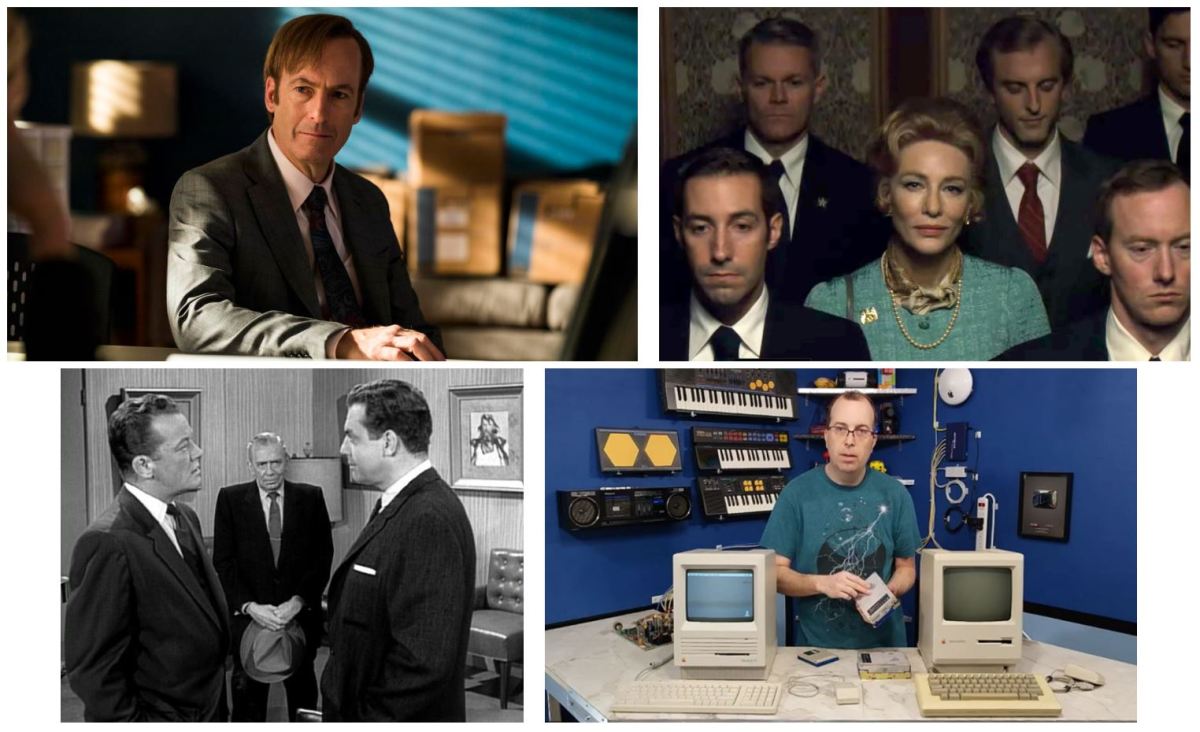
The last two nights I’ve tried Taboo and Ripper Street — shows set in 19th-century England, a favorite time period of mine. Even though I marveled at the historical sets and staging, I couldn’t get into them. A few weeks back I did binge-watch 8 episodes of Sanditon. That makes me wonder if I now prefer polite society to the scum-of-the-Earth strata. I loved watching Breaking Bad and Better Call Saul with Janis, but on my own, I can’t stick with the newer seasons of Better Call Saul.

Thinking about that I do remember I was able to watch The Marvelous Mrs. Maisel and The Crown by myself. They were nonviolent. However, I loved Black Sails and quickly binged through four seasons, and it was very brutal. Maybe I don’t mind certain bloodthirsty characters. Maybe violence isn’t a factor at all.

What are the elements of a story that draw us in? What makes us watch a screen for hours and hours? Don’t you think it’s rather strange that we spend so much time mesmerized by our television sets? I’ve watched a lot of television in my life — more than most, but less than some. Remember that old meme about your life flashing in front of your eyes when you die? Well, if that happened to me, a third of that vision will be me lying down asleep, and another huge chunk will be me sitting in front of a TV screen. Television must be very appealing since we willingly devote so much of our free time to it. But why?

I recently wrote “What Happened To Science Fiction?” trying to understand how science fiction had changed from Star Trek in 1966, to Star Trek: Picard in 2020. I realized back in 1966 what I loved about science fiction was the ideas in the story. But in 2020, what I loved about Picard was the characters. And in between most SF fans have switched from loving ideas to loving the storytelling. In other words, I felt there were at least three types of appealing qualities to science fiction (which can apply to any kind of fiction:)

  • Ideas/Information
  • Storytelling/Plot
  • Character/People

I still mostly admire fiction for ideas. I love storytelling and characters, but not as much as I love information and details. Picard is interesting because of the character Picard, but also because of Patrick Stewart. Back in 1966, I believe Star Trek acquired a lot of fans for Kirk, Spock, McCoy, Scotty, Sulu, etc., but I liked it for individual episodes with cool science fictional themes. Television used to be very episodic. Now a TV show often has an arc covering a whole season or even multiple seasons. Its appeal is the storytelling and plot. But pure storytelling doesn’t addict me.

We used to be mesmerized by 30 or 60-minute tales. That appeal of television was like enjoying short stories. In fact, 1950s television killed off the pulps and short story magazines. Modern TV, with binge-watching whole seasons, is like reading a novel. We now commit to ten to thirteen hours. Part of my problem might be commitment issues. It used to be committing to a 90-minute movie or 10-hour season was no big deal. Mentally, it is now.

We tend to use television to kill time, to fill up our lives. That suggests we don’t have anything better to do, but I also feel that TV is an art form we admire. That we devote so much time to TV because it is something of quality, and is worthy of our attention. It could be 10-15 minutes is all I’ve got for admiring TV at age 68. And the reason why I can watch for longer periods with other people is I consider it socializing.

I used to watch several hours of TV a day, even by myself, but in my old age, that seems to be a declining skill. Is anyone else having this problem? Since retiring I want to watch a couple hours of TV at the end of the day before going to sleep, but I’m having trouble filling those hours. Last night I tried a half-dozen YouTube videos, fifteen minutes of Ripper Street, and about five minutes of five movies from the TCM on-demand collection. I’ve always had a powerful addiction for old movies, and I went ten years without access to TCM and hungered for it terribly. I recently got TCM again when we subscribed to YouTube TV, but old movies don’t thrill me like before.

Is something wrong with me mentally? Have I just become jaded because of decades of TV consumption. Has a decade of binge-watching multi-season shows worn me out? I feel like a heroin addict who has lost the high but still wants to shoot up. I miss having a TV show I’m dying to get back to watching.

I always thought one of the benefits of old age was getting to watch TV guilt-free. I figured I’d be too decrepit to do much else and assumed my declining health years would be filled with the quiet life of books and TV. Man, I’m going to be up Schitt’s Creek if I can’t watch TV. I need to figure out exactly what turns me on about TV shows so I can find something to watch. Hundreds of scripted series are created each year. There’s bound to be more for me to watch.

I absolutely loved Black Sails because it was a prequel to Treasure Island, and the entire four seasons led up to that story I’ve loved since childhood. I wonder if there are other TV shows based on books I loved. Looking at Ranker’s “The Best TV Shows Based On Books” it’s going to be tricker than I thought. Most of them are based on books I haven’t read, and many of the ones based on books I have read aren’t shows I’ve liked. There must be another psychological element I haven’t considered.

I also loved watching The Marvelous Mrs. Maisel, and I think it’s because it’s about a time period I remember. I recall the 1970s too, but The Deuce isn’t that appealing. I’ve been meaning to try some of the shows set in the recent past. I’m looking forward to watching Mrs. America on Hulu, about the second wave feminists. Maybe biographical historical shows set during my lifetime is a noteworthy factor. That might be why I like The Crown so much. And it might explain why I also enjoyed documentaries on Miles Davis and John Coltrane recently.

And thinking about it though, the setting has to be more than just contemporary history. There are lots of shows set in the recent past that don’t work. Evidently, history needs a connection.

Genre shows have also petered out for me. Shows built on mystery or romance no longer work, and even though I still love reading science fiction, TV science fiction has no appeal anymore. Without Annie, I wouldn’t be watching Star Trek. She also got me to stick with The Game of Thrones.

All I know, is every once in a while I do find a show that absolutely addicts me. I just wish I knew what drug it contained that’s addictive.

JWH



2019 Year in Reading

by James Wallace Harris, Tuesday, December 31, 2019

This is the 12th year I’ve been doing these “Year in Reading” posts. They’re really written for my poor memory because I can’t imagine anyone caring about a list of books I’ve read. It’s a ritual where think about my reading habits and contemplate what I might want to read in the next year. At the end of last year I said, “Other than gorging on short science fiction, I’ll make no promises for 2019.” I think that’s the first time I’ve actually done exactly what I said I was going to do regarding my reading predictions.

This year I won’t list the books I’ve read. I’m being lazy because it takes a lot of work to create that HTML table. I’ve started using Goodreads to track my reading so here’s my 2019 summary for those who care. It’s much more visual anyway since it displays the list by the covers.

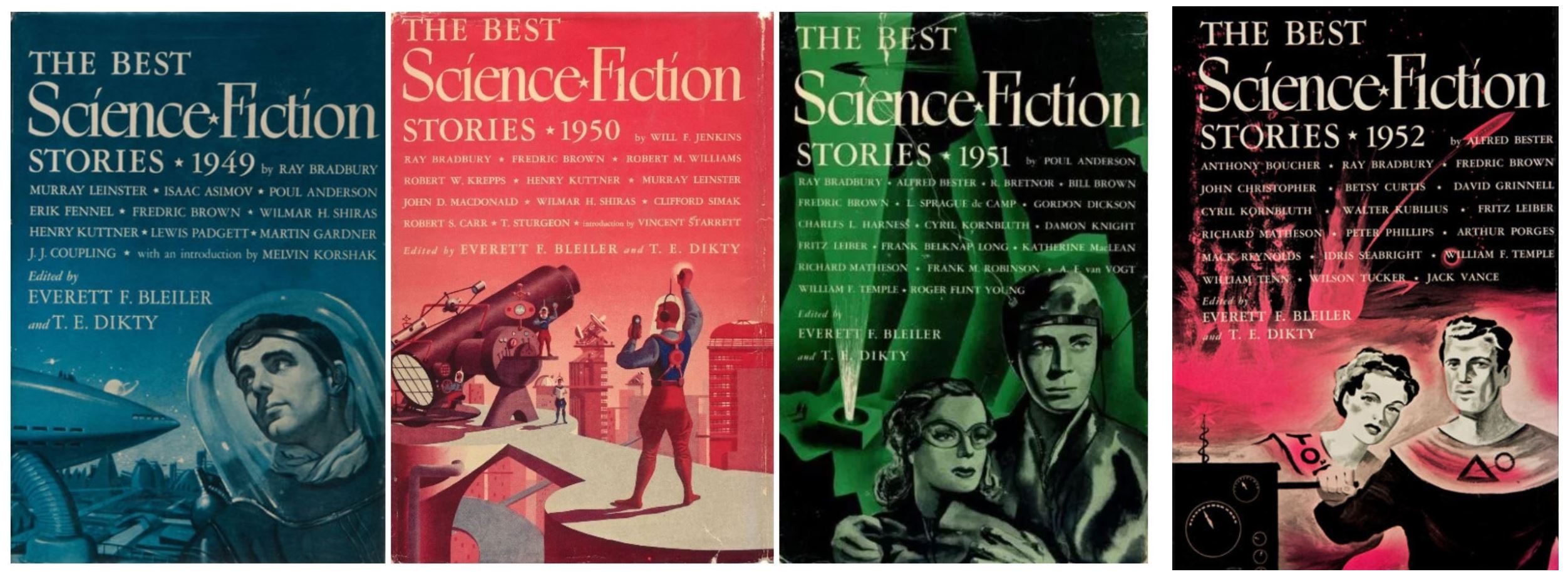
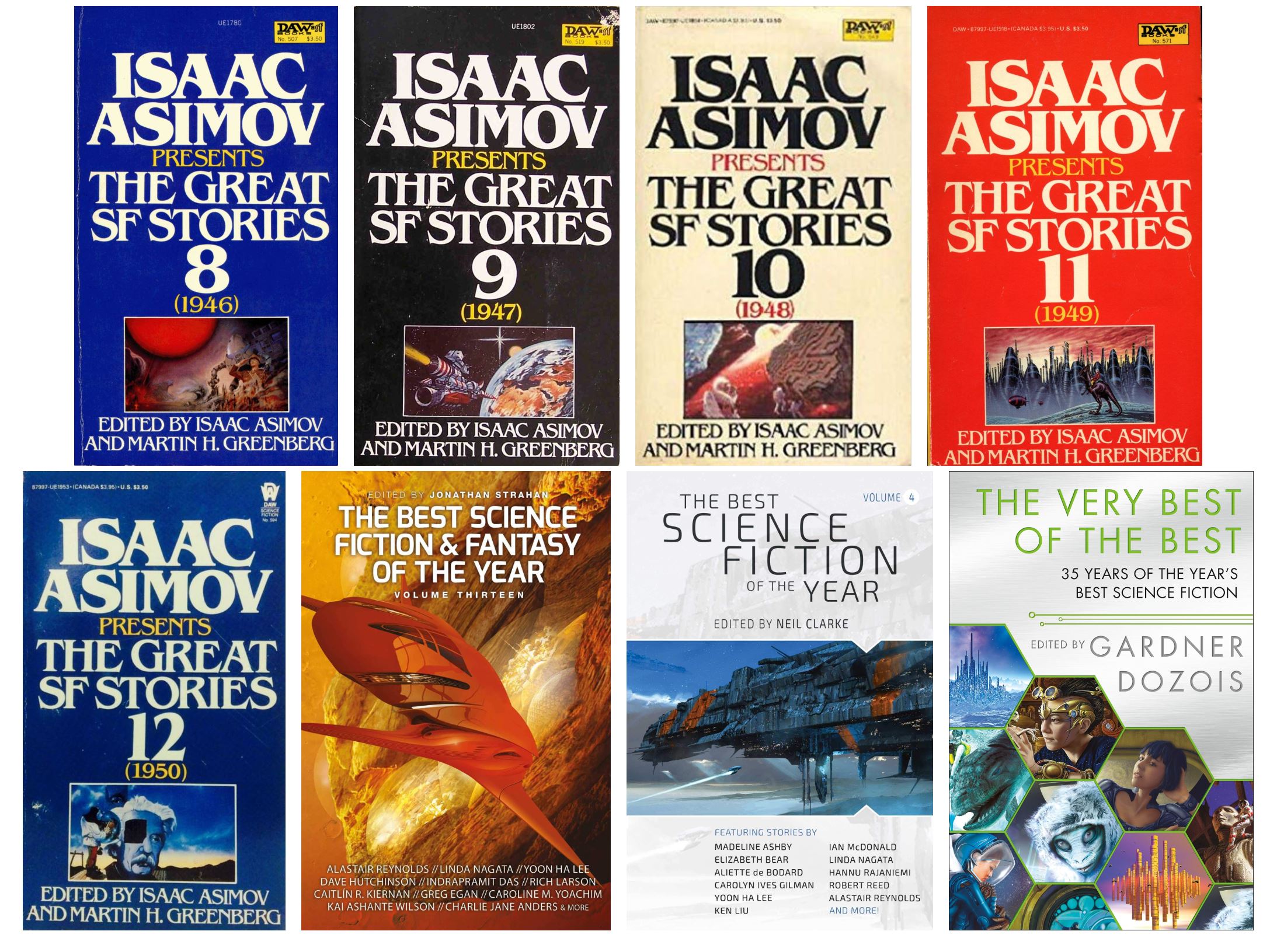
The Best Science Fiction 1949 1950 1951 1952

This year I read many anthologies and author collections of science fiction short stories. I’m guessing well over two hundred stories. I also read several books about the history of science fiction. I’ve separated my obsession with science fiction to another blog. I’m starting to wonder if I read too much science fiction, especially older science fiction.

Asimov and others

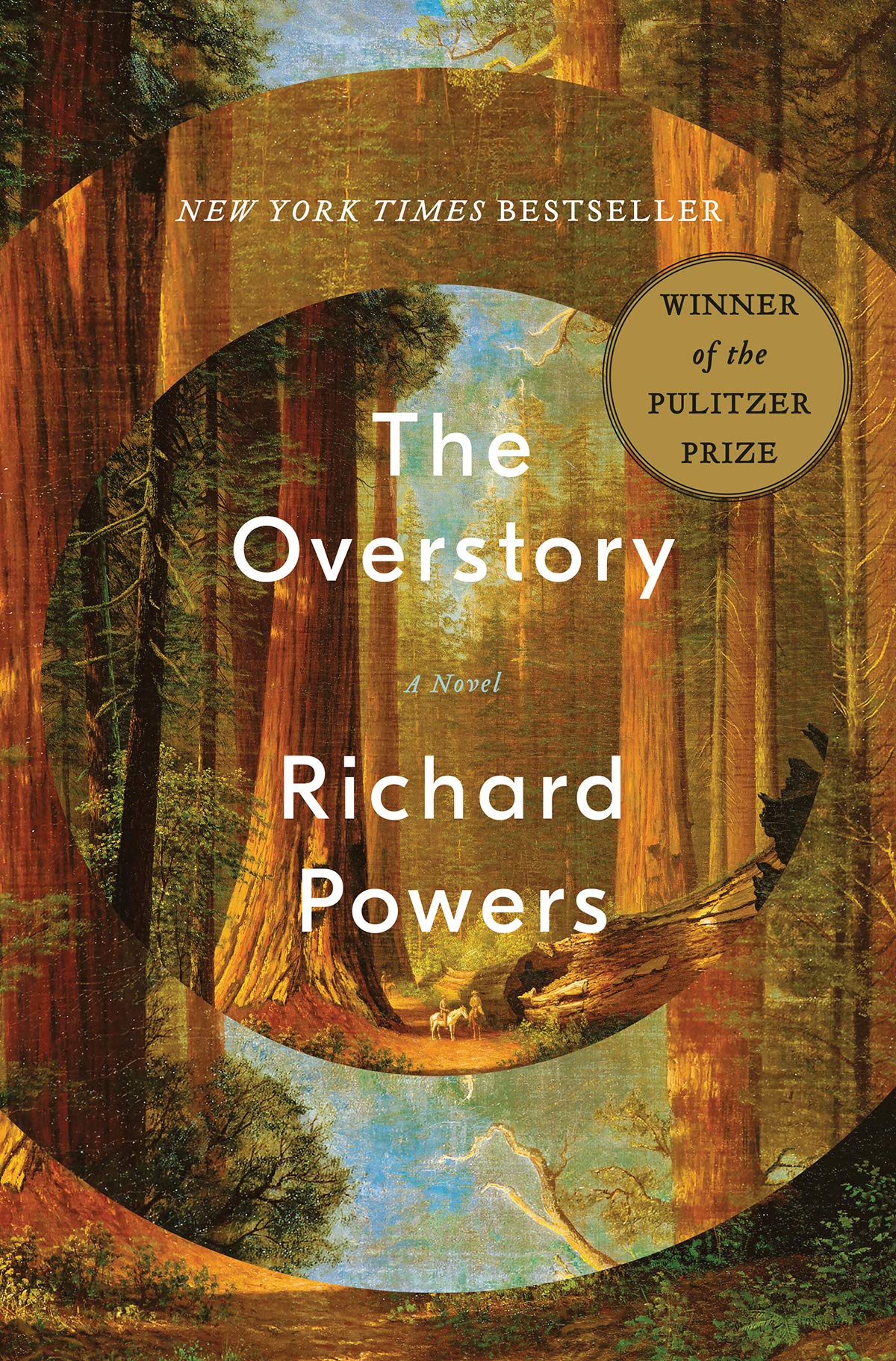
What’s interesting is when I look over the books I read in 2019 the books that stand out the most weren’t science fiction. I’d have to say my novel of the year was The Overstory by Richard Powers. I was also very impressed with The Handmaid’s Tale by Margaret Atwood.

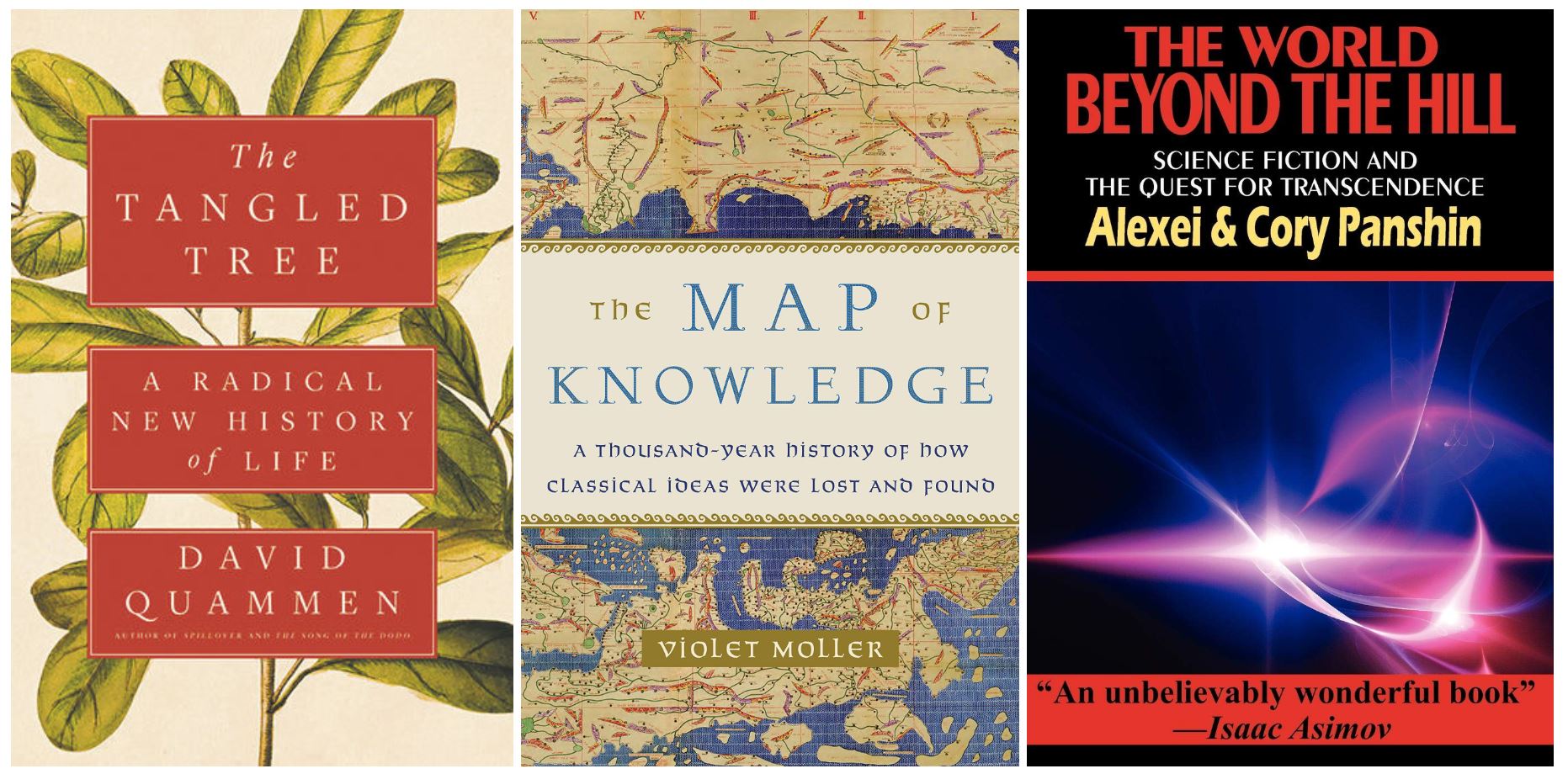
Picking my favorite nonfiction book is harder, so here’s my three-way tie:

2019 - Favorite Nonfiction Books

Since I don’t feel like spending a lot of words on describing these books I thought I’d link to reviews that do:

I will say that I wish I could remember what’s in these books. It bothers me that I read intensely fascinating nonfiction books and then quickly forget it. I’ve written about this forgetting angst before. My best existential solution is to tell myself that feeling knowledgable about these subjects while I read them is good enough. This is my second reading of the Hugo Award-winning The World Beyond the Hill, and it’s already fading away. I hate that.

Quite often when I reread one of these Year in Reading posts I discover so many titles that I no longer recognize at all. And I’m not even talking Alzheimer’s forgetting, but merely mundane I’m-getting-old forgetting. Part of my problem is I chase too many squirrels. One comforting aspect of focusing on old science fiction this year is the feeling that I’m becoming knowledgable about something. It is a rather useless academic territory to claim, but at least it feels familiar when wandering around in the same small land.

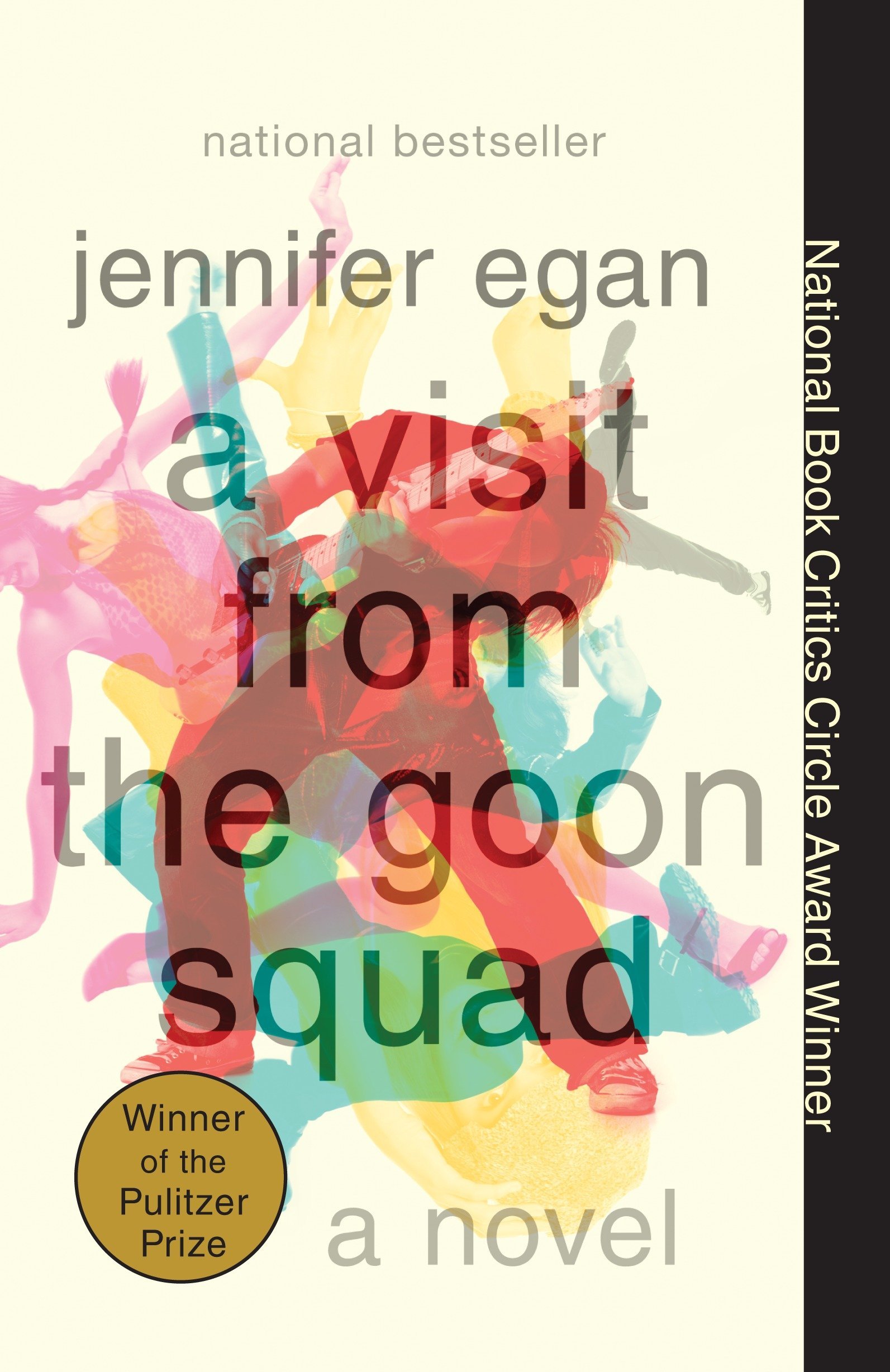
I assume next year I will continue exploring deeper into the history of science fiction. However, I would like to broaden my reading somewhat. At the end of this year, I read A Visit from the Goon Squad by Jennifer Egan because several best-of-the-decade lists praised it. This literary fix-up novel (13 short stories that have connections) was far better written than any science fiction I read and does broaden my reading experience, but I’m not sure I cared. Still, I might try some more contemporary literary fiction in 2020.

I feel in my waning years that I need to specialize in a few subjects because I can’t maintain a coherent sense of a generalist. On the other hand, I am impressed by how many Jeopardy clues trigger lost facts to pop out of my head. There’s a jumble of knowledge in there, I just can’t organize or quickly access it.

More and more I’m impressed by people who can explain things in detail. The ability to quickly recall bits of information and string them together into a verbal narrative is a skill I envy. I’d love to be able to describe what I read in a coherent speech when my friends ask me about what I’ve been reading.

Next year when I read a book I truly admire I hope I will study it, write a concise summary, and then develop that into a little speech. I wonder if the act of preparing a micro-lecture will help me remember more?

A Visit from the Goon Squad by Jennifer Egan

JWH

I Believe I’ve Found a Solution to All My Reading Problems

by James Wallace Harris, Sunday, November 3, 2019

Problems:
  • I miss reading like I did when I was young
  • I try to read too many books concurrently
  • I start too many books I don’t finish
  • I buy too many books I never even get around to trying to read
  • I start too many reading projects (reading multiple books on one subject)
  • I’m attracted to too many subjects
  • I want to read every book that sounds great
Solutions:
  • Only read one book at a time
  • Only listen to one book at a time
  • Keep a list of books I want to read next
  • Keep a list of audiobooks I want to listen to next
  • I can only buy a new book/audiobook when I’m finished with my current book/audiobook and I must read it immediately.
  • I must look through my TBR lists before buying a new book.

When I was a young bookworm I only bought a new book when I finished my old book. I didn’t have much money, so deciding what to buy and read next was a huge pleasure that I’d spend a lot of time contemplating. When I first joined Audible.com, I only had two credits each month, and I was very careful about how I used them. I’d listened to everything I bought. Deciding on the next audiobook was always a delicious time of deciding.

Being able to afford all the books and audiobooks I want has been bad for me. I spend more time buying books and thinking about buying books than I do reading and listening. When I was younger, I used to read an hour or two every day, and many hours on the weekend. I barely read three hours a week now, but I do get in 5-7 hours a week of listening to books. I miss those days when I got so into books I’d finish them in a day or two.

I thought when I retired I would get more books read, but it’s been just the opposite. I have too many other distractions in my life. I won’t go into all of them, I’m sure everyone knows about all the new entertainment diversions that have popped up in the last couple of decades.

What worries me is another problem, a lack of focus. I wonder if getting older is reducing my ability to stay focused, or is it just all the distractions? Part of the problem is I have dozens of books pulled off my bookshelves in different stages of being read. I jump from one book to the next as my mental whims come and go. I have too many writing projects I want to research, and that means I don’t get anything finished. I can focus just enough to complete a blog length essay. I’d like to write something longer, but that would require focusing on one topic for days or weeks and my mind can’t seem to do that.

I’ve been wondering if my lack of writing focus is related to my lack of reading focus. Sometime after midnight last night, a solution jumped into my mind. I theorized if I only read one book at a time maybe that would help. Because reading and listening work only in their own unique settings I decided I could keep one book and one audiobook going.

From this theory, I’ve developed a plan that I believe might solve all my reading problems. I can’t start or buy new books/audiobooks while I’m working on a book/audiobook. I have to keep TBR lists for books and audiobooks with at least a hundred titles on each and I have to read through those lists before buying a new book/audiobook. I  have over a thousand unread books I could put on each list but the idea is to put just enough books I’m craving to read on each list to remind me why I shouldn’t buy another book.

To further keep me from buying new books/audiobooks, is making the rule I can only buy books after finishing books, and I must read any new purchase immediately. Any new book becomes the next read. In other words, to buy a book/audiobook I have to look at my TBR list and decide I want to read a new book more than any of the books on the list.

Right now I try to read all the books that are laying around and it doesn’t work. I need an analogous saying for “My eyes are bigger than my stomach” regarding reading. When you have countless books you’re dying to read it’s rather insane to go buy more. And boy am I crazy.

I don’t know if I will have the discipline to accomplish this plan but I’m going to try very hard. I’ve already started unsubscribing to the mailing lists advertising books on sale. I’ve got to break my restless habit of visiting used bookstores twice a week. I’ve also got to break my habit of jumping on ABEbooks and ordering any book that I think I should read.

I believe I will actually save money if I only buy books just before I read them even if I have to pay the full new price. Now, I’ve come to that conclusion before. And it slowed down my book buy a great deal, but I still bought way more than I can read. My problem is I want to read too much and I believe buying a book means I’ll eventually read it. That’s obviously not true.

The trick of this plan is to only buy a book when I’ve just finished another, whether book or audiobook. And only purchase that book if I want to read it before any of the other great books I already own and supposedly dying to read. If I can stick to that one act of discipline I believe it will have a cascading effect on solving all my reading problems.

Update 11/4/19:

I’ve decided I need a quitting factor. If I commit to reading a book I don’t want to be stuck finishing it if the book is no good. But I also want to give a book a fair shake. I figure I need to read a certain number of pages to get to know the book, but I’m not sure what that number will be. See the comments below for one suggested formula.

I also need to decide what to do with books I quit. Do I still keep them? For printed books, I’ve always donated those to the library book sales. But what about ebooks and audiobooks that clutter up my digital libraries? I’m thinking I should delete them. I believe Amazon has a provision for that, but that seems kind of drastic.

Finally, I decided on a couple loop-holes about buying books. If I buy a new book it has to be read immediately. But I can buy books I’ve already read. Quite often when I listen to a book I want a printed copy for reference. I keep an eye out for cheap used copies. Or there are books I’ve read in the past that I wished I owned a copy for reference. And sometimes I want to buy reference books that aren’t meant to be read from cover-to-cover. Finally, there are some books that I collect for various reasons — because I want a special edition, or I want to replace an old copy, or I just want an edition for its dust jacket or cover. This leaves me a little room to have fun book shopping without stockpiling books to read. However, my discipline will be sorely tested if I see a mint used edition of a book I’ve always wanted to read for $3.

I’ve already finished the first book I committed to reading and wrote a review last night. That felt good. I’m already reading on the second book I committed to, and I’m very excited about being able to stick with it. I skipped TV watching last night to read on it, and got up this morning and read some more. This early success suggests my idea of committing to reading only one book at a time works.

I guess its finally time to get down to the nitty-gritty of reading all those books I bought to read in my retirement years.

JWH