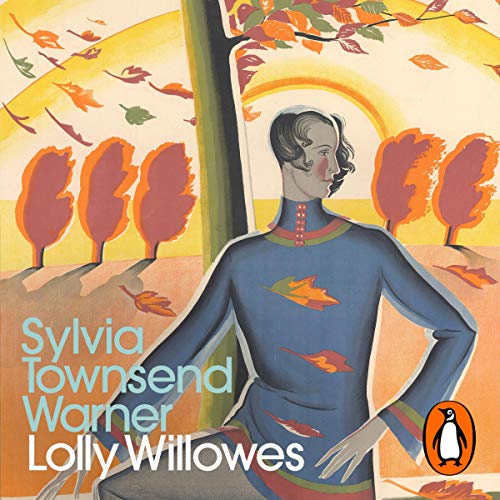
Lolly Willowes by Sylvia Townsend Warner

by James Wallace Harris, 8/20/24

Sometimes you find yourself deep within the rabbit’s hole before you realize you’ve fallen into one.

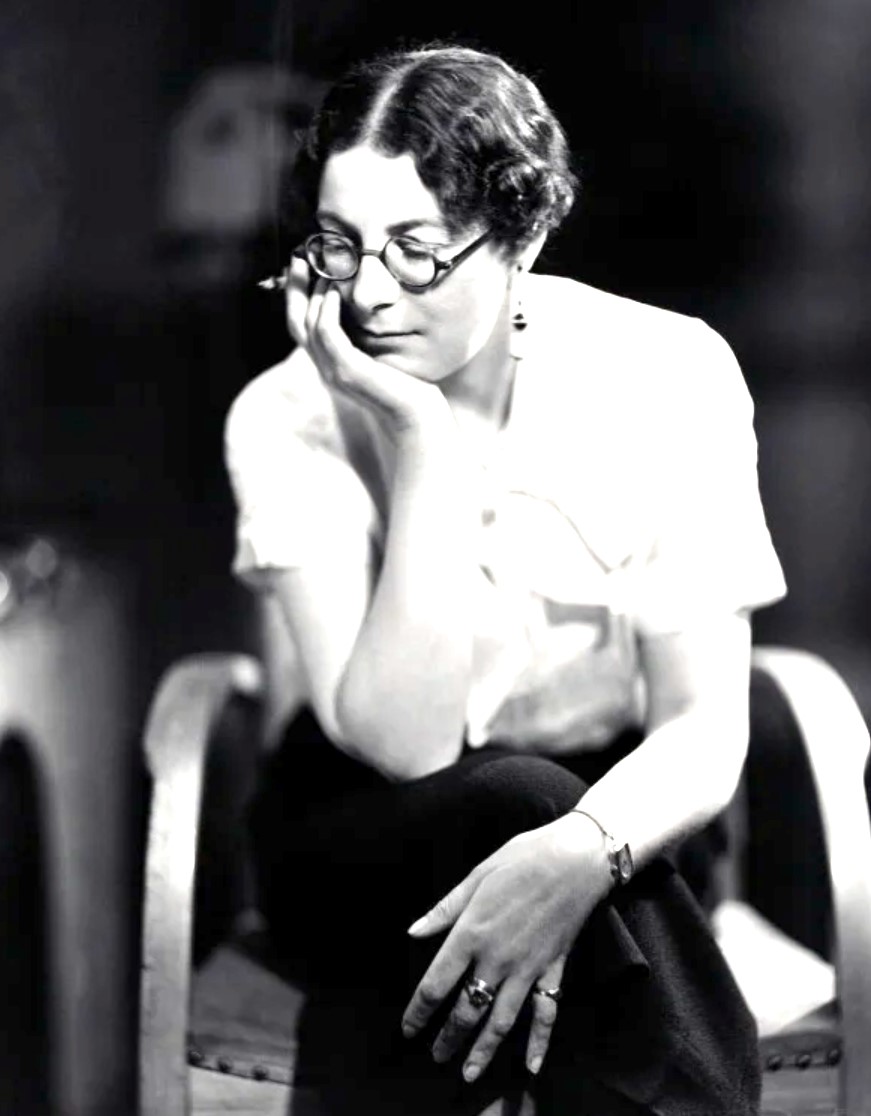
I wish I had read the biographical entry for Sylvia Townsend Warner in Wikipedia before I read Lolly Willowes. It was her first novel, published in 1926. Warner was born in 1893 in Middlesex, England. She was greatly influenced by her father, a successful scholar, who died in 1916. Lolly Willowes is about Laura Willowes’ life after her father died. The story begins when Laura, called Lolly by her family, is twenty-eight, a spinster, who is forced to live with her brother’s family and take care of his children.

Warner was just five years older than Laura when she wrote Laura’s story, and unmarried. In the second part of the novel, Laura is forty-seven and lives a vastly different life. After Warner wrote Lolly Willowes she became involved with a life-long lesbian relationship. Warner authored many novels, many short story and poetry collections, worked in a munitions factory during WWI, became a communist, traveled to Spain twice during the civil war working with the Red Cross, and had a long productive life in several fields, including writing a biography of T. H. White. She died in 1978 at age 84.

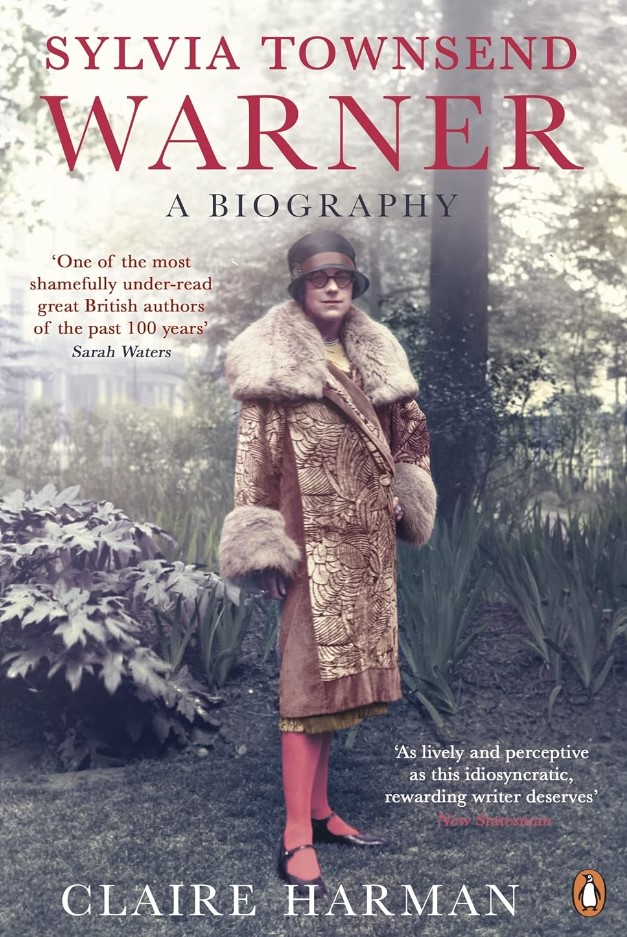
In 1926 Sylvia Townsend Warner imagined it would take Laura twenty years before she could free herself from the roles society defined for her. Warner didn’t wait that long. I finished Lolly Willowes yesterday, and today I read the biographical piece in Wikipedia. It inspired me to order a biography on Warner by Claire Harman.
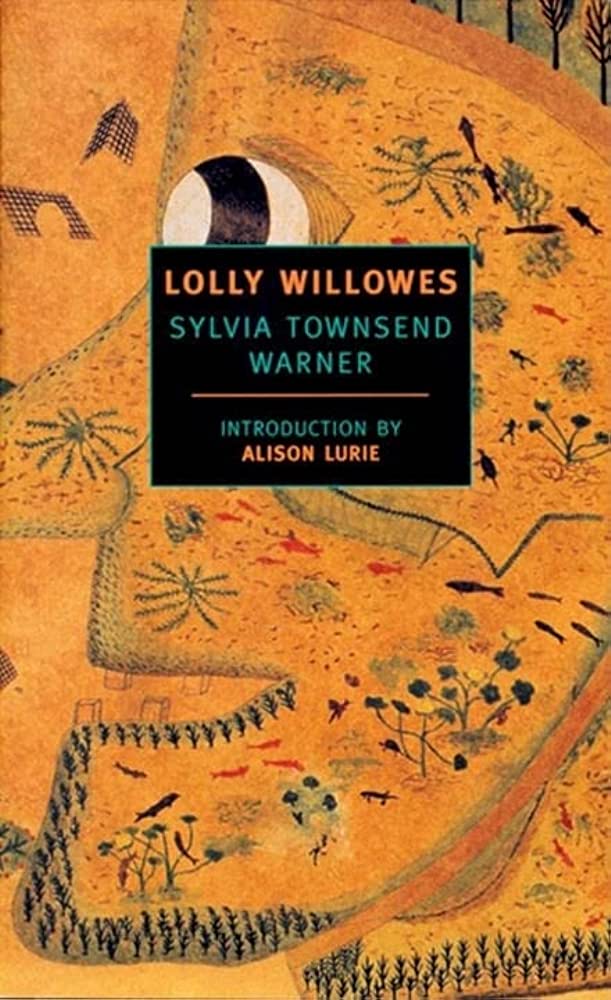
I bought Lolly Willowes by Sylvia Townsend Warner because the Kindle edition by NYRB (New York Review Books) was on sale for $1.99. NYRB is famous for reprinting forgotten classics. I often buy them when they go on sale, but what really sold me on Lolly Willowes is the blurb claimed it was the very first Book-of-the-Month Club selection. A quick peek at Wikipedia told me the novel was an early feminist classic, an international bestseller when it came out, and it was about witches and Satan. The book’s subtitle, “The Loving Huntsman” refers to the devil.

The NYRB edition is no longer available on Amazon, but since the novel is in the public domain, there are many editions available, including one for forty-nine cents. NYRB’s site still lists four novels by Warner, including Lolly Willowes, which does have a nice introduction by Alison Lurie.

Now, after all that build up, I’m not sure I can recommend this novel. Sometimes, forgotten classics are forgotten for a reason. The first half of this book tells us about Lolly’s upbringing and background. And it’s told rather than shown, meaning it’s a long narrative description. It’s not until Laura’s nieces and nephews grow up and have children of their own, becoming Aunt Lolly to a new generation, that she finally rebels. Laura moves to Great Mop, a small hamlet, to live alone. It’s here where she discovers she wants to become a witch and befriends the Devil.

At the beginning of the story we feel sorry for Lolly because she’s unmarried at twenty-eight. For most of the story we feel sorry for Lolly because for the next two decades she’s trapped as a live in aunt, in a role she doesn’t want. Then at forty-seven she defies everyone to go live on her own. It’s interesting that Warner has Laura gaining her freedom around the time of menopause. I am reminded of the sociological study, Sex and the Seasoned Woman by Gail Sheehy. Sheehy profiled women who felt that after menopause they no longer had to put husband or children first, and were finally free to pursue their own life. This fits with the novel.

Lolly Willowes came out in 1926, three years before Virginia Woolf’s A Room of One’s Own. Late in Lolly Willowes Lolly tells the Devil, “It’s to escape all that–to have a life of one’s own, not an existence doled out to you by others….” Doesn’t that remind you of Woolf’s classic title?

It’s this impassioned speech that Lolly makes to the Devil that finally launches the novel into orbit. It’s a shame that it comes so late in the story. I even wonder if readers would benefit from reading it before starting Lolly Willowes. It might make all the rambling story that comes before it more powerful.

Here is that speech. Don’t read it if you think it will spoil the story. She is addressing the Devil.

“Is it true that you can poke the fire with a stick of dynamite in perfect safety? I used to take my nieces to scientific lectures, and I believe I heard it then. Anyhow, even if it isn’t true of dynamite, it’s true of women. But they know they are dynamite, and long for the concussion that may justify them. Some may get religion, then they’re all right, I expect. But for the others, for so many, what can there be but witchcraft? That strikes them real. Even if other people still find them quite safe and usual, and go on poking with them, they know in their hearts how dangerous, how incalculable, how extraordinary they are. Even if they never do anything with their witchcraft, they know it’s there—ready! Respectable countrywomen keep their grave-clothes in a corner of the chest of drawers, hidden away, and when they want a little comfort they go and look at them, and think that once more, at any rate, they will be worth dressing with care. But the witch keeps her cloak of darkness, her dress embroidered with signs and planets; that’s better worth looking at. And think, Satan, what a compliment you pay her, pursuing her soul, lying in wait for it, following it through all its windings, crafty and patient and secret like a gentleman out killing tigers. Her soul—when no one else would give a look at her body even! And they are all so accustomed, so sure of her! They say: ‘Dear Lolly! What shall we give her for her birthday this year? Perhaps a hot-water bottle. Or what about a nice black lace scarf? Or a new workbox? Her old one is nearly worn out.’ But you say: ‘Come here, my bird! I will give you the dangerous black night to stretch your wings in, and poisonous berries to feed on, and a nest of bones and thorns, perched high up in danger where no one can climb to it.’ That’s why we become witches: to show our scorn of pretending life’s a safe business, to satisfy our passion for adventure. It’s not malice, or wickedness—well, perhaps it is wickedness, for most women love that—but certainly not malice, not wanting to plague cattle and make horrid children spout up pins and—what is it?—‘blight the genial bed.’ Of course, given the power, one may go in for that sort of thing, either in self-defense, or just out of playfulness. But it’s a poor twopenny housewifely kind of witchcraft, black magic is, and white magic is no better. One doesn’t become a witch to run round being harmful, or to run round being helpful either, a district visitor on a broomstick. It’s to escape all that—to have a life of one’s own, not an existence doled out to you by others, charitable refuse of their thoughts, so many ounces of stale bread of life a day, the workhouse dietary is scientifically calculated to support life. As for the witches who can only express themselves by pins and bed-blighting, they have been warped into that shape by the dismal lives they’ve led. Think of Miss Carloe! She’s a typical witch, people would say. Really she’s the typical genteel spinster who’s spent herself being useful to people who didn’t want her. If you’d got her younger she’d never be like that.”

Warner, Sylvia Townsend. Lolly Willowes (New York Review Books (Paperback) Book 5) (pp. 149-150). New York Review Books. Kindle Edition.

Even though I bought the Kindle edition, I listened to the audiobook edition because it was part of my Spotify subscription. Hearing this speech came across far more dramatically than I can read it in my head.
I find it fascinating that Sylvia Townsend Warner could be so accepting of Lolly selling her soul to the devil. I must assume it was her way of saying how awful being confined by the traditional woman’s role was to her. Yet, Warner also portrays the Devil as Lolly’s master. Has she not traded one form of servitude for another? The biographical piece in Wikipedia also said that Warner wrote essays against the church.

Lolly Willowes does have a great deal of details about middle class life in England in the late 19th and early 20th century. I’ve always enjoyed those kinds of details about English life. There were many passages that reminded me of D. H. Lawrence. Unfortunately, I didn’t feel the story was consistently told as a singular work of art. And the novel seldom featured dramatic dialog.

Lolly Willowes is not a modern novel even though it came out in 1926. I felt it was closer in style to George Elliot, but Lolly Willowes lacks the depth of Dorothea Brooke, but then Warner’s novel is only five hours on audio, and Middlemarch runs around thirty-five hours.

If you’re into English novels, especially those written by women, then give Lolly Willowes a try. However, if you want a solidly fun book about an English woman on her own, reading Miss Buncle’s Book by D. E. Stevenson, which came out in 1934. It’s interesting how different women can be just seven years later.

I must admit, that the more I read about Sylvia Townsend Warner, the more likely I am to reread Lolly Willowes in the future. Like many books, multiple readings brings out depths missed with just one reading. I may have missed a lot.
JWH
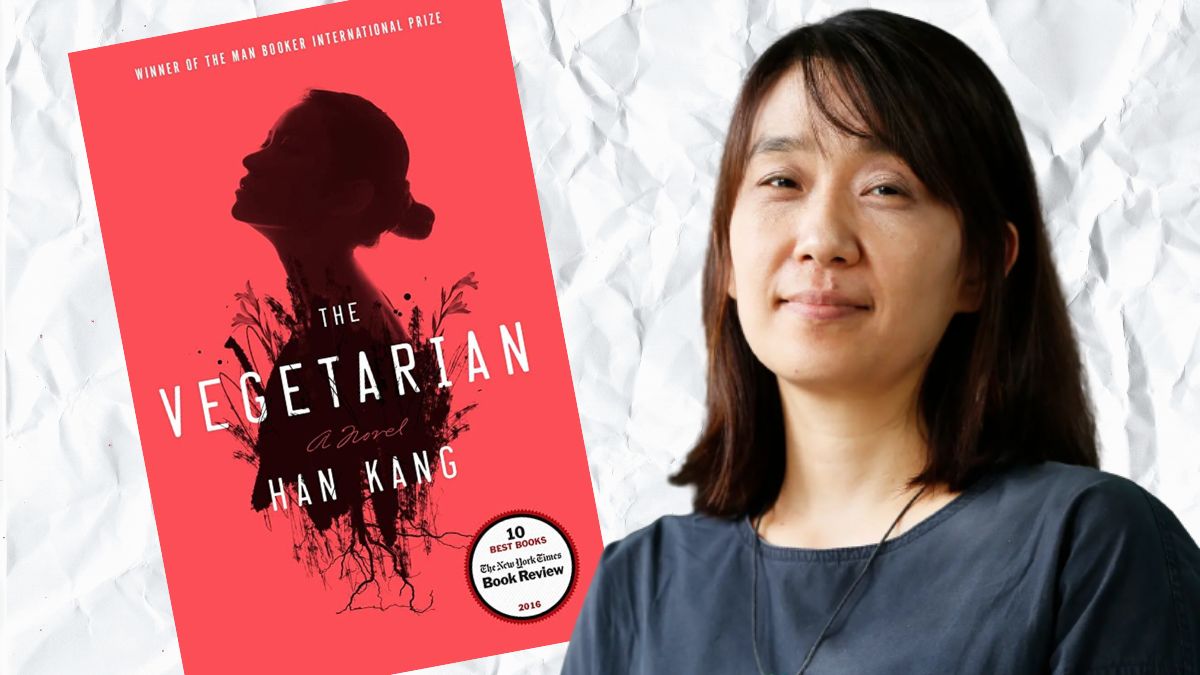
The Vegetarian by Han Kang

by James Wallace Harris, 8/13/24

The Vegetarian was first published in South Korea in 2007 and translated into English by Deborah Smith in 2015.

There are some novels that I take to immediately. I am enchanted by them on a word-by-word level because I love the personality of a character, or I love the voice of the author. Other novels, I merely like. They are readable because I want to know what will happen. I’m afraid The Vegetarian by Han Kang was like that. I kept reading not because I loved it, because I wanted to know where it was going and why.

I selected The Vegetarian to read because it was #49 on The New York Time’sThe 100 Best Books of the 21st Century” list, the one voted on by writers, critics, and editors. The Vegetarian wasn’t on the list of books voted for by readers. The writers’ list seemed to be filled with serious literature, while the readers’ list seemed to be filled with bestsellers. Nor was The Vegetarian on any of the public ballots. I wish all 503 ballots had been public because I would like to know what other books the nominators who voted for The Vegetarian liked to read. I’m not suggesting that The Vegetarian is a bad book, but its story is not pleasant.

In the original review of The Vegetarian in The New York Times, Porochista Khakpour called it transgressive literature. I had to look that up. Wikipedia defines transgressive fiction as “a genre of literature which focuses on characters who feel confined by the norms and expectations of society and who break free of those confines in unusual or illicit ways.” It goes on to say, “Because they are rebelling against the basic norms of society, protagonists of transgressive fiction may seem mentally ill, anti-social, or nihilistic. The genre deals extensively with taboo subject matters such as drugs, sexual activity, violence, incest, pedophilia, and crime.” Reading the full entry at Wikipedia clearly defined the genre and gave examples that made me better understand what Han Kang was expressing, including: Tropic of Cancer by Henry Miller, Naked Lunch by William S. Burroughs, A Clockwork Orange by Anthony Burgess, Lolita by Vladimir Nabokov, Crash by J. G. Ballard, Less Than Zero by Bret Easton Ellis, as well as works from the past.

I wish I had read the review before reading the book. Especially when Khakpour says, “All the trigger warnings on earth cannot prepare a reader for the traumas of this Korean author’s translated debut in the Anglophone world.” And, “But there is no end to the horrors that rattle in and out of this ferocious, magnificently death-affirming novel.” The story is bleak, if not nihilistic.

Reading this makes the novel make a whole lot more sense – maybe. What is the point of being transgressive? This short novel is about a woman, Yeong-hye, that is presented in three sections. The first section, “The Vegetarian” is told by her husband Mr. Cheong. It describes how Yeong-hye quits eating meat, disturbing her family. The second section, “Mongolian Mark,” is told by Yeong-hye’s sister’s husband, who is not named but takes advantage of the mentally ill woman for his art. The third section, “Flaming Trees,” is told by In-hye, Yeong-hye’s older sister, who is crushed by events in the first two sections.

I don’t want to give too much of the story away, but at one-point Yeong-hye is committed to a hospital for having an eating disorder and is classified as being schizophrenic. With each section, Yeong-hye’s life goes further downhill.

As I read the novel, I thought I’d learn about how another culture, South Korea, handled mental illness. It’s not a disease that the United States handles well. I wasn’t thinking in terms of transgressive fiction. I just felt that all the characters in this story have either mental problems due to genetics, or personal problems due to cultural upbringing. For example, Yeong-hye’s father demands that she obey him, and hits her when she doesn’t. Or how In-hye’s husband abuses Yeong-hye sexually.

Normally, I read science fiction or nonfiction. The intent of science fiction is usually obvious. Typically, sci-fi stories are an exciting escape, or they’re about speculative ideas. You can tell how well the book is succeeding if the reading is fun or if the ideas blow your mind. Judging literary works is harder.

I’ve recently decided to take a break from science fiction and explore other forms of literature. I’ve always read widely, but never deeply into mainstream popular fiction. I chose The Vegetarian because it was on the recent 100 Best Novels of the 21st Century list.

I was an English major in college, so I’m vaguely aware of quality literature. Mainstream literary fiction can be fun to read, but I’m never sure why I’m reading it. Novels like Lessons in Chemistry and A Gentleman in Moscow are pure fun. The writing is clever, and the characters are endearing. They are like a captivating film. But when I’m finished, I tend to forget them.

With science fiction, which is usually poorly written compared to literary fiction, I do maintain a vague sense of their science-fictional ideas. For example, A Case of Conscious by James Blish was about a planet where a Jesuit encounters a species without original sin. Or that Flowers for Algernon was about a mentally challenged man who was temporarily given accelerated intelligence.

In the future I might remember that Lessons in Chemistry was about an eccentric woman in the 1950s who wanted to be a chemist but ended up with a successful cooking show. Or that A Gentleman of Moscow was about a charming aristocrat that was sentenced to house arrest in a luxury hotel after the communist revolution. But do such memories do those novels justice? Should I be working to get more out of fiction?

For The Vegetarian, I could say it was about a Korean woman who descends into madness and refuses to eat meat. Right now, I can cite the details but that won’t last long. I’m not sure what memories it will leave with me. Before reading the article in Wikipedia about transgressive fiction, I would have told people The Vegetarian is a sad depressing story that they might not want to read. Now I can say, if you’re into transgressive fiction then try it. But if you ask me why people would be into transgressive fiction, I couldn’t tell you. If you’re a fan of the genre, please leave a comment about what you get out of such stories.

The next novel I’ve started is Lolly Willowes; or The Loving Huntsman by English writer Sylvia Townsend Warner. It came out in 1926 and is considered an early feminist classic. Lolly Willowes was the very first Book-of-the-Month-Club book. It is delightful. It’s also about an excentric woman who is oppressed by her family and society, but it’s far from nihilistic. It’s available to read for free, but I recently bought the NYBR edition for $1.99.

Lolly Willowes is a very British novel, and I’ve read enough books about England that I’ve feel sentimental and nostalgic for its people, places, history, and traditions, like I do for America. So far, the story makes me feel good, unlike The Vegetarian. That again makes me wonder why we choose the books that we do.

I plan to read many of the books on the New York Times list. Even before the list came out, I had read twenty-five of them. I want to think about what we get out of fiction. Or what we want from fiction if we’re conscious in our approach.

I wish I knew how many writers voted for The Vegetarian to put it #49 on the list. I wish The New York Times had published the voting totals. Of the 503 voters, how many votes did each book get? I can’t believe there weren’t ties.

If you look at the way Lib Hub tallies votes and shows results, you’ll know what I mean. Here are the results for books published in 2023. For example, three books came in second by being on 19 different best-of-the-year book lists. Of the 503 votes in The New York Times list, how many votes did My Brilliant Friend by Elena Ferrante get? I think it’s odd that of the over 50 public ballots, only two voted for My Brilliant Friend.

JWH

A Gentleman in Moscow by Amor Towles

by James Wallace Harris, 8/2/24

A Gentleman in Moscow by Amor Towles is about an aristocrat, Count Alexander Ilyich Rostov, sentenced to house arrest in the Hotel Metropol after the communist revolution. Instead of being confined to his luxury suite, Rostov is moved to a tiny ten by ten foot room in the attic of the hotel, where he is destined to live from his early twenties to his mid-sixties.

Normally, I think of novels about Russia as grim reading, either set before or after the revolution. A Gentleman in Moscow is enchanting. Both Rostov manner and Towles’ prose is charming and captivating. The novel does touch on the harshness of communistic Russia, but the story carefully isolates the reader from that darkness. In a way, it’s a kind of fairytale for grownups, like the Humphrey Bogart film Casablanca.

While A Gentleman in Moscow constantly alludes to Russian literary works, which it admires, its story is light and airy. A Gentleman in Moscow is a love story on many levels without ever being a romance. Rostov does find a woman to love, but it’s about his love for his adopted daughter, family, friends, food, drink, memories, place, and traditions.

I have met many people who raved about this book and pushed me to read it. I have not met anyone who disliked it. Only a misanthrope would hate this story. The novel was made into an eight-part limited series that’s currently running on Paramount+ which follows the original novel very well. I’m sorry I didn’t get to this novel sooner.

A Gentleman in Moscow came in #3 on The Reader Top 100 poll of the best books of the 21st century so far.

JWH

What Makes a Great Book Great?

by James Wallace Harris, 7/13/24

The New York Times has made quite a splash with its interactive feature 100 Best Books of the 21st Century. The list was created by polling 503 writers, critics, and other book lovers to vote for their top ten books of the 21st century. The final one hundred were the most popular books among all the 503 voters. The NY Times site allowed their readers to mark which books they’ve read from the one hundred, and which books they wanted to read. Here’s my tally:

But I must ask the question: What makes a great book great? Were these just the most popular books read by writers and critics? Does that make them great? Dozens of nominators allowed the NY Times to publish their ballot, which lets us readers understand what kind of books everyone liked in general. You can read their ballots here. This also reveals books that didn’t make it to the final one hundred list, and I’ve read many of them too.

The #1 most voted for book is My Brilliant Friend by Elena Ferrante. I’ve tried reading it, and I’ve tried listening to it, and even tried watching the miniseries based on it, and never finished any attempt. I’m not saying it was bad, but it just didn’t hook me.

The #2 most voted for book is The Warmth of Other Suns by Isabel Wilkerson, which I have read and consider one of the best books I’ve ever read. It’s a monumental nonfiction book that took Wilkerson a decade to write. It’s a history of the migration of African Americans from the South to the North between 1915 and 1970.

The Warmth of Other Suns would be the archetype of a great book in my mind. From it, can I define what qualities go into a great book? Well, first, a great book must cover a great subject. I would say, a great work of nonfiction needs to leave me feeling like I’ve learned something profound about reality. By that measure, I can quickly fill up my top ten great books of the 20th century with these titles leaving no room for fiction:

  1. The Warmth of Other Suns by Isabel Wilkerson
  2. The Information by James Geick
  3. Jesus Before the Gospels by Bart D. Ehrman
  4. An Immense World by Ed Yong
  5. The Invention of Nature by Andrea Wulf
  6. Behind the Beautiful Forevers by Katherine Boo
  7. The Order of Time by Carlo Rovelli
  8. Fantasyland by Kurt Andersen
  9. Dark Money by Jane Mayer
  10. The Code Breaker by Walter Isaacson

And this is just from a quick look at my bookshelves. If I studied my reading log of books read published after 1/1/2000 I’d probably find plenty more to compete for the top ten spots.

All ten books above have the qualities I’d consider needed to make a great book, but the reality is that’s because they’re nonfiction. Fiction often deals with historical, scientific, and philosophical topics, but do they deal with them honestly? Does reading a novel about racism or inequality have the same impact and value as reading a nonfiction book about the subject?

Greatness is much harder to evaluate in fiction. I read a lot of science fiction, but I’d never but consider it great literature. None of the novels I’ve read in the NY Times 100 list are great in my mind. I might call them great reads because they were entertaining and page turners, but I’m not sure I’d reread any of them.

I love the novels by Elizabeth Strout but are they great? Olive Kitteridge made the list, and it’s probably favorite of the novels that did, but is it better than Strout’s other novels? I think I like Olive, Again, and Lucy by the Sea even more. Franzen’s The Corrections got on the list, it’s my least favorite of his books. I’m partial to Crossroads. And as much as I liked Richard Powers’ The Overstory, I much prefer Bewilderment.

I’m not sure if greatness in fiction can be recognized so soon. It might take a century, or at least a half-century. I reread older novels. I’ve read On the Road by Jack Kerouac and The Sun Also Rises by Ernest Hemingway three times each. They go in and out of fashion. I’m not even sure if I think they’re great, but I keep reading them and reading about them. Is that the mark of greatness in fiction?

I wish the Times had three different Top 100 lists for the 21st century. Novels, Nonfiction, and Memoirs/Biographies. Memoirs like In the Darkroom by Susan Faludi, The Year of Magical Thinking by Joan Didion, Between the World and Me by Ta-Nehisi Coates, and Educated by Tara Westover are far more powerful to me than any of the novels.

For me, major nonfiction works trump memoirs in the greatness impact. But then memoirs are far more impactful to me than novels. I don’t know why novels get all the fame. However, nonfiction works seldom stay in print. As great as The Warmth of Other Suns might be, will it be read often fifty years from now? And that’s also true for memoirs. Biographies tend to last a bit longer, until someone writes a new definitive biography on the subject.

Most books are forgotten. Of all the novels listed in the final list and from the nomination lists, how many will be read after 2050? I was blown away by Middlesex when it came out, but I just don’t feel like rereading it. I’m looking forward to rereading Olive Kitteridge (and the other Strout books). And I’m looking forward to rereading a few other novels from 2000-2024 someday, probably Lessons in Chemistry, A Gentleman in Moscow, and Bewilderment. Is that a factor that designates them as great? I don’t know.

I also think age is a factor when considering novels great. When we’re young, any novel that’s exciting to read is great. I don’t know if that’s true now that I’m in my social security years. In the last third of life, greatness in books seems to equate with resonating with what I’ve learned throughout my lifetime. Whether with fiction or nonfiction, it must reveal something that makes me think, “Oh wow, that’s so damn insightful.” Entertaining is a big plus, but it doesn’t count for much in judging a book great.

Nonfiction must be great in terms of understanding reality, while fiction must be great in terms of understanding being human. Now that I’m getting old, I think the tide is turning against fiction, which might be why I’m so hard on it now.

JWH

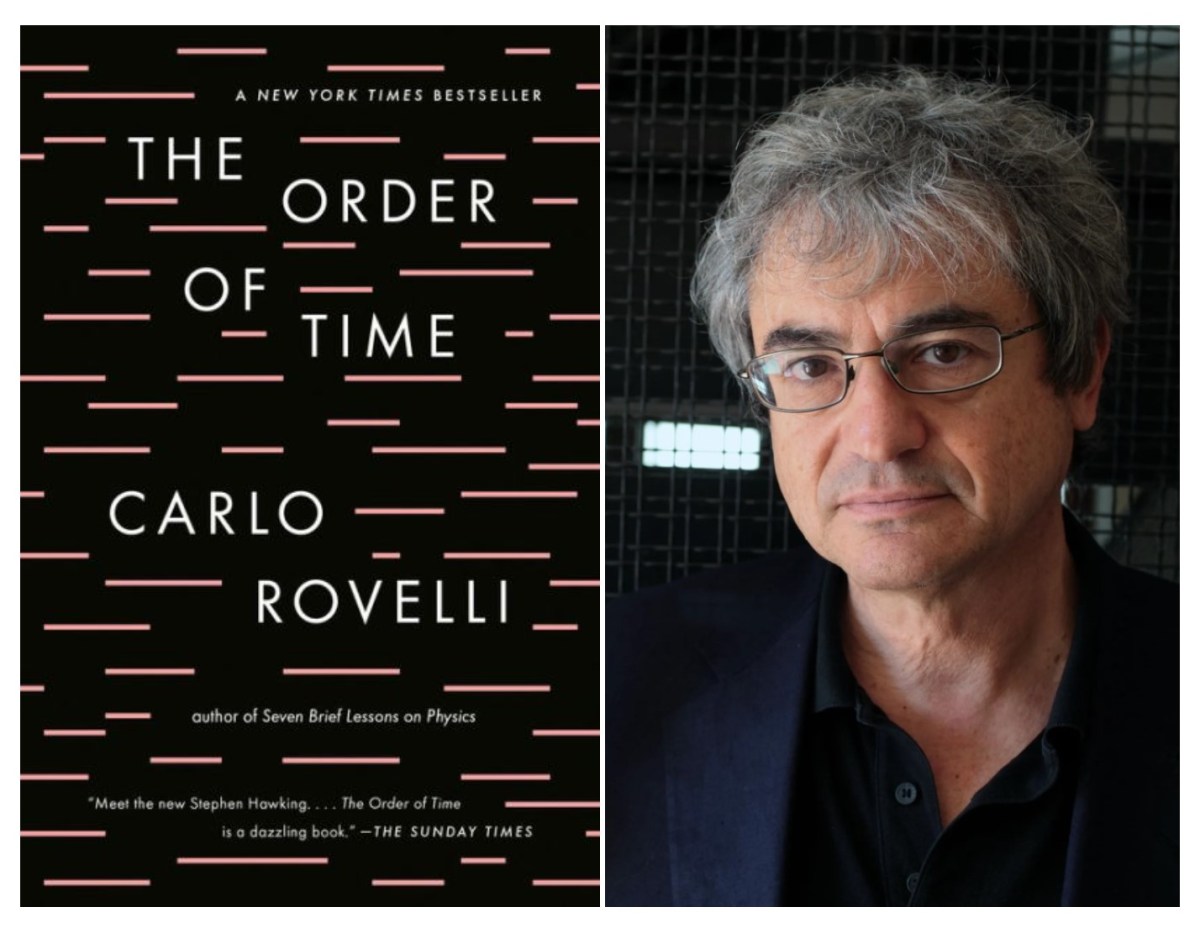
I Want to Argue with Carlo Rovelli

by James Wallace Harris, 7/1/24

Can I understand science if I’m not a scientist? I read popular science books, but that doesn’t mean I understand the work that went into making the scientific discoveries they report on. However, is it possible for me to intuit what popular science writers are describing?

I’ve been thinking a lot about the concept of Universal Now. What is this thing we call now? How is it different from the past and future? But the most important question that’s driving me crazy is: Is it now everywhere in the universe at the same time? But then, what is time? I went looking for a book that might answer these questions and found The Order of Time by Carlo Rovelli. I discovered that book from finding the article “Now Means Nothing: How Time Works in Our Universe” online. It was taken from The Order of Time.

This passage tangles up my brain:

Now Means Nothing 

What is happening now in a distant place? Imagine, for example, your sister has gone to Proxima b, the recently discovered planet that orbits a star approximately 4 light-years away from us. What is your sister doing now on Proxima b?

The only correct answer is that the question makes no sense. It’s like asking, “What is here, in Peking?” when we are in Venice. It makes no sense, because if I use the word “here” in Venice, I am referring to a place in Venice, not in Peking.

If you ask what your sister, who is in the room with you, is doing now, the answer is usually an easy one: You look at her, and you can tell. If she’s far away, you phone her and ask what she’s doing. But take care: If you look at your sister, you’re receiving light that travels from her to your eyes. That light takes time to reach you — let’s say a few nanoseconds, a tiny fraction of a second. Therefore, you’re not quite seeing what she’s doing now but what she was doing a few nanoseconds ago. If she’s in New York and you phone her from Liverpool, her voice takes a few milliseconds to reach you, so the most you can claim to know is what your sister was up to a few milliseconds ago. Not a significant difference, perhaps.

What does it mean, this “modification of the structure of time”? Precisely the slowing of time described above. A mass slows down time around itself. The Earth is a large mass and slows down time in its vicinity. It does so more in the plains and less in the mountains, because the plains are closer to it. This is why the friend who stays at sea level ages more slowly.

Therefore, if things fall, it is due to this slowing of time. Where time passes uniformly, in interplanetary space, things don’t fall — they float. Here on the surface of our planet, on the other hand, things fall downward because, down there, time is slowed by the Earth.

Hence, even though we cannot easily observe it, the slowing of time nevertheless has crucial effects: Things fall because of it, and it allows us to keep our feet firmly on the ground. If our feet adhere to the pavement, it is because our whole body inclines naturally to where time runs more slowly — and time passes more slowly for your feet than it does for your head.

Does this seem strange? It’s like when watching the sun set, disappearing slowly behind distant clouds, we suddenly remember that it’s not the sun that’s moving but the Earth that’s spinning. And we envision our entire planet — and ourselves with it — rotating backward, away from the sun.

I really dislike that answer. It goes against my sense of intuitive logic. I can understand that time is relative. I can even understand that it’s impossible for us to know what’s happening on Proxima b because of the speed limit of light at any given moment. But I refuse to believe that if Proxima b still exists, that the same now I’m experiencing isn’t occurring there too. Any sentient being will experience the moment of now at a different rate, but don’t we all exist in the same Universal Now?

To me, it feels natural to think of the universe as one giant entity that is evolving/growing. I can accept that time is variable in separate places within this entity, but I feel there is a Universal Now everywhere. Only it’s perceived at different speeds. And that’s okay. I don’t expect us to be in sync in our sentient awareness of the Universal Now.

For example, a hummingbird perceives time differently from people. We seem to be slow moving to it. A computer with a clock with operates at trillions of cycles per second will see time differently too. Just because we each perceive time differently, doesn’t mean we don’t all experience it in the same Universal Now.

I have read that the Big Bang didn’t occur in an infinite void, that space and time were created with the Big Bang. I picture the universe as one cosmic system that evolves/grows. Time evidently is the awareness of change/growth at any given point. That if stars were sentient, they’d feel time differently than we do, or if bacteria could sense change, or if humans were traveling at different speeds, every perspective would sense time differently. But that doesn’t mean it isn’t happening in one Universal Now. I just can’t grasp what Ravelli is saying.

Everything that can perceive time doesn’t perceive it in the same way, but I believe they all exist together and there is one now they are all reacting to.

If my sister Becky went to Proxima b, and we had an ansible (a science fictional communication device that can transmit and receive instantaneously from anywhere), Becky and I could have a conversation in this Universal Now that I’m talking about.

Now if Becky were on a spaceship going near the speed of light, our voices would change. I would speak so fast she couldn’t comprehend me, and she would speak so slowly I couldn’t understand her either. But if the ansible had a record feature, my message could be slowed down, and hers could be speeded up.

I’d have the same problem if I was talking with a star or a bacteria (ignoring the language barrier).

If I was on Earth, and Becky was on her way to Proxima b, and I thought, “I wonder what Becky is doing now?” Becky would being doing something.

If time is relative, and it is unfolding at different speeds, I can’t help but think, “What is it unfolding into?” To me, that’s a Universal Now, the same kind of place that spacetime unfolds into, some kind of existential nothingness. If the universe is expanding, isn’t that the same as growing? And if time is unfolding, isn’t that a kind of growing too? Maybe it’s even the same. Maybe the Now I’m talking about, and the Nothingness that spacetime is expanding into, are the same thing.

To humans, time is sensing change. It is perceived at different rates. Without an ansible, I can’t know what Becky is doing on Proxima b because it would take over four years to learn whatever it was. Where I disagree with Carlo Ravelli is Becky isn’t experiencing the same Universal Now I’m experiencing.

I can comprehend why time is relative and why different sentient beings would perceive it differently. I just can’t understand why there isn’t one Universal Now that spacetime isn’t unfolding into.

As I write this, I assume Carlo Ravelli is experiencing the same Universal Now. I can’t know what he’s doing, or what time it might be, but if he’s alive, he’s doing something, and he’s feeling time unfold at the same time I’m feeling it unfold.

And if there are multiverses. I think they all exist in the same Universal Now. I can’t understand why there isn’t nothing rather than something. But no matter how many universes or dimensions there are, I’d like to think they are all in one Universal Now. It would hurt my mind too much to imagine multiple creations.

JWH