
by James Wallace Harris
Decades ago, I donated hundreds of LPs to the library after realizing I hadn’t played them in years. At the time, I had almost two thousand CDs. This was around the turn of the century, before streaming but after MP3s. It was obvious that LPs were an outdated technology. They were inconvenient to use.
About a decade later, when I heard about the vinyl revival, I got intrigued when enthusiasts claimed analog sounded better than digital. At the time, I was chasing hi-rez audio with SACDs. I bought a turntable and a few LPs. I was disappointed with both formats. Although they sounded different, I didn’t feel a night-and-day difference. I quit buying SACDs and gave my turntable and LPs to a friend.
My theory was that either I didn’t have expensive enough equipment to hear the difference, or my ears were old and I couldn’t hear the difference.
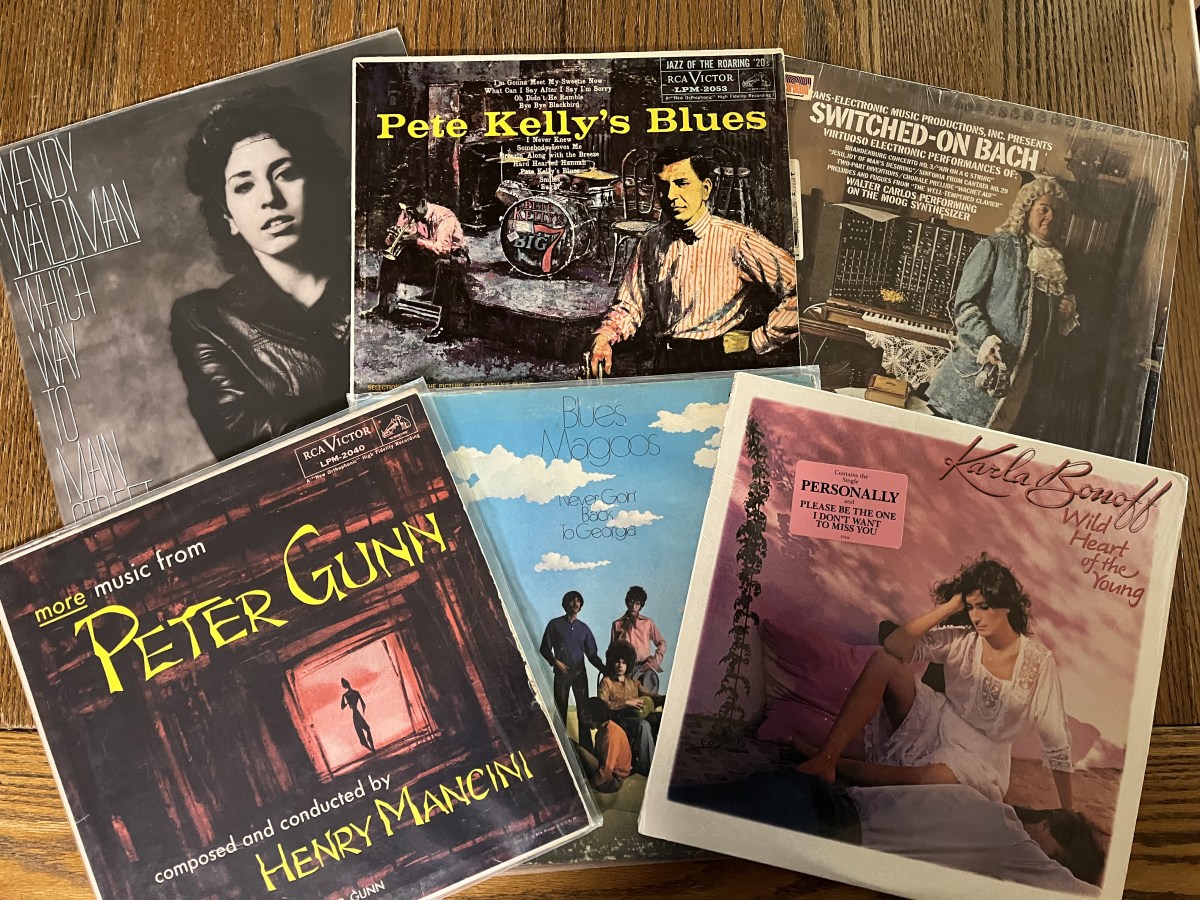
A few years later, I bought another turntable, a much cheaper one, when I discovered the library bookstore was selling old LPs for 50 cents each. I’d buy $10 worth at a time of old records from the 1950s and 1960s. Each time, I’d pick albums that I’d never heard of before, just for fun. But after buying about sixty albums and only finding a couple of gems, I stopped. By the way, one gem was the soundtrack to Pete Kelly’s Blues. I also ordered from Discogs a few favorite albums that I never found on streaming.
However, the deficiencies of the LP format kept annoying me. The pops, hiss, crackles, and skips. Also, I’d have to get up every time I want to hear something different. Streaming is just so damn convenient. So I packed up the turntable and put it in the closet and shelved the records.
Several months ago, I decided I needed to get rid of stuff because I’m getting old and need to manage fewer possessions. I gave away the turntable, but for some reason, I couldn’t part with the records.
Then, a few weeks ago, I had a realization. I missed shopping for records. Starting in 1965 and until streaming killed the record store, I would shop once a week and usually buy one or more albums. That gave me great pleasure. I suddenly wanted that again. I guess it was nostalgia, but I also missed having a reason to get out of the house.
I bought another turntable, the third, since the vinyl revival. This time, a slightly better one, which I plugged into my Audiolab 6000 phono stage. The combination sounded great. And I started shopping for records. It’s different this time. It means going around town looking at used records. Memphis has a few record stores in rundown buildings and some antique malls with a couple of vendors who sell LPs. A few places like Target sell new records, but the selection is very limited and the albums are very expensive.
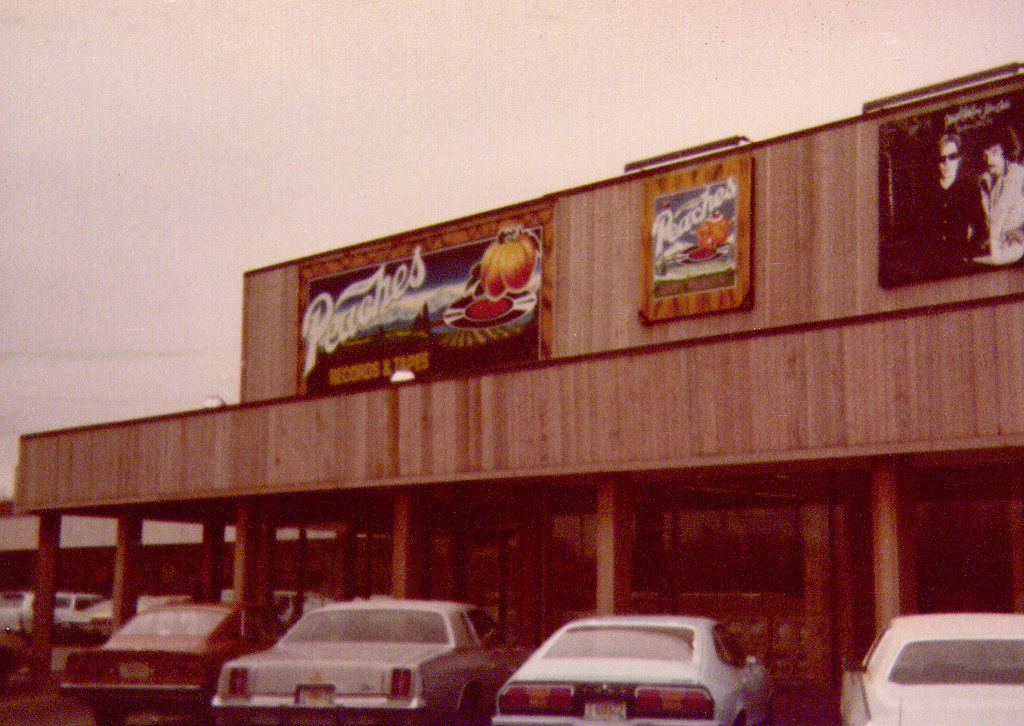
It’s not the same as the old days when I shopped at Peaches. I do feel a bit of the old thrill flipping through the bins, hoping to find an LP that will turn out to be a new favorite. I loved finding an album I would play over and over for a couple of weeks. I still do that with streaming, but so far haven’t in record stores.
The temptation is to look for used copies of old favorite albums, but I decided against that. I make myself buy unknown albums, ones I missed decades ago, hoping to discover an overlooked gem. So far, no luck.
I’ve been lucky at Shangri-la Records in getting old albums in great shape and with little surface noise. But my other sources haven’t been so good. Paying $9 for an unknown jazz trio and having it play with lots of pops and crackles is disappointing. I like the music of The Don Scaletti Trio, but I’d like them more without the extra sounds. Interestingly, this group isn’t available on Spotify to hear clearly.
I doubt I will buy many albums. I will risk buying some new albums by current artists. I’ve been watching record reviewers on YouTube, and there are zillions of albums to try. There seems to be a world of new music that I never noticed.
If I wasn’t trying to recreate an old joy, I wouldn’t mess with vinyl. CDs sound better, and streaming is just too damn convenient. I’m going to allow myself to buy an occasional album, new or used, to recreate a ritual I fondly remember from when I was younger. That ritual involves shopping for the album, and then sitting in a chair and doing nothing but listening to the two sides of the album for the first time while studying the cover.
Mostly, I listen to music via playlists on Spotify. I listen to music like most people do when watching a movie at the theater. It’s the only thing I do. All my attention is on the music. I prefer playing songs from playlists because I’m not interrupted, and every song is one I know I love. However, I think it’s important to sometimes listen to whole albums. LPs are good for that because it’s inconvenient to listen to specific songs.
When I was young, I used to listen to albums with friends. But I have no one who wants to do that anymore. Actually, most of my friends have stopped listening to music. Some still go to concerts, or to bars to hear tribute bands play their favorite music from decades ago. A few have a handful of songs they listen to on their phone as background music while they work around the house. I’m not sure streaming was the main reason why record stores died. My generation, which grew up buying LPs, stopped buying. And newer generations never developed the habit.
I feel lonely regarding my love of music. When I shop for records, I seldom see other people. When I do, it’s usually old guys like me. I know some young people do buy records because of the vinyl revival, but I don’t see them.
JWH
 Auxiliary Memory