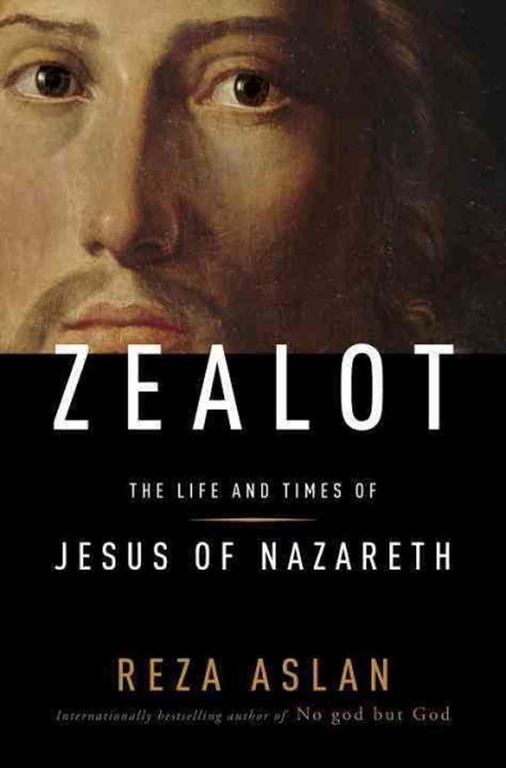
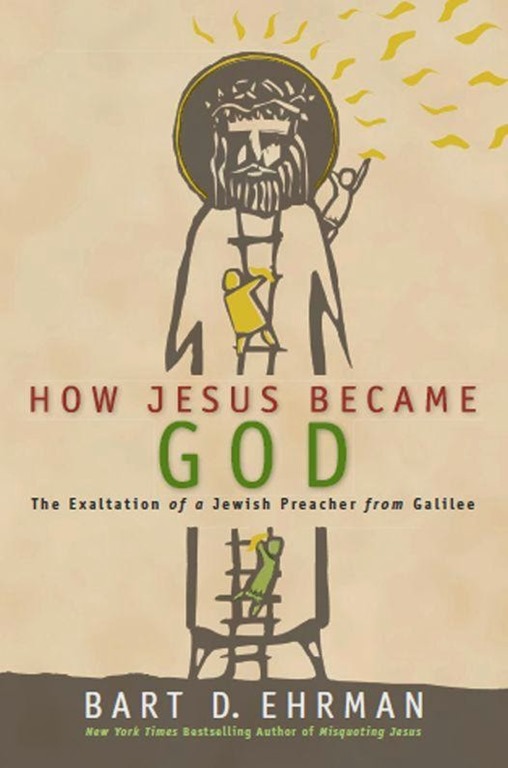
When I was twelve and other kids were getting religion, I got science fiction. Robert A. Heinlein was the prophet of my faith—the Jesus that explained reality. I was a geeky kid who moved around a lot because my father was in the Air Force. Because my dad always worked extra jobs and I didn’t see him much, Heinlein and science fiction became the father figure guiding my adolescence. Now that I’m older I can say using fiction as my Bible is no more practical than using holy books. Substituting outer space for heaven, and aliens for superior beings is just as crazy as seeking life after death.
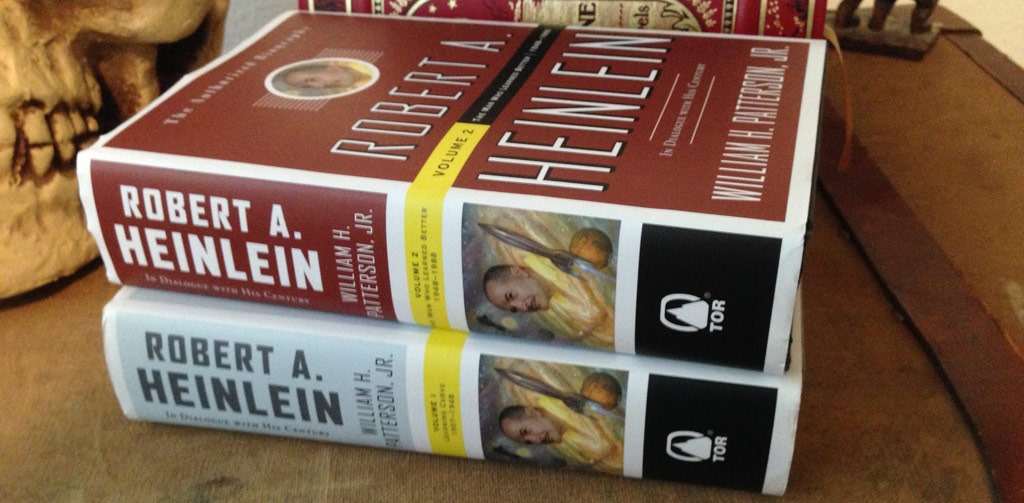
I just finished reading the second volume of Heinlein’s authorized biography, Robert A. Heinlein: In Dialogue with His Century: Volume 2 The Man Who Learned Better | 1948-1988 by William H. Patterson, Jr. Imagine, if you will, getting to read an authorized biography of Jesus based on his diaries—you’re going to want to read it, but it might reveal that your prophet lived a much more mundane life than revealed in his parables and gospels.
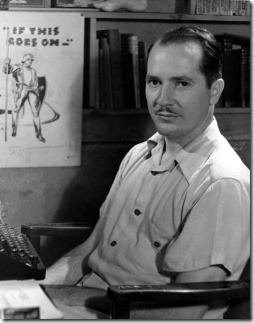
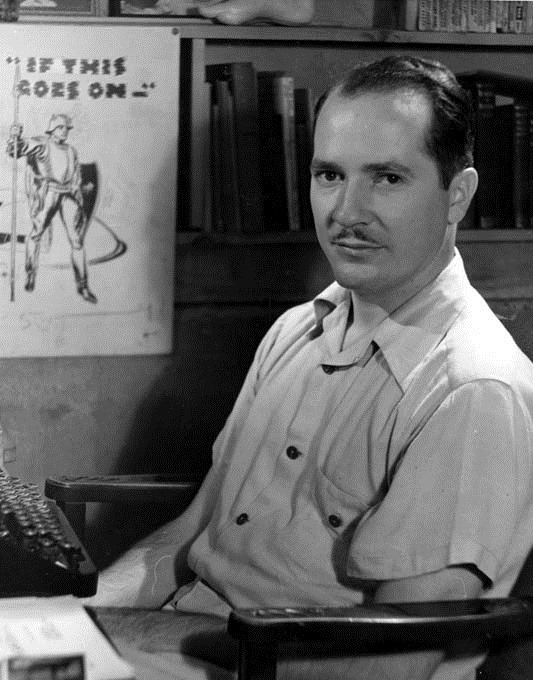
William H. Patterson gets to chronicle Robert A. Heinlein’s life by the details Heinlein left behind in file cabinets. Sadly, Mr. Patterson died April 22nd this year, just before the publication of the second, and last volume of his biography on Heinlein. Patterson was born a month before I arrived on Earth in November of 1951, and in a way that explains a lot, because I identified with his passion to know Heinlein. For science fiction fans of a certain generation, Heinlein was a very influential writer. Growing up I always hungered to know more about Heinlein, and wished that I had met him. After reading this large, two-part biography, I realize it was probably well that I never got to meet my prophet face to face, or even correspond with him. Heinlein was overwhelmed by his followers, and he really didn’t need another sappy fan bugging him, plus I probably would have pissed him off with my politics and beliefs.
Heinlein never wanted his fans to pry into his life, and this authorize biography reflects his wishes, and that of Heinlein’s widow Virginia Heinlein. Patterson was given complete access to Heinlein’s papers and got to know Ginny Heinlein who died in 2003, and who was Heinlein’s pit bull protector in life and death. Robert A. Heinlein: In Dialogue with His Century is an excellent defense of Heinlein and a summary of his life through his papers, but not the kind of intimate biography that fans crave, especially if you were a true believer.
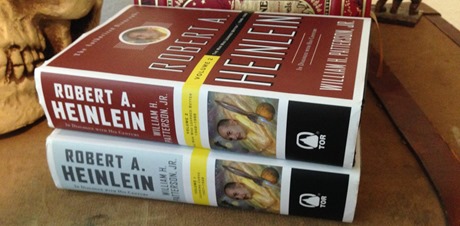
I believe William H. Patterson was completely sympathetic to Heinlein’s wishes for the most part, until the very end in Appendix 2, volume 2, “The Good Stuff” where he quotes letters from a woman that had known Heinlein during his breakup with his second wife. I’m positive that Heinlein and Ginny would have hated this addendum, but it’s about as close as readers are going to get to an uncensored view of Heinlein in this biography. And even then, the letters only have a few lines that hint that Heinlein had faults.
I liked Patterson, and his work, and I understand the constraints he worked under. His biography of Heinlein provided a huge amount of details about Heinlein for me. I subscribed to the Heinlein Journal when Patterson was publishing it, and I always envied him his access to Heinlein history. I’d have loved to have gone through Heinlein’s papers, but luckily Patterson did all the work for me and put them into a very readable summary. I’m very sorry that Patterson didn’t interview more people who knew Heinlein. There’s a few, but not many. I got the feeling that Virginia Heinlein told Patterson much of the glue that holds the facts together. I would have loved to have heard other people’s opinions, but I assume that wasn’t allowed. We’ll have to wait for Heinlein’s next biographer for that.
Heinlein and his books have always inflamed people’s opinions, and Patterson deals with many of the famous brawls in his book. He carefully presents Heinlein as the rational man, while not giving other people their chance to have their say. Patterson tries to resolve much of the criticism Heinlein has received over the decades, but there’s one problem. If Heinlein was right, and rational, why did he get into so many personal battle of words? The two volumes of biography end up being a long lists of incidents where Heinlein butted heads with other people. As a blogger I know it’s very easy to get into arguments over nothing, but Heinlein seemed to take everything very personal. Evidently he was an emotional man, because the book often mentions his anger, and that he often cried over romantic and heroic incidents.
I thoroughly enjoyed reading these two books, but I was also disappointed. I wanted more information about Heinlein writing his books. Patterson provides a lot of publishing information, but little about the content. Usually when he did, it was about how Heinlein got the idea for each book. Evidently Heinlein didn’t leave much in his papers about thinking his way through plots and character development, or what they meant to him later.
I wished the Patterson had included an Appendix 3, one where he interviewed Alexei Panshin. Panshin was the fan I wanted to be. He wrote the first book on Heinlein, Heinlein in Dimension, which Heinlein hated—not because he read it and disliked it, but because he hated Panshin and didn’t want Panshin to write about his life or work. Heinlein and his close followers have always closed ranks in their hatred of Panshin. I always thought Heinlein in Dimension was a love letter to Heinlein. When USENET News came out, the alt.fan.heinlein carried on the grudge match decades later. Panshin is mentioned several times in volume 2, angering Heinlein several times over a period of years, and it was obvious that Bob and Ginny hated to even hear the name Panshin mentioned. Which is sad, because Rite of Passage, Panshin’s Nebula Award winning novel is as close to reading another Heinlein juvenile as I’ve ever read. I thought Panshin deserved to be heard from in this biography, but I guess Patterson felt that Heinlein did everything to keep Panshin out of his life while he was alive, he wouldn’t want him intruding into his authorized biography after he died.
But this brouhaha explains a whole lot. Heinlein was loved by millions, but Heinlein didn’t always love his fans. Nor did he think the science fiction community understood his books. The biography suggest that Heinlein tried to separate himself from the genre during the last decades of his life, and resented always being known as a science fiction writer. Heinlein wanted to be remembered like Mark Twain, just an American writer. I doubt that will ever happen. Patterson works hard to promote Heinlein as a significant figure in the 20th century, but he wasn’t.
Heinlein’s books are still shelved in the science fiction section, and Philip K. Dick’s books were the first to be collected into volumes of The Library of America. When Heinlein finally made it into the LOA, it was with one of his lessor known titles, Double Star, as one of nine science fiction books that the Library of America collected into two volumes to remember 1950s science fiction. I’m not sure Heinlein is going to be remembered outside his hardcore science fiction fans like me. Volume 2 came out June 3rd, nineteen days ago and it’s only #7,313 on Amazon’s Best Sellers Rank.
I often write about Heinlein at Auxiliary Memory but those posts get very few hits. I guess the way I will remember Heinlein is not by trying to get to know the man, but by rereading the Heinlein books I love. What’s interesting is the number of Heinlein books I keep rereading has dwindled over the last fifty years. I find it fascinating when encountering other Heinlein fans that we all have such different favorites. There are Heinlein books I hate that others love. Whoever Heinlein was, and what his books meant, it’s very hard to figure out.
And do you want to know what’s hilariously ironic? Heinlein in Dimension by Alexei Panshin, published in 1966, still gives me the best biography of Heinlein I’ve ever read. The Heinlein I loved was reflected in the stories, and not the one who walked the Earth. Heinlein hated Panshin with a passion, yet Panshin’s summary of his work up until The Moon is a Harsh Mistress is exactly how I knew Heinlein in my youth. Patterson’s biography chronicled the writer, the man who married three times, often got sick, worried over bills, fought with his editors and publishers, had feuds with his fans, gave money to needy writers, built houses of his own design, but completely missed the magic of the books. Heinlein in Dimension summarizes the stories and novels in a way that rekindles memories of the sense-of-wonder Heinlein I discovered at age twelve.
Heinlein and his true fans hated that Panshin pointed out there were clunky places in Heinlein’s stories. The trouble is, if you’re a prophet and you and your followers think you can do no wrong, then I can’t trust you. Heinlein would have been a much better human if he had just endured Panshin as an over zealot young fan, read his book and said “Thanks kid, good job. You found all the holes in my stories, now go write you own books that don’t make those mistakes” and then just forgot about Panshin. Panshin was Heinlein’s St. Paul, and all Panshin got for his love was a kick in the balls by his master. Man, that must have hurt.
If you go to Google and search for reviews of Patterson’s biography of Heinlein, you’re going to read a lot of varied responses. Heinlein was an elephant to all us blind folk feeling him up. None of us ever see that he’s an elephant, but we all chronicle, sometimes in great detail, what we did discover from our fondling a small section of his hard hide. Unfortunately, there are many Heinlein haters who only got to finger his asshole. There was much about Heinlein I didn’t like, especially in the later books, but I saw no reason to vilify the man. Like most of us, Heinlein did the best he could, and his best was often far better than most, but occasionally he made some fuck-ups, like we all do. Too many in our society judge people only by their mistakes.
The complexity of Heinlein in my memories is vast. We all need to deprogram ourselves of the religions that infected us in our youth, and Patterson’s biography helped me clean out years of clutter in my head. Ultimately, we Heinlein fans each will remember a few books we loved, and eventually, the literary world at large will decide if any of his books are worth remembering at all. I don’t think Heinlein, Patterson, I, or any of his other fans, knew, or know which Heinlein books will become classics in one hundred or two hundred years. But I find it fascinating to imagine humans hundreds of years from now seeing the 20th century through Heinlein’s eyes.
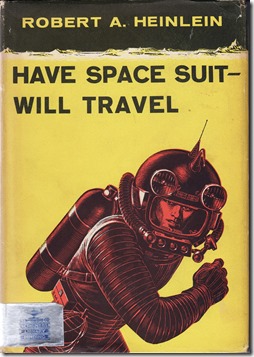
Ultimately, I have to say that Heinlein convinced me that heaven is colonies on the Moon and Mars. That’s the promised redemption of his religion. The emergence of private space programs is the real legacy of Heinlein’s prophecy. I don’t know if anything else matters.
Other Takes On Valume Two
JWH – 6/23/14





 Auxiliary Memory