by James Wallace Harris, Saturday, June 24, 2017
In past centuries, living left little free time. Survival was all time-consuming. Twelve-hour workdays were the norm once. Few people had time for hobbies or pursuing pop culture. And if we weren’t working we were raising families or maintaining our little castles.
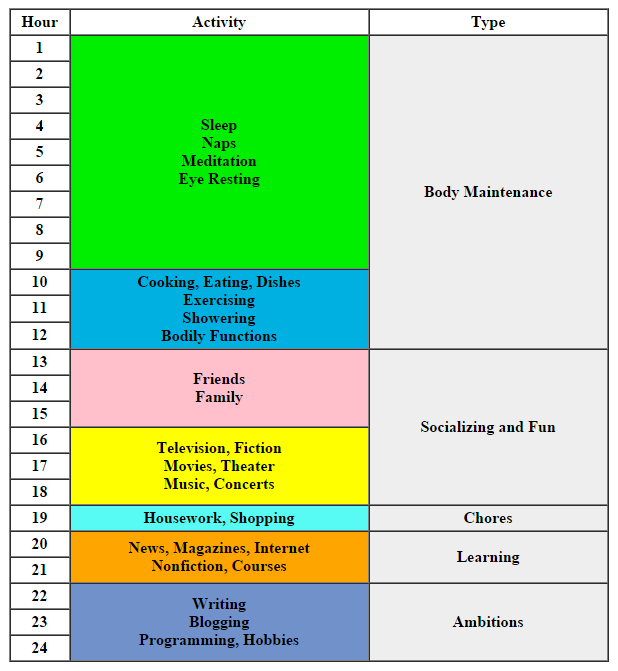
Times have changed. The work week keeps getting shorter. More people choose not to have kids or even marry. Some people spend as much time watching TV as working. And a lot more people are retired or unemployed. Probably, if you’re not depressed, strung out on drugs, or chasing someone to have sex with, you’re consuming popular culture with all that extra time.
How many hours a week do you spend reading, watching television, going to the movies, listening to music, binge-watching the internet, looking at comic books, going to museums, attending plays, or any other popular pursuit reported on by Entertainment Weekly? And what about video games? Or VR? Are they pop culture or something new?
Are the hours starting to add up? Is mass consumption of pop culture good or bad? I really don’t know. As a retired person I realize most of my time is occupied with pop culture pursuits. I’d like to think I’m consuming art, that I’m psychologically imbibing in the most creative cuisine our culture offers. Is that true? I also like to believe I’m learning about the past through consuming popular culture from other eras. For example, how well can I understand the 1920s from reading Fitzgerald, Faulkner, Wharton, Joyce, Lawrence, and Hemingway, listening to old jazz, watching silent films, look at art, and reading history books?
Would the time I spend on consuming pop culture be better spent on hobbies? TV watching and going to the movies are a big part of my social outlet. Music and reading are solitary pursuits. Hobbies are generally solitary too. I could get up every day and do something more productive than consuming art and writing about it.
Most biological beings spend most of their time looking for food, mating, rearing their young, and avoiding being prey to other biological beings. Isn’t it rather fascinating that humans excrete art and consume it? We used to say humans were the only animals that made tools – until we discovered a whole bunch of other tool using species. Then we said humans were unique because we have language. Well, we discovered that wasn’t true either. More and more we’re finding examples where animals play, have friends, and show curiosity. But do other animals create art? What about the bowerbird?

Is art tools we make to stimulate our minds? Or is art external remembrances we make for shared memories? Pop culture is art for the masses. Art used to be unique, a one of a kind piece. Pop culture depends on mass producing artwork that we like to share. Pop culture feels more nourishing to my soul than air, water, and food, although I couldn’t survive without them, and I could survive without pop culture.
Maybe I shouldn’t use the word soul. The soul doesn’t exist. It was a creative fiction of religion. (And couldn’t religion be the first pop culture creation?) Even though science cannot find any evidence for the soul, and philosophers have refuted its existence, we all feel we have one. Science shows we are not minds and bodies, but just bodies that are biologically programmed to react to our environment. So what is pop culture?
Pop culture is something we add to reality. Of course, we rearrange atoms and molecules that already exist to create art, but there is something new there. Yesterday I read “All the Animals that Love Touchscreens” and learned another way humans are not unique. Pop culture is something that even animals might perceive.
Pop culture is mass-produced art. But that also means it is art that can be saved and preserved. Pop culture artifacts remember aspects of our collective souls. There’s that word again. Religion is wrong about immortal souls. Nothing lasts forever. Neither we, our culture or our art will survive forever.
If you spend several hours a day watching television you’re consuming pop culture. Is it just a way to kill time. To distract you from life? Or do you value pop culture as an artistic achievement?
JWH


 Auxiliary Memory