Science fiction has always had two different faces that confounds efforts to define it in a distinct manner. Science fiction first evolved as a literary branch of philosophical speculation which produced stories, often crudely told, about possible inventions, speculation about distant worlds and their inhabitants, and extrapolation about the future. Speculative science fiction is pretty much based on “What if?” Writers could imagine the impact of change, or wonder about unexplored areas of reality. Eventually, some of this speculative science fiction produced concepts that became popular, generating global memes, and then other writers wrote adventure science fiction using these concepts as if they were religious icons. Often adventure science fiction based on original speculative ideas have no new speculation on their own. A spaceship is just a spaceship, and alien is just an alien.
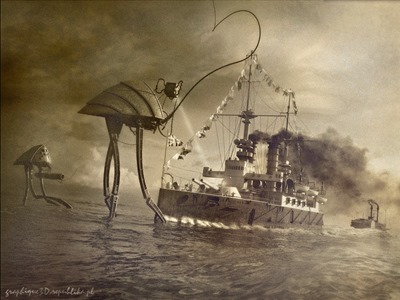
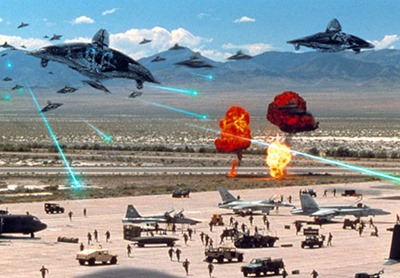
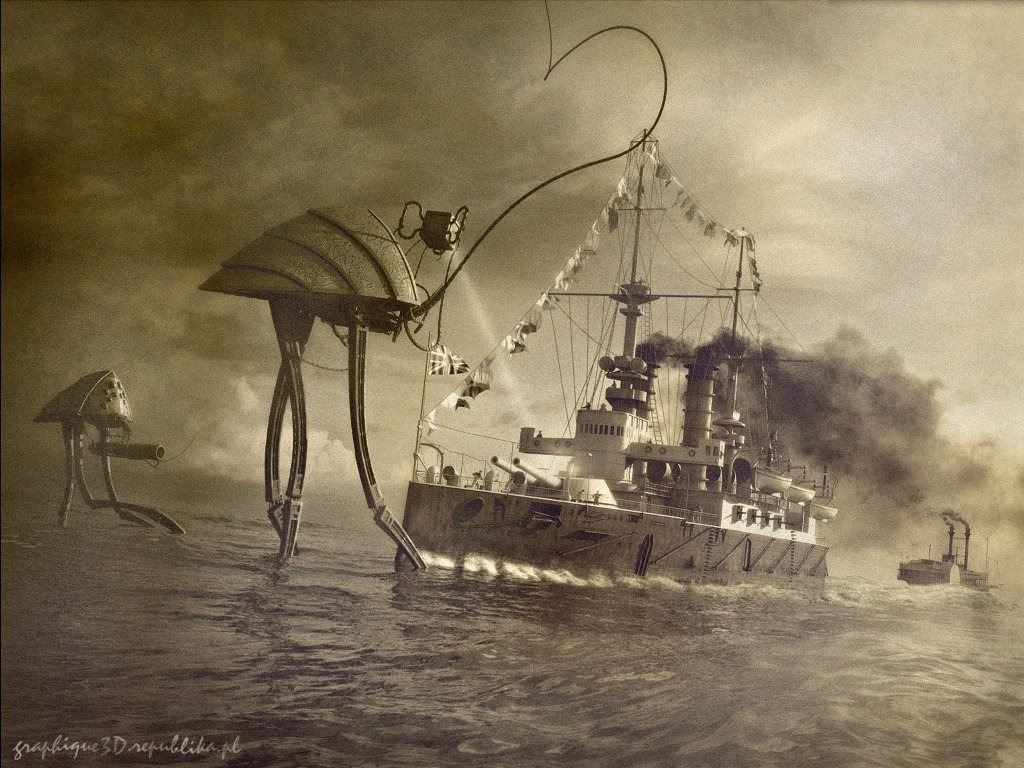
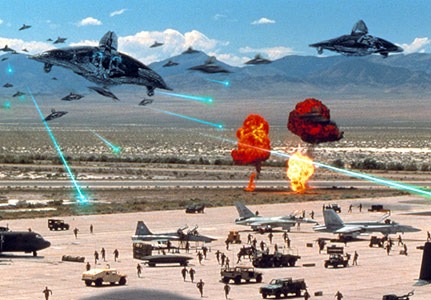
Think of H. G. Wells two most famous stories, The Time Machine, and War of the Worlds. In the late Victorian age they were both highly philosophical speculations. Then Edgar Rice Burroughs comes along and turns Mars into a romantic adventure destination that had no relation to reality. A modern comparison is to The War of the Worlds and the film Independence Day, which has little or no speculation. It’s all adventurous fun.
Another good example is Star Trek and Star Wars. All fiction needs some action, so Star Trek was given a wagon train to the stars framework, but many episodes were built around various kinds of speculation. Star Wars on the other hand plays homage to the galactic empire of The Foundation series, while cherishing the fun of Saturday afternoon serials inspired by Planet Stories types of adventures. As hard as I try, I can’t think of one bit of speculative science fiction in all of Star Wars. That’s not a criticism, but a way of defining Star Wars as the ultimate example of adventure science fiction.
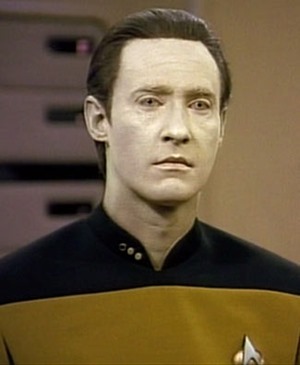
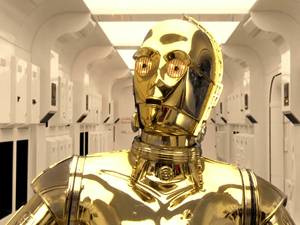
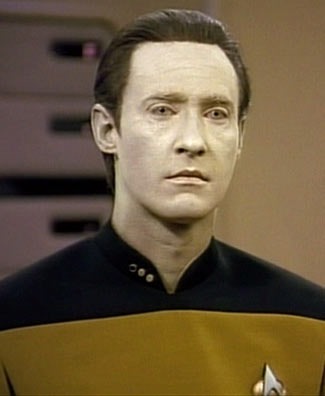
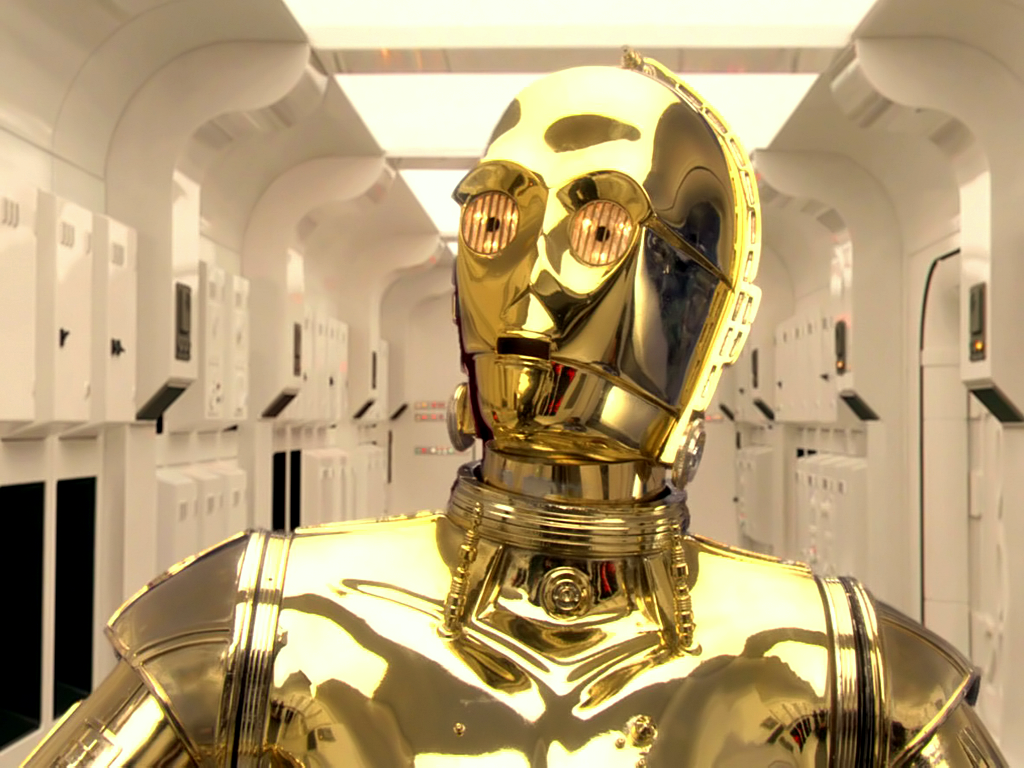
Think of how many episodes of ST:TNG where the plot was written around speculation about Data’s body, mind and abilities. In Star Wars, C-3P0 is a very interesting character, with lots of personality traits, but there’s no speculation about his scientific origins – he’s just a colorful character in an adventure story. Star Wars offers no lessons in artificial intelligence. For the most part, Data is mainly used as a stock character for adventures too, but sometimes Star Trek did speculate. In Isaac Asimov’s early robot stories he spent more time speculating, in his later ones, especially the novels, he spent more time using robots as characters having adventures.
Modern science fiction tends to be mostly adventure based. When H. G. Wells started writing, few writers had explored many science fictional concepts, so Wells appeared to be a genius inventing science fictional idea after another. Up until the 1960s, science fiction writers churned out speculative science fiction because there was plenty of undiscovered ideas to imagine. Now that’s getting harder. Since the 1960s, science has become an extremely popular entertainment genre, so most writers just take old SF memes, give them a new paint job, maybe even go all Baroque in styling, and create adventure science fiction.
We still get new speculative science fiction, in both books and movies. My two favorite recent examples are The Windup Girl by Paolo Bacigalupi and the film Gattaca. Life on Earth is always evolving and changing, so there’s always new content to speculate about, plus science is always advancing, giving new ideas for extrapolation.
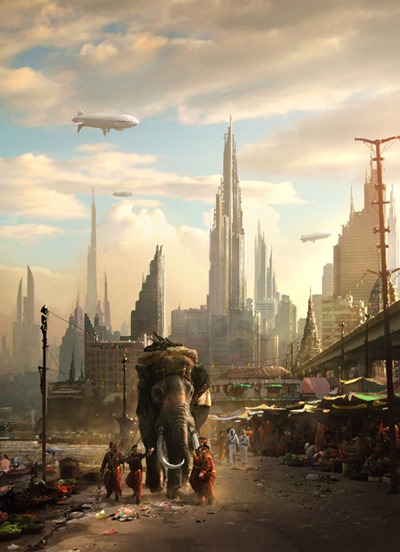
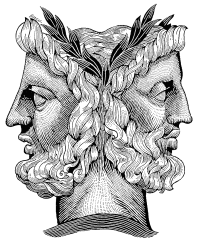
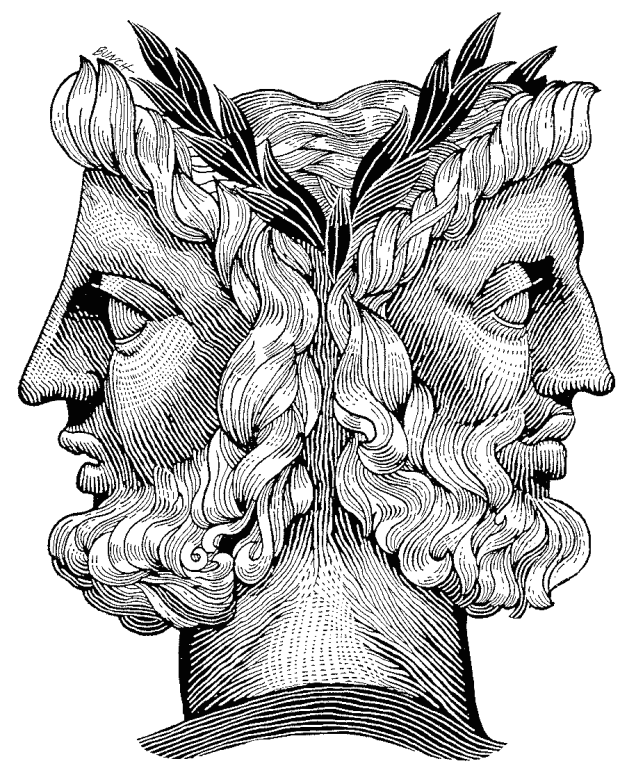
Science fiction has always suffered from a schizophrenic approach to reality though. Why are post-apocalyptic and dystopian stories so popular with kids today? They present horrible worlds where the characters have big adventures. Isn’t that odd? In the 19th and early 20th century, such novels were warnings about the future and fears about paths society might take. Now such scenarios are escapist fun! WTF!? Science fiction is often like the comedy-tragedy masks, or the Janus god head. No kid would daydream of living in the world of Nineteen Eight-Four, but I bet a lot of kids picture themselves inside the world of The Hunger Games.

Serious speculative science fiction tends to illustrate worlds that few would fantasize about living in. Who would want to live inside The Handmaid’s Tale by Margaret Atwood or The Sparrow by Mary Doria Russell. But what about Dune by Frank Herbert or Starship Troopers by Robert A. Heinlein, or even Ender’s Game by Orson Scott Card? Yet, how many adventure books have been written that take worlds similar to the ones these books describe and make them into fun adventure stories? Like the contrast between education and entertainment, some writers aim for edutainment, but most just give us escapism.
Heinlein was speculating about serious ideas, but most military SF since then have been theme park rides.
Here’s the dilemma for writers. True speculative science fiction isn’t escapist fun, whereas adventure science fiction is. So if you want to sell lots of books, and maybe get your story made into a blockbuster movie, you’ll aim for adventure science fiction – but if you want literary recognition, and the chance of creating a classic the survives, you’re better off writing speculative science fiction. They teach Frankenstein, Brave New World, and Nineteen Eighty-Four in schools, but not adventure science fiction. Which sold more movie tickets, Spiderman 2 or Transcendence?
When I go to the bookstore, or flip through Locus Magazine, or read about new books at SF Signal, I’m enticed by myriads of thrilling stories, ones that promise epic adventures, with colorful sexy characters, involved in addictive complicated plots, the kind of books that are escapist fun to the hilt. And I’m not against reading these kinds of books. But what I miss, are the speculative science fiction books. They seem few and far between nowadays. Is that because they don’t sell, or are a bummer to write, or what few people want to read? To me, speculative science fiction is the real science fiction, and all the other stuff is fantasy fun.
I’m working on a new edition of The Classics of Science Fiction and I’ve always used a statistical method to create the list before. But this time, I’m thinking about creating it as a history of speculative science fiction. Yesterday I discovered Radium Age Science Fiction at HiLo Books, and essays on Pre-Golden Age Science Fiction by Joshua Glenn at io9.com. Most of these books are now forgotten, but they were at the time, attempts to write serious speculative science fiction. I wonder if I can create a Classics of Speculative Science Fiction in chronological order starting with Mary Shelly’s Frankenstein, or even earlier books if I can discover ones that fit my concept, and then move towards the present showing an evolution of speculative science fiction?
Instead of creating another list of the most popular books of science fiction, I want to create one that showcases books that introduced the best science fictional ideas. I think as kids, when we first discover science fiction, we’re hooked on the far out ideas, but later on, we become addicted to the escapism. When we’re thinking about ideas, we’re exploring reality. We want to know how reality works, and how we can adapt it to our own needs and desire. Later on, we read science fiction to escape reality, because we’re disappointed with its limitations.
This provides two faces of our own psychology. Now that I’m old, I wonder if I sold out sometime in the last fifty years. That I sold my sense of wonder for a sense of illusion.
JWH – 5/6/14



 Auxiliary Memory