Hopes, Dreams, and Bullshit

by James Wallace Harris, 2/2/21

Rereading the 1984 book Hackers: Heroes of the Computer Revolution by Steven Levy unearthed long suppressed feelings and ambitions that first emerged in my personality back in the 1960s and 1970s. When I first read Hackers in 1985 it rekindled those formative emotions and desires then as well. I’ll start my seventies this year and I have to wonder when do hopes that I formed in my teens finally fade away? When can I just give up and be here now? When do I stop trying to constantly be who I was? Why don’t hopes have expirations dates? Why are these books so exciting after all these years?

I remember four years ago triggering these same emotions and ambitions when I reread The Soul of a New Machine by Tracy Kidder. I tried to write about what I felt, but those words don’t capture what I’m trying to say now. One thing about growing older, at least for me, is seeking clarity about my time in reality. Before I die, or my mind fades away, I want eliminate all the bullshit barnacles that encrusts my soul.

My current theory is we acquire our personal dreams and desires from pop culture and subcultures. During my lifetime I’ve belonged to many subcultures, but the two I loved most are science fiction and computers. Both current forms of those subcultures have long past me by, but their initial seduction have left subprograms running within my mind that never stop. Why was I able to deprogram myself of childhood religious programming, but I’ve never been able to escape that cultural programming acquired from age 12-22?

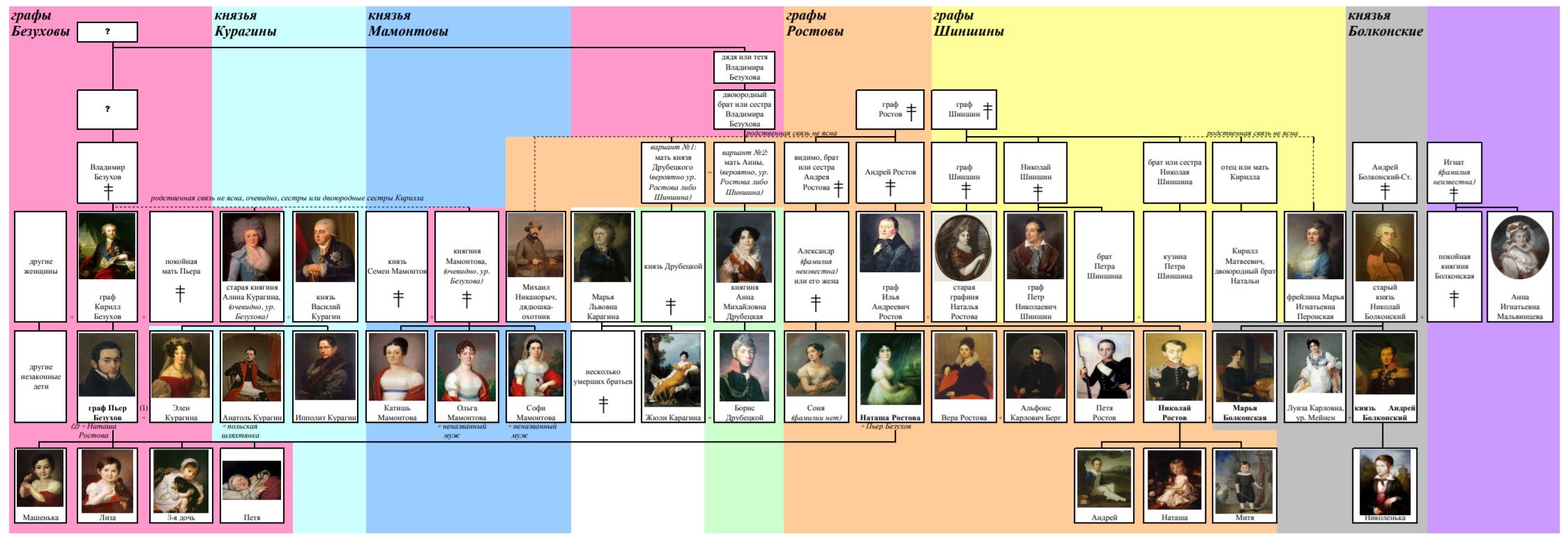
You’d think we’d forget old beliefs as we acquired new insights. Of course, I’m generalizing, assuming all people are the same. Maybe other people do that, but I don’t. Why can’t we emotionally be like historians who rewrite history with new discovers. For example, after rereading Hackers I read A People’s History of Computing in the United States (2018) by Joy Lisi Rankin. Basically, Rankin is saying, hold on there Steven Levy, your history of computer pioneers from MIT and Silicon Valley leave out a lot of middle America computer pioneers. Her book is reshaping my sense of computer history I got from Hackers. Why don’t I do the same things with my personal history?

This is not the book review I sat down to write. I might try again, but let’s go with the flow. These books hit the bullseye of my old computer ambitions. Over the past year I’ve been watching a lot of YouTube videos about 8-bit computers, especially those from The 8-Bit Guy. David Murray essentially has traveled back in time to work on computers at the point where Hackers ends in 1984. Many other YouTubers have done this too. I’ve wondered if the solution to my problem with all these old hopes and desires is to return to a past point in time and start over. I realize at this moment, that’s exactly what I’ve done with science fiction. I’m reading and collecting what I loved best from 1965-1975. That’s kind of weird when you think about it. But maybe it’s a natural aspect of aging too.

However, I also tell myself I should jettison my past like they were my first and second rocket stages and seek orbit for what I could be in 2021. But could that be me bullshitting myself that I’m not too old to learn new tricks. Of course, maybe one way not to stir up old emotions and desires is to stop consuming old pop culture. Does my library of old books, magazines, movies, and TV shows keep those old subprograms going? Actually, yes.

I have a friend, Anne, who lives so in the present that she hates the past, and even throws away old photographs and mementos when she finds them. I also live in the present by reading books published in 2020 and magazines that are February 2021 current. If I tossed out my old library and read only new books and magazines I would become a different person. I could become a fast nimble speedboat. But because I loved old pop culture, and can’t let go of old ambitions, magazines, and books, I feel the past I carry around has grown to the size of the Titanic. (I wish I had a photo of a guy in a rowboat towing the Titanic on a rope to put right here.)

The current nonfiction books and science fiction magazines I’m reading are about politics, climate change, and all the other dark clouds the horizon of this century. (No wonder I want to return to last century.) If I only read new books and magazines I’d completely reshape my present personality. Reading these three computer histories rekindles the futures I wanted back in the 1970s and 1980s, and they were tremendously more appealing than the futures I envision now. The people profiled in those books had such wonderful dreams about what computers would bring to the 21st century. And their dreams came true beyond anything they imagined or hoped. Yet, I wonder if they could see the downside of their creations, would they have done anything different? And isn’t that what I’m doing now by rereading these old books, second guessing my past decisions?

One of the reasons I can’t let the past go is it feels unfinished. I didn’t get to consume all the pop culture I wanted back then, satisfy all my wants, or achieve all my ambitions. But having lived in the future, it also feels like we took so many wrong turns. I can’t help but want to go back and finish what I started and even try different paths.

There is a whole lot more I want to say about Hackers, but this essay has already gotten too long for chiseling on this stone. Hopefully to be continued on another rock.

JWH
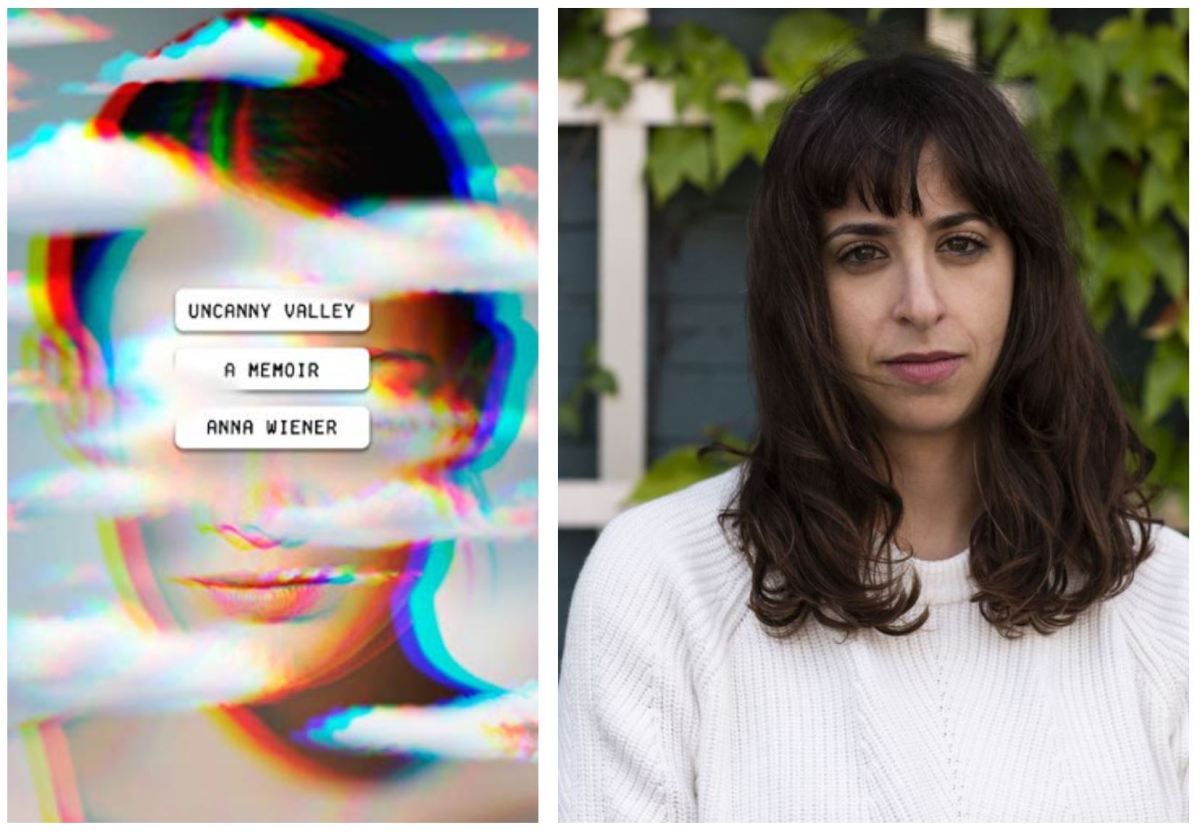
Uncanny Valley by Anna Wiener

by James Wallace Harris, Friday, December 4, 2020

I have never been to San Francisco but over my lifetime I’ve read many books about social movements that city produced. They include the Beats (1950s), Rock (1960s), Gay Liberation (1970s), and Silicon Valley (1970s, 1980s). Anna Wiener’s 2020 book Uncanny Valley is about San Francisco of the 2010s, although I’d say mainly about from 2013 to 2016 when Trump is elected president with a bit of updating to 2018. Anna Wiener was on the peripheral of several interesting news events of the decade, so even though this is a personal memoir, she had a stadium seat to some significant social upheavals that affected more than just San Francisco. This is probably why The New York Times chose Uncanny Valley as one of the “Ten Best Books of 2020.” It was also on these best of the year lists from Esquire, NPR, and Parade. Bookmarks which tracks links to reviews found mostly rave reviews.

Describing what Uncanny Valley is about will be hard. Wiener, graduated from college in 2009 and went to work for publishers in New York, and then at age 25 moved to San Francisco to work at a succession of three internet startups, the most famous of which was GitHub. I’m a computer guy who loves books about the history of computers and computing. I was hoping Uncanny Valley would be another The Soul of a New Machine by Tracy Kidder. It wasn’t. Anna Wiener wasn’t a programmer or computer engineer, and her memoir is not really about computers even though it focuses on people who passionately are.

Wiener’s role in her story was much like Nick Carraway in The Great Gatsby, as a commentator on the main characters, or like Tom Wolfe in The Electric Kool-Aid Acid Test. Wiener was an observer of a social revolution, not a revolutionary herself. Wiener gets to know the revolutionaries, their causes, their ambitions, their faults, their crimes, their successes and anguishes. Wiener tries to understand the philosophical implications of this revolution but it’s too complex.

The young millenials who become millionaires and billionaires creating tech startups in San Francisco have a lot of overlap with the counterculture revolutionaries of the 1960s. They imagine reshaping society with similar utopian ideals, justifying their hubris with similar sounding pop philosophies, they indulge in drugs, alternative lifestyles, leftover New Age faiths, wild conspiracy theories, and silly science fictional schemes that have echos in previous cultural revolutions. They even contemplate engineering cities from scratch like hippies use to dream about communes. But this time around they are capitalists and they all want to get mega rich.

Silicon Valley and San Francisco are not everyday America, but they impact it in a way we can’t escape. Most of us live at least part-time on the net, joining the hivemind subculture Silicon Valley created. Anna Wiener lived in the eye of the hurricane collecting data readings she hoped would reveal meaning. I’m not sure anyone can make sense of that era. She felt bad and blamed herself for failing, but that’s silly. What she has done is taken excellent notes about her experiences and impressions.

Uncanny Valley could be a textbook supplement for a graduate course on current issues in business and business ethics. It could also be a meditation guide for young people who contemplate their own participation in society. Like the Beats in the 1950s, and the Hippies in the 1960s, and the New Agers in the 1970s, the millenials are struggling to make sense of life and find a righteous path for living in a corrupt world of commerce. Like every generation, they’re looking for meaning in a meaningless reality. In some ways, Uncanny Valley reminds me of The Making of a Counter Culture by Theodore Roszaks – but who remembers that 1969 book?

Throughout this memoir I kept feeling the people Wiener described were going through many of the same psychological struggles I did in the 1960s and 1970s. It’s a chronicle of typical youth angst. Of course, that left me wondering if we can ever solve the problems we all rail against early in life, but which we eventually forget when we co-opt ordinariness.

The only thing unique about Wiener’s generation is how some of them got so damn rich. Part of Uncanny Valley deals with the problems of chasing those billions, and soul changing of catching mountains of money, or the agony of failing to become wealthy.

Even though this is a short book, there’s a great deal to it, really too much to digest, including many ethical issues created by the business models of these new tech industries. Often Wiener would be working on software that got into the news for its evil side effects. Or that same software would empower legions of formerly powerless people to do evil. She often worried about the degree of guilt that belong to her.

Ultimately, Uncanny Valley becomes a must read book because Anna Wiener just happened to be in the right place at the right time to glimpse at generation changing events. Nearly everything she writes about has been well documented in news stories over the last decade. If you’ve been paying attention, a lot of it will be familiar. Weiner got closer than most reporters. However, she obscures the names of everything. I found this very annoying, but finally accepted it as a quirky writing affectation. In one review I read, it was suggested she Wiener had to sign so many non-disclosure agreements she’s become shy of using real names for anything. Of course, Wiener might have thought it funny to make us guess.

I don’t know how often I convince blog readers here to read what I review. Uncanny Valley could bore the crap out of most of my friends, or it could dazzle them. If you like nonfiction and memoirs, and interested in issues dealing with current events, profiles of younger generations, sexism, privilege, technological change, politics, economic equality, ecology, homelessness, gentrification, capitalism, and contemporary ethical issues, then this book might be for you. If reality overwhelms you, you should avoid it like the Covid.

Additional Reading:

JWH

Their Wonderful Lives

by James Wallace Harris

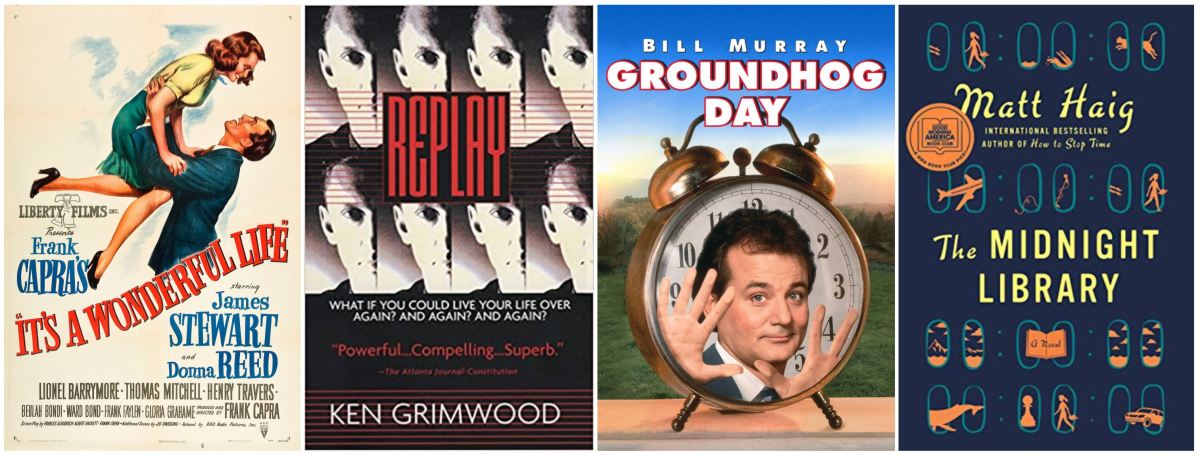
Do you look back over your life tallying a long list of regrets? Do you fantasize about taking roads not taken? Are there people you wished you had thanked, or expressed your love, or just gotten to know? Do you remember saying things you wished you hadn’t? Are there ambitions you regret not chasing? Are you the kind of person that wishes they had some do-overs? Well, I have a book for you – The Midnight Library by Matt Haig. It belongs to a group of books and movies that represent a tiny subgenre of fantasy about living life over:

The Midnight Library is a current bestseller that came out in August. It’s attracting bookworms like crazy for its feel-good inspirations. The Midnight Library offers the same kind of life lessons found in It’s A Wonderful Life, Replay, and Groundhog Day. Evidently, if we’re allowed to live our lives over, we would all learn similar insights. Could that be true? Can we learn just as much by consuming stories about characters with life do-overs?

In The Midnight Library Nora Seed is a 35-year-old woman full of regrets who commits suicide but finds herself not in heaven or hell, but a library. Nora lived in the small town of Bedford, England. Remember, George Bailey lived in the small New England town of Bedford Falls. Unlike George, Nora doesn’t get to see what Bedford would have been without her, instead, she gets to relive her life in countless ways based on taking different forks in her past. That’s somewhat like what Jeff Winston gets to do in the novel Replay who lives his whole life over and over trying different paths each time, and a little bit like Phil Connors experiences in Groundhog Day.

The creator of these stories teach us a kind of philosophy by showing us lives lived over, or even over and over. I do not want to spoil The Midnight Library for you, so I won’t go into its unique plot details or metaphysical conjectures. Let’s just say I found it a very compelling idea for a fantasy pick-me-up.

Have you ever pictured yourself dying and instead of being reborn into any of the traditional religious destinations, imagine yourself coming to in some higher dimension with the true meaning of existence coming back to you? Sort of the ultimate V-8 head slapping moment where you exclaim, “Oh, that’s what life was all about! Now I remember.” Something impossible to comprehend or predict in this life.

I have often wondered that. It’s not what Nora Seed experiences in The Midnight Library, but her story offers an interesting alternative like that. If I had to place a bet, I’d bet that death is oblivion. But it sure would be nice if after dying we found ourselves in some kind of logical reality where all of our existence on Earth made good sense.

Fantasies like The Midnight Library, Replay, Groundhog Day and It’s A Wonderful Life offer a kind of existential hope, a fairytale for adults. The Midnight Library was one of the few bright spots of 2020.

JWH

War and Peace – Book v. TV

by James Wallace Harris, Wednesday, April 15, 2020

Last night I binged watch the first four episodes of the 8-part mini-series War & Peace put out by the BBC in 2016. This is notable, at least for me. In the past year, I’ve been having a terrible time focusing on TV. Every evening I try out several TV series and movies hoping to find something to hook me. I rarely succeed. I quit most shows after just a few minutes, even the ones I feel are high-quality and interesting. I don’t know if my mind is deteriorating, or I’ve just become jaded with TV. I wrote about it here.

Now, and then, I do find a show my mind will latch onto, and War & Peace was one. Strangely, the other two that I can remember at the moment were Sanditon and Black Sails. This makes me wonder if my mind has a thing for literary-historical stories. But don’t think my taste is all high-brow, I also got hooked by Abbott and Costello Meet Frankenstein not long ago, and it’s quite low-brow. I never can predict what my mind will settle on.

It’s funny, but while watching War & Peace last night I thought Tolstoy might be the Jane Austen of Russia, even though he was a contemporary of Dickens. Austen’s stories often referred to the Napoleanic Wars, and since watching War & Peace involves a lot of scenes with fancy dress balls, whispered marriage intrigue, socializing by candlelight in manor houses, servants in elaborate outfits, and riding around in elegant coaches during those war years with Napolean, watching War and Peace feels very much like watching Jane Austen.

I’ve always wanted to read War and Peace by Leo Tolstoy. I’ve read Anna Karenina and The Death of Ivan Ilyich but have been intimidated by its size and reputation. I’ve probably read less than twenty foreign-language translated novels in my life, sticking primarily to books from the English speaking world. For the last couple of decades, I’ve tried to read one 19th literary classic each year, and every once in a while throw in a European classic. Mostly, these reads have been from England. Seeing War & Peace offered on Hulu last night tempted me. I figured it might get me interested in reading the novel, and it did, but for a strange reason.

As I watched, I kept thinking to myself, “How can a six-hour TV production do justice to a novel that runs 55-74 hours on various audiobook editions?” After finishing the second episode, I was so curious to know that got up and bought an ebook and audiobook edition of War and Peace to compare. Luckily, Amazon offered a deal I couldn’t resist, buy the 99 cent ebook edition, and they would sell me an audiobook edition for $1.99.

I didn’t immediately jump on the offer. I’m very picky about audiobook narrators and book translators. I went to Audible and tried the samples from four different versions of the novel, and the Amazons Classic edition on sale did indeed have the narrator I liked best. I then found and read “What’s the best translation of War and Peace by Leo Tolstoy?” The translation for the Amazons Classic edition was by Aylmer and Louise Maude, and it came in number two on their list. Their number one choice was by Anthony Briggs but it didn’t seem to be available at Audible. So I bought the deal. I figure if I fall in love with the book I’ll eventually buy the Briggs translation.

Before I started episode three, I listened to the chapters of the novel that covered the first episode, especially Anna Pavlovna’s party. The show had tried to cover much of what was in the novel, at least in introducing the characters, setting, action, plot, and relationships. Sure it conveyed the essence of the story, but was it really Tolstoy’s story? It left out all the background information, and the actors sometimes didn’t match the descriptions of the characters they played. Is it important for actors to look like their literary descriptions?

Tolstoy’s omniscient point-of-view gives us so much about the characters’ motivations, but the television show just ignores that content. On the other hand, the show gave me gorgeous visuals, ones my mind’s eye would never imagine. And that brings up other things to ponder. Did all the clothing, uniforms, hairstyles, furniture, table settings, houses, etc. all actually look like their early 19th-century Russian counterparts? But then book readers, what do book readers imagine in their heads? Is it anything like Tolstoy imagined when writing his story?

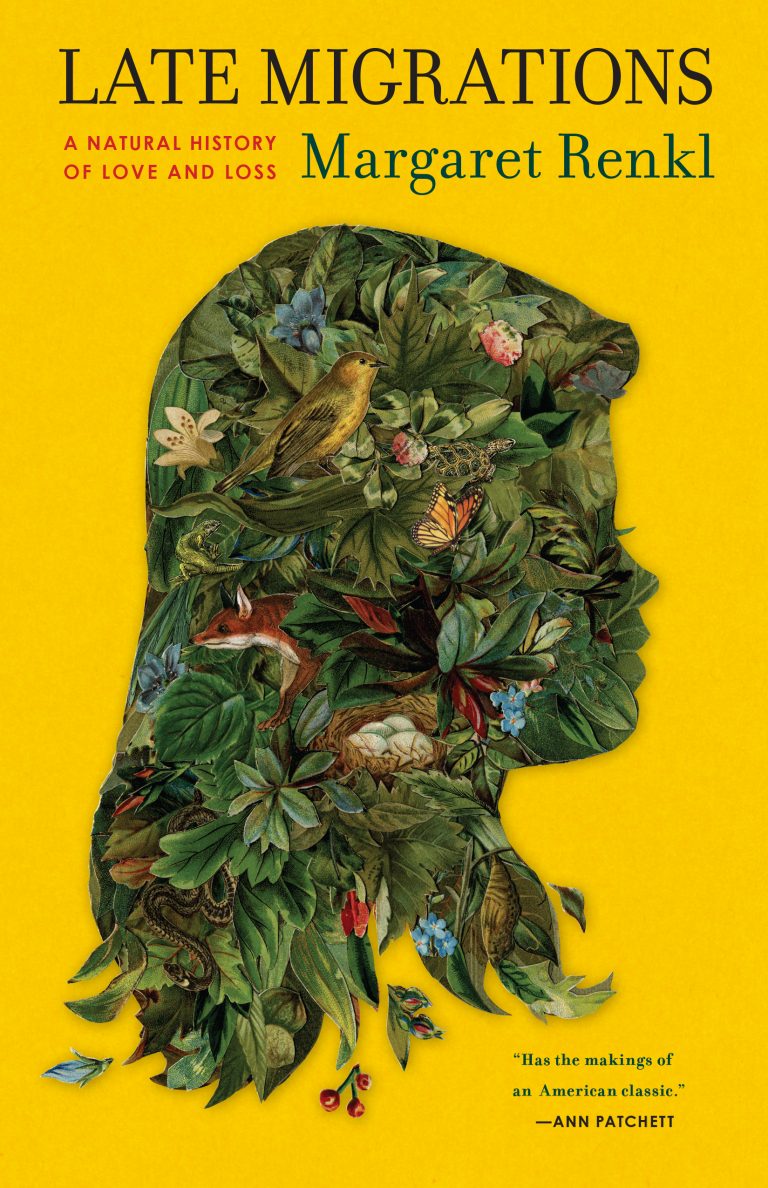
Wikipedia has several helpful guides, including: “War and Peace characters order by appearance” — an invaluable cheat-sheet of who’s who as they show up in the story, with links to entries for the historical characters, often with photos or paintings. There is also an entry listing characters alphabetically. And, this Google search by image provides many valuable links. I wish this War and Peace family tree was in English.

War and Peace family tree

Watching War & Peace has convinced me to read War and Peace. It’s also making me want to look at other movie and television versions, as well as try reading different translations into English. I consider visual presentations to be another kind of literary translation. I also thought this when I read Anna Karenina and Journey to the Center of the Earth by Jules Verne, researching both their novel translations and their various visual presentations.

It looks like War and Peace will be my classic novel for 2020. Well, what the heck, the pandemic is giving us all plenty of time to try those big novels we’ve always meant to read.

JWH


Late Migrations by Margaret Renkl

by James Wallace Harris, Saturday, March 7, 2020

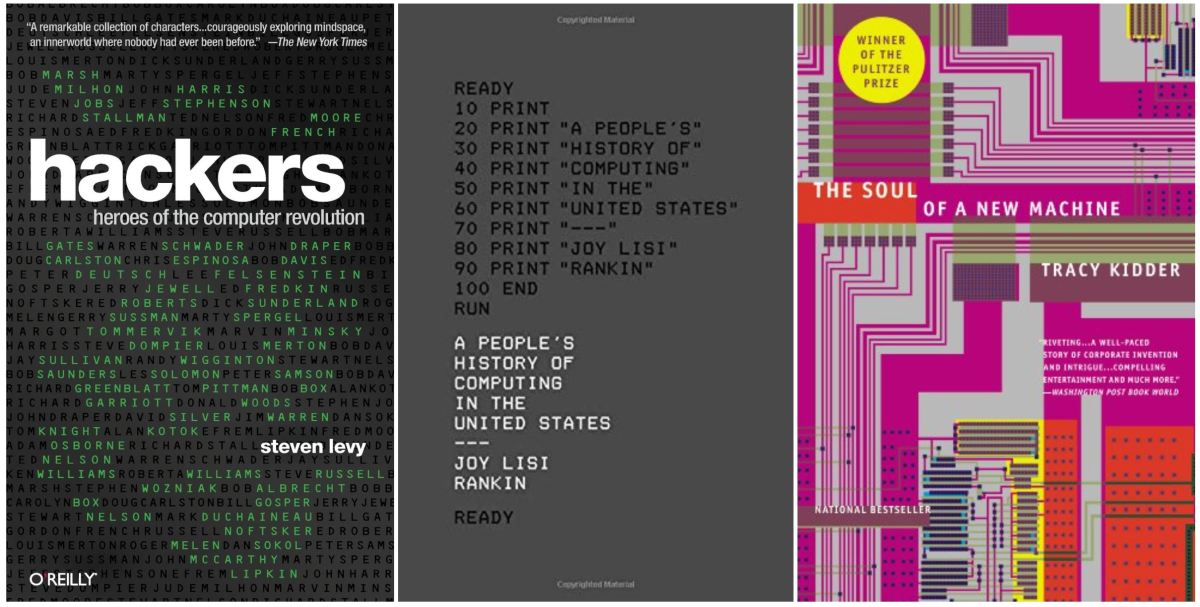
There are two meanings we can apply when we see the word mundane. One implies the boringness of everyday things and events. But there is another way to approach the word, to think of the mundane as the real world, the solid beauty of ordinary reality. Margaret Renkl writes about mundane subjects – children, parents, grandparents, animals, birds, dogs, butterflies, gardening, being born and dying – yet she elevates them into deeply felt poignant insights that impress you with her economy with words.

Renkl is a columnist for The New York Times. You can sample her writing here. If you want to quick rundown about her and her book, read this piece in the Alabama Newscenter or the one at The Rumpus.

Late Migrations is a collection of 112 of her pieces.

All of her essays are short, and it’s hard to say what’s typical. But here is one of three I found at the Oxford American that tickled me when I read it in Late Migrations. It is completely atypical, yet riffs on her favorite themes.

THE IMPERFECT-FAMILY BEATITUDES
BIRMINGHAM, 1972

Blessed is the weary mother who rises before daybreak for no project or prayer book, for no reason but the solace of a sleeping house and a tepid cup of instant coffee and a fat dog curled on her lap. Hers is the fleeting kingdom of heaven.

Blessed is the suburban father whose camping gear includes two hundred yards of orange extension cord and a box fan, a pancake griddle, a weather radio, a miniature grainy-screened TV with full-sized rabbit ears, and another box fan. He shall keep peace in the menopausal marriage.

Blessed is the farm-born mother, gripped by a longing for homegrown tomatoes, who nails old roller skates to the bottom of a wooden pallet, installs barrels of soil and seeds on top, and twice a day tows it through the grass to the bright spots, following slivers of sun across the shady yard. She shall taste God.

Blessed is the fatherless father who surrenders his Saturdays to papier-mâché models of the Saturn V rocket or sugar-cube igloos or Popsicle-stick replicas of Fort Ticonderoga, and always to scale. In comforting he shall be comforted.

Blessed is the mother whose laugh is a carillon, a choir, an intoxication filling every room in the house and every dollar-movie theater and every school-play performance, even when no one else gets the joke. She will be called a child of God.

Blessed is the winking father who each day delivers his children to Catholic school with a kiss and the same advice: “Give ’em hell!” He will be summoned to few teacher conferences.

Blessed is the braless mother who arrives at the school pickup line wearing pink plastic curlers and stained house shoes, and who won’t hesitate to get out of the car if she must. She will never be kept waiting.

Blessed are the parents whose final words on leaving—the house, the car, the least consequential phone call—are always “I love you.” They will leave behind children who are lost and still found, broken and, somehow, still whole.

You can follow Renkl on Facebook.

JWH