How Do You Label Your Existence?

by James Wallace Harris, 5/3/22

Now that I’ve been retired for eight years, I realize I can no longer call myself a programmer, which is the way I identified myself during my middle years. Because Susan and I never had children, I’ve never been a parent, and thus can’t be a grandparent in my waning years, which is a label some of my retired friends proudly embrace.

My new identity is a retired person, but that’s not much of an identity and I’m not sure I like using that label, but I do. I spend most of my time reading and writing about science fiction short stories, which gives me a little bit of a purpose. I can’t call myself a scholar, but I do study that subject in depth. It’s just a tiny subject that’s not very relevant but does give my existence a purpose. I’m not sure I can justify my existence by calling myself a science fiction fan.

I guess I could call myself a blogger but don’t know how satisfying a label it would be to use. I’ve always wanted to be a scientist or philosopher but I’ve never come close to actually being either.

I look around and see people defining their existence in various smaller ways. One prominent label that is often in the news is Republican. Some of these people treat being a Republican almost like a religious identification and evidently find great identity with it. They even take great satisfaction in calling themselves a Republican or a Conservative. I’m a liberal but don’t get off on calling myself one. I think that’s one of the big differences between the two parties. Conservatives are a lot more organized, and they seem to get a lot of satisfaction out of being part of their group. I think being young and liberal is more of an identity thing. It was for me.

I observe people finding meaning in their existence in all kinds of ways. I know many people who are ardent travelers. They use the term traveler to define themselves. Many of them act like their purpose on Earth is to travel. They find self-worth by recalling the places they’ve been. I’ve noticed there are a lot of travelers with YouTube channels. I wonder if they feel like prophets of traveling?

I’m on the fringe of many subcultures. Take audiophiles for example. They find meaning in their never-ending question to achieve higher fidelity playback, I’m too cheap to go all the way with that group. I’m not a sports fan, but they are quite common around here, and they seem to find great happiness in identifying with their teams. There seems to be an overlap between sports fans, Christians, and Republicans, in that they all love their group identity and get immense satisfaction when their group wins or converts folks to the team.

I relate to many of my friends through the kinds of entertainment we share. Much of the conversations I have with my friends, deal with discussing shows and movies on television. I’m also a bookworm and find kinship with other bookworms. I’m not a foodie, but I know a lot of people who find dining out an important aspect of existence.

I believe people get more existential meaning from their pursuits when they have a strong label for themselves. The average person might love dining out, but someone who calls themselves a foodie obviously gets more meaning from it than those of us who just enjoy chowing down. And if people call themselves a gourmet, they feel even more important about themselves, like they were philosophers of the tablecloth.

That’s my trouble. I no longer have any good labels to define myself. I guess the best is Bookworm. It’s the one I’ve embraced since childhood. I’ve never been one for nice cars or clothes. I spend my money on books. I don’t travel because I prefer to read.

However, I have to wonder, when I lay dying in my La-Z-Boy, will I look back and feel my existence was well spent with all those books?

JWH

More Fun With Memory Loss

by James Wallace Harris, 5/2/22

Today I went to post my review of “The Long Iapetan Night” by Julie Nováková to my short story club that reads and reviews a short story a day. It was then I discovered the group had already read the story last year, and I had read and reviewed it before.

It was disconcerting that I had completely forgotten I had read this story, and I had even written a review before too. Usually, when I watch movies I’ve seen before, I discover it by getting to a scene that will trigger a memory. That never happened with this story.

Figuring I might have written this essay before I searched my site and found “Fun With Memory Loss,” which is what I originally called this post. So I retitled this essay, “More Fun With Memory Loss.” I did some more checking and discovered I’ve written about memory loss another time too, “Remembering When I Forget.” For those of you who read my blog with good memories, I apologize for repeating myself, but probably expect “Even More Fun With Memory Loss.”

I don’t believe I’m suffering from dementia, but I do think my memory is faltering. I find that fascinating. I’m even amused by these glitches because they reveal a tiny bit about how memory and personality work. For example, in my second review I ended by asking the group:

I enjoyed this story, but the plot seemed like something I've read before, where a second space mission is trying to figure out what happened to the first space mission. However, I can't recall any examples. Can y'all?

When I read my first review I realized this might have been the story, or it may have not. Was the vague sense of the plot all that I remembered, or is that plot used more often? In my first review, the story made me think of the film Alien, which is about a space mission that investigates a lost space mission.

In my first review, I summed the story up this way:

"The Long Iapetan Night," tells us that Earth's global civilization took two body blows in the 21st century, one from a super-volcano, and another from a massive solar flare. This sets up the plot for a second Saturn colonizing mission to wonder what happened to the first. At first, that earlier colony is just an odd mystery, then it becomes a historical tragedy like the lost colony of Roanoke, finally, the story mutates into a horror story in the present that overtakes the second mission too.

This long novelette would make a creepy space movie like ALIEN.

In my second review, I summed it up this way:

Depending on your reading reaction, "The Long Iapetan Night" by Julie Nováková might be considered a horror thriller if you thought it creepy enough, or just a mystery thriller if not. Humans arrive on Iapetus for the second time about a century after the first explorers. The mission to Saturn is split into two crewed modules on Titan and two on Iapetus.

Our point of view character is Lev, on Iapetus, but we're also introduced to another narrator in italic sections of the story. I found this confusing at first, especially since I listened to the story and there was no transition to indicate something was different. I discovered this problem by looking at the Kindle edition. I thought it was Lev's journal at first. Eventually, I realized it was the journal of an explorer from the earlier mission, and a mystery unfolds as the crew of the second mission tries to find out what happened to the first mission. This is where we have to wonder about ghosts, or unseen aliens because the old habitat begins to kill the new arrivals.

To make this story even darker, Nováková has a major volcanic eruption that disrupts the world's weather and then a solar flare that knocks out all satellites in the inner system, so the first mission to Saturn is cut off and abandoned. The second mission is after Earth goes through a long recovery.

I like my first review better because it was succinct and more vivid in summarizing the story. What’s revealing is my two reactions are nearly the same. This makes me wonder about the fixity of our personalities. It’s interesting that I read the story the first time with my eyes and listened to it the second time. I wonder if that’s why I didn’t remember it?

I ended the first review by asking the group this question:

I have one question though. Why would anyone want to live in a world that's -180C (-292F)? Now that I'm getting older and more sensitive to cold, I just can't believe people dream of going to other planets where it's so cold. Mars today is from -11F to -117F today.

In the second review I ended with:

QUESTIONS:

Would any of y'all want to explore the outer moons? It has zero appeal to me, and I can't imagine any sane human wanting to live in such an extreme environment. Is science fiction being disingenuous by suggesting people could and would?

Also, could we build a spacesuit that could handle being immersed in liquid air and still be practical to walk around and use? I know space and vacuum can be extremely hot or cold, but wouldn't it be different if there was a medium like liquid air to absorb the heat?

If I read this story again in ten years will I react the same way? My memory probably won’t remember the story, but will my personality react to it in the same way?

Is personality a kind of memory?

JWH

Paying Closer Attention to The Beatles

by James Wallace Harris, 8/6/22

Yesterday morning while riding my stationary bike I watched a video about The Beatles. Eric Callero of Vinyl Rewind covered his least favorite Beatle song from each album. I think it’s fascinating that young people are into The Beatles and their albums that came out over fifty years ago. Can you imagine Baby Boomers excited about bands from the 1910s or 1920s when we were young.

I started listening to The Beatles in 1964 and bought all their records as they came out in the 1960s. My nostalgia finds it confusing because The Beatles albums on sale today were not the same ones we bought back in the 1960s. I bought all The Beatles standard albums again in the late 1980s when they came out on CD, and then bought them again this century when they came out on remastered CD.

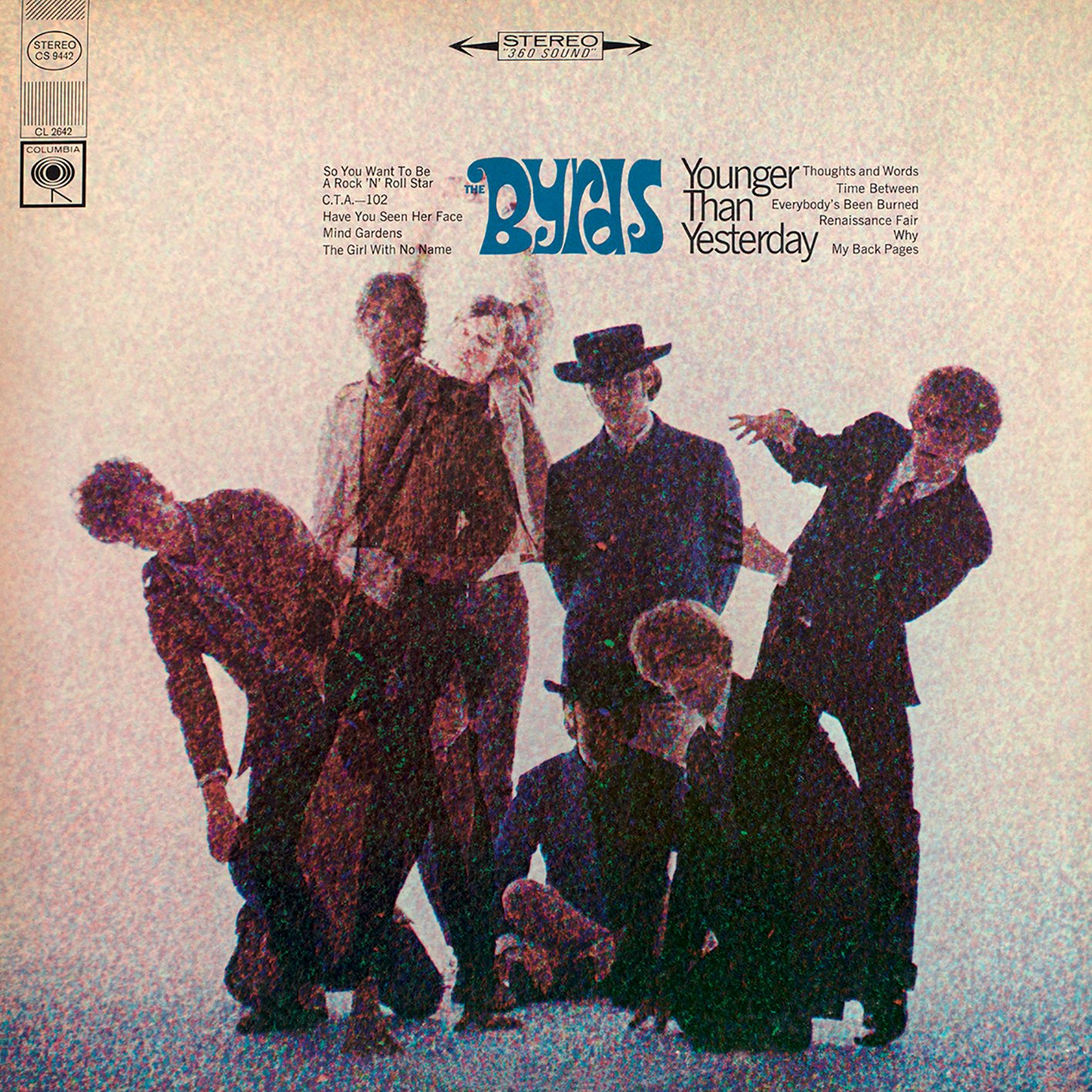
The Beatles were tremendously exciting back in the 1960s but they weren’t my favorite band back then. That was The Byrds. I did play each Beatle album quite a bit as they were released, but I forgot about them in a few weeks. Then over the decades whenever Susan and I watched a documentary about the Fab Four I’d get the albums out again. When the remastered CDs came out several years ago I bought them but only listened to each album one or two times.

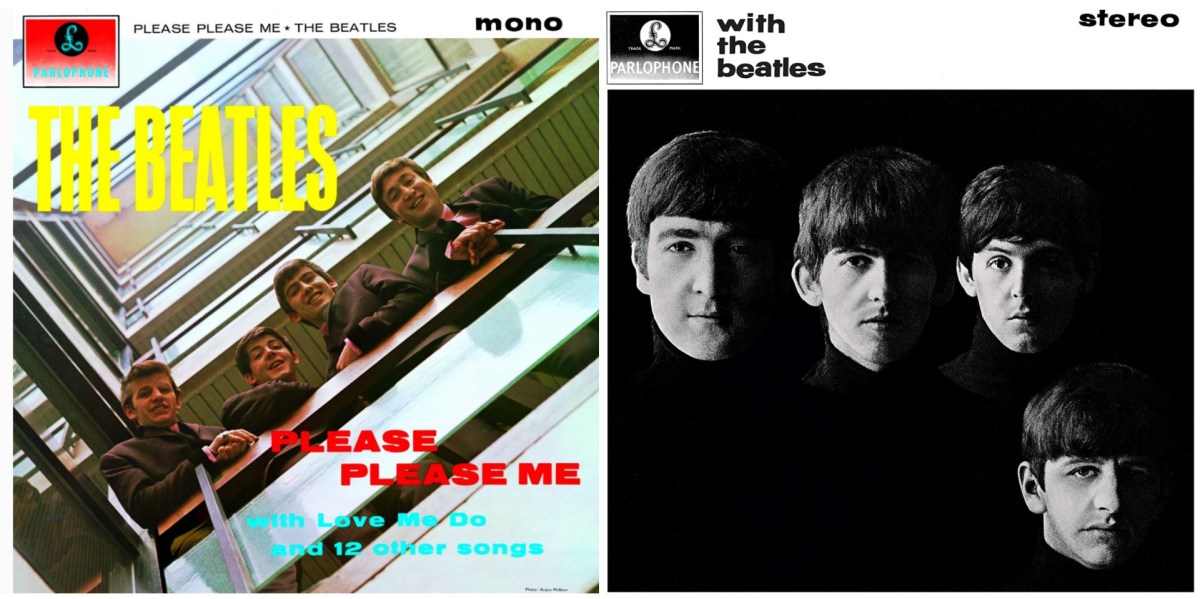
Yesterday, inspired by the Vinyl Rewind video I listened to Please Please Me and With the Beatles. Unlike Eric Callero I couldn’t pick my least favorite song from each album. I was surprised by how good all the songs sounded. I also notice something. I couldn’t distinguish between John and Paul’s voices. Sometimes I thought I could but I was never sure. I did spot the two songs sung by Ringo, but I didn’t even notice that George was the main singer of five of the songs.

This made me realize that I’ve never paid close attention to The Beatles’ songs. Susan and I love watching documentaries about The Beatles, and we’ve read a few biographies on them. Susan can sing their songs, but we’re not Beatlemaniacs.

While watching the Vinyl Rewind video I envied Eric Callero for being able to cite so many details from each song. I’ve always listened to music as a kind of drug. Music stimulates my brain, setting off emotions. I take in each song as a gestalt. To be honest, I hardly even pay attention to the lyrics.

I got out a book we had on The Beatles, tell me why by Tim Riley, that lists the main singer for each song and started trying to train my ear to discern whether John, Paul, George, or Ringo was singing. This website also gives that information.

I’m going to keep playing these albums after lunch and see just how much I can get out of each song. I remember noticing in the past I didn’t know who was singing. And I also remember noticing in the past that the songs are recorded weirdly, with what appears to be the bass, drums, and George’s guitars on the left, and the singing and John’s guitar, and sometimes other instruments, on the right. I also knew that some songs were covers, but never really paid that much attention to which were originals and which were covers.

The desire to notice more in songs comes from several motivations. For being such a major music addict I feel bad about not knowing more about the music I love. But I also feel bad that I don’t pay more attention to the details of life. I’m curious if I can become more discerning. I’m also curious if I can change myself so late in life.

At seventy, I feel my mind is slowly decaying. I know my body is, so it’s natural to assume my brain is too. I eat better and exercise to squeeze more out of my body. I wonder if paying attention to details will it help sharpen my dull mind?

JWH

Does Retirement Cause ADHD?

by James Wallace Harris, 3/11/22

I’ve been retired for eight-and-a-half years and I feel it’s been one long slow physical and mental decline. Of course, that feeling of decline could just be natural aging. I can understand why my body is wearing out, I mean, what machine runs for 70 years without breaking down? But comprehending my mental decline is a little harder to visualize. I know the brain is also a physical mechanism but it doesn’t feel like one.

What if that decline isn’t entirely due to aging?

I know is I’m having a harder time focusing. This morning, I asked myself, what if that lack of focus isn’t due to aging? It occurred to me that maybe having all my time free is destroying my focus, and making me mentally lazy.

Let me use a rather icky analogy. I have an overactive bladder. Tests show my bladder has shrunk. One theory put forth by my doctor is I developed the habit of going to the bathroom as soon as I felt the need. That conditioned my bladder, and it shrank.

What if being able to do anything I wanted. when I wanted, has shrunk my attention span? My days are spent flitting from one fun diversion to another, but never sticking with any task for very long. After eight years, I now have the time-on-target of a butterfly.

For example, I have a very hard time sticking with TV shows and movies. I switched to watching YouTube videos a couple years ago because they were shorter. However, they’re starting to feel too long. I watch a few minutes of one, then click to another. Similarly, I’ve switched from novel-reading to short story reading.

My days are filled with a routine of chasing one interest after another. I do the same kind of flitting on my phone, spending many total hours during the day compulsively checking Facebook, email, Flipboard, Apple News+, Spotify, Audible, Scribd, Feedly, Wordle, Quordle, Octordle, Twitter, NY Times, NY Times Crossword, Google, Wikipedia, etc. That might be another culprit to consider.

Every night I try to watch TV after dinner. I used to watch the news faithfully, now I skip through the 30-minute recording in a few minutes. I used to watch Jeopardy faithfully, now I skip days, and if the topics aren’t appealing, I hit the old back button to return to the menu to find something else. I record countless movies on TCM I want to watch, but each evening I go through my recordings trying four, five, six movies, often just watching them for a few minutes each.

Every so often I find a movie or TV show I’ll stick to. I used to love binge-watching shows but seldom do that anymore. I end up clicking on YouTube and watching short videos. Especially ones that last under 5-10 minutes. When I tire of TV I switch to reading or listening to music or doing puzzles or blogging. I can always find something I enjoy doing, it’s just that I don’t stick with anything long.

I would say I was bored or depressed, but I don’t feel bored. I actually enjoy this constant grazing of different activities. I now check YouTube three times a day for new videos. I’ll read for a little bit, then listen to music for a while, then write on a blog, enter data for CSFquery, play with the cats, take a nap, eat a snack, visit a friend, go to the bookstore. There’s always something else to do.

When I worked I had to focus on my job from 8:30 – 5:00 each day. I wonder if that discipline gave me the ability to focus in general? During my work years, I could watch a 3-hour movie without getting the least bit restless. Or write for several hours until I was worn out and starving.

Has aging ruined my attention span or lack of discipline?

I’ve thought of a way to test this hypothesis? Start sticking to one project again and build up discipline. Then see if that beefed-up ability to focus crosses over and improves my attention span in other areas. It’s sort of like my bladder. I’m retraining it by waiting longer before I go pee.

I have no desire to go back to work but maybe I can find one task I can work at until I can stick with it for three or fours hours straight. I’m going to work at this, but I just remembered something. Before I retired my ability to focus at work was waning. Maybe it is old age. Some people train with weights. I need to train with focusing. Then I’ll know.

JWH

What Was the Last Album You Obsessed Over?

by James Wallace Harris, 2/27/22

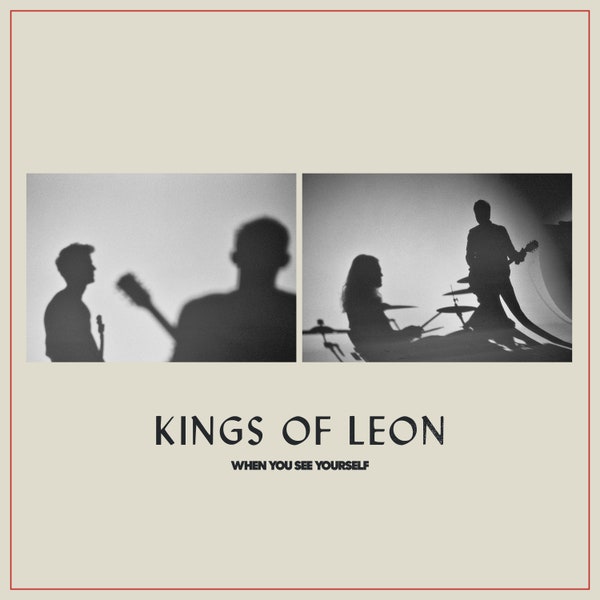
I’m not really concerned with which album you recall, but when. I’ve been playing When You See Yourself by the Kings of Leon over and over for weeks. What’s significant to me is it came out in 2021. When was the last time you bought a new album? I mean one that had been recorded recently?

I still buy the occasional new album on release day, like Adele 35, but it’s getting to be an extremely rare event. But even rarer is finding a new album I go bonkers over. I loved the new Adele album, but I haven’t played it obsessively like I have When You See Yourself.

Over my lifetime I’ve bought several thousand albums, but the ones I love the best are the ones I play constantly for weeks. Albums I repeat like those rats who continuously push the button connected to the reward center of their brain. Out of all those albums, probably less than 100, or even less than 50, and maybe even less than 25, were the kind I’d play over and over for weeks. I can’t really name the figure because my memory is so unreliable, but if it was only one a year, it would be around 50-60. But the albums that wowed me mostly came out in the 1960s and 1970s, and then they slowed to a trickle. That means it might only be 25.

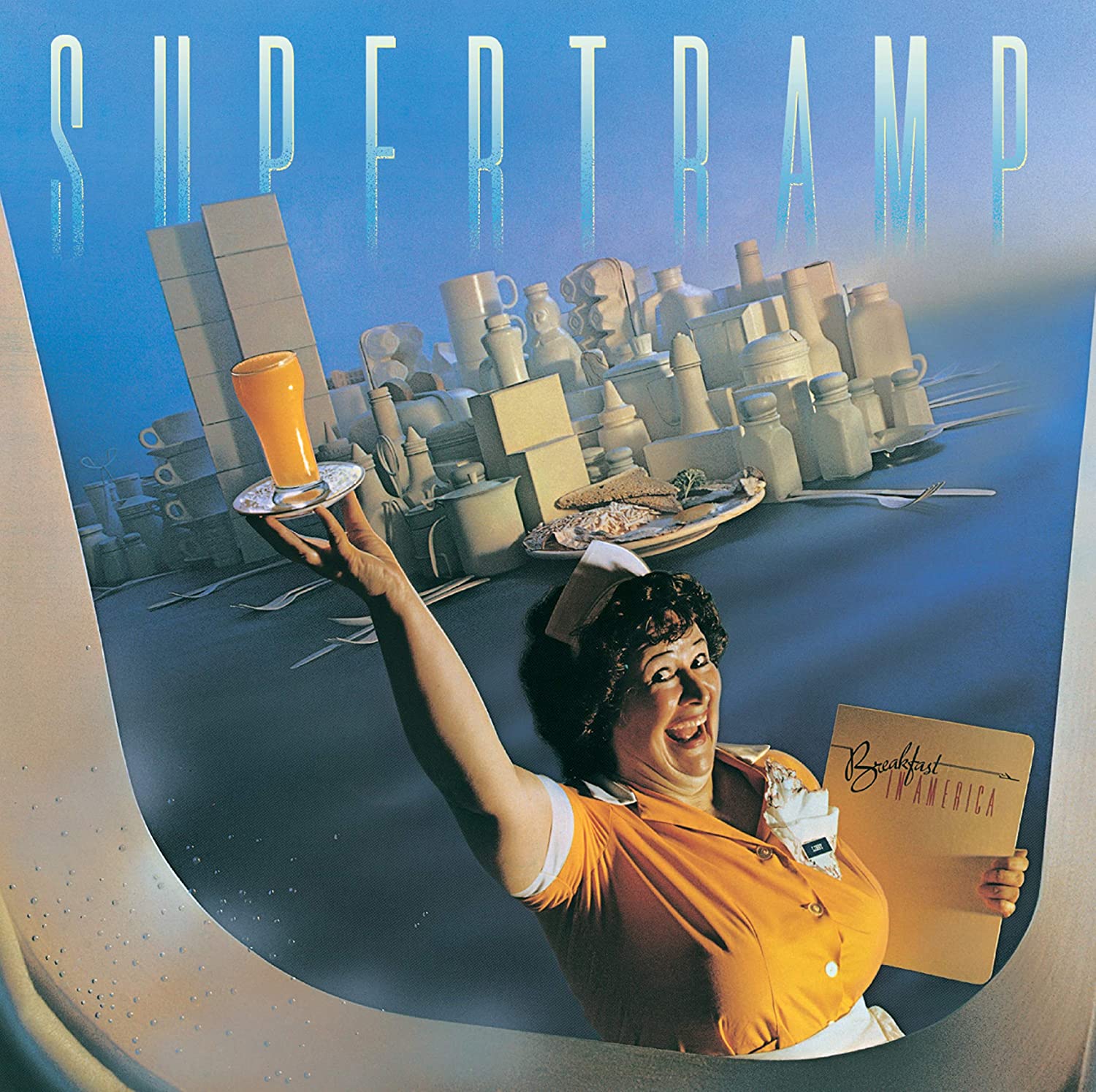
One reason I was inspired to write this blog was seeing a post on Facebook about Breakfast in America by Supertramp. That was another album I couldn’t stop playing for weeks. But that was back in 1979 and again in the 1990s when I got the CD, and again for weeks in the 2010s when I remembered it.

I think most of my friends, and I’m talking Baby Boomers here, when they think of a great album, think of albums from the 1960s and 1970s. My wife Susan, is like me, she’ll still want a new album, but much less often than me, and it usually involves The Foo Fights or Jackson Browne.

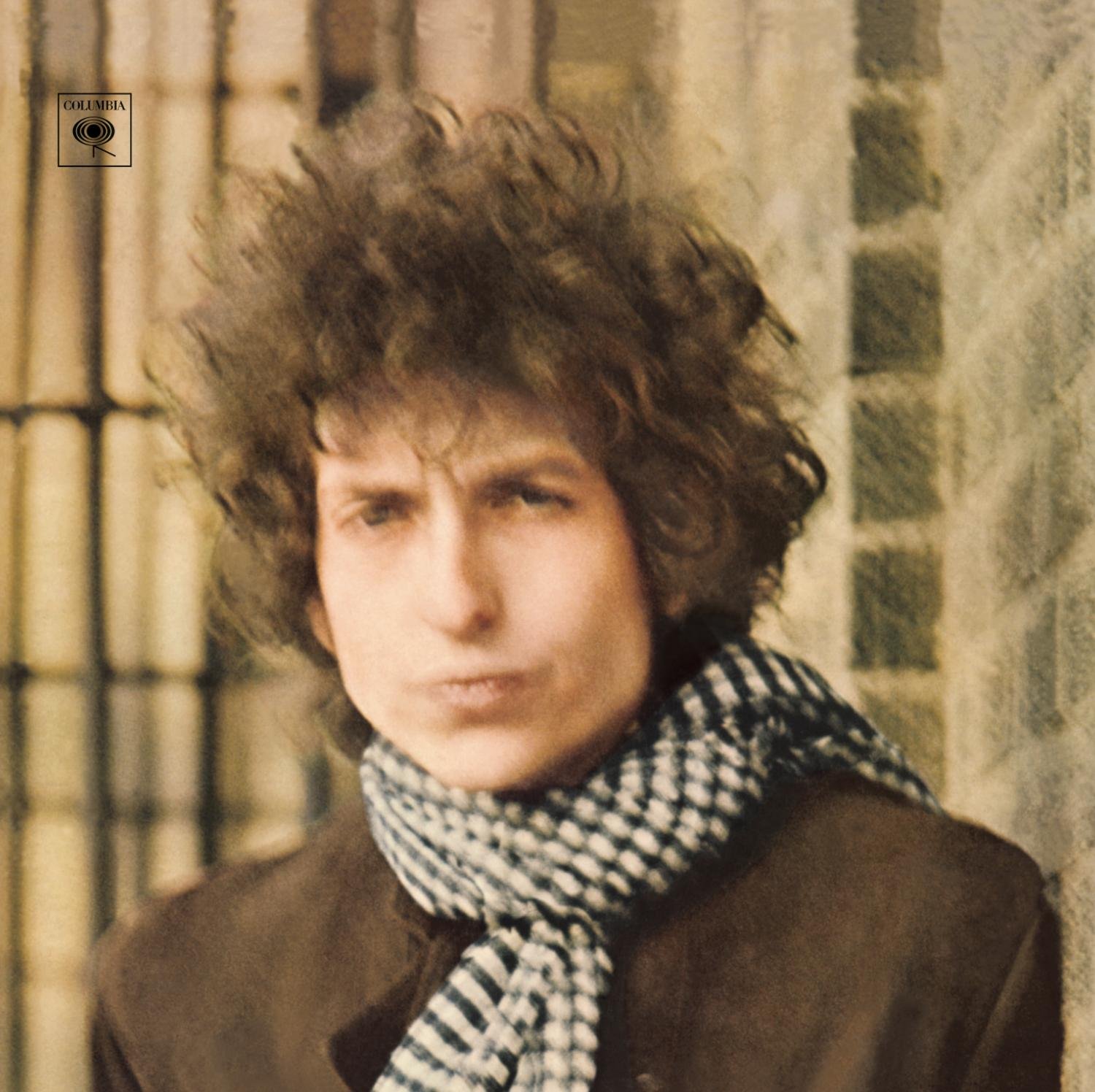
I believe the album I’ve played the most times over the course of my life is Blonde on Blonde by Bob Dylan. Every few years I come back to it and wear it out again. I’ve bought it on LP, CD, and SACD.

Why do most people stop buying new music after a certain period in their lives? Why do most people seem to only play music from when they were growing up? And is the reason I love When You See Yourself is because it sounds like something that could have been created in 1975?

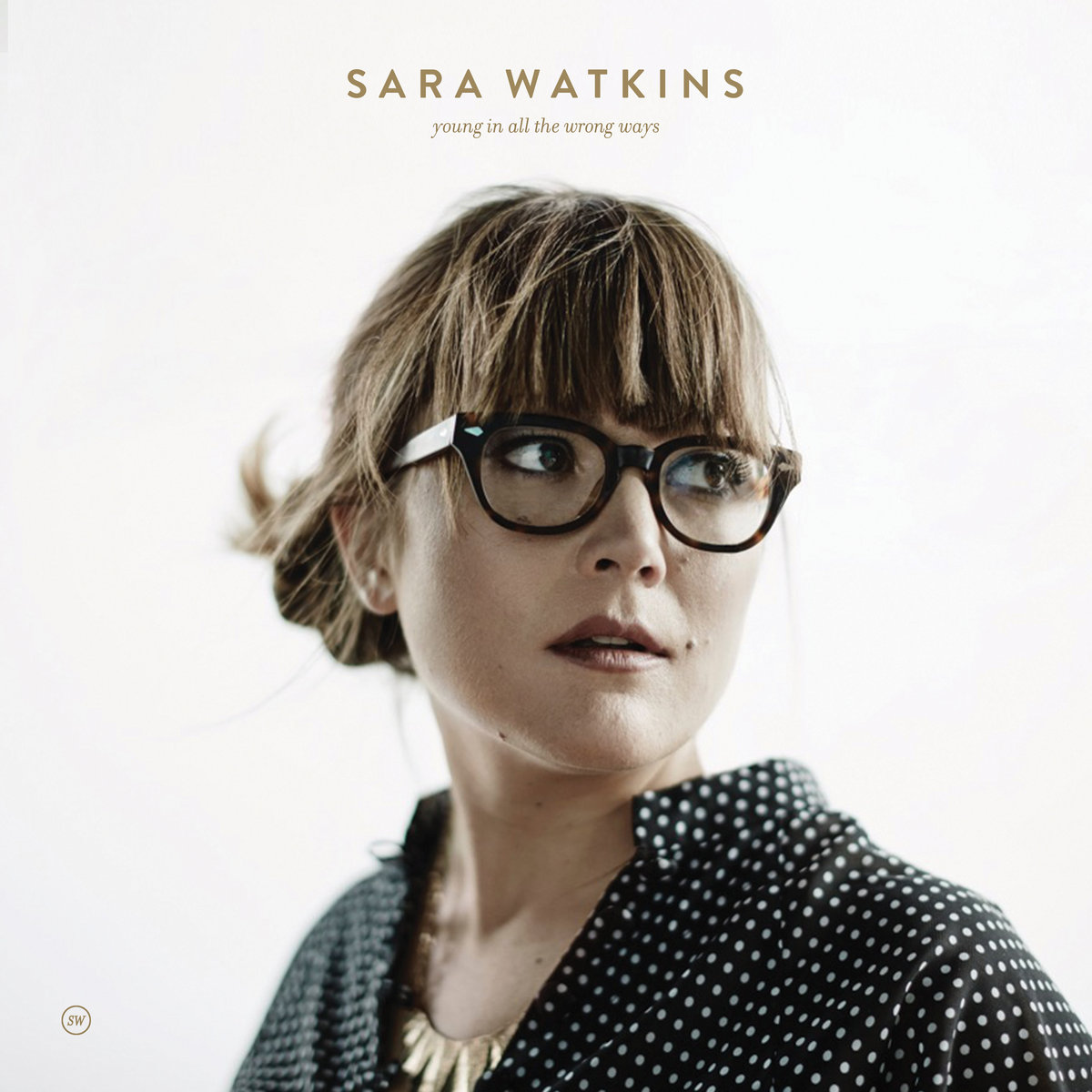
My previous obsessively played album was Young in All the Wrong Ways by Sara Watkins (2016). Before that, the album I couldn’t stop playing was The Way Sounds Leaves the Room by Sarah Jaffe (2011).

It might take a long while and some digging through albums to find the one before that. I know during the 2010s I returned to playing Blonde on Blonde by Bob Dylan from 1966 over and over again.

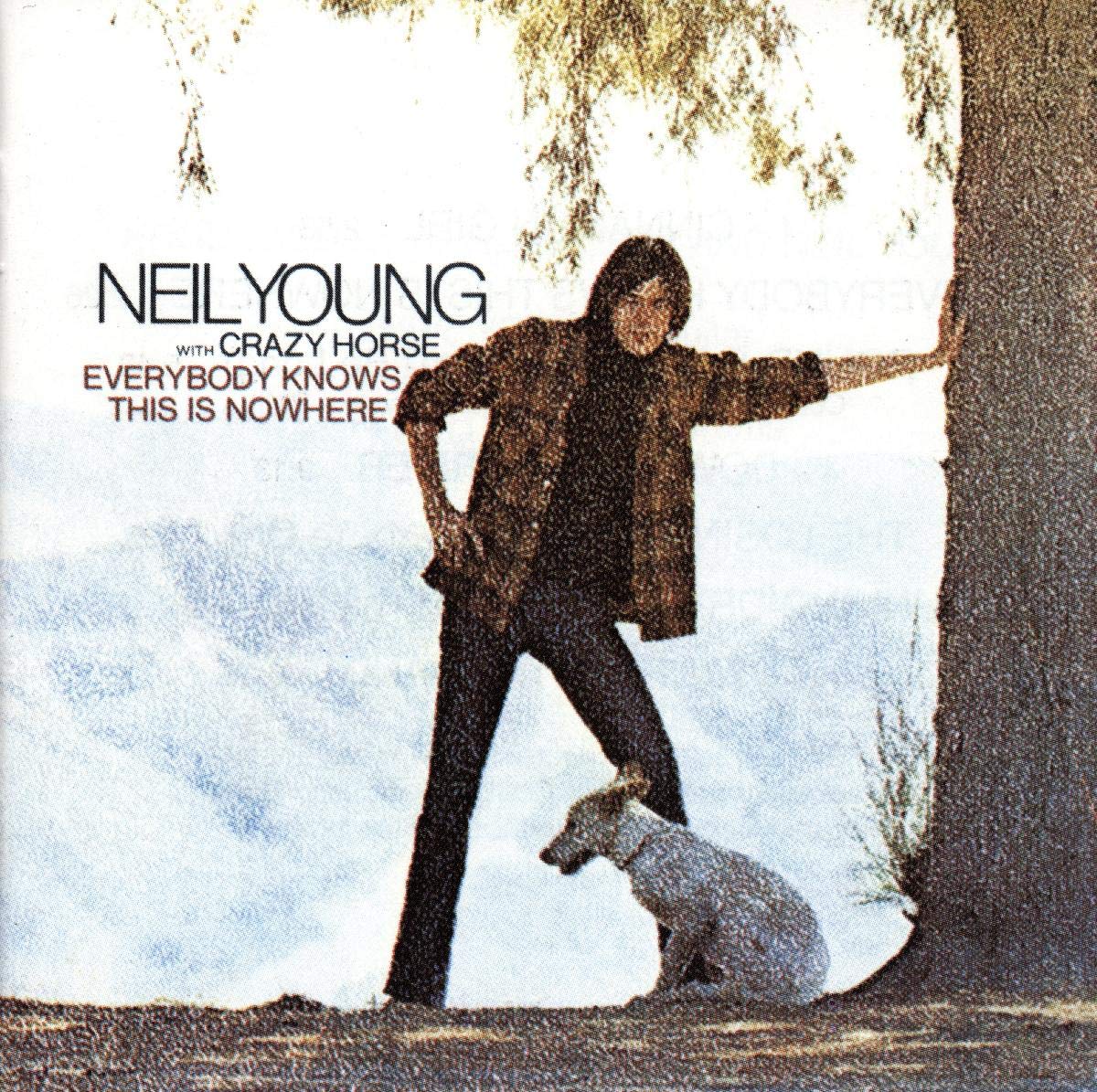
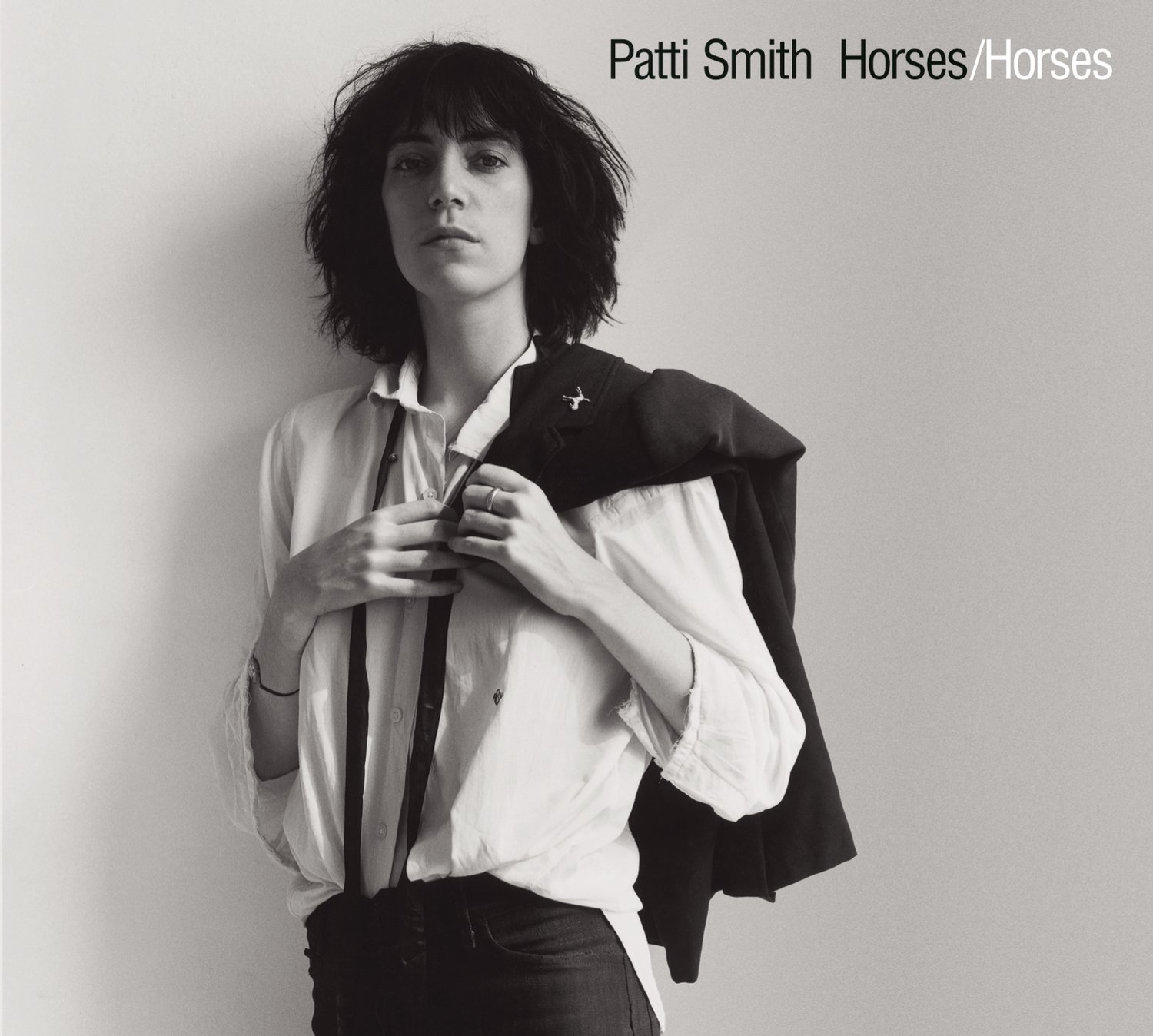
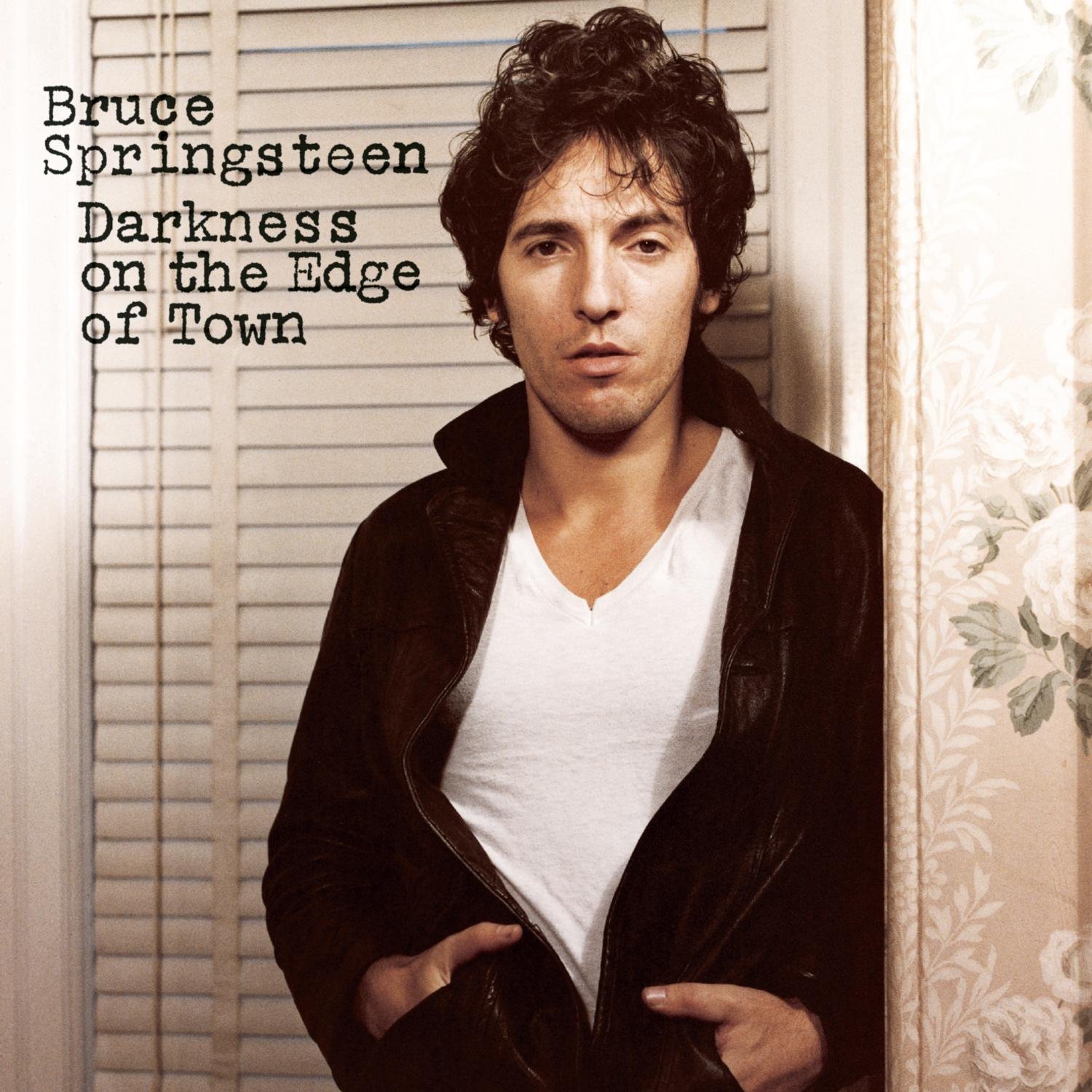
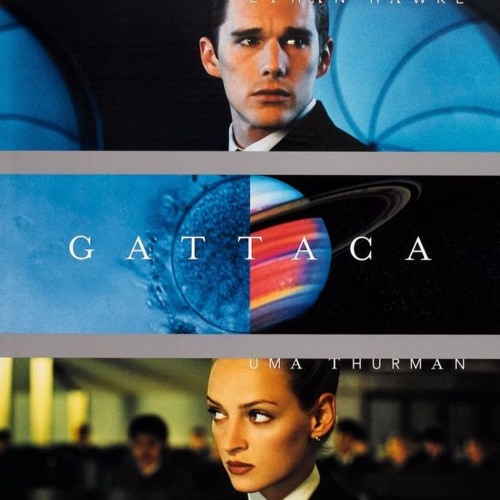
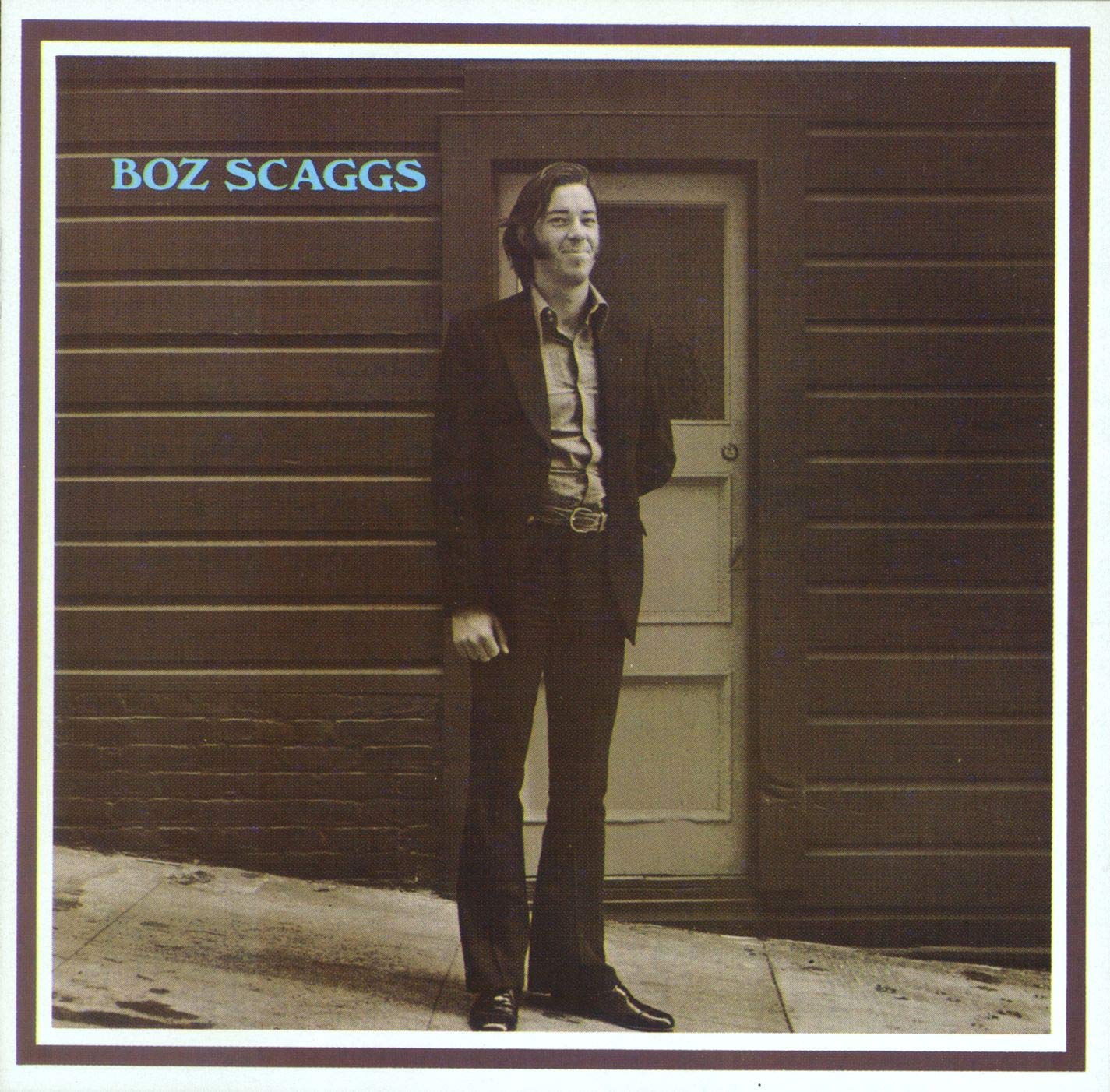
Certain albums from the past do pop up in my memory but these are hardly all of them. I thought I’d just remember a handful of them in pictures.

That’s enough. What were you favorites?

JWH