How Academy Award Winning Films From 1927-1950 Are Remembered Today

As the years roll by, and older generations pass on, what they created and loved, disappears too.  Below are the films that won the Academy Award for Best Picture before I was born.  Unless you are a movie buff, or love to watch Turner Classic Movies, it’s not likely you’ve seen many of these films.  Some have become so legendary that even some young people have watched them, but many are being forgotten.

I thought I’d check various kinds of lists and remembrances to see how these old movies are being retained in our public mind. 

First, I’m going to check The National Film Registry to see if they’ve been recognized there.  Of the 23 films below, 14 are on the NFR, and three (Gone With the Wind, Casablanca, The Best Years of Our Lives) were in the first year’s selection.  The NFR began in 1989, so films closest to that date are among the most popular in people’s memories.  The NFR selects up to 25 additional films each year, so given enough time probably all of these films will be added to the registry, but maybe not.  Films selected from 1989-1993 are essentially the Top 100.  1994-1998 brings in roughly films 100-200.

Entertainment Weekly recently published what they remember as the Top 100 films of all time.  Their number one film of all time is Citizen Kane from 1941 which didn’t even win the Academy Award that year – it lost to How Green Was My Valley.  The editors at EW do honor films all the way back to the silent movie era, so it’s a good list to work from when you’re disappointed that you can’t find a movie to watch.  Comparing the EW list and the Academy Awards from 1927-1950 shows the limitation of the Oscars of actually picking the best film of the year.

EW also picked 23 films from this same time period, but the two lists of 23 only have five films that overlap, It Happened One Night, Gone With the Wind, Casablanca, Best Years of Our Lives and All About Eve.

The American Film Institute (AFI) has their 10th Anniversary edition of 100 Years … 100 Movies.  Strangely, or not so strangely, AFI only picked five of these 23 films too, and the same five as EW.  AFI picked 25 movies from 1927-1950.

Over at American Movie Classics (AMC) they have a public poll with their Top 100 films.  Such a poll reflects the collective memory of people on the street, rather than the film buff editors of the other two lists.  This list can change, so I’m using the results of 1/3/14.  Besides reinforcing the recommendations of the EW and AFI picks, the AMC actually picks two movies that haven’t been picked before, All Quiet on the Western Front and Rebecca.  This leads me to believe that the voters in the AMC poll are quite savvy about old movies.  48 of their 100 movies were from 1927-1950.  AMC viewers love their old movies.

Another site  is Rotten Tomatoes (RT) and their Top 100 Movies of All Time.  RT has a completely different way of remember movies, by counting movie review ratings.  All these films received 100% positive ratings, and were reviewed by 31-162 reviewers.  This list gives Rebecca it’s second listing, and All About Eve it’s fifth.  21 of RT’s 100 films were from 1927-1950. 

So far this consistently shows this time period is remembered, but RT like EW and AFI seem to consistently pick other films.  This shows the Academy isn’t very good at picking the films that will be remembered best.

Looking at IMDB’s Top 100 films from the Top 250 list finalized for 2013, we see another public voting system, with another list where Citizen Kane comes in at #1.  But their #2 is Tokyo Story (1953) a film I don’t even remember ever hearing about.  This is a much more diverse list than the others, and that might be because IMDB is world famous.  Like the other lists it endorsed Gone With the Wind and Casablanca, but IMDB’s fans also agreed with AMC’s fans to pick All Quiet on the Western Front. That’s extra interesting because I just watched a Blu-ray copy the other night that I got from Classic Flicks.  IMDB picked 27 out of 100 films from the 1927-1950 period.  Staying consistent here.  I wish I could do some major data mining to actual measure how soon the general population forgets pop culture artifacts from the past.

There are plenty of sites on the Internet like Life Hack, where they list 30 Best Movies of All Time, and not only do they not pick any of these 23 movies, they don’t even get close to picking any movie from that time period.  Their oldest movie is 1974 – Young Frankenstein

There are zillions of people making movie lists.  But at Lists of Bests, I found Movie Definitive Lists.  I wish I was some kind of master hacker where I could write a program to collect these 4,679 lists, but them into a database and create a single list which lists which movies had been on the most lists.  Well, a project for when I get an infinite amount of free time.  Unfortunately, many of these lists do not pick just 100 movies, and rank them in order, which is what I need to compare consistently with my other lists.

It’s sad to see many of these films aren’t remembered at all, and it’s pretty obvious which ones are widely remembered.  One of my all time favorite movies, Grand Hotel is one of the forgotten films.  The three most remembered Academy Award Best Picture movies from this time period, 1927-1950 are Gone With the Wind, Casablanca and All About Eve. If you read the other lists via the links, you’ll see many movies from this time period remembered better.  For instance, I think fans prefer The Maltese Falcon as their favorite Bogie movie.  And who could forget The Wizard of Oz, It’s A Wonderful Life, Mr. Smith Goes to Washington, Double Indemnity, The Philadelphia Story, Sullivan’s Travels, Duck Soup, Top Hat, The Adventures of Robin Hood,  Trouble in Paradise, 42nd Street, The Lady Eve, The Grapes of Wrath, Stagecoach, and so many, many other movies that the other lists do remember.

1927/28
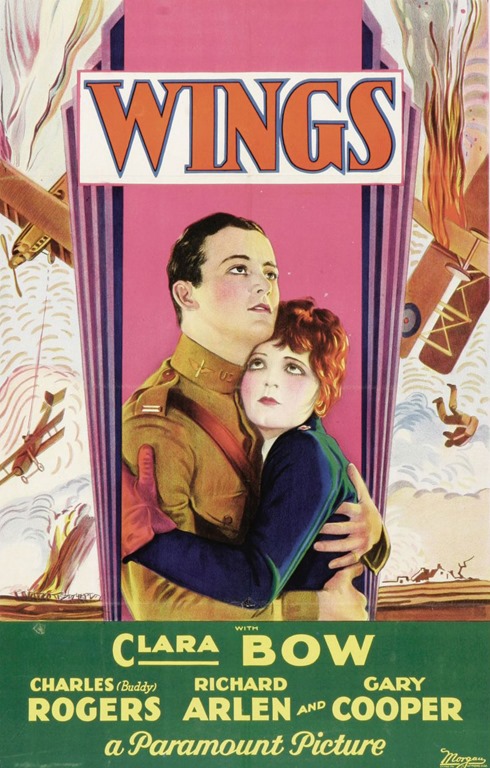
1927-Wings
  • NFR-1997
1928/29
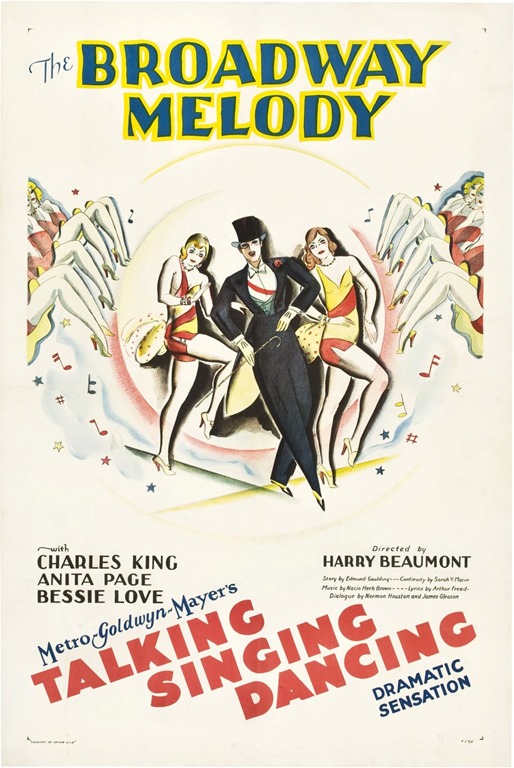
1928-broadway_melody
1929/30
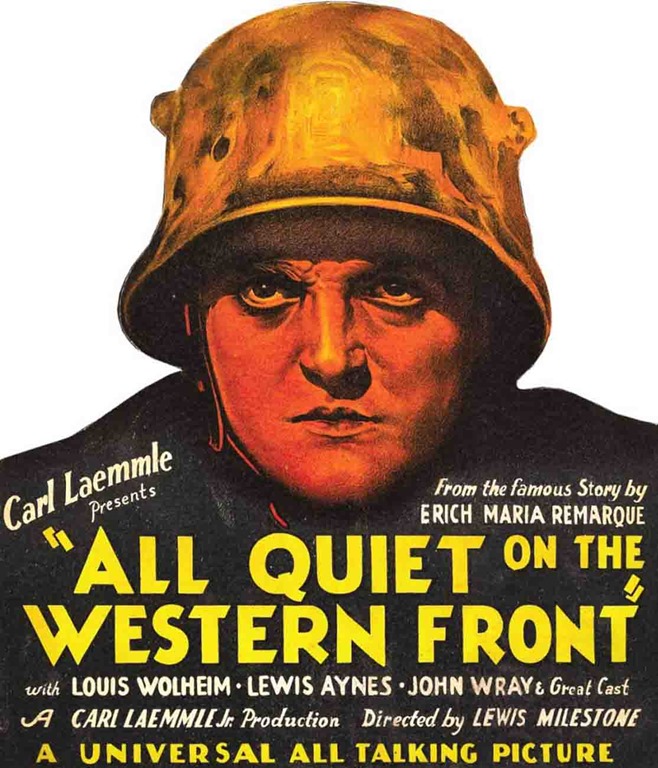
1929-allquiet
  • NFR-1990
  • AMC-#58
  • IMDB-#73
1930/31
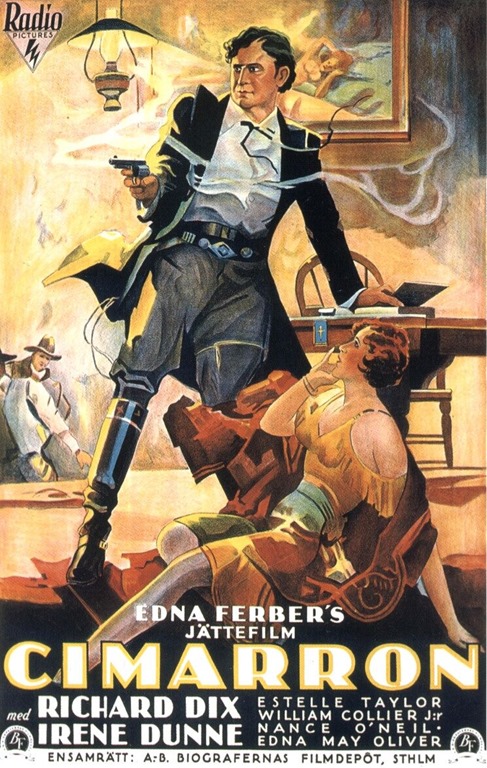
1930-cimarron_xlg
1931/32
1931-grand_hotel
  • NFR-2007
1932/33
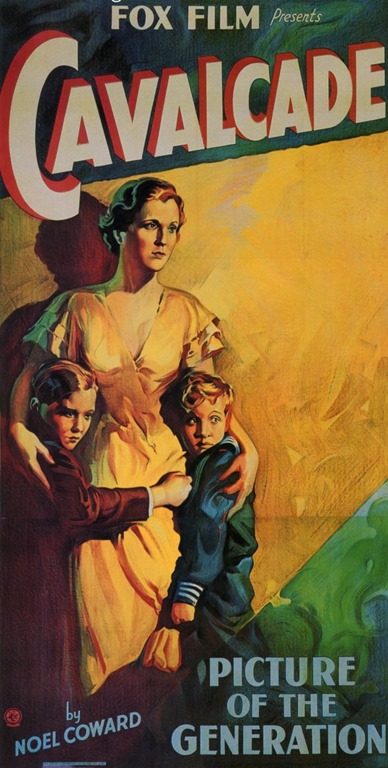
1932-cavalcade
1934
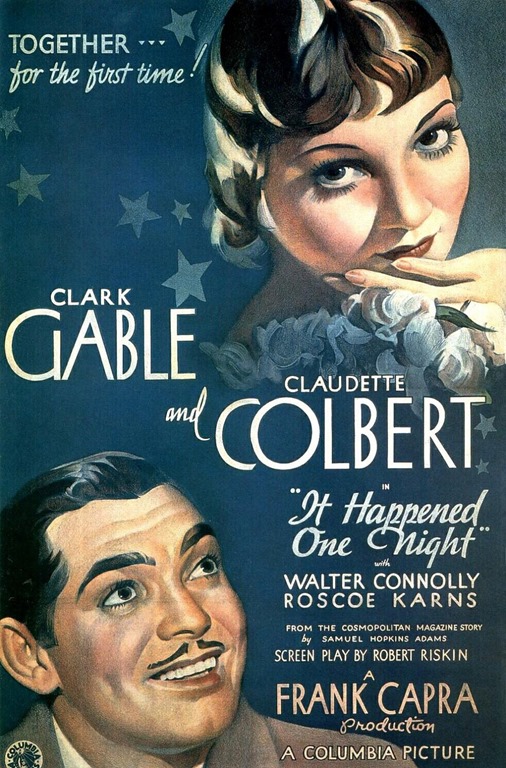
1934-It Happened One Night
  • NFR-1993
  • EW-#48
  • AFI-#46
  • AMC-#54
1935
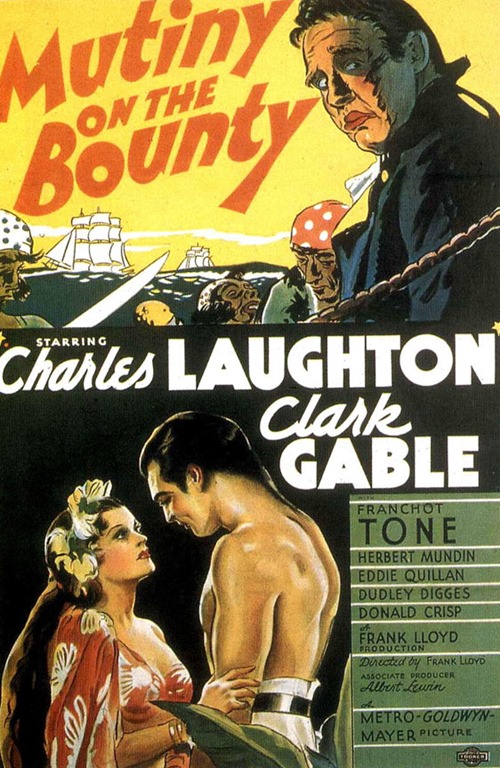
1935-mutiny_of_the_bounty
1936
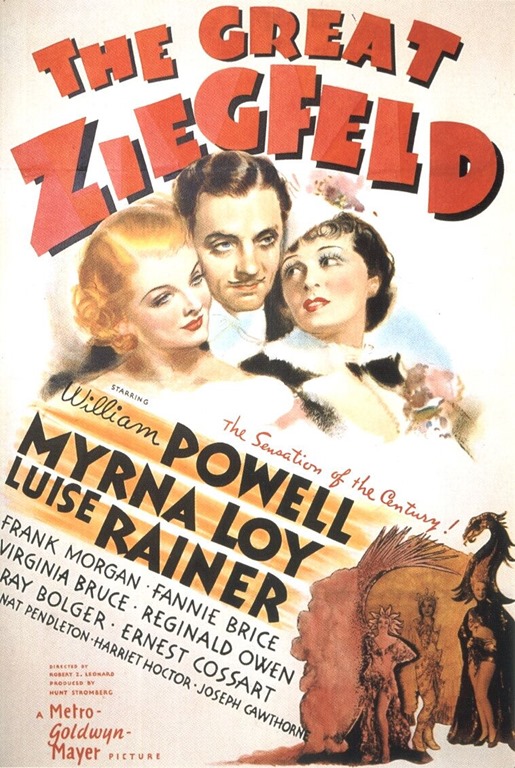
1936-great_ziegfeld
1937
1937-the-life-of-emile-zola
  • NFR-2000
1938
1938-you-cant-take-it-with-you
1939
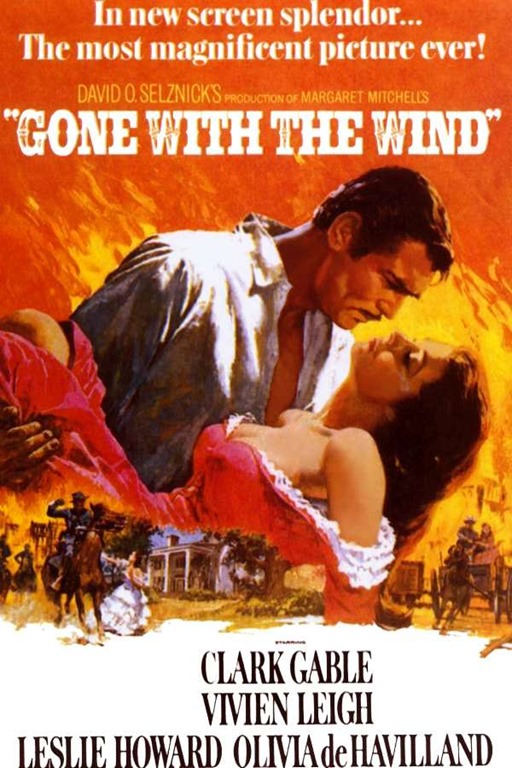
1939-Gone_With_The_Wind
  • NFR-1989
  • EW-#10
  • AFI-#6
  • AMC-#8
  • IMDB-#72
1940
1940-Rebecca
  • AMC-#19
  • RT-#44
1941
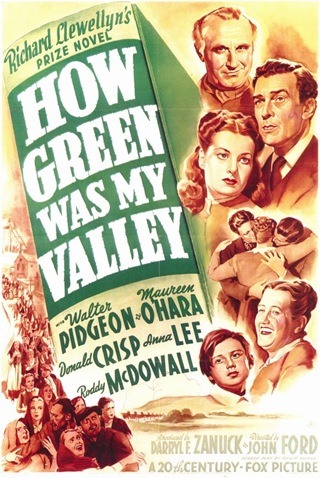
1941-how-green-was-my-valley
  • NFR-1990
1942
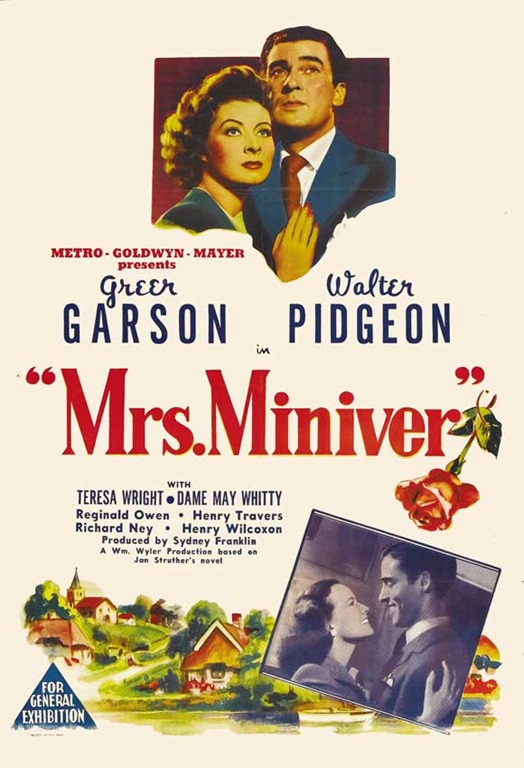
1942-Mrs-Miniver
  • NFR-2009
1943
1943-Casablanca
  • NFR-1989
  • EW-#3
  • AFI-#3
  • AMC-#8
  • IMDB-#19
1944
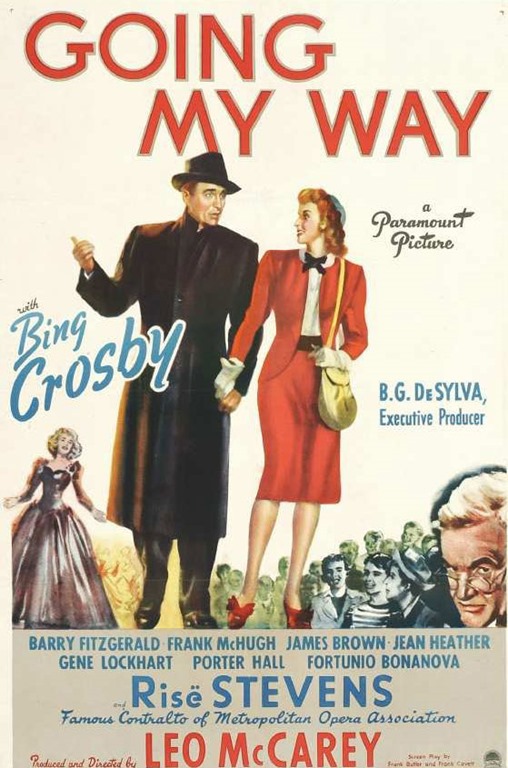
1944-going-my-way
  • NFR-2004
1945
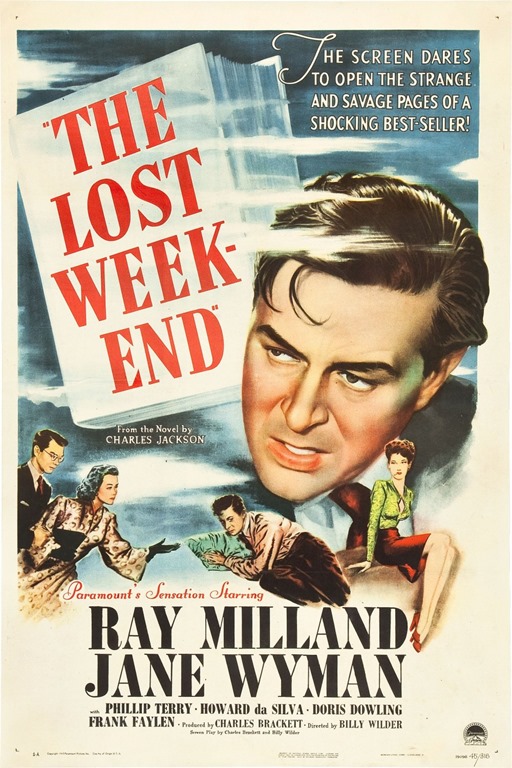
1945-lost_weekend
  • NFR-2011
1946
1945-the-best-years-of-our-lives
  • NFR-1989
  • EW-#64
  • AFI-#37
  • AMC-#57
1947
1947-gentlemans-agreement
1948
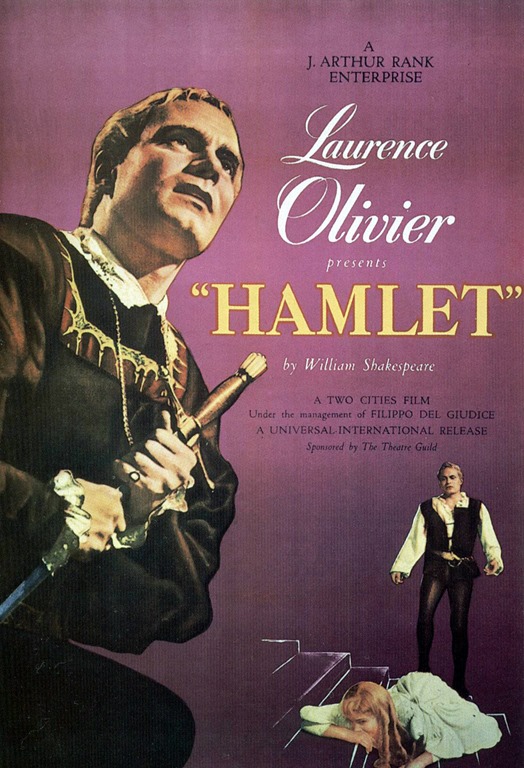
1948-hamlet
1949
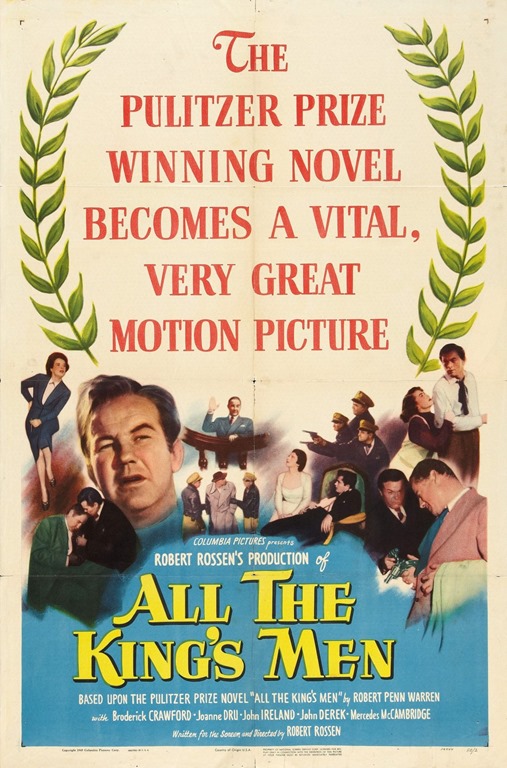
1949-all-the-kings-men
  • NFR-2001
1950
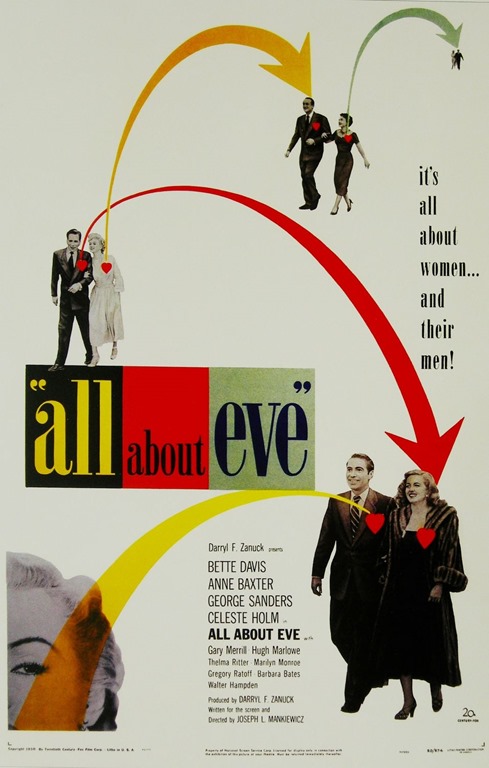
1950-all-about-eve
  • NFR-1990
  • EW-#86
  • AFI-#28
  • AMC-#30
  • RT-#22

JWH – 1/3/14

The Speed of Knowledge versus Copyright

No one yet knows the real impact of the Internet on human society.  If it wasn’t for copyright laws, the Internet could be the ultimate library. A dazzling library that it would surpass all existing world libraries and all libraries in history.  Even now, most people get more information from the Internet than they ever gotten from a library, or for that matter, from books, magazines, journals and newspapers.  Yet, the Internet is severely hobbled by copyright.

Writers need to make a living, and publishers need to make a profit, so it’s understandable that copyrights should protect intellectual property.  I don’t resent the need for writers and publishers to make money.  I do resent that making money impedes the flow of knowledge.  It’s a shame that the current distribution systems are so inefficient at spreading commercial knowledge.

the-new-yorker-january-6-2014-1

Take for instance the article I just read in The New Yorker, “The Gene Factory” by Michael Spector.  If you follow the link you’ll reach a teaser section of the article and information about how to subscribe.  This does not let you quickly read the article, which means you probably won’t.  If you’re already a subscriber and have set up your digital access, or can just grab your latest copy of the magazine, then reading is a little faster, but not quite as convenient as following a link.  Please make the effort, the article is worth it.

Many journals and magazines do offer to let readers buy an immediate reprint, usually for several dollars.  This is step in the right direction, but their pricing structure usually causes web users to skip the article.  Now I would prefer that the content of all magazines, journals and newspaper be free, but I’m no old hippie, and can understand the need to charge.  What I suggest is to make selling articles easier and price them at impulse buying fees.  What we need is a good micropayment system so publishers can charge 10-99 cents an article.

“The Gene Factory” by Michael Spector is an article that most people should read, but especially people worried about America’s future and science fiction writers.  If you’ve ever seen the movie Gattica then you’ll know what this article is about.  Then again, if you’ve ever been fascinated by the decline of the British Empire and wondered when and how the American Empire would start declining, then again, this article is for you.

gattaca

“The Gene Factory” is specifically about  Beijing Genomics Institute (BGI), but also about the impact of gene sequencing on human society.  The New Yorker article is very long and full of wonderful details and speculation, far more than I want to paraphrase here.  Which is why our society would be so much different if I could just provide you a link and you could go read the article.  Then if the article also included links to all the research that Michael Spector put into writing the article, we could all study what he has to say in depth.

Now, wouldn’t that increase the speed of knowledge?  And if you don’t feel the need for such speed, then again, I recommend you read the article.

Some magazines like The Atlantic and The Smithsonian put much of their content online for free.  I wonder if ideas in their content is spread faster and further throughout the world’s population than paywall controlled content?  That has to be the case, but I’d love to see the numbers.  Wouldn’t it be lovely to see public hit statistics for every article on the web?  Wouldn’t it be very cool to have a place on the web to see what people are reading, the Top 100,000 for the last hour, day, week, month, year and decade?  Think about the data mining possibilities!

Even cooler would be a raw hit score, plus a weighted score from people voting reading value.  So much more could be done for the Internet.  I feel like I’m thinking about television technology in 1939 and wondering what its real potential will be.

By the way, I use the Internet service Next Issue to subscribe to over 125 magazines for $15 a month.  It’s a quick way to get access to The New Yorker and many other magazines.  Next Issue might be worth trying just to read “The Gene Factory.”

JWH – 1/2/13

What Would Be The Bible of Science?

Christians have only one book to explain reality, The Bible.  What one book is there to explain science for scientific believers?

That’s a hard question to answer, because to truly understand science requires reading dozens, if not hundreds of books.  There are many books that survey the history of science, but often they don’t convey why science works, or how scientists think.  For most of my life I’ve thought of myself as a scientific person, but I don’t understand science at the working scientist levels, or even understand it well at its philosophical levels, and I have read hundreds of science books.

I’m currently reading a book that could be the bible for scientific thinking.

the-beginning-of-infinity  

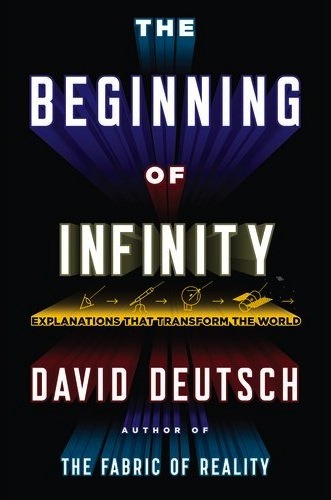
Now David Deutsch doesn’t intend his book The Beginning of Infinity to be the bible of science, I’m just nominating it as one possibility.  It has one major strike against it though, I’m not sure anyone reading it that doesn’t have a decent grasp of science and philosophy already, will understand it.  The reason I nominate The Beginning of Infinity as the one book to study to grasp the scientific mindset is because it works to explain the why of science rather than the how.  David Deutsch is the Plato and Aristotle of the early 21st century.

I am only halfway through reading this book and it’s inspired me to buy three editions of it to study, the hardback, the ebook and the audio edition.  I will not comprehend this book in one reading, or ten.  And the reason why I’m writing about it even before I finish it is because I need to struggle with writing words about it to understand it as I read it.

Deutsch believes techniques humans developed during and since The Enlightenment are our best tools for exploring and explaining reality, but to understand these techniques requires more than understanding the scientific method.  What we want are good explanations that stand up to rigorous criticism, so science needs the best philosophical tools to constantly hammer away at the results of our scientific experiments.  Ultimately, Deutsch is writing about knowledge creation, and the impact of this knowledge on reality.  Deutsch goes beyond understanding reality into the science fictional area of shaping reality. 

As the physicist Richard Feynman said, ‘Science is what we have learned about how to keep from fooling ourselves.’ By adopting easily variable explanations, the gambler and prophet are ensuring that they will be able to continue fooling themselves no matter what happens. Just as thoroughly as if they had adopted untestable theories, they are insulating themselves from facing evidence that they are mistaken about what is really there in the physical world.

Deutsch refers to gambler and prophet here because they both try to predict reality.  Religion is an authority based knowledge that attempts to explain reality with easy explanations – God did it – that fail to explain reality at all.  A gambler is someone who thinks they understands an aspect of reality and bets on future events.  Followers of religious thinking also bet on future outcomes.  The trouble is we can’t know the future, and at best, we can only explain what has or is happening with explanations that hold up to rigorous criticism.

Deutsch explains why religion and most of philosophy are miserable failures at explaining reality.  The trouble is religious and philosophical thinking so cloud our thoughts that it’s almost impossible to clear our thinking of their faulty logic.  Science is more than evidence based thinking.  It’s more than the scientific method and experimentation.  Science has to be critical thinking.  This is why an understanding of philosophy, logic and rhetoric is important to understanding scientific thinking.

The quest for good explanations is, I believe, the basic regulating principle not only of science, but of the Enlightenment generally. It is the feature that distinguishes those approaches to knowledge from all others, and it implies all those other conditions for scientific progress I have discussed: It trivially implies that prediction alone is insufficient. Somewhat less trivially, it leads to the rejection of authority, because if we adopt a theory on authority, that means that we would also have accepted a range of different theories on authority. And hence it also implies the need for a tradition of criticism. It also implies a methodological rule – a criterion for reality – namely that we should conclude that a particular thing is real if and only if it figures in our best explanation of something.

Time and again Deutsch references The Enlightenment.  Most historians believe the Enlightenment was a time in our past, but I believe until religious thinking is removed from the world, we’re still fighting Enlightenment battles.  Yes, we live in a technological and scientific age, but most people still think by ancient thought patterns.  Deprogramming ourselves of these thinking habits that give us faulty explanations about reality is very hard, including the most scientific among us.   Even life-long atheists have a hard time thinking completely clearly.

Long before the Enlightenment, there were individuals who sought good explanations. Indeed, my discussion here suggests that all progress then, as now, was due to such people. But in most ages they lacked contact with a tradition of criticism in which others could carry on their ideas, and so created little that left any trace for us to detect. We do know of sporadic traditions of good-explanation-seeking in narrowly defined fields, such as geometry, and even short-lived traditions of criticism – mini-enlightenments – which were tragically snuffed out, as I shall describe in Chapter 9. But the sea change in the values and patterns of thinking of a whole community of thinkers, which brought about a sustained and accelerating creation of knowledge, happened only once in history, with the Enlightenment and its scientific revolution. An entire political, moral, economic and intellectual culture – roughly what is now called ‘the West’ – grew around the values entailed by the quest for good explanations, such as tolerance of dissent, openness to change, distrust of dogmatism and authority, and the aspiration to progress both by individuals and for the culture as a whole. And the progress made by that multifaceted culture, in turn, promoted those values – though, as I shall explain in Chapter 15, they are nowhere close to being fully implemented.

This is why I’m reading this book.  This is why I’m going to study this book like no other.  I plan to read The Beginning of Infinity several times this year.  But this is only preparation for what Deutsch is setting up with his book, and what is explained by the title.  The book is really about the impact of human generated knowledge on reality.  He compares it to forces of nature, like gravity.  Biology has already been collecting and processing knowledge for billions of years, but it is unaware knowledge.  Where we’re at is the beginning of aware knowledge.

Here is a short video by Jason Silva that explains the impact of The Beginning of Infinity in another way, a visual way.  Please watch it full screen with your sound cranked up.

I’m promoting reading The Beginning of Infinity in the same way the faithful promote reading of The Bible.  I’m not sure the faithful will understand it, but I believe atheists need to study it.  Strangely enough, I think science fiction fans and computer geeks will love it because it will resonate with their kinds of thinking.

You can read more at the book’s website, including an excerpt.

JWH – 1/2/14

Why Were The Two Most Famous Science Fiction Novels of the 20th Century Not Written By Science Fiction Authors?

The two most famous science fiction novels of last century were Brave New World by Aldous Huxley and Nineteen Eighty-Four by George Orwell.  Now I didn’t write that to generate a flame war among science fiction fans, or as a slight to genre writers, but because I believe it’s true, especially if you ask people who don’t normally read science fiction.  I’m actually wondering why the two biggest successes using science fiction as a writing technique weren’t penned by writers who specialized in writing science fiction?  Huxley and Orwell were straight ahead literary guys – total amateurs at speculative fiction.  They probably never heard of Hugo Gernsback or John W. Campbell.

And, the two most famous science fiction novels of the 19th century, The Time Machine and The War of the Worlds, were not written by a genre writer either.  H. G. Wells existed before the science fiction genre was established.  Nor were his books written for the genre reader of his day, which did have a lot of science fiction, even though it lacked the label.  In the 21st century, when science fiction is a well established, and a well loved genre, it bizarrely seems that the people who aren’t science fiction writers have the biggest successes with the technique.  Cormac McCarthy and Margaret Atwood are two good recent examples.

What are these non-SF writers doing that SF genre writers aren’t?  I just got through rereading Nineteen Eighty-Four and I thought about this the whole time I was thoroughly enjoying the book.  Nineteen Eighty-Four is so different from the genre science fiction books I normally read that I’m tempted to say it’s not science fiction.  Many literary writers and English profs claim just that, but they would be wrong.  Insanely wrong.  George Orwell might not have written for Campbell’s Astounding, and probably never even read the famous pulp, but Nineteen Eighty-Four would have fit comfortably in that magazine as a serial.  No Astounding reader would have made one objection as to it not being science fiction.  And I’m quite sure readers would have voted it the best story of the issue, even if Heinlein had had a story in that issue too. 

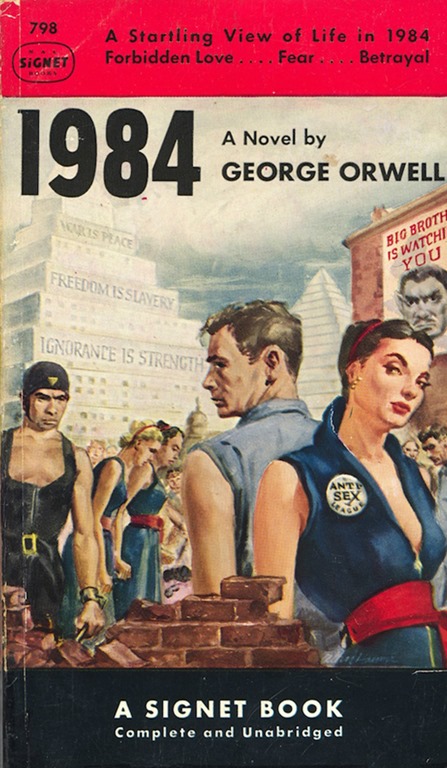
Not long ago I reread Beyond This Horizon by Heinlein and I felt pretty sure that Heinlein wrote it hoping it would be another Brave New World.  Heinlein was savvy enough to know that Huxley’s book sold far more than pulp fiction, and at the time, very little science fiction was even being published in hardback, or that new format, the paperback.  Here’s an early paperback cover for Nineteen Eighty-Four – looks just like a science fiction novel, doesn’t it?

1984_pulp3

While reading Nineteen Eighty-Four this time I was blown-away by Orwell’s world building genius.  World building is an essential feature of SF/F, which books like Dune and The Lord of the Ring illustrate.  J. K. Rowling is a billionaire for her world building, and deservedly so.  Does that mean Cormac McCarthy’s post-apocalyptic world is just better painted than all the other genre stories working with the same idea?  Does The Handmaid’s Tale just out dystopian run of the mill SF writers?  Maybe so, but why?

It’s pretty obvious that more people on Earth can understand what the implications of Big Brother are over philosophical implications of Arrakis.  Too many hundreds of millions of people in the 20th century encountered a totalitarian state first hand, or fought against them in wars, or spent years hearing about them in the news, not to understand the brilliant portrayal of Big Brother and the savage criticism of them with the creation of Newspeak.

The reason why Nineteen Eighty-Four and Brave New World are so well known in the 20th century is they describe so clearly the quintessential fears of the 20th century.  All stories set in the future are about the present, and I guess the better they are about exploring the present, the more copies they will sell, and the better chance they will be part of the curricula in high schools and colleges.

The entire time I spent reading Nineteen Eighty-Four off my Kindle I was amazed by how relevant this book written in 1948 was to 2013.  To write that Orwell was brilliant is an undeserving understatement.  We live in a society that worships freedom, yet we live with constant NSA surveillance, continuous war, Homeland Security, and the sun never sets on our drone airspace.  Our paranoia knows knows no bounds.  In terms of political psychology and insight into the human heart, Orwell runs away with the prize for applying science fiction techniques for writing about the future to say so much about now.  Nor has any science fiction writer ever attempted to explore the linguistic territory of Newspeak, which is the real science that makes Nineteen Eighty-Four great science fiction.

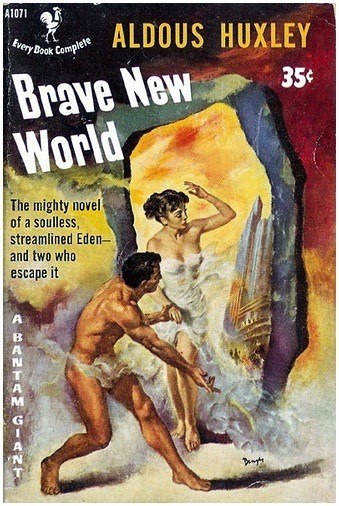
brave-new-world1

I haven’t reread Brave New World recently, but I plan to.  Brave New World was written in 1931 and I just finished a book,  One Summer: American 1927 by Bill Bryson that is the perfect companion to the Huxley book, because it explained the world Huxley was living in when he wrote his classic.  It’s a time when many U.S. governors and mayors belonged to the Ku Klux Klan, where many prominent Americans publically espoused beliefs in eugenics and extreme racism, where many states had passed eugenic laws, and racism was the law of the land.  The twenties was the decade that mass production and mass communication really got massive.  It was a decade where America began the Americanization of the world.  That scared Huxley.  Huxley was afraid of America in 1930, and Orwell was afraid of Russia in 1948.

Brave New World and Nineteen Eighty-Four are true dystopian novels – they are anti utopian, written in response to intellectuals promoting utopian solutions to world problems.  Huxley and Orwell understood the world in which they lived, and wrote books that showed off that knowledge in deeply insightful ways.  They both used science fiction as a literary device to philosophize about ideas if written as nonfiction would have been entertaining to few, and boring to many, but because of those techniques, wowed millions.  Readers still study and reference their work.  And those novels would not have had the impact they did without the science fiction. 

Huxley and Orwell, and other literary writers, use science fiction to bring political, ethical and scientific ideas to the masses.  Why don’t more genre writers attempt this?  Heinlein tried, especially with Stranger in a Strange Land, his most ambitious novel.  So, why did he fail?  I think for two reasons.  First, it included ESP, or PSI powers, that aren’t scientific or believable, and second, it promoted his personal ideas about freedom, especially sexual freedom, nudity, and group sex, which few people beside the hippies of the 1960s shared.

Ray Bradbury hit one out of the park with Fahrenheit 451, but it’s never achieved the popular acclaim that Brave New World or Nineteen Eighty-Four has.  Maybe because it wasn’t nearly as ambitious as those two.  And dare I say it, maybe the target, those people who would give up reading for mindless television, were insulted rather than inspired to canonize literacy?

John Brunner also tried several novels of this type, using science fiction to make political statements, especially Stand on Zanzibar.  Zanzibar was an experimental tour de force that was hard to comprehend or read by the general reader, but dazzled the exceptional reader.  It should have been a contender.  It should be better remembered.  Both Fahrenheit 451  and Stand on Zanzibar are shining examples of what pulp writers can do when they aim high.

I think the genre writer that comes closest in writing ambitious science fiction for the non science fiction reading masses was Orson Scott Card and his book Ender’s Game.  It was obvious targeted at genre readers, but it was widely read outside of the genre.  It was never as sophisticated as Huxley and Orwell’s books, and didn’t deal with broad contemporary issues, but it dealt with xenocide in a way that made it relevant to the average reader who could translate it into commentary on genocide, or commentary on science fiction.  Unfortunately, the recent movie version of the story targets Ender’s Game at the lowest common denominator video game player, whose kill anything that moves instinct means they have deaf ears for the ethical insights.

The 2014 Earth is just as fucked up as the 1948 Earth, even more so, so why aren’t we reading novels that targets our political, social and ethical failures like modern science fictional smart bombs that are literary descendants of Huxley and Orwell?  Is it because serious thinkers no longer believe that science fiction is the proper tool?  Has decades of fun science fiction dulled the edge of sharp science fiction?  Or maybe we don’t have political and social thinkers like Orwell or Huxley anymore, because those writers work for the New York Times or Fox News.  Let’s hope it’s not that times aren’t bad enough yet to be muses for such writers.

JWH – 12/31/13

Do Our Souls Evolve?–A Thought Experiment

My wife’s uncle is family famous for saying in his eighties “I feel like I’m nineteen but something is horribly wrong with my body.”   

If you are under 40 you probably won’t understand this essay.  People over 40, as they begin to feel older, often report that although their bodies are aging, their minds feel no different than when they were teenagers.  And I too, at sixty-two, feel like I’m the same person in all my memories, even the oldest.  But is that really true?  Are we mentally the same our whole life?  Do our bodies age, but not our organ of self-awareness?  Can we stay young at heart even after we start falling apart?   I’m already having memory problems I never had as a kid, but I feel like I’m that same kid, just with a flaky memory.

I am intrigued by this organ of awareness that thinks it’s always young.  Is that our brain?  Our soul?  Our identity?

We feel like we’re looking out our eyes, hearing through our ears, touching with our fingers, tasting with our tongue and smelling with our nose, but we know that if we lost our eyes, ears, fingers, tongue and nose we’d still exist inside our head as long as our body could keep our brain alive.  Oliver Sacks writing in The Mind’s Eye, tells stories about blind people who continue to see by living in a virtual reality inside of their head.

For convenience’s sake, I’d like to call that organ of awareness in our head, the soul, even though I’m an atheist.  It’s such a lovely word – the soul.  Our sense of identity resides in our soul.  We know we can shut the soul off with sleep or drugs, or distort it’s working ability with disease, drugs, stress, and injury to the brain.  But for most of our lives, if we’re lucky, our soul feels unchanging.

Is our sense of identity unchanging?  And what is identity?  We all feel like a little being riding around in the head of a body, sitting just behind the eyes, looking out, and steering our body through life.  I’m reminded of a bunch of old sayings:

  • Inside I feel just like I did when I was young
  • If I knew then what I know now
  • If I had to do it again I wouldn’t change a thing
  • If I had to do it again I’d do everything different
  • Youth is wasted on the young 

I think we do change, and I offer one bit of evidence and a thought experiment to explore this question.  Back in September 1966, The Monkees premiered on television and my sister and I absolutely loved that show.  Now in 2013, The Monkees are in reruns and when I catch an episode I’m horrified that I could have ever admired that show, much less watch it for more than ten seconds.  How can the Me I remember feeling just like the Me of today love a show then that I hate now?  The only way to explain that would be to say neither the body or the mind are part of our soul or identity.  Since I’m an atheist I don’t believe in souls that survive the death of the body, or move between bodies in reincarnation, but I’m willing to call that feature of our being that feels self-aware consciousness the soul.  But are souls unchanging?

To answer this question I’ll offer a thought experiment.  Imagine you could send your soul back in time to replace the soul of your younger self, would your older soul follow the same path as the younger soul first took?  Pick a month in your past and use the Internet and your memories to recreate everything you can about that month, all the personal encounters, all the activities, all the pop culture pleasures, and imagine whether or not you would have followed the same path or diverged.
Popular-Science-Jan-1967

September, 1966

Life and Family and Friends

I was fourteen and my sister twelve, when my mother took us to live in Charleston, Mississippi at the end of summer 1966, just before school started.  Aunt Let and Uncle Russell lived outside of Charleston, in the country.  I don’t know why my mother moved us there.  I remember my parents fighting all the time, but I don’t remember them talking divorce, but that might have been the case.  We had been moving around so much all my life that it was just another move.  By the end of March, 1967, we moved back to Miami, reuniting with my Dad.  He died in May of 1970, and those last years were miserable for all us when it came to family relations.

In September of 1966 I was a fourteen year old kid who survived by hiding out in science fiction books, AM Top 40 rock music, and watching television.  I quickly made two friends, Ben White and Mack Peters.  I had crushes on several girls I was afraid to talk to but who lived constantly in my fantasies.  I remember those eight months – August through March – very fondly, but I had a well honed coping mechanism.  If my 62 year old self had to live those same eight months he (it?) would have reacted much differently.

The 2013-me would have loved and sympathized with my parents far more than the 1966-me, but wouldn’t have put up with their bullshit.  I hid from their emotional hurricane when I was young.  If my current soul could have seen their suffering I’m positive I would have reacted completely different.  I’m pretty sure I would have been far more empathetic to their lives, but I also would have told them everything they never wanted to hear from a fourteen year old son.  It wouldn’t have been nice.  I would have told them to get their shit together, or get a divorce, and either way, I wanted the bus fare back to Miami so I could go live with my grandmother.  Over the years I realized that if I knew then what I know now I would have divorced my parents at age twelve.  Even now, I’m not sure what would have been best for Becky, my sister.

Do our souls change with experience and knowledge?  Are our souls the knowledge and experience we collect?  Then why don’t we feel like we’re aging on the inside?  Or are our souls the organ of awareness that just surveys knowledge and experience and that’s why we don’t feel it aging?

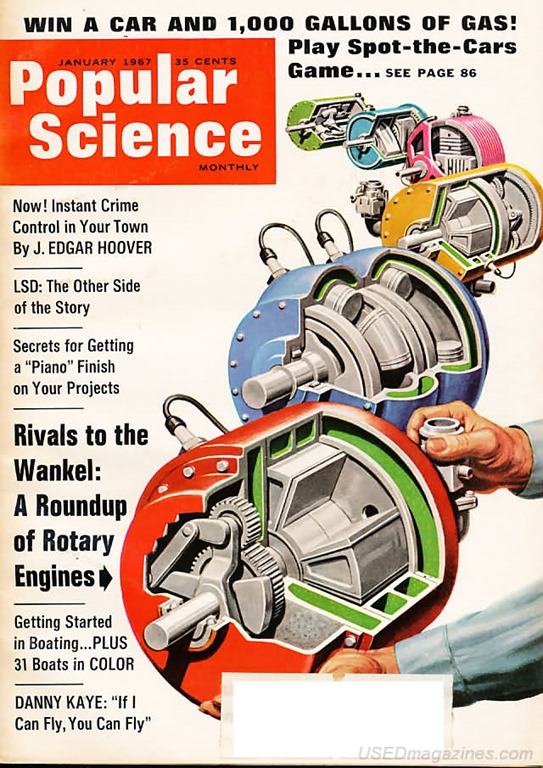
When it comes to friends, I’m pretty sure my present self could not have been friends with any of the people I remembered.  At fourteen I was already an atheist and liberal, and the racism of the small town Mississippi life revolted me, but I was too chicken back then to be confrontational.  I was already reading about LSD and was looking forward to when I could try it.  I remember a January, 1967 issue of Popular Science magazine that had an article about a guy trying LSD in a clinical situation that changed my attitude about drugs.  My time in Mississippi was just before the Summer of Love, and I was already reading everything I could in Time, Newsweek and Life about the counter-culture.  My 14 year-old self kept quiet then, but my 62 year-old self wouldn’t.

If for some Peggy Sue Got Married reason I found myself back in the past I would have done everything different.  But then, does doing things different, and thinking different, really mean my soul was different?  If our soul is only a mechanism of perception that feels the body, and listens to what the brain thinks, it still might change – and even evolve over time.  Hinduism teaches we are here lifetime after lifetime to educate our immortal soul.  Lovely concept, but I don’t believe it – but can we educate our mortal soul?  Or is it merely a viewing mechanism?

There are things that shuts the soul off.  It happens every time we fall asleep, or pass out drunk, or go unconscious because of sickness or drugs – or death.  Our souls can break down because of stress and torture, or come apart because of disease or drugs.  So why shouldn’t they change because of new learning experiences?  

Television

September 1966, the month The Monkees premiered, many other famous television shows premiered too: The Smother’s Brothers Show, The Girl From U.N.C.L.E., The Invaders, ABC Stage 67, The Dating Game, That Girl, Star Trek, The Time Tunnel, Tarzan, The Newlywed Game, and Mission: Impossible.  I also watched, sometimes with my family, Voyage to the Bottom of the Sea, Walt Disney’s Wonderful World of Color, Bonanza, The Ed Sullivan Show, Candid Camera, What’s My Line, Gilligan’s Island, I Dream of Jeannie, The Lucy Show, The Andy Griffith Show, Combat, The Fugitive, The Red Skelton Hour, Petticoat Junction, Lost in Space, The Beverly Hillbillies, Green Acres, Gomer Pyle, The Virginian, I Spy, F Troop, My Three Sons, Daniel Boone, Hogan’s Heroes, Twelve O’clock High, The Avengers, The Jackie Gleason, Flipper, Please Don’t Eat the Daisies, Get Smart, Gunsmoke and Saturday Night at the Movies

I’ve always considered the 1966/1967 television season one of the best ever, if not the best.  Many of my cherish memories of growing up come from watching those shows.  Yet, I find them all painful to watch today.  If somehow I could go back in time I wouldn’t watch 1966 TV at all.  That would have disconnected me from family and friends.  My whole timeline, life and personality would have changed.

Does this mean that my soul has changed over the years, or have I just gotten used to more sophisticated TV?  I still love TV. I love binge TV watching, so I’ve not become an intellectual snob.  In 1966 I loved those television shows.  They were highly addictive, but when I catch reruns of them today their stories seem way too slow, simple and obvious.  I sometimes feel a twinge of nostalgia, but I’m way to impatient to watch them.  And many of them, like The Monkees, F Troop, Gilligan’s Island, etc. horrify me.  I can’t believe I ever had a mind that could like them, much less love them.  Star Trek stands out as being among the most intellectually ambitious of the bunch, but it’s absolutely painful to watch today.

I really don’t think I’m the same soul.  Maybe I have an old body, an older mind, and an older soul?

We like to think of ourselves as being the same person our whole life, but this thought experiment makes me doubt that.  I once read that it takes about seven years for all the cells in our body to change out.  If everything physical is new every few years how can we be mentally or spiritual the same?  Could our soul be like a computer program that can be replicated, but also patched and rewritten?

Books

It’s much harder to pinpoint the books I read in September of 1966.  I was limited to my school library, and a tiny, two room Charleston, Mississippi town library.  I didn’t get to buy books.  I’d join the Science Fiction Book Club in early 1967, but at this time, I was limited to libraries.  I loved Robert A. Heinlein, and would read whatever I could find.  I brought a few paperbacks with me from Miami, Florida.  I can remember one author I discovered at the Charleston Library, George Adamski, and I’m terribly embarrassed to admit it.  I was reading books about flying saucers.  I also was reading about cryogenics, but remember no specific books.  I joined the science club at school and I proposed two experiments.  One was to get a weather balloon and launch it with lights and see how many people reported it as a flying saucer, and two, get some liquid nitrogen to freeze frogs and see if we could revive them.  The big lumbering husky 4H boys in their bib overalls probably thought I was one whacked out puny four-eyed city kid.

Of the writers that existed back then that I’ve come to love since, like Charles Dickens, Jane Austen, Jack Kerouac, James Joyce, Ernest Hemingway, George Elliot, F. Scott Fitzgerald – if I had tried to read any of them I would have failed to enjoy them.  But is that really true?  Two years later, in the 12th grade, I read and loved Portrait of the Artist as a Young Man by James Joyce, The Catcher in the Rye by J. D. Salinger, The Stranger by Camus and Great Expectations by Charles Dickens.  And a year after that I was reading The Autobiography of Malcolm X and On the Road by Jack Kerouac.

Could it be our minds, our souls, reflect the pop culture we consume?  To be the soul that loves 1966 television meant I couldn’t be a soul that loved classic American and English literature!

If I could have given my 12 year old self novels to prepare him for girls, I wished I had discovered Pride and Prejudice, Great Expectations, Middlemarch and The Way We Live Now.  They would have been far more useful than the science fiction I was reading to prepare me for the future.

Music

Music is the monkey wrench in my theory.  I routinely play the music I listened to in 1966 today.  It still resonates with me at a very deep level.  I have learned to love many other kinds of music since, and I do believe if I could send my 1966 soul Miles Davis or Mahler he too would have loved their music.  Music is where the past me and the current me overlap the most.  That’s hard to explain.

Movies

Living in Charleston, Mississippi in 1966, a small town with no theater, took me out of the movie world for nine months.  In fact, the television was so exciting that season that I don’t remember watching many old movies, or even newer movies on NBC Saturday Night at the Movies.  I remember my cousin Robert and his wife Charlotte let me stay with them in Memphis for my 15th birthday that November and they took me to see Fantastic Voyage at the drive-in in their 1962 Chevy Corvair.  I had seen Our Man Flint in Miami at the beginning of 1966, and it was one of my favorites for the year.  Most of the other movies for 1966 I saw years later on TV.  If my present day self was stuck in 1966 I would have wanted to see Who’s Afraid of Virginia Woolf?, The Sand Pebbles, A Man for All Seasons and Blow Up – all flicks my younger self wouldn’t have liked.

Results of the Experiment

The next time I feel the urge to tell a young person I feel the exact way I did in my head at 16 that I do now, I’m going to pause, and try to stop myself.  Yes, I do feel that way, but only if I don’t analyze the details.  I think if I could be magically thrown back into the head of my younger self it would feel like an intense drug trip.  The restless energy, emotions, hormones, fears, pleasures, would overwhelm me.  Getting an erection countless times a day at the slightest thought or sight of anything female would drive 2013-me insane.  I’m not sure about this, but I get the feeling I must have had more thoughts per minute than I do now – so switching bodies would feel like doing speed.  I think the combination of a racing mind and constant horniness would short our my present soul if it was plugged into my younger body.

I don’t like that my body is getting old and failing, but on the other hand, I quite enjoy where my soul is at.  Having my soul travel back in time would be uncomfortable, like time traveling to a time before air conditioning, the Internet, indoor plumbing and antibiotics.

No, I don’t feel like I did when I was young.  I do, but it’s an illusion.  So why do we fool ourselves?  I don’t know, but I might explore the idea in the future.

JWH – 12/27/13