Tidying Up My Music Collection Using the KonMari Method

Marie Kondo, the guru of tidy, preaches, “Discard anything that doesn’t spark joy.” I’ve been buying music CDs for over thirty years and my collection is a huge mess. I definitely don’t love all the albums I own. There’s always the conflict between collecting and playing. Like all hoarders, I tell myself that one day I will want to play this album. Well, I have albums I haven’t played for a quarter century. I bought Marie Kondo’s the life-changing magic of tidying up because she talks about sorting through books. I figured the same approach applied to albums. This issue is further complicated by the fact that nine-five percent of the time when I play music, it’s via Spotify.

Six key issues to consider:

  • Does owning compact discs spark great joy?
  • Do I find great joy in the high fidelity of compact discs?
  • Do I find great joy in the album or the song?
  • What sparks the deepest joy in collecting albums?
  • How does digital libraries affect the philosophy of tidying up?
  • How many albums is too many?


Exif JPEG


Does owning compact discs spark great joy?

Streaming music services like Spotify offer gigantic music libraries for a low monthly subscription. Why bother keeping my thousand albums when I have instant access to millions? Kondo says we should only own things that bring us joy. Is the physical container of music something that brings us joy? Even though I’ve put the price of a SUV into my music collection, is it still worth keeping? Does the whole collection have sentimental value, or just parts of it?

Kondo tells us “The criterion is, of course, whether or not it gives you a thrill of pleasure when you touch it.” Does a CD have some kind of emotional physical value? Is a favorite song less meaningful to my life if it streams through my Roku rather than plays on my CD player? To be honest, I don’t have any physical attraction to my CDs. I was quite sentimental over my LPs when I bought them back in the 1960s and 1970s, but when I started buying CDs in the 1980s, they never acquired that aura of emotional objects.

If I knew I could always have access to the same music I own through renting I’d get rid of all my CDs. Because I don’t have that assurance, I want to keep all my albums that I treasure. Yet, what do I treasure when its not the physical object? Is it all the songs on an album, or just special ones?

Some albums bring me great joy. Some albums are keys to memories. I need to save those keys.

Compact discs were always too small to enjoy visually, and their booklets were always too hard to read. They succeeded because of convenience and sound quality. Streaming music is even more convenient, but the sound quality isn’t quite the same.


The Allman Brothers Band At Filmore East


Do I Find Great Joy in the High Fidelity of Compact Discs?

One of the main reasons to keep compact discs is their high fidelity. This only matters when I’m sitting in my den and I’m listening to music in the same way I concentrate on a movie at the theater. Otherwise, 320kbps streaming files are fine. However, there are times when I want as much sonic detail as I can get. The other day I read One Way Out,  a history of the Allman Brothers. It inspired me to get out my Allman Brothers albums that I haven’t played in a decade. Once again I was back to listening so intently just to distinguish Duane from Dicky.  Listening with intense concentration to  every instrument begs to have the fidelity to create a large soundstage that showcases every musician’s performance.

Until Tidal, all subscription services used highly compressed files that have less fidelity than compact discs. And there are other digital formats that offer great fidelity than CDs. Unfortunately they involve buying digital files I’d have to maintain, and that’s a kind of clutter that’s more difficult to manage than physical clutter.

When it comes right down to it, the essential reason to own a compact disc is because I want to have it forever. I don’t want to ever lose access to some songs. Second in importance is to have the highest fidelity possible. I’m going to assume that future streaming will involve higher fidelity. But I can’t assume Spotify or its competitors will always have a license to stream my most cherished memories.


Blonde on Blonde - Bob Dylan


Do I Find Great Joy in the Album or the Song?

Most of the albums I bought in my life were because of one song. Few albums spark joy in their entirety. Blonde on Blonde, even though it’s a double album, in one I embrace in its wholeness. It’s a complete work of art. As I study what Kondo is trying to teach me, a philosophy of how to live with objects and always keep them in their place, I push myself to understand why I love certain things. When dealing with albums and books, I’m really judging them as containers of art. The art is priceless, but the containers are just that.

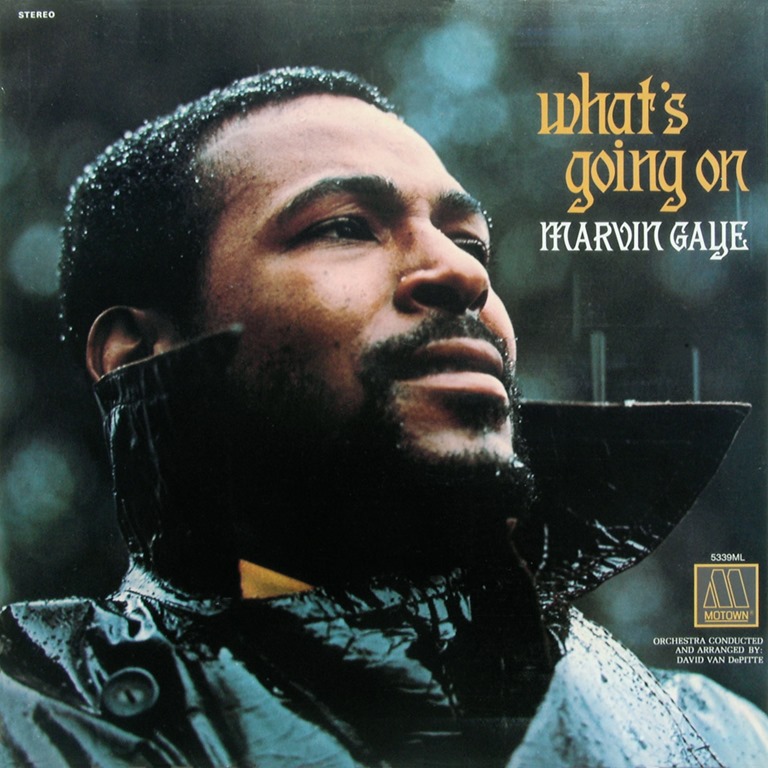
Compact discs are storage bins for music. Spotify is another kind of storage bin. Contemplating this tidying-up issue, I realize there are two kinds of music containers – one which I never want to lose no matter what. That involves keeping the album. Songs, on the other hand, which appear in various other kinds of containers – best of albums, anthologies, singles, soundtracks, etc, are much easier to rent through Spotify.

I’ve always loved the 1965 hit single “Eve of Destruction” by Barry McGuire. Yet, I’ve never been without a copy. I’ve had it on 45, LP and CD in various collections. Now I stream it. And I believe it will always be on streaming. I recently owned the original LP album it appeared on, but it was an old beat up copy I got for 50 cents. When I cleaned out all my LPs I gave it to the library because it was the only song on the album I liked. There was no sentimental reason to be attached to the LP.

When I ask myself if a CD/LP sparks joy, it can’t be just for one song – unless that song is nowhere else. “Song for Our Ancestors” by the Steve Miller Band, off their Sailor album, is the only song that sparks Kondo joy. Actually, it’s the only Steve Miller Band song that unlocks a memory. It’s not available on streaming. I have to save that CD if I want to always have access to “Song for Our Ancestors.” If that song had been on a Best of Steve Miller Band album, I wouldn’t save Sailor.

This also makes me ask: Should I save Best Of albums? Hits are the one type of song I can depend on Spotify to always have. Hit songs are constantly repackaged, anthologized and put on soundtracks. Hits are frequently heard on radio and Pandora.
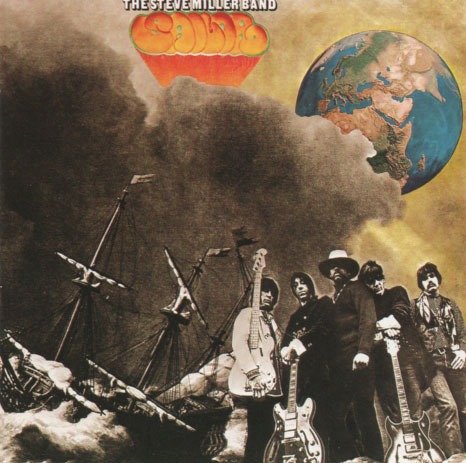
 

Sailor---Steve-Miller-Band


What Is The Deepest Joy In Collecting Albums?

I love to visit someone’s home and look through their shelves of books, music and movies. When we collect, we create the fingerprint of our pop culture soul. The albums I want to save are the ones that define me. Not because I want my friends to see them, even thought I dig when they do, but because I want to define myself to me. My shelves of books, movies and albums should be a mirror for self-examination. Growing up, I tried to define myself by the size of my library, but now the only thing that matters is what each work of art reveals about myself. When I play an album I love it’s an act of meditation.


After Bathing at Baxters - Jefferson Airplane


How Does Digital Libraries Affect Tidying Up?

It’s quite easy to part with albums that I know are on Spotify. Do I learn the same lesson from giving them away if I knew I couldn’t listen to them again online? Because of Spotify, Netflix, Amazon Prime, Audible, Kindle and Scribd I now buy fewer books, albums and movies. My pile of digital clutter grows and grows, but it’s out of sight. Can I still derive the psychological rewards of being tidy that Kondo promises if I have an invisible pile of possession in the cloud?

If every book, movie and album was on Scribd, Netflix and Spotify, I could just own nothing, and just think of all those works in someone else’s library. Then it would be Scribd, Netflix and Spotify’s problem for keeping things tidy. I could reduce my home library to a chair and iPad for Zen like simplicity. I could paint the walls white, wear white clothes, and sit in my room reading and listening to music in my tidy personal Shangri-La.
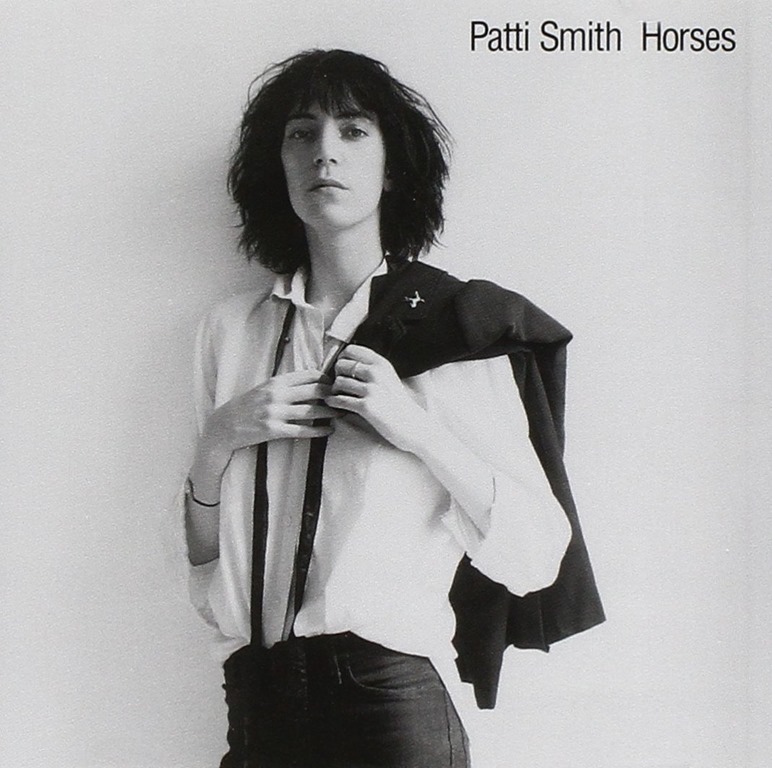
 

Horses - Patti Smith


How Many Albums Is Too Many?

After a lifetime of buying thousands of albums, I realized I no longer listen to most of them. When I retired I had about 1,600 CDs and hundreds of LPs. Two years of culling and I’m down to about 900 CDs and 50 LPs. Soon, I’ll be down to less than 500 CDs and no LPs. Yet, I expect my collection to keep shrinking. 500 is still too many. Kondo tells her clients to have a goal in mind. My goal is to have a library of albums I absolutely adore. I can’t even remember what I own. That’s not special. It’s like having more children than you can remember their names.

When I first retired, I realized I could have become a record collector because I was buying used LPs and CDs five or ten at a time. However, the convenience of Spotify has spoiled me. I only get out a CD when I’m in the mood to thoroughly focus on the music. And that tends to be for albums I really love – the ones I want to play straight through. What I’ve learned from fifty years of buying music is most of what I bought hasn’t been memorable.

I had a friend, John Williamson, who died back in the 1990s. John was crazy about music. Before he died, he told me he had gotten down to listening to just Benny Goodman and Duane Allman. My sphere of music is shrinking too. To maintain a vitality for life you have to maintain as many interests as you can. Yet, getting old means learning to live with less, and as we age, the amount we can handle dwindles. Two years from now I might still love 300 albums. If I live to 80, I might just cherish a 100. I believe John died young because he got down to only two musicians. I wonder who he was hearing when he left this world? Benny or Duane.

I’ve been playing Blonde on Blonde for half a century. Will it be playing when I fade out of existence?

Some of my younger friends fear this trend. They see losing interest in things once loved as a bad sign, but I see a positive angle in my declining years. As my record collection shrinks I get to know what’s left better. It’s a musical tontine.

Music is like a drug that energizes me. If I’m feeling down, music can lift me up. Music hyperlinks me to people and events. Music anchors my memories. It’s terribly sad when I play an album I bought long ago and can’t remember why, when or where I bought it, nor remember any of the songs. That’s an area of my garden I neglected and now it’s patchy with dirt and weeds. What’s best is to let another album expand into that space. I think shrinking my collection as pruning.
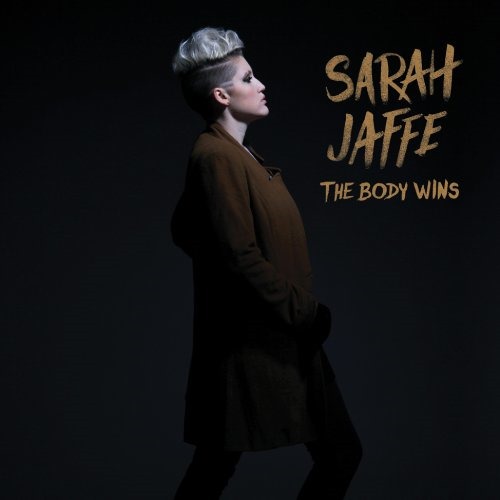
 

The Body Wins - Sarah Jaffe

Using Spotify has taken away the incentive to buy new CDs, but I do on rare occasions. I still discover new artists on Spotify, and when I find one I want to keep forever, I buy their CD. For instance I’ve bought the last three CDs of Sarah Jaffe. I don’t think I will ever get so old that I’ll stop adding albums to the library of music that defines me.

Nor, have I found all the replacement CDs from the past LPs I loved. The last LP replacement I bought was Shady Grove by Quicksilver Messenger Service – an album I’ve been waiting for a decade to come to subscription music. I finally gave up and bought it. I bought it the first time in 1970 as an LP. It had just one song I loved, “Edward, (The Mad Shirt Grinder)” I couldn’t get on Spotify.

Another positive purpose in culling albums is it gives me purposeful activity. Being retired, and having all my time free, requires a knack for keeping busy. I should be outside tending to a real garden, but I’m not that kind of guy. I’d rather tend a sound garden, or make up metaphors about one.

Shady Grove - Quicksilver Messenger Service

Since 1965 I figured I’ve bought between 2,500 and 3000 albums in my life. That’s about 2,600 weeks ago, so call it an album a week on average. Although for many years, I averaged four albums a week. I started out with LPs and 45s, but eventually bought mostly CDs. The way music is delivered has changed a lot in my lifetime. I mainly skipped the cassette and 8-track phase, but I did dip into SACDs and iTunes singles. I pretty much went from CDs to streaming music, which is where I’m at now. I could go to Spotify for all my listening, but I still want to own a album collection. I’ve had one since I was thirteen, so I can’t stop now.

In the heart of Marie Kondo’s book is the lesson to save what you cherish. I’m on a journey to discovery those albums I truly love most – and defining that library sparks joy.

JWH

Do You Feel Guilty That Spotify Pays Artists So Little?

By James Wallace Harris, Tuesday, February 10, 2015

Since a generation of young people had no ethical qualms over stealing music, asking if artists are paid too little under the new streaming model might be a moot point. We live in a society where we want everything free or very cheap, but we’ll also pay $7 for a cup a coffee, or $200 to see a Broadway roadshow. For many people, music is a peak experience, more important than coffee or plays, often providing the emotional soundtrack to their memories. Shouldn’t we worry that people who create the songs we love get paid properly?

spotify

What we’re seeing here in America is a economic paradigm shift that’s effecting all aspects of society. The middle class is being deflated while its wealth is being shifted to the ultra rich. More and more people work for minimum wage. Even once well-to-do professions are under attack. And people who were once rich rock stars are now making far less. The super-stars are always well-rewarded, but making it big isn’t as easy as it used to be. Streaming music is great for tens of thousands of would-be stars to get a start, but it’s now much harder to make a living from even a moderately successful album. The middle-class artist is disappearing too.

So, I’m asking, are you fine with that or not? I love Spotify, but it bothers me that artists who once made much more money from the CD sales model are now making much less renting their music. Listening to music over the internet is far more convenient than playing CDs or LPs. Having access to nearly all music with the tap of a few keys is fantastic. Paying $10 a month is an incredible bargain. And knowing it’s legal is righteous. But, is it fair compensation for the artists?

PBS News Hour has been running a series on this issue. Their coverage is probably all you need, but this discussion is all over the web, especially since Taylor Swift pulled her catalog from Spotify. Here are some recent articles:

If you read enough of these articles you’ll realize this is a vastly complicated issue. Part of the problem is most of the streaming royalties goes to the record companies, and song writers, singers, and musicians get the tail end of the payment stream. But that was also true back in the LP/CD days. How the record companies divvies up its money with its artists is between those parties, but as fans we pay for the music, and set a standard. At least streaming is a major step up from stealing. Personally, I’d like to see more profits go to the artists themselves, and I’d like to see royalties paid to musicians. I think it stinks that all classic songs I love, the musicians were only paid a one-time fee.

The solution I would suggest is streaming services should charge a subscription fee for their service only, and then we pay 1 cent per stream to be divvied up by the record company, composer, singers and musicians. So Spotify might charge $2.99 a month for me to use their service, and that would go to them. And I would be billed 1 cent per stream, so my monthly bill would vary. If I listened to no music that month, it would be $2.99. If I listened to a 1,000 streams, it would be $12.99. Most people pay $9.99 now, so that would be equal to 700 streams.  That’s about 25 streams a day, or about 1.5-2.0 hours of music a day. Which is probably more than what most people listen to. If you want constant background music you should use radio or Pandora type services.

Such a payment system would also allow me to subscribe to more than one music service, because they do offer different content and different features.

CD and digital song purchase sales are down. At one cent a stream, it would take 129 listens by a fan to equal the purchase of a song. I think this is a decent equivalent. But if you watch the PBS Newshour shows you’ll see how artists lament the passing of albums. Fans really prefer hits. Spotify could encourage albums listens by charging 5 cents to stream an entire album.

Streams should not count unless we listen to more than sixty seconds of a song. Any song we give the hook in less than a minute should be considered a free trial.

If artists wanted to sooth listeners who hate the thought of constantly renting, they could let streaming services count the plays and after 129 mark the song as owned, and free from then on out. This would also encourage subscribers to stick with the service.

I bought thousands of albums in the last fifty years, and many of them were duds. I’d only listen to them once or twice. Most often I’d buy an album and listen to one or two songs many times. Album sales were not always fair to listeners, even though artists made the most money from them. The streaming model of pay per play is actually more fair to listeners and artists. It’s fair to artists because they’re paid each time a fan plays a song. It was always depressing to spend $15 for an album that turned out to be a turkey.

I hear the complaints by my favorite songwriters that Spotify cheats them. I feel bad. But I also think one cent a stream is a fair price. It’s more than what they get now, and if their songs are actually popular, they’d earn about the same, or even more in the long run over CD or digital sales. Songs that people really love will get played 129 times, and if an album has enough good songs, it will eventually earn about the same amount of money.

I’ve bought many albums by Bob Dylan three times, first as LP, then CD, then as SACD. I still play his songs so much, I’m sure at one cent a play, I will eventually pay more than what I did buying those albums three times.

JWH

Alive Inside: The Most Inspiring, Emotional and Scariest Movie I’ve Seen in Years

By James Wallace Harris, Monday, November 24, 2014

At the end of the classic novel Nineteen Eighty-Four by George Orwell, when Big Brother wants Winston Smith to confess his thought crimes and betray his lover, they tell him that every person has one thing they fear more than anything else, and that fear can be used to break a person. Over the years, I’ve noticed that my friends each have something they fear to see in movies. That there is a subject they can not bear to see, and will always avoid films that have scenes that trigger those fears. Often that fear is to see cruelty to animals or children, or realistic violence. I have met people who claim they can watch movies about the most horrible monsters that can be imagined so long as they are make-believe, but any movie about a realistic monster, whether serial killer or cancer, is something that’s too frightening for them to handle. It makes them run away. What makes you run away?

In recent years I’ve noticed that the deepest fear some of my friends have is of getting old, and they can’t handle any portrayal of elder years. The sight of the aged, especially in a nursing home, is enough to put them into a deep existential panic. And stories about Alzheimer’s or dementia, is their trigger that Big Brother was talking about when they spoke to Winston Smith.

So, it’s going to be a hard sell for me to recommend Alive Inside, a documentary about how music brings memories and self-awareness back to aging souls slumped in wheelchairs and warehoused in nursing homes. This film shows us humans deformed by age and memory loss, some that can no longer respond to any verbal commands. Then Dan Cohen puts a pair of Koss headphones on their time-ravaged heads and presses play on an iPod shuffle, and we see their souls return. It’s like in the book/movie Awakenings, about real life Rip Van Wrinkes who had gone to sleep in the 1920s because of side-effects of the 1918 influenza and given L-DOPA and reawaken in the 1960s. The effects of music on releasing lost memories was dramatic like that in Alive Inside. It’s as if music can reanimate long dead personalities and bring them back to the awareness after leaving reality for years.

I found Alive Inside profound. It made my spirit soar, and my body cry. Alive Inside has a simple message: we can help millions of people that we’ve hidden away in nursing homes. The film also asks why did we lock up all those old people in the first place.

Even though I’m promising people a peak emotional experience, I’m guessing many of my friends will quickly put this movie recommendation out of their minds. I am often accused of being morbid because I like to dwell on depressing subjects. I never feel depressed by facing reality. It’s quite the opposite. I was feeling lonely last night, and watching this documentary exhilarated me, and filled me with positive energy. I woke up at 4:30 this morning thinking about it, and got up at 5:30 to write about it.

Yet, there’s still the problem of getting my baby boomer friends to share this experience. Sooner or later we must face getting old. We must accept that our bodies are going to morph into the scary figures we see hunched down in wheelchairs in Alive Inside. The only way to escape this fate is to die, and the fact that millions of people are living in nursing homes tells us death won’t rescue us all.

You can contribute or volunteer at Music and Memory. Remember, Christmas is coming up. And they take used iPods too.

If our fate is to grow very old, then we need to start preparing our psyches for it now, and that brings me to another documentary we saw Friday night that tells another story about getting old, Advanced Style. This film was about older women living in New York City that use fashion to keep their hearts young. It’s message is to keep trucking in style until you die. The film was based on a book and blog of the same name.

The old people in Advanced Style are much easier to watch if you’re age-phobic, because the women are outrageously charming characters, independent and not living in nursing homes. So Advanced Style might be the first to see of these two if you are a baby boomer afraid of dementia and wrinkles.  Alive Inside is far more powerful, but to be honest, it’s not for the faint of heart. I do think both films are great strengtheners for our hearts – but sometimes its hard to look into the face of the future. I recommend Nietzsche’s advice, what doesn’t kill us makes us stronger. Watch Alive Inside even if you are very afraid of getting old and losing your mind, it will make you stronger.

See, here’s the thing I see in films like these. We all die, but some of us die a long time before our bodies go. What we want is for the mind and body to go together. Sometimes that’s beyond our control, but sometime it is something we can control. Alive Inside hints that even when it looks like our minds have been flushed down the toilet, we’re still here, hiding behind the neurons. Both movies offer hope that if we keep trying we can survive until we die.

Alive Inside and Advanced Style are available on Netflix streaming, and the usually sites to buy.

JWH

Finding The Top Albums By Year From 1948 to the Present

By James Wallace Harris, Wednesday, October 21, 2014

The 33 1/3 LP came out in 1948, and even by 1958 had only garnered 25% of the total record market. At first, 78s  continued to dominate, and then 45 rpm singles. It took a while for what we know as an album to become a major art form. Even the term album is a holdover from 78 rpm records, which could only contain up to five minutes to a side, and required many discs to make a collection of songs, which was called an album. LP discs can contain twenty or so minutes a side, and 10-12 songs per disc, and so they were an album of songs, not an album of discs. The modern concept of the album, first the LP, then the CD, seems to be fading. It’s apparent reign was about half a century.

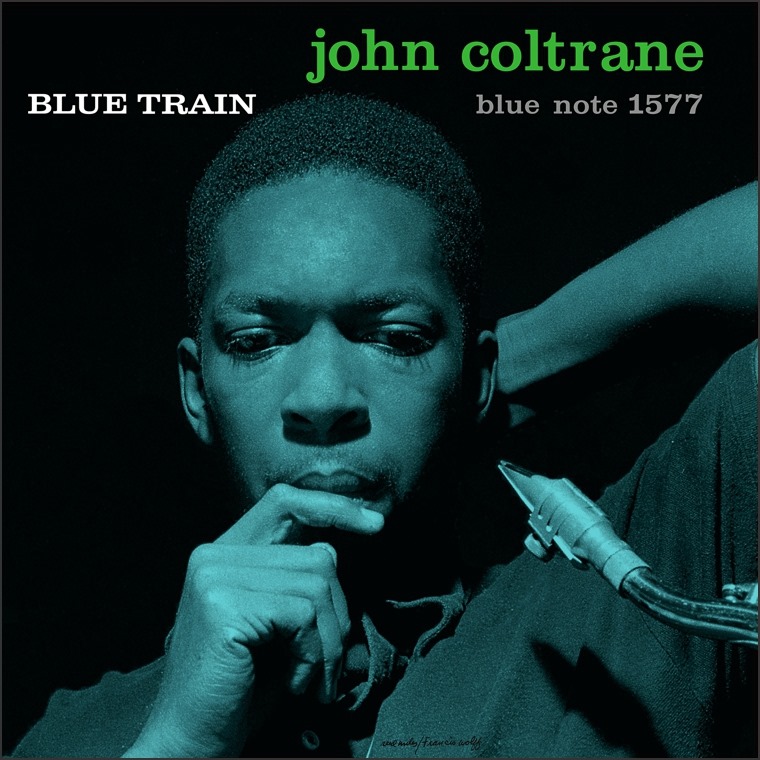
Using Wikipedia’s excellent Timeline of Musical Events, it’s possible to drill down to a decade, and then year, to follow popular album releases over time. For example, here’s 1951, the year of my birth. If you look at the 1951 album releases and then try to find them on Spotify, you won’t, most likely. Nearly all of the early LPs of the 1950s aren’t reprinted. It’s not until the later 1950s do some albums become famous enough to be remembered, reprinted, and even stay in print. For example, Blue Train by John Coltrane in 1957.

Blue Train - John Coltrain

Now this is the point of this essay. If you subscribe to a subscription music service like Spotify, Rhapsody, Rdio, you can musically stroll down memory lane, year by year, and listen to the albums of the time.

Another great site that helps is Best Ever Albums, and here’s how they present 1957. In 1957, they list 107 top albums. By 1967 that jumps to 312, then 453 by 1977, 704 in 1987, to a 1,000 in 1997. Best Ever Albums quits tracking after a thousand albums each year. There’s no telling how many albums come out each year today. People still make albums, but listeners don’t buy them. They’re on Spotify waiting to be played. Unless you find a method to search for albums other than popularity, you won’t go looking for them. My time tracking method is one such alternative method of discovering albums.

My point is you probably missed a tremendous number of great albums. The average music fan bonds with a relatively small number of albums they discover in their teens and twenties, and then pretty much stick with their favorites for the rest of their life. They might add a few new songs to their playlists each year, but not many. Subscription music services offer you access to millions of songs and albums. What mind blowing tunes have you missed?

Using Wikipedia, Best Albums Ever and Spotify, it’s possible to attain a magical music education. I wished Spotify would let us browse by year, or even better yet, but release date. I love tracking things by time. I wished Billboard put all its charts online, but it doesn’t. It is possible to go to Tropicalglen.com and play songs by year. You can then follow the links to Cash Box charts. For example, here’s the weekly charts for 1967.

I don’t know why I like to remember things by time. Maybe I’m trying to time travel.

JWH

Discoverying 1950s Music with Spotify

by James Wallace Harris, Wednesday, June 21, 2017

I was born in 1951 but didn’t really get into popular music until 1962. The 1950s is mostly a mysterious world of unknown music to me. As a little kid, I remember hearing some 1950s music while riding with my dad in his 1955 Pontiac. Then in 1962 when I got my first radio they played “Oldie Goldies” from the 1950s on the weekends, but those were mostly early rock and roll hits. When I discovered Bob Dylan in 1965 I jumped back into the folk music revival that started in the late 1950s. In my twenties, I got interested in jazz and dipped into the 1950s via some famous jazz albums. But for the most part, the 1950s is an undiscovered territory.

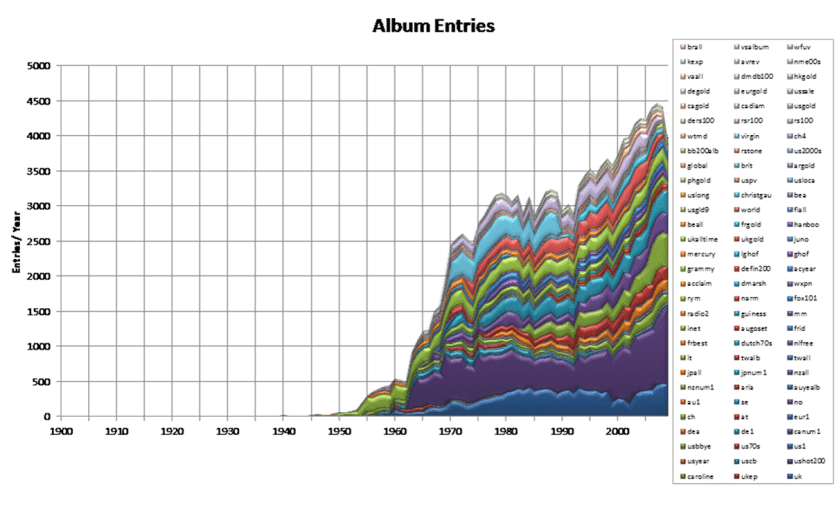
The web has become an amazing place for virtual time travelers. There are many sites devoted to identifying the most popular music of the past. The World’s Music Charts (Tsort) has collected 225 music charting services and put them all into a database that spits out wonderful reports. I particularly like this graph of theirs showing the coverage of all those charts.

aentry_years

As you can see the 1950s are the sprinkles before the deluge. The LP was introduced in 1948, and most of the chart tracking services started after the 1950s, so information about that decade is sparse. Discogs references 161,954 records for the 1950s. Compared to 552,784 (1960s), 952,231 (1970s) … 2,148,365 (2000s). I figure I might own/heard 25-50 albums from the 1950s, so this is a potentially rich territory to explore.

Spotify has much of this old music. You don’t know that it’s there until you know what to go looking for – that’s where all the top album lists sites come in. I recently took a list of the top jazz albums of the 1950s off the web and converted it to a Spotify playlist, Best Jazz 1950s. I’d say about 90% of the albums were there. Of the albums not there, most of the songs from the original recordings are now in compilations of the artist’s work.

Here’s the thing, when I was growing up in the 1960s I hated the music my parents listened to, and they hated the music I and my sister loved. They resonated with the 1940s and 1950s music. What I’m now trying to do is get into the music headspace of my parents. I don’t think I could have done that when I was younger. It’s taken me until my sixties to start liking that kind of music, and it’s growing on me. My parents were in their forties when I was in my teens, so I don’t know why it’s taken me to me sixties to like their kind of music. But I now find it easier to move backward in time to find new music I like than searching the present.

There are many ways to measure time besides the ticking of a clock. Some folks mark periods of their lives by the houses they have lived in, or the fashions they wore, or the television shows they loved. One way that amuses me is to measure the years by the beat of popular music. By using Best Albums Ever and Spotify I can recall a specific year in music. We hear old music today in hit song compilations albums or the radio, but it’s another thing altogether to listen to the albums those hits came from.

Now that the past is being digitized, I can pick a year and then read the books, watch the movies, listen to the music, view the television shows, and sometimes even read the newspapers and magazines from that year. Wikipedia is a fabulous tool for remembering the past, suggestion artifacts of a pop culture past to consume.

I’ve been a subscription music subscriber for years, so I no longer buy albums. I have access to millions of albums online. Creating this collection of 1950s hit lists is a way to organize my memory of music and help me to discover songs to play on Spotify.

I’m going to link to a Spotify album for each year, and if you’re a subscriber or even have a free account, you should be able to play them. Make sure you’re logged in to your Spotify account.

Each year contains a hyperlink to DiscogsBest Ever Albums, List Challenges, Top Songs, and Tsort sites for that year’s list of top album or songs. I’ve also added the Wikipedia page to read a quick history of that year in music.

1950
1951
1952
1953
1954
1955
1956
1957
1958
1959

JWH