Explaining My Addiction to Science Fiction

by James Wallace Harris, 9/26/21

One reason I haven’t been posting much here lately is because I’m writing a short story review every other day on my science fiction site. I’m reviewing The Big Book of Science Fiction, an anthology of over a hundred science fiction stories from the 20th century, including many stories I’ve read over the past sixty years. The whole endeavor is a kind of self-psychoanalysis of a lifetime addiction to science fiction.

I’m slowly realizing what science fiction means to me. In 1960, I became a bookworm in the 4th grade to cope with the stress of growing up. In the 5th and 6th grades I slowly focused that addiction on science fiction. A couple decades ago I realized I had substituted belief in science fictional ideas for my childhood beliefs religion, becoming an atheist around age 12 or 13. But actual space exploration played a part too. Sputnik went up weeks after I began the first grade, and Apollo 11 landed on the Moon weeks after I graduated high school.

When I first started reading science fiction in the early 1960s I knew no one else that read it too. Then in March, 1967 I met my buddy Connell in 10th grade who became my lifelong friend. When I discovered he had read some science fiction I asked him who was his favorite author. I expected him to say Heinlein, since I assumed Heinlein was the absolute best. Instead, Connell said Clarke. We’ve been arguing ever since.

After Star Trek ended in 1969 I realized that millions of science fiction fans had come out of the closet. I joined an APA in 1970, then a local science fiction club, and then started going to SF conventions with my friend Greg. At the time, science fiction fans seem few and far between.

Then in 1977 Star Wars came out, and it seemed like everyone began to love science fiction. But I soon realized that even though the world loved science fiction on TV and at the movies, very few people actually read the science fiction magazines, and only slightly more people regularly read science fiction books.

As a kid, I wanted to be a science fiction writer like other kids wanted to be rock stars, football players, or astronauts. And even though I took writing courses in high school and college I never developed the discipline to write. Later on, I guess as a mid-life crisis, I took off six weeks from work in 2002 and attended the Clarion West Writers Workshop, and afterwards began a MFA in creative writing. I still didn’t have what it took. When I retired in 2013 I thought I’d finally get down to writing, but I didn’t.

Over the eight years I’ve been retired I’ve been reading and rereading a lot of science fiction. It’s become a pleasurable hobby to fill my time. But I’ve also discovered why I’ve psychologically embraced the genre. For most of my life I thought that space travel was important to the development of humanity, and science fiction was a kind of prophetic literature that gave exploring the high frontier meaning. Now I see wanting to leave Earth as a kind of psychological escape, and science fiction is only a minor art form, a specialized kind of fantasy and entertainment.

In my old age, I read science fiction and admire it for creative storytelling. But I know it’s only a couple steps up artistically from comic book reading. I do read literary novels, and know the difference. Science fiction appeals to the adolescent in me. That keeps me positive while the world around me is turning negative. Reading science fiction in my old age makes me realize I never grew up, but then I’m also realizing most of the people around me never have either. As a species we’re not very good at maturing and facing up to reality.

The percentage of people who rely on denialism to cope with reality grows every day. I like to think I don’t deny reality so much as avoid it. Most of the people who aren’t deniers tend to be avoiders. Only a small percentage of the population face up to reality. I don’t mind reading and studying reality, but I have no discipline to live the life I know I should live. Reading science fiction is my way of occupying my mind when I’m not thinking about how humanity is destroying itself.

I admire people who actual do something about the problems we face, but they are very rare. Most of us just fool ourselves that everything is going to be okay and maybe do a few token things to help, but isn’t that really an effort to sooth our guilt? Reading science fiction is my version of watching Ted Lasso or The Andy Griffith Show. But we’re all on the Titanic killing time in amusing ways even though we know we could change the ship’s course if we worked together. Unfortunately, cooperation is not in our genes.

Reading science fiction teaches me about the possibilities. Science fiction has always been about building better futures, advocating better societies (utopias) or warnings of de-evolving into dystopias, or even the nightmares of apocalypses. It’s all too obvious that we’re actually heading towards the collapse of our global civilization and an environmental apocalypse. Half the population copes by denying this, and the other half that does recognize our destiny does little to avoid it.

We indulge in mindless consumerism and socializing, or restless tourism, or occupy our minds with political and religious rationalizations. When I see people protesting that the 2020 election was stolen, or vaccinations are evil, or the January 6th attack on the capitol didn’t happen I realize those people have the psychology of children, the kind who throw tantrums, who scream “You can’t make me” or “You’re not the boss of me” to their parents, teachers, and even peers. But you can’t reason with them not because they can’t see reason, which they can’t, but because that’s their survival mechanism, and if you could get past it, these people would only fall apart. I have to assume reading science fiction is my survival mechanism.

I am starting to worry a tiny bit because some of my coping mechanisms are starting to fail. I used to binge watch TV in the evenings. I’ve always loved TV, and looking back see that it was a reality stress releaser too. But I now have to try a dozen or two dozen TV shows or movies before I can find one that I can watch. And I no longer can watch TV and movie science fiction. For example, I was looking forward to the new production of the Foundation series on Apple TV+. It just annoyed me, and I quit trying after fifteen minutes. I forced myself to finish the first episode the next night, but still no joy.

I worry that I’m also going to develop a tolerance to written science fiction, and it will fail to hold my attention like my TV watching. So far, I still find great pleasure in reading science fiction short stories. I don’t have the patience to read novels anymore, but continue to enjoying reading old SF anthologies and magazines. I worry that this love won’t last.

Luckily, I still have other interests to turn to if I finally wear out on science fiction. The current state of the world is very sobering. It might even cure my addiction to science fiction, but I doubt it. I’ve had it my whole life now. It might be too late to give up. But my attitude has changed. We wanted a lot of fantastic things from religion, and that’s true of science fiction. That’s why I compare them. I believe we need to change our expectations for both. Religion and science fiction need to focus on reality. They both need to be more down to Earth.

JWH

Do You Remember This Album?

Memory is a funny thing, mainly because they’re completely unreliable. And it’s quite easy to have false memories. My memories for the Gypsy album tells me I bought it in the early 1970s, and when I was dating my wife in 1977, I went through her records and found a copy of it. I have a memory of saying, “Hey, you like this album too?” I thought it was cool we both loved an obscure record. I asked Susan this morning of her memory about the album, and she says she owned it before we met. That’s confirmation, but read on. We both might be fooling ourselves.

You can listen to the album while you read on. And if you owned this album please leave a comment. I’ve never met anyone else who loved this album.

All this dredging of memories came about because I got out my CD of Gypsy the other day and played it. I thought, “Wow, what a wonderful album, why wasn’t it famous? What happened to the group? Should I buy their other albums?” Checking Spotify showed they didn’t exist in that worldwide form of collective memory. Nor are their albums available to buy on Amazon. I then checked YouTube, which is becoming our digital attic, and found copies of their albums to play. That made me even more curious about what happened to the band. Then that night, while browsing new YouTube offerings on my TV, YouTube listed a documentary about the group Gypsy in my to watch feed. I know people complain about digital companies tracking our interests, but I was quite thankful for this intrusion. The 2016 documentary Gypsy: Rock and Roll Nomads answered most of my questions.

But when I started checking facts, I’m not sure I can support Susan’s and my memories. Gypsy by Gypsy came out in 1970, and according to the documentary, bombed because Metromedia Records did not promote it. Now I bought a lot of albums simply because of their covers, and this was one – I’m positive. But then this is a story about faulty memories. I could have bought it in late 1970, but I can’t remember that. I don’t have a memory for when and where I bought it. All I remember was loving the cover, buying it, and then loving the album when I played it. I played it for weeks, and then put it away. That’s what my memory tells me. That could have happened from 1970-1977 before I met Susan. However, because the album was so poorly promoted, I probably needed to have bought it right after it was first released in 1970. I have no memory of buying it that early. How long does an album hang around in record stores?

The information I found at Discogs implies it got better support than the documentary suggested since it was released on LP, cassette, 8-track, and reel-to-real, and it was also published in eight countries outside the U.S.

Now the Discogs information gives me a second theory, one that conflicts with Susan’s and my memories. The album was rereleased in 1979 on LP, the year after we got married. I could have bought it then, at Peaches, and we discovered we loved it together. Later on we both gave ourselves false memories that we had discovered it by ourselves. Unfortunately, we got rid of our LPs as we bought CDs, so I don’t have any physical proof of which pressings we owned.

Sometime after 1990 I bought Gypsy again on CD (AJK Music A 862-1). It’s a fantastic album, but no one we know is familiar with it. When I played the CD the day before yesterday, I played it loud, and it sounded amazingly great. I just can’t believe it’s not a classic rock album everyone knows. Watching the documentary explained why the band failed. It was the typical story of we could have been contenders, we were almost famous, we were at all the right places, had all the right opportunities, performed with all the other great bands, but we just didn’t make it.

But I had one last unanswered question. Why isn’t this great album on Spotify? I think I found an answer to that question too. Spotify doesn’t pay much and some bands won’t release their albums through streaming music services. From the documentary I learned that James Walsh keeps the band going and sells CDs online. He is the only original member of the band still trying to keep the band’s memory alive. All four of Gypsy’s albums are available from their website as a 4-pack for $60, as well as histories of the band. The site was updated 3/4/21, but there are no new concerts scheduled. I have a feeling the site was created to promote the CDs and documentary, but concerts are rare.

I wonder how many CDs Walsh still sells? I know streaming pays poorly but it does keep the music alive, and it’s worldwide distribution. I don’t know about the second, third, and fourth albums, but the first album, Gypsy, really needs to be out there for people to discover. Keeping it off Spotify is a big mistake, like when whey went with Metromedia instead of Atlantic.

JWH

The Albums I Didn’t Buy in 1971

by James Wallace Harris, 8/30/21

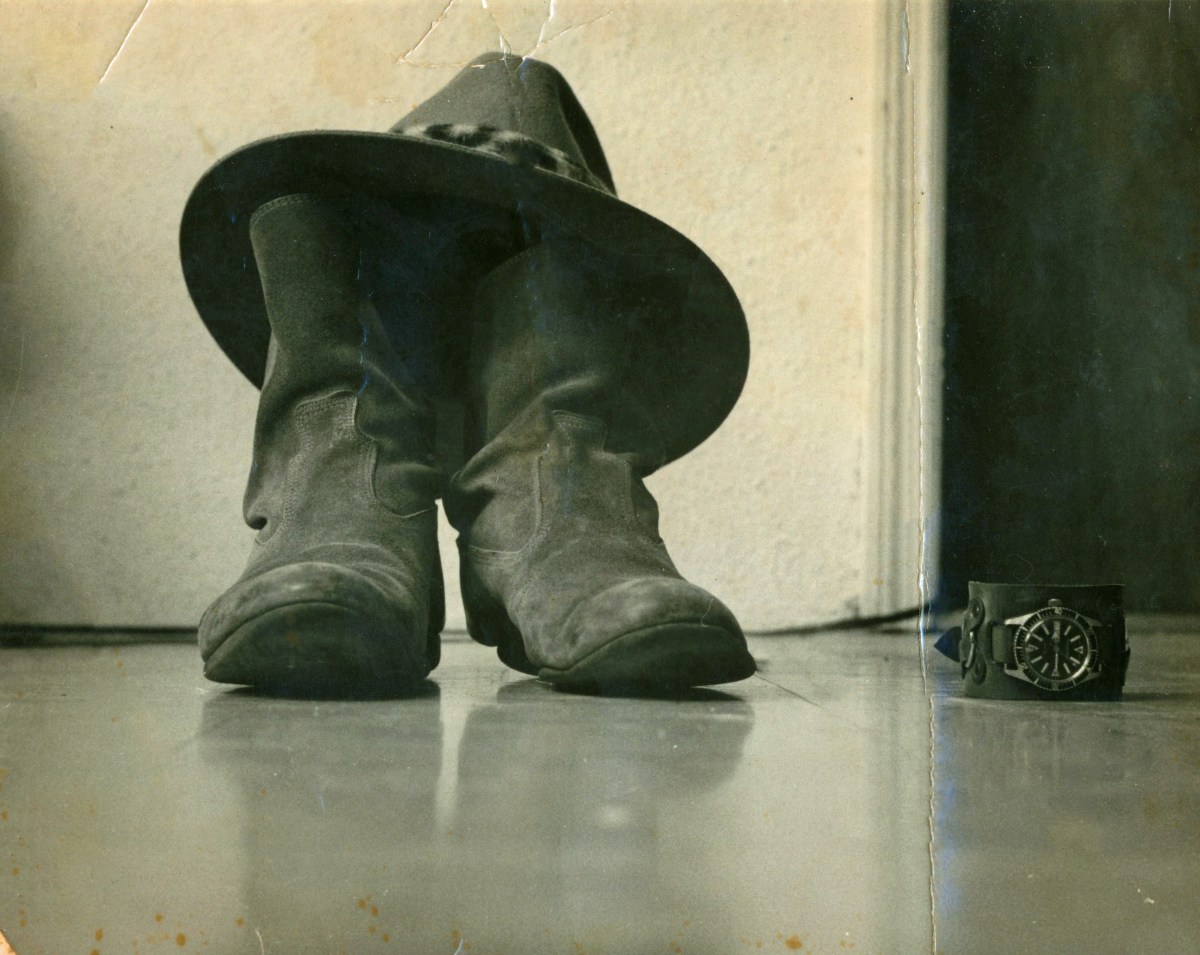
[The above photograph is the only one I have of myself from 1971.]

I’m old enough that every year I live is also the 50th anniversary of a year I remember. This year, I keep seeing remembrances of 1971, especially lists of albums that claim to be the best of 1971.

This got me to thinking. How many great 1971 albums did I buy when they first came out? Then how many 1971 albums did I buy on LP or CD before switching to streaming music? Then how many albums have I discovered since having streaming music? Finally, how many albums from 1971 do I still need to play? Spotify has turned out to be a wonderful time machine.

It’s kind of overwhelming the number of memorable albums that came out in one year. The number is impressive, and it’s taken me fifty years of listening to find most these albums, and I’m still not done. Thanks to Spotify I’m still at it.

Albums I Bought When They Came Out

These two albums by Marvin Gaye and The Allman Brothers Band are among my lifetime favorites. I’ve never stopped playing them. I’ve bought them on CD, and even got the Fillmore East on SACD, and they are still repackaging those concerts, and I’ve bought them too. One thing that’s very special in my memories, is I got to see the Allman Brothers in concert in 1971 before Duane was killed.

These next three were major albums for me, and I played them for years, but I eventually got tired of them. I did buy them again when CDs came out, and I play them once every couple of years. Most of the albums listed below held my attention for just a short while. Many I only played once. A great record buy was one I’d play for a couple weeks straight. A very good record would hold my attention for days. Maybe the best albums are the ones we keep playing for the rest of our lives.

Back in 1971 I loved going to record stores. I’d usually visit two or three a week. I didn’t have much money then, so I didn’t buy that many albums in the year 1971 – I’d guess less than fifty, and most of those were from earlier years. Mostly I flipped past albums I wished I could buy. I used to have a fantasy of robbing Peaches back in the late 1970s. It was the biggest record store I had ever seen up to that time, maybe since. Having streaming music is like owning the biggest record store ever.

Eventually I did buy over a hundred albums that came out in 1971. I’d love if I could remember when and where for each one, but I can’t. I also wish I could remember those I bought on LPs in the 1970s and early 1980s, and which ones I bought when they were reissued on CDs, but I can’t do that either. Over the years I’ve gotten rid of my LPs, and most of my CDs. Here’s the list of 1971 albums I owned at one time or another. I’ll bolded the albums I still own (I think). I saved about 500 CDs, but I seldom play them. I’ve forgotten what I own. I bought thousands of LPs and CDs, but I moved around a lot, and sold my collections. There are many albums I bought more than once when I got money to rebuild my collection.

Here are the albums from 1971 that I bought after 1971. I’d say most of them were bought before 1980. It’s funny how a year in pop culture can linger. By the way, I got to see many of these acts in concert.

  1. Tapestry – Carole King
  2. L. A. Woman – Doors
  3. Every Picture Tells a Story – Rod Stewart
  4. American Pie – Don McLean
  5. Crazy Horse – Crazy Horse
  6. The Concert for Bangladesh – George Harrison & Friends
  7. 4 Way Street – Crosby, Stills, Nash, & Young
  8. Chicago III
  9. Quicksilver – Quicksilver Messenger Service
  10. Bob Dylan’s Great Hits Vol. II – Boy Dylan
  11. Anticipation – Carly Simon
  12. Rough & Ready – The Jeff Beck Group
  13. Byrdmaniax – The Byrds
  14. Farther Along – The Byrds
  15. Electric Warrior – T-Rex
  16. If I Could Only Remember My Name – David Crosby
  17. Santana
  18. The Low Spark of High Heeled Boys – Traffic
  19. 4 Way Street – Crosby, Stills, Nash, & Young
  20. Tarkus – Emerson, Lake & Palmer
  21. Runt: The Ballad of Todd Rundgren – Todd Rundgren
  22. Deuce – Rory Gallagher
  23. In Search of Space – Hawkwin
  24. Nantucket Sleighride – Mountain
  25. John Prine – John Prine
  26. Rory Gallagher – Rory Gallagher
  27. America – America
  28. Who’s Next – The Who
  29. Hunky Dory – David Bowie
  30. Aqualung – Jethro Tull
  31. Imagine – John Lennon
  32. Ram – Paul & Linda McCartney
  33. The Yes Album – Yes
  34. Pearl – Janis Joplin
  35. Madman Across the Water – Elton John
  36. The Inner Mountain Flame – The Mahavishnu Orchestra with John McLaughlin
  37. Songs for Beginners – Graham Nash
  38. Mud Slide Slim and the Blue Horizon – James Taylor
  39. Pictures at An Exhibition
  40. The Electric Light Orchestra – Electric Light Orchestra
  41. A Space in Time – Ten Years After
  42. Every Good Boy Deserves Favour – The Moody Blues
  43. Cold Spring Harbor
  44. Little Feat – Little Feat
  45. Deuce – Rory Gallagher
  46. Osibisa – Osibisa
  47. Osibisa – Woyaya
  48. Free Live! – Free
  49. Future Games – Fleetwood Mac
  50. Broken Barricades
  51. Link Wray – Link Wray
  52. Live in Cook County Jail – B. B. King
  53. Gonna Take a Miracle – Laurya Nyro & Labelle
  54. Welcome to the Canteen – Traffic
  55. 11-17-70 – Elton John
  56. All Day Music – War
  57. Music – Carole King
  58. Sittin’ In – Loggins & Messina
  59. Stephen Stills 2 – Stephen Stills
  60. New Riders of the Purple Sage – New Riders of the Purple Sage
  61. Gather Me – Melanie
  62. ZZ Top’s First Album – ZZ Top
  63. A Clockwork Orange – Various Artists
  64. Survival – Grand Funk Railroad
  65. Flying Burrito Brothers – The Flying Burrito Brothers
  66. Bonnie Raitt – Bonnie Raitt
  67. Cahoots – The Band
  68. Album II – Loudon Wainwright III
  69. Other Voices – The Doors
  70. If Not for You – Olivia Newton-John
  71. Linda Ronstadt – Linda Ronstadt
  72. Street Corner Talking – Savoy Brown
  73. Stoney End – Barbra Streisand
  74. Carly Simon – Carly Simon
  75. In The Garden – Gypsy
  76. Barbra Joan Streisand – Barbra Streisand
  77. Thirds – James Gang
  78. Edgar Winter’s White Trash – Edgar Winter’s White Trash
  79. I Don’t Know How to Love Him – Helen Reddy
  80. Leon Russel and the Shelter People – Leon Russell
  81. Moments – Boz Scaggs
  82. Collaboration – Shawn Phillips
  83. Boz Scaggs & Band – Boz Scaggs
  84. Meddle – Pink Floyd
  85. Blue – Joni Mitchell
  86. Teaser and the Firecat – Cat Stevens
  87. The Cry of Love – Jimi Hendrix
  88. White Light – Gene Clark
  89. Carpenters – Carpenters
  90. Weather Report – Weather Report
  91. The London Howlin’ Wolf Sessions – Howlin’ Wolf

This puts me just under a hundred albums I remember owning. To trigger my memory I had to look at the list of Top 1000 albums sold in 1971. I’m pretty sure I owned more albums from 1971 because their covers look very familiar. I think I owned them, but I’m not sure, so I’ve added them to the to stream soon list.

Albums Streamed Recently

These are the albums I remember streaming in the past couple of years. I’m sure there were more, but I just don’t remember. Maggot Brain and Pieces of a Man are albums I wished I had discovered in 1971. They are classics. I’ve added them to my most played play list.

  1. Melting Pot – Booker T. & The MG’s
  2. Maggot Brain – Funkadelic
  3. Surf’s Up – The Beach Boys
  4. Nilsson Schmilsson – Harry Nilsson
  5. A Nod is a Good as a Wink… To a Blind Horse – Faces
  6. Coat of Many Colors – Dolly Parton
  7. Black Moses – Isaac Hayes
  8. Shaft – Isaac Hayes
  9. Pieces of a Man – Gil Scott-Heron
  10. Roots – Curtis Mayfield
  11. Al Green Gets Next to You – Al Green
  12. All Day Music – War

Albums I Plan to Stream Soon

  1. Performance Rockin’ The Fillmore – Humble Pie
  2. McDonald and Giles
  3. Man in Black – Johnny Cash
  4. The Bill Evans Album – Bill Evans
  5. Randy Newman Live – Randy Newman
  6. Earth Wind and Fire – Earth Wind & Fire
  7. Yesterday’s Wine – Willie Nelson
  8. Elvis Country (I’m 10,000 Years Old) – Elvis Presley
  9. Where I’m Coming From – Stevie Wonder
  10. The Sun, Moon and Herbs – Dr. John
  11. Live Johnny Winter And – Johnny Winter
  12. Super Bad – James Brown
  13. Distant Light – The Hollies
  14. Wildlife – Mott the Hoople
  15. Sugar – Stanley Turrentine
  16. Church of Anthrax – John Cale & Terry Riley
  17. Nose Roses – Shirley Collins and the Albion Country Band
  18. Givin’ It Back – The Isley Brothers
  19. Where’s the Money? – Dan Hicks & His Hot Licks
  20. Nick Drake – Nick Drake
  21. Seven Tears – Golden Earring
  22. Fillmore East – June 1971 – The Mothers
  23. A Message to the People – Buddy Miles
  24. Back to the Roots – John Mayall
  25. Alone at Last – Gary Burton
  26. So Long, Bannatyne – The Guess Who
  27. The Doobie Brothers – The Doobie Brothers
  28. Manna – Bread
  29. Doctor Hook – Dr.Hook and the Medicine Show
  30. Sunwheel Dance – Bruce Cockburn
  31. Patchwork – Bobbie Gentry
  32. Rock Love – Steve Miller Band
  33. Rudy the Fifth – Rick Nelson
  34. Someday We’ll Look Back – Merle Haggard & the Strangers
  35. From the Inside – Poco
  36. Merry Clayton – Merry Clayton
  37. Nancy & Lee Again – Nancy Sinatra & Lee Hazlewood
  38. Lovejoy – Albert King
  39. Gypsies, Tramps, & Thieves – Cher
  40. Ruby – Buck Owens & His Buckaroos
  41. Last Night I Had the Strangest Dream – Mason Proffit
  42. Elegy – The Nice
  43. Rita Coolidge – Rita Coolidge
  44. David Bromberg – David Bromberg
  45. Sunfighter – Paul Kantner & Grace Slick
  46. Take Heart – Mimi Farina and Tom Jans
  47. Dave Mason & Cass Elliot – Dave Mason & Cass Elliot
  48. 1969 – Julie Driscoll
  49. Nice Feelin’ – Rita Coolidge
  50. Garden in the City – Melanie
  51. Can I Have My Money Back? – Gerry Rafferty
  52. Me & Bobby McGee – Kris Kristofferson

Lists Used to Remember

JWH

What’s Your Lamborghini?

by James Wallace Harris, 8/24/21

Few of us are exempt from materialistic desires because I don’t know anyone who follows in the footsteps of Mahatma Gandhi. Today’s gurus are the influencers on the internet, those beautiful young people who convince other people to give them money to buy what they can’t have themselves. Most of us don’t feel incomplete without a Lamborghini but we do want something.

I realized what I want is weird. My Lamborghini is old books and magazines, things most people would throw away, or give to Goodwill.

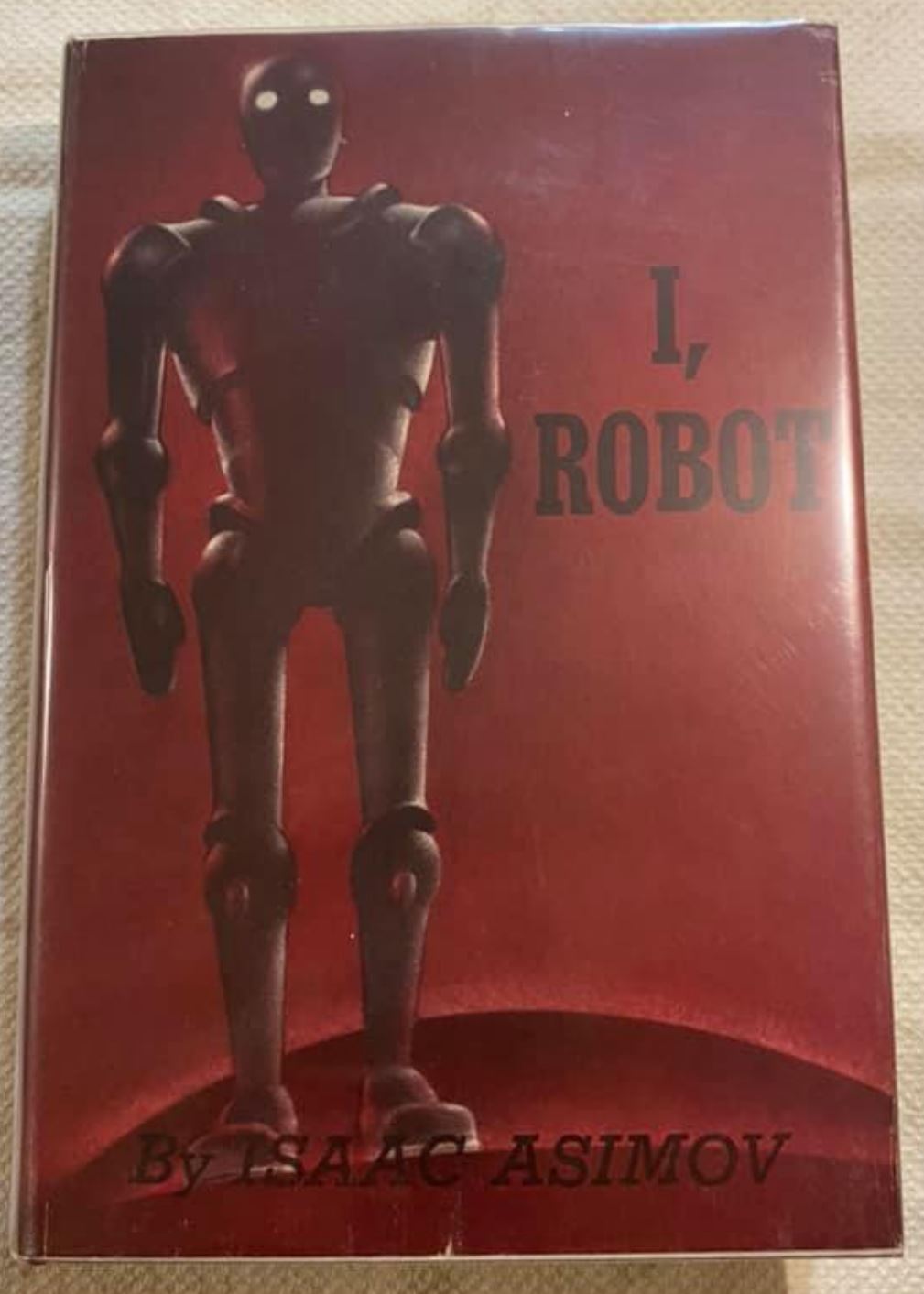
I’d rather have a first edition of I, Robot by Isaac Asimov than a new Ferrari. (Although, if given a Ferrari I could sell it and buy a collection of all Gnome Press first editions, including I, Robot.)

I saw both of these on a Facebook group devoted to collecting old SF/F books. I suppose I could spend my retirement savings to satisfy this book lust, but I won’t.

Just recognizing where my materialism lies an is enlightening self-realization. It doesn’t free me from those desires, but it lets me know just what species of wacky duck I belong to.

So, what’s your Lamborghini?

JWH

CRISPR: Book v. Documentary

by James Wallace Harris, 8/18/21

I’ve been learning about the gene editing tool CRISPR for years in bits and pieces. From reading news and magazines articles I had a vague idea that science had made a tremendous breakthrough, one akin to science fiction imagined in GATTACA and Brave New World. CRISPR/Cas9 will allow us to heal people with inheritable genetic diseases or cure people with conditions caused by defective genes, but more than that, it will allow us to program our own evolutionary developments, and change our reproductive germlines.

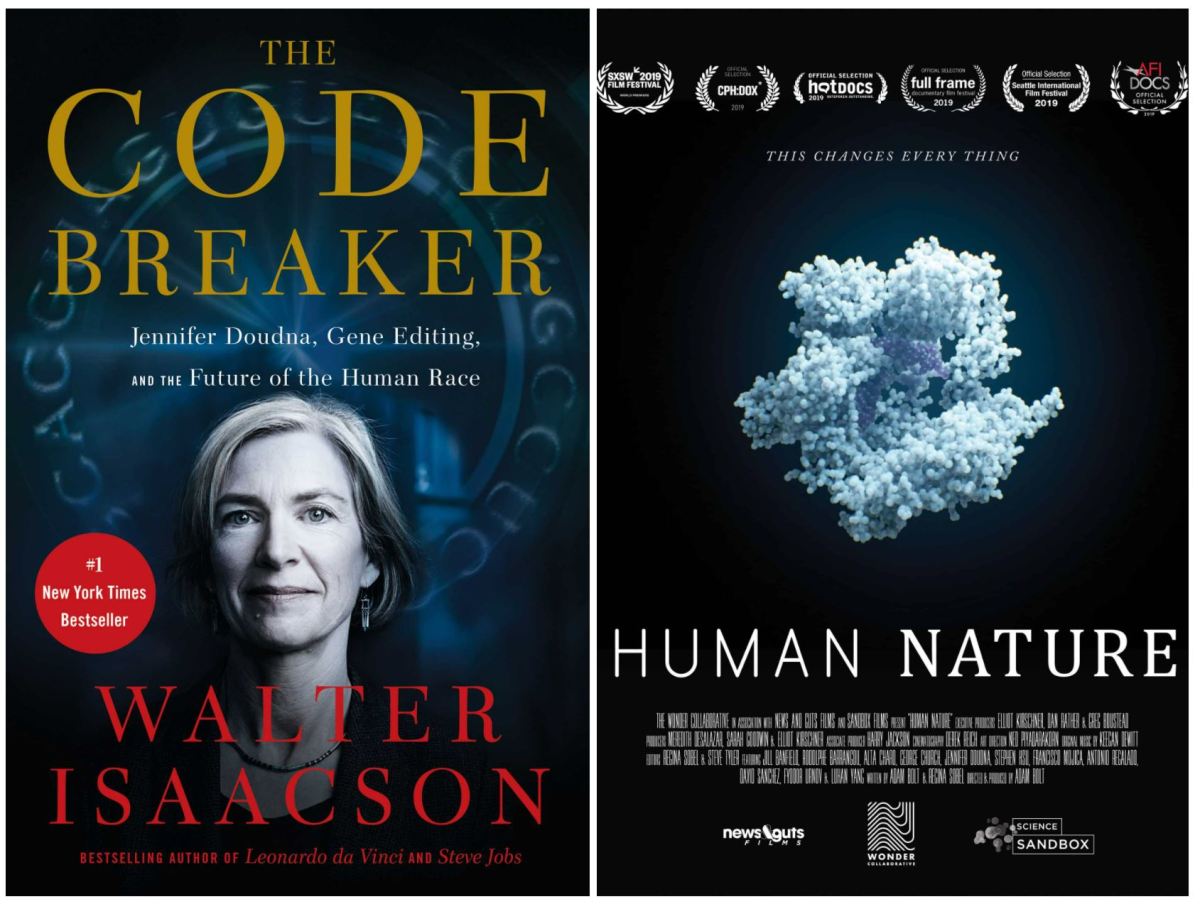
I don’t want to try and summarize CRISPR/Cas9 to you in detail because I’m recommending your read The Code Breakers by Walter Isaacson or watching Human Nature. But if you want a quick overview, here’s the Wikipedia entry.

My focus is to compare learning from a book versus a documentary. I’ve already acquired what I would consider rumors about CRISPR via Flipboard and The New York Times. Those are casual, everyday ways to absorb tidbits of information. But what’s the next level up? That depends on the time you’re willing to spend, and the amount of details you wish to digest.

Human Nature (2019) is a 1 hour and 35 minute documentary that’s currently available to Netflix or PBS Documentaries on Amazon subscribers, or to rent or buy from Amazon and other video sources. It’s a superior documentary that quickly covers the background of CRISPR with impressive infographic and animations, while interviewing the major scientists, then moving into the thorny ethical issues of gene editing, before finally wrapping things up by speculating about the future. After watching Human Nature you’ll have a good sense of what CRISPR can do and its science fictional impact on society. The documentary claims CRISPR will change the world more than the internet.

On the other hand, if you want go beyond the Gosh-Wow level, you could read Walter Isaacson’s new book, The Code Breakers. It’s 16 hours and 4 minutes on audio, or 552 pages of reading. The book tells the same story as the documentary but with far more detail. The framing of the book is a semi-biography of Jennifer Doudna, who shared the Nobel Prize with Emmanuelle Charpentier in 2020. Walter Isaacson is noted for his biographies (Leonardo da Vinci, Albert Einstein, Steve Jobs, Ben Franklin), and The Code Breakers is sort of a biography of Doudna, at least when it comes to her scientific career.

But The Code Breakers is much more. It’s a history of a technology that has emerged in our lifetime, and a chronicle how scientists work to discover and apply that new technology. We learn about publishing papers, going to conferences, building labs, forming startup companies, and competing for the Nobel Prize. If you loved books like The Double Helix by James Watson, The First Three Minutes by Steven Weinberg, or The Inflationary Universe by Alan Guth, then you should love this one too. I especially admired how Isaacson’s interviewed the various scientists competing for fame and glory, because he knew that they knew he was giving Doudna the scientific fame over them. Recognizing who came first in a discovery is a challenging piece of detective work that Isaacson pulls off with the skill of a master lawyer working the jury.

What also impressed me was how Isaacson told this complex story. I can’t imagine amassing so much information and then weaving it together into a compelling narrative. I’d love to see a documentary about how Isaacson researches and writes his books.

The Code Breakers will take you much further than the Human Nature regarding how genetic editing history unfolded, but the documentary has its own virtues, especially in compelling visuals. However, I wanted to go even further into learning how CRISPR works. Neither the book nor the documentary gave me the step-by-step concepts of what the lab work was like. Because CRISPR is so damn interesting, I went searching for even more information on YouTube. Both the book and film claims using CRISPR is easy, and that anyone can order educational kits to use the technology. I just couldn’t visualize that.

This short clip gave me more of what I wanted, but it’s still not enough, but I’m going to continue looking for more videos like this one. However, I also found this video about one of the CRISPR kits.

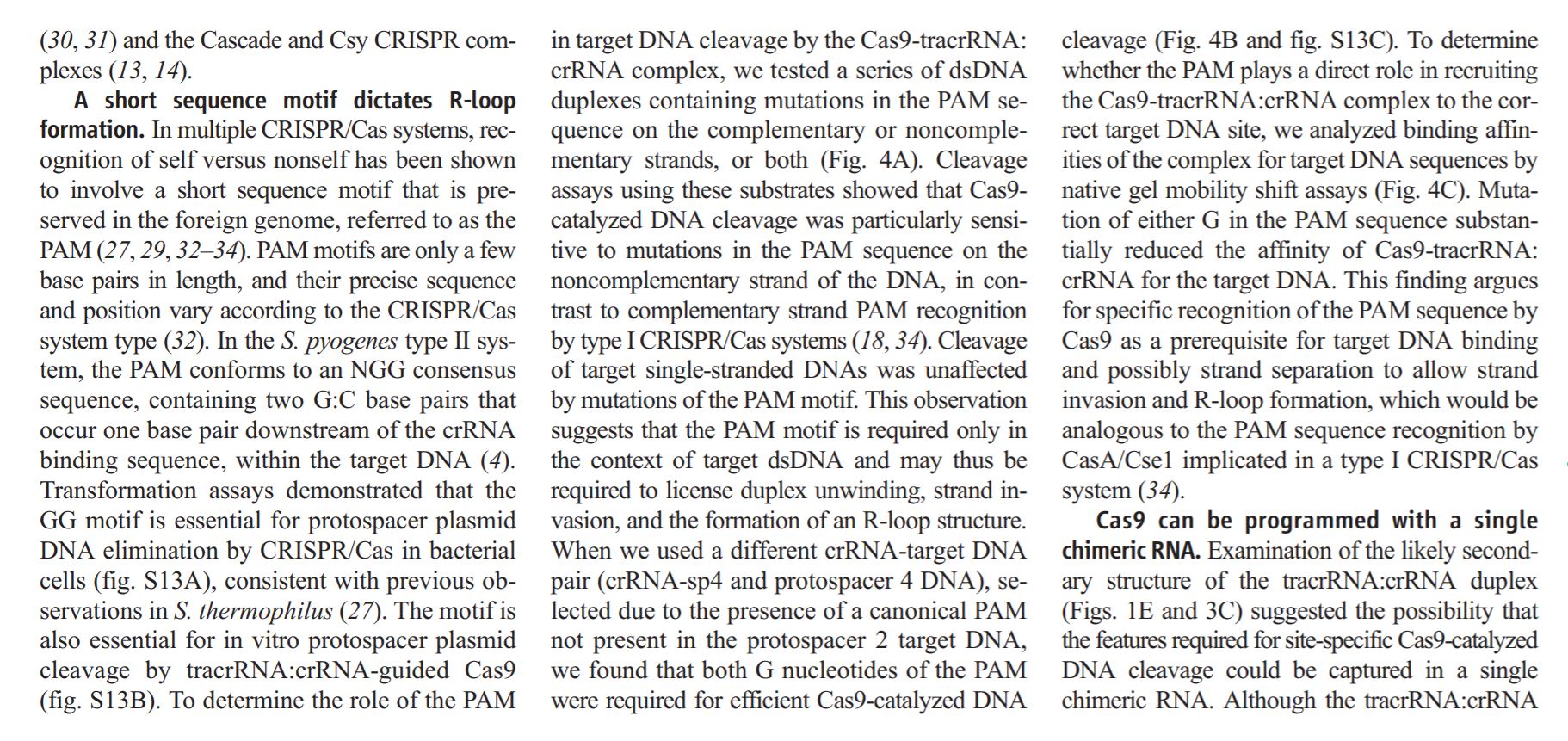
The trouble with wanting to understand even more is I run into the limits of my understanding. I found the 2012 article from Science that’s at the heart of the book. I can read it, and even spot ideas covered in the book and documentary, but 95% lies behind an event horizon of jargon I can’t penetrate. Just look at this one paragraph:

I love popular science books and magazines, but I have to take the working of real science on faith. I don’t like that. I’m hoping to find other books and documentaries that will help me in my quest to visualize how scientists do their work in a step-by-step process. Throughout the book Isaacson wrote about the experiments involved in discovering CRISPR, but I have no mental picture of what they were like.

For example, x-ray crystallography was often mentioned as a vital skill in this lab work. Seeing this video helps me visualize more of the narrative. What I would love is a Ken Burns type documentary, a 10-part series that visually illustrated The Code Breakers.

CRISPR is another example of the positive potential for our future, and another example that validates science. Sure, CRISPR offers all the potential evils of H-Bombs, but it also proves we have great abilities to solve incredibly complex problems.

I feel lucky to have experienced digital revolution, and I’d love to live long enough watch the gene editing revolution unfold. By the time the 2040s and 2050s roll around, society will be transformed again. But then, there will be other transformation happening in the same time frame. Our efforts to slow climate or our failure to do so will reveal another massive transformation. Talk about Future Shock…

JWH