by James Wallace Harris, Monday, March 6, 2017
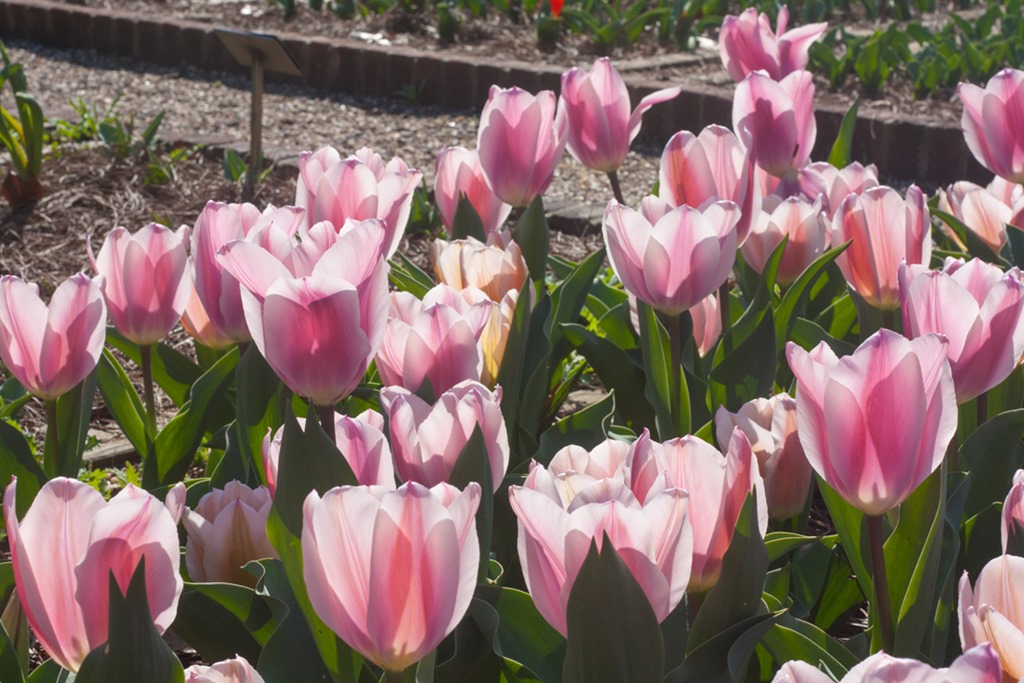
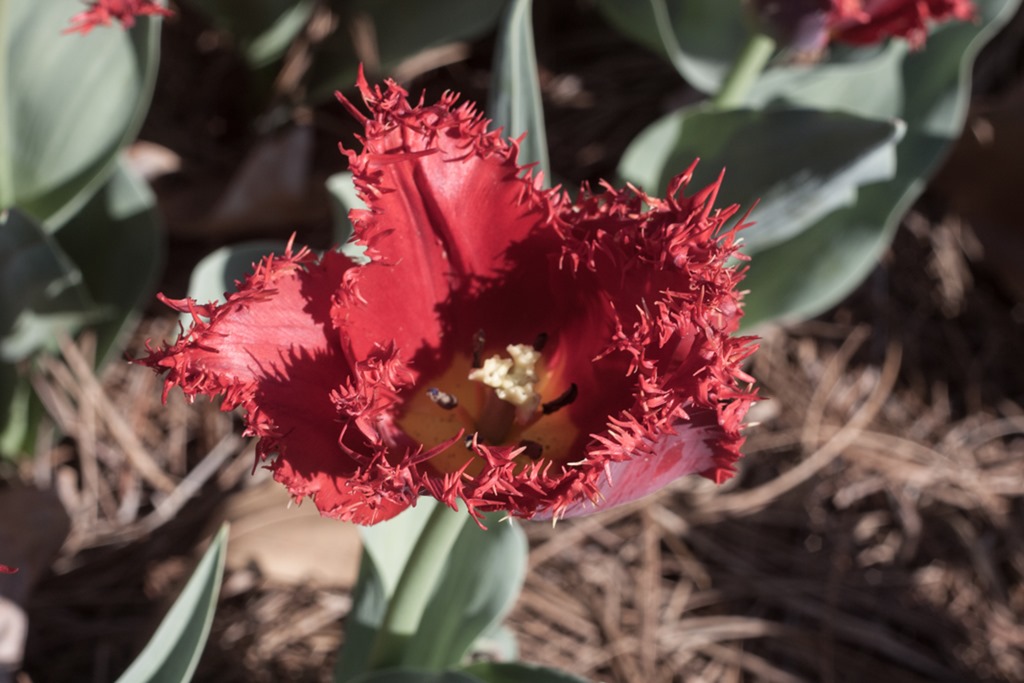
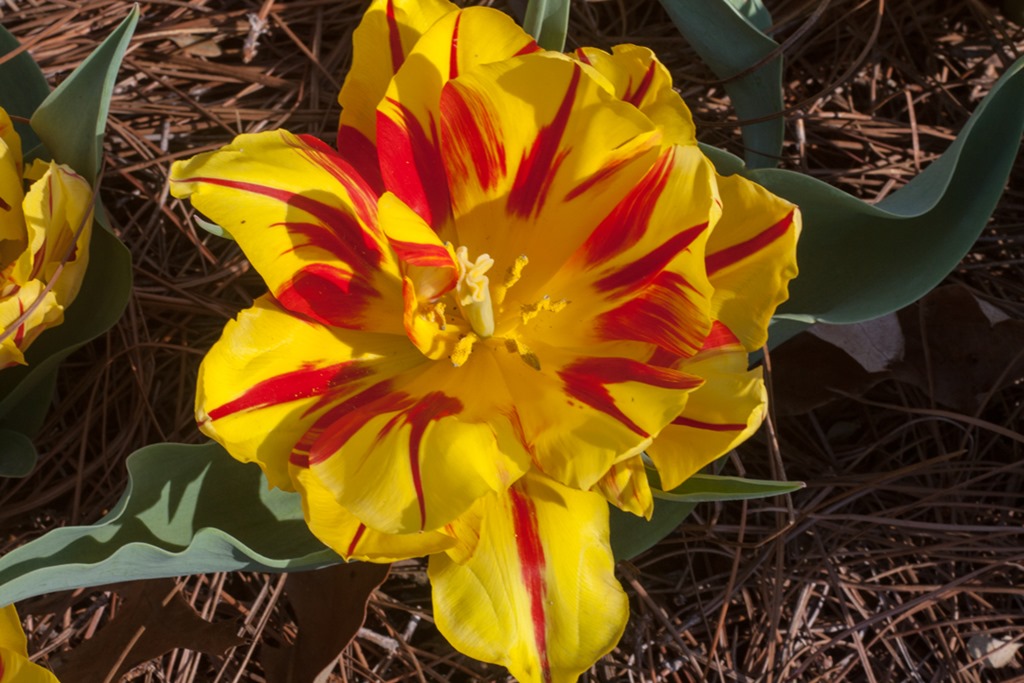
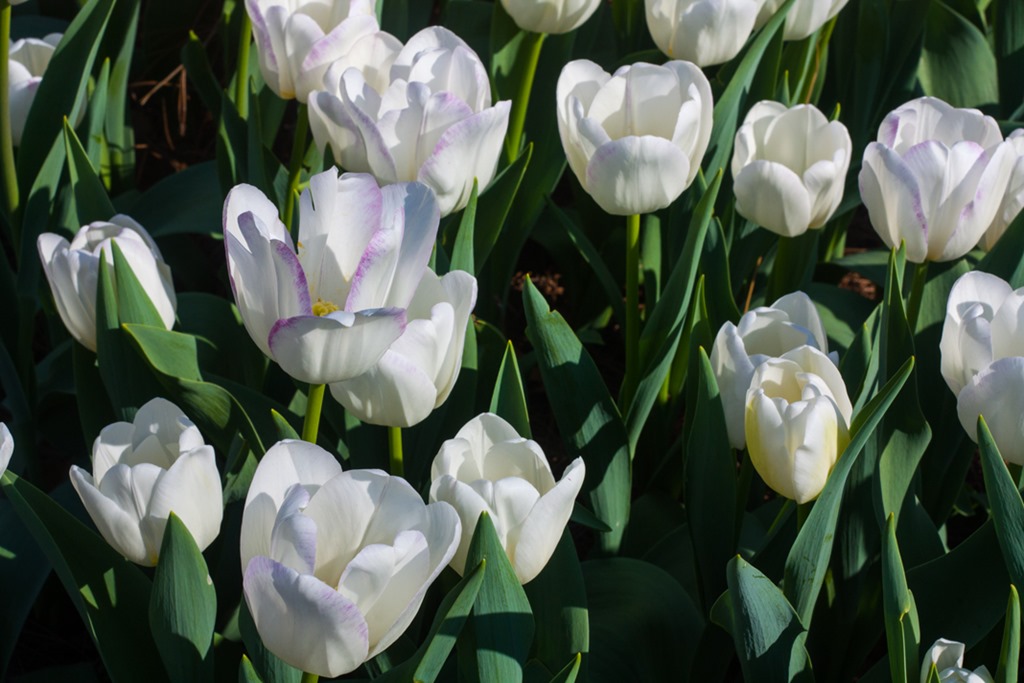
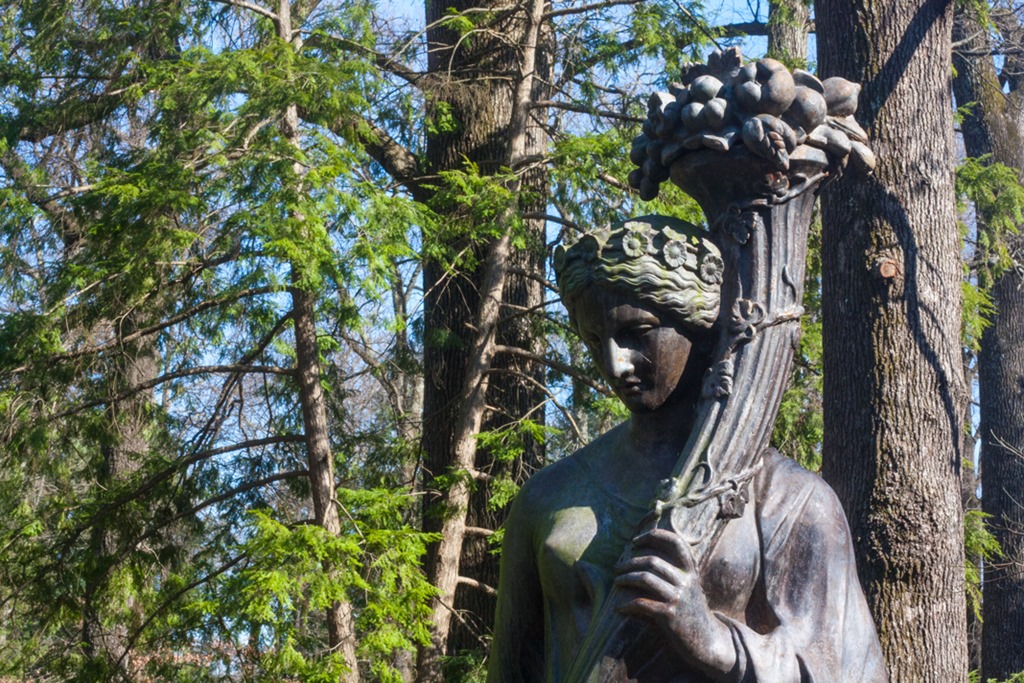
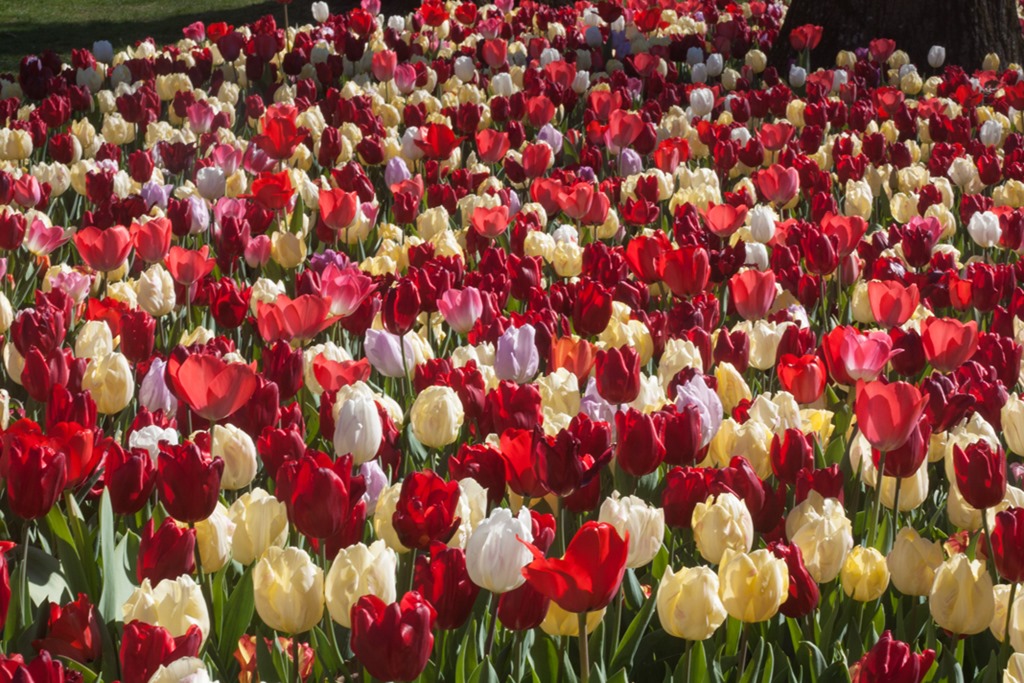
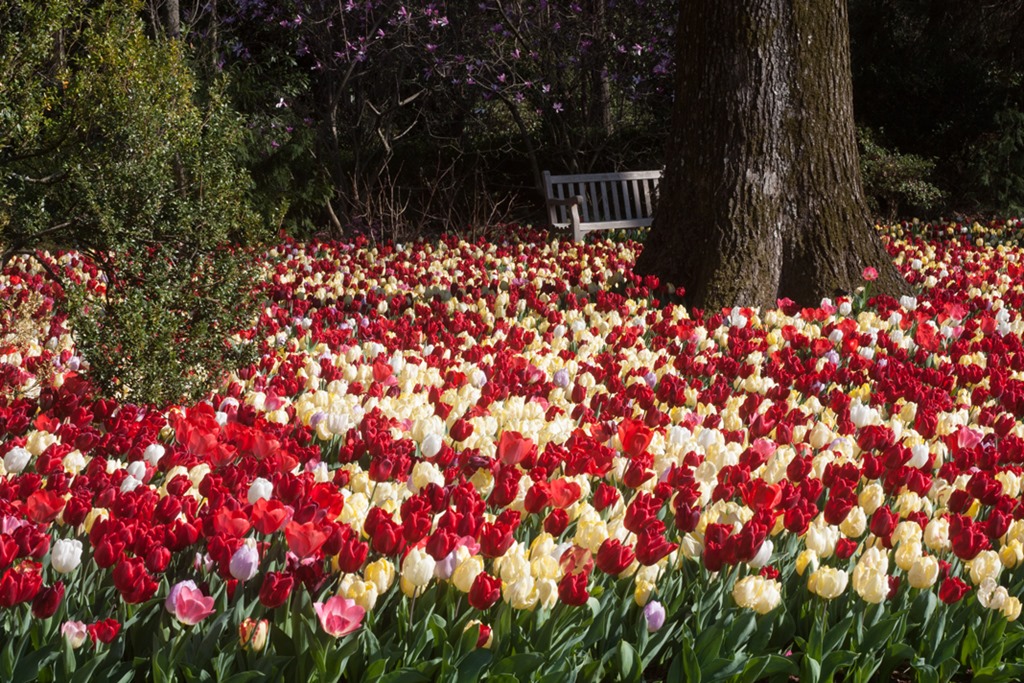
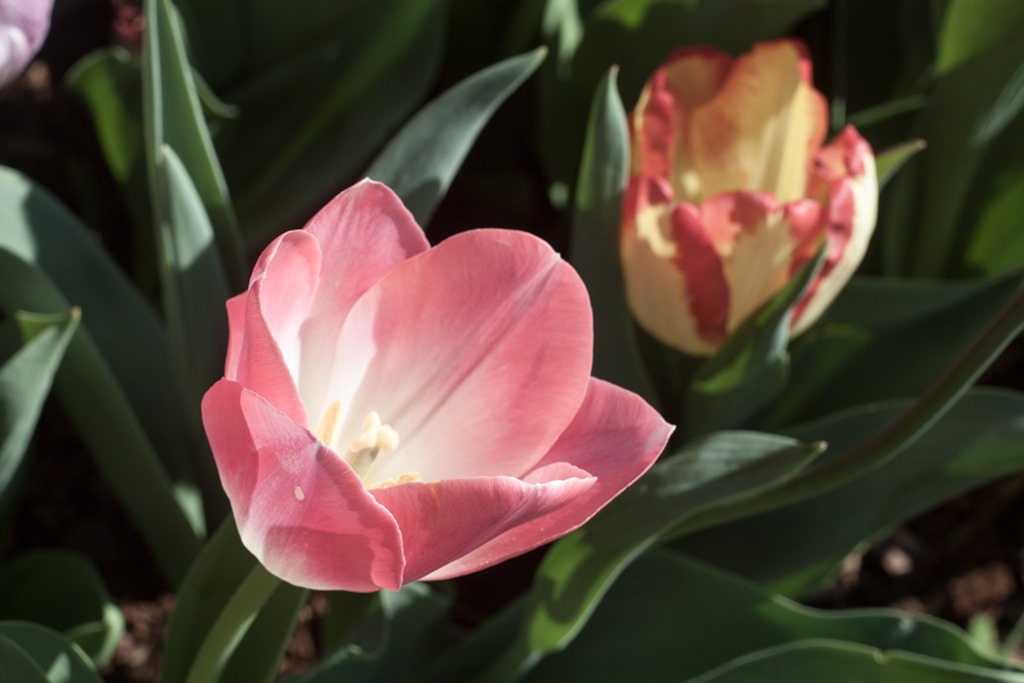
Saturday, Susan and I visited the Dixon Gallery & Gardens. I’m teaching myself photography, and so the flowers were an easy target. Any photography advice or tips would be appreciated.








JWH

by James Wallace Harris, Monday, March 6, 2017
Saturday, Susan and I visited the Dixon Gallery & Gardens. I’m teaching myself photography, and so the flowers were an easy target. Any photography advice or tips would be appreciated.
JWH
By James Wallace Harris, Tuesday, September 27, 2016
I’ve always loved dust jacket art on science fiction hardbacks. I also love cover art on science fiction paperbacks, and cover art on science fiction magazines. But what the hell is happening with covers for ebooks? I can understand when self-published authors create their own covers and they look awful. But why are we seeing covers like this:
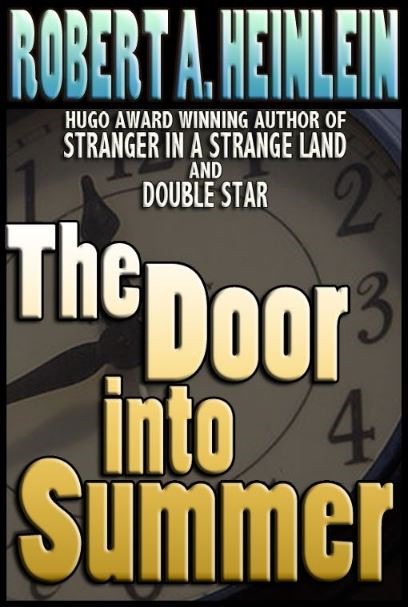
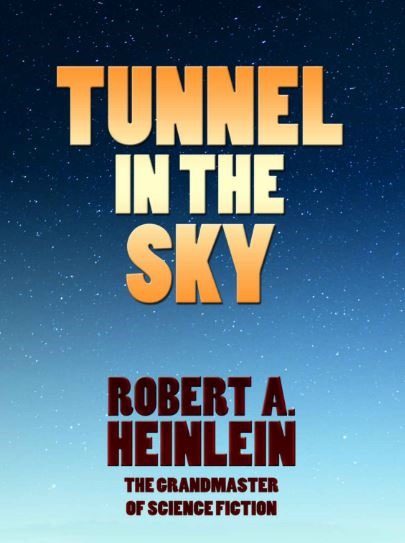
These new ebook editions have no copyright page or publisher listed inside. At Amazon, under publisher, they give: Robert A. Heinlein. As cheapo ebook covers these aren’t terrible – but they aren’t appealing either. I guess they decided that no art is better than bad art, and I’m thankful for that.
I assume publishers spent money on cover art when the covers often sold books. And I guess, since ebooks aren’t displayed in bookstores, publishers feel little need to sell books by their covers anymore.
If you look at the cover art from 2016 – here’s a selection at the old SF Signal site, and look at a selection of cover art from the 1960s and 1970s at Science Fiction and Other Suspect Ruminations, you’ll notice, at least in my mind, that cover art is less creative.
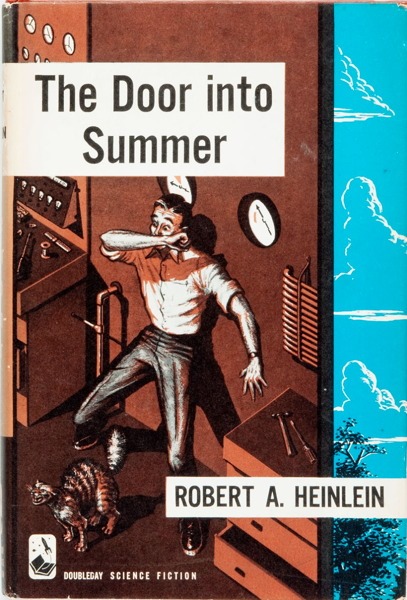
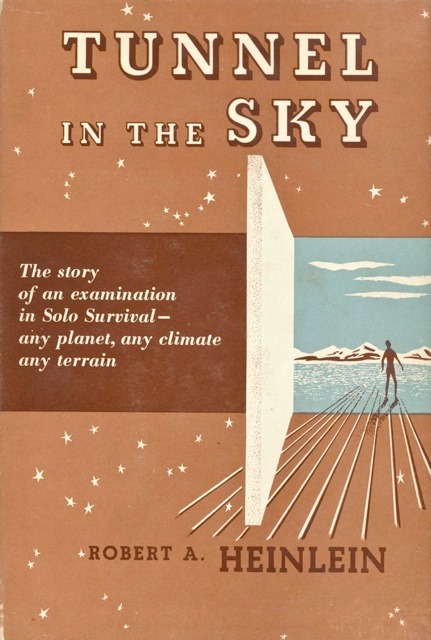
For fun, I thought I’d give a brief history of these two covers. Tunnel in the Sky has never had any great covers, but some of them were not bad. The Door into Summer has one great SF cover, and a couple interesting ones. Clicking on the covers should bring up larger images.
First off, their original hardback covers from the 1950s:
Now their early paperback covers:
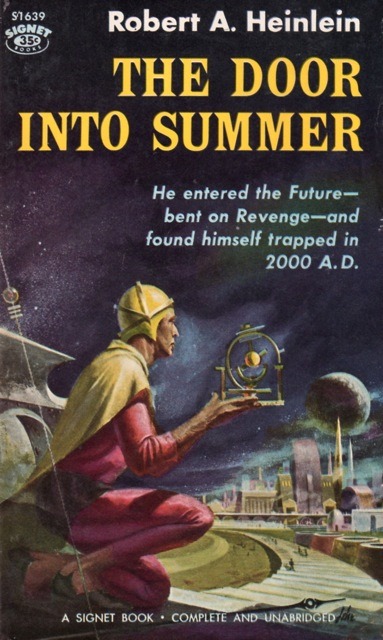
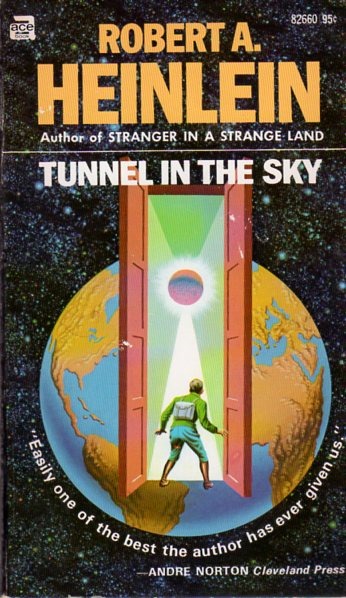
A couple foreign editions:
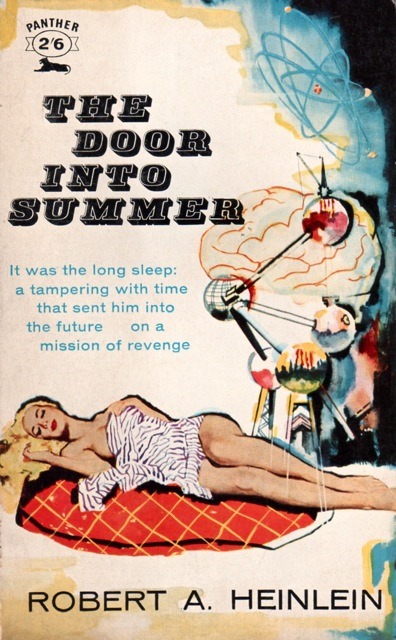
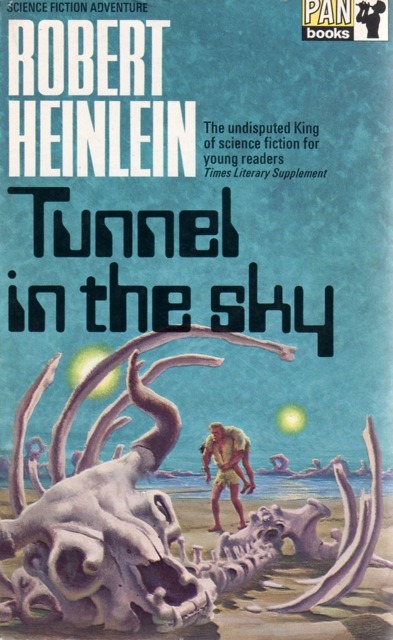
Later 20th century paperback editions:
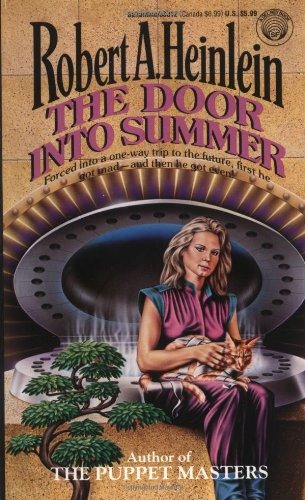
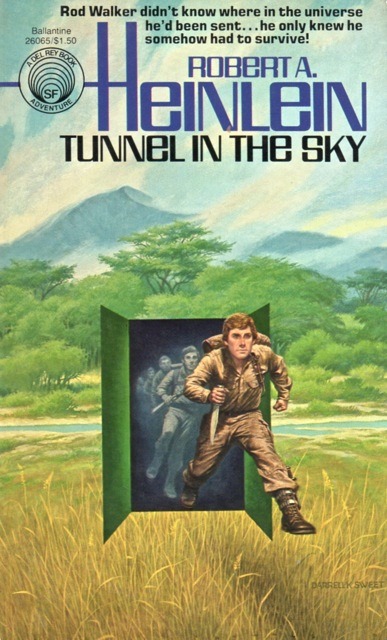
Some 21st century versions:
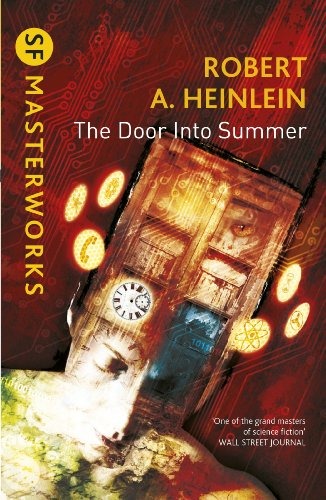
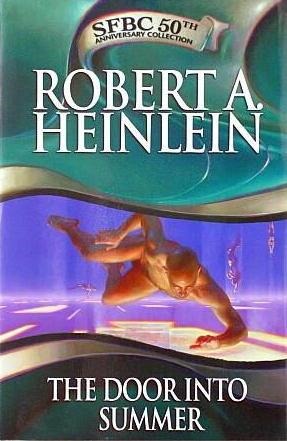
And for some extra fun, here’s what The Door Into Summer looked like when it appeared in F&SF.
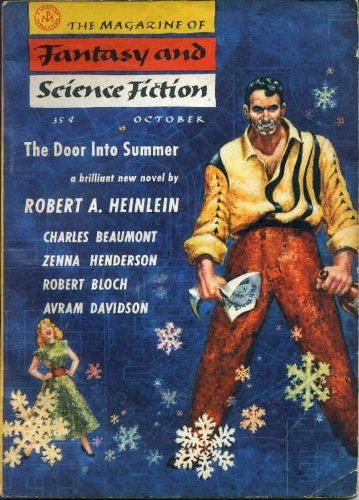
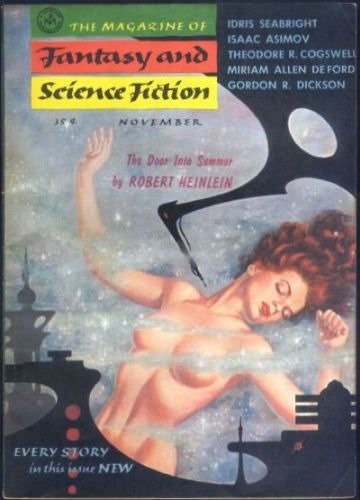
These aren’t masterpieces of cover art, but they are a lot more appealing than the current covers. Can you understand why I feel cheated?
I still miss the cover art from 12” LP covers. The art on CD cases were never the same. Is migrating to digital media destroying the wonderful world of cover illustrations?
JWH
By James Wallace Harris, December 31, 2015
Novel of the Year
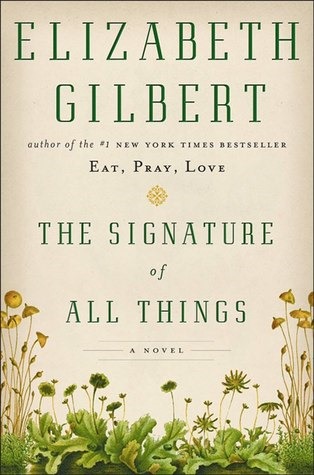
For most of my life, my all-time favorite novel has been Have Space Suit-Will Travel by Robert A. Heinlein. It’s now The Signature of All Things by Elizabeth Gilbert. I guess I’m finally moving past my childhood. The Heinlein novel, which I first read in 1964, gave me a future to think about, but for the past several years, I’ve been looking backwards, especially into the 19th century, and The Signature of All Things captures, at least for the moment, where I’m at philosophically.
Runners Up (no order):
This was a very good year for fiction. I read many more great novels, but these are the ones that shook me up. If you look at the full list of books below that I read in 2015, you’ll see some astounding novels I’m leaving off. This was an excellent year for new science fiction (Aurora, Seveneves, The Water Knife), but I can’t bring myself to consider them in the runner up category.
Nonfiction Book of the Year
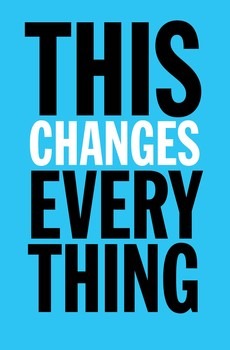
This Changes Everything by Naomi Klein is powerful statement about our future. Klein makes a great case that capitalism is at fault for our environmental problems. This is one of those books that everyone should read but won’t.
Runners Up (no order):
It was also a great year for nonfiction. One of my reading goals last year was to read more nonfiction. I didn’t work as planned, but I do think I’m reading a bit more nonfiction.
Reading Log for 2015
| Author | Title | Finished | Format | Year |
|---|---|---|---|---|
| Timothy A. Pychyl | Solving the Procrastination Puzzle | 2015-01-03 | Audio | 2013 |
| Roger Zelazny | This Immortal | 2015-01-06 | Hardback | 1966 |
| Albert Camus | The Stranger | 2015-01-06 | Audio | 1942 |
| Ray Bradbury | The Martian Chronicles | 2015-01-09 | Audio | 1950 |
| Kevin Birmingham | The Most Dangerous Book | 2015-01-17 | Audio | 2014 |
| Edmond Hamilton | City at World’s End | 2015-01-19 | Audio – Yahoo | 1951 |
| Edward O. Wilson | The Meaning of Human Existence | 2015-01-23 | Library hardback | 2014 |
| Robert A. Heinlein | The Man Who Sold The Moon | 2015-01-26 | Audio | 1951 |
| Elizabeth Gilbert | The Signature of All Things | 2015-02-03 | Audio | 2013 |
| Evan Osnos | The Age of Ambition | 2015-02-10 | Audio | 2014 |
| Hector Tobar | Deep Down Dark | 2015-02-13 | Audio | 2014 |
| Elizabeth Kolbert | The Sixth Extinction | 2015-02-18 | Audio | 2014 |
| Brian Aldiss | Non-Stop | 2015-02-21 | Hardback | 1958 |
| Nick Bostrom | Superintelligence | 2015-02-28 | Audio | 2014 |
| Naomi Klein | This Changes Everything | 2015-02-28 | Kindle ebook | 2014 |
| Yuval Noah Harari | Sapiens | 2015-03-12 | Audio | 2015 |
| Jack McDevitt | Moonfall | 2015-03-13 | Library hardback | 1998 |
| Roxane Gay | Bad Feminist | 2015-03-15 | Audio | 2014 |
| Olaf Stapledon | Last and First Men | 2015-03-22 | Audio | 1930 |
| Lynn Kear and John Rossman | Kay Francis: A Passionate Life and Career | 2015-03-26 | Kindle ebook | 2006 |
| Mary Doria Russell | Epitaph | 2015-03-29 | Audio | 2015 |
| Nancy Kress | Yesterday’s Kin | 2015-03-30 | Kindle ebook | 2014 |
| Eric H. Cline | 1177 BC: The Year Civilization Collapsed | 2015-04-04 | Audio | 2014 |
| Emily St. John Mandel | Station Eleven | 2015-04-05 | Kindle ebook | 2014 |
| Atul Gawande | Being Mortal | 2015-04-09 | Audio | 2014 |
| Paula McLain | The Paris Wife | 2015-04-14 | Hardback | 2011 |
| Benjamin Hale | The Evolution of Bruno Littlemore | 2015-04-18 | Audio | 2011 |
| Liu Cixin | The Three-Body Problem | 2015-04-27 | Audio | 2014 |
| Walter Tevis | The Queen’s Gambit | 2015-04-28 | Kindle ebook | 1983 |
| Alan Paul | One Way Out | 2015-05-02 | Audio | 2014 |
| Mary Shelley | The Last Man | 2015-05-18 | Audio | 1826 |
| Madeline Ashby | vN | 2015-05-22 | Audio | 2012 |
| Ross MacDonald | The Moving Target | 2015-06-01 | Library hardback | 1949 |
| Paolo Bacigalupi | The Water Knife | 2015-06-06 | Audio | 2015 |
| Frank Herbert | Hellstrom’s Hive | 2015-06-12 | Library hardback | 1972 |
| Pat Barker | Toby’s Room | 2015-06-17 | Library ebook | 2012 |
| Jules Verne | The Mysterious Island | 2015-06-21 | Audio | 1874 |
| Daniel DeFoe | Robinson Crusoe | 2015-07-04 | Audio | 1719 |
| Marie Kondo | The Life-Changing Magic of Tidying Up | 2015-07-10 | Kindle ebook | 2014 |
| Robert M. Edsel | The Monuments Men | 2015-07-15 | Library hardback | 2009 |
| Jack Williamson | The Humanoids | 2015-07-15 | Audio | 1947 |
| Harper Lee | Go Set A Watchman | 2015-07-19 | Audio | 2015 |
| Harper Lee | To Kill A Mockingbird | 2015-07-21 | Audio | 1960 |
| Kate Bolick | Spinster: Making A Life of One’s Own | 2015-07-30 | Library hardback | 2015 |
| Larry Niven and Jerry Pournelle | Lucifer’s Hammer | 2015-08-10 | Audio | 1977 |
| J. A. Johnstone | Phoenix Rising | 2015-08-11 | Scribd ebook | 2011 |
| Kate Bolick | Spinster: Making A Life of One’s Own | 2015-08-12 | Scribd audiobook | 2015 |
| Robert Silverberg | Downward to the Earth | 2015-08-15 | Scribd audiobook | 1970 |
| Andy Miller | My Year of Reading Dangerously | 2015-08-19 | Audible | 2012 |
| Nevil Shute | A Town Like Alice | 2015-08-23 | Audible | 1950 |
| Aziz Ansari | Modern Romance | 2015-08-27 | Audible | 2015 |
| Kim Stanley Robinson | Aurora | 2015-09-02 | Audible | 2015 |
| Daniel Coyle | The Little Book of Talent | 2015-09-04 | Audible | 2012 |
| Barbara Oakley | A Mind For Numbers | 2015-09-04 | Audible | 2014 |
| M. R. Carey | The Girl With All the Gifts | 2015-09-16 | Audible | 2014 |
| Neal Stephenson | The Seveneves | 2015-10-13 | Audible | 2015 |
| Isaac Asimov | Foundation | 2015-10-23 | Scribd audiobook | 1951 |
| Kate Wilhelm | Where Late The Sweet Birds Sang | 2015-10-27 | Scribd audiobook | 1976 |
| Dan Harris | 10% Happier | 2015-10-28 | Kindle ebook | 2014 |
| Robert Silverberg | Thorns | 2015-11-04 | Scribd audiobook | 1967 |
| Samuel R. Delany | Babel-17 | 2015-11-10 | Audible | 1966 |
| Charles Dickens | Bleak House | 2015-11-21 | Audible | 1853 |
| Clifford Simak | The Heritage of Stars | 2015-12-01 | Audible | 1977 |
| Alan Weisman | Countdown | 2015-12-08 | Audible | 2013 |
| Martin Ford | The Rise of the Robots | 2015-12-16 | Audible | 2015 |
| Philip K. Dick | The Broken Bubble | 2015-12-20 | Audible | 1956 |
| Hal Clement | Mission of Gravity | 2015-12-24 | Kindle ebook | 1953 |
| Philip K. Dick | The Man In The High Castle | 2015-12-27 | Audible | 1962 |
I read 68 books this year, the most since I’ve been doing these yearly reviews.
Reading Goals for 2016
Every year I make big plans for what I want to read in the coming year, and every year I fail to follow through. So this year I’m not going to make any promises. I want to read more nonfiction, but there seems to be some kind of psychological barrier to how much information about reality I can take in on any given week. I sometimes think I need to read fiction to balance the psychic load.
Past Year Reports
Essay #992 – Table of Contents
By James Wallace Harris, Monday, December 28, 2015
How is it possible that we’ll watch four one-hour episodes of the same TV show in one evening? Has streaming technology changed us? Has television become insidiously addictive? Or, do we just feel a deep desire to escape ordinary life? If we’d had Netflix back in the 1950s, would we have binge-watched Gunsmoke? I actually feel that television is constantly getting better, that the art of telling a story on the small screen is evolving. One reason shows are binge-watched is because they tell one story, like a novel, over a season. So I wouldn’t have binge-watched TV in the past, because those shows were complete in one episode. When the stories are compelling and extended, we want to keep watching, even well past our bedtime.
The Boob Tube has always been addictive, but it used to be just habit forming like marijuana, but now it’s painful-withdrawal addictive like heroin. In 2015 there were 409 scripted television shows. The competition to create binge-worthy shows is fierce. A study could be made as to what story elements are required to make a compelling fiction. I just finished season 2 of Fargo, where I completed it’s ten episodes in four days by watching 2-3 episodes an evening. It’s gruesome body count seemed inappropriate compared to the wholesome Christmas movies my wife wanted to watch. But, Susan is much more of a TV binge watcher than I am. She can watch 10-12 episodes of a favorite show in a weekend. Of course, people binge-read too, like my brother-in-law Cayce who is reading the 14-volume Wheel of Time by Robert Jordan, where each book is a giant volume by itself. Why have we gotten so addicted to make-believe?

I prefer to watch television with friends, which often means watching two episodes a week on a Friday night. Janis, Mike, Betsy and I just finished The Man in the High Castle. It was so great we had to finish up the last two episodes early, on a Sunday night. There are downsides to watching binge-worth TV with friends: the urge is to cheat. Watching on our own is convenient, but ruins the social fun. But when this happens, and I do it, I end up watching some episodes twice. Or I’ll watch shows twice because I want to see them with different people. I watched Humans and Mr. Robot with two sets of friends, and I enjoyed those shows so much that seeing each episode twice was not boring in the least. Television shows have evolved so much that they are complex enough to rewatch and still discover new insights.

I now worry about being too addicted to binge-worthy TV. Broadcast TV is still catching up to premium TV. I often have to buy my shows because I don’t have cable. The best of the best TV is so good, that I’m becoming a junky craving ever more powerful TV highs. I can’t imagine how good television can get, but shows in the 2020s might become paralyzing. My TV buddy Janis and I are always edgy when we don’t have a binge-worth TV show to watch. Last night we tried several shows hoping to find one that would hook us. I watched Fargo without her, and she’s a little miffed. But she does the same thing to me—finding shows to view alone without me. It takes discipline to wait and watch shows with friends because it’s always problematic to schedule TV viewing with a friend, and especially difficult coordinating three or more people.
For me, the best experience is to share a great TV show. If you have no one to get excited over a show, somehow the show doesn’t seem as great. And discovering what kinds of shows your friends love is so revealing. It’s bonding. It’s resonating. All my friends binge-watch now. My main bond with some people are through discussing TV.
Here are the shows that came out during the year that I loved the most in 2015.
I watched many more shows during the year that came out before 2015, like Mozart in the Jungle season 1, The Knick season 1, The 100 season 2 and Fargo season 1. There were other shows I loved the first or second season, but they petered out this year like Orange is the New Black, Vikings and House of Cards. Novelty is everything with binge-watching.

Since I could never watch everything that came out in 2015, you should read these lists below. You’ll notice that several shows, many of of which I watched, were listed over and over again.
Essay #991 – Table of Contents
Postscript – written later that night:
This essay really didn’t do what I wanted. There is a certain quality to fiction that I crave, that I find in books, movies and television shows. I was just washing some dishes and for a fleeting moment I wondered if fiction isn’t the way we seek to live differently. But it’s more than just wanting to exchange our boring lives for exciting ones. Fiction has a pacing and logic that improves on normal life.
When I was watching the new Star Wars film today I felt its creators were trying to find their way home, which in this case was the first Star Wars movie. Could it be that Star Wars creates a high that its fans seek to live? I wish life felt like my favorite songs, which explains soundtracks, because most people would feel life is better with a backing score. When I was a kid, one reason I liked smoking grass was it gave life a tinge of drama. Fiction vibes are much different from real life vibes.
After watching The Man in the High Castle miniseries I reread the book for the third time by listening to it. The ending of the book is much different from the movie. Juliana Crane has an insight to the book within the book, The Grasshopper Lies Heavy. She feels its fictional revelations, inspired by the mystical ancient text, I Ching, understands life. Philip K. Dick, a notorious paranoid, playing around with alternate history and the many world hypothesis, suggests that life is like a book. Poor PKD so desperately wanted “The Answer.” As the omniscient narrator he could give his creations the logic we seek.
I’m thinking different kinds of books give different kinds of highs, and what we crave from fiction is life with the kind of high we get from our favorite books.
Of course that opens up a whole can of Freudian worms when I wonder about me loving shows like Fargo and Breaking Bad. I imagine the high folks get from Star Wars is like those they get from comic books and video games, which is very youthful. The highs I like from fiction come from getting old.
JWH
By James Wallace Harris, Wednesday, July 8, 2015
Marie Kondo in her book the life-changing magic of tidying up: the Japanese art of decluttering and organizing has me rethinking my feelings about buying and collecting books. Her chapter on tidying up bookshelves is more than just about culling books, but how we think about them. Most bookworms love owning thousands of books. I’ve own as many as ten thousand in my lifetime—although I never read that many.
Kondo challenges us to think about why we keep books. Which leads me to wonder why I buy books. I was just at the bookstore with a gift card in hand. With each book I picked up I asked myself, “Will I read this book right away? If read it right away will I keep it? If I don’t read it right away how long will I wait to read it? And if I never read it, how long before I give it away?”
A year ago I wouldn’t have left the bookstore empty handed, but today I did. There are a number of ways I’ve changed. First, in tidying up my books I’ve given away hundreds of them. Many of those were not read, but had been sitting on my shelves for years or decades. Tidying up has made me aware of the hundreds of books I still own waiting to be read. I’ve been keeping a books read log since 1983, and in recent times I’ve also noted in what format I read the book. Most were digital audiobooks, but of the ones I read with my eyes, ebooks are starting to overtake print books. Finally, I’ve also subscribed to Scribd.com which is a rental library for ebooks, audiobooks and digital graphic novels. For $8.99 a month I have access to thousands of books and audiobooks. Scribd tends to have older titles, exactly the kind I find when shopping for used book bargains.
I was spending $50-100 a month on used books and Kindle/Bookbub ebook specials. That $8.99 deal gets me more books by renting than I was by buying. So why should I buy? I’ve mostly stopped buying movies since I became a Netflix subscriber, so I think the same thing will happen with books now that I’ve become a Scribd member. Marie Kondo would be so happy.
Yet there’s more to owning books than the urge to collect. We keep books for sentimental reasons, because we feel we might reread them, or they will be reference books. I’ve always kept books because I have a crappy memory and feel I need the book as external memory. In contemplating my feelings for tidying up my bookshelves I realized its very rare for me to go back to a book. I cling to my favorite books because its an emotional way of believing those books are a part of me. One revelation is my favorite stories will always be a part of me as long as I remember those stories, and it doesn’t matter if I own the delivery mechanism in which I read their words.
I also realized that any book I want to read again is a week away via ABE Books for a few dollars, or instantly available by ebook. And it gives me a good feeling to think other people could be reading my favorite books if I let them go. So I did.
What scares me now is I might let all my books go. I’ve always loved to have people see my library. It’s my only impressive visual quality. Can I imagine being the bookworm I am without a wall of books to prove it? There is another revelation that Marie Kondo has accidently led me to comprehend. I am not the books I’ve read, but the book I’m reading.
I think our species is leaving a phase where we defined ourselves by what we own and now see ourselves by what we do.
JWH
 Auxiliary Memory