Has Telepathy Become an Extinct Idea in Science Fiction?

By James Wallace Harris, Tuesday, February 17, 2015

Science fiction is a genre that generates far out ideas. Science fiction writers often imagine new concepts to structure into their plots. Some invented concepts are embraced by the genre and become subgenres – like space marines and military SF. Concepts like time travel, galactic empires and hyperspace travel become memes that spread to the outside world at large. At other times, real world topics, like nuclear winter and warp drives, get incorporated back into science fiction.

The Demolished Man - Signet

This gets me to wondering. Are there science fictional concepts that become extinct? Do ideas come in and out of fashion? I ask this because I’m reading The Demolished Man (1952) by Alfred Bester, which is about telepathy in society. Does anyone believe in telepathy anymore? Back in the 1950s there was a boom in ESP/Psi stories. Belief in mind reading and psychic powers have been around for thousands of years, probably crossing over from religions and beliefs in magic of our earliest ancestors. In the 1940s and 1950s, I figure SF psi-power stories became popular with the development of the idea of next stage humans, mutants or advanced aliens. For some reason people assume evolutionary advancements will confer ESP, even if it isn’t logical. Since the 1950s whenever television or movie science fiction like The Twilight Zone, The Outer Limits, Star Trek and Star Wars wanted to present advanced humans or aliens, they’d give those characters the ability to read minds or telekinetic powers.

What’s strange is we hardly read about ESP and telepathy anymore – at least in science fiction. I’m sure the ideas are still popular with fans of the occult, but not science fiction. A nice chronicle of  the use of telepathy in science fiction can be found at The Science Fiction Encyclopedia. However, checking with GoodReads I find that telepathy is still very popular with fantasy novels and paranormal romances. If you look at their list of telepathy novels very few are science fiction, and most are the classics like Slan, More than Human, Odd John, Zenna Henderson’s The People stories, and the #1 book is The Demolished Man. However, I might be wrong about telepathy becoming extinct in fantasy fiction – just check out this list of 1650 books at SciFan. However, even the titles that are science fiction, most are fantasy based.
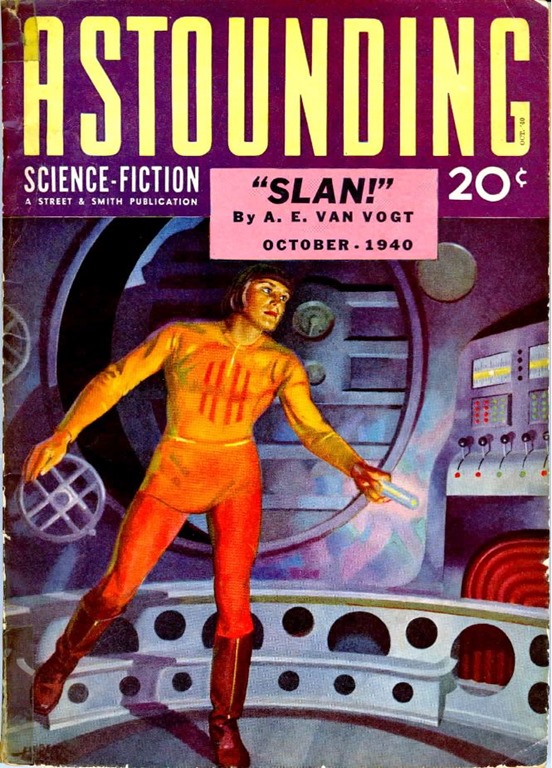
slan-astounding oct1940

At The Science Fiction Encyclopedia they suggest that telepathy as a theme in science fiction has fallen off because of the rise of cyberspace. We now picture ourselves using computers to connect to each other. That theory feels right. One day iPhones might be implanted into our heads, and that sounds more realistic than brain cells evolving radio frequency transmitters and receivers. Technological telepathy is well underway with machine-body interfaces to allow thoughts to control muscles.

childhoods_end

So why was psi-power science fiction so popular in the 1950s science fiction? Some people claim its because John W. Campbell, Jr., the editor of Astounding Science Fiction pushed the idea of psionics on his authors because it was his pet belief. Others claim Charles Fort influenced writers like Robert A. Heinlein and L. Ron Hubbard. Others claim it was the Rhine experiments in the 1930s that got the ball rolling. The 1950s was a weird time in America, with “true stories” of UFOs, ESP, Bridey Murphy, and Edgar Cayce inflaming the public with nutty ideas. After the atomic bomb became famous in 1945, I think people start believing anything was possible with the help of science. Science fiction got people thinking about intelligent life on other worlds, life that might be far superior in intellect to our own. We started imagining what humans could become with the help of mutation, genetics and machines.
stranger in a strange land - 1961

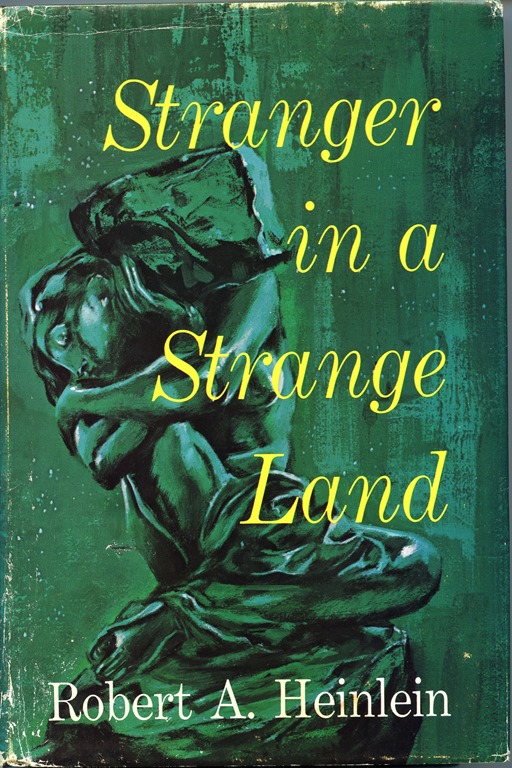
I think the idea of psi-powered humans peaked in 1961 with Stranger in a Strange Land by Robert A. Heinlein, where Heinlein featured an ordinary man raised by advanced aliens capable of learning amazing feats of brain power. For me, the idea died with Dying Inside by Robert Silverberg in 1972, which showed a lonely, pathetic telepath surviving on the margins of society.

I don’t know what caused it, but for some reason I woke up in the 1970s and rejected all speculation about the paranormal. The idea of ESP just became silly. I think the reality distortion field of the 1960s wore off. Even in 1977, with Close Encounters of the Third Kind being a wonderful film, the idea of UFOs seemed just as silly too. UFOs and ESP became concepts embraced by cranks. After the Apollo Moon missions ended in 1972 and the Viking landers made it to Mars, space travel took on a realism that made 1950s science fiction seem quaint. Starting with Neuromancer in 1984, cyberpunk fiction just changed everything in the genre. We’ve been overwhelmed by the impact of computers and nanotechnology ever since. We find magic and power in machines, not minds.

Psi-powers and mutants have been replace by exploring posthumanism. And if you think about it, there are many concepts once popular in science fiction that are slowly becoming extinct. Beside Psi-powers, the idea of mutants seldom shows up. We don’t talk much about WWIII or nuclear wars. Even though the population of real robots is growing in the real world, we don’t see many robot stories anymore either. Interstellar had a nice robot. We seem to imagine AI machines being embedded into our technology rather than Asimovian robots.

I can’t say if psi-powers were just a story idea, or if people really believed back in the 1950s that humans would one day evolve to have such amazing abilities. Maybe the kids of that era hoped to grow up to be Superman and fly. If I had to guess, I would say many SF fans back then did believe in Slans, because many people today want to believe in life-extension, artificial intelligence, downloading brains and human-machine mind connections. Over time we’ll discover what’s really possible, and then many of the beliefs about those concepts will die off too, like belief in ESP powers today.

p.s.

In the late 1980s I had a BBS devoted to science fiction and I brought up the topic of telepathy and ESP then. I assumed everyone believed it a dead topic by that time, but I was proven wrong. Many of the members of my bulletin board became enraged by my attack of telepathy. They passionately wanted to believe in extrasensory perception. I wonder if that’s going to happen again with this essay?

Table of Contents

Wilderness Destruction and The Seven Deadly Sins

By James Wallace Harris, Monday, February 16, 2015

I’m a bookworm who spends most of my day indoors reading and watching documentaries on TV. My only exposure to nature is looking out the window behind my monitor to watch the squirrels and birds at play in my backyard, and my daily walk in the neighborhood. So why should I worry about the amount of wilderness left in the world?

My first response would be to say guilt. I feel bad that my species is hogging the Earth and killing off other species so fast that we’re causing the 6th great extinction event.

My second response would be a love of nature at a distance – mainly from nature documentaries. I love that the Earth is filled with biodiversity. If the planet was paved completely with urban sprawl, McDonalds, Best Buys and Exxon stations it would be quite dreary.

My third response, is fear for the future. Most people think of climate change as flooding cities and extreme weather. They seldom contemplate the acidification of the ocean which will destroy most aquatic life, or how climate change is killing off other species. Not only are we fucking up the world for ourselves, but we’re forcing a good percentage of life on Earth to go down the  evolutionary drain.

This Sunday’s New York Times reported “Leaving Only Footsteps? Thing Again” by Christopher Solomon. Solomon says 99 percent of the protected land in North America we’ve set aside for wilderness has various forms of recreation allowed in them that disrupt the wildlife. We’ve loving nature to death.

Even though I’m not a religious person, I like to think about The Seven Deadly Sins and judge humanity by that yardstick. Our treatment of the Earth as a resource for human consumption shows extreme examples of gluttony, greed, sloth and pride, and we can tie overpopulation to lust, war with wrath and consumerism with envy. Which makes a clean sweep of the all the cardinal sins. If seen from a distance, a giant superior being examining our world under a microscope, humanity would appear like a cancer eating the planet.

As individuals we think of ourselves as pretty good people, and rationalize that we’re only struggling to stay alive. We focus on our own little campfires failing to see we’re part of one giant forest fire burning down our own world.

Since I’m using religious metaphors, let’s go back to The Book of Genesis, and The Tree of Knowledge of Good and Evil. When Adam and Eve ate the forbidden fruit they learned about sin, and acquired free will. I’ve always imagined the author of this story as understanding that humans once lived in nature, being one with the wildlife, and saw the change we underwent when we switch to agriculture and living in cities. This is when that author also said in Genesis 1:26

Then God said, "Let us make mankind in our image, in our likeness, so that they may rule over the fish in the sea and the birds in the sky, over the livestock and all the wild animals, and over all the creatures that move along the ground."

If the author of Genesis was alive today and writing, I think he or she would write something much different. I think it’s pretty obvious that we never acquired the finer distinctions of our sins. The above passage might be true when the human population density was what it was three thousand years ago, but not today.

There is a new series on PBS called Earth: The New Wild which I can’t recommend too highly. The host, Dr. M. Sanjayan makes a case for how we should live with nature and not dominate. This is going to be very hard.

But if humans do have free will, we have the power to decide how much wilderness belongs to all the other species on this planet, and how much is our fair share. We are the gods that decide the fate of all the other species on Earth. I’m not sure we’re doing it with free will or unconscious evil. Maybe some people have free will, but not the majority. We still live by our animal instincts, and the seven deadly sins describes our major survival traits.

Many of my friends worry I’m depressed because I write about such depressing subjects. Many of my friends refuse to contemplate what I do because it makes them depressed. They ask why dwell on the inevitable. I see our problems as an intellectual challenge. Theoretically we’re smart enough to recognize our sins. And there is no forgiveness for destroying the world.

There’s a book title I’ve always loved, “What If Our World Is Their Heaven?” What if Earth is our Heaven and we’re turning it into our Hell?

I find it fascinating why we don’t see our own self-destruction and the evil we do to the other species of Earth. I often feel like I sitting in a deckchair on the Titanic and I see the iceberg. I’m not the only one, but most people refuse to look. The tragic thing is the captain and the crew do see it, but refuse to change course.

JWH

Is Free Market Capitalism the Cause of Global Warming?

By James Wallace Harris, Thursday, February 12, 2015

I’m reading This Changes Everything: Capitalism vs Climate by Naomi Klein, and she has a great explanation why conservatives are so vehemently against solving climate change. Klein says free market capitalism is the cause of global warming. We know it’s people, and I’ve always assumed climate change due to too many people being too wasteful and too inefficient. But Klein makes a case that it’s specifically free market capitalism that’s the mechanism causing the growing CO2 in our atmosphere. She thinks conservatives are savvy enough to know that, and also know to correct the problem would require big government and massive controls on capitalism. Her hypothesis feels right to me.

This-Changes-Everything-Capitalism-vs.-The-Climate

If you think about it, free market capitalism is based on the idea that natural forces of the marketplace will produce the best economic climate, and that’s probably true if all you care about is increasing wealth. But if rank other factors such as the environment, wellbeing of all citizens, or wealth equality, then those blind forces behind the free market fail. This really is a dangerous idea. Klein asserts that ultimately free market capitalism is no more effective than state run communism as a mechanism for creating a successful society.

I believe Klein is right. The trouble is giving up free market capitalism will put most people on Earth out of a job. What we need is enlightened capitalism, where we substitute conscious forces to regulate the marketplace for the unconscious free market forces. Of course that means Big Government, and lots of taxation – the exact solutions conservatives are rabid to eliminate.

Klein points out we’ve been dragging our feet for decades about solving climate change. Like people who wait until they’re 55 to start retirement savings, we’re at a point where we need to make massive changes. If we started back in the 1980s we could have gotten by with 10% of our GDP. Now it’s going to be painful. The hidden forces of the market place is really a nice name for greed. We live in a plutocracy, where the wealthy rule. I tend to doubt our rich rulers will allow us to make the changes needed to solve climate change. In other words, unless there’s a massive social outcry to change the way we live, we’re going to have to live with the effects of climate change. Klein shows in her book there are plenty of solutions available to us, but will we wise up in the next ten years and apply them?

That’s the other thing she makes obvious – time is running out. We’re about to reach a point of no return, where we can’t break the momentum of the freight train of climate change. Some scientists have made cases we have already passed the point of no return. It’s not like the world will come to an end if the average temperature increases 5-10 degrees Fahrenheit. But the ironic thing is, and here’s my personal prediction, is it will destroy free market capitalism, because the effects of climate change will put us into decades, if not centuries of crisis mode economics.

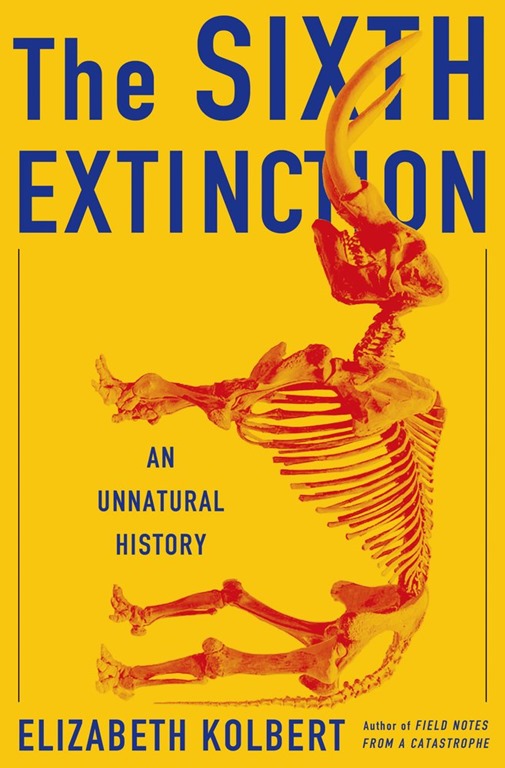
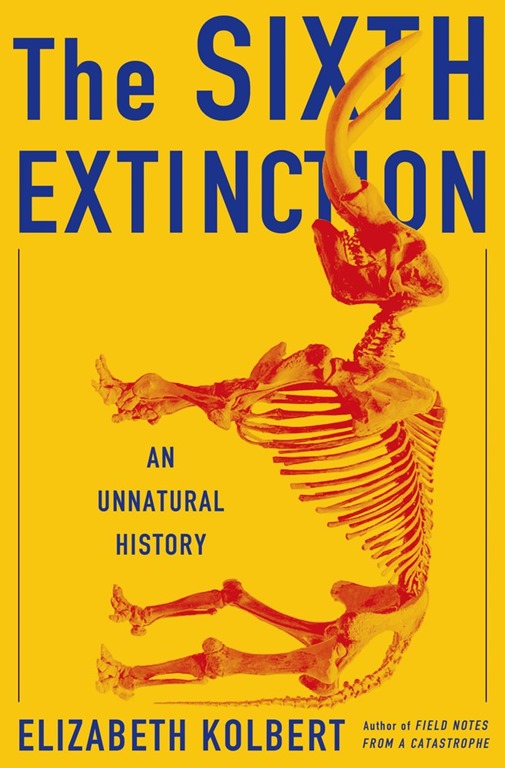
Predicting the future is impossible. But if you’re running towards a cliff and you’re not slowing down, then it’s not hard to extrapolate what’s going to happen next. If you are at all concerned with the future, and especially about your children and grandchildren, then I recommend reading This Changes Everything. I also recommend Capital in the Twenty-First Century and The Sixth Extinction, those three form an amazing synergy. We can solve our problems if we work at them. You can’t win the Lottery if you don’t buy a ticket.

Capital_in_the_Twenty-First_Century_(front_cover)Sixth-extinction-nonfiction-book-kobert

JWH

Are You Prepared for a Natural Disaster?

By James Wallace Harris, Wednesday, February 11, 2015

If you’re a news junky like me, you probably wonder why the news for the last several years features so many stories on weather and natural disasters. When I was growing up Walter Cronkite hardly ever did a piece on the weather. Now we can’t go a day without hearing about some big natural event somewhere on Earth on the nightly news.

This piece of information jumped out at me while reading This Changes Everything by Naomi Klein:

Over the course of the 1970s , there were 660 reported disasters around the world, including droughts, floods, extreme temperature events, wildfires, and storms. In the 2000s, there were 3,322— a fivefold boost. That is a staggering increase in just over thirty years, and clearly global warming cannot be said to have “caused” all of it. But the climate signal is also clear. “There’s no question that climate change has increased the frequency of certain types of extreme weather events,” climate scientist Michael Mann told me in an interview, “including drought, intense hurricanes, and super typhoons, the frequency and intensity and duration of heat waves, and potentially other types of extreme weather though the details are still being debated within the scientific community.” 36

Klein, Naomi (2014-09-16). This Changes Everything: Capitalism vs. The Climate (p. 107). Simon & Schuster. Kindle Edition.

Since I wondered about those statistics I did a Google search and found EM-DAT The International Disaster Database. The site is full of statistics and wonderful charts like this one:

eveyr2_view

Whenever I watch the news and see stories about hurricanes, floods, earthquakes, tornados, fires, blizzards, etc., it always disturbs me to see people made homeless, or forced to live without power and water. We once lived without power for thirteen days. Since then I’ve had the power go out a couple times for 2-3 days. When I see these news reports I often wonder what I would do if my house was destroyed, or if I had to live without utilities for a very long time. I’ve known a number of Katrina refuges. They just moved away from New Orleans forever.

Who do I know around the country that would put me up? Luckily, my wife works out of town, so I have a second home to go to. But if I had to stay in Memphis, I know a number of friends who’d put me up. But that would only be temporary. And what if I was homeless without any of my paperwork, maybe without even my wallet, how do I reestablish myself? I know the Red Cross helps people in times like that. This makes me think I should cache some important papers in a bank vault or at a friend’s house.

Ever since Hurricane Elvis devastated Memphis in 2003, with straight line winds, I’ve always kept a bunch of flashlights and battery lanterns around. I should keep more bottled water and ready-to-eat non-refrigerated food. And what about medicines? It makes me wonder if I should have an emergency backpack? And what should go in it? It’s something to think about.

Living without electricity and heat is one thing, living without plumbing is a whole other issue. When the water is shut off and you can’t flush the toilet, you quickly realize the value of civilization. I once wondered when the water was shut off while the utility company was working on the main, if I shouldn’t store several plastic jugs of water for flushing the toilet. However, I don’t know how practical that would be.

What if my truck was destroyed, or the roads were blocked? Could I just walk away? Bicycle? Where would I go? Generally, disasters are local. Cell phones are a miracle. I could call a friend that lives somewhere nearby that’s outside of the damage zone. Who? Luckily, I don’t have children or pets. That must be an extra nightmare to deal with.

I should read blogs and memoirs by people who have lived through catastrophes to pick up tips. This is an interesting topic to think about. More than likely, I won’t do much to prepare, assuming like most people, that I’ll always be safe. But it probably wouldn’t hurt to make some preparations.

And has climate change worsens, I suppose we could have many times more natural disasters each decade. What if there were 10,000 in a decade? Will everyone become super-prepared? Can we build tornado proof houses? When I was growing up in the 1950s and 1960s some people built bomb shelters because they were afraid of nuclear war. Will people start building natural disaster proof houses? Or weather bunkers?

JWH

The Best Nonfiction of 2014–Collected Lists

By James Wallace Harris, Tuesday, February 10, 2015

I’m in two nonfiction book clubs. One is online, and one is face-to-face. Between the two, I’m introduced to twenty-four books I would not normally read, and my reading life has become much more exciting over the last few years. Both book clubs have a nomination process where recommended titles must jockey for votes. Both clubs have about a dozen or so members, and it’s rather hard to find books that will appeal to so many people, and even more, get that many people to actually read. Every once in a while, we’ll pick a book everyone absolutely loves, like The Warmth of Other Suns by Isabel Wilkerson. On average, if we’re lucky, we’ll pick books that at least half the people like.

It’s easy to find books to nominate, but hard to find willing agreement. I generally try to nominate books that have least a 100 reviews at Amazon. The Warmth of Other Suns has 1,297 reviews, with an average rating of 4.7. It turned out to be the highest rated book at my online book club.

One technique I use to scout for possible nominations is to read all the best-of-the-year booklists. If I see a book that’s on many of the lists, I figure it’s a book that’s both good and appealing to wide range of readers. Here are the lists for 2014:

I wished these sites would make a nice printable version of their yearly recommendations so it would be easy to take to the book club and pass around. Even better, I wish some enterprising web site would collate all the lists and make a meta-list of the most recommended books. I could do that, but it’s just too much work. What I end up doing is eyeballing the lists and going from memory which books I see over and over again. These nineteen books were the ones I saw the most, and were on at least 5-10 lists.

Age of AmbitionsBook Review-Bad FeministBeing Mortal

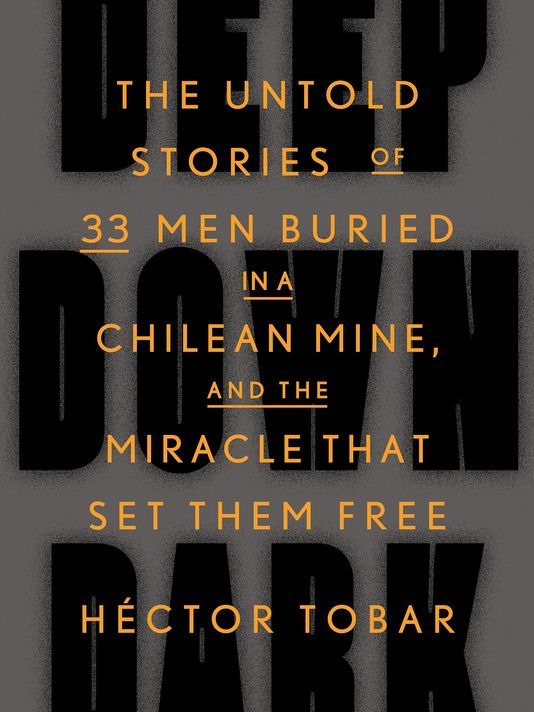
Capital_in_the_Twenty-First_Century_(front_cover)Deep Down Dark - Hector TobarFactory Man - Beth Macy

How_We_Got_to_Nowin the kingdom of iceinnovators

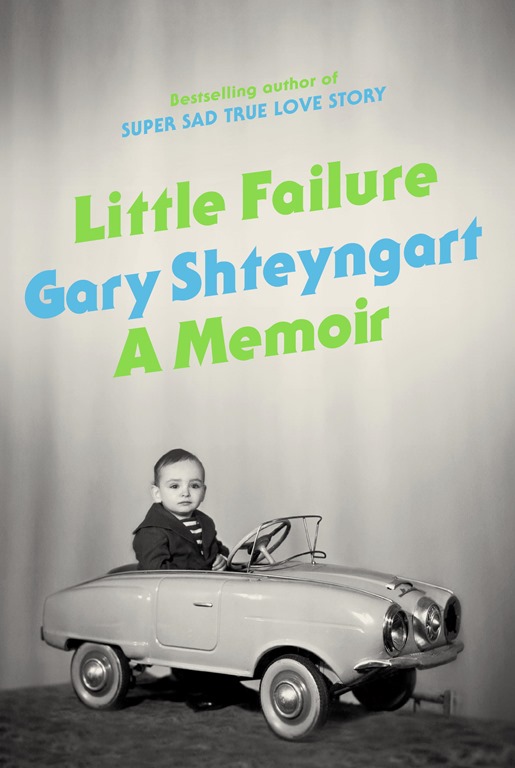
Little FailureMan Alive McBeeOn Immunity.JPG

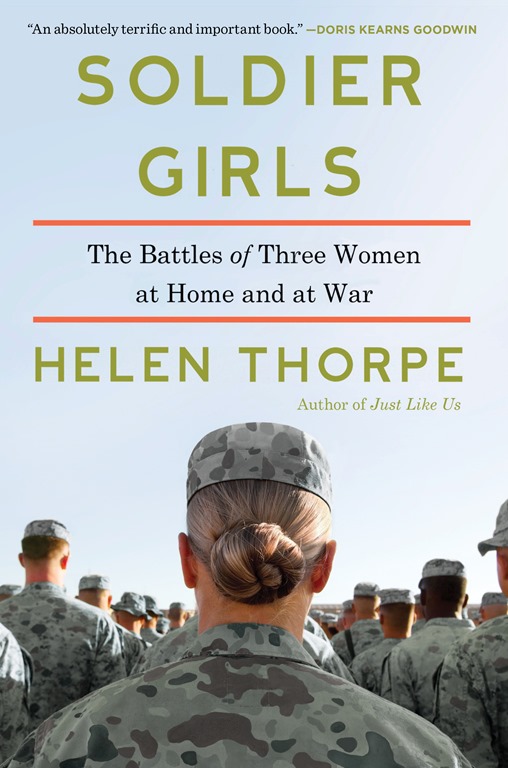
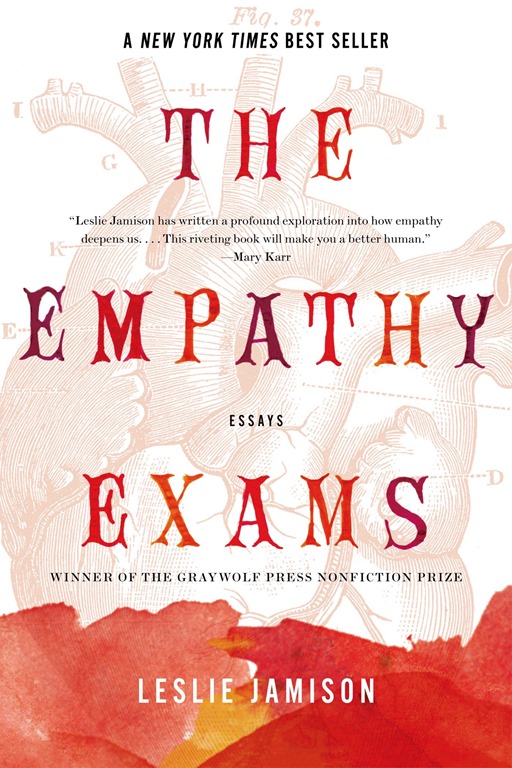
Sixth-extinction-nonfiction-book-kobertSoldier GirlsThe Empathy Exams

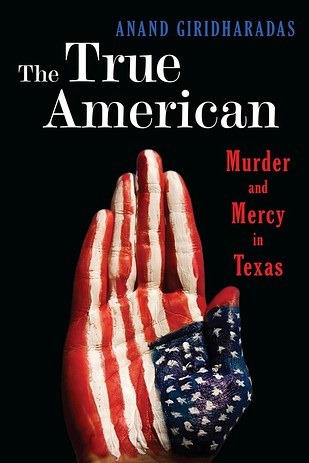
The Short and Tragic Life of Robert Peace - Jeff HobbsThe True AmericanThirteen Days in September

This-Changes-Everything-Capitalism-vs.-The-Climate

JWH